
So here’s a small benchmark of the primers we’ve tested in-house, complete with their strengths and weaknesses.

A primer can help make-up last longer, although the effect depends on the product, your skin and the conditions. No, because foundation fades, shifts, or worse, literally melts away, leaving your forehead, nose and chin shiny while patches of colour disappear here and there — hardly glamorous! To tackle this well-known issue for combination and oily skin, make-up pros tell us there’s one solution: primer. In gel, cream, fluid, balm or even mousse formulas, it goes on just after your daytime skincare and before foundation, to smooth and prepare the surface, brighten the complexion, and help make-up last longer while keeping colours true. An essential product that, with some brands, also adapts to your skin type — dull, dry, oily, blemish-prone... — so the trick is finding the right one!

There are those mornings when your skin shines like a freshly polished floor. You know the rest: foundation has slid, your nose is gleaming, and you have nothing to hand before the 2pm meeting. It’s exactly the kind of morning when you wish you’d used a primer.
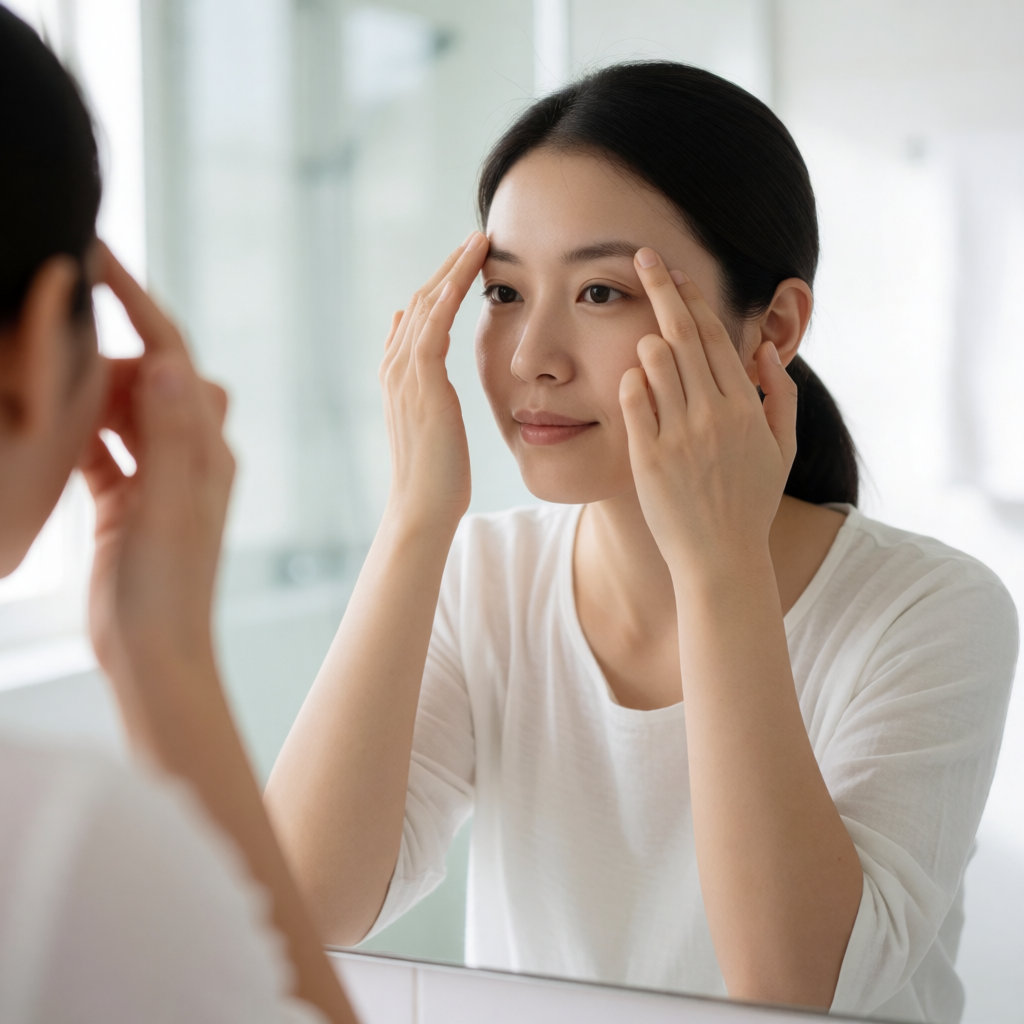
A primer goes on after your skincare and before foundation. Its job isn’t to nourish skin: it preps the surface, smooths, mattifies or colour-corrects, so make-up lasts better and looks cleaner. It’s a step we often skip — wrongly.
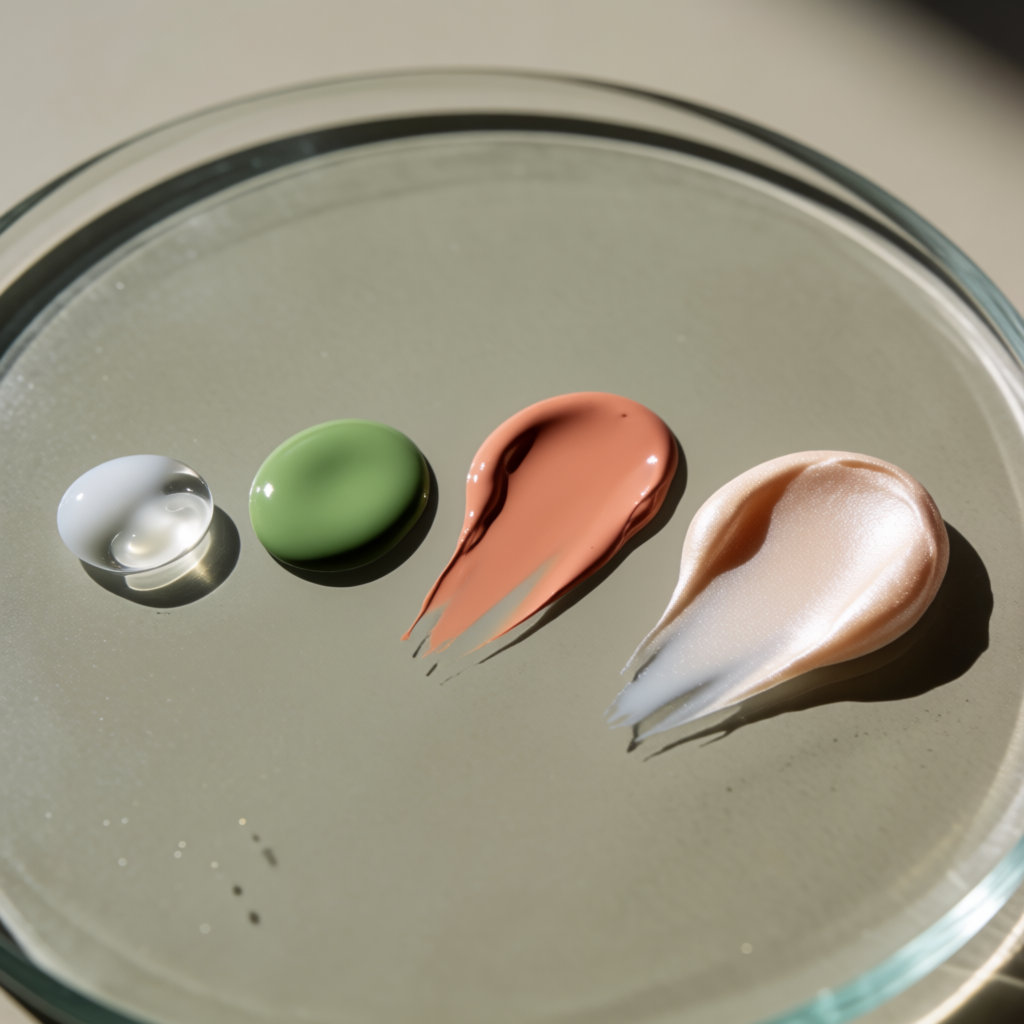
It delays shine, without preventing it. The nuance matters: no primer will promise you a flawless complexion until evening if your skin is very oily and the day is very hot. It does, however, noticeably improve how make-up looks in the first few hours and makes touch-ups easier.

On the skincare front, let’s stay level-headed. It isn’t a treatment for acne, redness or enlarged pores. It’s a cosmetic helping hand, not skincare.

First rule: get the order right — skincare, sunscreen, primer, foundation. Let the primer sink in for around thirty seconds before moving on, otherwise the textures mix and the finish becomes uneven.

It can also dry skin out. Combination skin is often sensitive, and mattifying formulas, applied too generously, can quickly feel tight. If you notice tingling, stop, look for a gentler version, or keep it for the T-zone.

Pore Minimizer T-Zone Shine Control, Clinique
This little tube is now a familiar name for oily to combination skin and is billed as THE anti-shine primer. Designed especially for the central zone — forehead, nose, chin — it is said to mattify throughout the day while improving how make-up wears and looks.

In practice? There’s no doubt about it: Clinique’s Pore Minimizer does its thing. Apply this oil-free gel to clean, moisturised skin, using very little, let it sink in, then do your make-up. The results are there: make-up looks crisp, pores appear tighter and shine is tamed.
And in the long term? Well, no magic: while the effectiveness is undeniable, a touch-up is needed during the day, or even two if it’s very hot. The good news: you can reapply the product over make-up, it still works, dust on a little powder and you’re good to go!
On the other hand, there are a few drawbacks. To start with, you need an extremely light hand! One drop too many, and you get white marks on your face, forcing you to redo your whole make-up — or worse, the product pills, and the only option is to remove everything... In fact, a touch on the forehead, nose and chin is enough to be effective; no need to overdo it.
Next, while the product really does act on excess sebum, that action is temporary. It isn’t skincare, more of a “make-up assistant”, and the formula can dry skin, even irritate slightly — yes, oily and combination skin can be sensitive too! Budget-wise, mattifying is definitely not cheap!
That said, it’s a very good product for anyone dreaming of a peachy complexion and tired of shining.
HD Primer, Microperfecting Primer, Make Up For Ever
A product from Make Up For Ever, it has already caused a stir and, let’s be honest, has a pretty good reputation! In this small pump bottle, a primer-cum-skincare that preps the surface with a film, corrects small imperfections thanks to well-chosen pigments and improves make-up wear, we’re promised.
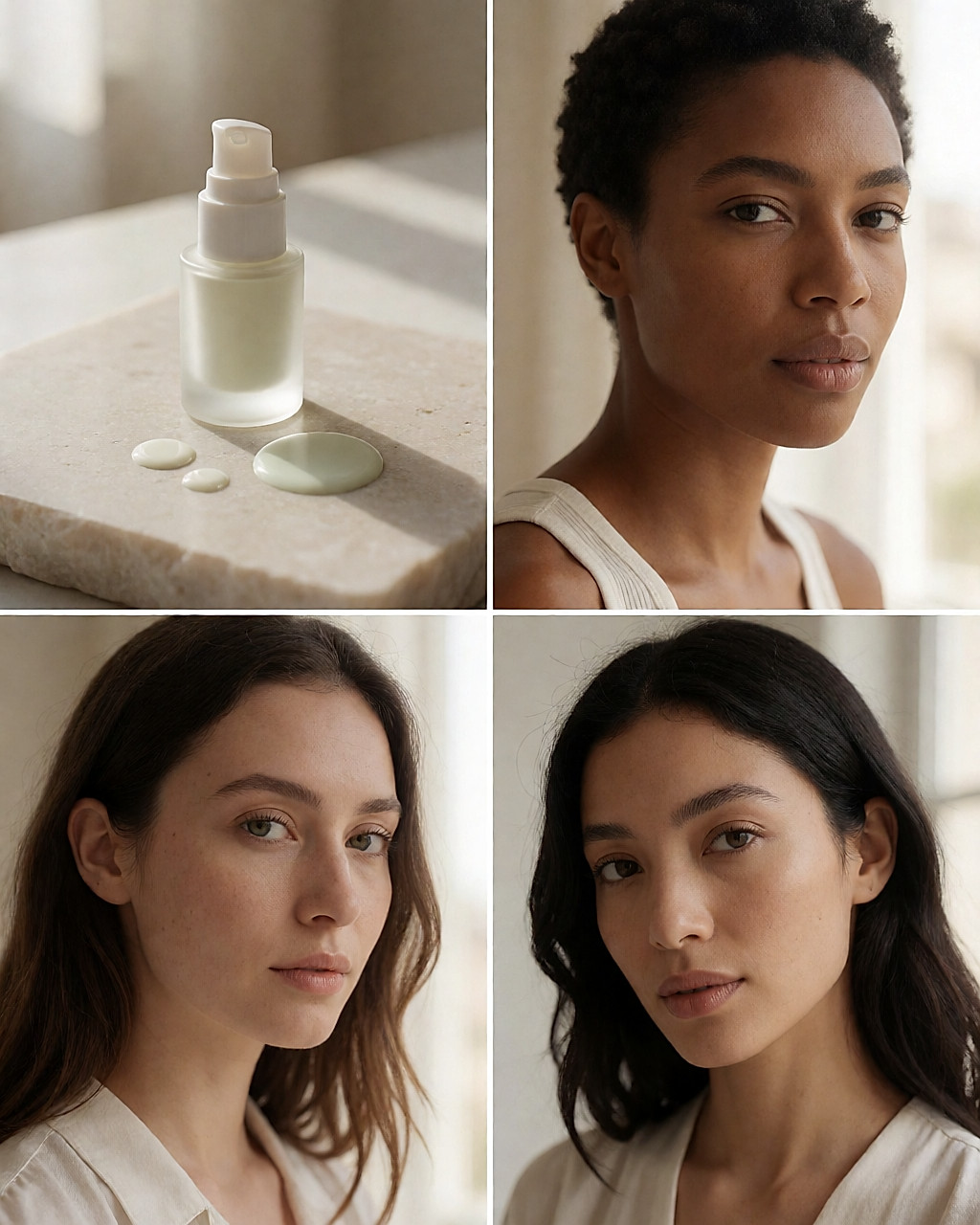
In practice? First, the texture: fluid, fresh and non-greasy, it’s very pleasant to apply and suits combination to oily skin especially well, without smothering it! No need to wait before applying make-up; the texture sinks in quickly, and once your make-up is done, the complexion looks fresh and clean, very pretty. It even seems this primer delays “shine” — cleaner and for longer — though it doesn’t stop combination or oily skin from shining again after a few hours.
On the colour-correcting side, it’s hard to say. Each colour has its purpose: green to tone down redness, purple to wake up dull complexions, white to brighten or illuminate certain skin tones...
Personally, I tested the anti-redness green, but to be honest, I couldn’t say whether it really tones them down, since my foundation applied over it does that itself. The correction certainly isn’t obvious, but that’s just my experience.
As for make-up wear, the effectiveness is real: a velvety foundation finish and boosted staying power, a habit worth adopting for long days or summer.
Finally, price-wise, it’s another investment, but a little product goes a long way, so the bottle lasts...
Foundation Primer, Laura Mercier
A fluid, oil-free texture, this primer is designed above all to prepare skin for make-up so foundation and colour wear optimally. It’s presented as forming a film that helps foundation last better.

On the practical side: the texture is light and fresh, again, and doesn’t create greasiness on the face. A plus.
The smoothing effect is welcome too: as you apply foundation, you can feel that skin’s unevenness is slightly smoothed and the complexion looks clearer. Very little product is enough, and the texture is slightly moisturising while toning down the shine typical of combination and oily skin. Another plus.
Note that, with this primer, the ideal is still to apply it with a sponge, for perfect dosage and an even finish. Finally, foundation wear is indeed greatly improved, and with a few blotting sheets to hand for any touch-ups during the day, a fresh complexion is pretty much assured!
As for the downsides, in my view there isn’t really any brightening effect like some primers have, and at this price, it makes for an expensive full make-up look, you’ll agree! That said, it’s a very professional product and ideal for special occasions, the kind of night out dancing until dawn.
Under Base Mousse, Shu Uemura
A touch of originality for this mousse primer from Shu Uemura: it offers a UV filter and promises to even out the complexion while extending make-up wear. I’ll admit, it was for its mousse texture that I took the plunge — I’ve tried primer in balm, gel, cream... but never in mousse.

Against all expectations, the mousse requires a certain knack. Not easy to dose with this bottle, which is a bit like a small whipped-cream canister; it’s also best to remember to shake it first, unless you want a half-liquid texture in your hand. We’re advised to put a hazelnut-sized amount of mousse in the palm and apply it with a sponge, and that really is the best way to spread it evenly and use just the right amount.
Texture-wise, soft and light, it feels very pleasant on the skin; it lightly conceals imperfections and smooths the complexion. Note too that, being barely tinted, it gives the face a little radiance and can even be used alone, with a touch of powder or blush on the cheekbones, in summer for example.
Finally, it really does set make-up, even if, in my view, it performs better as a complexion enhancer — smoothing, illuminating, mattifying — than as a way to keep foundation in place.
One last note: the bottle is sold at a price that stings a little. Ouch!
Photo Finish Foundation Primer, Smashbox
This one is also one of the celebrities in the little world of primers. It promises to smooth skin so foundation looks more even, softening fine lines and imperfections.

In practice: as with any primer, go easy on the amount — a hazelnut-sized amount is plenty, and if you overdo it, applying foundation becomes mission impossible! The texture is fluid, again, and after application skin feels soft and visibly smoothed, which, it must be said, is rather pleasant. The result: foundation glides on by itself and doesn’t highlight small imperfections; the texture mattifies slightly, so the make-up finish is genuinely improved.
Wear-wise, it’s extended, but again, a powder touch-up and/or a blotting sheet is needed during the day, especially for combination and oily skin — so not infallible.
There are a few downsides too: the pump bottle, which could really do with a redesign, because it’s impossible to finish the product properly, and it isn’t exactly sturdy either. Then, while the product does smooth skin, a very chemical ingredient is surely doing some of the work. Finally, it’s an investment, but it’s worth noting that very little product is enough, so the bottle lasts a while.
Prep + Prime Skin, M.A.C
We finish with Prep + Prime Skin from M.A.C, a brand well known for top-quality make-up.

To start with, the pump bottle. While it’s practical and hygienic, it’s also, like all pump bottles, far from ideal when you get near the end of the product: you waste some, which is a shame!
Next, its texture is quite pleasant and smooths skin very well, so again, make-up is easier: powder and liquid foundation blend into the unified skin, and the result is very pretty and clean. The product is slightly iridescent, which helps illuminate skin, but may also put some people off.
As for make-up wear, it’s considerably improved: foundation doesn’t budge and even powders stay in place, a very good product for days when make-up needs to stay impeccable. On the other hand, silicone is unfortunately very present — on one hand, we know it’s partly thanks to silicone that the product is so effective, but we can’t help wondering what effects it will have on skin. For blemish-prone skin, it’s best to stay attentive: some silicone-heavy formulas don’t suit everyone.
And for what it’s worth, its price remains more reasonable than some, though still expensive.
From the supermarket to the department store beauty hall, price doesn’t tell the whole story. Among the primers tested here, the differences are significant, and the most expensive isn’t always the most convincing — several highly rated options remain affordable, while other costly bottles don’t add much more.
One primer, chosen for your real skin, applied in a tiny amount. That’s the takeaway: no need to collect tubes, better to find the one that suits your skin type and use it sparingly. The rest is well-applied make-up — and a day without thinking about it.
The step that changes everything: a hazelnut-sized amount, no more. Put the product on the back of your hand, pick it up with a sponge or your fingertips, and press it onto the T-zone rather than spreading it. Too much primer and foundation “rolls”; too little and it does nothing.
Budget
Expect around £10 to £20 for a supermarket or pharmacy primer, £25 to £45 for a department store or beauty retailer option, and £50 to £80 for luxury formulas. The price varies according to brand, size, desired finish (mattifying, illuminating, colour-correcting) and active ingredients. You’ll find them in supermarkets, pharmacies, department stores, online and in specialist shops. Good news: the amount needed for each application is tiny, and a small tube often lasts several months.


Comments
Your opinion matters: rate the article, react and reply to comments.
Comments are moderated; AI-assisted comments are flagged. Text emoticons (8-), :-), <3…) are automatically shown as images.