
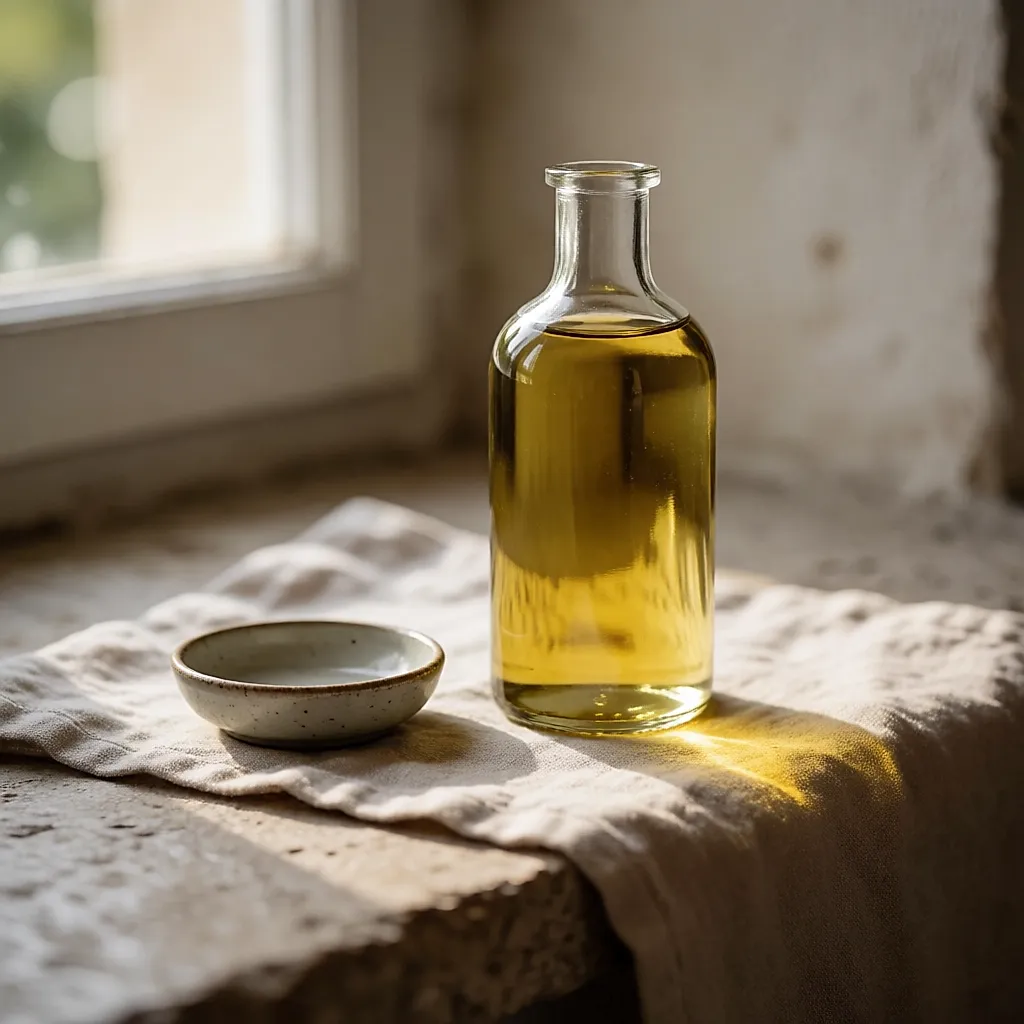
A reader got in touch to ask whether she could swap her night cream for an oil. Honestly? An oil doesn't do everything. The verdict: yes, but only on one condition, and I'll get to that in a moment.
An oil is not a cream
A cream is water, oil and an emulsifier to hold the two together, which means preservatives. A plant oil is pure fat: no water, nothing to preserve. So it doesn't add water to your skin; it slows down how quickly your own moisture evaporates and softens the skin barrier. The result is less tightness and a less dull complexion, but don't expect anything more than that if your skin is dehydrated from the inside.
The texture matters every bit as much as the ingredient list. Light oils such as grapeseed or apricot sink in quickly and can be worn through the day without leaving a film. The heavier ones, avocado, shea and wheatgerm, sit on the surface instead, so save them for the evening or for the patches that crack.
The oils that earn their keep
Avocado — the most nourishing of the bunch. I've tested it as a before-shampoo mask, on chapped lips and on winter hands.
Borage — high in omega-6 (gamma-linolenic acid). Tested in capsule form. It's a fragile oil, so it goes in the fridge once opened.
Shea — a butter, strictly speaking. I've tested it as the base for lip balms; it's the best friend your elbows have.
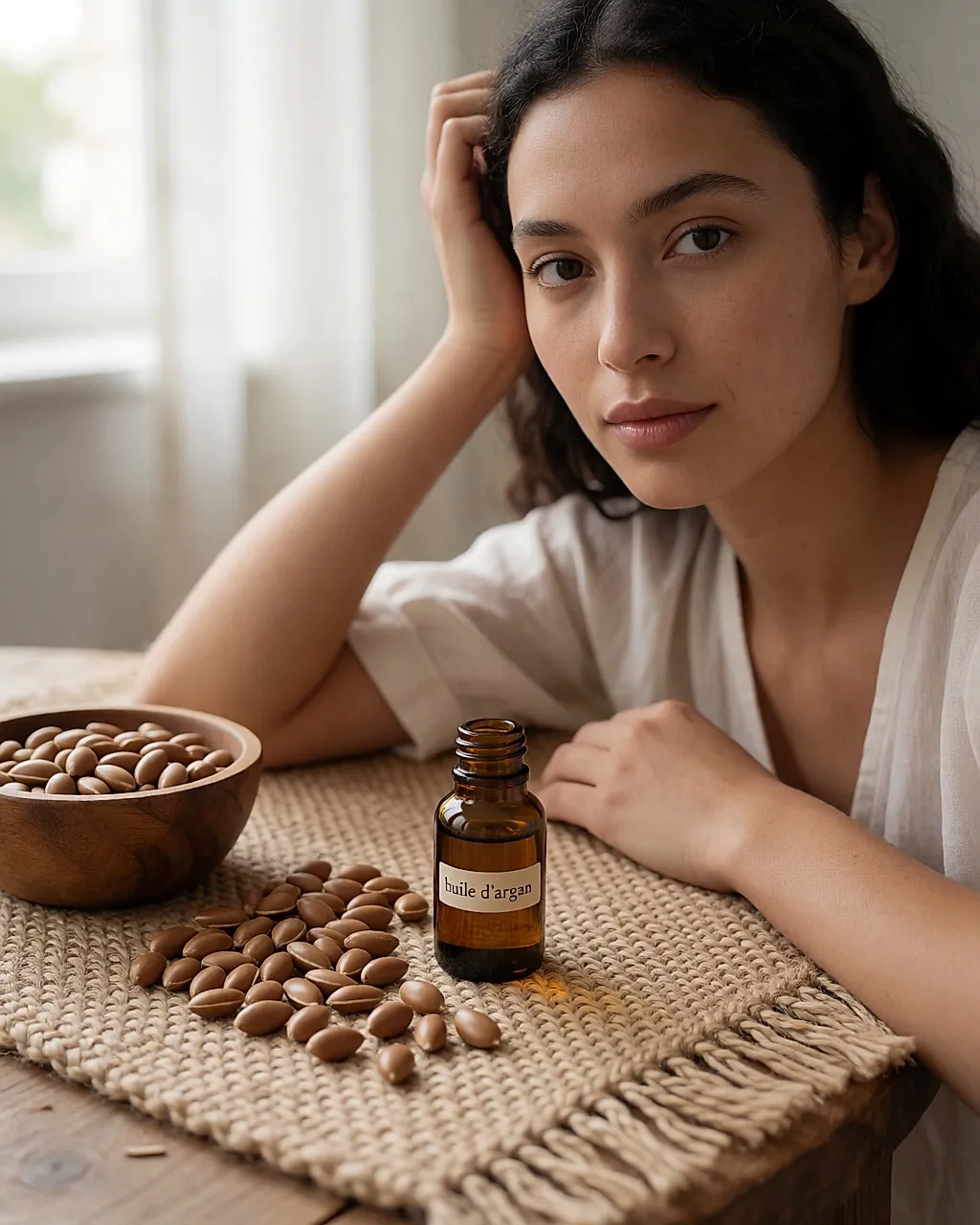
Argan — the all-rounder, produced in Morocco by women's cooperatives. Tested. Check that it's pure: a lot of cosmetic bottles are cut with cheaper oils.
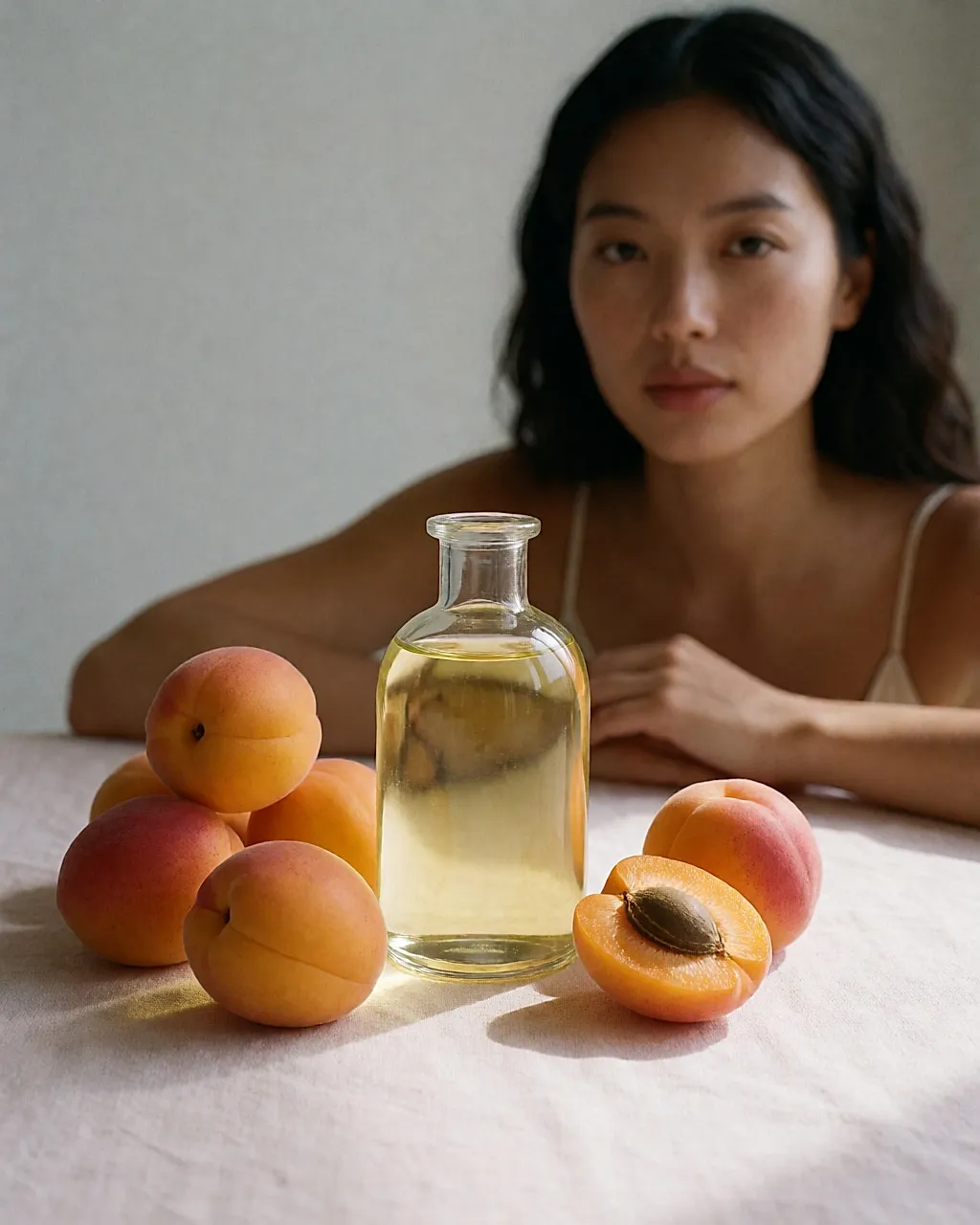
Apricot — the gentlest of the lot, for reactive skin and children. Documented.
Rosehip — the expensive, fragile one. Tested at the end of a routine, on marks and scars. Buy it in the smallest size going.
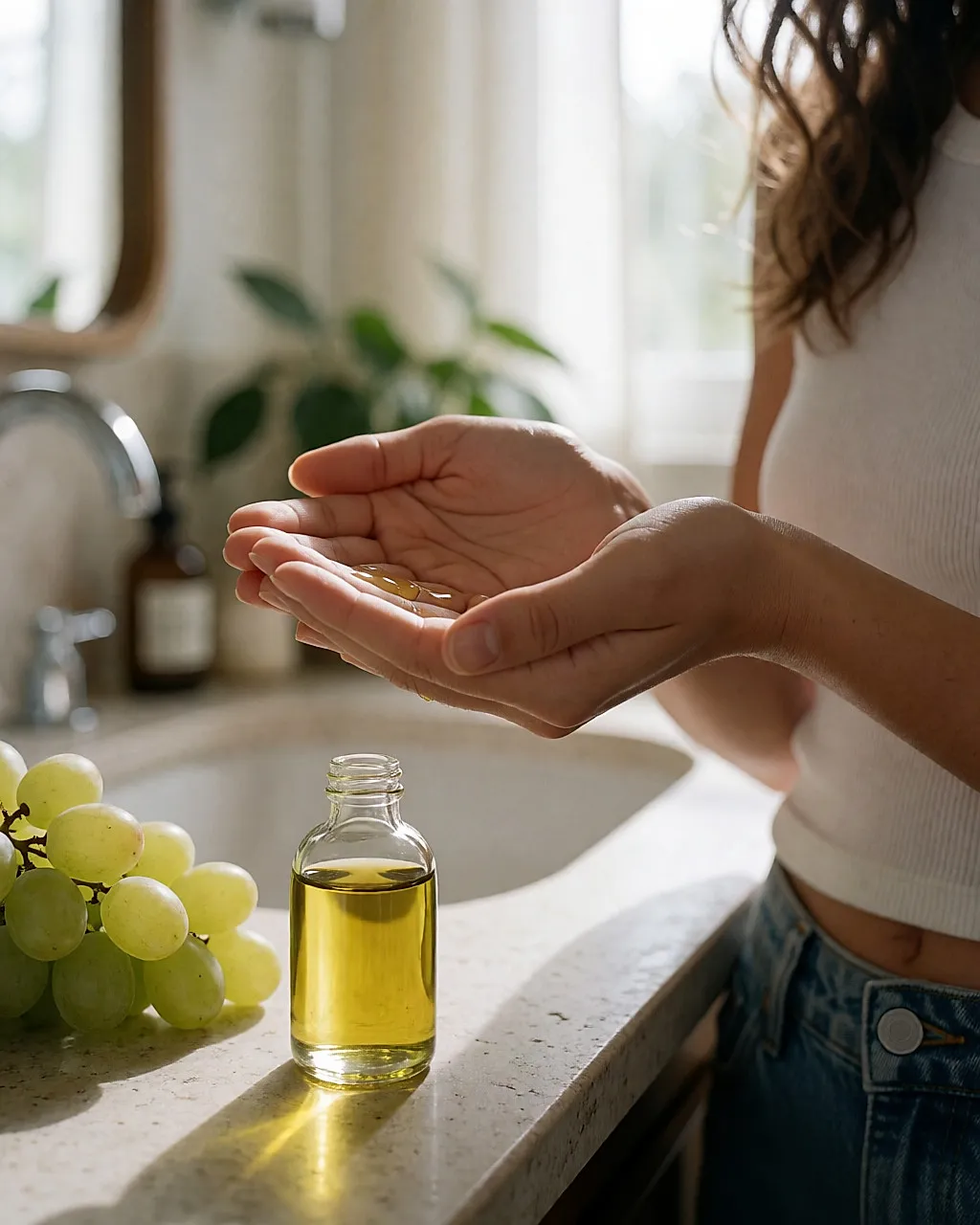
Grapeseed — the quiet one, ideal for combination to oily skin. Tested.
Wheatgerm — packed with vitamin E. Documented. A teaspoon stirred into your base bottle, no more.
Two things that aren't up for debate. First: always patch-test on the inside of your elbow, because some oils can trigger allergies. Second: if you're adding essential oils, stick to the recommended dilutions and the contraindications (pregnancy, children, photosensitising oils) — the NHS guidance on essential oils is a sensible place to start. Never put neat essential oil on your skin.
How to apply it
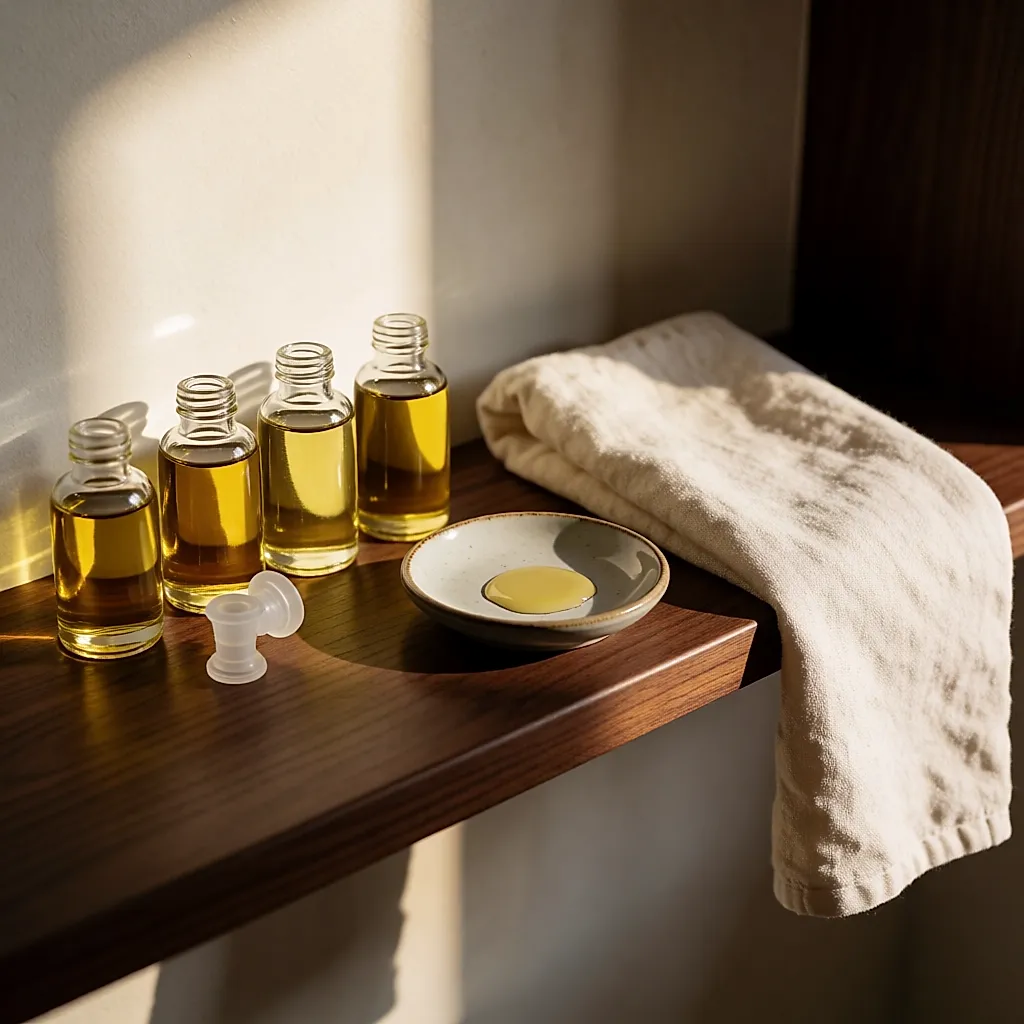
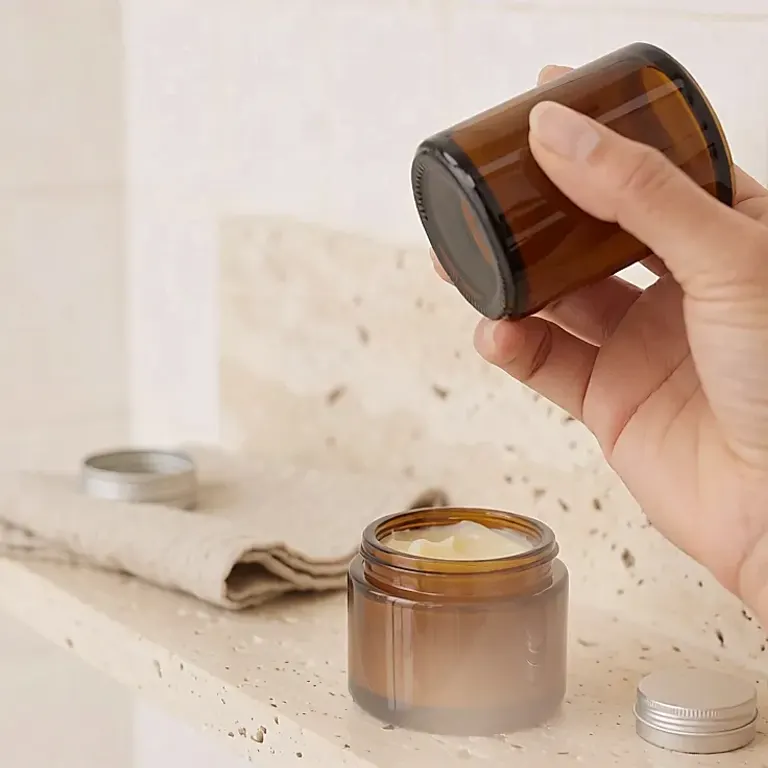
Warm three or four drops between your palms, pat onto skin that's still damp after a shower, then smooth upwards. On damp skin, the oil holds onto the residual water far better. For the body, mix a light oil and a rich one in equal parts in an amber glass bottle, and shake before each use.
Reading the label
Look for three words: virgin, cold-pressed, unrefined. In the UK, the Soil Association organic logo (and the EU organic leaf, still widely used on imported oils) tells you the plant was grown to organic standards; on the cosmetics side, the COSMOS ORGANIC standard and Ecocert Greenlife set out what's allowed in terms of ingredients, the percentage of organic content and the manufacturing process. Be wary of "pure" in big letters with nothing behind it. At end of life, the glass recycles, but pumps and caps often don't, so check your local recycling guide.
What it costs
Rough guide prices for organic oils in the UK, though they swing with the brand, the harvest and where you shop:
- everyday oils (avocado, apricot, grapeseed, wheatgerm): think £8–18 for 50–100 ml
- raw shea butter: £8–20 for 100 g
- argan: £12–25 for 50 ml
- rosehip: £15–35 for 30 ml
- borage capsules: £10–20 for 60 capsules
What pushes the price up: the certification, the country of origin, how it's processed, the bottle material and the retailer, whether that's a health-food shop, a pharmacy, a supermarket or a brand's own website.
Sources
- UK Cosmetics Regulation (gov.uk)
- COSMOS-standard — cosmos-standard.org
- Soil Association — soilassociation.org
- NHS, guidance on aromatherapy and essential oils — nhs.uk
- Ecocert Greenlife, "Ecological and organic cosmetics" standard — ecocert.com
Comments
Your opinion matters: rate the article, react and reply to comments.
Comments are moderated; AI-assisted comments are flagged. Text emoticons (8-), :-), <3…) are automatically shown as images.