

You know how this goes. Your skin looks clean and even as you leave the bathroom, and then somewhere around midday the T-zone starts shining as though you'd just got back from a run. It's tempting to blame the foundation, switch brands, work your way through three different powders. In reality, most of what matters happens before the makeup goes anywhere near your face, at the skincare stage.
Because oily skin isn't a fault to be corrected. It's skin that produces plenty of sebum, and it's perfectly manageable with a steady routine. Here's how, step by step.
Stop trying to strip the oil out of your skin
The first instinct is to reach for the heavy artillery: the gel that leaves skin tight and squeaky, the toner that stings, the brush that scrubs. That's the mistake that costs you most. A routine that's too aggressive can irritate the skin and destabilise the skin barrier, so stick to gentle cleansers.
The other myth is that oily skin doesn't need moisturiser. It does. Oily skin can also be dehydrated and in need of hydration — though not all of it is. A light hydrating layer really does shift things: texture looks finer, skin reacts less, and makeup sits much better on top.
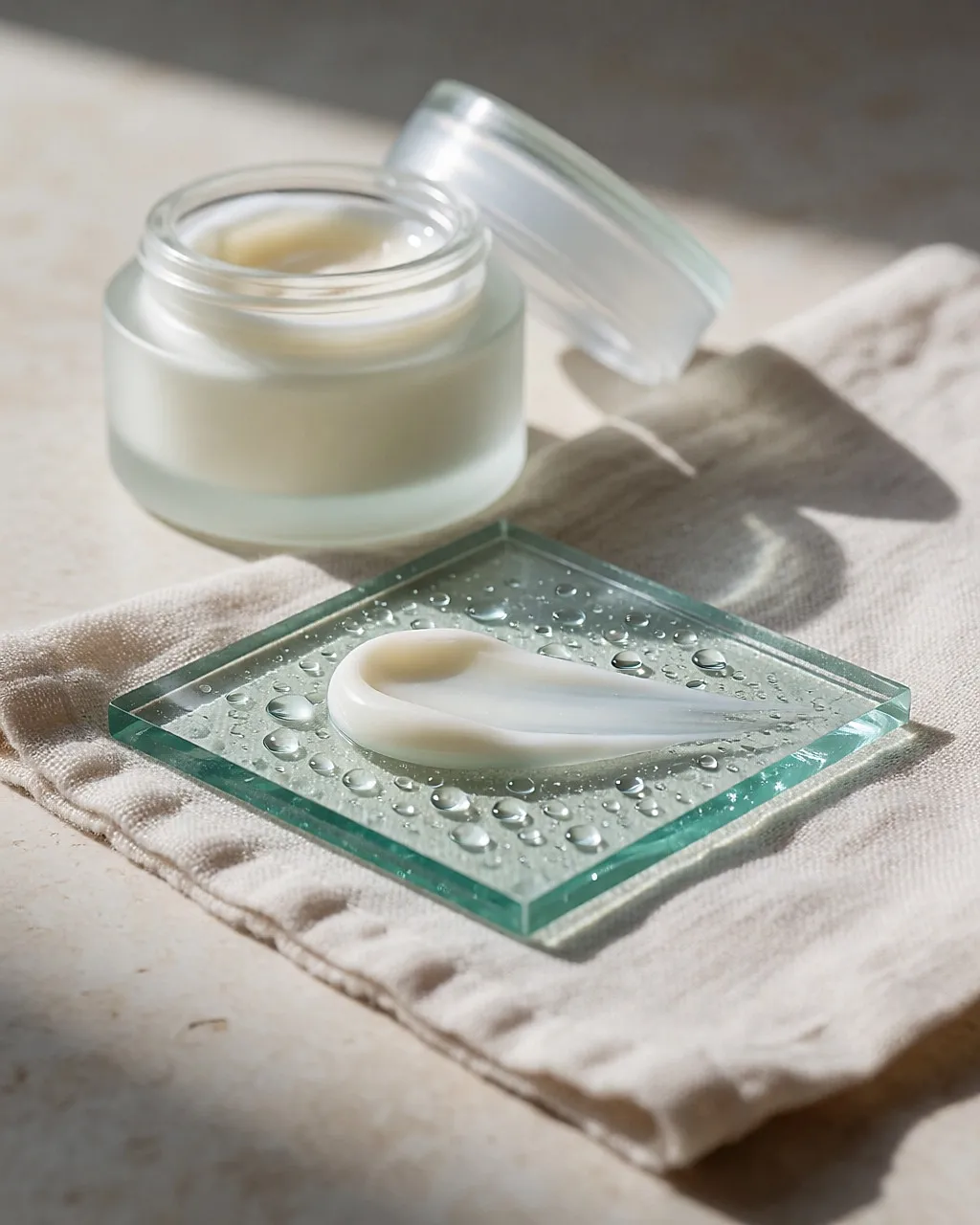
Morning skincare is your best ally
For your day cream, one rule applies: nothing rich. Rich textures can suit oily skin less well and encourage congestion in some people. Look for an oil-free gel or fluid designed for combination to oily skin.
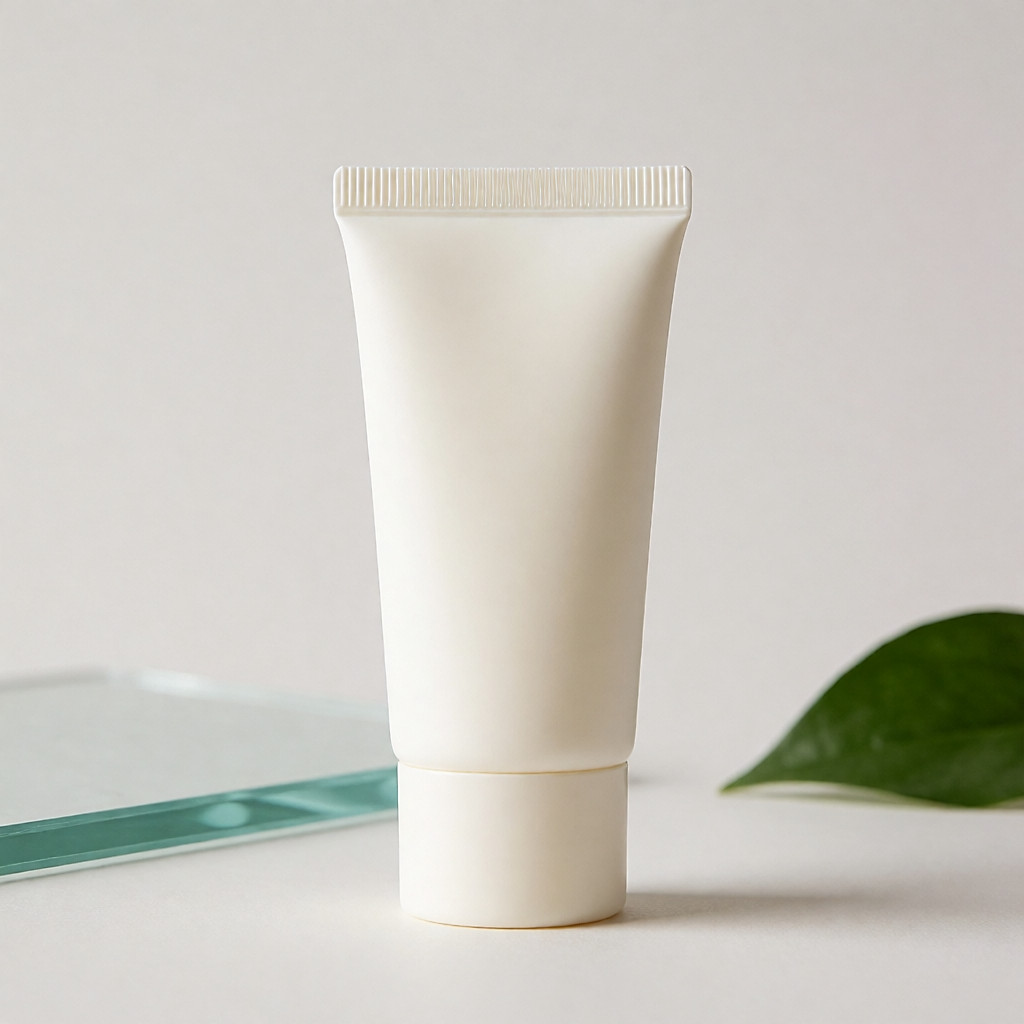
And don't skip sun protection, worth wearing even under cloud. A non-greasy SPF 30 or 50 fluid slides under makeup without any trouble.

Cleansing and exfoliating without overdoing it
Cleansing morning and evening is the baseline. In the evening, never skip taking your makeup off: that's when pores get clogged, and skin that isn't properly cleaned turns shiny faster. Choose gentle formulas — nothing harsh, nothing soapy.
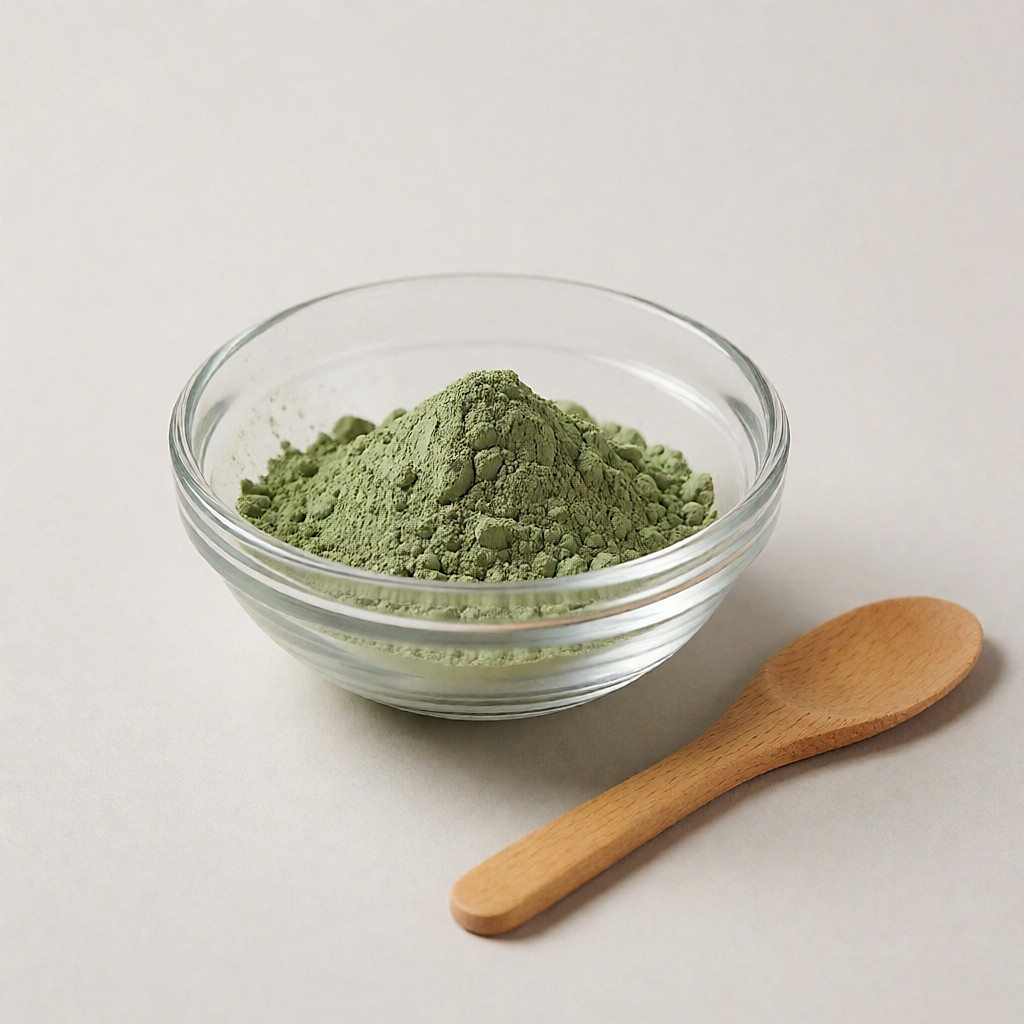
In practice, many recommend gentle exfoliation once or twice a week, with a suitable product — enough to shift dead cells and refine texture. Any more often and you're mainly buying yourself irritation.
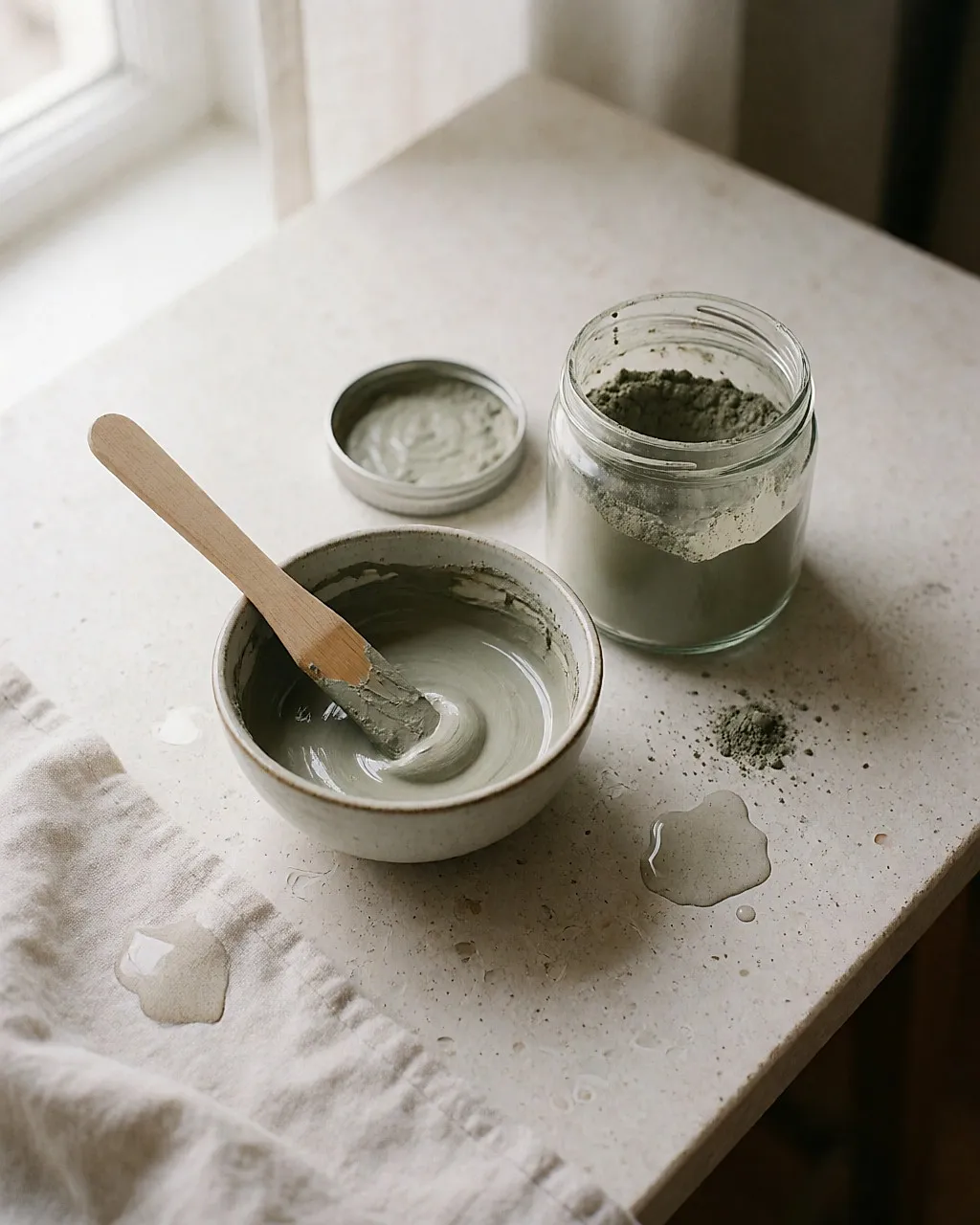
In practice, you can use a clay mask once or twice a week, on the T-zone or all over: it cleanses and soaks up excess sebum. An old favourite that still does the job.
Primer earns its extra step
With makeup, start with a primer. It evens out the skin, visibly smooths it and blurs enlarged pores. And there's a bonus that's not to be sniffed at: it makes foundation last considerably longer. Apply it after your day moisturiser, in small dabs rather than all over.
There are plenty of mattifying primers around now, easy to find in a pharmacy or on the high street.
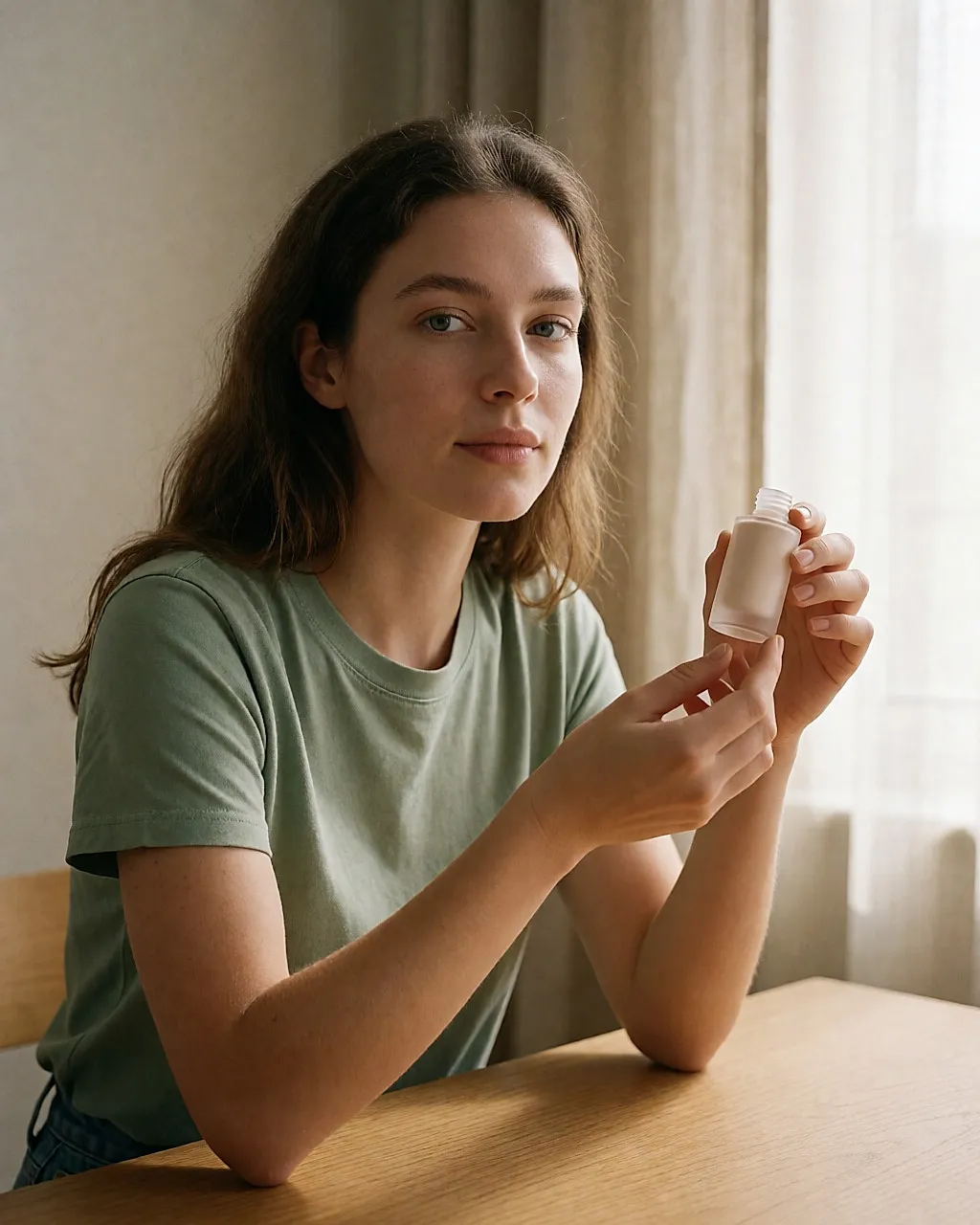
Foundation: light beats full coverage
People often assume oily skin needs a heavy-coverage foundation. That's the trap. Very covering formulas can be less comfortable and hold less well on oily skin.
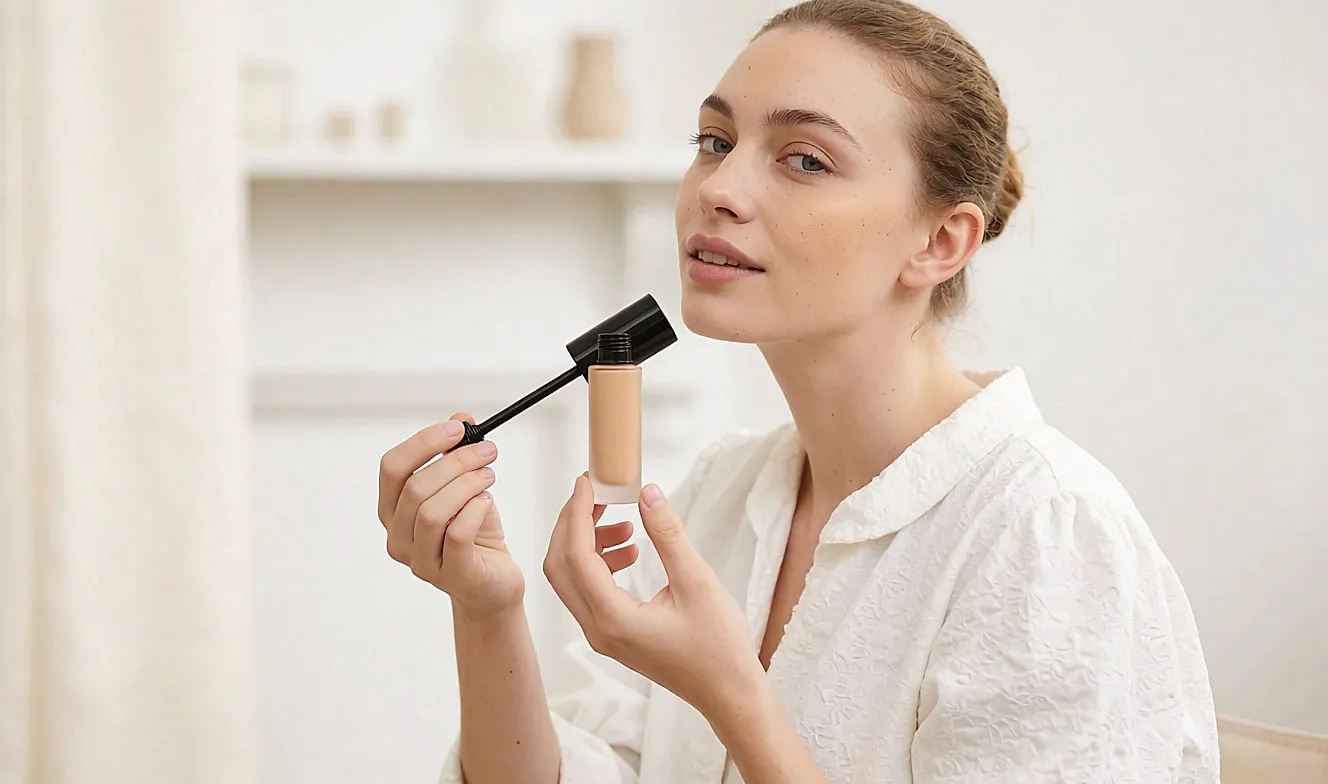

Go for a light texture instead: fluid, mousse, even powder. Again, look for a mattifying or long-wear formula designed for combination to oily skin.
Powder and setting mist
A dusting of powder is still essential: it blurs the finish and sets your foundation. A translucent loose powder over a light fluid foundation will often work better than a powder foundation worn on its own.
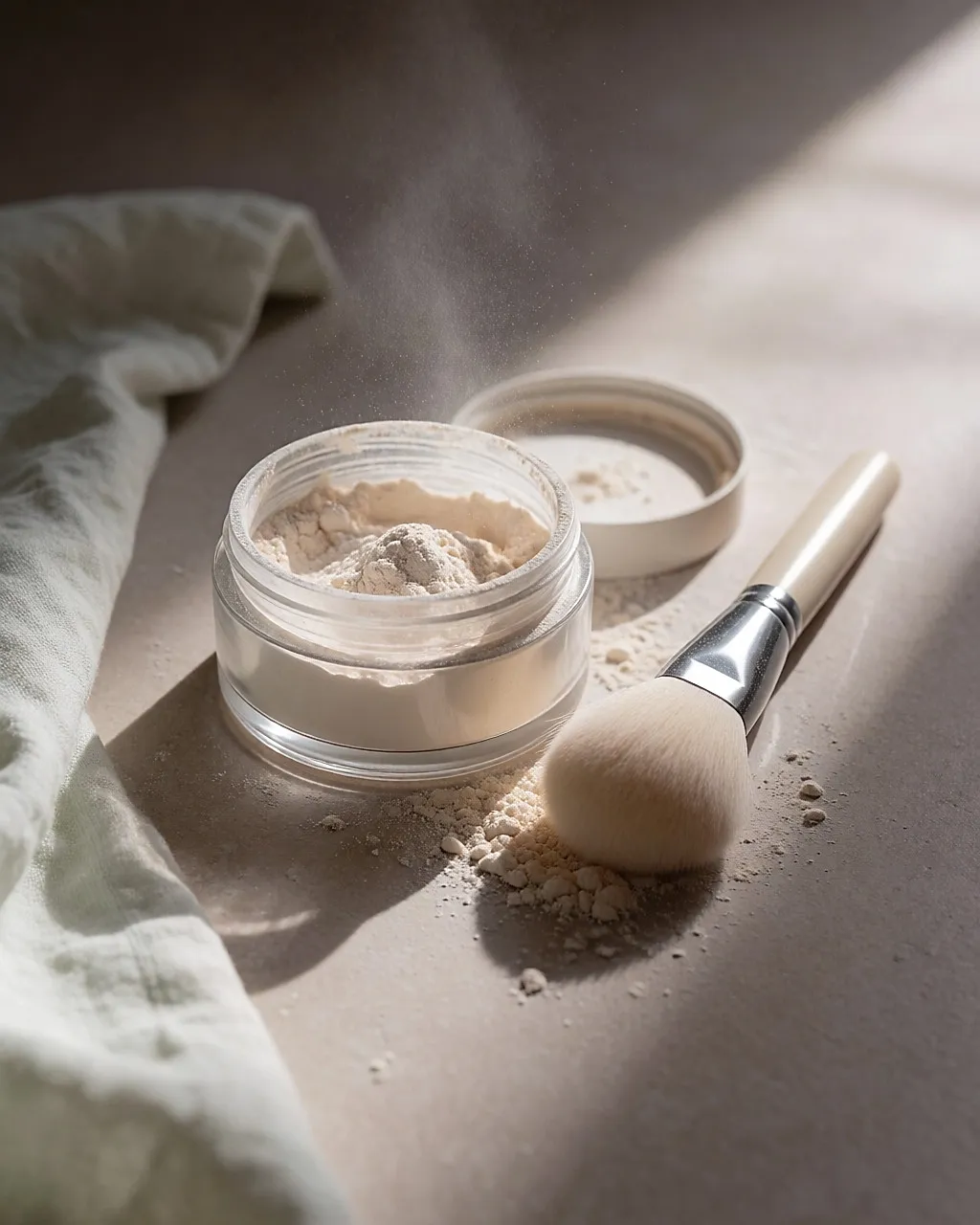
Finally, think about a setting mist. Spritzed over finished makeup, it improves wear and stops colour turning as the day goes on.
The five-step express routine
- Gentle cleanse, morning and evening.
- Oil-free hydrating care, gel or fluid.
- Mattifying primer on the T-zone.
- Light foundation, then translucent loose powder.
- Setting mist to seal it all in.
In the formula, where the real difference lies
With skincare, natural alternatives have genuine arguments in their favour. A powdered clay mask, sold in a glass jar, cardboard or loose, keeps for months without preservatives because there's no water in the formula. Same logic for a solid bar cleanser, which does away with plastic packaging and lasts a long time. On bottles, look for labels that actually commit to something: COSMOS Natural or COSMOS Organic, Cosmébio (the French scheme), or a stated minimum share of organic ingredients under the relevant standard. A 'natural' logo on its own guarantees nothing specific.
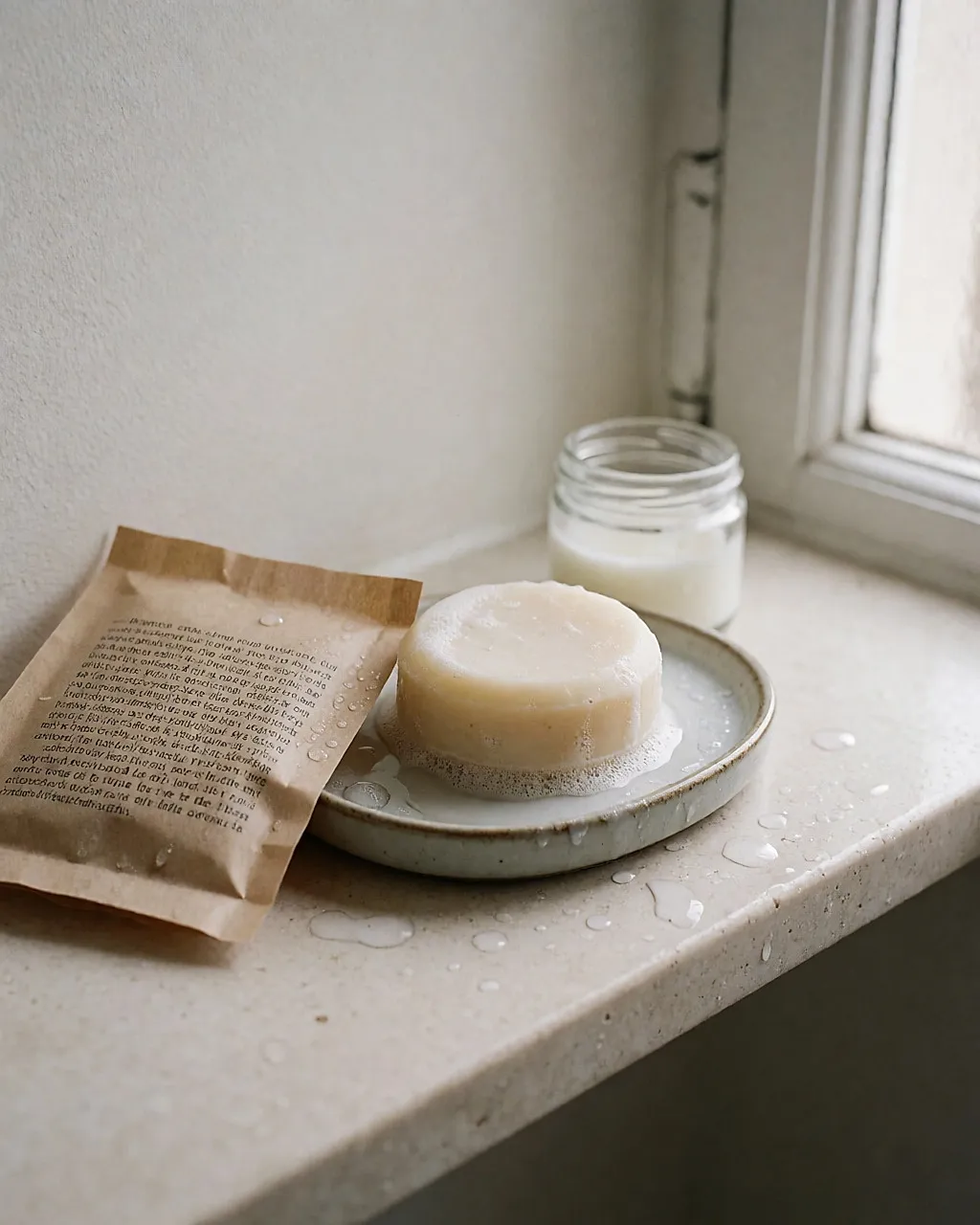
On makeup, let's be honest: for long wear on oily skin, conventional formulas are usually more reliable, and a certified-organic brand isn't automatically better. The sensible compromise is to favour primers and powders in refillable formats or glass containers rather than throwaway plastic.
Budget
Expect around £5–£12 for a gentle cleanser from a supermarket or chemist, and £4–£10 for a solid face bar. An oil-free hydrating gel or fluid comes in at roughly £8–£18 on the high street, more like £12–£25 in a pharmacy. A niacinamide or zinc serum: £8–£20. An SPF fluid: £8–£20.
For makeup, a mattifying primer costs about £10–£25 in a beauty hall or pharmacy, against £6–£13 for high-street brands. A light fluid foundation runs from £10 to £38 depending on the range. A translucent loose powder: £6–£25. A setting mist: £6–£16. A powdered clay mask: £4–£12, often cheaper bought loose.
Price depends mostly on the channel (department-store beauty hall, pharmacy, supermarket, online-only brand), the range, the format and whether you're buying a refill — refills are usually cheaper than the original container. Online, prices move around a lot, so compare before you click buy. For the skincare basics, allow around £35–£70 in total, and about the same for makeup if you're starting from scratch. These figures are indicative and vary by retailer.



Comments
Your opinion matters: rate the article, react and reply to comments.
Comments are moderated; AI-assisted comments are flagged. Text emoticons (8-), :-), <3…) are automatically shown as images.