

After a swim, your lips feel tight before you've even reached the car. Chlorine, wind and dry air: the usual suspects, same as in January. Except in spring we think about them far less — and that is exactly when lip skin can quietly take a hit.
Why your lips suffer more than your cheeks
The coloured part of your lips has no sebaceous glands. In other words, no natural oily film to hold water in, unlike the rest of your face. Cold, sun, salt, chlorine and air-conditioning get through the barrier much faster. Licking makes things worse, because saliva evaporates and takes what moisture is left with it. It is not just about drinking enough water: the area is also poorly equipped to defend itself.

Add moisture first, then seal it in
A balm that works combines two families of ingredients. Those that attract water — glycerin, honey, aloe vera — and those that hold it in — petroleum jelly, shea butter, waxes, plant oils. A humectant used alone can end up drying the skin when the air is dry, a bit like a sponge that gives its water back as soon as you squeeze it. The simplest approach is a rich, generous texture, plus a second layer before bed. One detail worth knowing: if your formula stings or gives a cooling sensation, that is not a sign of potency. Menthol and camphor feel fresh, but they can keep already damaged lips dry.
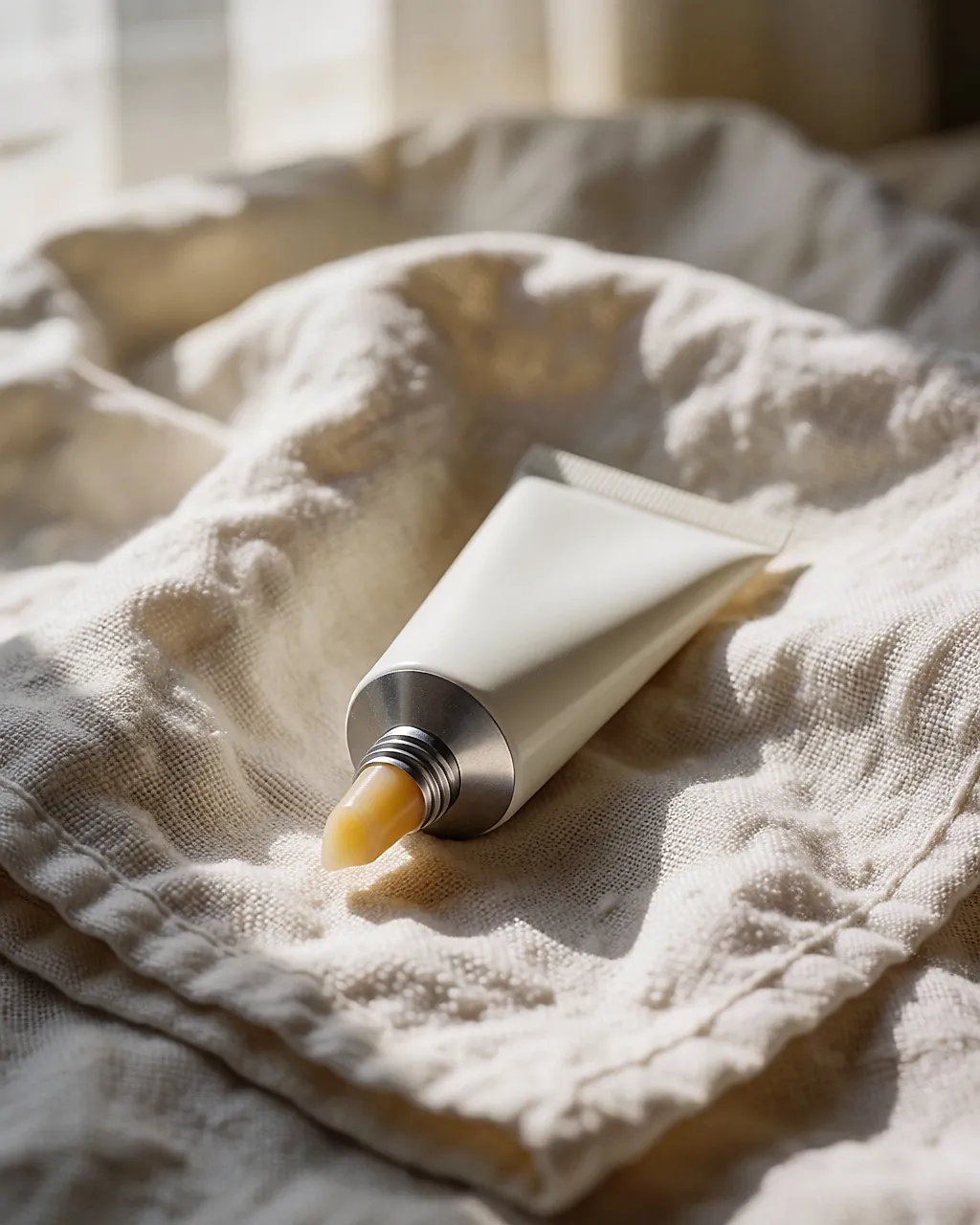
Exfoliate, but not every day
We exfoliate the face and body, rarely the lips. Yet dead cells build up there too, and they stop balm from getting in. Forget grainy face scrubs, which are too abrasive for this thin skin. Use a dedicated lip scrub, or mix fine sugar with a gentle oil and massage it in with your fingertips, then rinse with lukewarm water. A very soft-bristled toothbrush, used lightly, does the job too. In practice, it is often advised not to exfoliate every day.
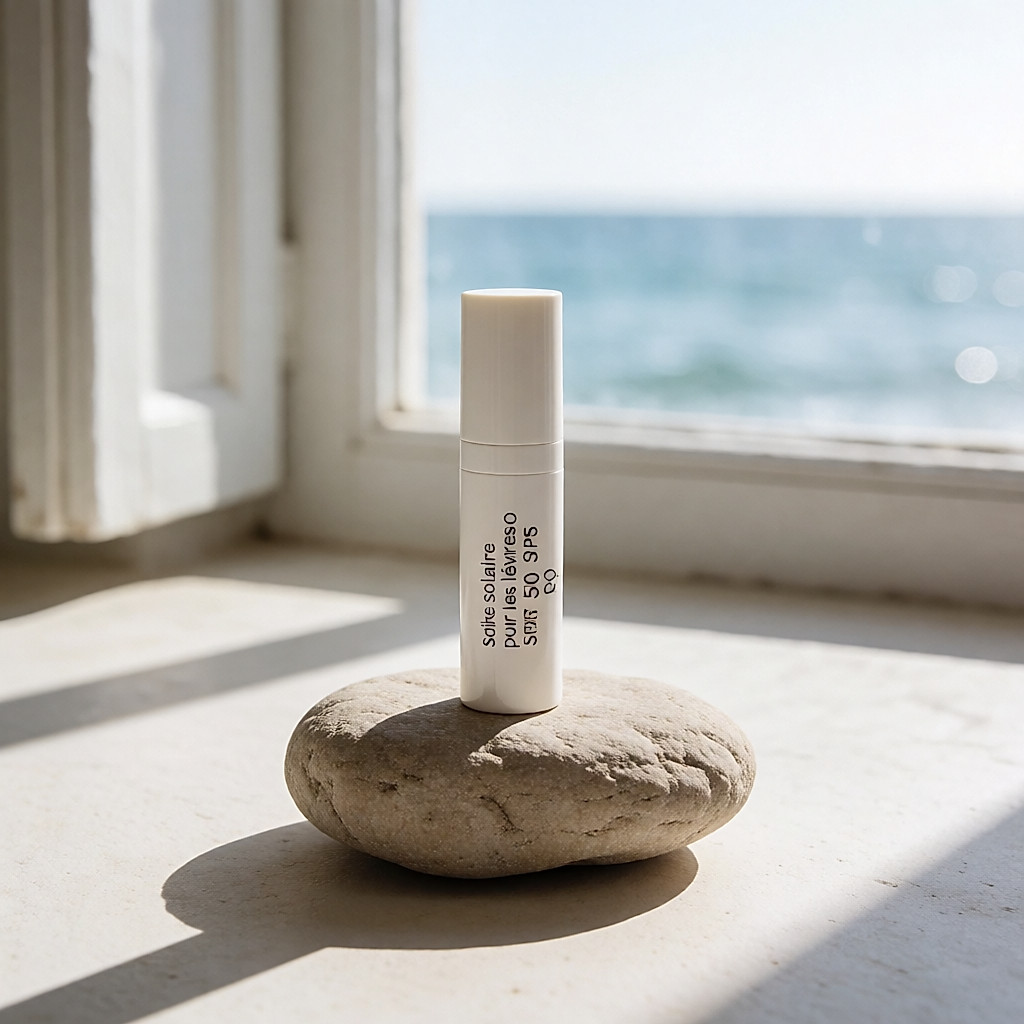
The SPF step you keep forgetting
At the beach, in the mountains, on a bike in high summer, an SPF 30 or 50 lip sun stick is a small thing that makes a real difference. Sun dries and damages skin that has almost no reserve. In practice, it is often advised to reapply regularly in direct exposure, just like the rest of your face.

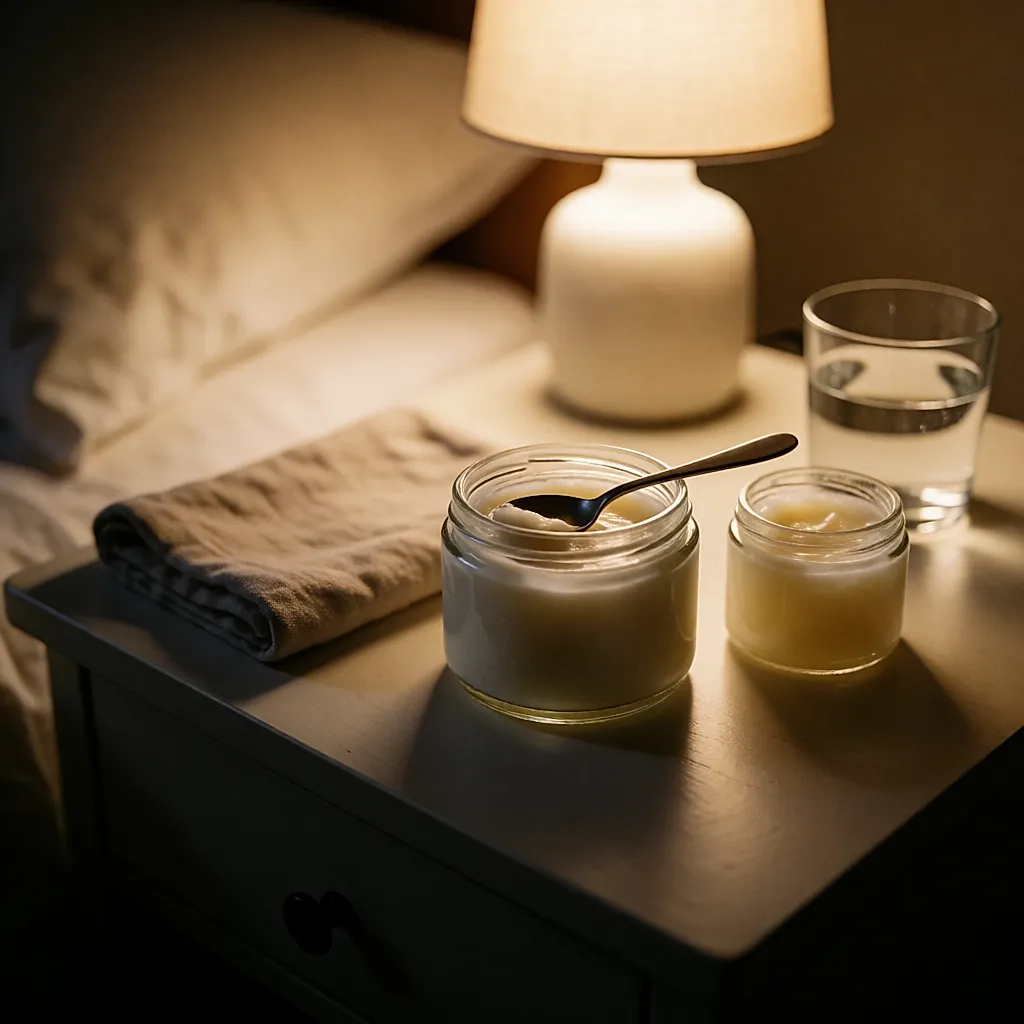
At night, two layers beat one
This is one of the most worthwhile moments in the whole routine: apply a thick film of balm or petroleum jelly, ideally with a second layer on top, and leave it to work overnight.
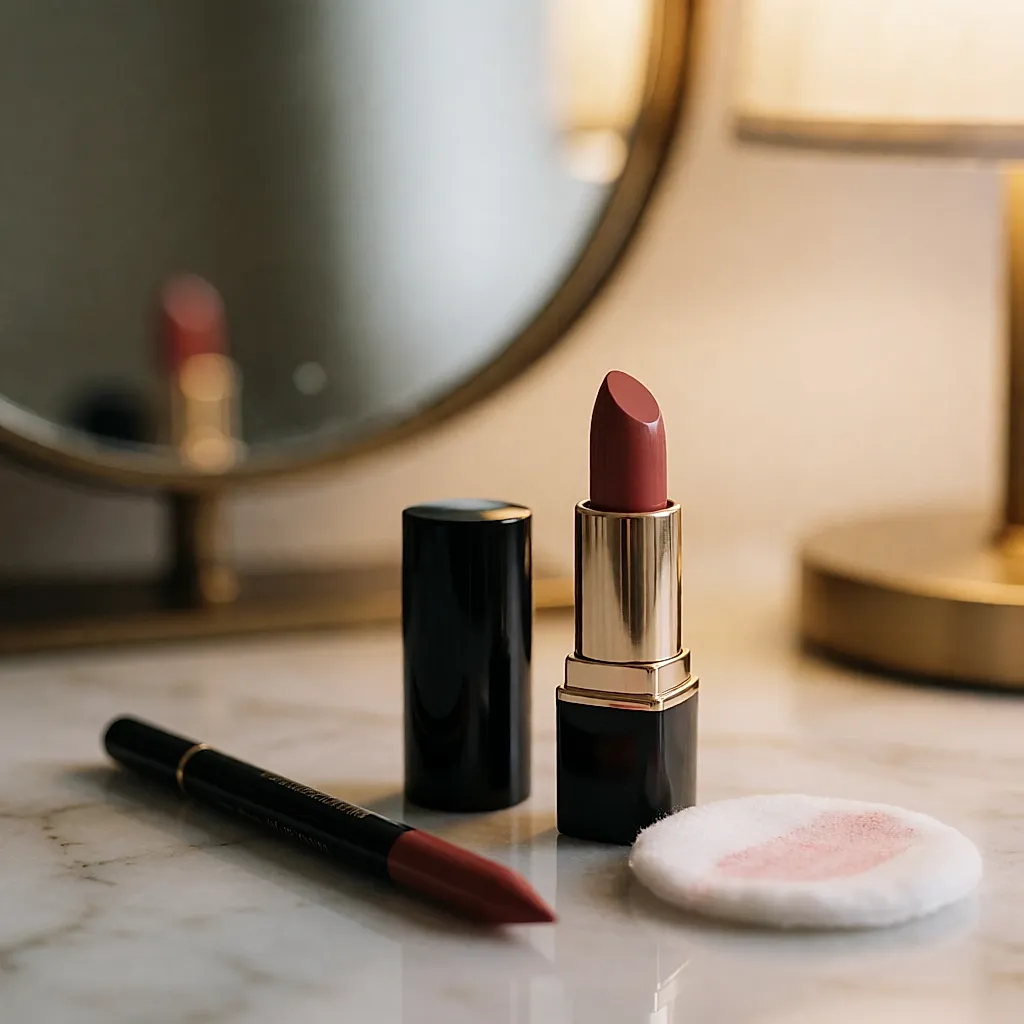
Make-up won't repair damaged lips
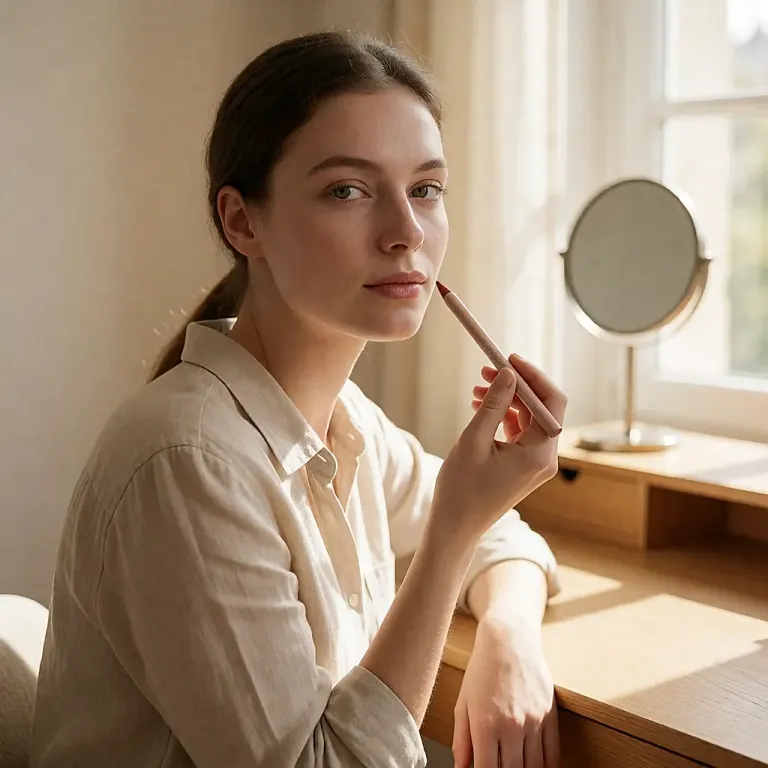
A hydrating lipstick, in a balm or glossy formula, will sit better on soft lips than a long-wear matte that dries them out. A lip pencil around the edge gives structure without drying. If you wear matte, remember to remove what is left at night with a gentle make-up remover, rather than rubbing at it.
The lip contour is easy to overlook
Expression lines also settle around the mouth. A dedicated lip contour cream exists, but an eye cream designed for thin skin can stand in. In truth, it is not the product that makes the difference: it is consistency.

The evening test: after brushing your teeth, swipe a soft cotton pad over your lips, apply a rich balm, and then do not touch. No licking, no lipstick. If your lips still feel comfortable when you wake up, your formula is right. If they feel tight again quickly, the texture is probably too light.
Budget
- Basic balm: expect to pay roughly £2–£6 in a supermarket or pharmacy.
- Certified organic balm with COSMOS Organic certification, in a cardboard stick or refillable format: around £5–£12.
- Rich night balm: £8–£20.
- Dedicated lip scrub: £5–£15.
- SPF 30–50 lip stick: £5–£15.
- Hydrating lipstick: £5–£25 at a beauty hall or online.
- Lip contour treatment: £20–£50.
What changes the price: the composition, certification and what it actually guarantees, the packaging (glass, card, refill) and where you buy it. For balm, pharmacies and health-food shops are still the most reliable places to read the label without being hurried; for contour care, beauty halls and brand websites offer more formats. One trade-off to accept: a conventional stick often costs less than a certified one, but its plastic packaging goes straight in the bin.
Comments
Your opinion matters: rate the article, react and reply to comments.
Comments are moderated; AI-assisted comments are flagged. Text emoticons (8-), :-), <3…) are automatically shown as images.