

A reader emailed me this week: her sister is about to start her second round of treatment, and she'd like to buy her a wig. The questions came thick and fast. Will people be able to tell? What does it really cost? And what if she doesn't like the colour? I haven't tried these wigs myself — I'll say that up front — but I've been through the official guidance and put the questions to wig fitters, and this is what I'd have told her.
Hair loss: the shock we underestimate
When treatment triggers alopecia, your scalp can be on show within days, sometimes overnight. In the vast majority of cases the loss is temporary and the hair comes back once the course of treatment ends. In the meantime, though, you're looking at a face without hair — and that can weigh heavier than the exhaustion itself.
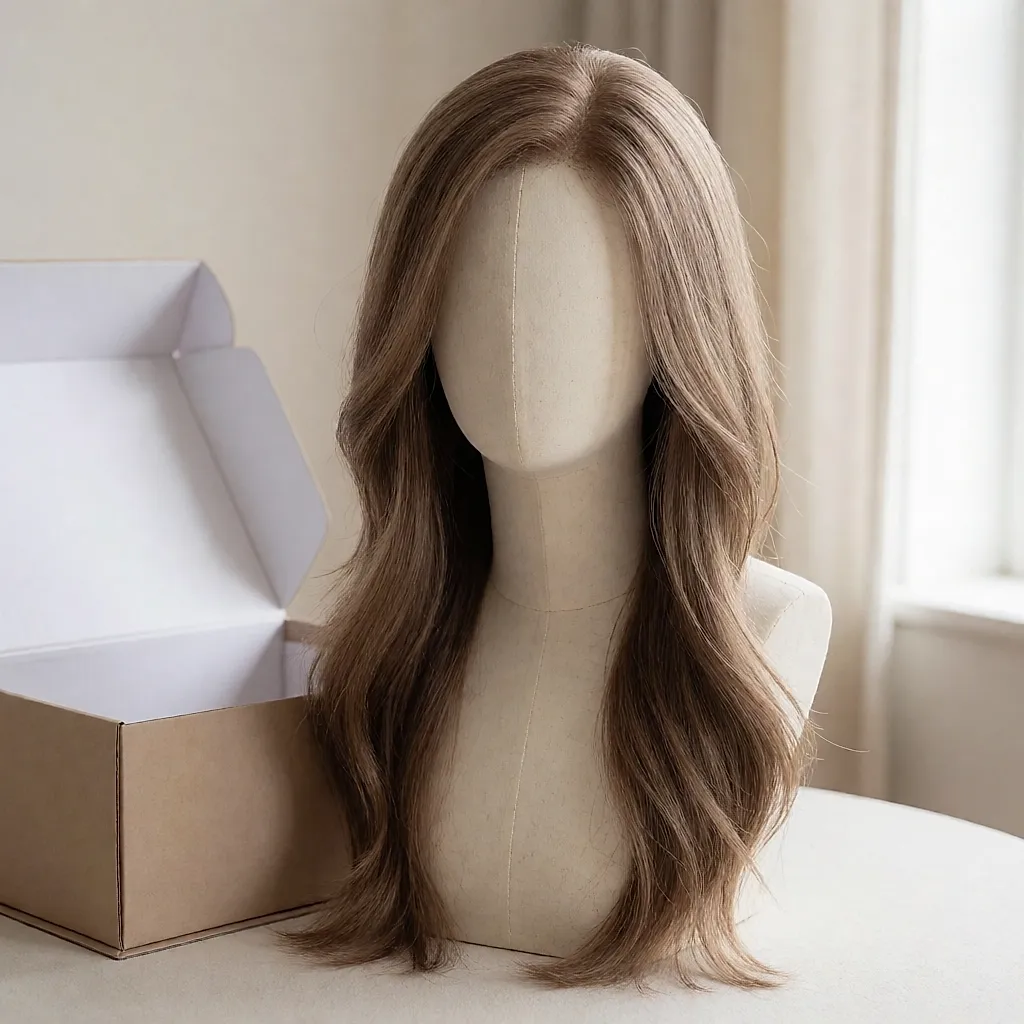
Norgil, a French brand specialising in hair prostheses, calls it "temporary hair". That's the right phrase for it: a stopgap, not a disguise. UK readers will find the same three routes — synthetic, human hair and bespoke — through British suppliers and NHS hospital wig services.

Human hair or synthetic: the real difference
Synthetic fibre is gentler on the wallet and far simpler to look after. The finish can be perfectly convincing when the cut is done well, but most ready-to-wear pieces won't take the heat of straighteners, and they can glint under certain lights.
Human hair behaves completely differently: you can wash it, brush it, curl it on a low heat. The texture and the density make the whole thing more believable, in photos and in person. In return, it needs a regular routine, and the price climbs quickly. Both are honest options — what you'll actually use them for decides it, not just your budget.
One detail that gets overlooked far too often: the cap. A breathable base and a properly finished hairline change comfort completely, especially in summer.
Before you reach for your card, test three things in the fitting room.
Head size first: a cap that doesn't fit properly will shift the moment you turn your head. Colour next: take two shades close to your own and look at them in daylight, not under the shop's strip lights. The cut last: an off-the-peg piece can be cut and adapted by a stylist trained in these materials. That one step changes everything.
If you can't travel, some suppliers offer home visits, or will come to your hospital, within a limited radius of the shop.

Paying for it: what the NHS covers and what you'll pay
Wig provision on the NHS is prescribed rather than automatic, and it varies depending on where in the UK you live. In England, a wig can be supplied through a hospital wig service on prescription, and because people having treatment for cancer are exempt from NHS prescription charges, you often won't pay for the piece itself. What the NHS funds is capped, though — usually a shorter, lighter synthetic piece, and often just one per course of treatment. Scotland, Wales and Northern Ireland run their own arrangements, and in practice patients there can have an easier time of it.
Anything above that cap — a longer style, a denser cap, human hair — comes out of your own pocket. Private health insurance sometimes helps, but plenty of policies exclude wigs altogether, so ring yours and ask before you assume anything. Charities can bridge the gap too: Cancer Hair Care offers free, practical advice on wigs and hair loss, and the Little Princess Trust provides free real-hair wigs to children and young people.
The reflex worth building in: ask for a written quote, and check what you're covered for before you order. Some hospital services supply the wig directly, so you never have to front the money yourself; some private suppliers offer interest-free instalments. The paperwork is tedious, but it exists for exactly this reason.

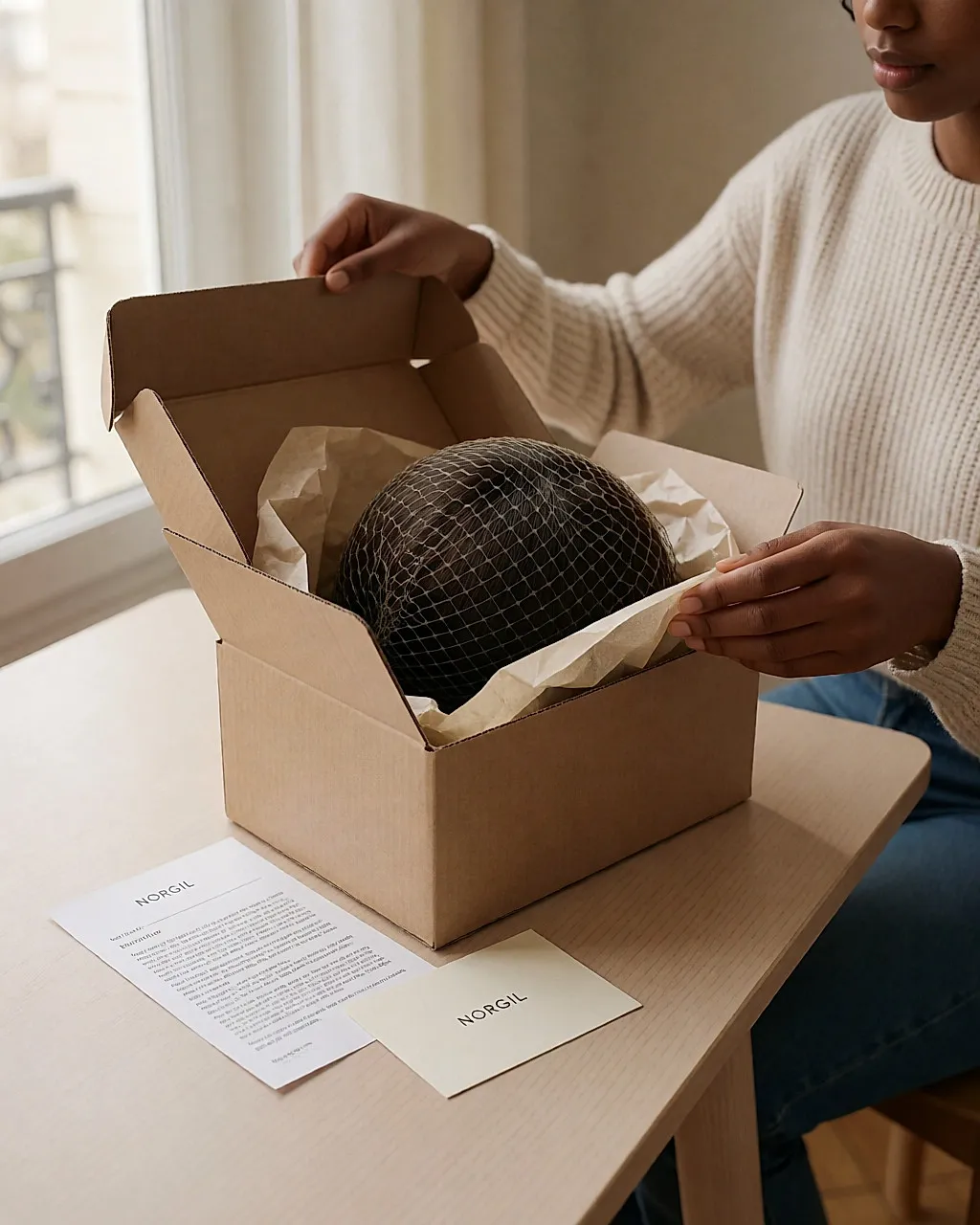
What it costs
Ballpark UK figures, to be read as markers rather than firm prices:
- Turban or night cap: £10–£40 in cotton or synthetic, £25–£80 in silk or bamboo. Supermarkets, chemists, specialist online retailers.
- Ready-to-wear synthetic wig: £70–£260 online, £220–£520 in a specialist salon.
- Human-hair wig: around £500–£1,700, and more for a very dense bespoke piece.
- Cutting and fitting in a salon: £25–£55. Cleaning and restyling a human-hair piece: £35–£90.
What pushes the price up: the material, the length, the density, the type of cap, whether it's made to measure, and how many fittings you need. Where to look: specialist wig centres and salons, the wig services attached to some hospital cancer centres, and for accessories, high-street chemists and department stores.
On accessories, the material affects how long something lasts far more than the label does. A cotton or silk cap will keep for years, where a cheap synthetic one goes slack and bobbles at the first wash. That's not an environmental argument in itself — just a calculation about longevity, and it's often the thing that matters most when you're wearing the piece every day.
In all honesty, advice in a private fitting room is still the best way not to get it wrong.
Sources
- NHS — nhs.uk, hair loss and chemotherapy.
- Macmillan Cancer Support — macmillan.org.uk, practical help with wigs and hair loss.
- Cancer Hair Care — cancerhaircare.co.uk.
- Norgil — norgil.com, the brand's own site.



Comments
Your opinion matters: rate the article, react and reply to comments.
Comments are moderated; AI-assisted comments are flagged. Text emoticons (8-), :-), <3…) are automatically shown as images.