
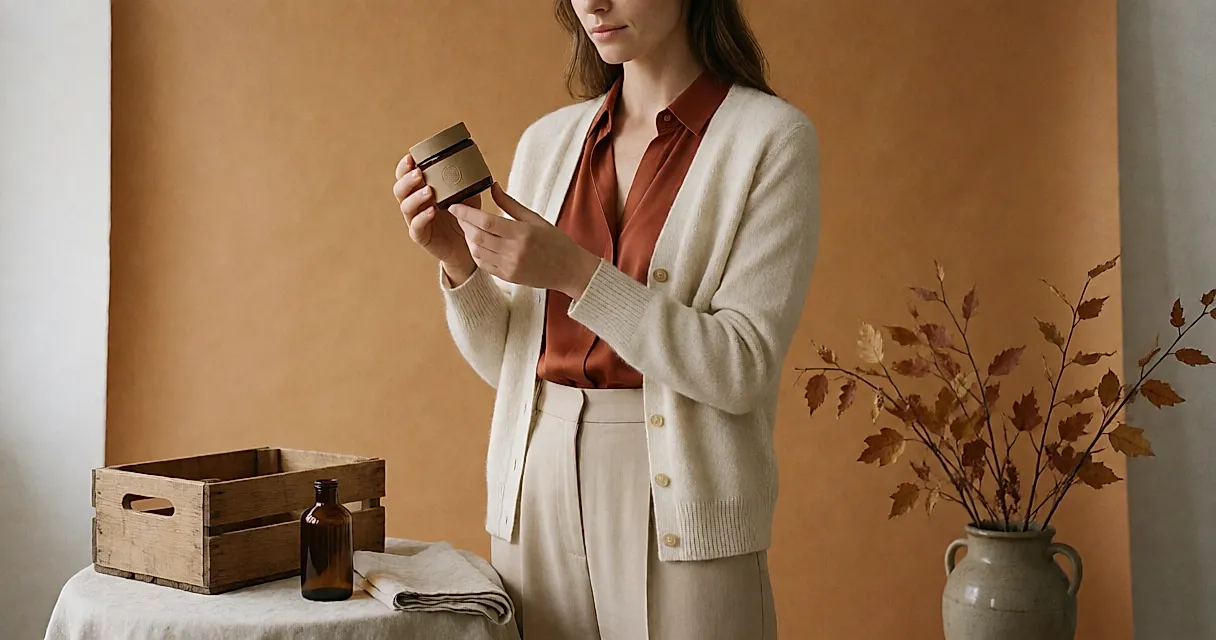
The jar is lovely, the label says "handmade in Brighton", and the person behind the stall holds out the tester with a smile that could sell you almost anything. One question remains, the least glamorous of the day: where's the batch number? It's there, etched in tiny letters under the pot. Or it isn't there at all — and that's exactly the moment to put the pot back down.
"Handmade" doesn't change the rules
UK cosmetics law has no lighter regime for small batches. A 30ml pot made in runs of 300 in a two-person workshop carries exactly the same information as a product made in millions of units: the name and address of the Responsible Person, the net quantity, the ingredients list, the minimum durability date or the PAO, any warnings, and the batch number. "Handmade" isn't one of the legal requirements: lovely on a label, but it doesn't replace anything.
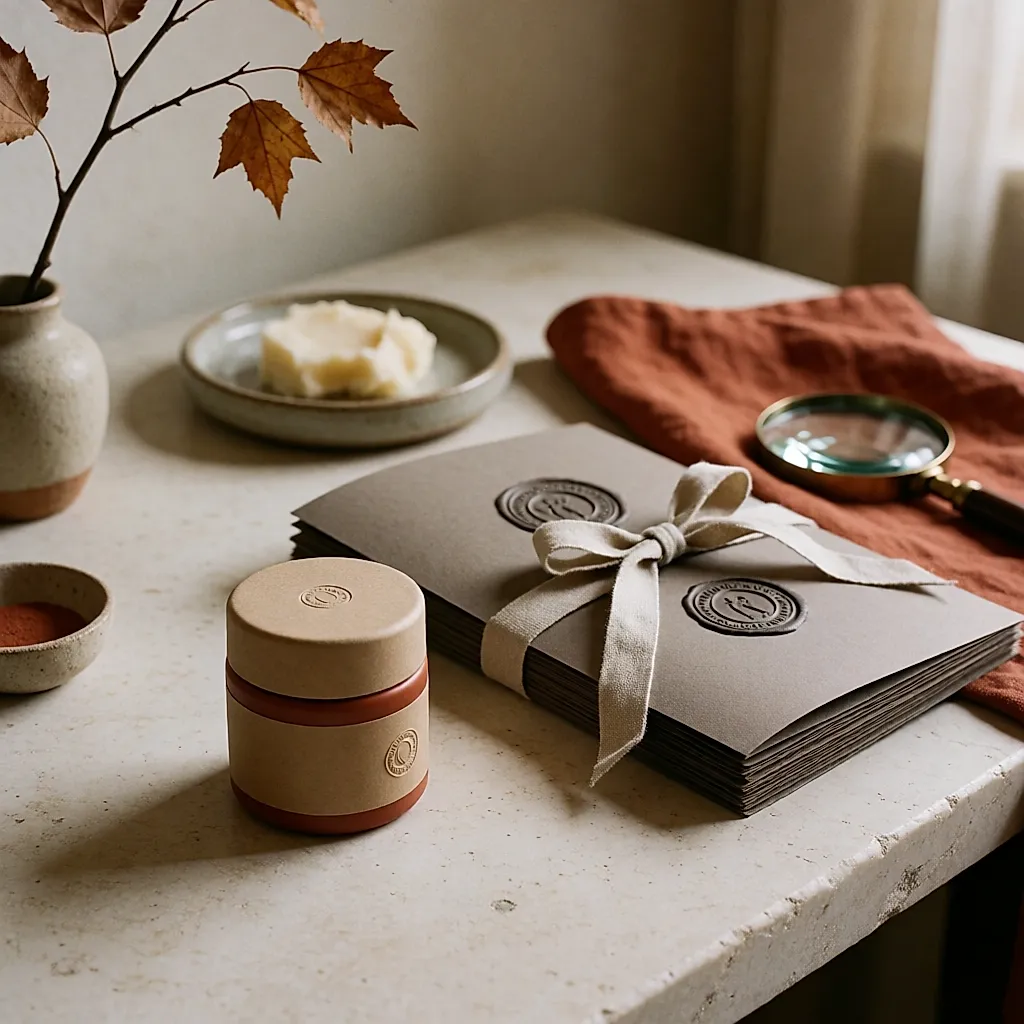
Behind the label there is a product information file, the PIF: formula, raw materials, manufacturing method, safety assessment by an expert. It's kept for ten years after the last batch is placed on the market and made available to the authorities — in the UK that means local trading standards and the Office for Product Safety and Standards (OPSS). You won't see it at a fair: it isn't meant for the public. But a workshop that knows where it is and what's in it is working properly. Some go further with the ISO 22716 standard. ISO 22716 certification isn't compulsory, but good manufacturing practice is required; the standard helps demonstrate compliance.
The batch number, the line nobody reads
A batch is an identified set of products made under uniform conditions, often on the same day. The code looks like "24B11-A" and means nothing to you, which is normal: it speaks to the workshop first. Except it concerns you too. If a supplier flags a problem with a batch of shea butter, the maker can trace the affected pots — and only those. Without a number, it's all or nothing: the entire production, or no recall at all. Sound like paperwork? It's the difference between twenty pots being recalled and your whole bathroom cabinet.
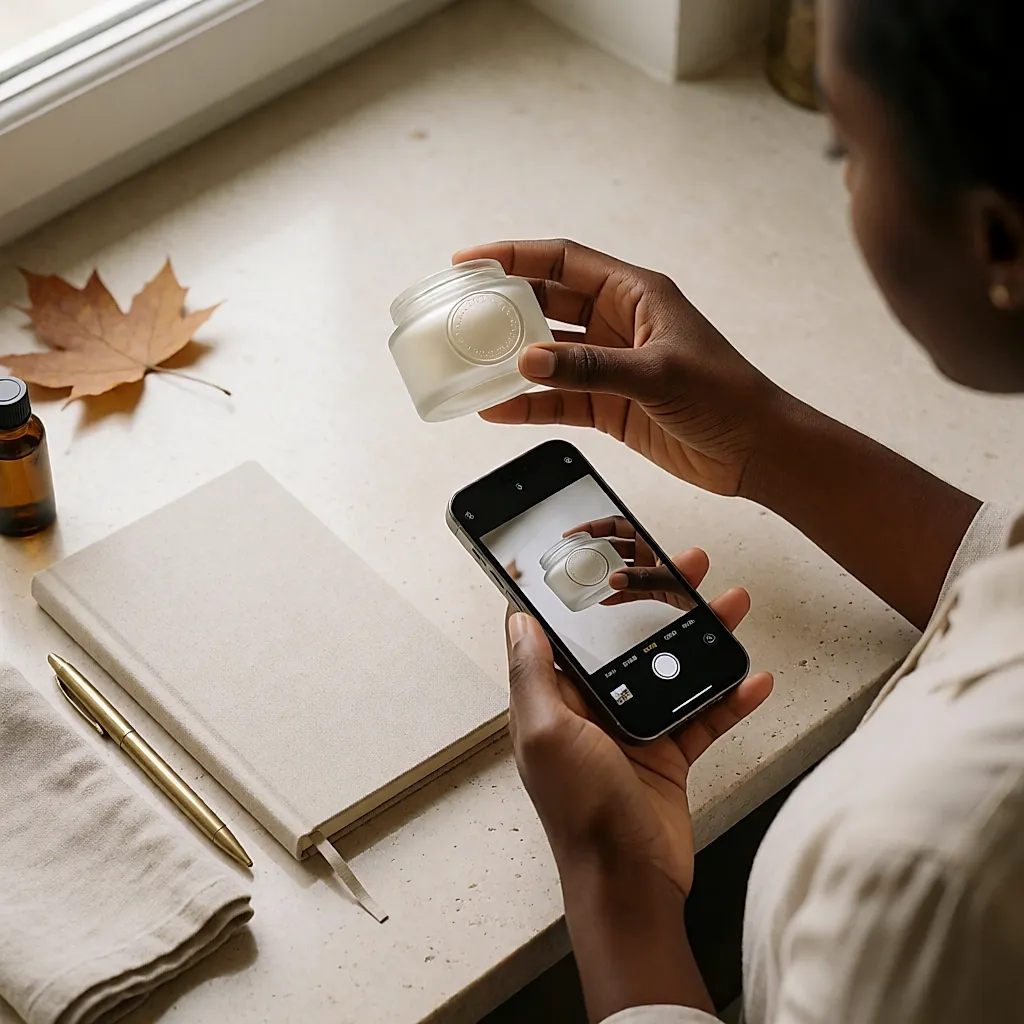
You still have to be able to find it at home. The code hides at the bottom of the pot, or on the box you throw away immediately. Photograph it, note the opening date and the PAO symbol (the little open jar followed by "6M" or "12M"). Ten seconds, and you finally know what you're putting on your skin!
Ingredients and packaging: the chain goes back further than you think
An artisan cream is a handful of ingredients and a container: both have a story. The maker should be able to say where her oil comes from, from which supplier, from which batch — and what documents she received on delivery. The packaging follows the same logic: glass jar, airless pump, cardboard tube. If the pump leaks or the jar's varnish migrates into the formula, it's again a question of batch. The container touches the product; it isn't just decorative detail.
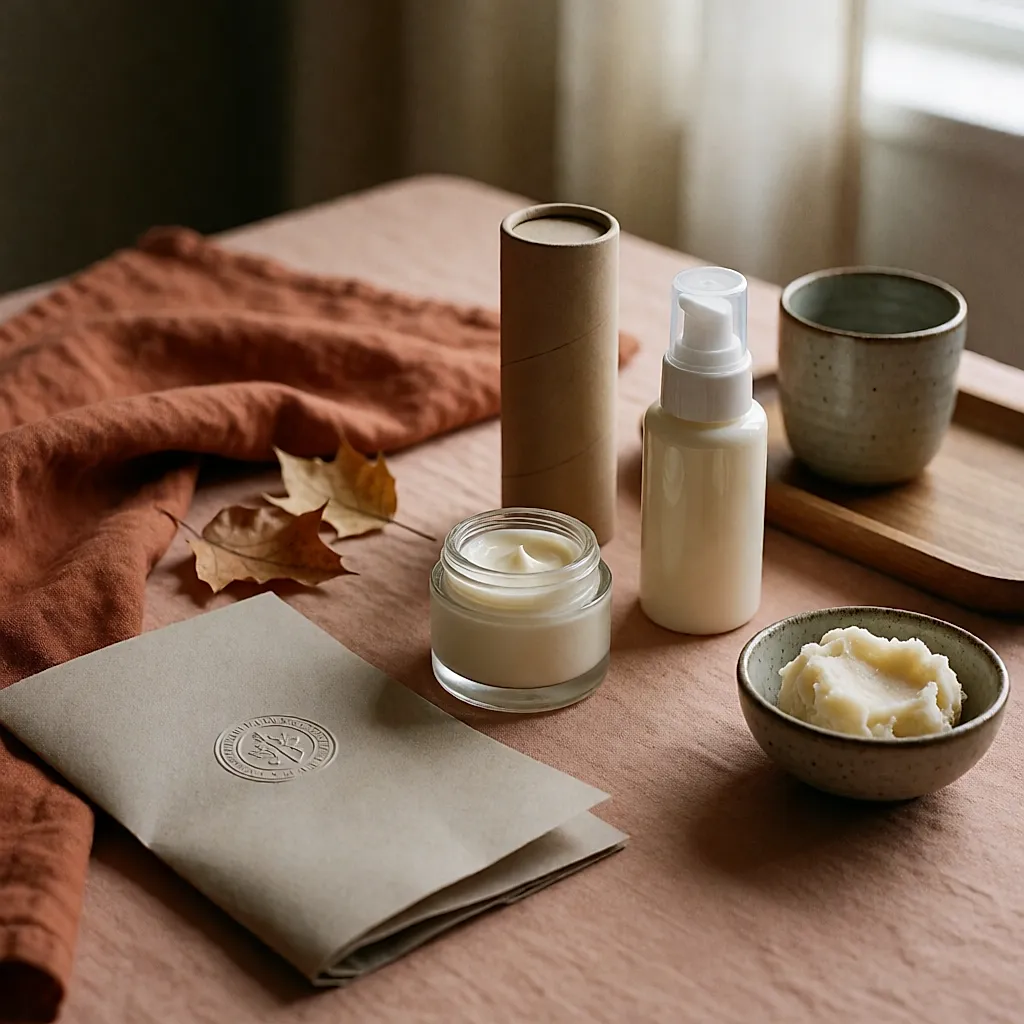
Nobody owes you the list of their suppliers: that's the workshop's commercial know-how. What can be shown: a materials certificate, a stated origin, the jar's technical data sheet, a recognised label (COSMOS, Cosmebio, Ecocert) — bearing in mind that a label guarantees a set of standards and checks, not efficacy. Let's be honest: without the documents in front of you, it's impossible to tell real traceability from a nice pitch. You, though, can: just ask.
At a craft fair, the question nobody minds
Three questions are enough, and they're easy to ask with a smile: "Can you show me the full label?", "Who is the Responsible Person, and where is the workshop?", "Which one's the batch number?" A serious maker answers without flinching, often with a touch of pride. If the conversation gets muddled and the label amounts to a first name in marker pen, it's charming and insufficient.
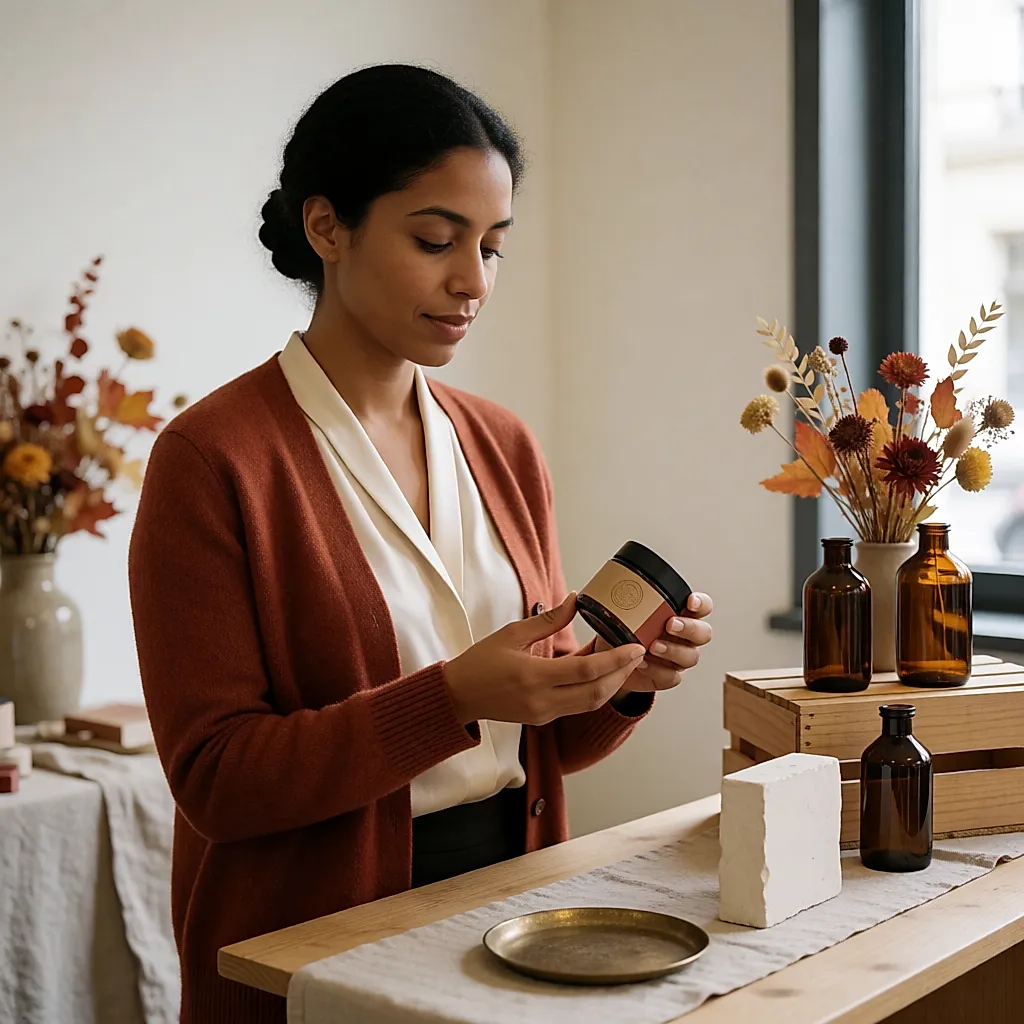
The rest is common sense: check the durability date hasn't passed, ask for the exact volume so you're comparing like with like, photograph the label before you pay. And be wary of the one thing you can't verify: the radiant complexion promised in three days.
The fair check-list — before you get your card out: name and address of the Responsible Person, readable ingredients list, durability date or PAO, batch number present, identifiable workshop. Five boxes, thirty seconds, zero regrets.
Budget
On price, small batches aren't the most expensive on the market, contrary to what you might assume. Expect to pay roughly £16 to £40 for a 30–50ml pot from an artisan maker, a little less at a fair or market (£13 to £35), more in a salon or department-store beauty hall (£26 to £60). What shifts the figure: the volume, the concentration of actives, the type of packaging and where you buy.
To compare honestly, bring everything back to price per millilitre: a 50ml pot at £30 works out at £0.60 per ml, a 15ml pot at £20 at £1.33 per ml. A concentrated serum can justify the difference; a comfort cream, more rarely.
None of this requires a chemistry degree: a photo of the bottom of the pot, two or three well-placed questions, and the smile to go with them. Handmade skincare deserves better than an impulse buy and blind trust — it deserves exactly what we usually reserve for big brands: a little curiosity and a right to check.
Sources
- European Union — Regulation (EC) No 1223/2009 on cosmetic products.
Comments
Your opinion matters: rate the article, react and reply to comments.
Comments are moderated; AI-assisted comments are flagged. Text emoticons (8-), :-), <3…) are automatically shown as images.