

Acrylic (resin) and UV gel modelling are still the two classic techniques, with other methods such as tips, nail forms and gel polish now joining the line-up. If your natural nails won't grow long—because they break or split—false nails are very tempting. Long nails can look polished and feminine, but it's worth knowing the drawbacks before you book, and if you're choosing between the two classics, it helps to know which one comes out on top.

Acrylic, or resin, is one of the oldest techniques. It was once used a great deal, but is now less common, having largely given way to UV-modelled gel.
Everything starts with an assessment: the nail technician checks the natural nail and looks for infection, damage or a contraindication. Then, if needed, the old set is removed, and the nails are cleaned and disinfected.
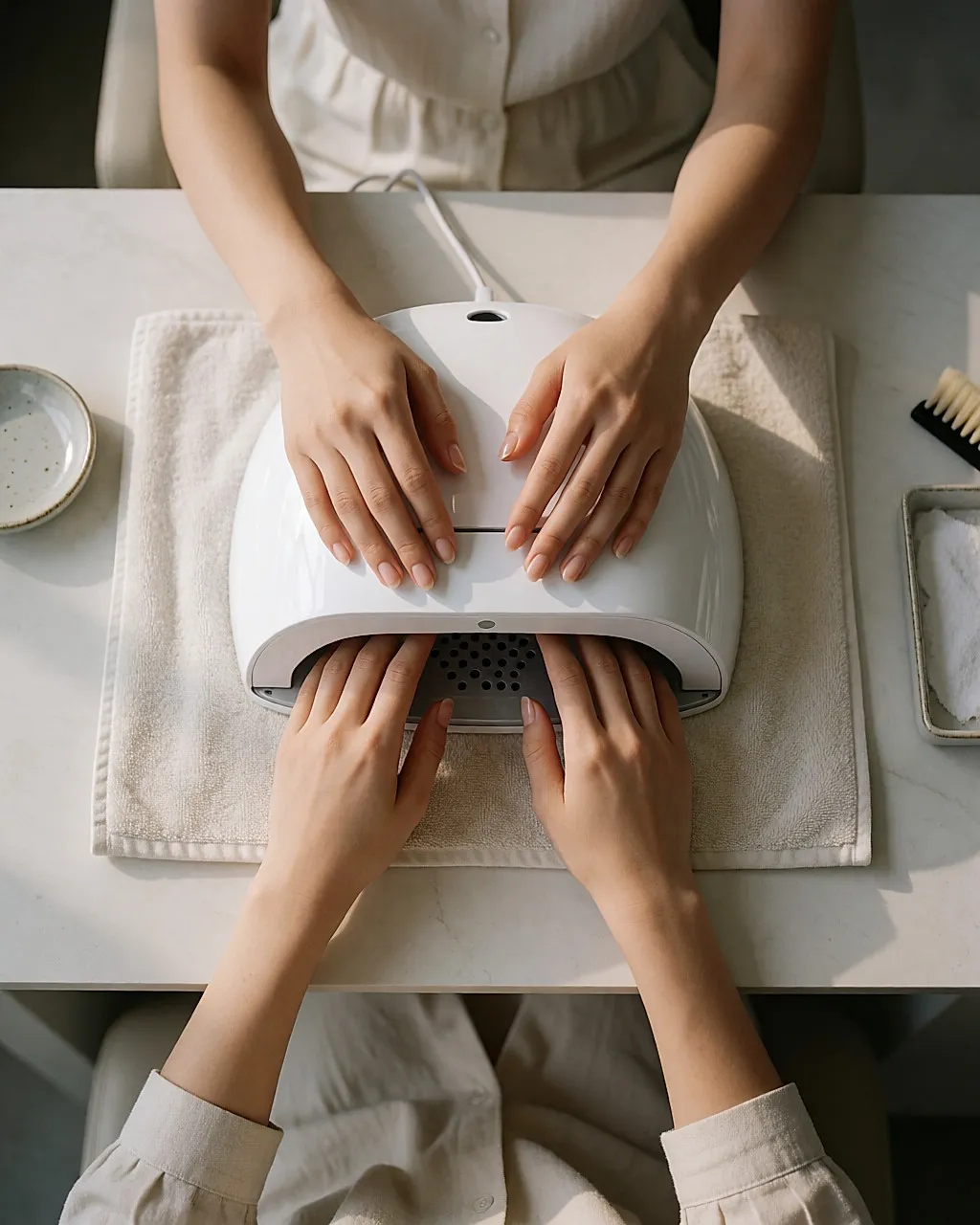
How long an appointment takes varies a lot depending on the technique, the technician and the prep needed. The nail is prepared and buffed, the acrylic is applied and roughly modelled, then left to dry. Once dry, it is shaped to suit the natural nail and the length you want.
There are quite a few downsides to acrylic.
To start with, application and removal can weaken the nail, especially if they're aggressive: the nail is buffed and thinned, and weakened by the product applied before the acrylic. How quickly nails regrow afterwards varies from person to person.
Acrylic is also very hard. It can feel uncomfortable to wear, painful if you knock the nail, and the false nail is often too thick, which doesn't look natural.
Acrylic also changes in sunlight and can yellow, which is far from attractive.
Lifting and breaks are common with acrylic. A lifted nail or a poorly maintained set—whatever the technique—can encourage a fungal infection. A well-applied, well-maintained set limits that risk, but if you have any doubt—pain, a change in nail colour—ask a healthcare professional.
UV gel modelling is now very widespread. It can also weaken the nail, which is covered with a non-natural substance. There are also lots of gels on the market, and some are very poor quality: wear and finish will be much less satisfying than with a good-quality gel, even though you'll have paid the same price.
That said, gel has some significant advantages over acrylic.
To start with, gel is often more flexible and thinner than acrylic, with less yellowing—provided you choose a quality gel and keep up regular maintenance. It can still break or lift after a knock or if it wasn't applied well.
If you want false nails, UV gel is usually the better choice, but remember that your natural nails will be sensitised and will need a little strengthening treatment.
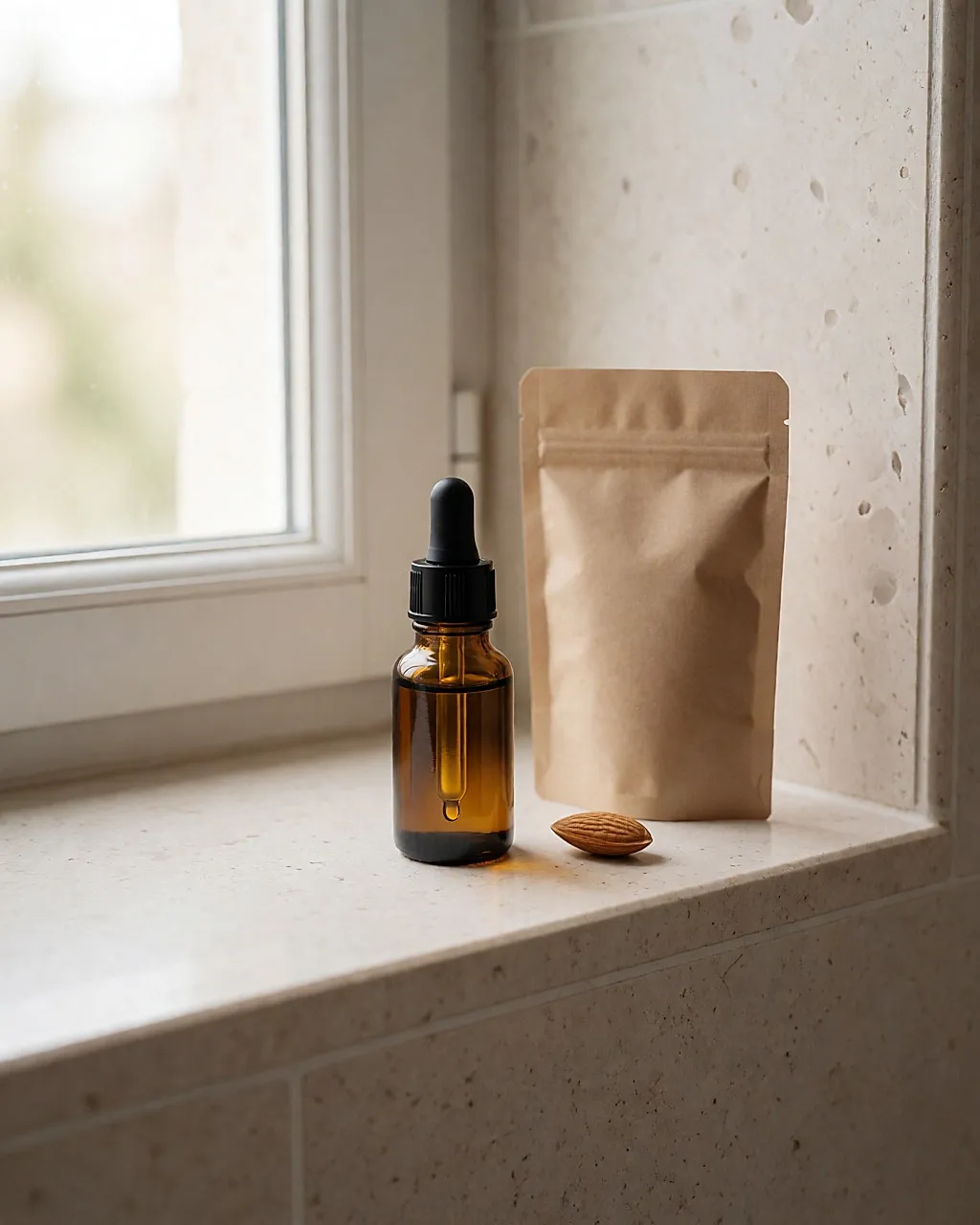
When it comes to upkeep, the one habit that makes a real difference is disarmingly simple: one drop of oil on your cuticles every evening. Massage it in for a few seconds, let it sink in, and do the same the next day. It's the sort of routine you forget about, but it shows over time.
Budget
Salon prices vary widely across the UK. As a rough guide, a full gel set often sits somewhere between £40 and £80, with big differences depending on the city, the salon's reputation and the length you ask for; in a city centre or a very in-demand salon, it can go well above that. Infills, usually every two to three weeks, are most often around £30 to £50, and removal alone around £15 to £30—some salons waive the removal fee if you book a new set. DIY kits cost far less upfront, but they demand real practice, kit and patience: not the best plan for a first attempt. One last check before you settle into the chair: always ask the removal price. It's the line people forget, and it can send the bill up.
Sources
- UK Cosmetics Regulation (retained Regulation (EC) No 1223/2009 on cosmetic products), GOV.UK / Office for Product Safety and Standards.
- NHS, 'Fungal nail infection'.


Comments
Your opinion matters: rate the article, react and reply to comments.
Comments are moderated; AI-assisted comments are flagged. Text emoticons (8-), :-), <3…) are automatically shown as images.