
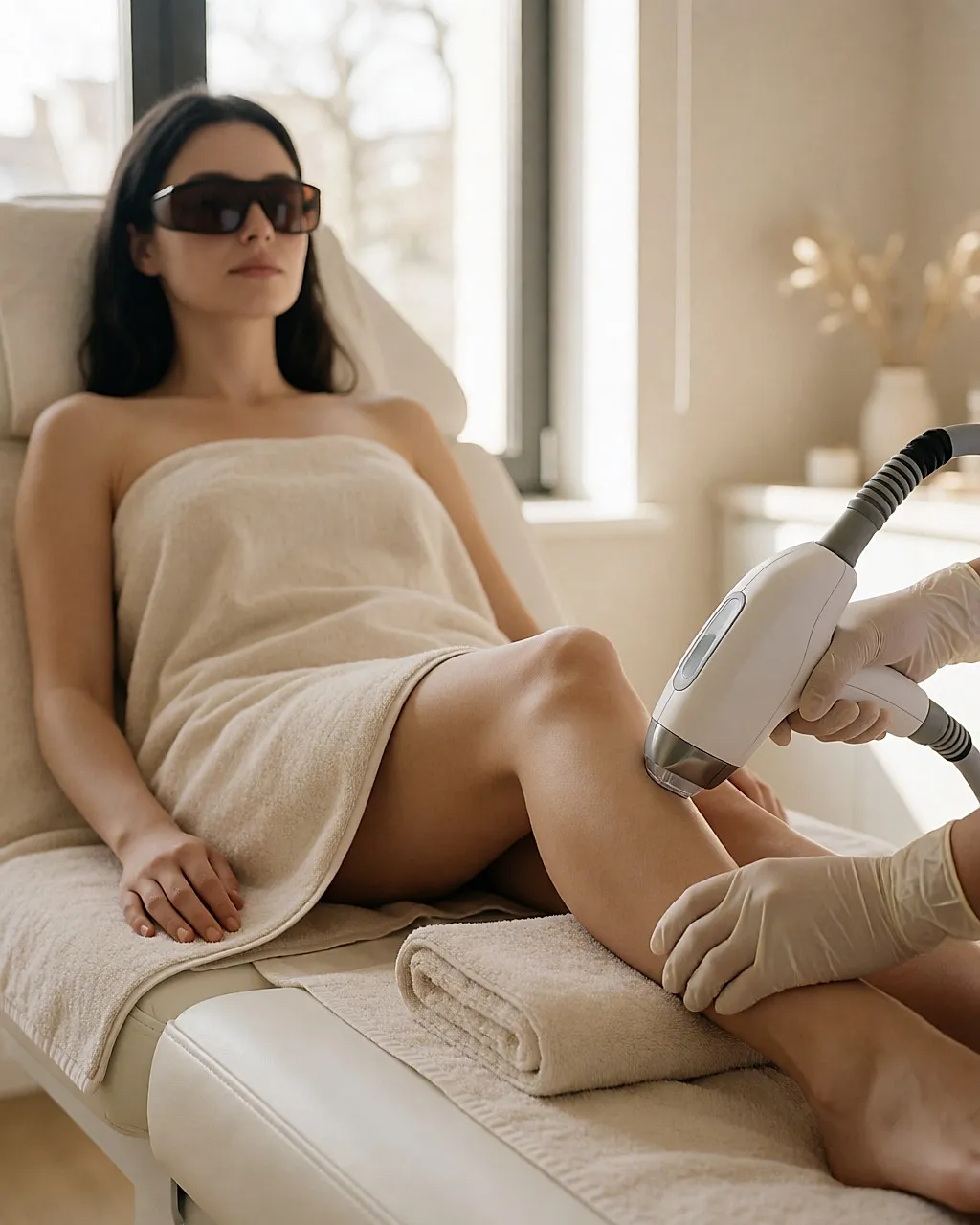
You've almost certainly heard the promise: 'a few sessions and say goodbye to hair.' In reality, it's a little less magical. Between an appealing trial session and the reality of a full course, there's a gap that few clinics explain clearly. So before you get your card out, here's what's really worth knowing.
How it works
The laser targets melanin, the pigment that gives hair its colour. A specific wavelength concentrates energy in the follicle and damages the cells responsible for regrowth. The aim is to limit damage to surrounding tissue – this is selective photothermolysis – but the epidermis and nearby skin can still be affected, which is why settings, cooling and aftercare matter. As a direct result, the darker your hair, the better it absorbs the light. White, blonde or very fine hair lets it pass through almost without absorbing much. Hence results vary widely from person to person.
What a session is actually like
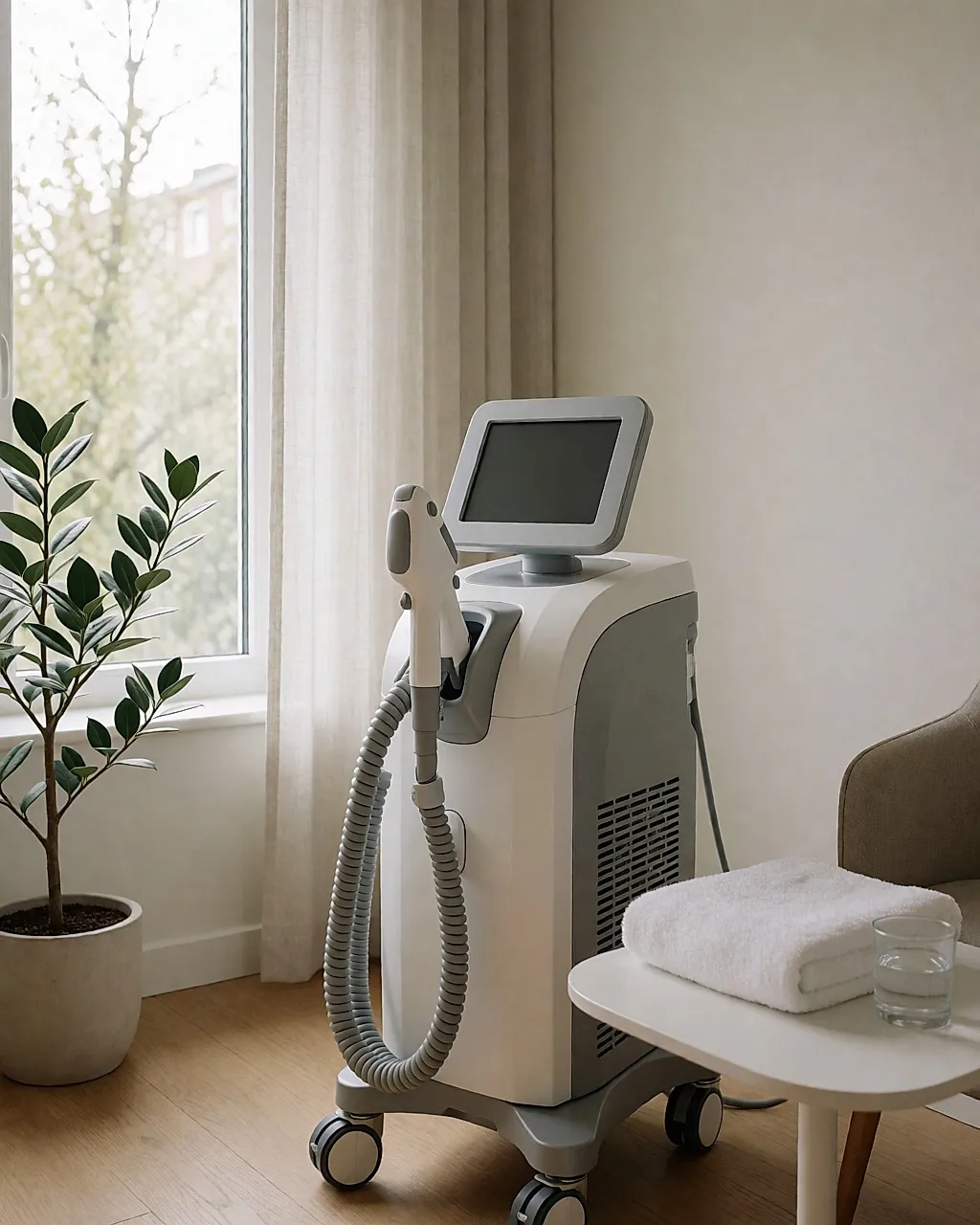
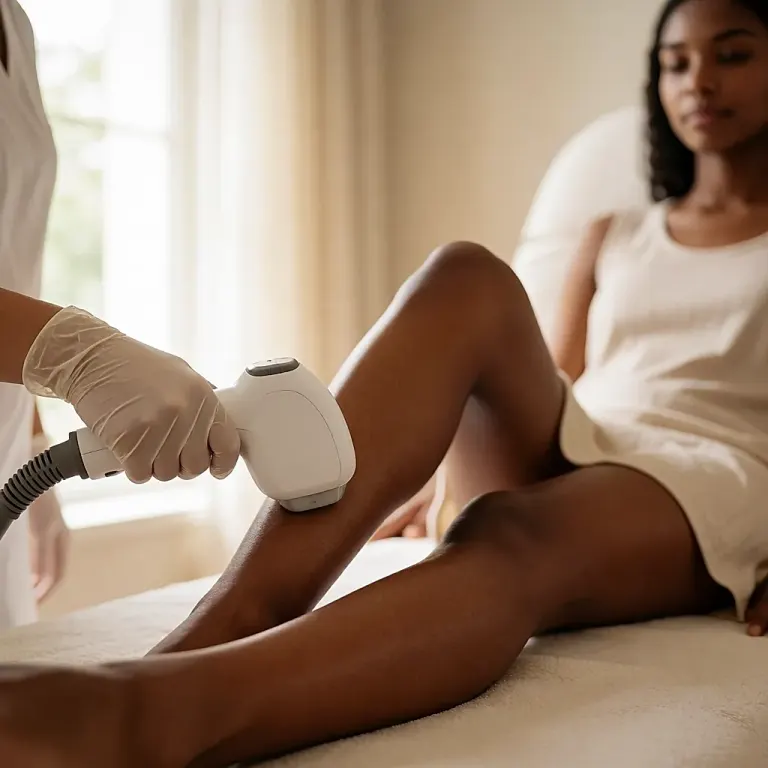
Beforehand, you shave the area. No waxing or plucking in the weeks before: the hair needs to stay in place under the skin to be targeted. A session lasts from a few minutes on the upper lip to nearly an hour on full legs. In terms of sensation, it's like a warm flick, sometimes a slight burn. Skin tone and texture can change throughout the course – that's normal, and it settles.
In the UK, laser hair removal is usually carried out by a trained practitioner rather than being a doctor-only procedure, but regulation is not uniform. Ask about the practitioner's training, insurance and experience, and check whether a doctor or dermatologist is involved if you have a medical condition or darker skin. After the session, hair may regrow finer, then fall out. Expect 6 to 10 sessions spaced 4 to 8 weeks apart, followed by a few maintenance appointments during the year.
Who it's for, and where
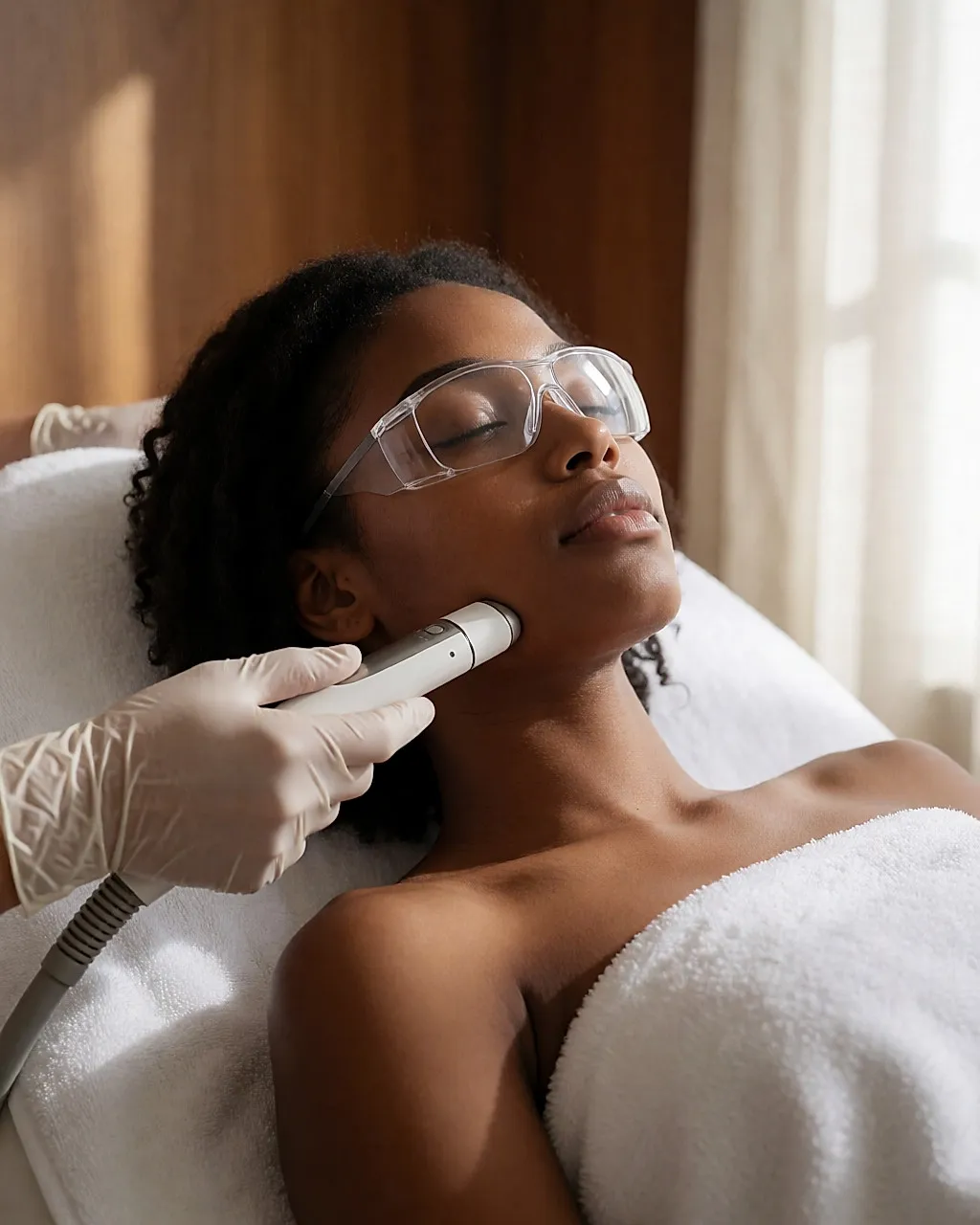
All areas are eligible – chin, back, stomach, bikini line, toes, thighs – except eyebrows and the eye area. White, blonde or very fine hair responds poorly because it lacks pigment. Darker skin tones, including medium, mixed or Black skin, need a specific laser, often Nd:YAG, to limit burns and pigmentation changes. Treatment is not done on tanned skin, and after a session you need to protect the area from the sun. Your practitioner will advise how long; in practice, this is often longer than a week, and may mean avoiding direct sun and using a high-factor sunscreen for several weeks.

At each appointment, note the date, the area treated and the power setting used. This small habit helps the practitioner adjust treatment, and stops you paying twice for the same area.
Budget
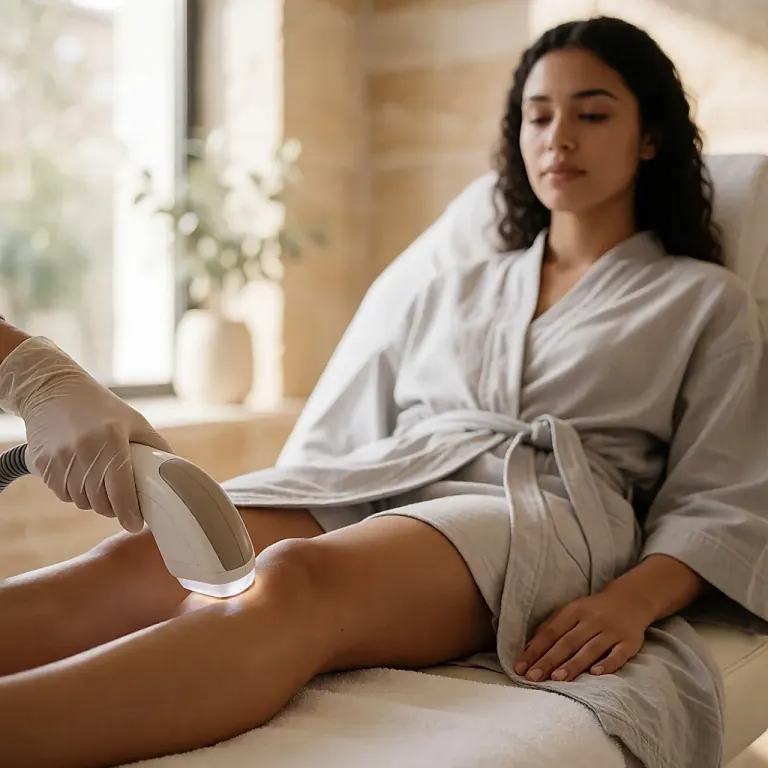
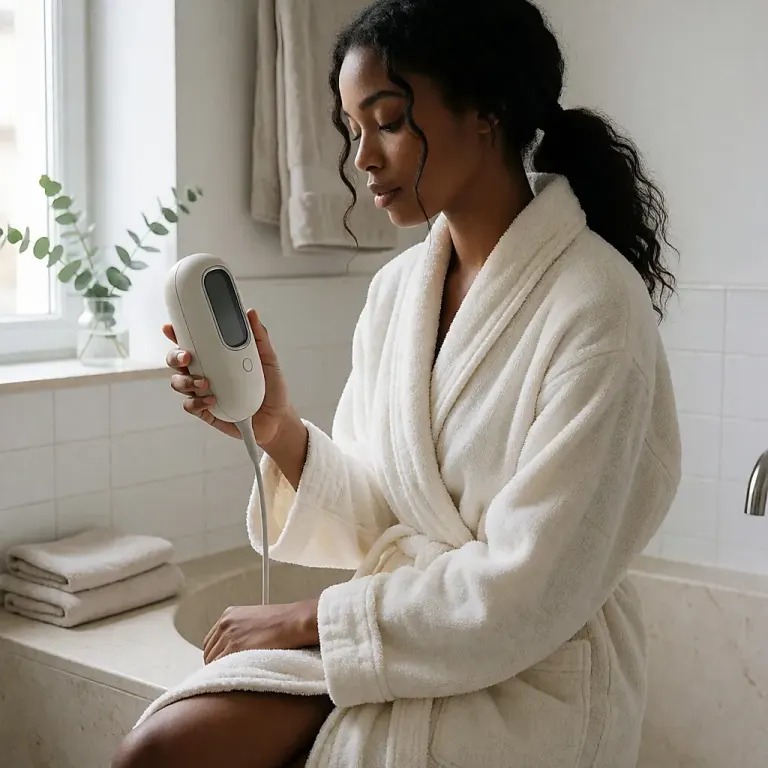
Prices are per session, and they add up quickly. In the UK, as a rough guide, expect around £30–£80 for a small area such as the upper lip or underarms, £60–£150 for the bikini line, and £100–£300 for half-legs or thighs. A package of several sessions often lowers the per-session price. What changes the bill: the size of the area, the technology used, where you live and the clinic's reputation. You'll find these treatments in dermatology clinics, medical laser centres and specialist clinics – always ask for a written quote and check the qualifications of the person operating. If budget is tight, a home IPL device remains an option: slower and less powerful, but much cheaper to use over time.
Sources
- British Association of Dermatologists (BAD) — bad.org.uk
- NHS — nhs.uk
- Medicines and Healthcare products Regulatory Agency (MHRA) — gov.uk/mhra
Comments
Your opinion matters: rate the article, react and reply to comments.
Comments are moderated; AI-assisted comments are flagged. Text emoticons (8-), :-), <3…) are automatically shown as images.