

By now we all know that what we eat shows up on our skin. Dull, greyish complexion? Skin feeling drier, tighter, less springy? Spots and uneven texture? Then there's a fair chance your diet isn't meeting your skin's needs.
Let's start with the basics: your skin needs essential fatty acids — omega-3 and omega-6 — as part of a varied diet.
These contribute to the skin's barrier function and help limit water loss from the skin. They're part of what keeps skin soft and supple — in other words, the foundation of good skin.
The snag is that some of the ready meals we rely on when time is tight, or when we can't face cooking, may contain very little of them — or be made with hydrogenated oils or trans fats. Reading the label is the reflex worth keeping. Yes, those ingredients make a dish more stable and help it keep, but they're a long way from giving your body what it needs, and could even be harmful to your health if they became a habit.
So should you write off ready meals altogether? Not necessarily. Try to cook something yourself regularly — in the evening, for instance — and finish it with a drizzle of olive-rapeseed oil as a dressing: it's one of the possible sources of essential fatty acids. Above all, aim to cover your needs with a varied diet, and if you're in any doubt, ask a health professional.
Then put oily fish on the menu at least once a week, more often if you fancy it — salmon, mackerel, tuna and the like. And now and then, top up with other plant oils as a bonus: walnut oil, grapeseed oil, borage oil, evening primrose oil.
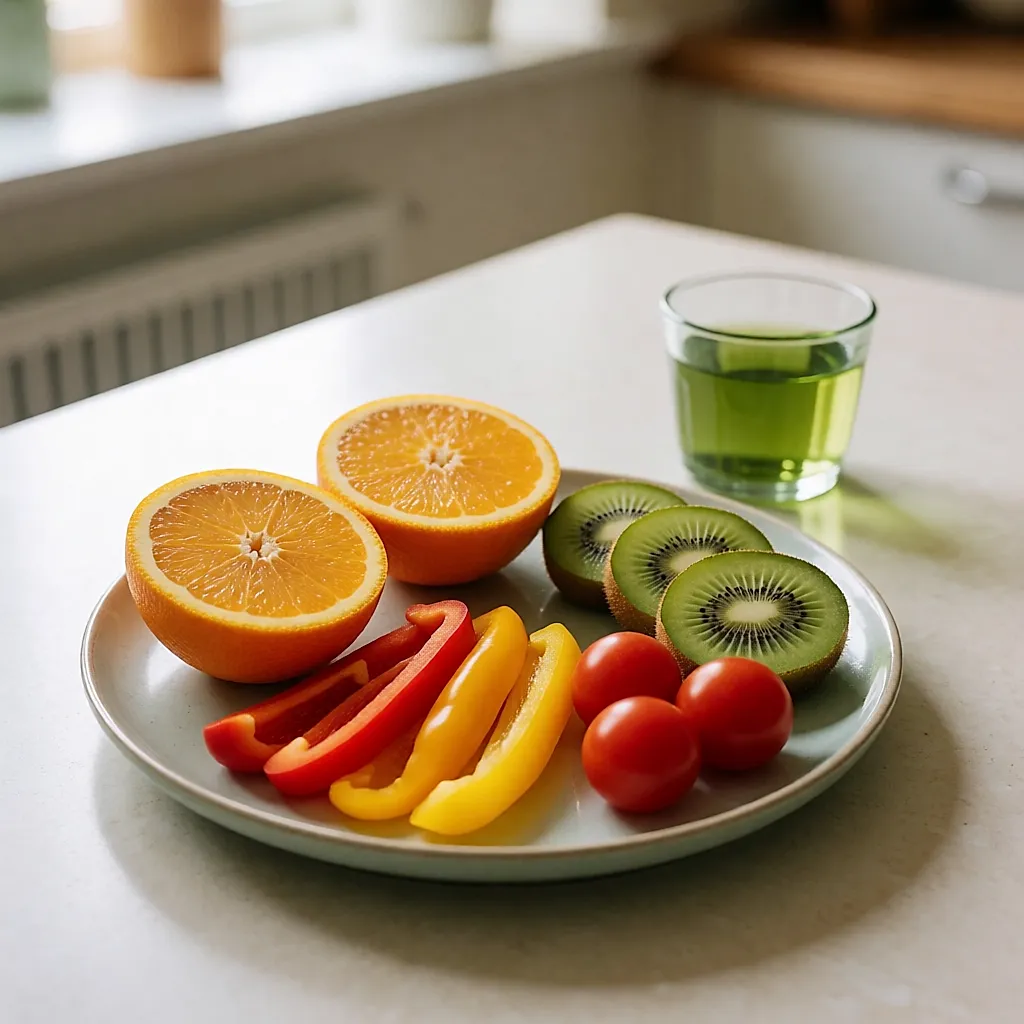
The second thing to know: the great enemies of your skin and its beauty are free radicals. Free radicals are among the factors involved in skin ageing — and the bad news is that these days they're everywhere. Cigarette smoke, sun, pollution, and gaps in your diet too (yes, that again): everyday life is an assault course for your skin.
So what's the plan? Start with foods rich in antioxidants, which are among the allies that can help neutralise free radicals. Fruit and veg are excellent sources. Two watchwords here: variety, and every day.
The most colourful fruit and veg — oranges, tomatoes, kiwis, peppers, carrots — are particularly rich in antioxidants, which isn't to say the paler ones have none, so keep them varied at every meal. And think of fruit when hunger strikes: ideal for looking after your waistline and your skin at the same time.
Treat yourself to a cup of green tea now and then for the antioxidants, and drink enough water: your body needs it. Mineral content varies from water to water, with no direct effect on the skin demonstrated.

Next, a few lifestyle pointers. Eating well is essential, but it isn't always enough. Smoking is worth avoiding altogether (no amount of smoking is risk-free), and alcohol is worth limiting. Equally, don't let sleep debt pile up — tiredness affects your weight, and it affects the quality of your skin too. Head for green space whenever you get the chance: there's nothing like a breath of clean air to bring back a fresh, bright complexion.
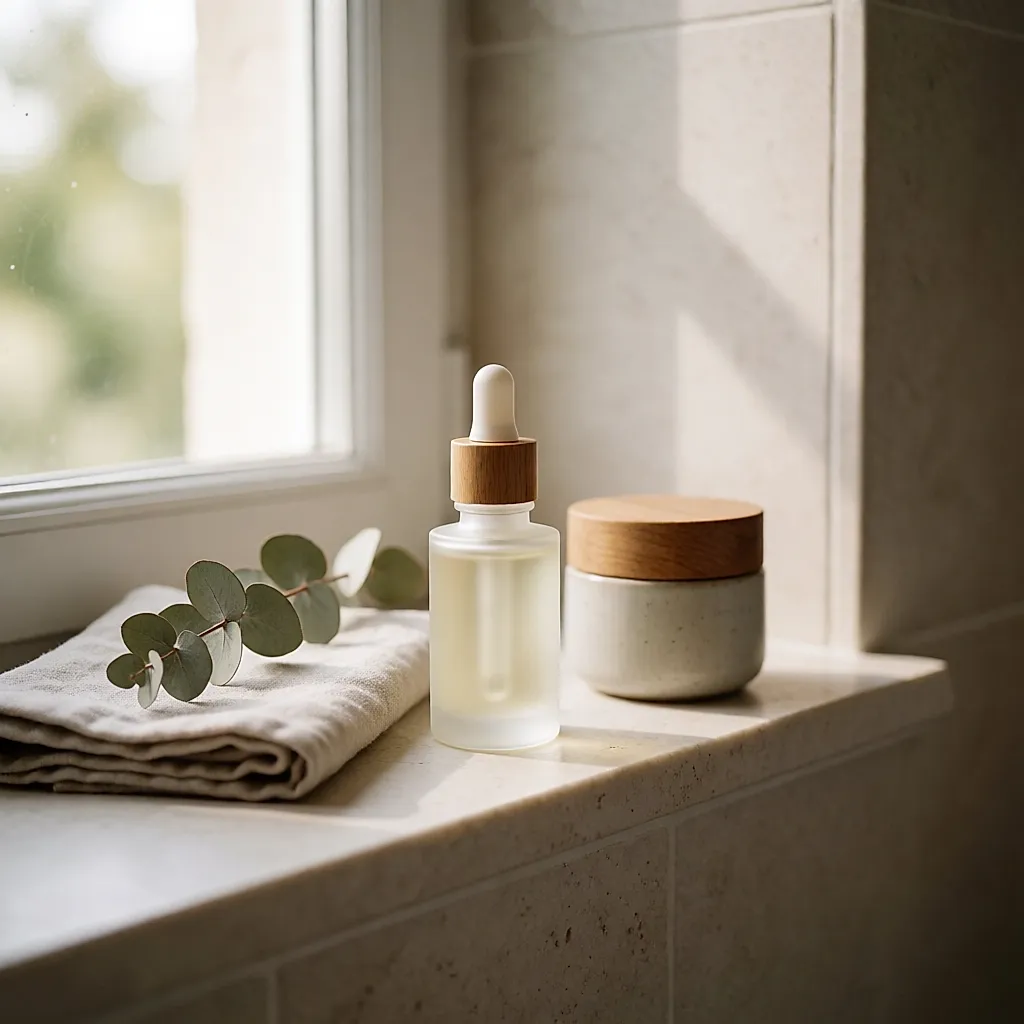
And last, the icing on the cake: a small beauty ritual to round off your good habits.
Take off your make-up properly every single evening, no exceptions, so your cells can get on with renewing themselves undisturbed. Make time for an exfoliation and a mask as and when your skin needs them and tolerates them. Then, depending on your age and what your skin needs, choose the right products: moisturiser, anti-ageing, eye cream, night cream, serum... Do ask a beauty professional for advice when you're choosing. Compare reviews, prices, products and advice across beauty halls and pharmacies, and take the time to gather several opinions before you commit.

The budget
You don't need to blow the budget to make these habits stick. Tinned sardines or mackerel in spring water generally come in at around £1 to £3 a tin, with real variation depending on the brand and where you buy them. A good mineral water costs somewhere between 50p and £2 a litre — and go for returnable glass where you can.
A decent plant oil — olive-rapeseed, walnut, grapeseed — tends to land somewhere between £5 and £12 per 500ml in a health-food shop or a good grocer, a little more for borage and evening primrose, which usually come in small bottles. In-season fruit and veg remain the best-value buy, especially when you go for raw produce rather than ready-prepared.



Comments
Your opinion matters: rate the article, react and reply to comments.
Comments are moderated; AI-assisted comments are flagged. Text emoticons (8-), :-), <3…) are automatically shown as images.