

Gradual tan – how does it work and how to apply it
Every May brings the same tug-of-war: part of you is desperate to get out the little skirts and light dresses, while the other part is staring at the pale winter complexion in the mirror and hesitating. So you think about self-tan, obviously. Except the memory of orange-striped knees, the faint whiff of stale biscuit and the very real fear of an irreversible disaster the night before a wedding are enough to put you off. The good news: over the past few seasons, a new generation of hydrating lotions has changed the game. Instead of painting on a tan in one go, they build it shade by shade, application by application. That’s gradual tan, and it deserves a proper look.
Before you even choose a bottle, a few golden rules are non-negotiable, and this is usually where things go right or wrong.
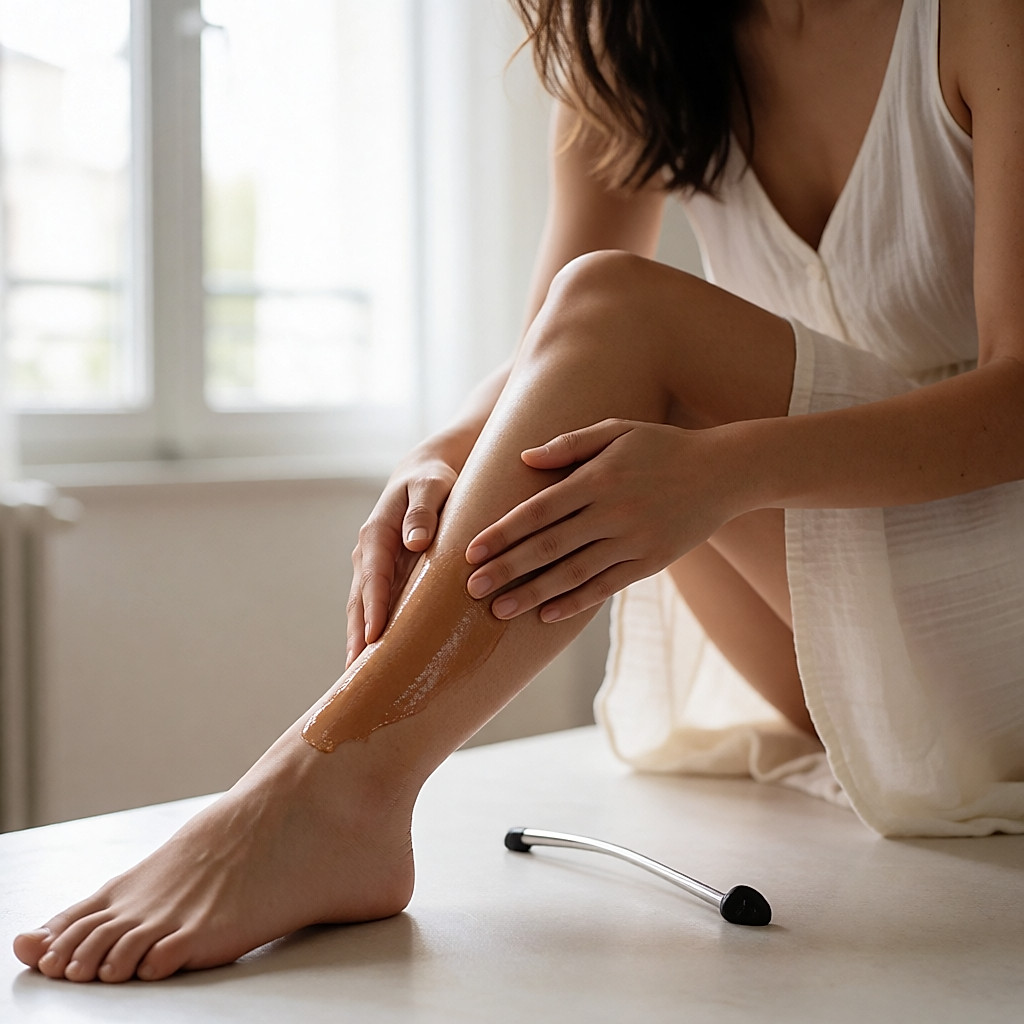
Thorough hair removal and careful exfoliation come first — don’t expect an even application on rough skin. Then moisturise generously for a few days before applying your product: crocodile skin and self-tan really don’t mix. And take your time. The method matters as much as the formula: use a lighter layer on the areas that tend to go darker first — knees, elbows, fingers, ankles — then apply in broad, sweeping strokes, working from the bottom of the body upwards rather than the other way round. Don’t forget the tops of your feet or the hard-to-reach bits; rope in someone else if you need to. A regular body scrub, for example once a week, can help keep the tan even. Once you’ve hit the shade you want, space out applications — in practice, you’ll often go a few days between them — so you can enjoy product-free days and moisturise as much as you like.
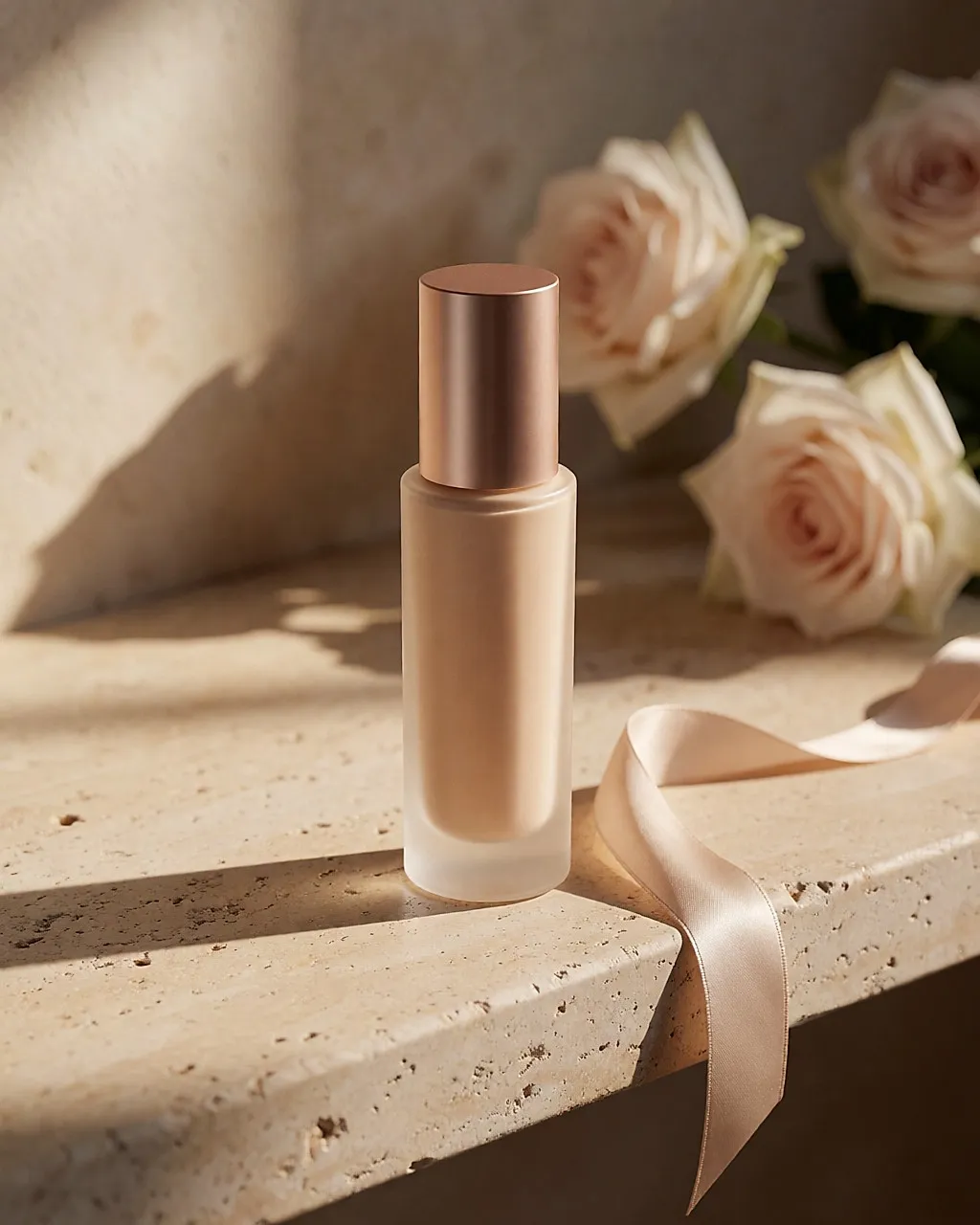
Before using it for the first time, patch-test the formula on a small area — the crook of your elbow or behind your ear — a few days before applying it all over: some skin reacts to DHA. For areas that darken quickly, you can smooth a thin layer of moisturiser on just before the self-tan; the colour develops less and the finish looks more blended.
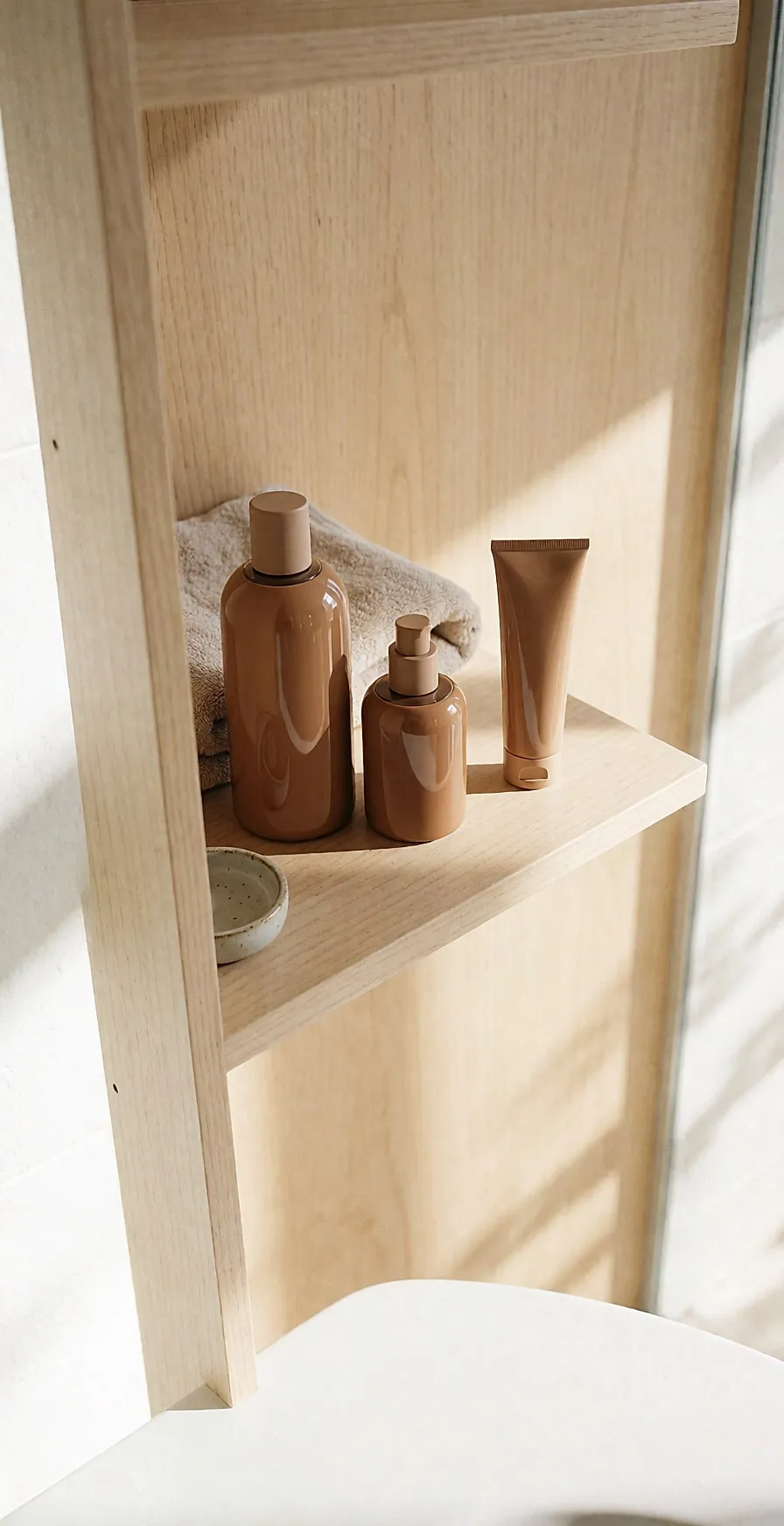
The formulas worth keeping
The high-street gradual lotion
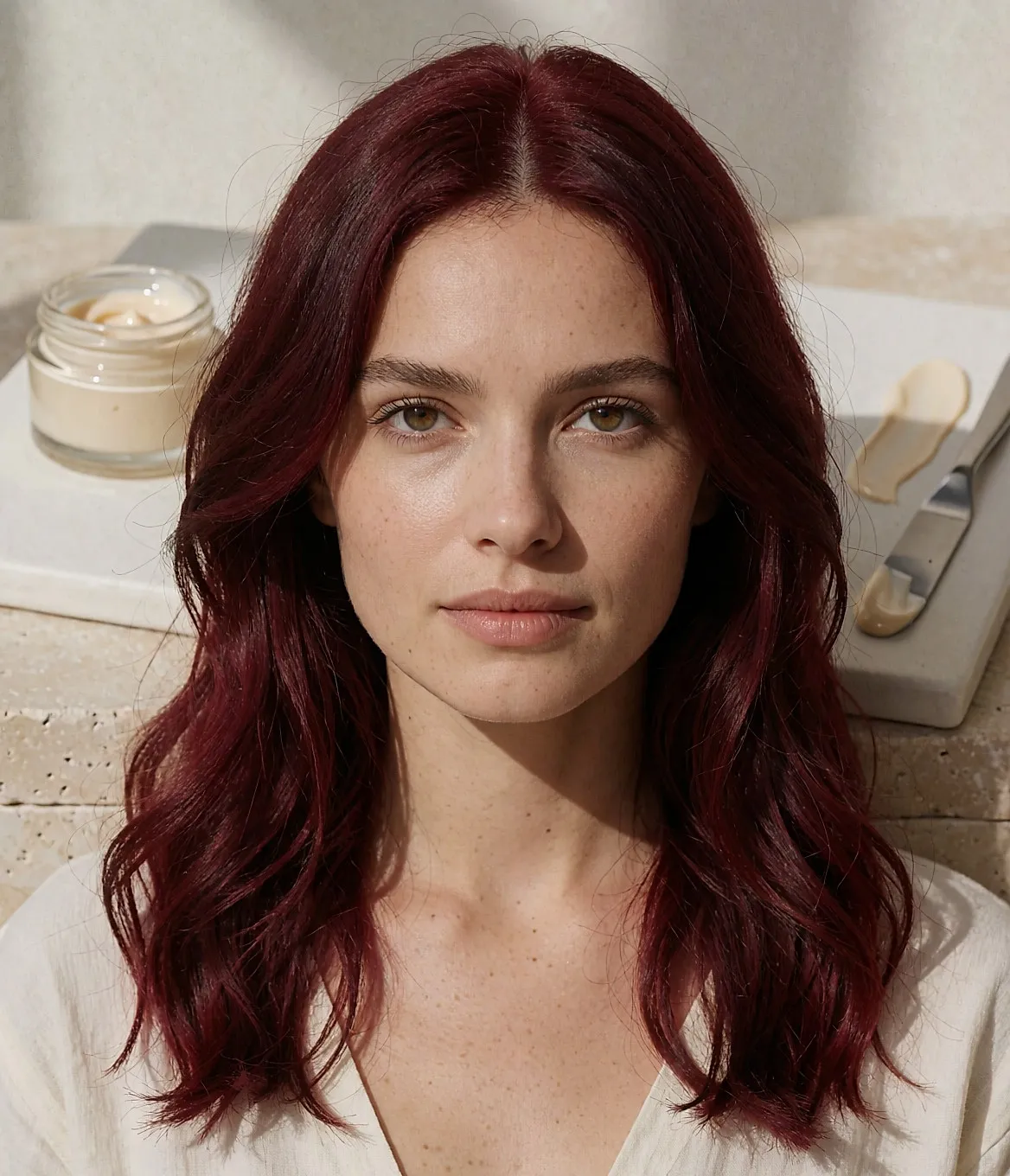
The Garnier Summer Body Moisturising Lotion is a gradual formula designed to build a natural, adjustable tan — apply it more or less often depending on how deep you want to go. According to the brand, the result is visible from the first application and natural: no dubious orange, just a soft tan that blends into the skin, and no streaks provided you go easy on the risky areas. It’s available in supermarkets and on the high street, and in light and medium shades.
The two-in-one lotion
With Neutrogena’s nourishing gradual-tan body lotion — names vary by market, so check the current UK line-up — the idea is simple: a good tan, real or fake, starts with well-moisturised skin. The brand promises two jobs in one — a light, gradual tan that builds with repeated use, plus skin that feels supple and soft. Just don’t pile on the product. It costs a little more than the entry-level options, but it does two jobs at once.
The budget gradual tan
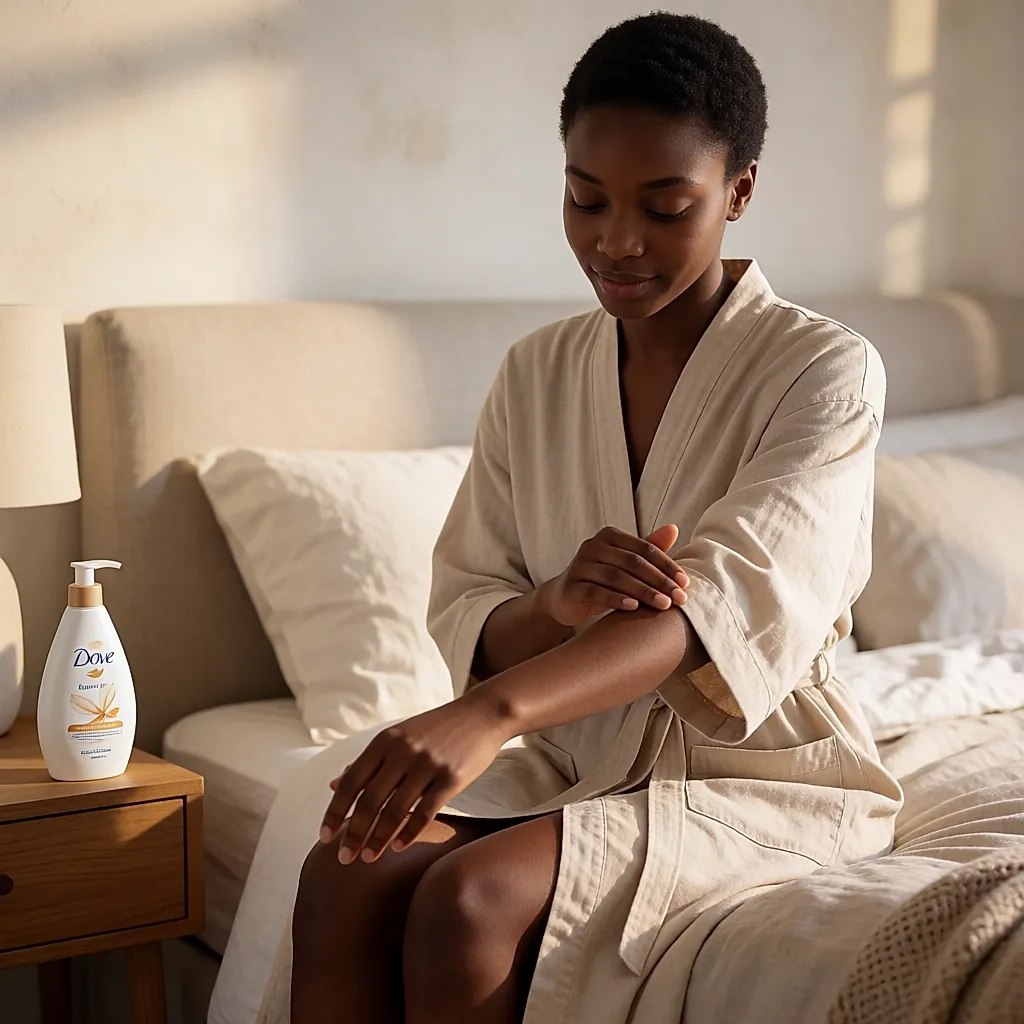
Dove Summer Revived Body Lotion is a gradual self-tan at a modest price. According to the brand, the tan shows up quickly while staying natural, the colour holds well, and, once you’ve got the hang of it, it stops leaving streaks. Do set aside a proper window so it can work and you avoid marks on skin and clothes — and it leaves soft, sun-kissed skin at a reasonable price.
The glitter-finish lotion
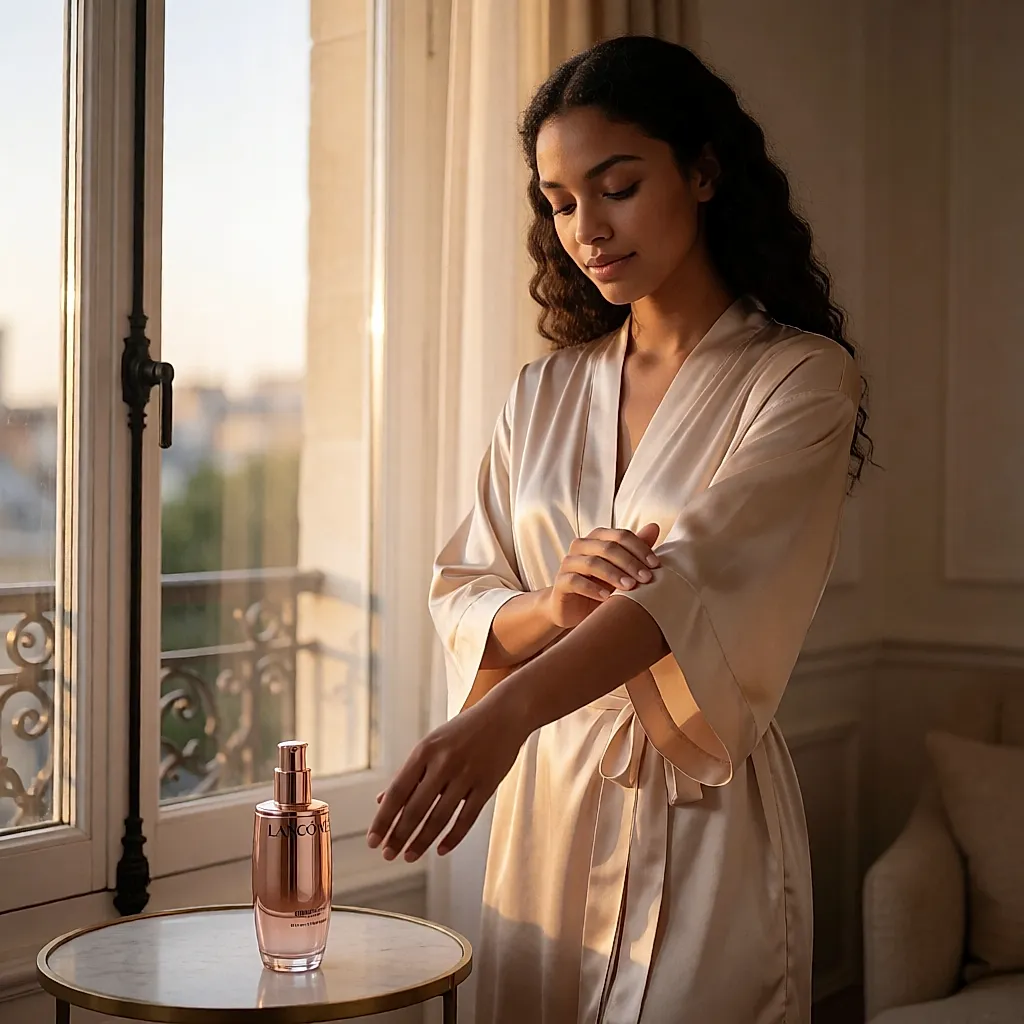
Lancôme’s gradual self-tan comes in a practical pump bottle and is presented as having a shade that’s neither too strong nor too faint, with micro-glitter that catches the light in the sun. It builds colour gently, so if you want a deep tan, look to classic self-tanners instead. Price-wise, it sits at the top end.
The one for legs
We all know that small flicker of dread at the thought of a short skirt on pale legs, and L’Oréal Paris Sublime Bronze Tinted Self-Tanning Lotion can be used for exactly that. One thing first: this is a classic self-tanner, not a gradual one, though the finish stays natural and relatively light as long as you don’t overdo the dose.
Its caramel tint makes it easier to apply evenly: you can see straight away where to blend. The tan is soft and nicely golden. Hello, short skirts! Note, though, a fairly high price for a big-brand product you can use on your legs — and this formula isn’t made to moisturise, so plan a separate body lotion to nourish your skin.
What has really changed
These sun-kissed cosmetics have come a long way from the days when they turned streaky orange and left us with a nasty smell. Today, from legs to face, there’s plenty to choose from, and the big names of the moment can even offer a gradual, adjustable tan thanks to a lower DHA content. Colour appears over repeated applications and stays light and natural, letting us settle into the rhythm that suits us once we’ve found the perfect tan. Application is easier, mishaps are less frequent and less visible, the scent is nicer, and from spray to gel to lotion, textures can be chosen to suit your mood. And then there’s the range in price, from budget to luxury: enough to find a self-tan that suits you, even on your budget.
On the natural side, it’s worth reading the ingredients: DHA remains the key active ingredient — it’s what reacts with amino acids in the skin to create colour — and it can be plant-derived. The rest matters just as much: a lotion rich in glycerine and plant butters can help keep the skin comfortable and well hydrated, though that isn’t a guarantee the result will last longer. Look for refillable packaging or glass bottles where they exist, and recognised labels (COSMOS Organic, Ecocert) if natural ingredients in the formula are your priority. The truth is, how well a self-tan lasts and how comfortable it is to apply still vary hugely from formula to formula, and a bit of label-reading remains the best habit.
Budget
The range is wide, and that’s a good thing. In the supermarket or on the high street, expect to pay around £8–£15 for the most affordable gradual formulas — Garnier and Dove are the kindest to your wallet. In a pharmacy or beauty retailer, budget more like £15–£25 for a nourishing lotion such as Neutrogena’s. And for scented versions or big-name buys such as Lancôme, the price rises more like £35–£50 a bottle. Size matters too: a 150ml pump bottle can run out faster than a 200ml tube, though it is easier to dose. It depends on how you’ll use it — a few weeks of summer or an ongoing routine. And bear in mind that a bottle keeps better away from heat and direct light.
So rather than chasing the perfect colour in one go, why not take the gradual-tan approach? Start gently, watch, adjust — and a few days later you may surprise yourself by finding the right tone without having forced anything. The much-talked-about nuanced glow, as it were, worn from spring to autumn, at a price you can genuinely choose to suit your budget. In the end, that might be the real change: accepting that it’s worth taking your time.


Comments
Your opinion matters: rate the article, react and reply to comments.
Comments are moderated; AI-assisted comments are flagged. Text emoticons (8-), :-), <3…) are automatically shown as images.