

You know the self-tan spectrum: the mandarin tint, the tiger-striped hands, the biscuit smell that hangs around all evening. Most of it comes down to dose. A classic self-tanner packs in enough DHA to deliver colour in a single coat. A gradual tanner uses a fraction of that, and relies on repeat applications to build the colour up, layer by layer. Which makes it much easier to correct when something goes wrong.
What DHA actually does
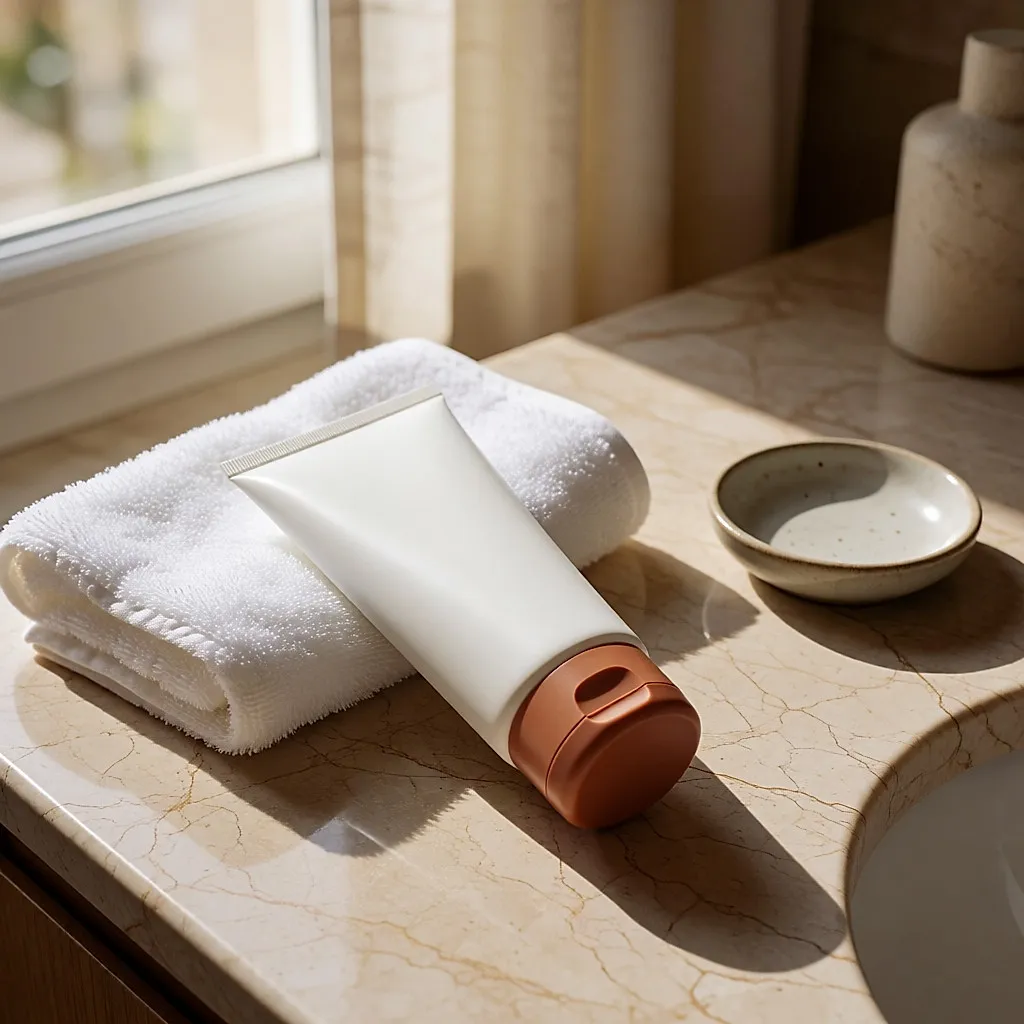
Dihydroxyacetone, or DHA, reacts with the amino acids in the stratum corneum, at the very surface of the skin. It doesn't stimulate melanocytes, so there's no real tan — just a temporary tint that settles in, then fades as the skin renews itself. Which is why gentle exfoliation beforehand and moisturising afterwards matter, for a more even finish.
Most gradual formulas pair DHA with erythrulose, a sugar that reacts more slowly and smooths out the result. On dose, a gradual tanner is formulated far lower than an express self-tan. That's the difference between colour that builds and a coat of paint.
Getting the application right
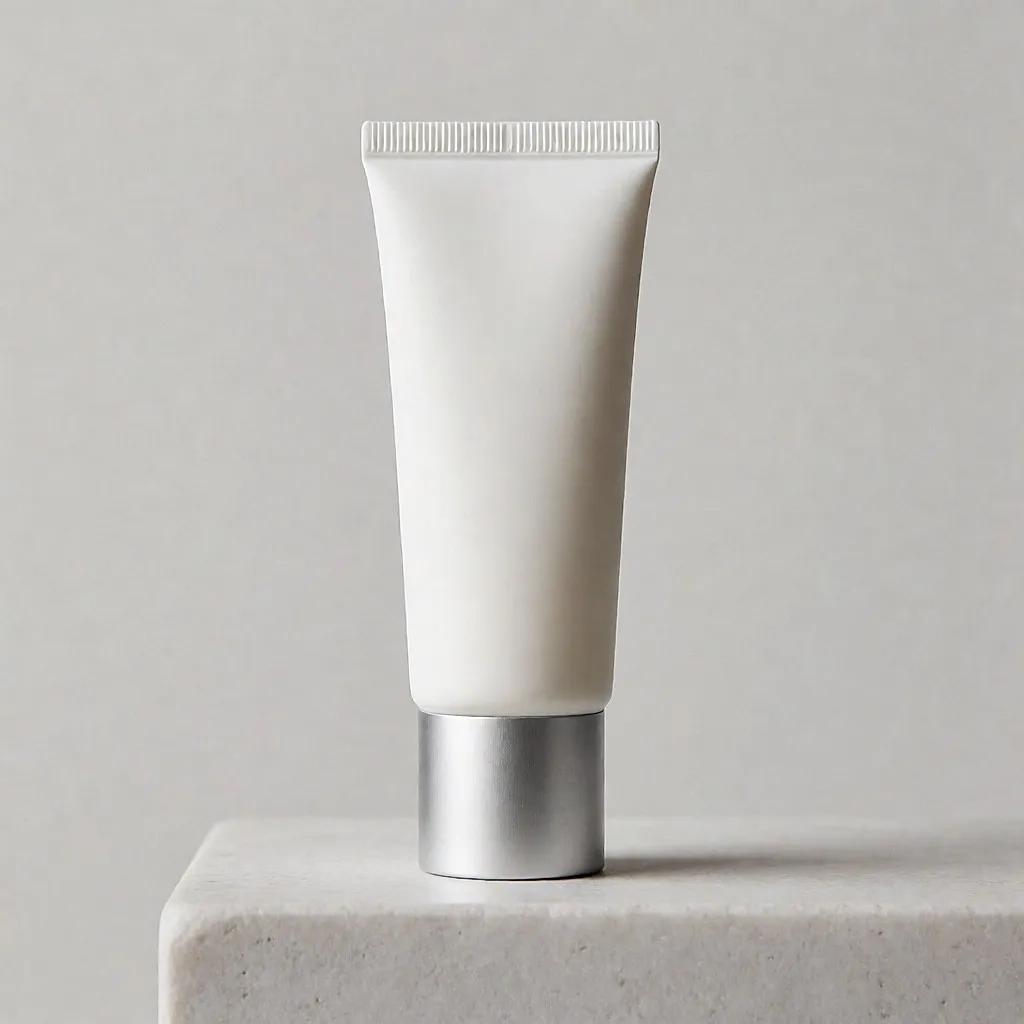
Gentle exfoliation and a moisturiser the night before, not on the day itself: DHA grabs hold in dry patches, and that's where the blotches form. Elbows, knees, ankles, the hairline, eyebrows. Apply a thin, even layer, then rinse your hands in warm water — the obvious step everyone forgets, and the one that leaves you with striped palms.
The real trap with a gradual tanner is impatience. The colour keeps developing for hours after you've applied it, so there's no point adding another layer too soon. Every other day is usually enough to keep things even.
On the face, treat it like skincare
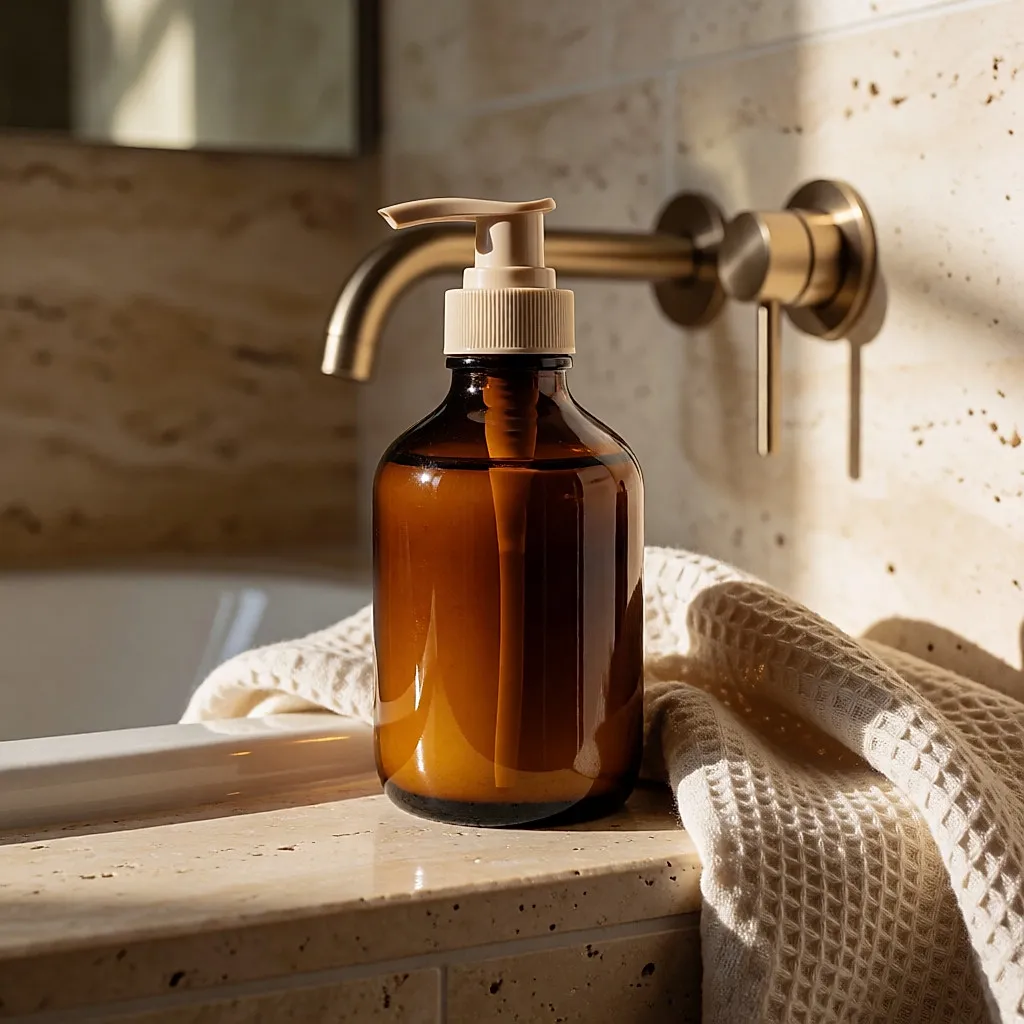
A facial gradual tanner works like a day cream: fluid texture, quick absorption, low dose. Two or three drops, in upward strokes, avoiding the eye contour and the sides of the nose, which are usually paler. Reactive skin? Start with one evening in three, and see how your complexion responds.
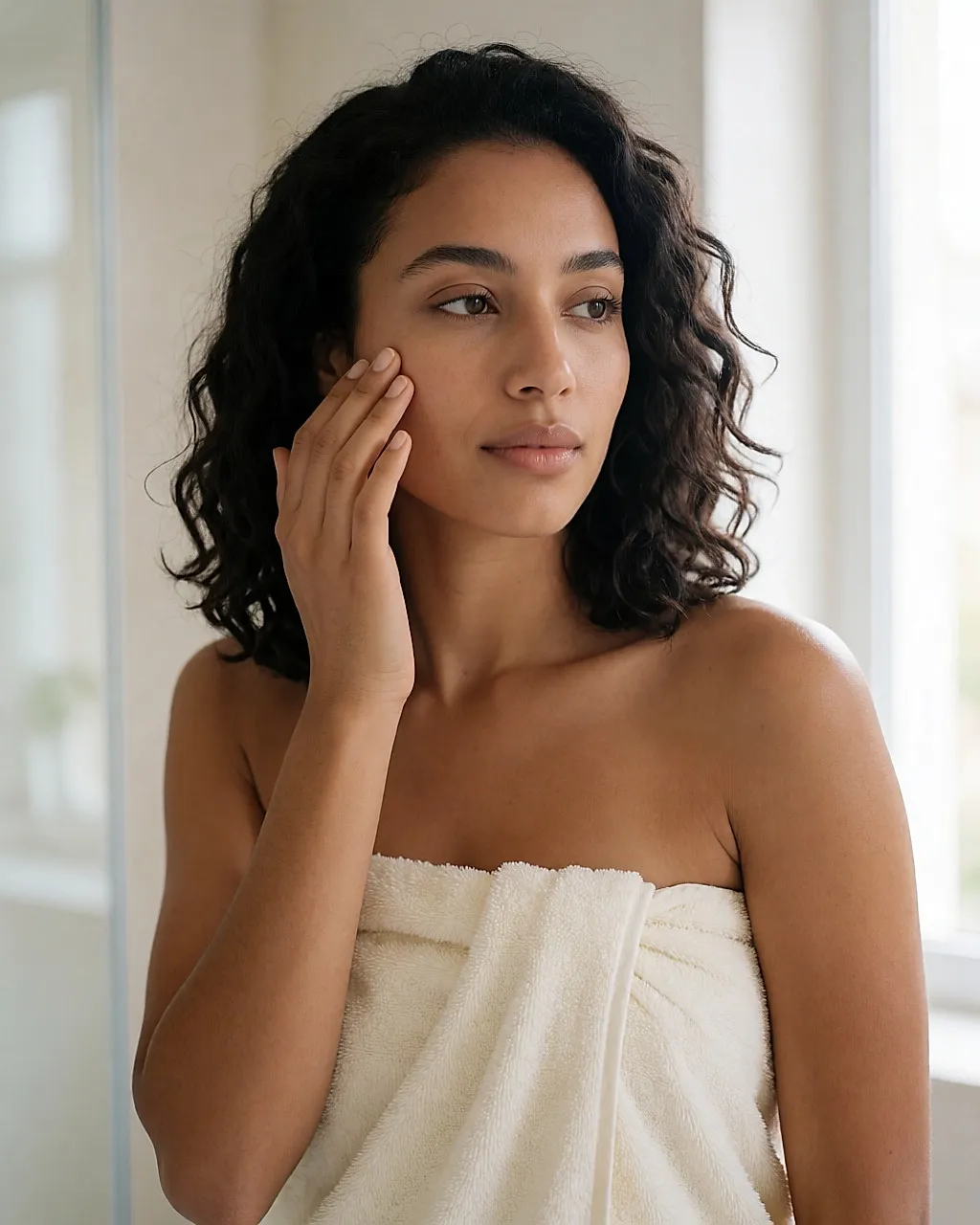
A self-tanner gives no sun protection on its own. If there's an SPF on the bottle, it won't last the day: DHA filters no UV. Keep using your SPF 30 or 50, and reapply every two hours when you're outdoors.
What to steer clear of
Sunbeds, first of all. They're banned for under-18s in the UK, and health authorities class them as a risk factor for skin cancer. A tan from UV isn't protection: tanned skin is still damaged skin. The one thing self-tan has going for it is that it colours without the sunbed.
Three things to check before you buy
The old version's picks — Caudalie Teint Divin, Clinique Hydratant Corps, Nuxe, Clarins, Nivea Summer Beauty — are historical reference points: formulas and availability may have moved on. Rather than chasing a name that shifts every six months, here are the criteria: a low-dose DHA lotion or cream, with erythrulose, and no added fragrance if your skin is sensitive.
On labels, Cosmos Organic guarantees a minimum share of natural-origin and organic ingredients. It's a composition reference, not proof of efficacy. Also check how the bottle ends its life: refills, glass, card, and where it was made, if that's stated.
The products named here, though, I haven't tested — I've documented them.

What it costs
For a gradual body lotion, budget roughly £8-20 for a 200-400ml bottle from a supermarket or online, £15-30 from a pharmacy, and £25-45 for an organic or premium beauty-hall formula. Facial versions run £15-40 for 30-50ml. What shifts the price: the format, the DHA dose, whether erythrulose is in there, and certification. Some brands sell refills online.
Sources
- NHS, sun safety and UV advice — nhs.uk
- Cancer Research UK, skin cancer prevention — cancerresearchuk.org
- COSMOS Organic, international standard for organic and natural cosmetics — cosmos-standard.org
- European Commission, CosIng database of cosmetic ingredients (dihydroxyacetone) — ec.europa.eu

Comments
Your opinion matters: rate the article, react and reply to comments.
Comments are moderated; AI-assisted comments are flagged. Text emoticons (8-), :-), <3…) are automatically shown as images.