

Fake tan: the techniques
A friend's wedding in three weeks, a weekend in Cornwall, an urge for a bit of glow while the sky sulks: you'd love a sun-kissed look without heading to the beach. Except that behind the phrase 'fake tanning' sit techniques with very little in common. Some colour the skin, others expose it. So how do you find your way without picking the wrong fight? Let's take a calm look.
UV sunbeds: the non-negotiable
Let's start with what we know, and this is non-negotiable. Artificial UV has been classified as a definite cause of cancer in humans by the International Agency for Research on Cancer since 2009. A tan is no shield: the colouring doesn't protect against future sunburn, it adds to all previous exposure. In the UK, sunbeds are banned for under-18s, and so is advertising to them. If you do choose this option, space out sessions and avoid them just before a sunny trip.
The argument 'I'm preparing my skin' doesn't hold up: current data actually suggests that skin already stimulated by UV receives a further dose. In other words, you gain nothing, you accumulate. This is one of those subjects where caution isn't a stance, it's simply logical.

'Skin-prep' pills: proceed with caution
It's the promise of several supplements sold before summer: skin that takes on colour on its own, without sun. But tablets containing canthaxanthin have been linked to sometimes serious side effects, and the ingredient isn't authorised for tanning in the UK. As for beta-carotene formulas, they don't protect against UV.
No supplement replaces sun protection. If you're on medication or expecting a baby, talk to a healthcare professional before starting — it's exactly the kind of detail you don't want to wing between two summers.
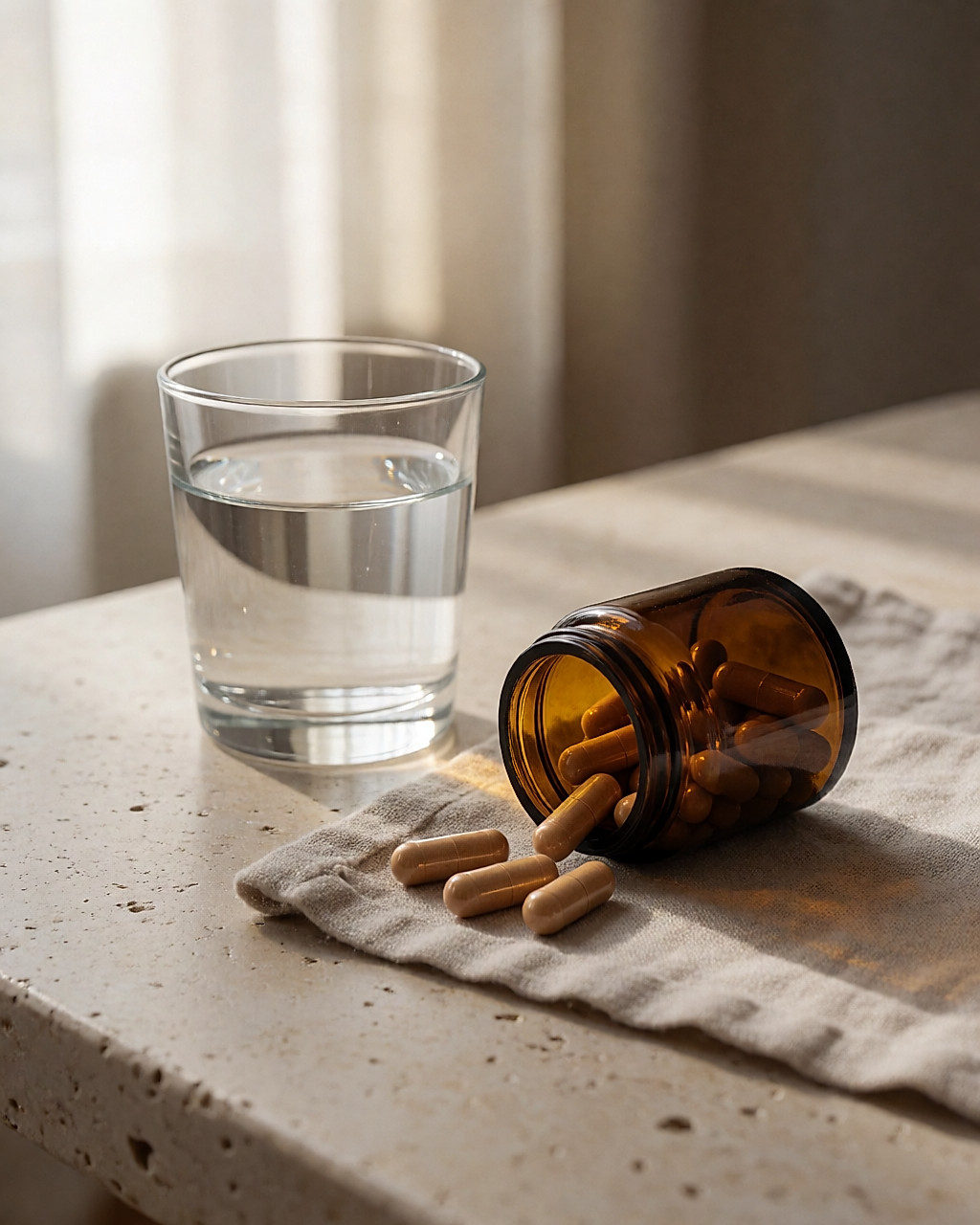
No product makes skin "resistant" to the sun. In practice, protection comes down to simple habits: sunscreen suited to your complexion, shade during the hottest hours, covering clothing. And if a mole changes in size, shape or colour, book a dermatologist appointment.
Self-tan: the most accessible method
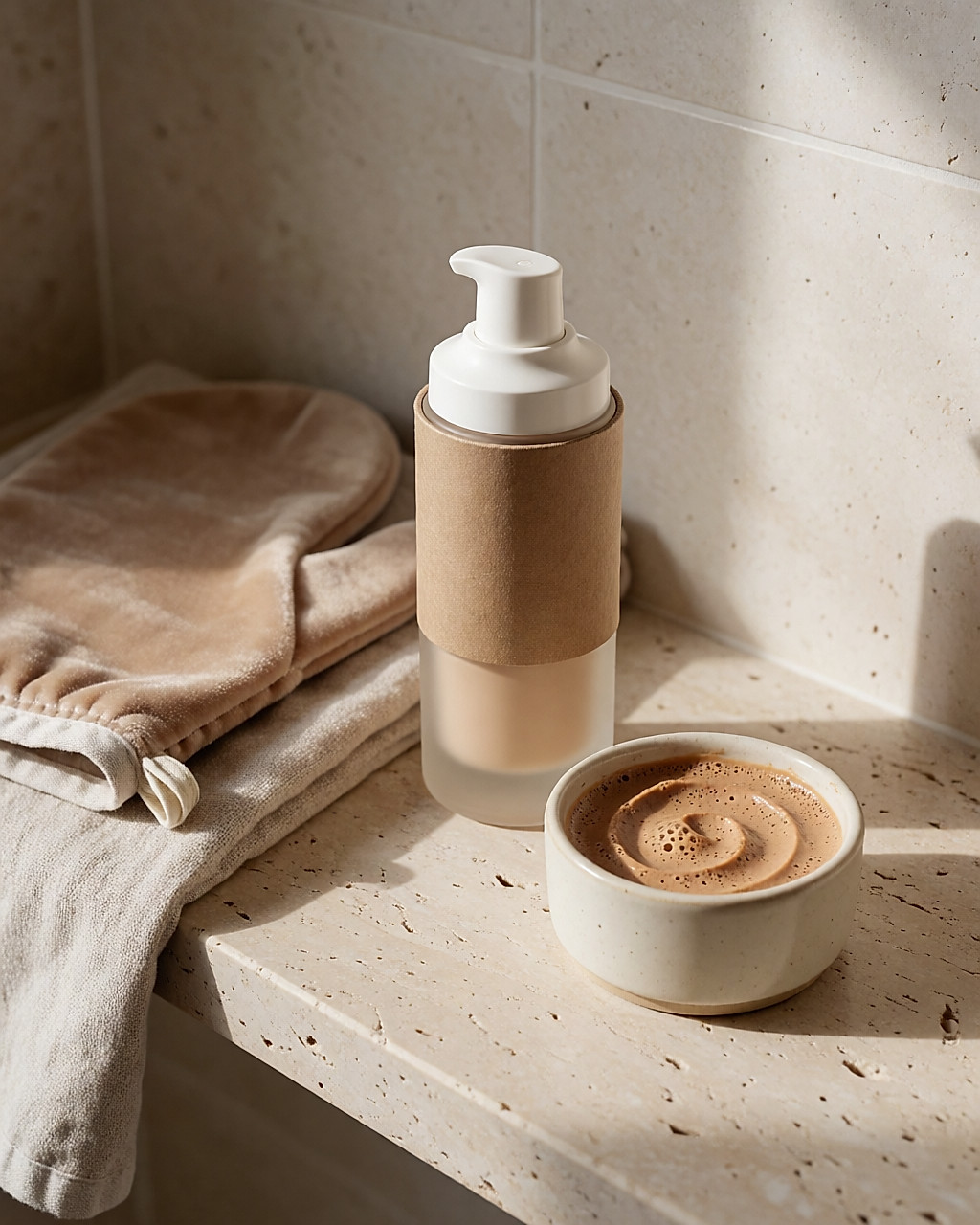
Gel, mousse, lotion or spray: self-tan colours the top layer of the skin thanks to DHA (dihydroxyacetone), which reacts with dead cells. The colour develops in a few hours and fades in a few days, without UV. Here, technique matters more than brand: exfoliate the day before, moisturise knees, elbows and ankles — they're the ones that betray a rushed application — then spread a little product in thin layers. Two light passes beat one thick layer.
On the formula side, natural versions often rely on plant-derived DHA, oils and extracts, in glass bottles or refills. An organic label mainly guarantees the composition and origin of ingredients, not how long the colour lasts, which depends on your application. And a reminder that applies to everyone: self-tan doesn't protect. Heading out? Sunscreen anyway.
Spray tan and salon treatments
Much in demand before a wedding or a holiday, the spray tan — or tanning shower — is a misting of tanning lotion applied by a beauty therapist, who matches the shade to your complexion. The session usually lasts under half an hour, the colour appears in a few hours and lasts several days. You prep your skin the day before: exfoliation, moisturising, and no deodorant on the day. It's quick, the colour is even, and it fades gradually — exfoliating speeds up the fade!
Budget
On the budget side, the differences between options are real. Self-tan from the supermarket, beauty shop or pharmacy: expect around £7 to £22 a bottle. Dermatological brand formulas sold in pharmacies sit more between £13 and £26. In a salon, a spray tan is in the region of £22 to £52 a session, more in a big city or a high-end salon. And for a UV sunbed, expect around £4 to £13 depending on the shop.
These ranges shift with the city, neighbourhood, length of treatment, product range and packages. The easiest? Ask the price before booking, at the salon or online.
Sources
- International Agency for Research on Cancer (IARC) — Classification of artificial UV, 2009.
- MHRA, Medicines and Healthcare products Regulatory Agency — Information on canthaxanthin.
- Cancer Research UK — Sun and UV prevention.
- NHS — How to protect yourself from the sun.
- UK Health Security Agency — Sun exposure advice.
Food supplements do not replace a varied, balanced diet and a healthy lifestyle.


Comments
Your opinion matters: rate the article, react and reply to comments.
Comments are moderated; AI-assisted comments are flagged. Text emoticons (8-), :-), <3…) are automatically shown as images.