

A golden glow in March, with no sunbed and no plane ticket: it's tempting. Except the real trap is never the bottle — it's in the application. One blob too many on a knee, a hand not rinsed properly, and you're left with an orange streak along your wrist for the week. We've all been there, haven't we?
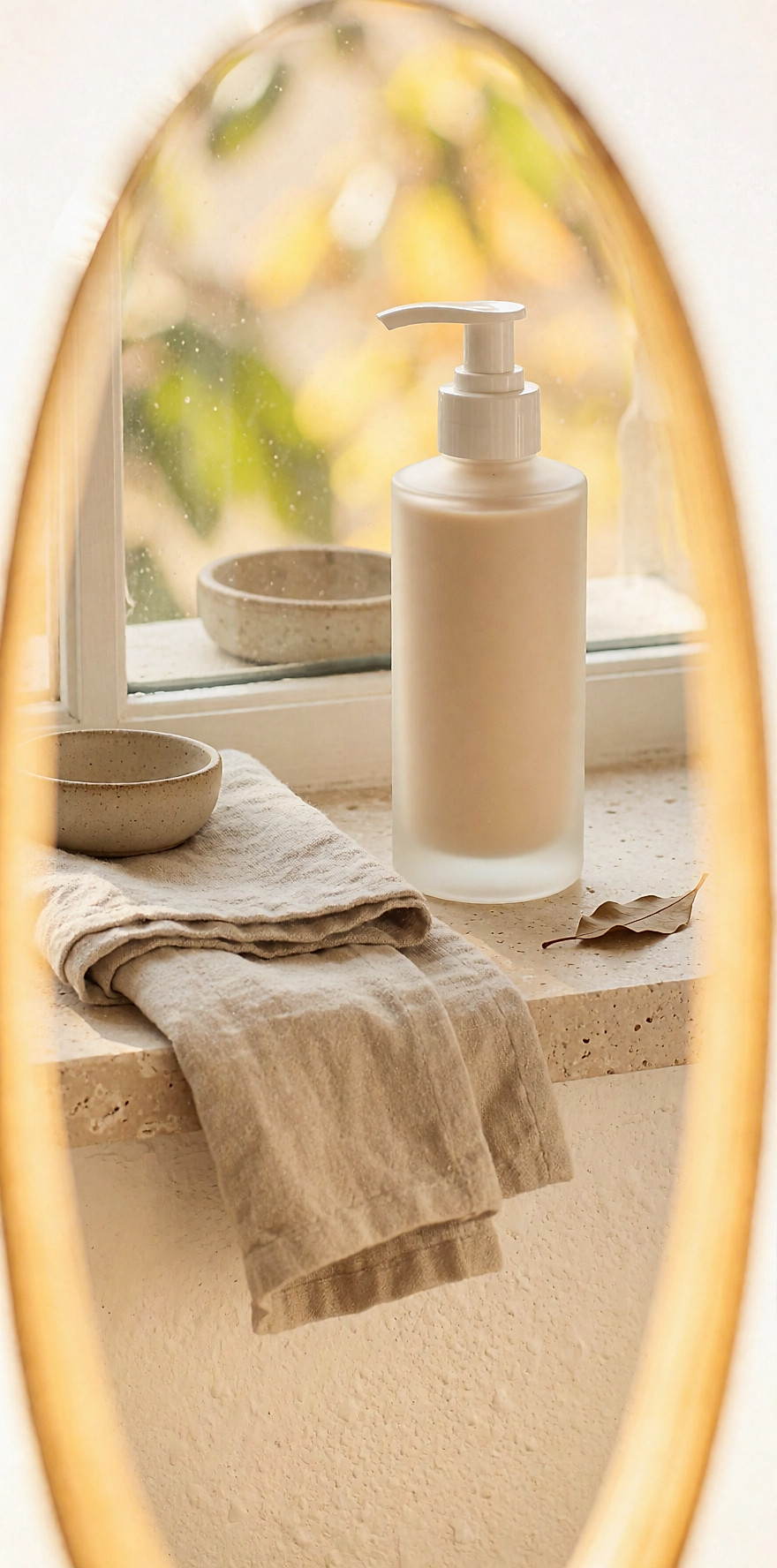
Credit where it's due, though: formulas have come a long way. Fluids sink in faster, fragrance-free versions have multiplied, and gradual self-tan has sorted much of the problem for anyone who doesn't fancy ending up looking patchy. The trick is knowing how to use it — because a good product applied badly is still a fail.
A glow is prepared, never improvised
The colouring agent, DHA, reacts with the dead cells on the surface of the skin. Hence a simple rule worth remembering: where the skin is thick and dry — knees, elbows, heels, the creases of your wrists — colour clings too much, and where it's thin, it doesn't last.
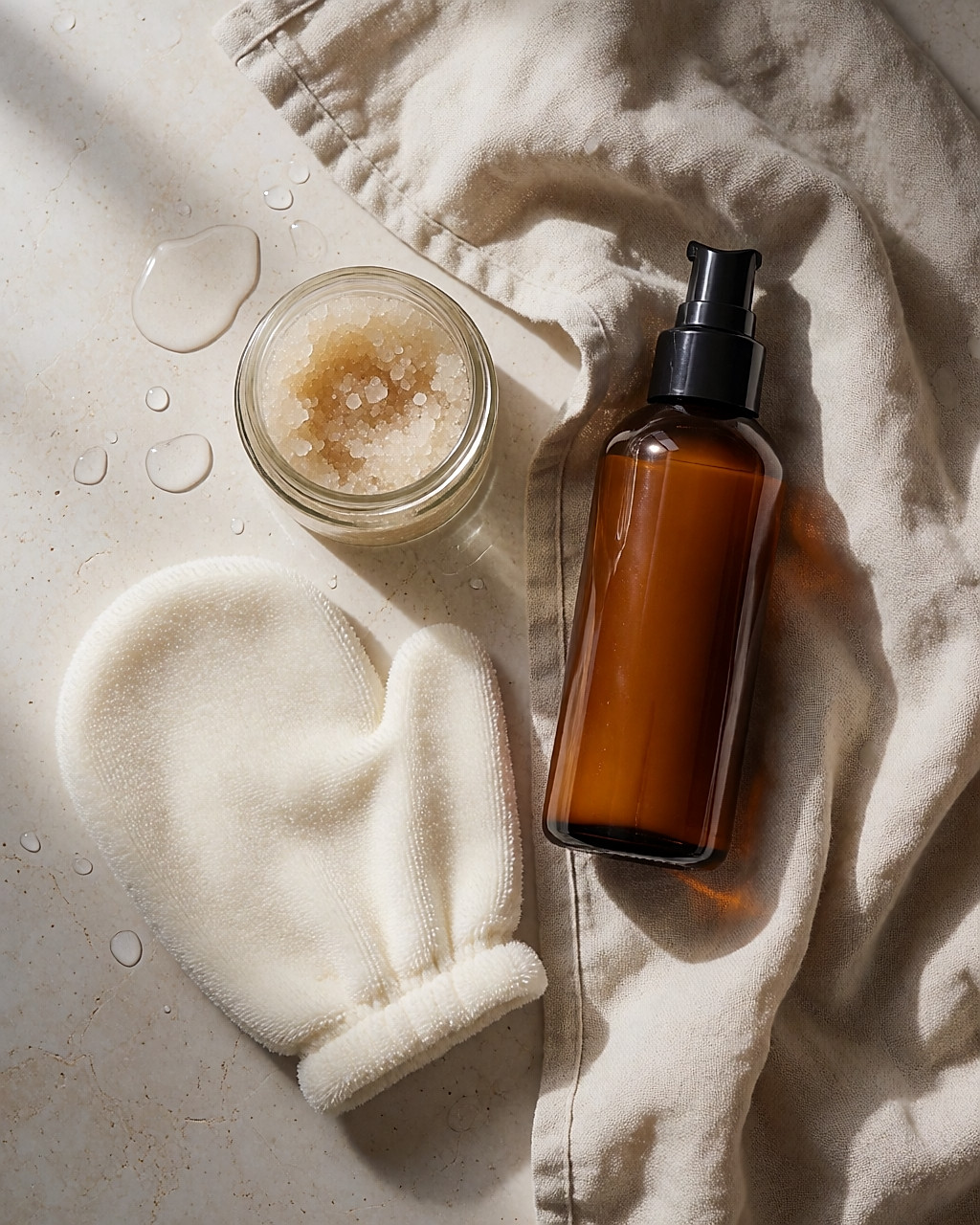
So the ritual begins the night before with an exfoliation, and continues on the day with moisturiser. Let your cream sink in for around ten minutes before you begin: an even skin texture matters far more than the price of the bottle. It's the kind of detail you forget in a rush on a weeknight, and pay for the next morning.
The technique that changes everything
Start at your feet, work upwards, move in circles, keep the hand light. The velvet mitt — or, failing that, a hand rinsed well between each area — prevents the orange palms everyone spots a mile off. On the areas that darken quickly, spread the leftover product without adding more. A little cream on your nails and between your fingers before you start limits the telltale rings.

For your back, ask for help: a botched back is far more obvious than a pale one, trust me. And allow twenty to thirty minutes before getting dressed, plus a shower before the pool. Nothing complicated, just in the right order.
Gradual or instant?
The instant kind contains a pigment that colours straight away. Handy for gauging, unforgiving on missed patches: the mistake shows within seconds, and it stays. Gradual formulas build colour with each application and are far more forgiving.
Every other day for a subtle effect, every day for a stronger finish. It's slower, it's safer — and for beginners, it's clearly the smart choice!
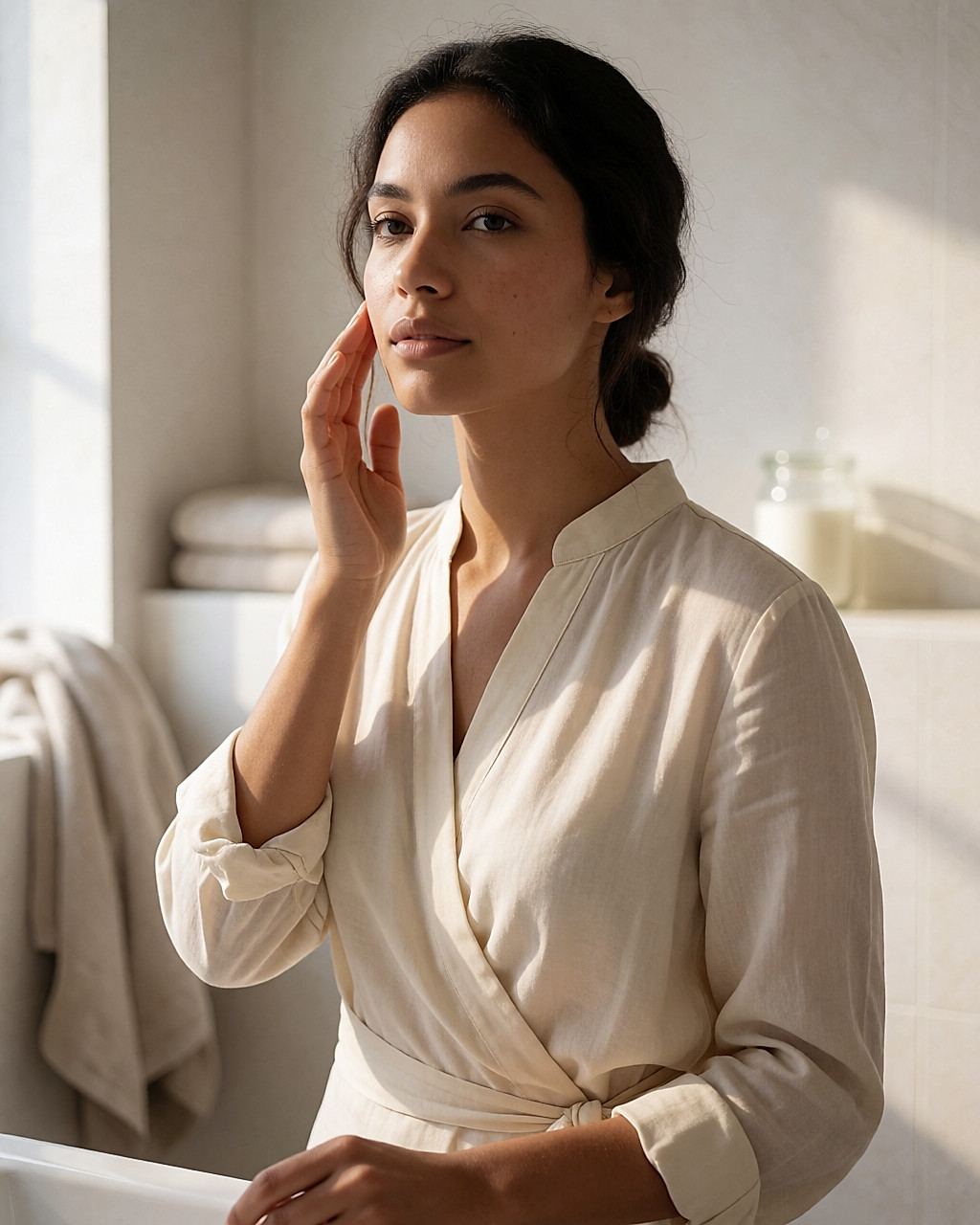
Not keen on dedicating a whole bottle to your face? Mix a small blob of body self-tan into your usual moisturiser, in a thin layer, at night, and rinse off when you wake. Test on a small patch of your neck for 24 hours first: it's the best way to see how your skin tone reacts.
For the face
Skeen remains a reliable bet for a light, golden glow, far from the 'just back from holiday' look. The fluid is fragrance- and colourant-free, which limits irritation on reactive skin. I haven't tested it this season: I'm going on the brand's official product information, whose stockist list changes from one year to the next.

A far nicer point than some of the fragranced sprays still out there: on the face, staying power matters less than subtlety.
For the body
Institut Esthederm remains the high-street pharmacy classic: a gradual self-tan lotion with a gel texture, cool, easy to spread, in two intensities to match your skin tone. The scent is discreet, which matters when you're applying all over the body before bed. Again, this is from the product information, not a hands-on test this season.
In the supermarket, 200 to 250 ml gradual lotions do the job on a tight budget. Expect a richer texture, a scent that's often stronger, and a longer drying time: don't get dressed immediately.
In beauty halls and online, they're mostly fast-drying sprays. Handy, but the fine texture is less forgiving of rushed application. Apply in thin layers, even if it means going back over it the next day.
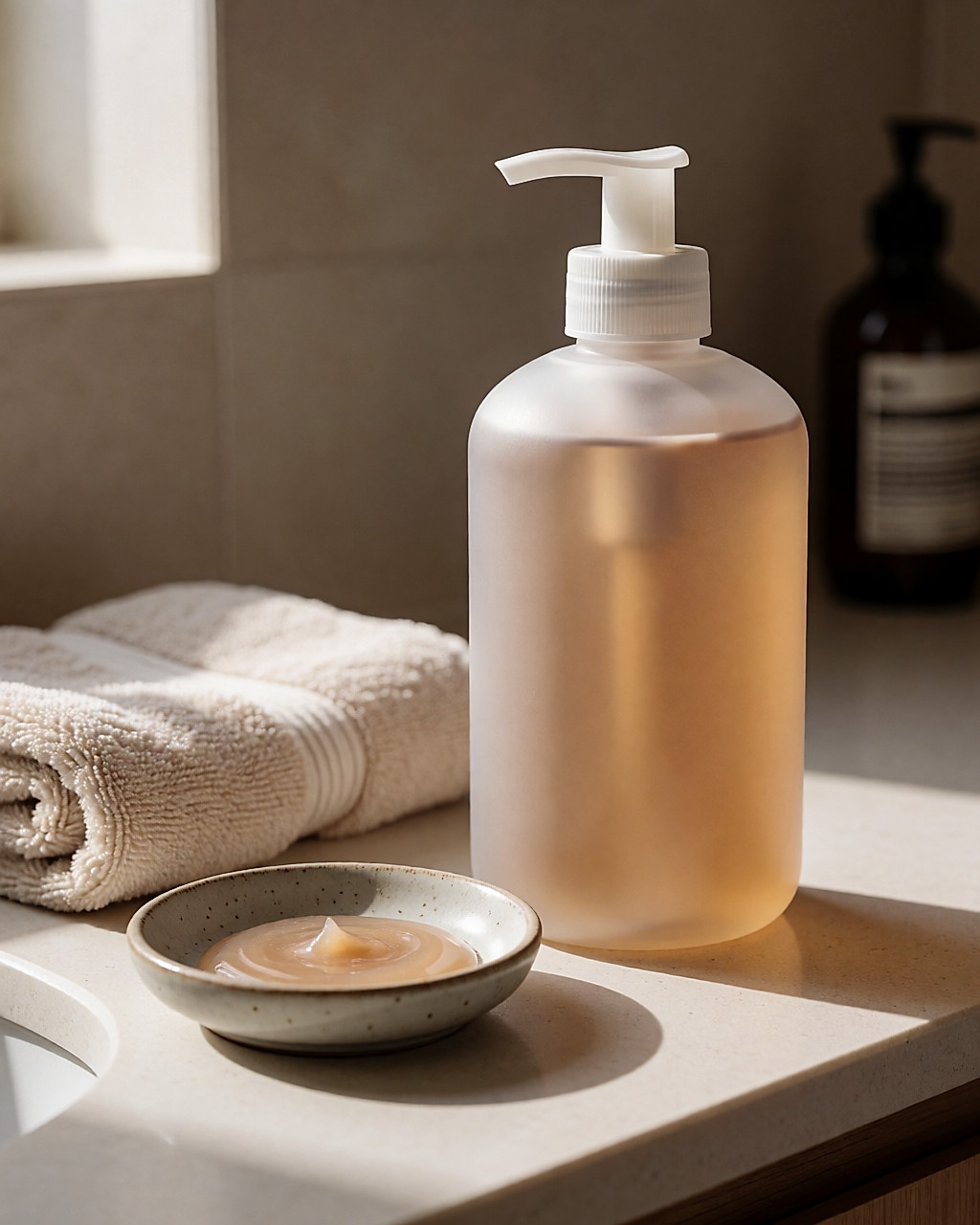
The eco puzzle
Let's be honest: organic certification remains rare in this category. DHA can be obtained by fermenting plant sugars, which makes certification possible — provided the whole formula keeps up. The COSMOS ORGANIC standard governs the proportion of naturally derived ingredients, the proportion of organic ingredients and the list of permitted ingredients; it is awarded, in France among other countries, notably by Ecocert Greenlife. A certified self-tan is therefore a formula criterion, not a packaging argument.
Without certification, the credible levers lie elsewhere: a formula free from added fragrance and colourant, a bottle in glass or recycled plastic, a refill that is genuinely sold separately. And the active ingredient stays the same from one bottle to the next: switching from one conventional self-tan to another is no eco-friendly gesture. If organic doesn't exist in your preferred format, you might as well choose a large bottle and use it right to the end.
Budget
- Supermarket: £7 to £13 for 200 to 300 ml, often the best value for quantity.
- Pharmacy: £21 to £35 for 150 to 200 ml, for the established dermatological brands.
- Beauty halls and online: £21 to £39, more for a 30 to 50 ml facial fluid.
- Mitts and application kits: £7 to £22, often better value than the product alone.
The variation comes from DHA concentration, fragrance, format, distribution channel and packaging. In reality, a £35 bottle doesn't tan any better than a £10 lotion: it's often easier to work with, which isn't the same promise.
Sources
- COSMOS — COSMOS ORGANIC standard, consulted in 2026.
- Ecocert Greenlife — certification of organic cosmetics, consulted in 2026.



Comments
Your opinion matters: rate the article, react and reply to comments.
Comments are moderated; AI-assisted comments are flagged. Text emoticons (8-), :-), <3…) are automatically shown as images.