

There are mornings when matte lipstick does exactly its job. And then there are the others: the ones where it settles into every last line, dries you out and leaves your lips feeling stiff before lunch. This autumn, the trend flips the script. High-shine, almost lacquered finishes are back — and the aim isn't lasting twelve hours at any cost, it's staying comfortable.
Except high shine carries a reputation. Sticky, prone to bleeding, a disaster on winter-dry lips. Can you have the shine without the discomfort? Yes — as long as you look closely at the formula and choose your format carefully. We've done the digging.
Why shine is back this autumn
After several seasons of velvety, powdery finishes, the eye wants light. Glossy lips and high-shine effects are among the autumn 2026 make-up trends, with one difference from the glosses of the 2000s: we want a dramatic effect, but one our lips will actually tolerate.
The shift is simple to follow. Matte blurs texture and can leave lips looking tired. High shine catches the light, visually plumps and forgives small irregularities. The catch is that it mustn't turn your mouth into a parched surface within the first hour.
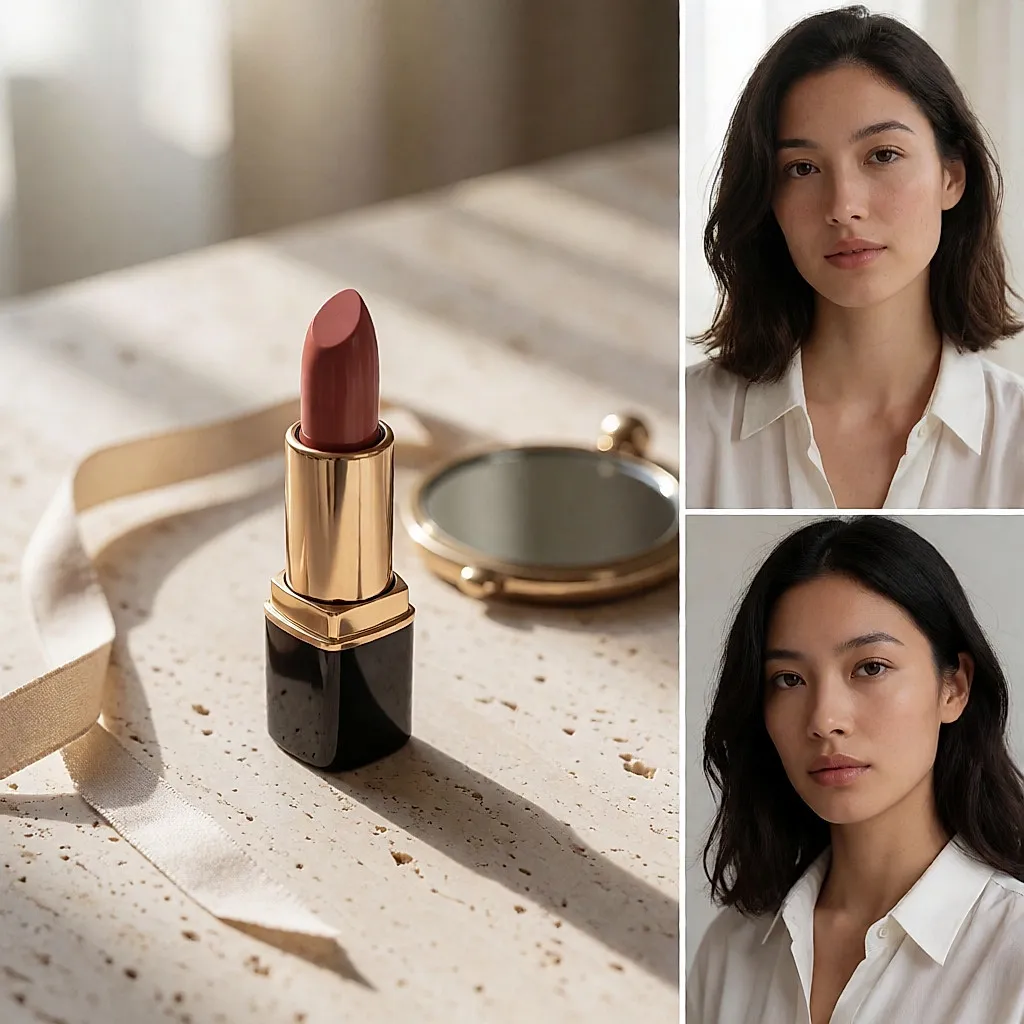
Waxes, oils, pigments: read the formula
That's where it all plays out. A comfortable high shine rests on three building blocks: plant waxes for structure, oils that nourish, finely dispersed pigments. Carnauba or candelilla wax, jojoba, castor or sunflower oil. Too much hard wax and it drags. Too much oil and the wear collapses. It's a balancing act, not a magic recipe.
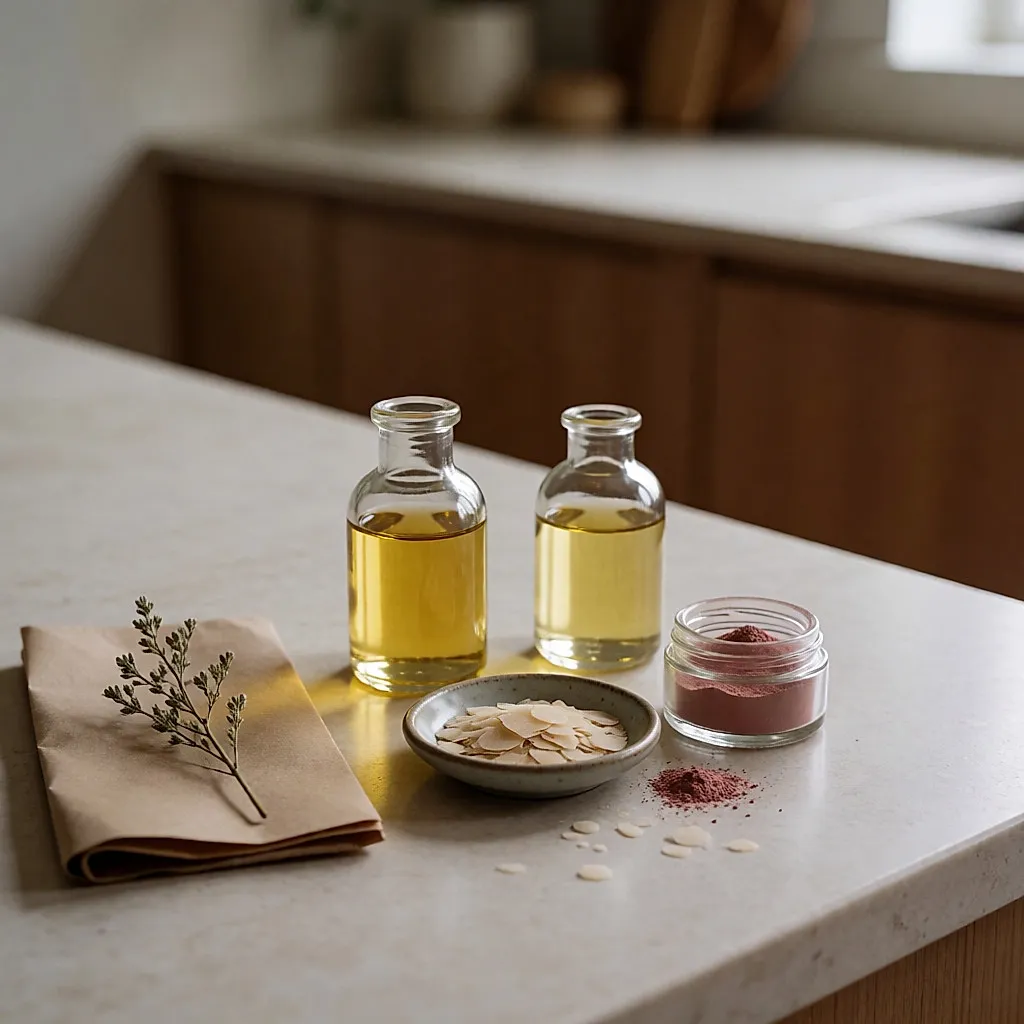
Fragrance matters just as much as the rest. A mouth that reacts badly in cold weather has nothing to gain from a sweet, heady scent that stings on application. Look for a subtle formula, or a fragrance-free one.
On ingredients, one useful habit: open the INCI list and see what's in it, especially the ingredients you know you're sensitive to. A shorter list can be easier to read, but on its own it doesn't guarantee a lower risk. A label such as Cosmos Organic sets a minimum percentage of organic ingredients and a restricted ingredient list. It says nothing about wear or comfort, but it says plenty about what's in the tube.
The format matters as much as the formula
Three families share the shelf, and they don't suit the same uses.
The bullet, with its bevelled shape, gives you the most precise application: you draw the outline, you can build the intensity. It's the easiest format to live with day to day, and often the simplest to touch up.
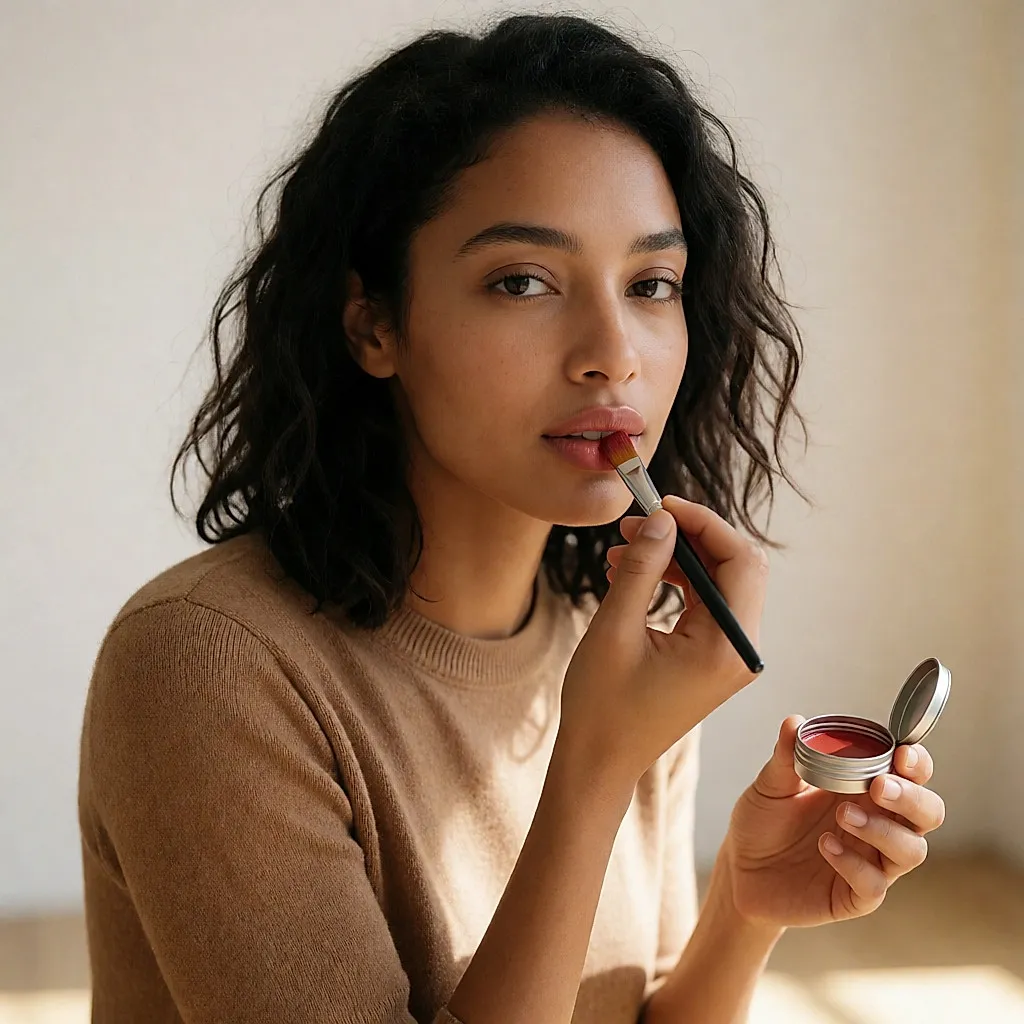
The refillable case is a good eco compromise when the brand genuinely plays along: you buy the casing once, then only replace the colour pan. Over time, the higher upfront cost pays off. Just check the refill is still available the following year, otherwise the whole point evaporates.
The solid pan, applied with a brush or straight from the pot, cuts down on plastic and often on the water in the formula. One word of warning: without a liquid oil base, the texture is firmer and can settle into lines more. Ideal for a sharp bitten effect, less obvious for a genuinely high-shine finish.
The technique that changes everything
A few minutes well spent.
Start by tracing the outline with a lip pencil in a shade close to your own lips — not darker. That keeps the shine from bleeding and gives the mouth structure.
For a bitten effect, don't reach for the applicator: tap the product on with your finger, from the centre outwards. That's the move that really changes things. The product melts, the edge stays soft, and the finish looks less applied.
During the day, touch up by finger too, over what's left, without taking off your whole face. A tap, a quick blot with a tissue to soften the line, and you're good to go.
The back-of-the-hand test. Before you buy, ask for a sample and apply it to the back of your hand. In practice, give it a few minutes. If it turns sticky, settles into fine lines or wipes off at the first touch, it'll do the same on your lips — only worse.
Budget
Expect around £7 to £13 for entry-level options in supermarkets and pharmacies. That's manageable, but the formulas tend to be heavier on hard wax and fragrance.
In department store beauty halls, the organic aisles at larger health-and-beauty retailers and specialist online shops, the range climbs to £15 to £24. That's usually where the best comfort-to-formula ratio sits, including with several French 'clean' brands.
Premium options often come in under £30 for a beautifully made high shine. Beyond that, you're mostly paying for packaging and image.
If you go for a refillable case, budget around £9 to £17 for the casing, then £10 to £19 per refill. It becomes worthwhile as you refill — provided you still love the shade long term.
Where to buy: beauty halls, French clean brands direct, organic aisles at larger health-and-beauty retailers, specialist online shops. Prices vary by city, range and channel. Online, it's worth grouping orders to keep delivery costs down; otherwise you can usually buy in store.
My advice: start with a nude or rosewood shade, the easiest to wear and to touch up. You'll soon see whether high shine really suits you — or whether you simply needed a good tinted balm.

Comments
Your opinion matters: rate the article, react and reply to comments.
Comments are moderated; AI-assisted comments are flagged. Text emoticons (8-), :-), <3…) are automatically shown as images.