
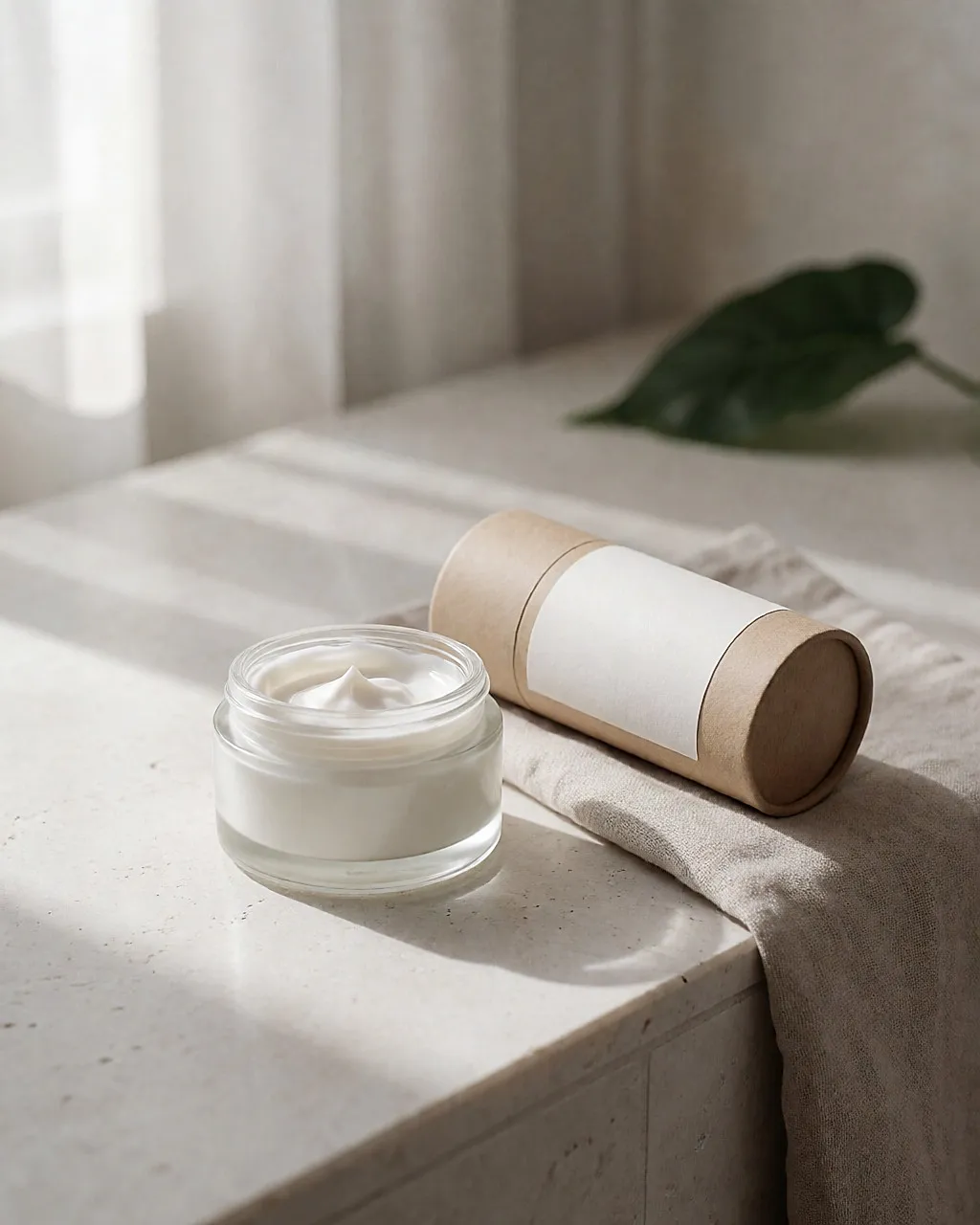
You've probably clocked it too: the natural beauty section in the pharmacy has ballooned over the past few years. Fifteen years ago, finding a certified moisturiser for under a tenner was a small victory in itself. That's exactly when Bi Oh! made its move — a French brand promising natural cosmetics with no parabens, no silicones and no synthetic fragrance, all at a friendly price. So we took another look. This revisit is based on the original test; the alternatives mentioned below are documented, not retested.
What it set out to do
Bi Oh! said it formulated to the Cosmebio charter and was aiming for certification issued by Ecocert. Two useful markers when you're staring at a label. The Cosmebio charter requires a minimum share of naturally derived ingredients, plus a share from organic farming. The COSMOS standard, run by Ecocert with its European partners, also sets rules on manufacturing processes and packaging. One shortcut to avoid, though: an organic label never guarantees you won't react. A reactive skin can absolutely take against something, which is why a patch test on the forearm before you apply anything to your whole face makes sense — a small habit that saves a lot of grief.
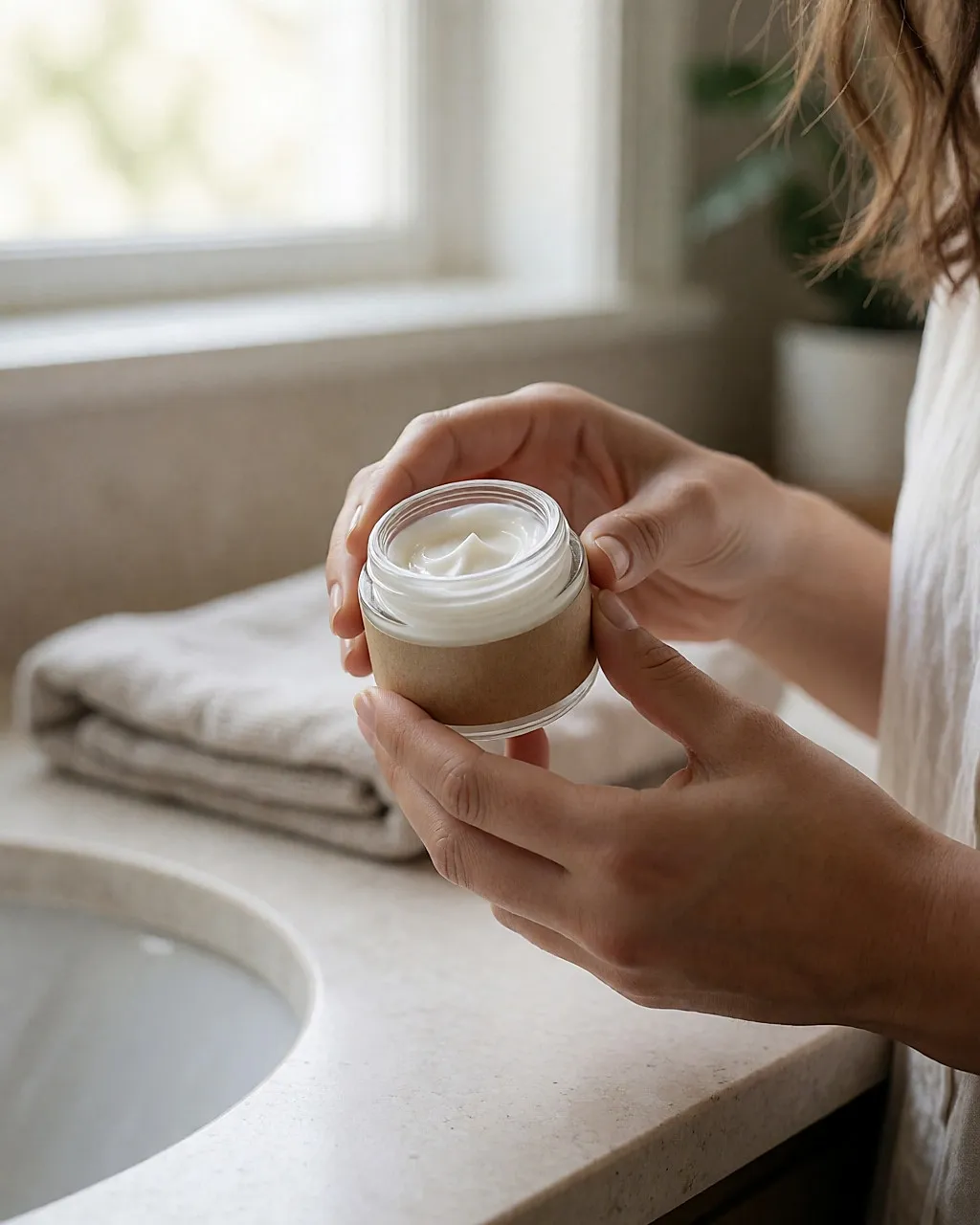
The silicone-free hand cream that wins you over
The real strength of the hand cream was the texture. Rich and creamy without that "film" you get from silicones, it sank in fast and left hands soft, never tacky. The scent stayed subtle, a long way from the heady fragrance some rivals use. Worth noting, though: it wasn't a heavy-duty treatment. You'd keep it on the go for daily prevention, before skin starts to feel tight. The trick that makes a difference: a pea-sized amount at night, let it work while you sleep, and hands are softer by morning.

The day-and-night face cream — rich, so selective
On the face, the formula promised a thicker texture that nourished on contact and brought comfort to dry areas. Good news for normal-to-dry skin. Much less so for combination skin: too rich in the morning, it sends the T-zone shiny fast. The workaround was to keep it for the evening, in a thin layer. Be wary of the "day AND night" claim, too: a cream that's comforting at night isn't necessarily the right one to wear under pollution and screens all day.

Reading a label in 30 seconds
- Look for the COSMOS Organic logo or the Cosmebio label — they guarantee a real share of organic ingredients.
- Check the ingredient order (INCI): the first ones are the most concentrated.
- Favour a glass bottle or a refill: packaging is often the biggest single factor in a product's footprint.
- "Natural" with no label means nothing.
Budget
Bi Oh!'s real argument was the price. Affordable certified beauty does still exist — you just have to compare.
- Certified hand cream, 50 to 100 ml tube: expect around £4 to £8 at the chemist or on the high street (Noughty, Faith in Nature, Weleda), and more like £10 to £20 from niche or online brands.
- Certified day/night face cream, 40 to 50 ml jar: £10 to £30 depending on the organic percentage and the format.
- What pushes the price up: certification (COSMOS Organic is stricter than COSMOS Natural), packaging (glass, refill) and local manufacturing.
- Where to find it: pharmacy, natural beauty aisle in a supermarket, health food shop, or straight from the brands' own websites.
Léna's verdict: yes to cheap natural beauty, on one condition — check the label before you pay. Start with a small size, use it for two weeks, and only invest in a big jar if your skin agrees.
Sources
- Cosmebio, charter and labels: cosmebio.org
- Ecocert, cosmetics certification: ecocert.com
- COSMOS-standard, international standard: cosmos-standard.org

Comments
Your opinion matters: rate the article, react and reply to comments.
Comments are moderated; AI-assisted comments are flagged. Text emoticons (8-), :-), <3…) are automatically shown as images.