

Beauty: we get to grips with layering
Have you ever found yourself patting lotion onto your face, then serum, then cream, and wondering whether you were just layering products for no reason? Layering, the word that keeps popping up on social media and in beauty aisles, is nothing new. It comes straight from Asian skincare rituals, where textures are patiently stacked — lotion, essence, serum, cream — like layers of comfort on the skin. The difference is that here, each layer has a role, and how you combine them matters as much as what you put in them.
It's all very well following the trend, but you need to know what you're doing. Layering is something of an art of playing on products' complementary qualities: combining formulas to make the most of their effects — cleansing, hydrating, treating, caring — without simply mixing everything at random. And while more and more converts share their experiences (more comfortable skin, pores that seem tighter, imperfections that fade, lines that look less pronounced), we remain cautious: these are individual impressions, not a promise of results. Which is to say that while layering can make everyday skincare more enjoyable, it won't transform your skin overnight either.

The principle: layering, yes, but with method
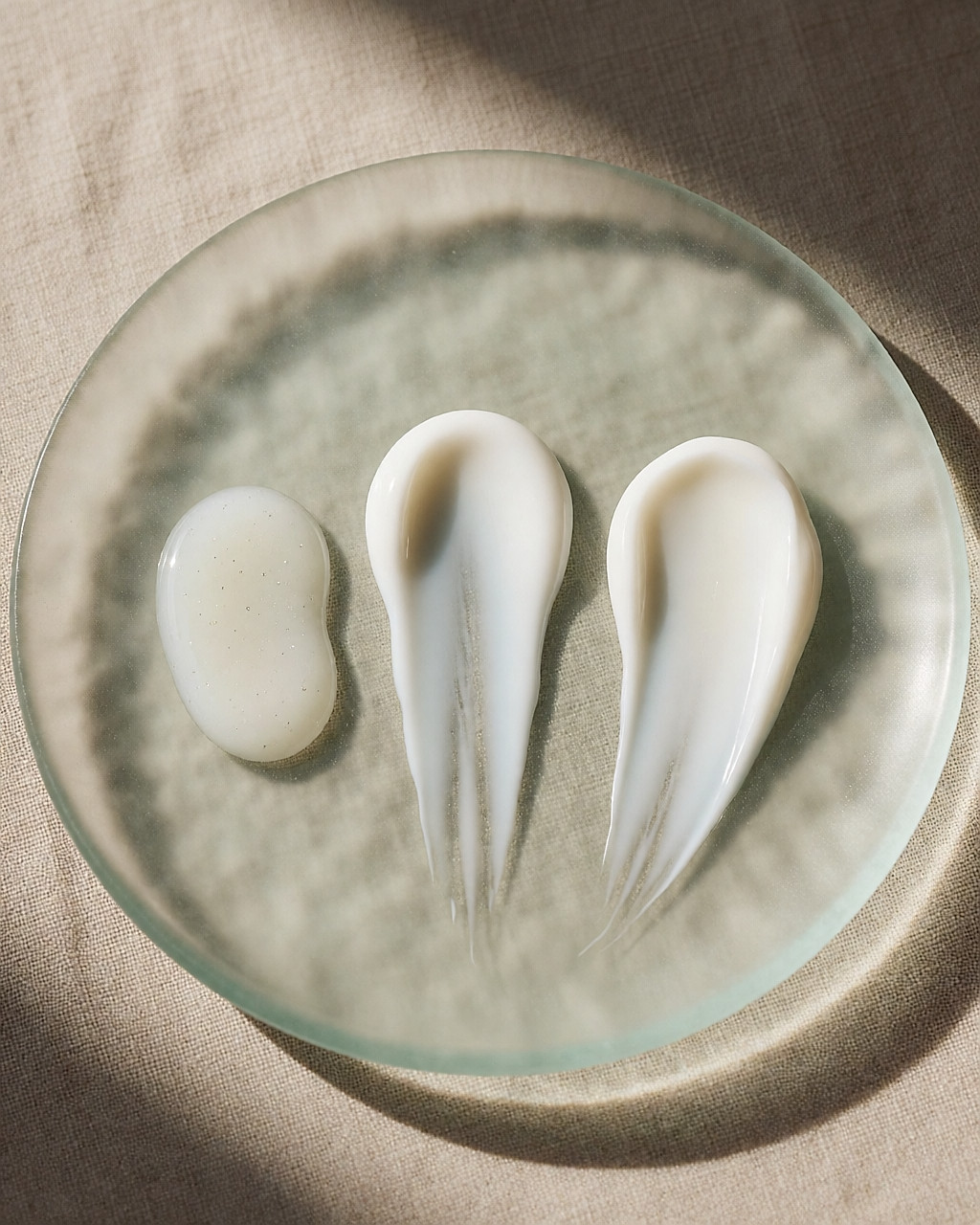
The basic idea is simple: you build up layers of skincare, going from the lightest to the richest. Lotion, then serum, then cream — in that order, without skipping a step. Let each product absorb before moving on to the next, adapting the waiting time to the formula. This is the step that changes everything, yet it is often overlooked: we slap it on, pile it up, rush. Take your time. One to two minutes between each layer is enough, just long enough for the skin to drink in what you're giving it.
Another essential criterion: the products you choose. They need to suit your skin type and what it needs right now. Some routines use a single range to limit risky combinations, but that is neither compulsory nor a guarantee of success. The important thing is to avoid irritating or redundant actives — there's no point stacking three retinol serums, for example. It's up to you to choose a brand you like, whose formulas work for you, and to build your ritual step by step. Some brands offer their own layering programmes, with complementary products and steps to follow — think Shiseido, Clinique, Clarins or Esthederm. But if you have a favourite brand, there's nothing stopping you picking the products that suit a complete ritual from it.
Morning or evening: two distinct rituals
Layering isn't the same depending on the time of day. In the morning, hydration and treatment lead the way: the skin needs to be protected, comfortable and ready to face the day. In the evening, by contrast, cleansing takes centre stage — removing makeup, impurities and pollution, and preparing the skin to regenerate overnight.
For the morning, the ritual should follow a few steps. First, cleansing, with a foaming cleanser or micellar water, whichever you prefer. Then lotion — hydrating, toning or purifying depending on your needs: it's the step we too often forget, even though certain toning lotions can help remove residues of cleanser or hard water — it depends on their formula, and they can also prepare the skin for what follows. Then a serum, a concentrated treatment with active ingredients, lighter than a cream and therefore quicker to absorb. That said, if your skin is still young, you can skip it. Next comes eye cream, essential for protecting and hydrating this very fine skin — but if you're under 25, it can wait. Finally, moisturiser suited to your needs: anti-ageing, for sensitive skin, light and balancing for combination to oily skin, purifying for young skin, hydrating for dry skin.
In the evening, remove your makeup — the step never to skip. When it comes to layering, a cleansing oil is often recommended, as it removes every trace of makeup easily and quickly. Then cleanse: removing makeup alone isn't enough, as product residue always remains, and if the layering experts are to be believed, the skin must be perfectly clean. Rinse with water using a gentle soap or mild foaming cleanser — the watchwords are gentleness and water. Next, lotion, to help remove hard-water residue and soften the skin. Serum can also be part of the evening ritual, but it should be light and always suited to your skin's needs. Eye cream, for those over 25. And finally, night cream — hydrating, anti-ageing or rebalancing — according to your needs.
Worth noting: once or twice a week, depending on your skin type, add a peel to the evening ritual just after cleansing, and follow it with lotion. Choose an enzymatic peel if possible, meaning one without grains, so as not to irritate the skin.

The step that changes everything: always apply from the lightest to the richest — lotion, then serum, then cream — and let each layer absorb before moving on. Don't forget the lotion: depending on its formula, it can help remove cleanser or hard-water residue and prepare the skin for what follows.
Organic, sensitive or classic: layering adapts
If you're a fan of organic products, note that layering can work perfectly well with organic cosmetics — favouring waterless formulas, refills, glass or cardboard packaging, and naturally derived actives. Recognised certifications (Cosmos, Ecocert) guarantee precise standards on ingredients and manufacturing, but they don't tell the whole story: an organic product can contain allergens, and a conventional product can be very well formulated. It's all about knowing what you're looking for.
The same goes if you have sensitive, reactive skin: layering can be done with specific products, available from pharmacies. Avoid overly concentrated actives, fragrance and drying alcohols, and favour soothing textures. On the budget front, there's no need to buy everything at once: people often start with a lotion and a serum, then add to the routine as desires and seasons change.
Budget
Expect to pay around £8–£25 for a lotion, £18–£50 for a serum, £13–£35 for a moisturiser, £13–£35 for an eye cream, £8–£25 for a cleansing oil and £13–£30 for an enzyme peel — so around £75–£200 for a full routine. Prices vary according to brand, active concentration and size. You'll find these products in department stores, pharmacies, supermarkets and online. The wisest approach is to ask for a sample or a skin consultation before investing.
Sources
- Shiseido — Skincare rituals and layering
- Clinique — Personalised skincare routines
- Institut Esthederm — Professional skincare and routines
Food supplements do not replace a varied, balanced diet and a healthy lifestyle.



Comments
Your opinion matters: rate the article, react and reply to comments.
Comments are moderated; AI-assisted comments are flagged. Text emoticons (8-), :-), <3…) are automatically shown as images.