

You hear about it everywhere: in the changing room, in app notifications, between sets at the gym. And it has to be said, the label is appealing. Behind the words 'zone 2' is an idea of disarming simplicity: moving at a pace where you can still hold a conversation. If you can say a full sentence without catching your breath, you're probably there. If you can only manage two words before gasping for air, you've already gone up a gear.

Physiologists call it aerobic base training. Current data suggest that this is the intensity at which the heart and muscles learn to work efficiently: your breathing speeds up, your temperature rises a little, but nothing forces you to end up doubled over on the treadmill.
Why gyms and apps are joining in
The World Health Organization's guideline is clear: for an adult, 150 to 300 minutes of moderate-intensity aerobic activity a week, or 75 to 150 minutes of vigorous intensity. In the UK, NHS guidance echoes the same thresholds. Yet those guidelines aren't always easy to stick to: sometimes it isn't a lack of motivation, but having tried to give everything in one session, only to never come back.
Zone 2 offers the opposite: regular volume, a sustainable pace, consistency rather than heroics. Gyms have caught on and now run 'gentle endurance' slots, while tracking apps have added zone displays, with that reassuring little colour-coded graph. In essence, let's be honest, there's nothing revolutionary: brisk walking, easy cycling, swimming, the rowing machine, a flat treadmill.

In practice: two sessions, and no need to complicate things
In practice, here's what to remember to start with: two sessions a week are enough, and consistency matters more than performance. Good news: it doesn't require any cutting-edge kit!
In concrete terms, warm up gradually for five minutes, hold a conversational pace for twenty to thirty minutes, then cool down gently. Brisk walking outside, cycling, swimming, cross-trainer, rowing machine: choose whatever doesn't make you want to run for the hills. A thirty-minute session, twice a week, can fit into a busy schedule.
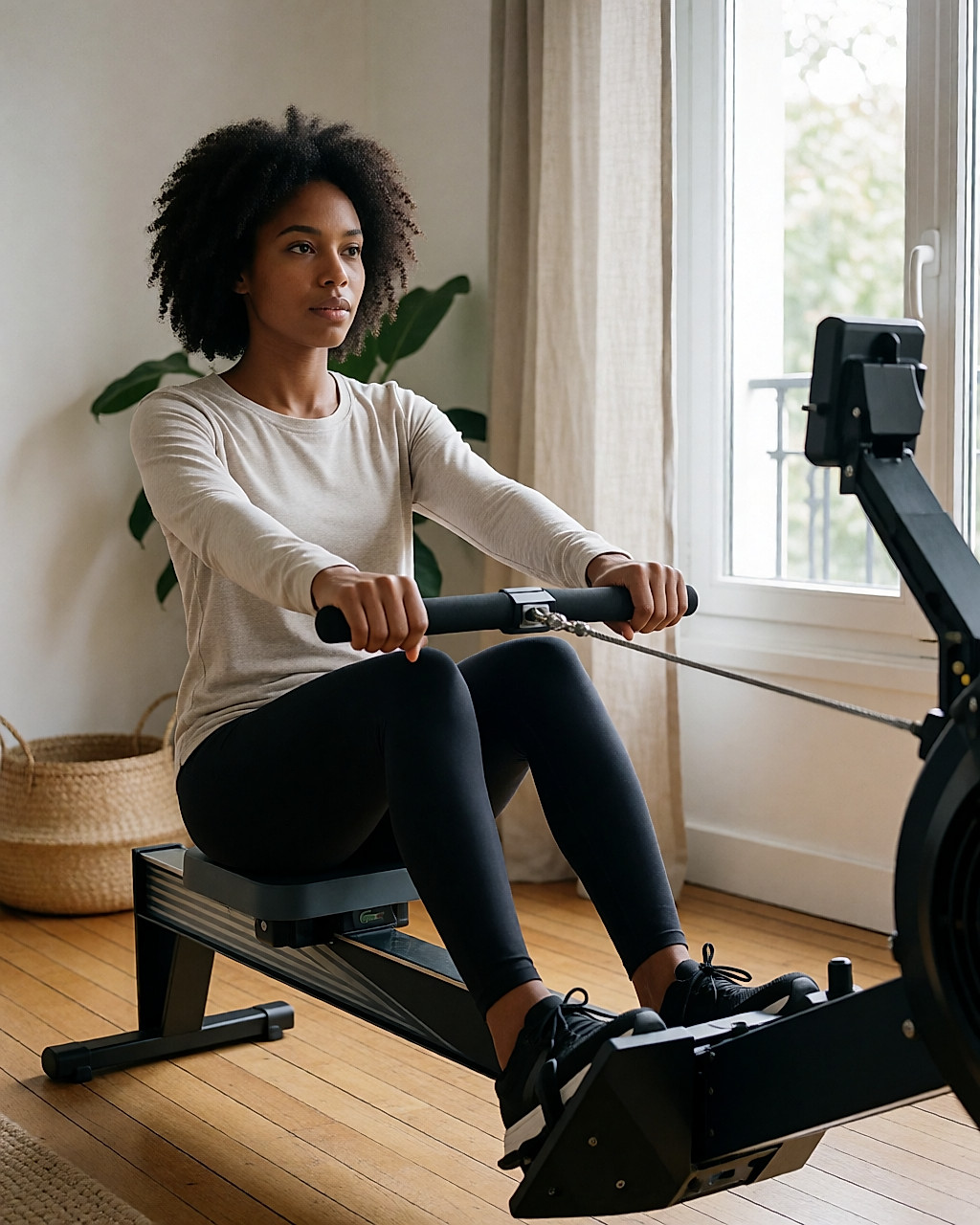
For the rest of the week, move however you can: stairs, walking trips, cycling for the shopping. What we know is that the weekly total matters more than one day's big effort.
The talk test remains a simple, reliable guide at first. You should be able to talk, but not sing. If you are so breathless that you have to stop to catch your breath, slow down.
Three signals should prompt you to seek medical advice: chest pain, unusual breathlessness, palpitations. That's not being overly cautious; it's common sense. If you have heart disease, diabetes, a joint problem, or if you're returning after years away from exercise, speak to a healthcare professional before you start.
The numbers: useful, but not essential
Watches and bands display heart rate, sometimes a ready-made 'zone 2'. That's handy, provided you know what it's really worth.

Maximum heart rate estimated by the formula '220 minus your age' remains a rough approximation, with a wide margin of error from one person to another. And wrist-based optical sensors become less reliable as soon as you move a lot. A chest strap is more stable, but it isn't necessary when you're starting out.
In other words, the app helps you keep a steady pace; it doesn't replace how you feel. If you have to choose between the number on screen and whether you can talk, trust your breathing.
What zone 2 won't do
It doesn't target any particular fat — that's not how fat loss works, at least not in a spot-reducing way. It doesn't replace treatment, medical monitoring or a diagnosis from a professional. And it doesn't mean you can skip looking after your diet and sleep if your goal is to lose weight.
What it can do, though, is improve your endurance, make exercise more comfortable, and help you build a habit over time. Nothing spectacular, but a genuine starting point.
Budget
You don't need expensive kit to get started. Here are some rough UK guide prices.
- No purchases: walking outdoors, taking the stairs, getting out the bike that's been sitting in the garage. It's the cheapest starting point, and it works.
- Tracking apps: free versions cover most needs (timer, distance, pace). Paid versions often cost around £5 to £15 a month, with more detailed analysis. Available to download online.
- Gym membership: budget around £20 to £60 a month, depending on the city, type of club and package, with or without a contract. Prices rise in larger cities and at clubs offering group classes.
- Fitness band or watch with heart-rate sensor: £30 to £80 for an entry-level band, £100 to £300 for a more comprehensive sports watch. A chest strap is often between £40 and £90. From supermarkets, sports shops or online.
- Walking or running shoes: £60 to £140 depending on range and technical features, with price rising along with cushioning and stability. Try them on in store when possible, for size and foot shape.
The best investment remains the time you put in, not the watch you wear.
Sources
- World Health Organization, fact sheet 'Physical activity'.
- NHS, 'Physical activity guidelines'.
- American College of Sports Medicine, recommendations on exercise and the talk test.




Comments
Your opinion matters: rate the article, react and reply to comments.
Comments are moderated; AI-assisted comments are flagged. Text emoticons (8-), :-), <3…) are automatically shown as images.