
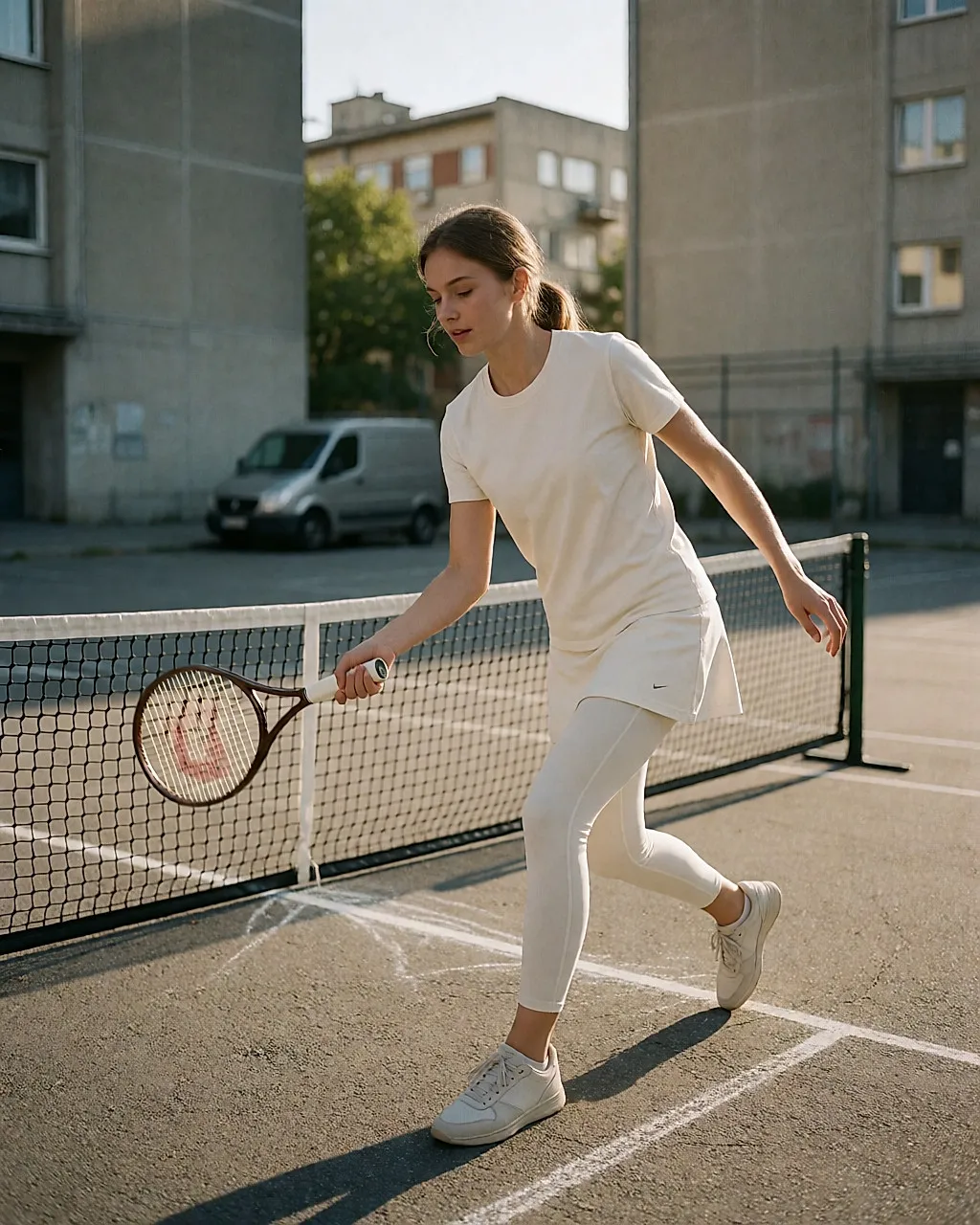
A pop-up net, a racket, a handful of balls: that is all it takes to turn a stretch of paving, a quiet car park or a pedestrian square into a court. Urban tennis — street tennis — starts from a simple observation. The nearest court is a journey away, membership is expensive, and the atmosphere of a club can be off-putting. So play where you live instead, with no slot to book and no dress code.
The method comes down to three moves: chalk out your area, set the net down on a flat surface, and start. The format was pioneered in France by Arnaud Di Pasquale, bronze medallist at the Sydney 2000 Olympics. He picked up an idea Yannick Noah had already argued for in working-class neighbourhoods: strip the sport of its elitist image and put it where people actually live.
A more complete workout than it looks
Behind the relaxed look, the physical effort is real. Street tennis borrows from the conventional game its short bursts of movement, sudden changes of direction, hand-eye coordination and interval-style endurance — brief efforts followed by recovery. You play with your feet, chest and head as well as the racket: legs, trunk and shoulders all work, and balance and reactions are tested the whole time.
That profile fits the World Health Organization's guidance for adults: at least 150 minutes of moderate activity a week, or 75 minutes of vigorous activity, plus muscle-strengthening work twice a week. Current evidence suggests that moving regularly lowers the risk of cardiovascular disease and type 2 diabetes, and plays a part in easing symptoms of anxiety and depression. There is nothing magic here: consistency is what counts, not how well you play in any single session.
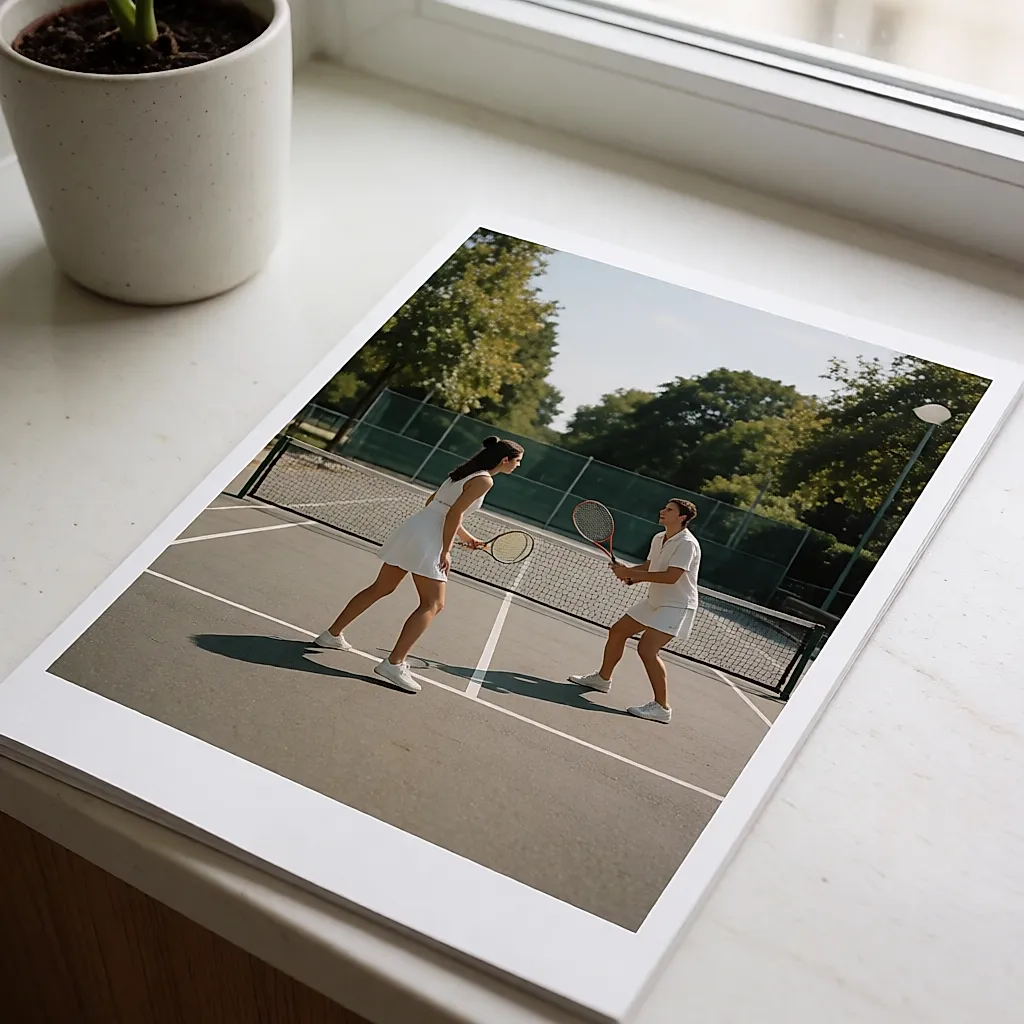
Staying injury-free: where the risks lie
The surface is the first risk factor. A concrete slab or tarmac is hard: every footfall travels back up into the knees, ankles and tendons. It is far more demanding than clay. In practice, a 5–10 minute warm-up that takes in the joints before you start pushing off hard ground makes a genuine difference.
Second: hydration. Drink before you feel thirsty, especially in summer, and take regular breaks even when a game is running away with you.
Third: volume. Start with 20–30 minutes, build up gradually and leave a recovery day between hard sessions. And if pain lasts more than a few days, speak to a health professional — a physiotherapist or your GP — rather than gritting your teeth. Keeping an eye on it beats forcing through.
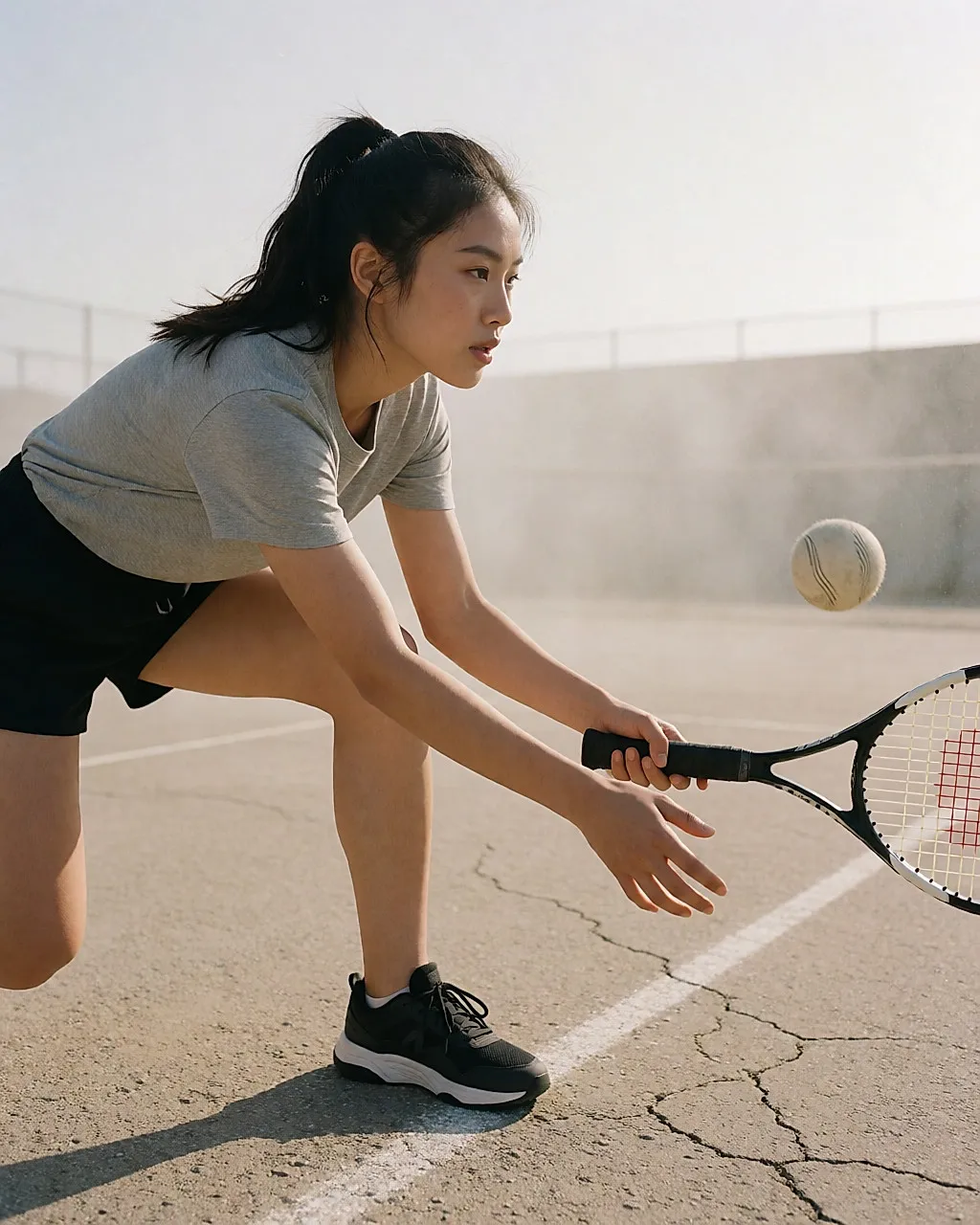
Three things to do before you start a game: warm up for five minutes (knee raises, shoulder rolls, ankles), check the area is flat and clear — away from passers-by, with no dangerous edges — and take a water bottle. If you are new to it, play on a softer surface such as a multi-use games area or an athletics track rather than raw tarmac.
Gear: buy to last, not to perform
There is no need to aim at the top end. A versatile racket, a tube of balls and a pop-up net are enough to get going. On the product side, look for durable equipment: natural rubber balls, wooden rackets or composites from recyclable supply chains, PVC-free textile nets. Materials and certifications vary enormously between brands — check the stated composition and the planned end of life before you buy, and treat green claims without evidence with suspicion.
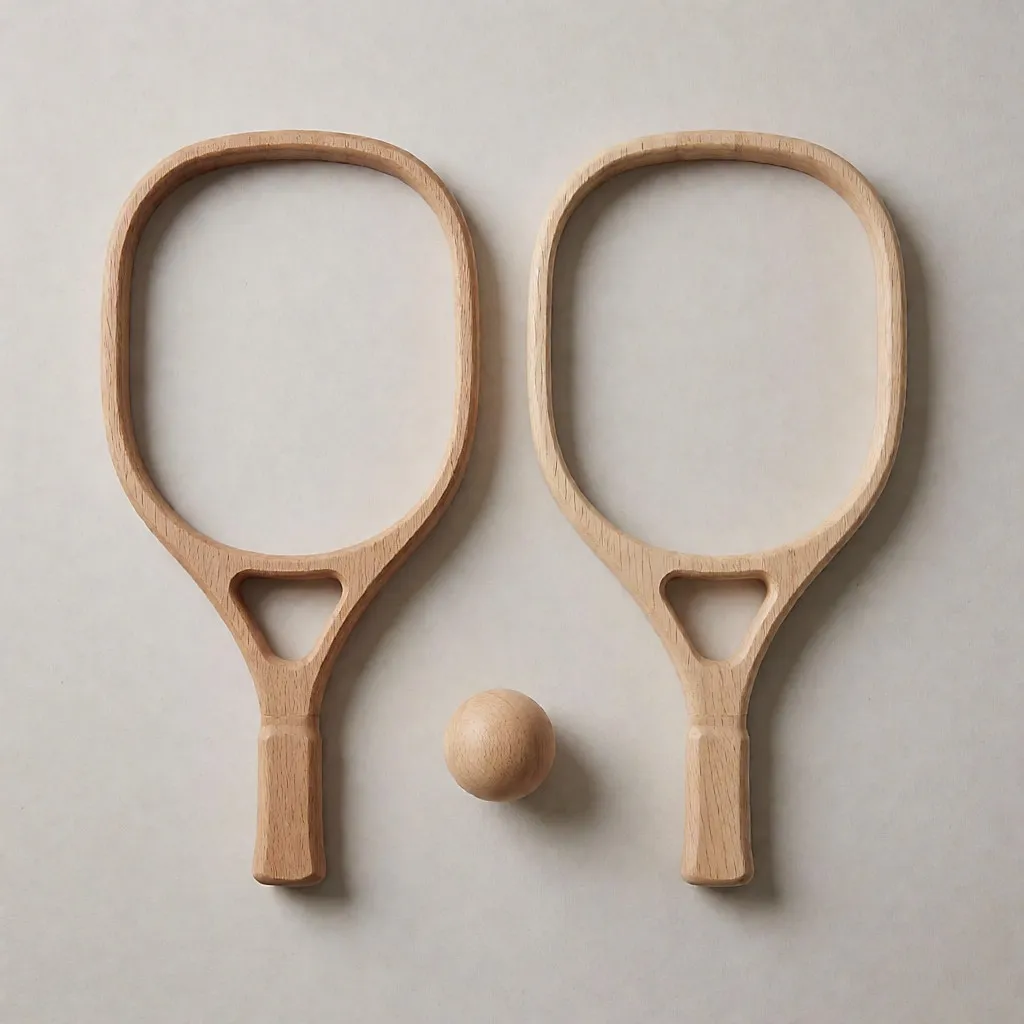
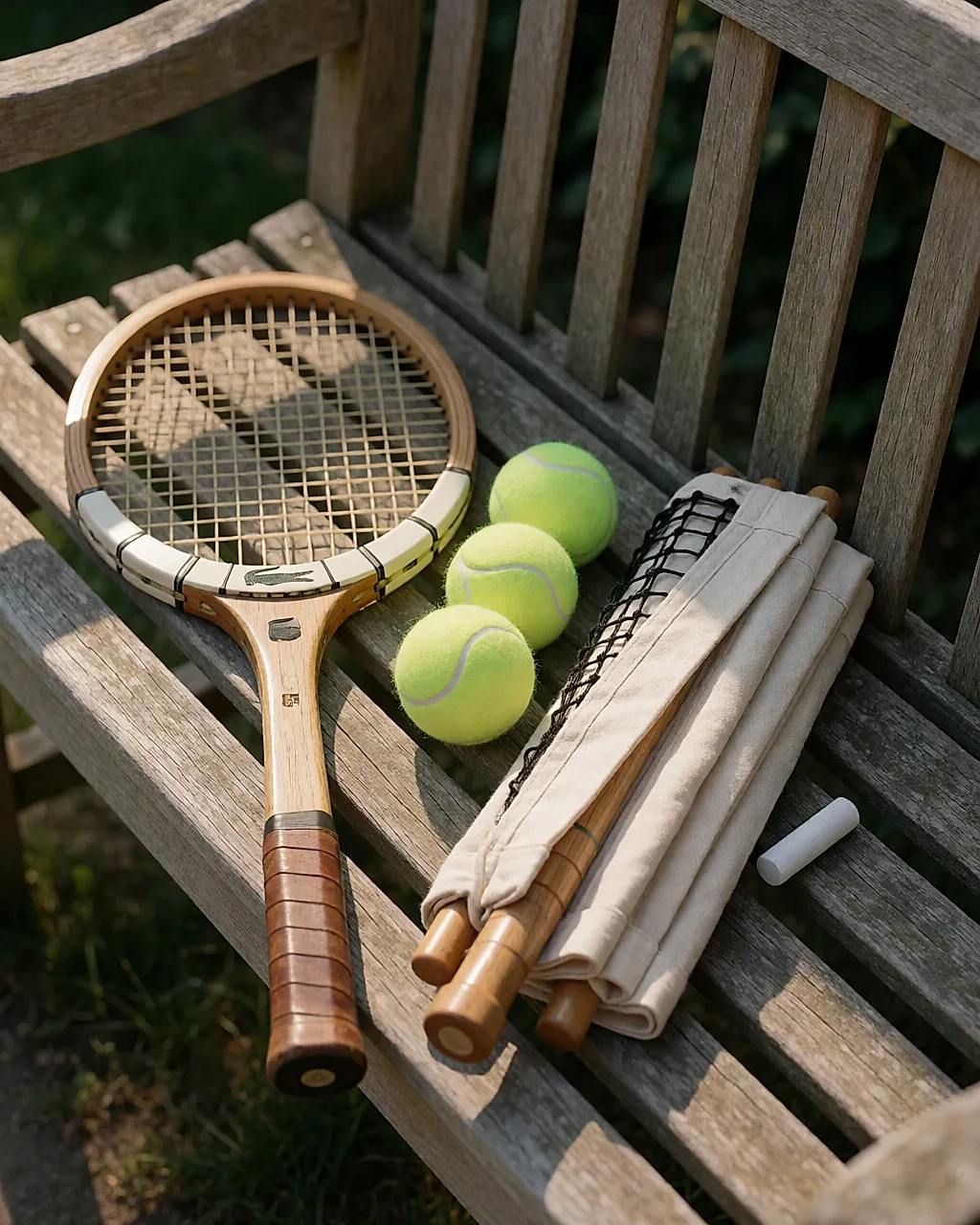
If no genuinely eco-friendly equipment is available near you, a well-made conventional model remains an acceptable compromise, on condition that you make it last. A racket that stays with you for five years has a far better record than a "green" model replaced every year.
What it costs
Indicative UK prices, which shift with brand, level and where you shop:
- Leisure racket for beginners: in the region of £20 to £50, from a sports retailer or online. Past £85 or so, you are mostly paying for competition performance.
- Tube of 3–4 balls: £4 to £9. Competition balls last less well on hard ground.
- Pop-up net: £35 to £90 depending on width and tensioning system.
- Tennis or general sports shoes: £35 to £80.
These are orders of magnitude rather than quotes, and they vary with brand, level and retailer. Specialist shops often let you try before you buy; the big sports chains tend to be cheaper. And since many council multi-use games areas are free and open to all, the cost can come down to a racket and a few balls.
Sources
- World Health Organization (WHO), "Physical activity" — guidance for adults.
- Fédération française de tennis (FFT), France's national tennis federation — programmes taking tennis outside clubs.
- Santé publique France, the French public health agency — physical activity and prevention guidance.
Comments
Your opinion matters: rate the article, react and reply to comments.
Comments are moderated; AI-assisted comments are flagged. Text emoticons (8-), :-), <3…) are automatically shown as images.