
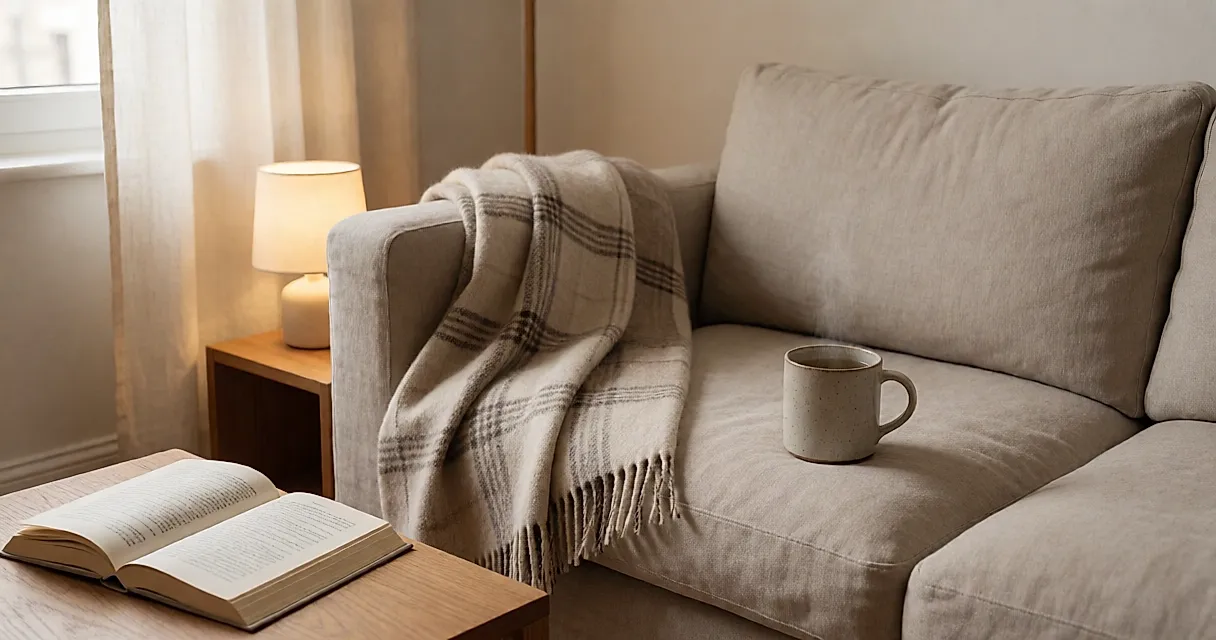
Some Sundays, the world can get on perfectly well without you. You don't go out, you don't answer anything before noon, and the day moves at the speed of the kettle. For that deliberate laziness to stay a good thing, a few simple anchors genuinely help. No secret formula here: just comfort, soft light and a bit of rhythm.
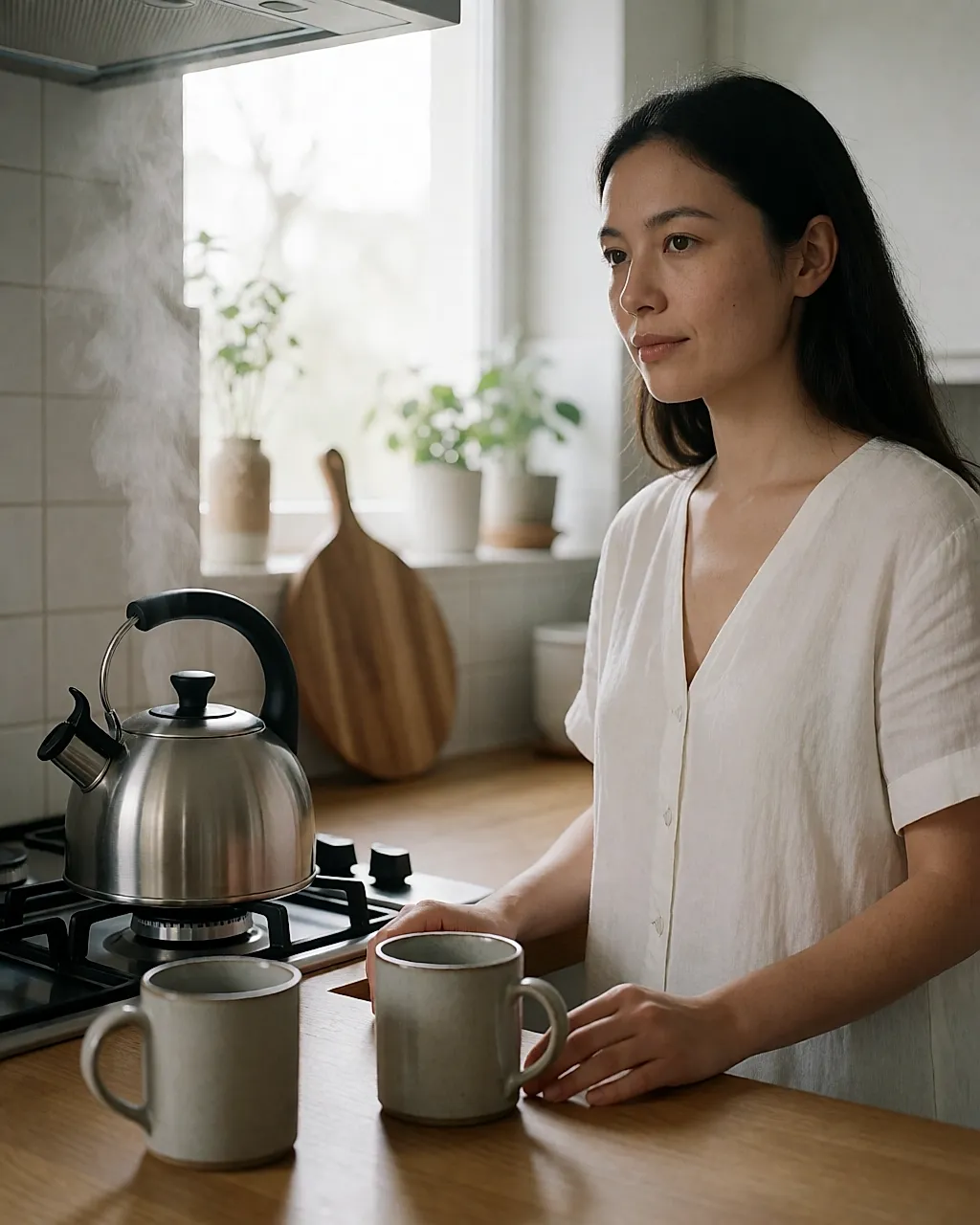
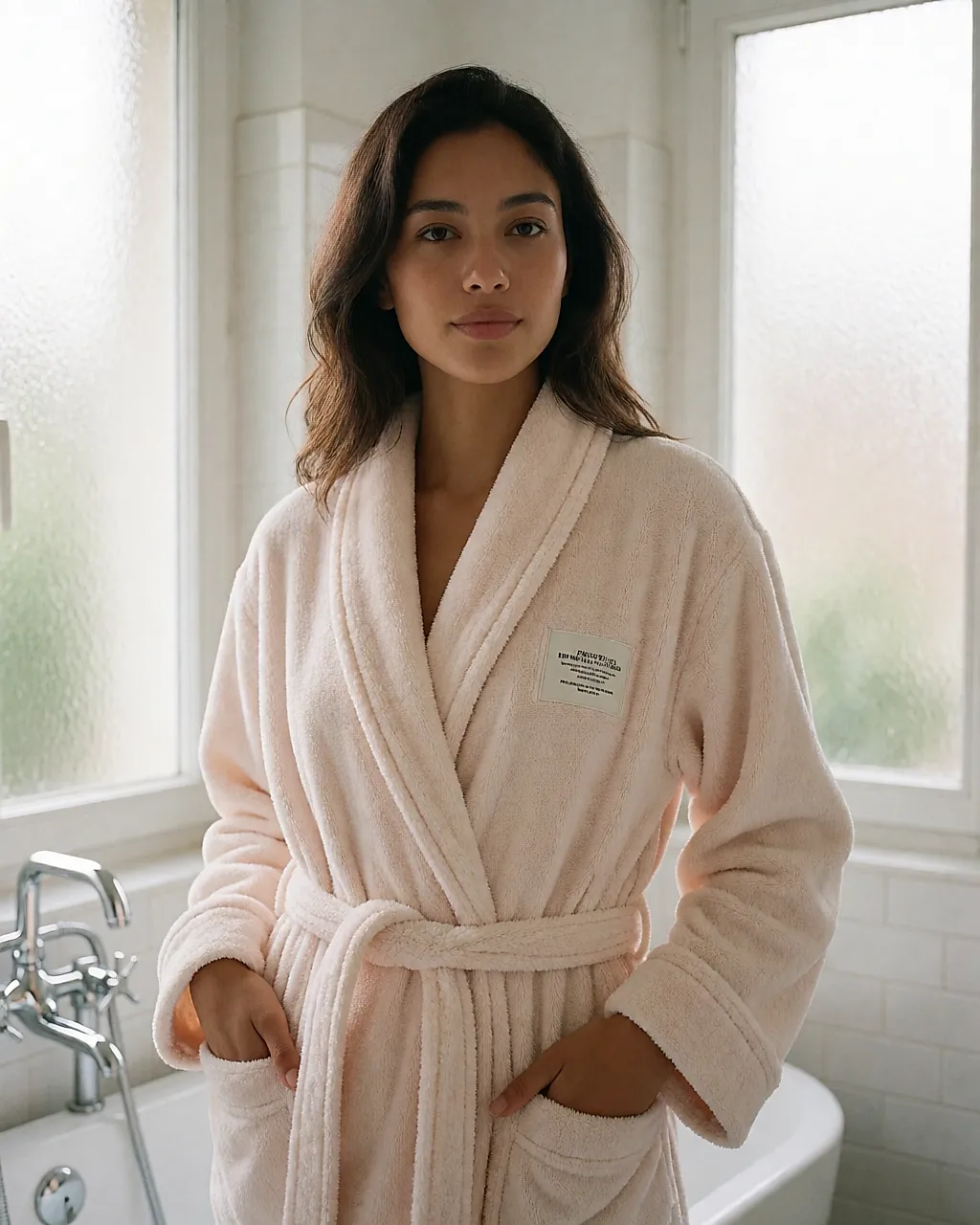
Start with the fabric, not an old pair of pyjamas
Everything begins with what touches your skin. Modal, cotton, fine merino wool or cashmere keep you warm without making you sweat. That is far from a detail when you spend four hours under a throw. Cheap synthetic fabric, on the other hand, traps moisture and itches: you notice it within the hour.
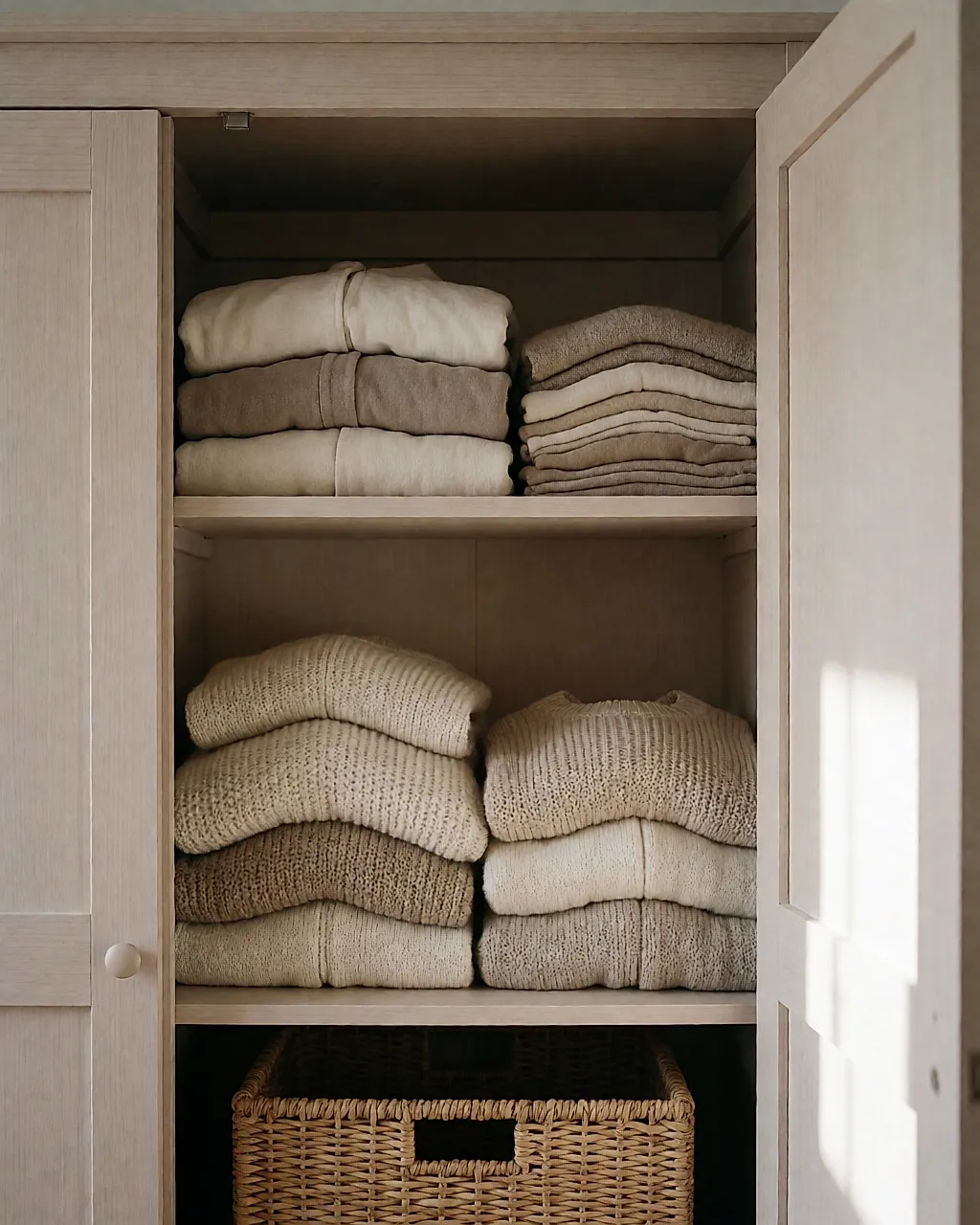
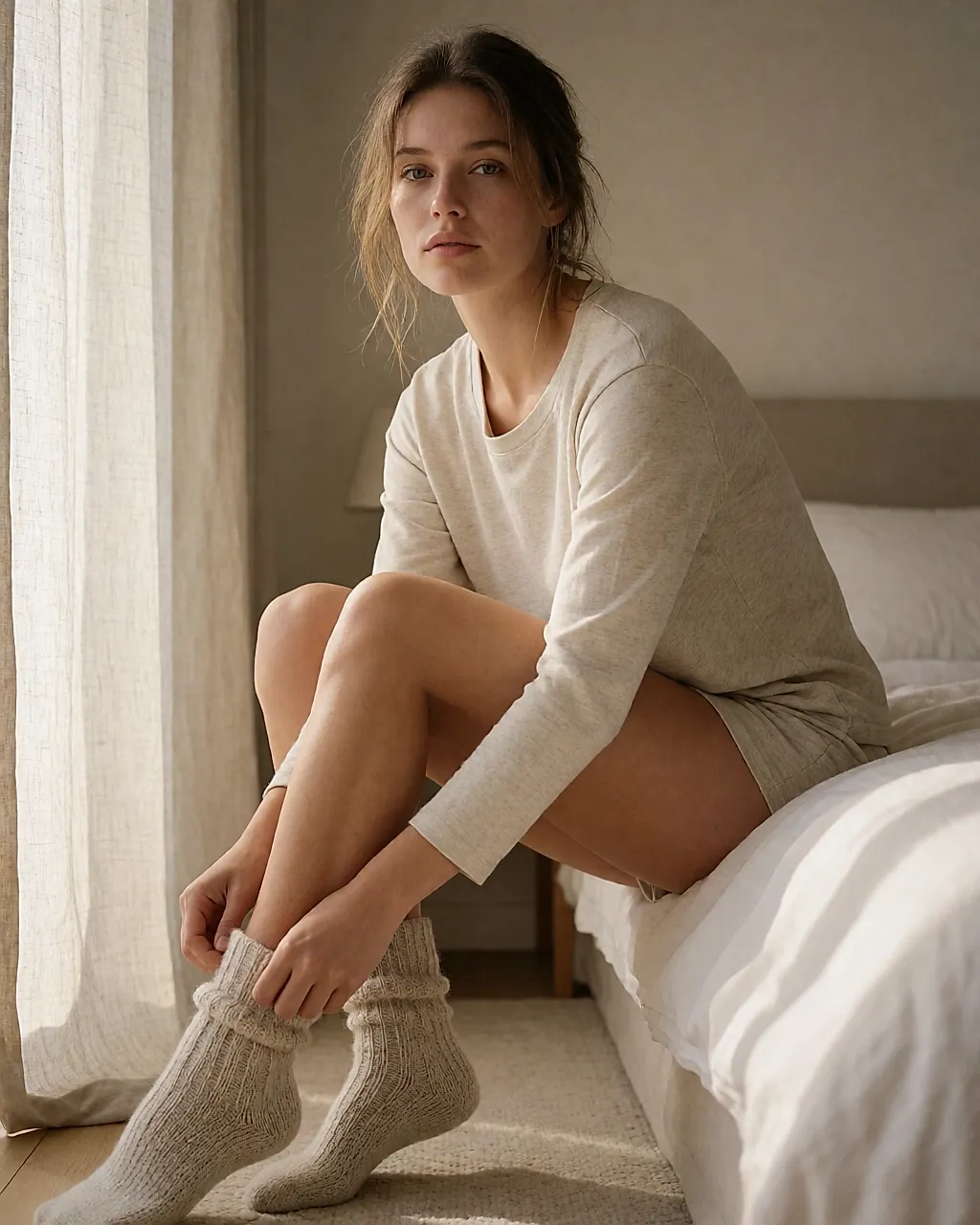
The loungewear market moves fast, so buy where the quality holds. Uniqlo, M&S, John Lewis, Next and the loungewear rails at H&M and Muji cover most of what you need. From a plain legging to a knitted set, there is plenty to see you through the day. The test: could you still answer the door in it if a delivery turned up?
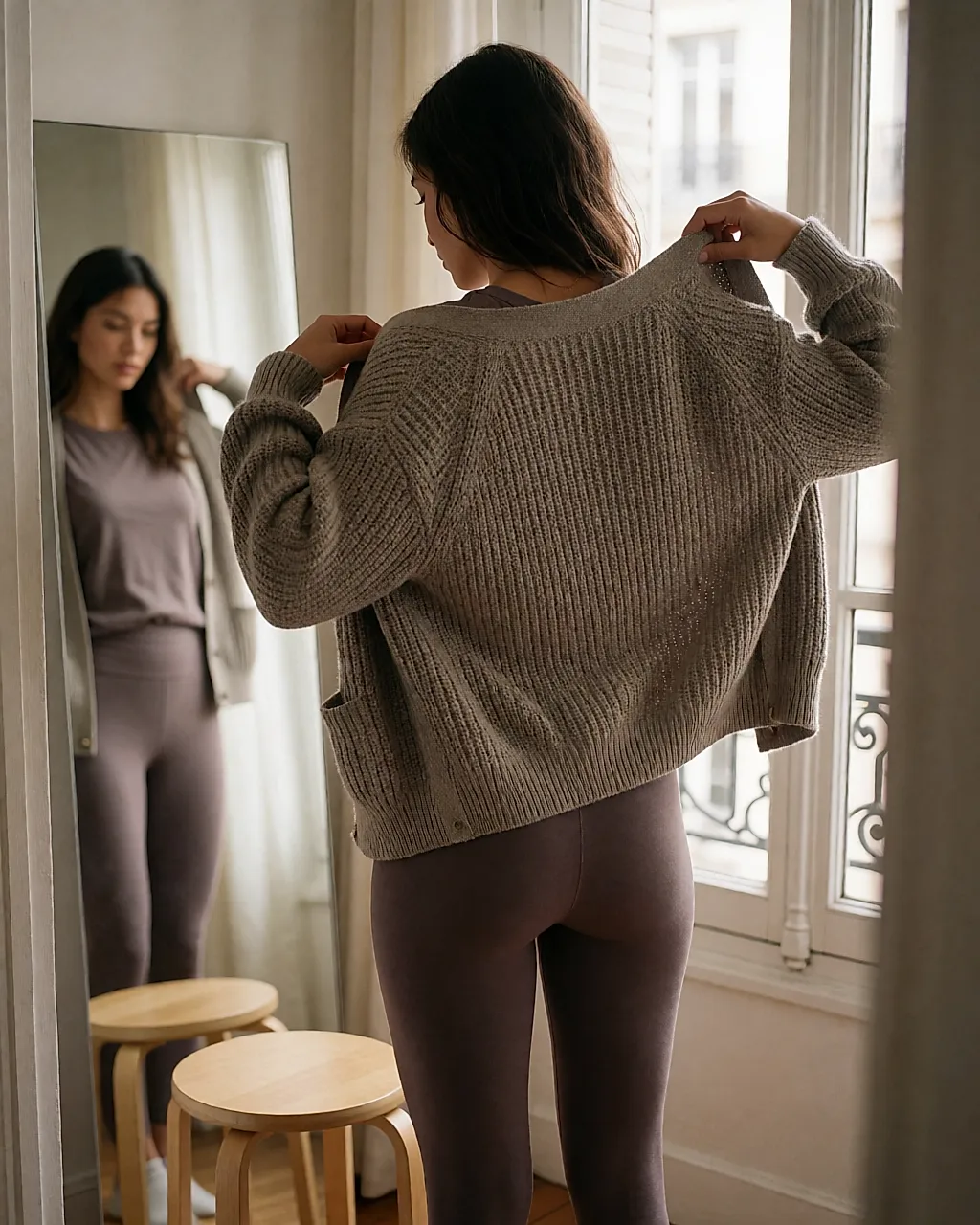
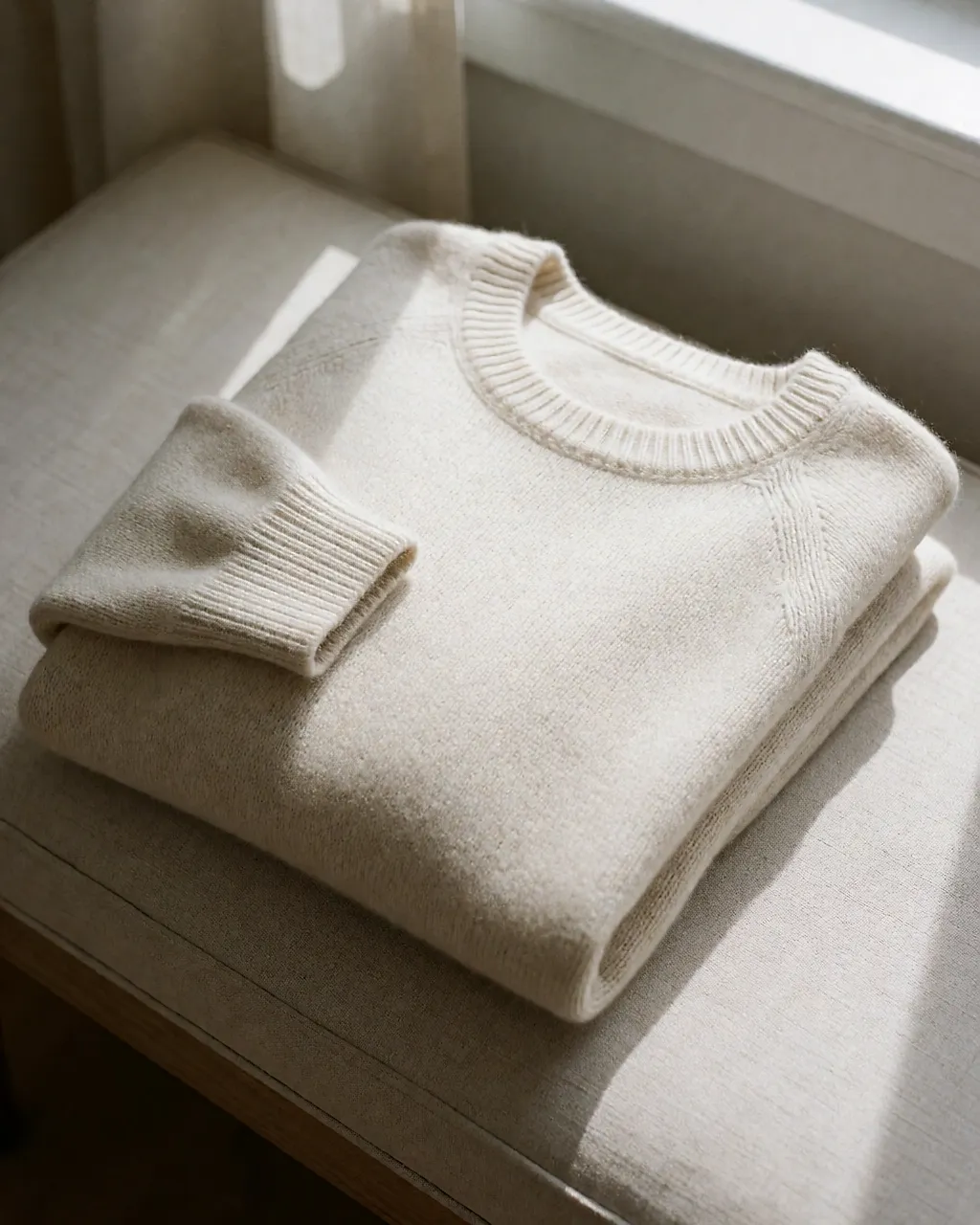
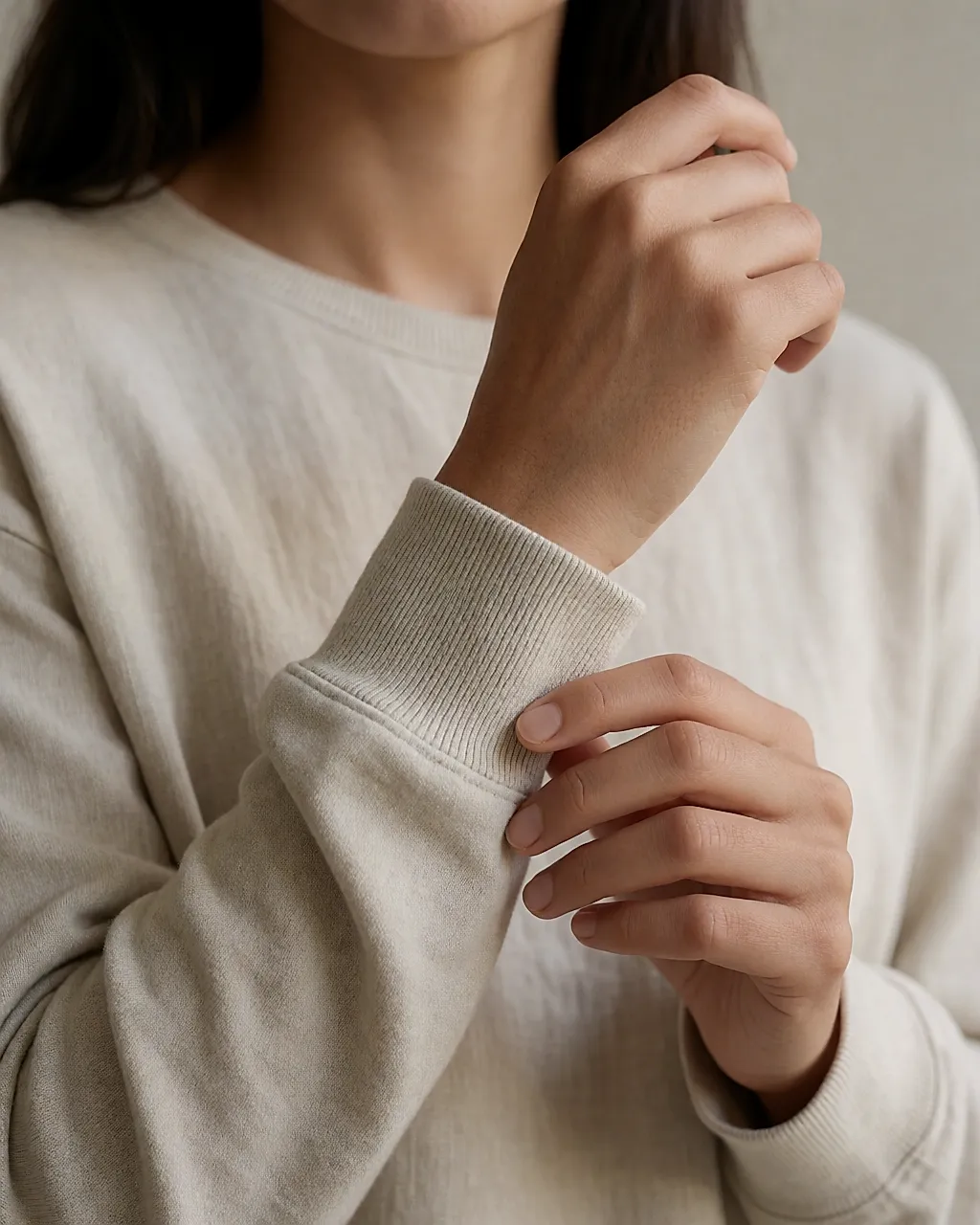
What to avoid, in practice: bulky seams, elastic that leaves marks, anything scratchy at the wrists.
The bath and the candle: the ritual that settles you
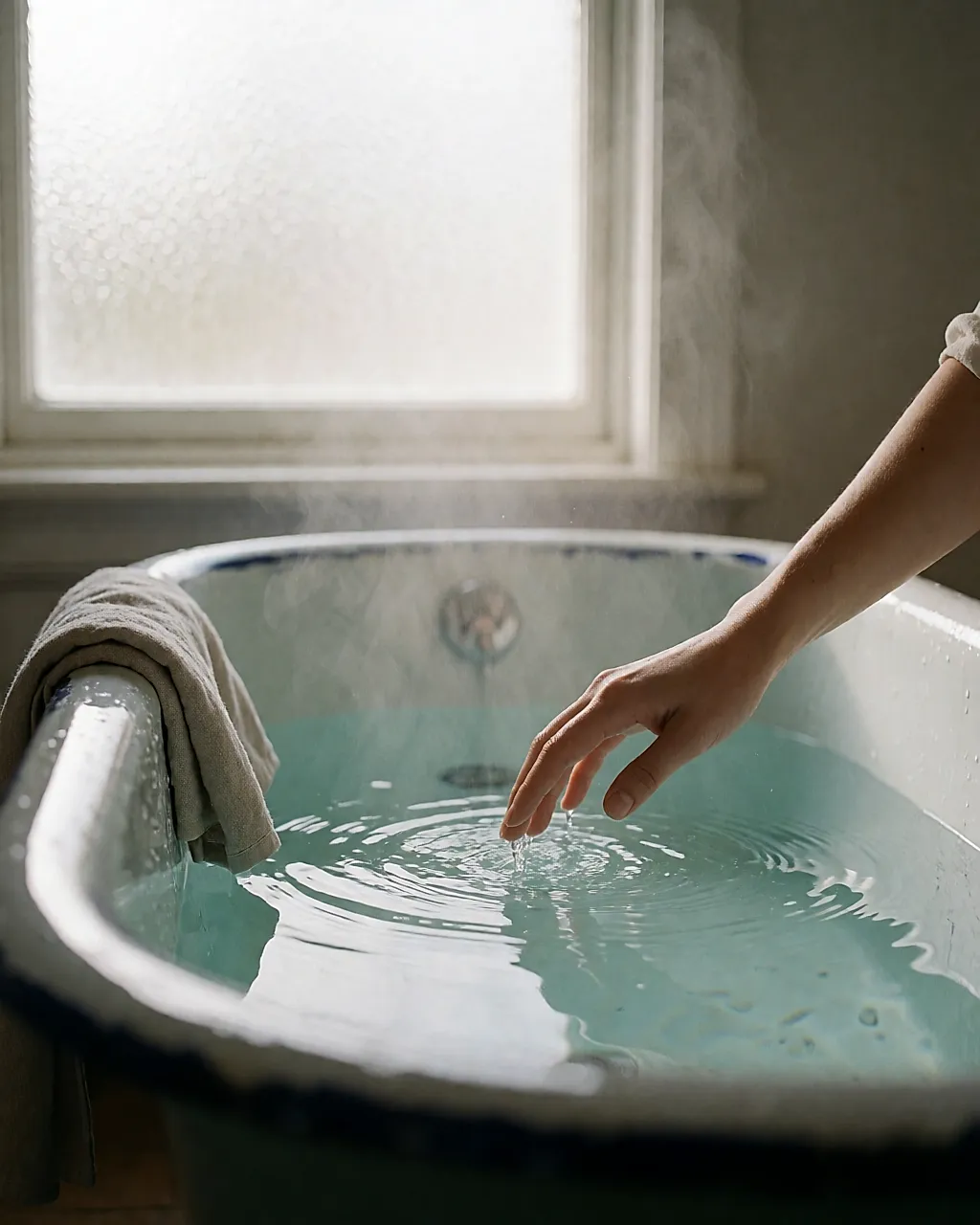
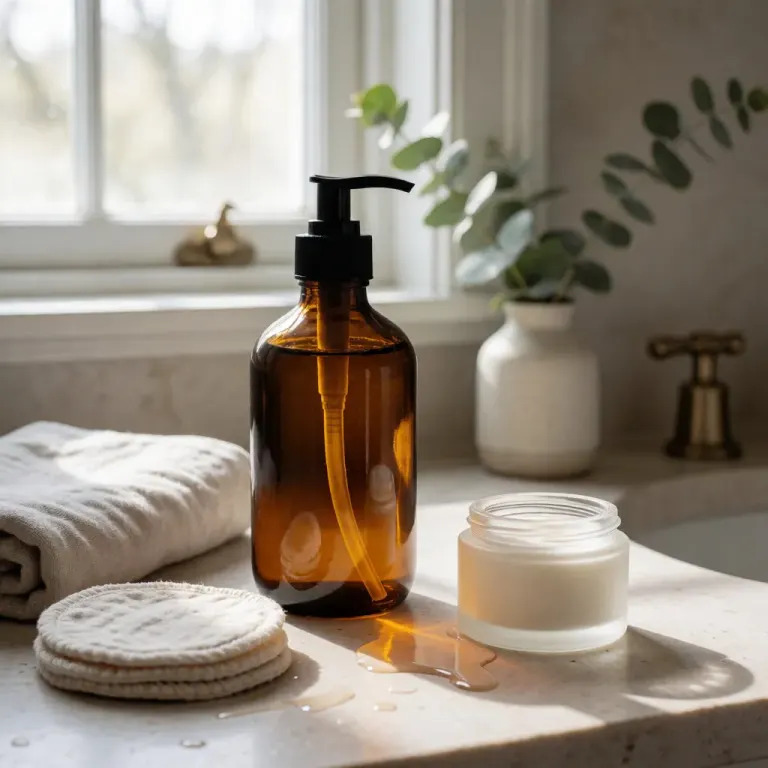
A hot bath is mostly a stretch of time in which you do nothing else. Warm water, but not scalding: in practice, many people advise keeping it to around twenty minutes at most. Salts, oils or foam are there for pleasure; their effect on the skin is limited. On the formulation side, go for unfragranced salts, a plain plant oil (sweet almond, jojoba) or a gentle dermatological wash bar: fewer unnecessary actives, glass or card packaging, sometimes refillable. Organic certifications such as Cosmos Organic guarantee a proportion of natural-origin ingredients and the exclusion of certain controversial substances — useful, but read the ingredients list anyway; the logo doesn't tell you everything.
The scented candle deserves a short clarification. Current evidence suggests that burning one, even plant wax, releases fine particles into indoor air. That is no reason to go without. It is a reason to air the room afterwards and, in practice, not to let it burn for hours in a closed bedroom.
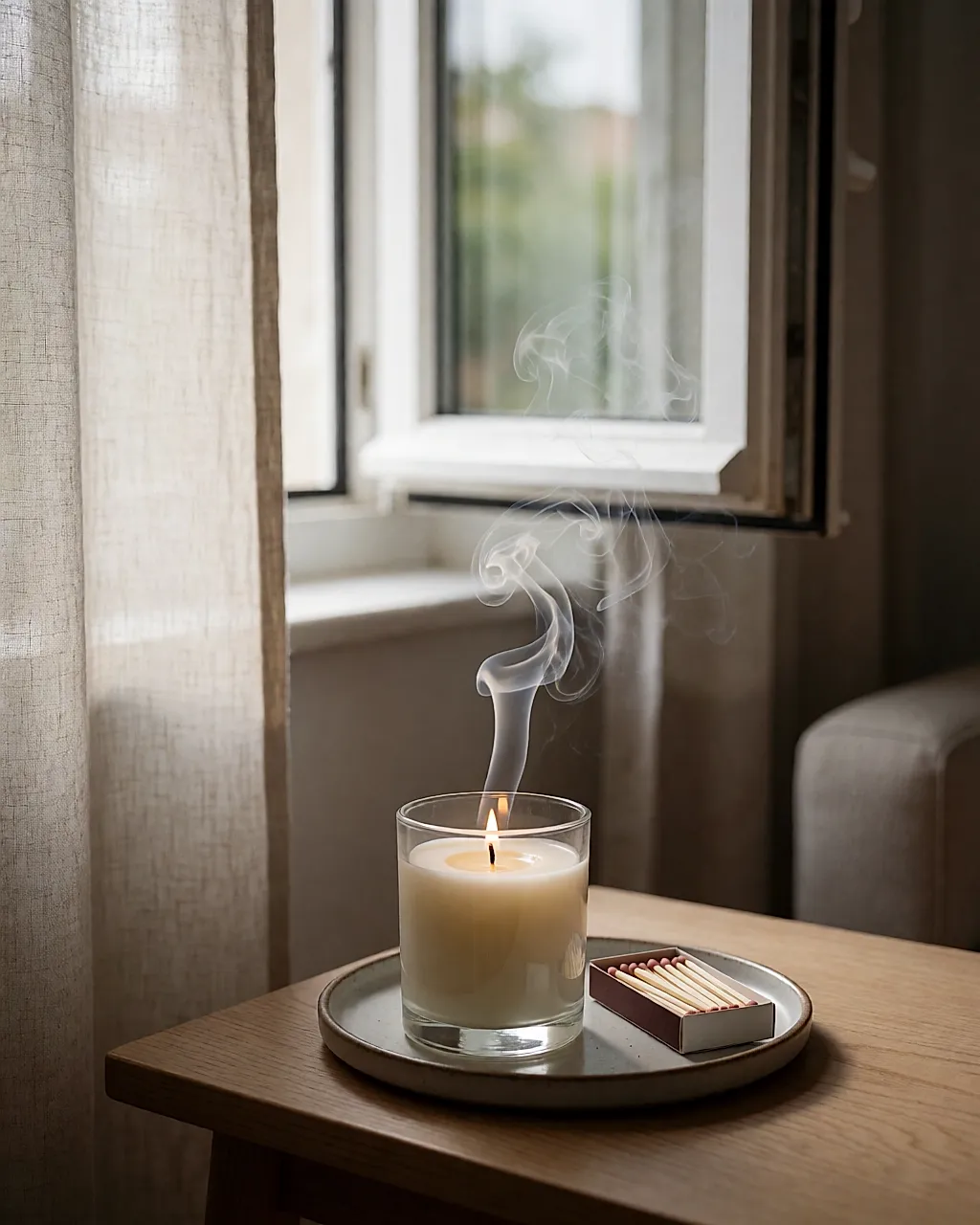
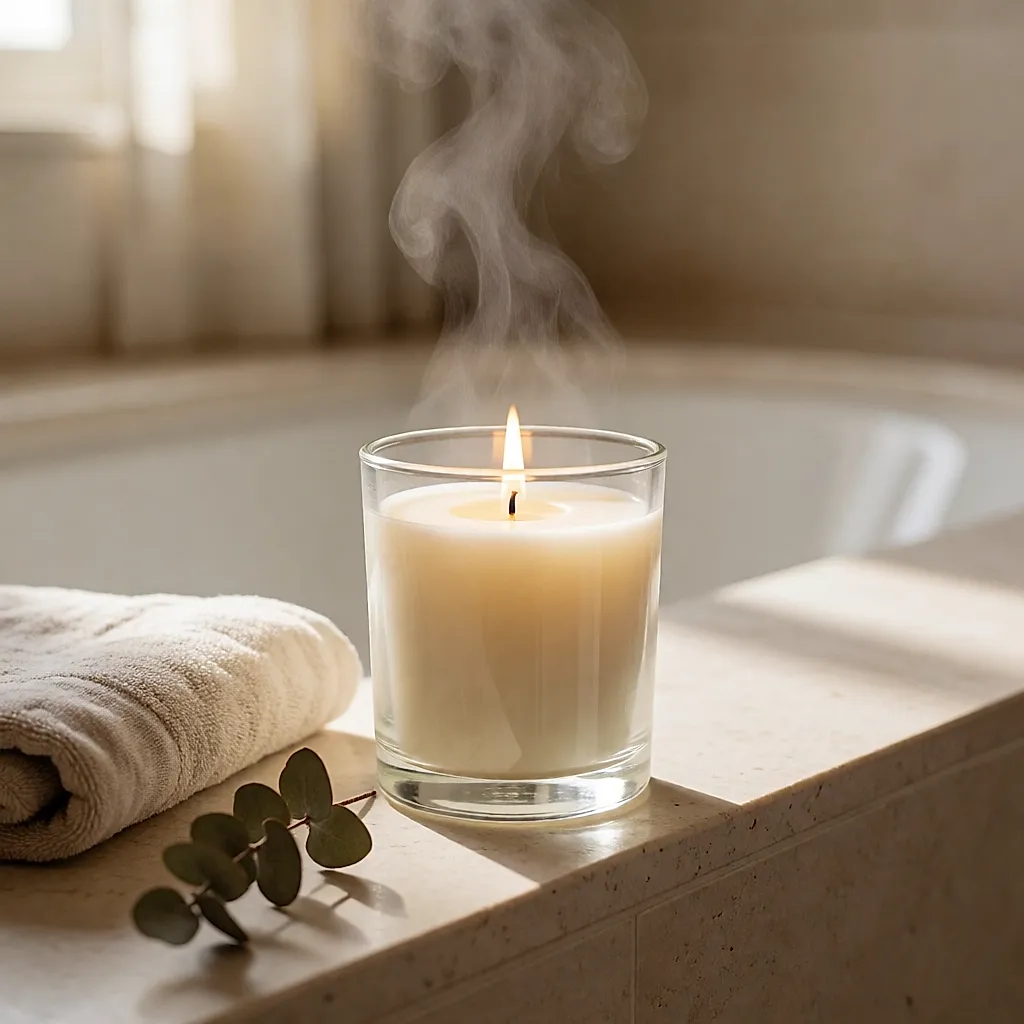
A candle that smells good perfumes the air; it does not clean it. Keep it away from fabrics, trim the wick, and air the room for a few minutes after blowing it out. If you have allergies or breathing difficulties, it is better to skip it — and speak to a pharmacist or your GP if symptoms persist.
A nap takes a little planning
Sleeping at night needs no teaching. Sleeping in the day is another matter. Want to try it? Keep the nap short, ideally early in the afternoon. Don't let it run on: waking from deep sleep leaves you more tired than before. An eye mask helps if light gets into your room, and a set alarm stops it drifting.
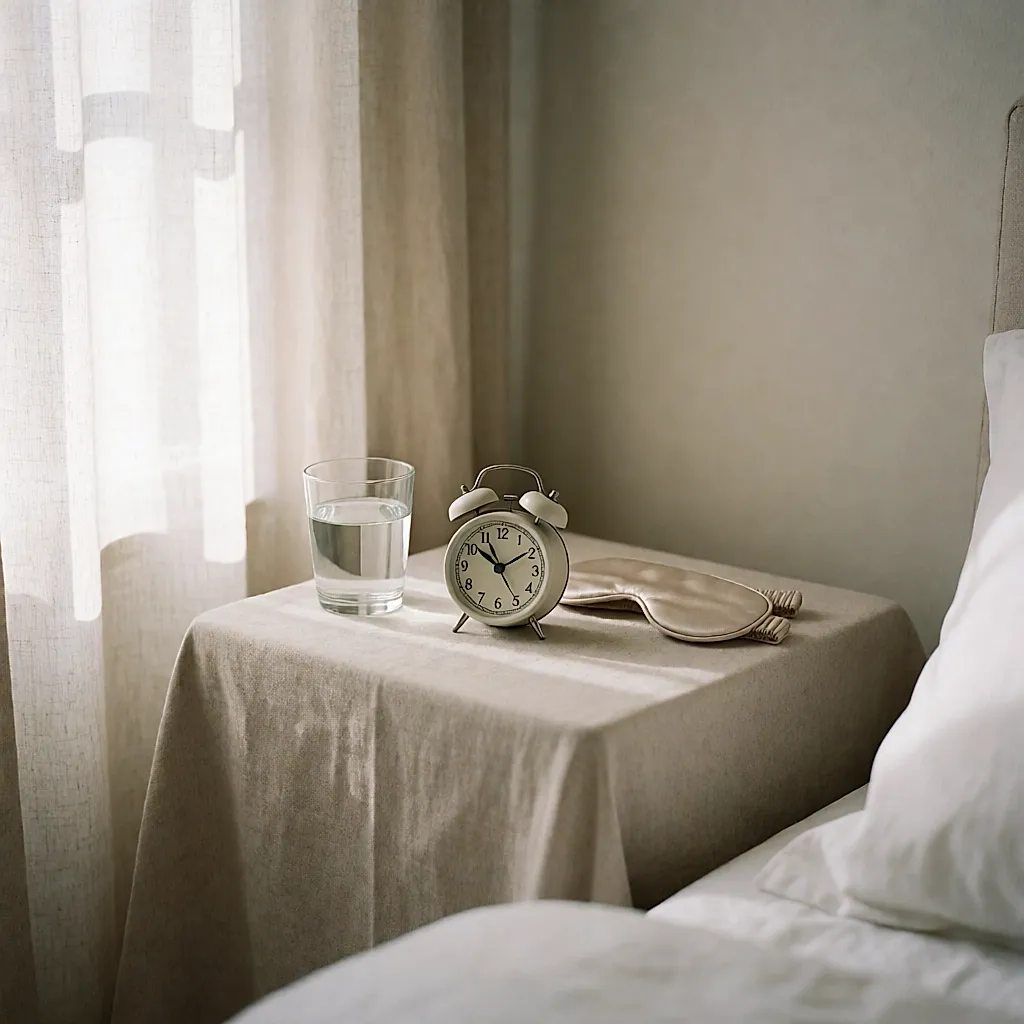
One useful caveat, though. If you are stringing together bad nights, a nap eases things but doesn't fix them. Fatigue that lasts several weeks deserves medical advice, not another throw. It comes down to follow-up: your GP can assess it, and you can track your sleep and note what keeps going wrong.
Your own corner: throw, book, tea
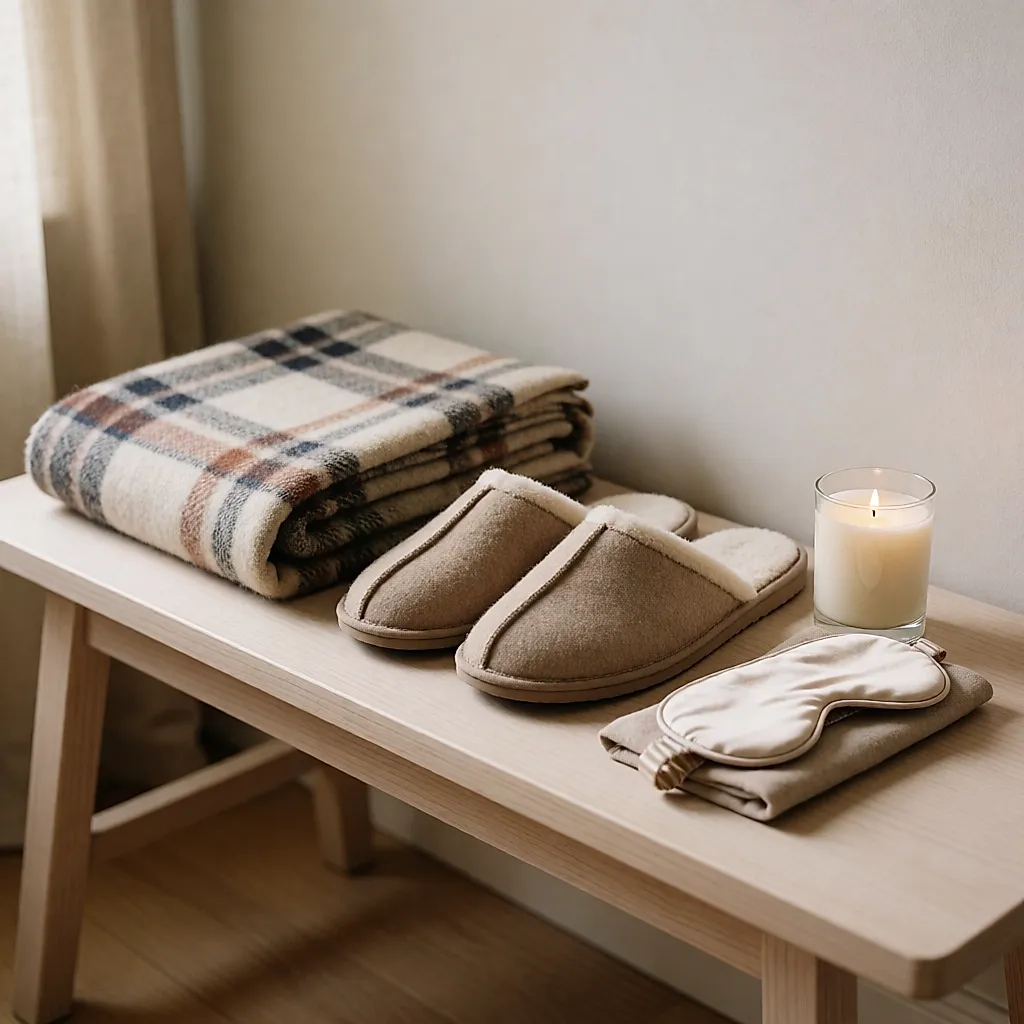
What remains is the essential part: somewhere to settle without being disturbed. A throw with a bit of weight to it, a cushion in the small of your back, a warm lamp rather than the ceiling light. And something to read. The phone can stay in another room: that is probably the single change that alters a day the most.
Do you really need a four-volume saga to feel good? No — a paperback is enough. To drink, a herbal tea, a coffee or a hot chocolate all do the job. What matters is a mug you can hold with both hands.

Budget
As a rough guide, these are the ranges you will see on the UK high street and online. They shift with fabric, brand and the time of year.
- Loungewear set: £20 to £40 for a basic cotton or modal set (supermarkets, Uniqlo, M&S, H&M); £60 to £120 for knitwear that holds its shape better; often £150 and up for cashmere, depending on the weight.
- Throw: £15 to £35 in fleece or brushed cotton; £50 to £120 in wool or a wool blend.
- Slippers or thick socks: £12 to £45.
- Eye mask: £8 to £30, with the difference mostly down to comfort and how well it fits your face.
- Scented candle: £10 to £45 depending on brand and size; the small sizes remain the best way to try one.
- Bath salts or oils: £5 to £20.
Where to find them: department stores and homeware shops for the throw and slippers; beauty halls, specialist brands or health-food shops for the candle and salts; the homewear lines of lingerie brands for the outfit; online for less common sizes. Compare the price per kilo or per litre rather than the ticket price — that is where the gaps hide.

Comments
Your opinion matters: rate the article, react and reply to comments.
Comments are moderated; AI-assisted comments are flagged. Text emoticons (8-), :-), <3…) are automatically shown as images.