
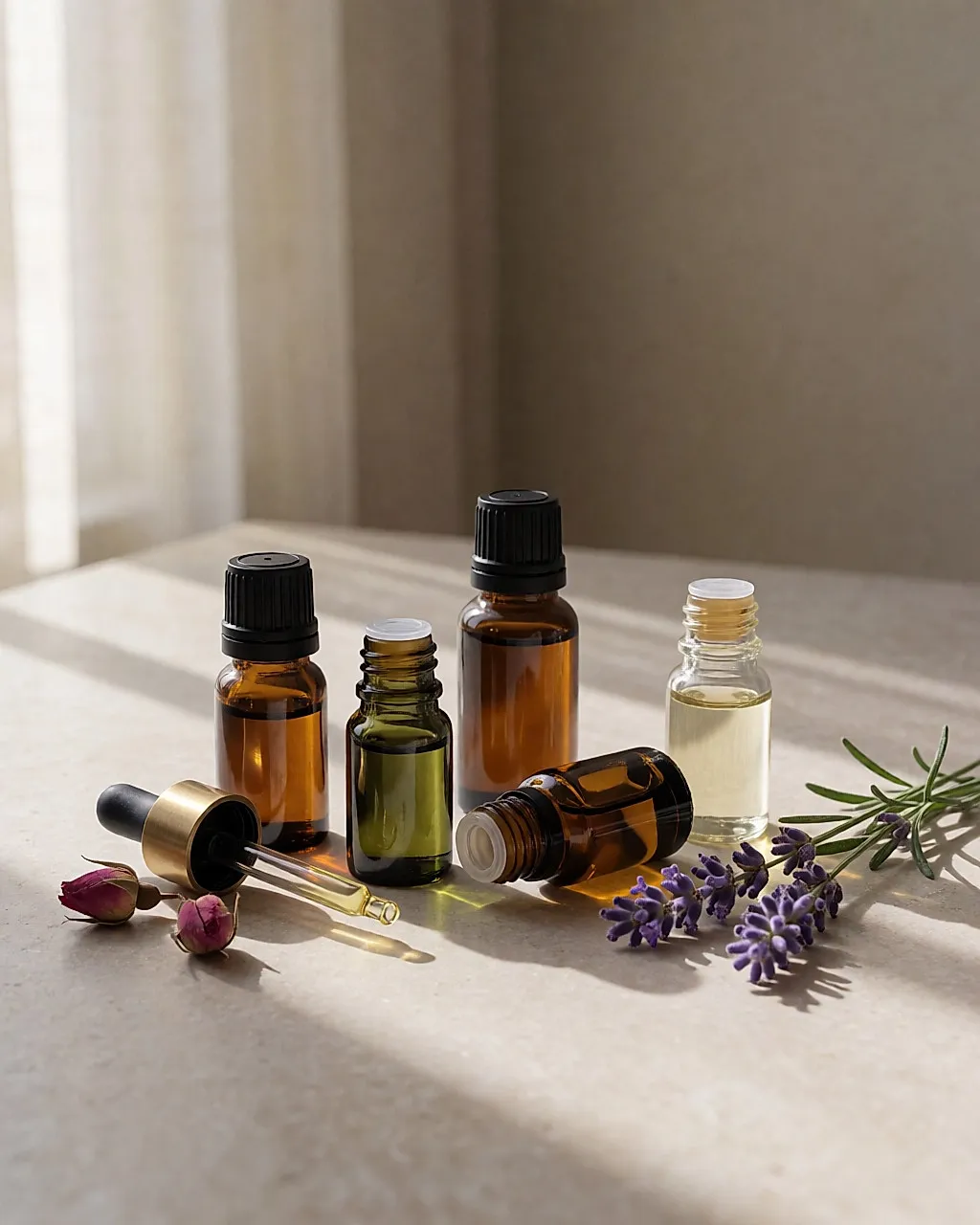
A bottle forgotten at the back of your bathroom cupboard for two winters, another rattling around a kitchen drawer, a third in your gym bag. Lavender to sleep better, tea tree for a spot, eucalyptus for a blocked nose. Essential oils are now sold everywhere — pharmacies, health-food shops, specialist retailers, online marketplaces — and the promises made for them are often very broad. Yet they are concentrated active molecules, far from harmless. In practice, it is better to know what is in the bottle before you put it on your skin or diffuse it in your bedroom.
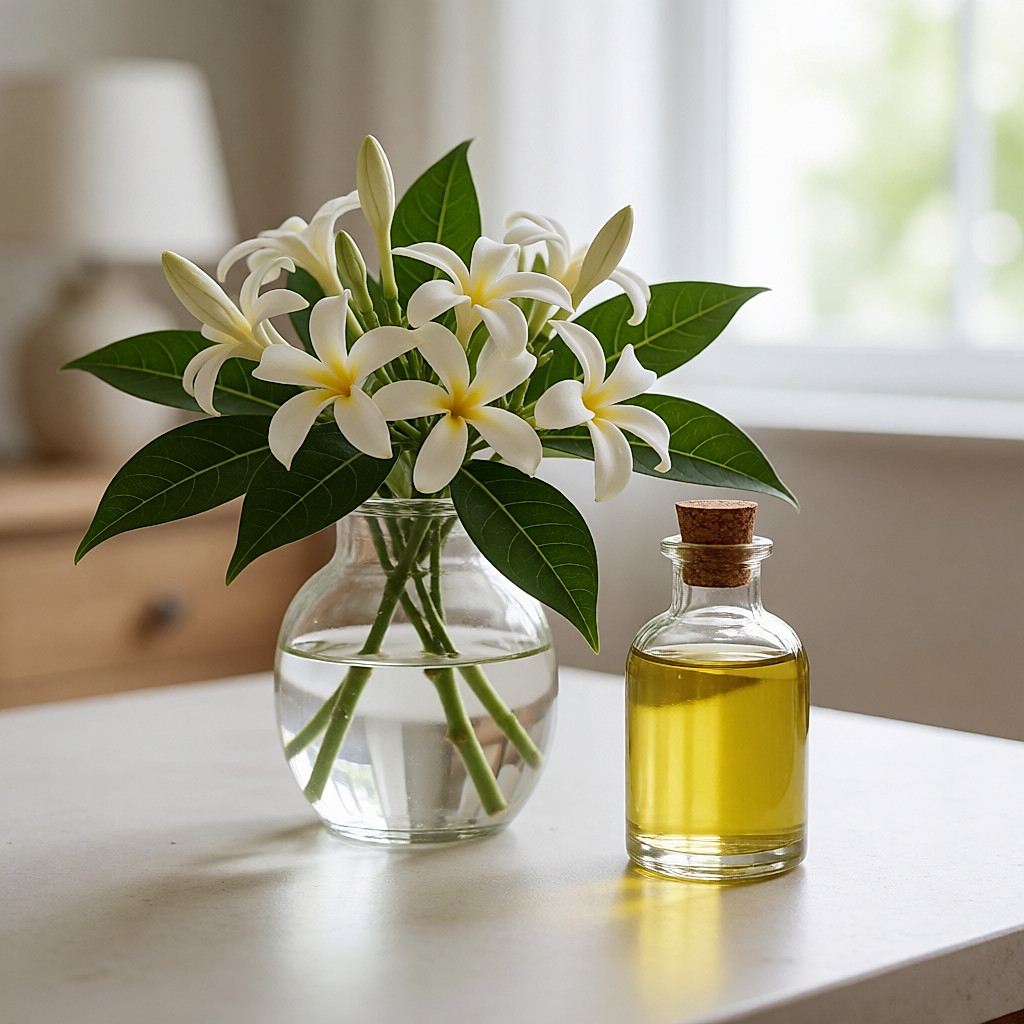
An essential oil is a concentrated plant extract
The principle is simple: the aromatic molecules are extracted from a plant and then concentrated. International standard ISO 9235 sets the official vocabulary, which helps distinguish a true essential oil from a 'fragrance oil' or a synthetic perfume.
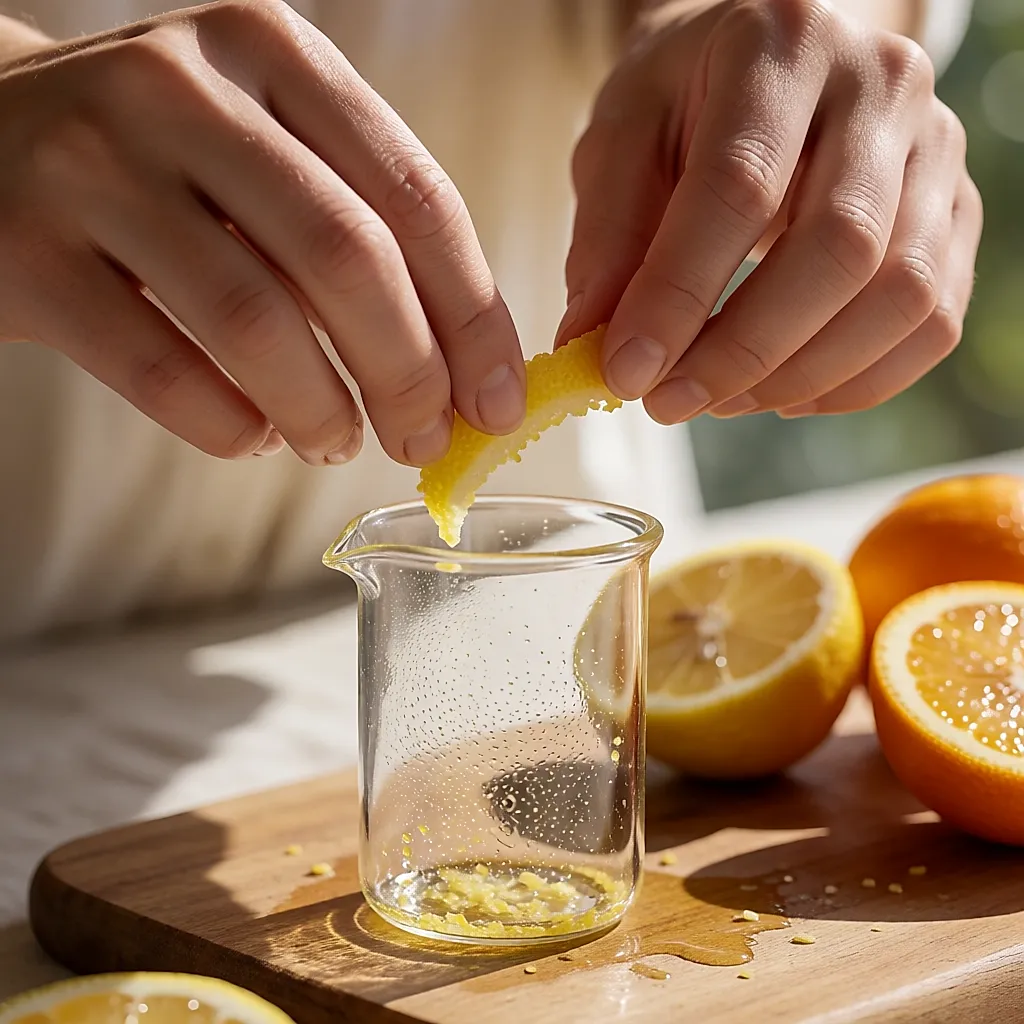
Two processes dominate the market. Steam distillation, used for the vast majority of plants: steam passes through flowers, leaves, roots or bark, and the oil is then separated from the water. Cold expression, by simple pressing, applies to citrus peel. There is also solvent extraction, which produces 'absolutes': highly concentrated, they are not essential oils in the strict sense.
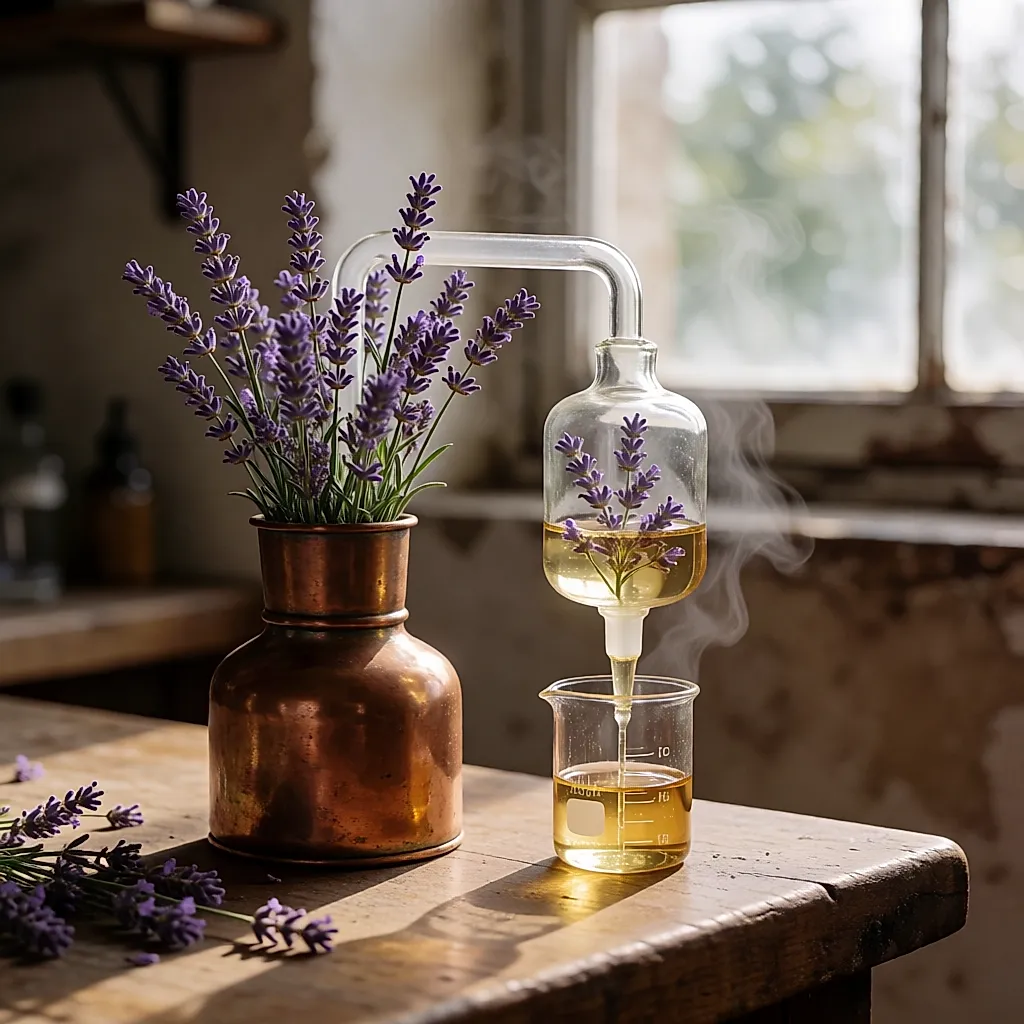
Yield explains much of the price. It takes an astonishing quantity of flowers to produce a litre of true lavender essential oil, and Damask rose is even more demanding in petals. Hence the tiny, fairly expensive bottles — and the legitimate suspicion when a normally costly oil is heavily promoted.
How to read a label without being caught out
Five pieces of information deserve your attention, and they rarely all appear in large print.
First, the Latin botanical name: Lavandula angustifolia, not simply 'lavender'. Next, the chemotype, sometimes shown as CT or chemical type. One plant can produce very different oils depending on its molecular profile: thyme with thymol is nothing like thyme with linalool, and rosemary with cineole is markedly different from rosemary with camphor. Third, the part distilled — leaf, flower, wood or root — because some plants provide several, each with distinct uses.
Then come origin, batch number and distillation date, followed by certifications. France's AB label guarantees organic growing methods, but not the aromatic quality of the product. Cosmos Organic and Ecocert standards mainly concern cosmetics.
As for the HEBBD mark ('botanically and biochemically defined essential oil'), it was popularised by an aromatherapist. It is not an official label but a commitment by the brand to document the species and biochemical profile. A serious seller can provide the chromatographic analysis of the batch: that is the document that really proves what is in the bottle.
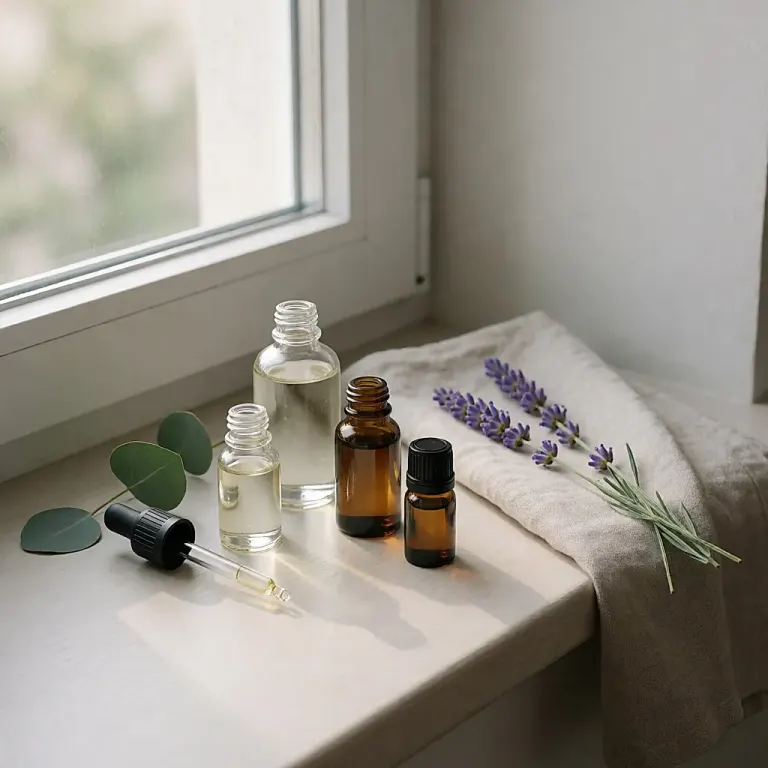
Never apply neat essential oil to the skin. These concentrates are oil-soluble and can burn or sensitise skin. Always dilute them in a carrier oil — sweet almond, jojoba, macadamia or hazelnut — and, for a bath, in a neutral foaming base, because oil does not mix with water. The right dilution depends on the oil, the area of the body and your own circumstances: ask your pharmacist. If you are pregnant, breastfeeding, taking medication or applying essential oils to a child, speak to a healthcare professional before opening the bottle.
What we know, and what we do not know yet
Current data suggest that many essential oils have antibacterial or antifungal activity. But beware the shortcut: an effect seen in a Petri dish does not translate directly to the human body.
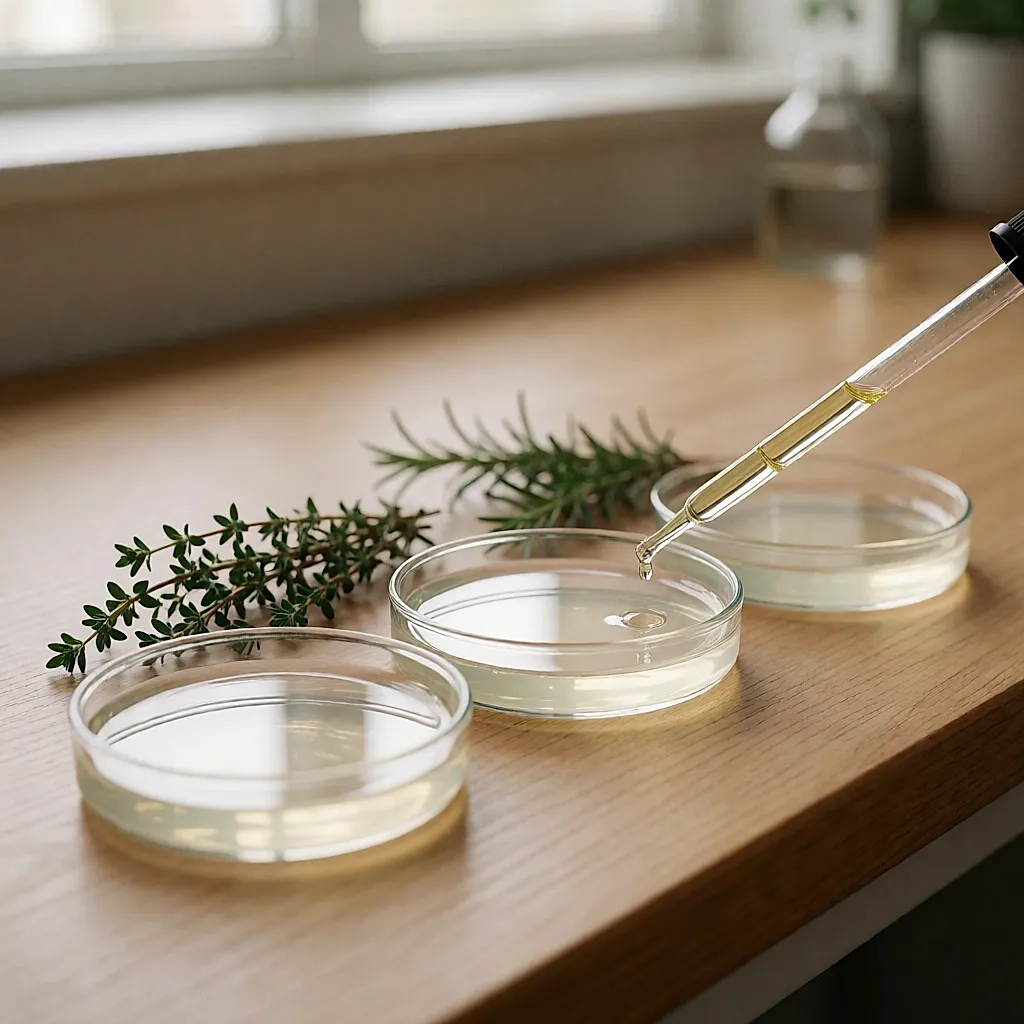
Robust clinical trials remain few and are often small. For lavender and anxiety in particular, the available studies do not yet allow a firm conclusion. Some uses have been studied, but the evidence remains limited or mixed, and it is not enough to recommend a specific oil for a specific health problem.
What we do know for certain is that these products are not harmless. Some can irritate or sensitise the skin, and some call for particular caution in sunlight or at high doses. The right reflex is to check the precautions for each oil with a pharmacist or healthcare professional, rather than relying on the word 'natural'.
Aromatherapy is not a medicine. It may support comfort, but it must never replace a diagnosis or treatment. And delaying a consultation because you are 'trying an oil' remains the real mistake.
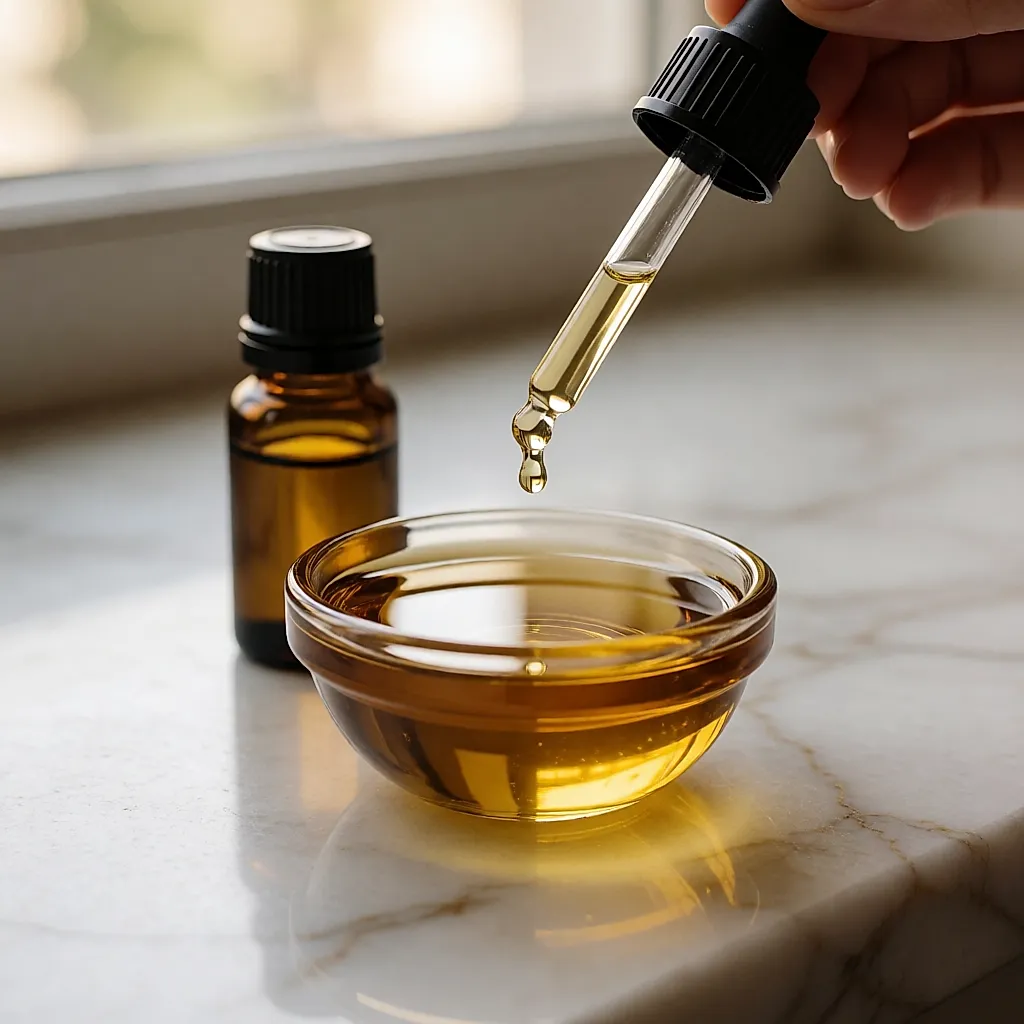
Three ways to use essential oils, and three cautions
With a diffuser, in practice people often advise short, intermittent sessions, in a ventilated room, never continuously. Avoid diffusing around a baby, someone with asthma or a pregnant woman, and leave out oils that are harsh on the airways, such as thyme or clove.
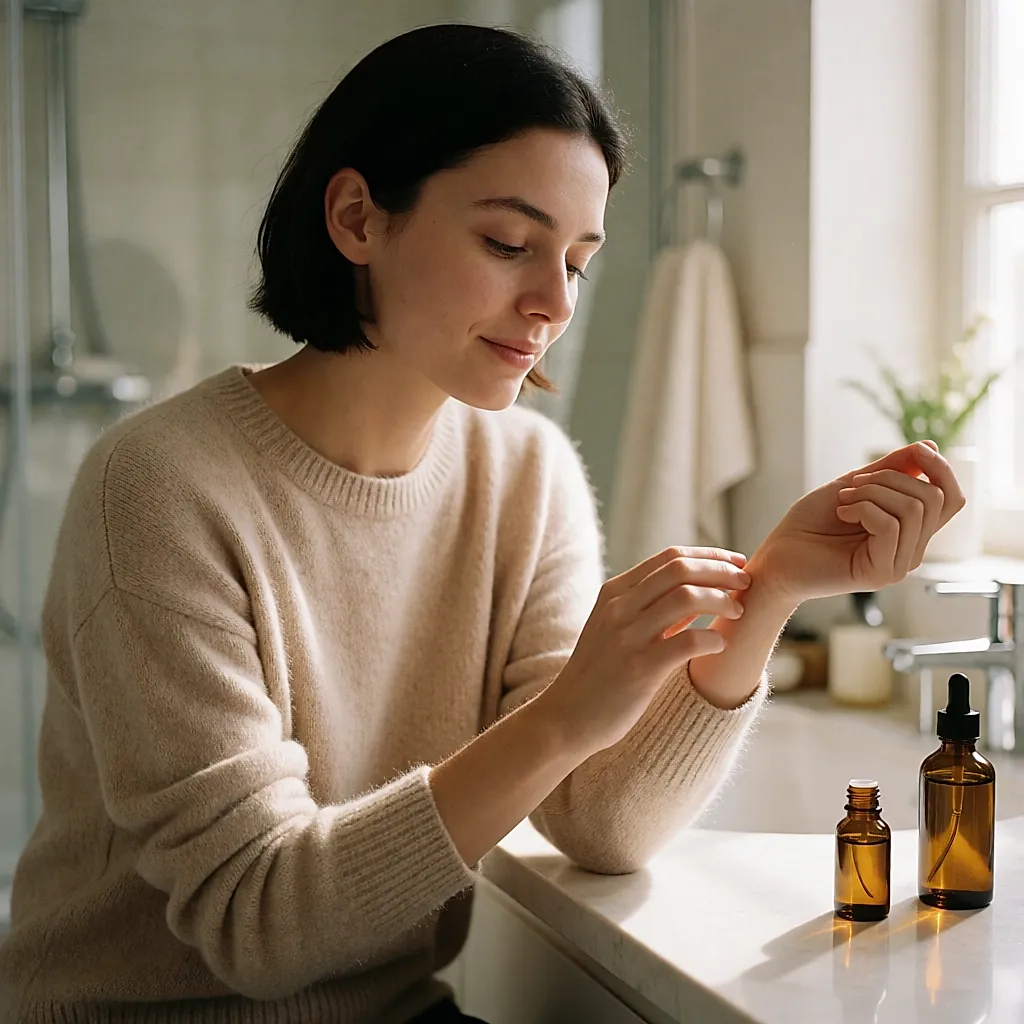
For skin use, everything goes through dilution in a carrier oil or neutral base, with a patch test on a small area before going further. Oral use is tightly controlled: many oils should never be swallowed, and swallowing a neat oil can burn the oesophagus. This is a matter for professional advice, not an improvised decision — in the UK, seek qualified advice.
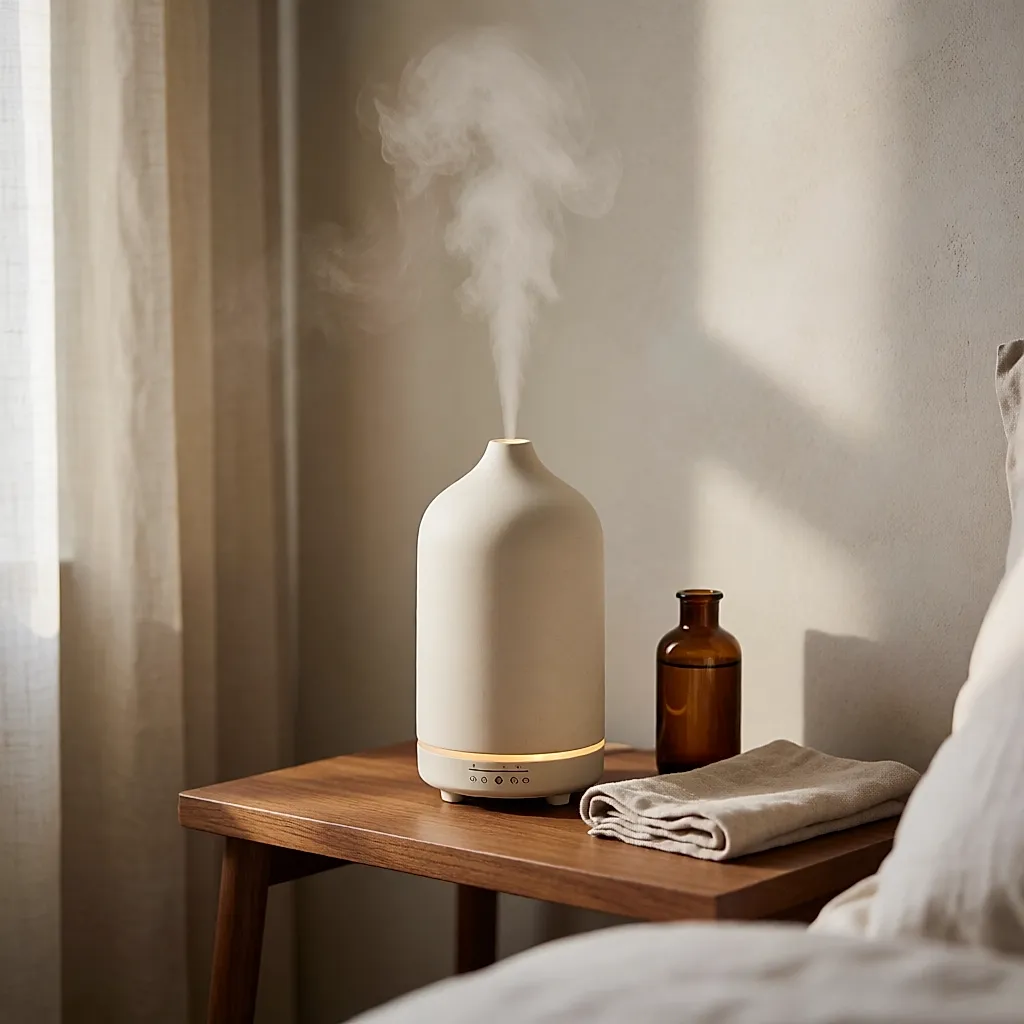
Some groups should always seek advice: children, pregnant or breastfeeding women, people with epilepsy or asthma, and anyone taking medication. Poison centres report household accidents involving essential oils, including cases where a young child has swallowed some.
Storing your bottles
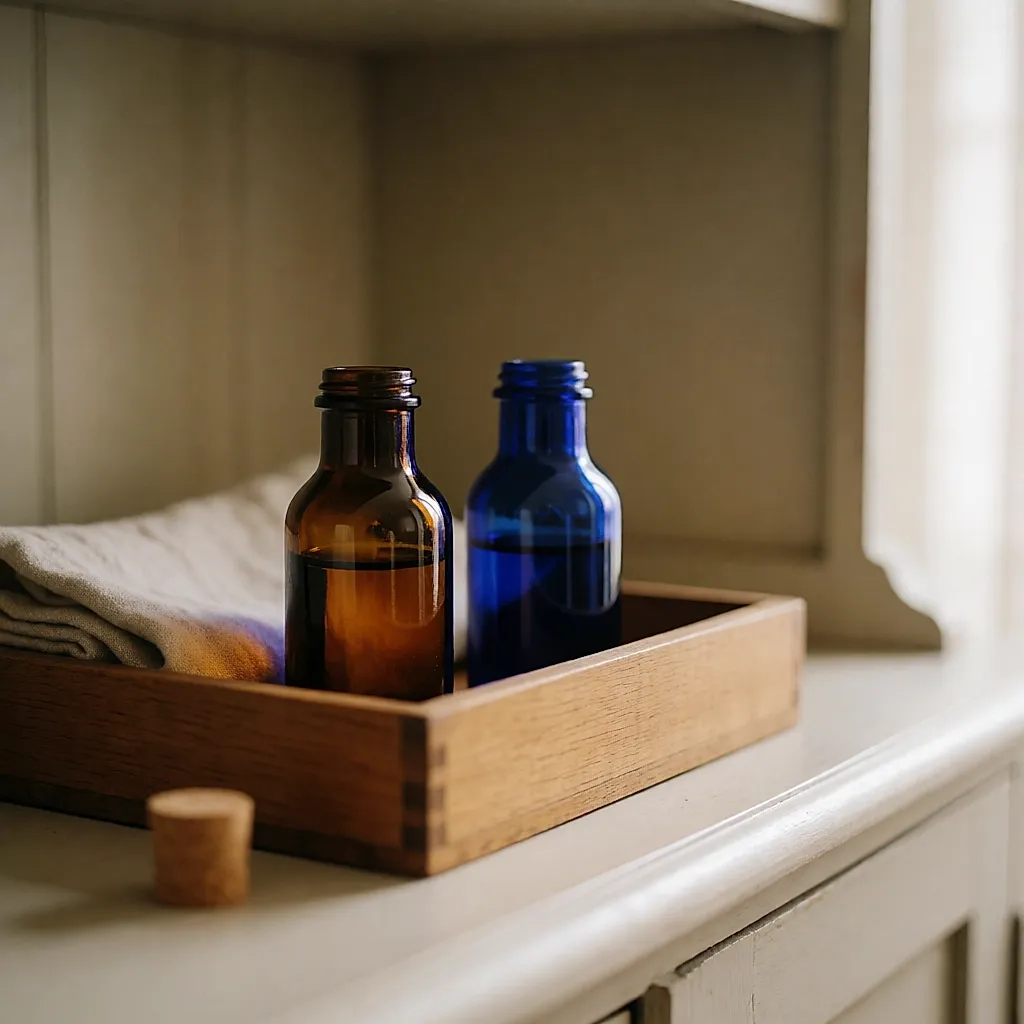
Tinted glass, tightly closed, away from light and heat: not on a windowsill or on top of a radiator. Citrus oils oxidise faster than others. A varnish or alcohol smell signals an oil that has deteriorated — and an oxidised oil is more likely to sensitise skin. Also avoid decanting into a soft plastic dropper.
Budget
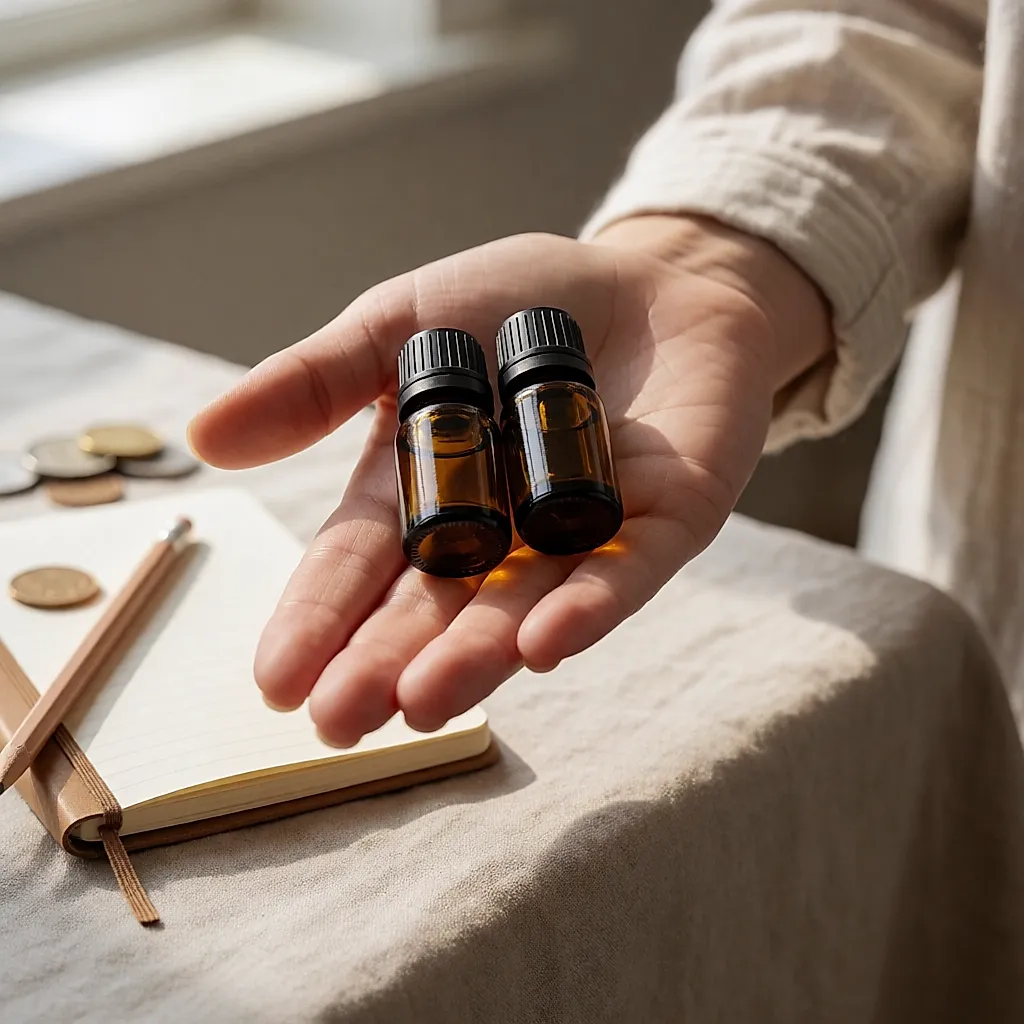
As a rough guide, common oils such as true lavender, tea tree, eucalyptus radiata and peppermint usually cost around £5–£15 for 5 or 10 ml. Rarer oils — Italian helichrysum, Roman chamomile, neroli and Damask rose — can reach tens of pounds for 5 ml, sometimes considerably more. The gap mainly reflects the plant's yield and the work needed to produce the oil.
As for equipment, an ultrasonic diffuser costs around £20–£50, while a nebulising model, which is more powerful and uses no water, is more like £60–£150.
Prices vary with species and chemotype, origin, organic certification, distillation quality and sales channel. In a pharmacy, you also pay for advice — a premium that can be worth it when you are starting out. Check that it is a pure, natural essential oil, not a fragrance oil or a diluted blend; some very cheap products may be diluted or adulterated. Compare price per millilitre rather than price per bottle, and favour an identifiable producer — such as Provence lavender or Corsican helichrysum — with batch analysis you can access.
For packaging, tinted glass is the logical standard: it protects the molecules from light and recycles easily. Some producers now offer refills or returnable bottles — an interesting route to less packaging when a local system exists.
Comments
Your opinion matters: rate the article, react and reply to comments.
Comments are moderated; AI-assisted comments are flagged. Text emoticons (8-), :-), <3…) are automatically shown as images.