
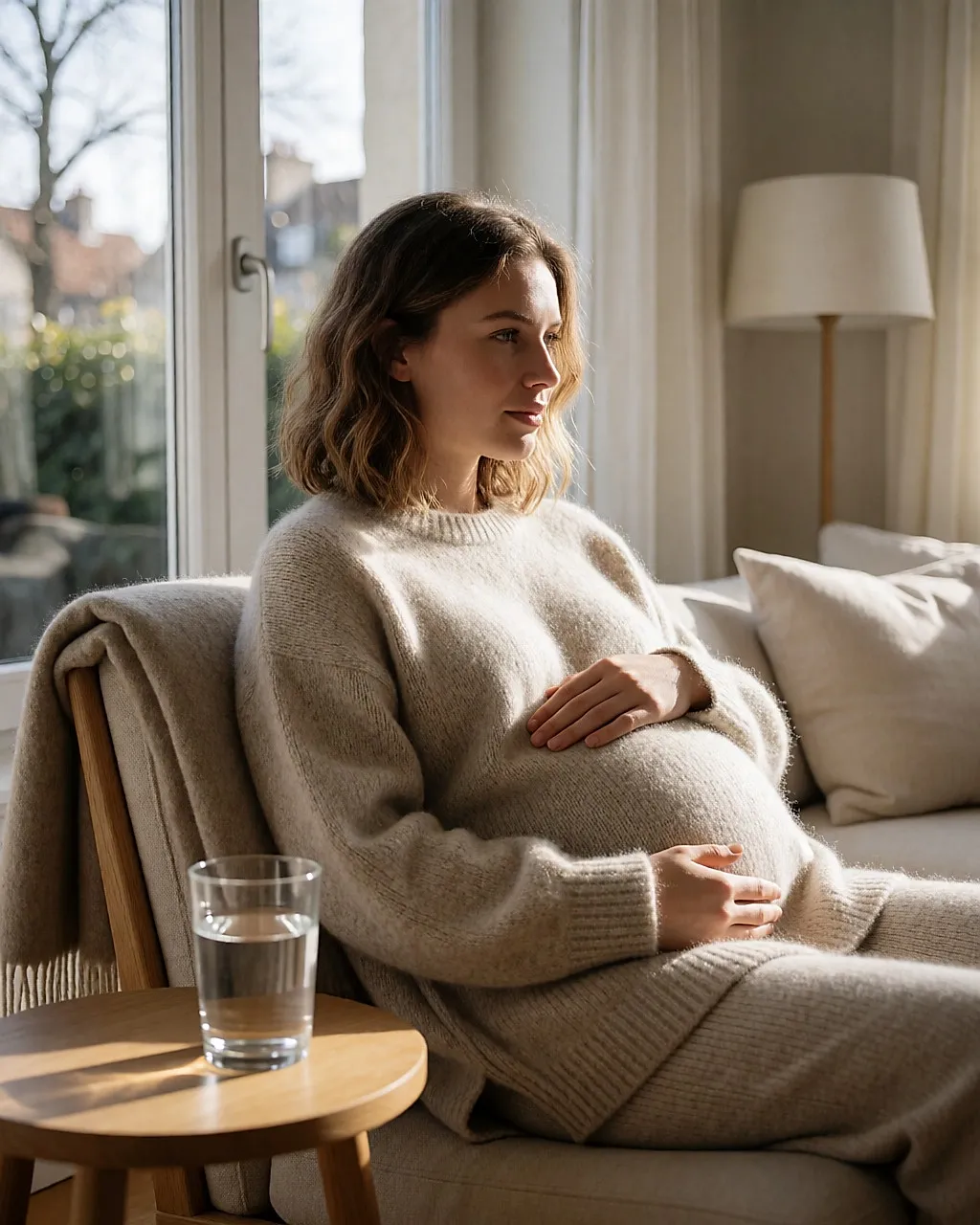
You’ve just found out, and now you’re replaying the whole day in your head: the morning coffee, the evening cheese, and that glass of wine shared over dinner, before you even had the faintest suspicion. When it comes to alcohol, smoking and medicines, the advice has long felt murky — but it is far clearer today than many people realise.
Alcohol: the only safe amount is none
For years, the idea lingered that one glass on a special occasion wouldn’t matter. Current evidence suggests otherwise. Alcohol travels through your bloodstream, crosses the placenta, and a foetus’s liver is far too immature to break it down.
In the UK, the official advice is that no alcohol is safe at any point in pregnancy. Foetal alcohol spectrum disorders (FASD) can affect children in ways that may not be obvious at birth, including growth problems, nervous system damage, and difficulties with attention and learning. None of this can be undone once the baby is born.
A useful benchmark: the UK’s Chief Medical Officers advise not drinking any alcohol at all during pregnancy. That means zero from the first day to the last, including while breastfeeding.
And if you had a drink before you knew? It happens very often, and it isn’t a failure. Talk to your midwife or GP, who can go through it with you.

Smoking: quitting, but not alone
The message has got through better, but it still isn’t solved: many women are still smoking in their third trimester. Smoking remains a major risk factor for premature birth, low birth weight and respiratory problems in babies.
It’s never too late: stopping at any point in pregnancy helps, even later on. And most importantly, you don’t have to rely on willpower alone. Nicotine replacement therapy (NRT) can be prescribed during pregnancy after advice from a professional, and the NHS Stop Smoking service can point you towards suitable support.
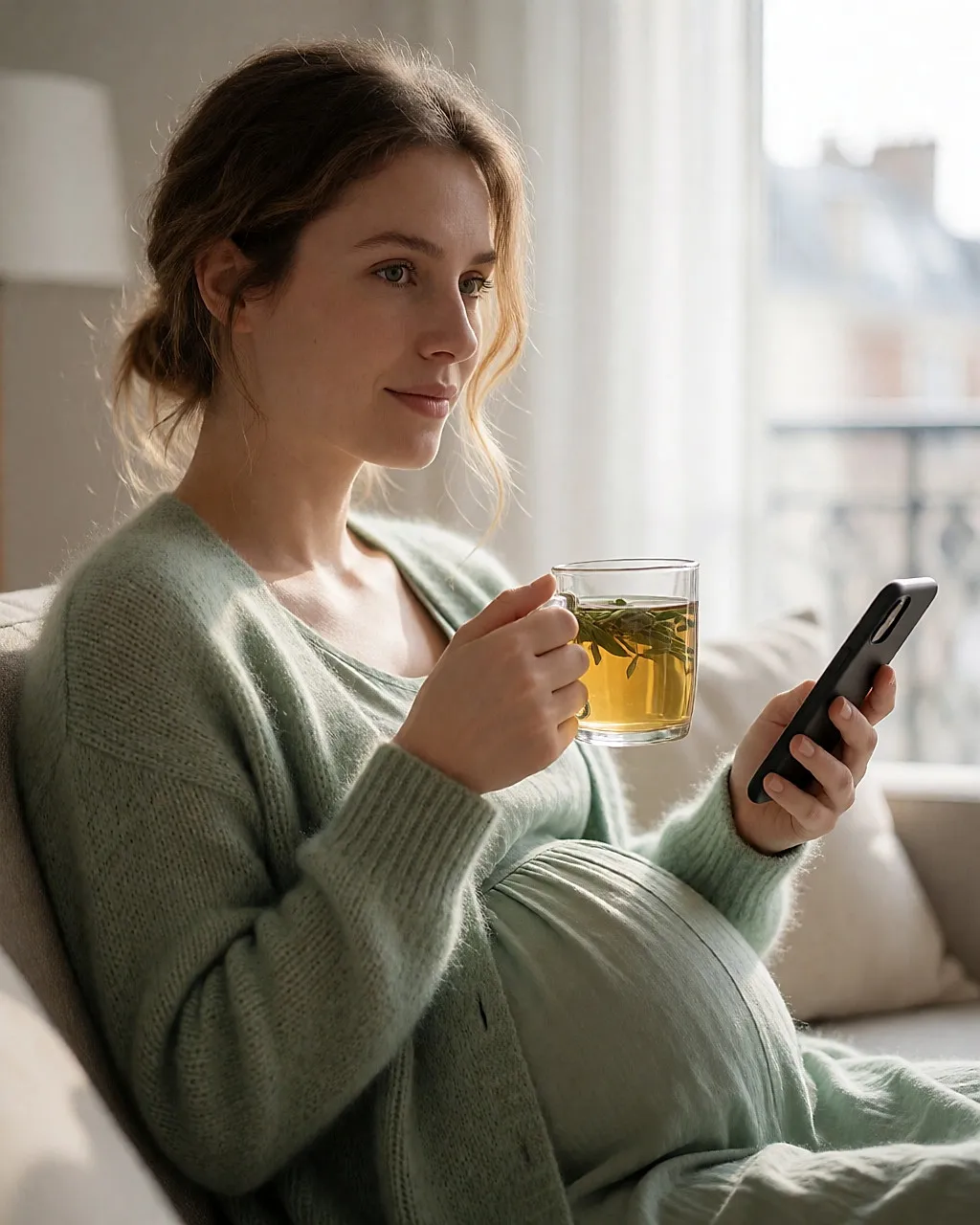
Medicines: no self-medicating, no stopping alone
Tranquillisers, sleeping tablets, antidepressants: these treatments act on the nervous system, and the foetus is exposed to them. But no medicine is completely neutral in pregnancy, including those you can buy without a prescription.

Two habits are worth more than a long list. Don’t start anything without speaking to a professional who knows your pregnancy. And don’t stop an existing treatment without advice either: untreated depression or anxiety can also affect the baby. The UK Teratology Information Service (UKTIS) and the Bumps website publish up-to-date information on medicines in pregnancy. Cannabis, for its part, is linked to lower birth weight and attention problems.
In practice: zero alcohol, zero smoking, zero self-medicating. Are you on a treatment? Don’t stop it alone — ask for an appointment. For support: Alcohol Change UK, the NHS Stop Smoking service, and your midwife, GP or maternity unit.
What we know, and what we don’t yet
These three exposures can affect a baby’s development — that is established — and no safe threshold has been identified for alcohol. For other substances, the long-term effects remain poorly understood. That is exactly why regular antenatal care matters more than certainty: every situation is looked at case by case, with a professional who knows your history.

Sources
- NHS — Alcohol and pregnancy (nhs.uk)
- NHS — Smoking and pregnancy (nhs.uk)
- UK Teratology Information Service (UKTIS) — Bumps: medicines in pregnancy (bumps.org.uk)
- NHS — Medicines in pregnancy (nhs.uk)
- NICE — Antenatal care guideline (nice.org.uk)
- Tommy’s — Pregnancy information and support (tommys.org)



Comments
Your opinion matters: rate the article, react and reply to comments.
Comments are moderated; AI-assisted comments are flagged. Text emoticons (8-), :-), <3…) are automatically shown as images.