

Say the words "bone marrow donation" and a familiar image tends to surface: major surgery, a needle pushed into the spine, something frightening. And yet, in practice, it is a far more carefully supervised and almost routine process than most of us imagine. So what does it really involve?
Bone marrow: the tissue we mix up with another
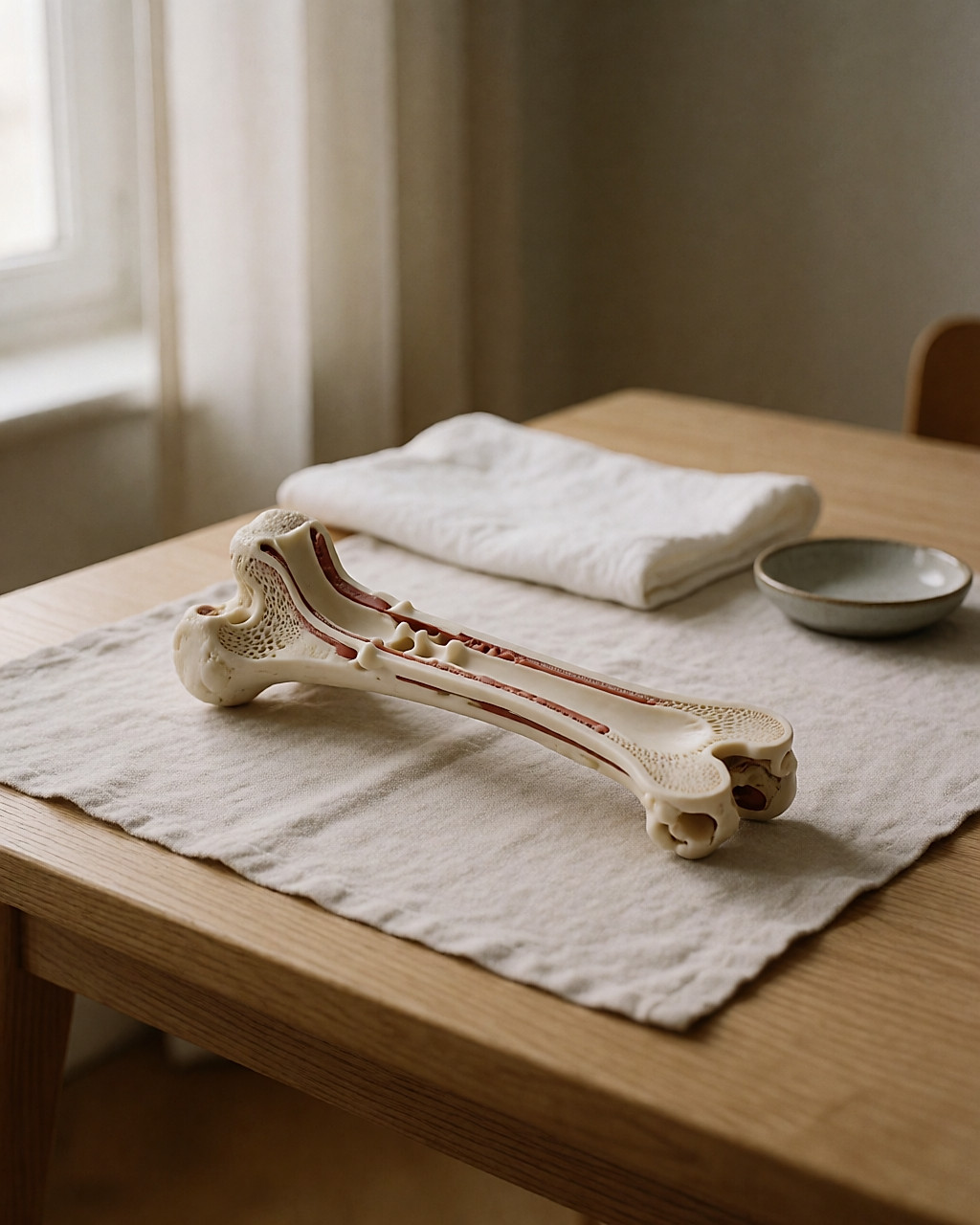
Let's start by clearing up a stubborn misunderstanding, because it explains a good deal of the fear: bone marrow has nothing to do with the spinal cord, the long bundle of nerves running down the spine. Bone marrow is a soft tissue held inside certain bones. This is where haematopoietic stem cells are made, and every cell in our blood derives from them — the red blood cells that carry oxygen, the white blood cells that defend us against infection, the platelets that stop bleeding. In short, a discreet factory running day and night without our ever giving it a thought.
The same stem cells are also found in umbilical cord blood, collected at birth. A precious resource, but one that covers nowhere near all the need. Which is why as broad a register of adult donors as possible matters so much.
When the factory stops
In some people, this internal factory malfunctions or shuts down. Among the possible causes: acute or chronic leukaemias, certain lymphomas, aplastic anaemia — where the marrow stops working — severe immune deficiency in infants, or an inherited fault in the way red blood cells are produced.
When standard treatments are no longer enough, a transplant may be considered. The aim? To rebuild an immune system that can work again. Current data suggest the outlook depends heavily on the timing of the transplant and on how well donor and recipient match — a match based largely on genetic markers, hence the need for a register reflecting a wide range of backgrounds.

How donation works in practice
Step one: join the national register. In the UK, that means Anthony Nolan, NHS Blood and Transplant or DKMS UK. Two techniques are used today. Collection through the bloodstream, or peripheral blood stem cell collection, after a few days of injections that move the stem cells into the blood — this is the most common route. And direct collection from the pelvic bones under general anaesthetic, still used in some cases.
The volume collected is decided by the medical team, largely according to the recipient's needs. Good news: marrow is living tissue and regenerates within a few weeks.

The risks, without sugar-coating
It all begins with an assessment: clinical examinations, blood tests, questions about your health and lifestyle. It isn't an interrogation, but a genuine weighing up of benefits and risks. An essential step, protecting donor and recipient alike.
Does it hurt? The main risk factors relate to the anaesthetic or to the procedure itself. Infections or trauma at the puncture sites are extremely rare, but they are not impossible. That is why follow-up is arranged before and after collection.
For the recipient, the transplant is prepared for with conditioning — chemotherapy or radiotherapy — that destroys the diseased marrow. During that window, the person no longer produces vital blood cells and becomes highly vulnerable. The transplant therefore has to happen quickly.
In the UK, you can usually join the register between the ages of 16 and 30 with Anthony Nolan, or 17 and 40 with NHS Blood and Transplant, and it costs nothing. All costs relating to donation are covered by the healthcare provider. Donation is never paid for.
In practice: how to get started
Get in touch with your nearest donation centre, or visit the Anthony Nolan or NHS Blood and Transplant websites. You can sign up, or simply ask questions before deciding — nothing commits you to donating on the day.
Demand remains high, particularly for people from certain ethnic backgrounds that are under-represented on the register. For anything to do with your own health, speak to a healthcare professional.
Sources
- Anthony Nolan — Bone marrow and stem cell donation, accessed 2026.
- NHS Blood and Transplant — Stem cell donation, accessed 2026.
- DKMS UK — Register as a stem cell donor, accessed 2026.




Comments
Your opinion matters: rate the article, react and reply to comments.
Comments are moderated; AI-assisted comments are flagged. Text emoticons (8-), :-), <3…) are automatically shown as images.