

“Holistic” is everywhere at the moment, and it comes with a fair amount of vagueness. On social media, it’s sometimes used to sell a five-step routine with a free shaker. In reality, the idea behind it is quite simple: your sleep, your diet, your movement, your mental health and even your hair don’t run in separate folders. What’s really taking off isn’t a new method — it’s the desire to stop tackling every problem on its own.
What’s trending, and what actually holds up
Three trends keep coming up in conversation, and they’re not all equally solid.
First, linking causes rather than symptoms. Persistent fatigue, changing skin, thinning hair: people are looking for what connects the signs instead of treating them one by one. That’s healthy, as long as you don’t jump to a ready-made conclusion. Then there’s the return to basics, better explained: morning light, meals at regular times, walking, breathing. Nothing spectacular, but that’s already a lot! And short routines — ten minutes of movement, a meal prepared the day before, a consistent bedtime. The idea of a total transformation is losing ground to that of a sustainable step.
That’s why we’re talking about it without trying to sell you anything: what holds up in all this isn’t the promises, it’s the foundations.
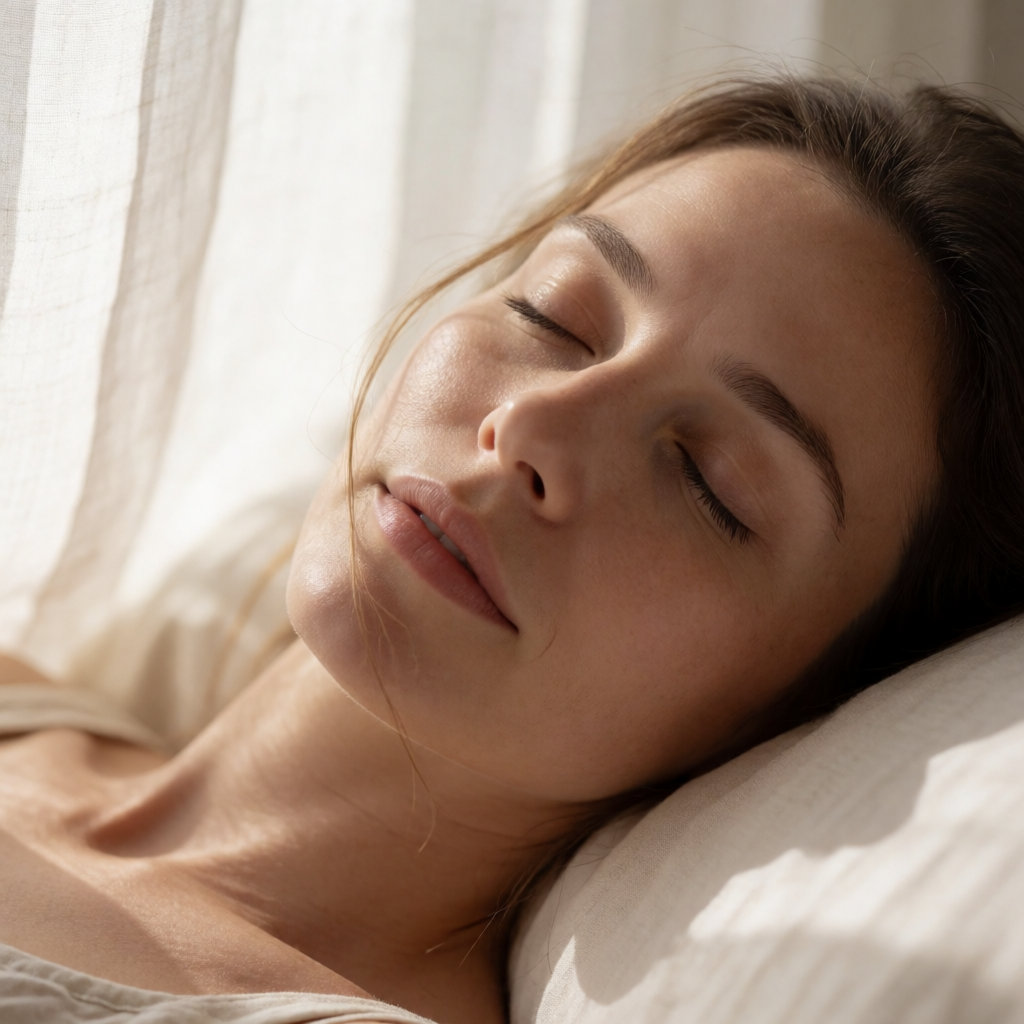
Sleep: the building block everything else uses
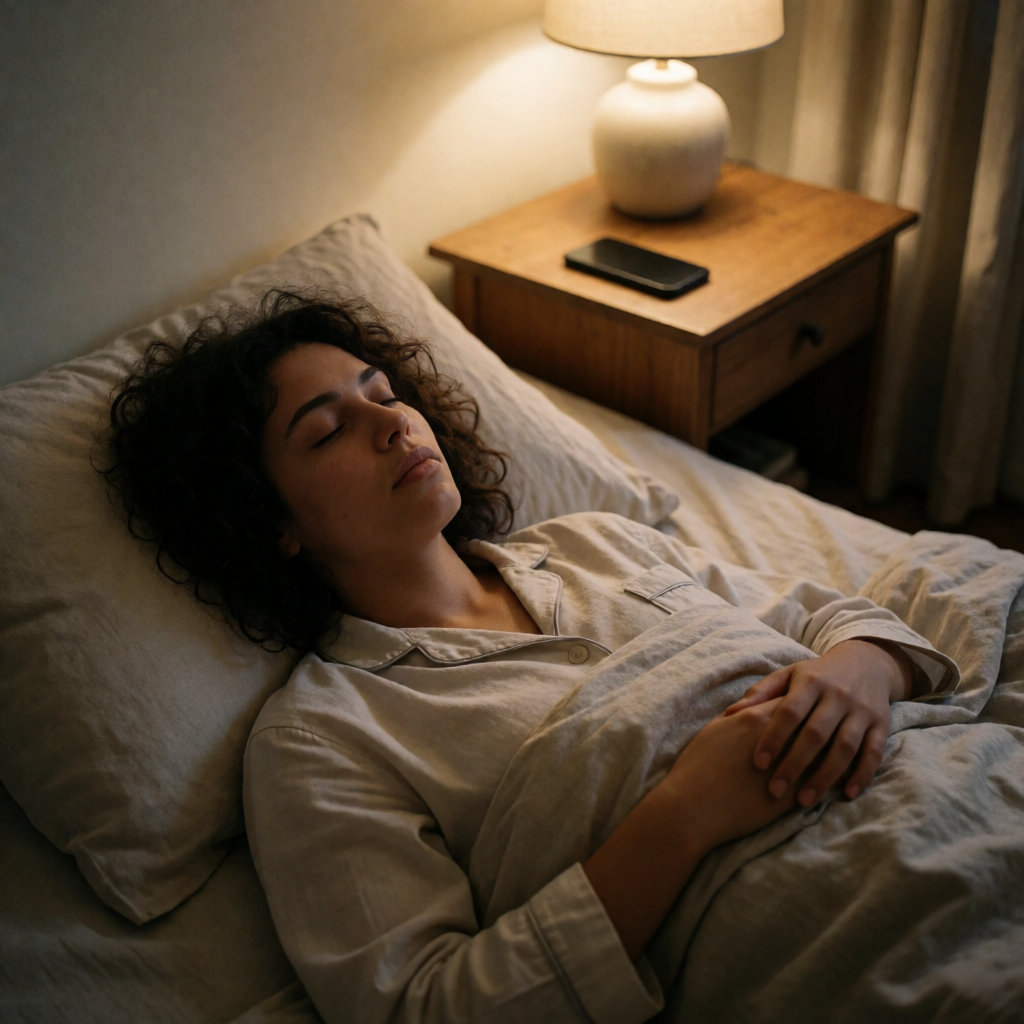
Current evidence suggests that sleep is an important entry point. It influences appetite, recovery, mood and concentration. In practice, it comes down to rather unglamorous things: broadly consistent hours, less bright light in the evening, and keeping your phone out of bed if you can.
What we don’t yet know for certain is why some people cope very well on little sleep and others don’t. So be wary of one-size-fits-all recipes. If you snore loudly, wake up exhausted despite getting enough sleep, or if falling asleep has become a nightmare, speak to your GP or another healthcare professional: it may be worth a proper assessment.
Your plate: build rather than count
The current trend is no longer about counting calories but about composition. Does your plate contain enough fibre, protein and healthy fats? Are you eating at roughly regular times?
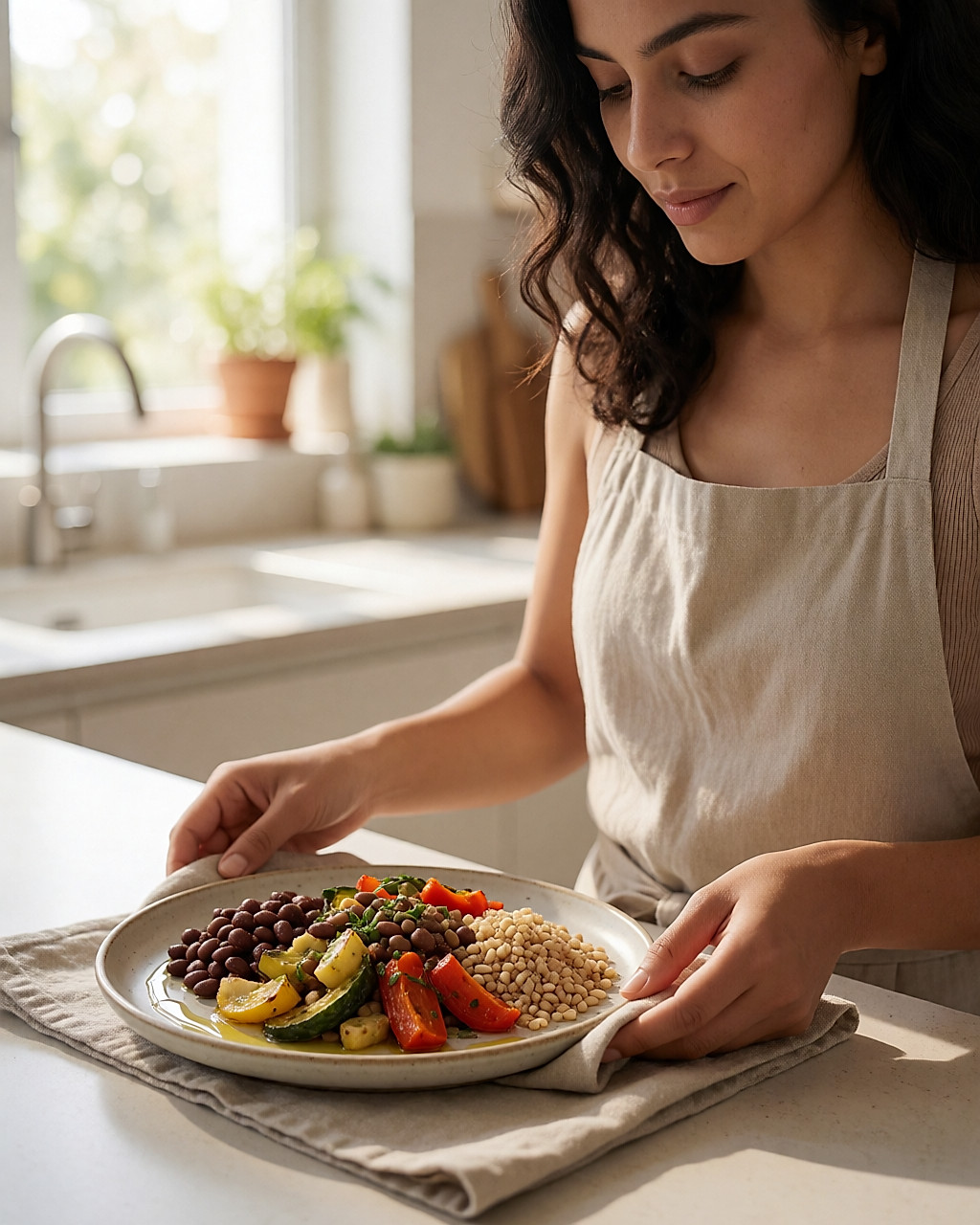
Food doesn’t need to be perfect to be useful. Official UK guidance, such as the NHS Eatwell Guide, emphasises vegetables and fruit, pulses, wholegrains and reducing ultra-processed foods. No single food, eaten on its own, changes a situation. It’s the overall pattern that counts.
Movement: the least spectacular is the most useful
Moving a little every day beats one big effort a month. Walking, taking the stairs, carrying your shopping, stretching between two hours of sitting: WHO and UK physical activity guidelines point the same way, and remind us of something often forgotten — sitting for long periods is a risk factor in its own right, even if you exercise as well.
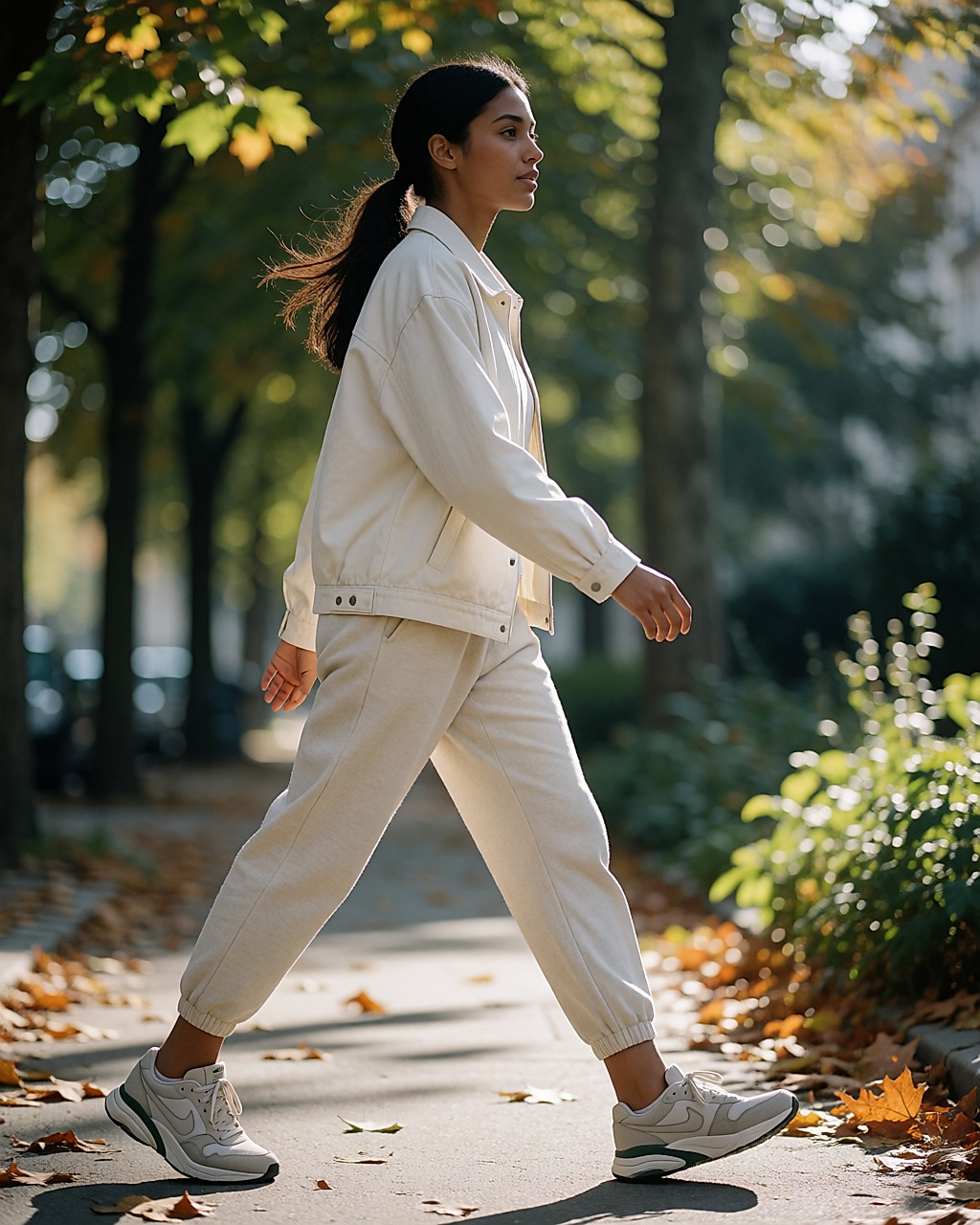
If you’re starting again, begin with what you’re able to repeat next week. Not with what looks impressive on social media.
Mental health: the thread that connects everything
Chronic stress doesn’t stay in your head. It affects sleep, digestion, appetite and blood pressure. This is probably where the word “holistic” makes most sense.
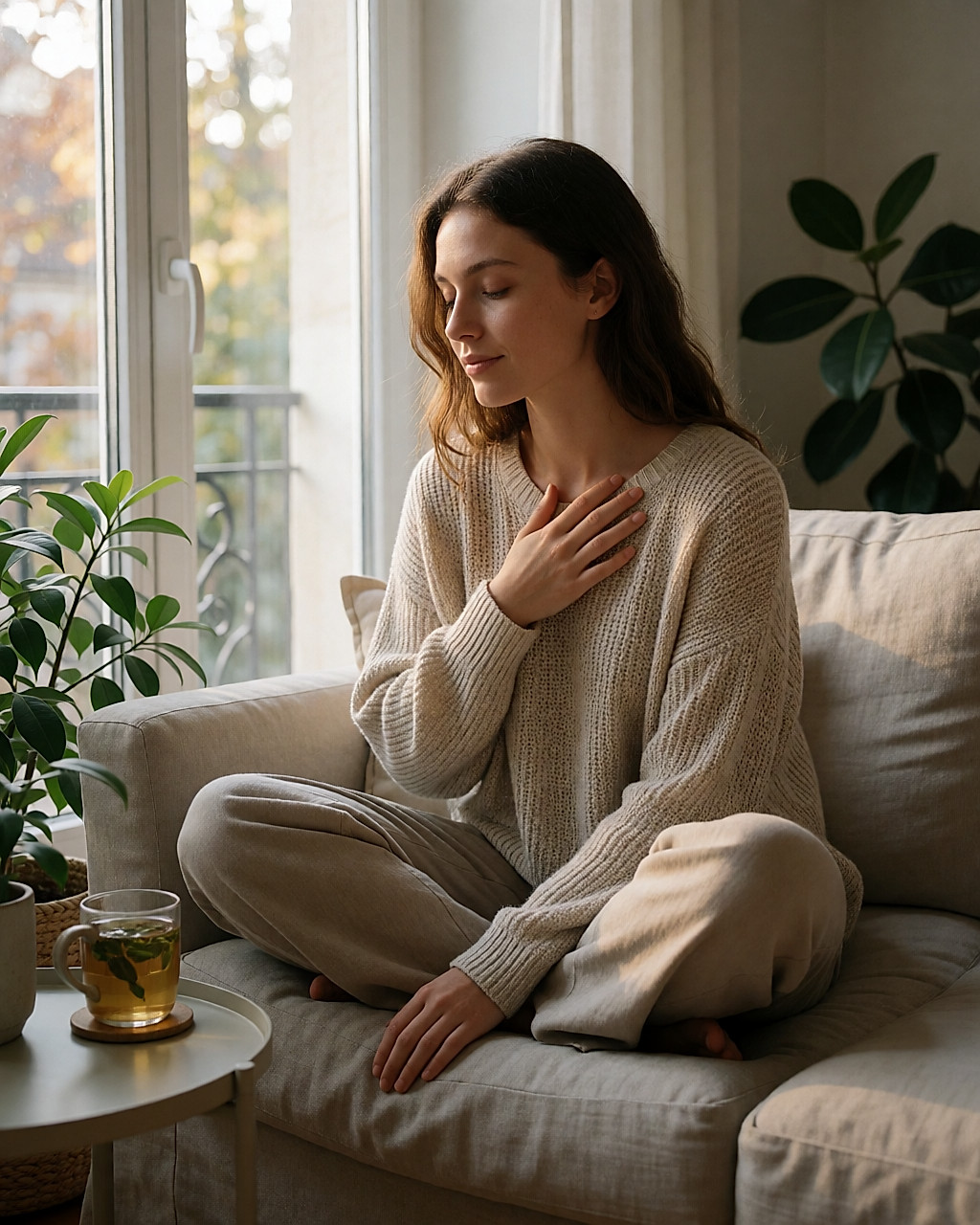
The approaches with the most evidence remain modest: regular physical activity, social contact, time outdoors, slow breathing techniques, and above all appropriate support when things become overwhelming. None of these replaces medical care.
Hair: a signal, not an inevitability
Hair health has become a much-discussed topic. And this is where you need to be most cautious. Hair loss can have very different causes: deficiency, hormonal imbalance, significant stress, thyroid disease, androgenetic alopecia, or simply a seasonal cycle.
Unusual, persistent or patchy hair loss isn’t solved with a supplement found online. See your GP or a dermatologist before piling on products: it’s the only way to know what you’re actually treating.
Budget: what it really costs
The trap with holistic wellbeing is that you can quickly spend a fortune. Yet the essentials cost nothing: walking, morning light, consistent hours.
For the rest, costs vary. A generic supplement (magnesium, iron, vitamin D) can be bought from a pharmacy or supermarket: expect around £7 to £20 for a month, and up to £35 for targeted or certified organic formulas — but without medical advice, it’s often unnecessary. Meditation or sleep-tracking apps cost around £4 to £13 a month, with free versions that are more than enough to try them out. A dermatology appointment on the NHS is free at the point of use, though waiting times vary; privately, expect around £150 to £250 for an initial consultation. Private psychology or therapy sessions are often £50 to £120, while NHS talking therapies are free and can be accessed via your GP or self-referral.
For staples bought loose or from a health food shop, £13 to £25 will already give you a decent base (nuts and seeds, pulses, wholegrains). A sleep mask, earplugs, a notebook: £4 to £25. A new mattress, however, is another matter — several hundred pounds if yours is over ten years old.
Where to start
You don’t need to change everything at once. In practice, remember this.
Choose one lever — sleep or walking, for example. Stick with it for three weeks before adding another. Notice what shifts elsewhere, without forcing a connection. Keep a simple record: two lines a day is enough. And if a symptom persists, see a healthcare professional rather than piling up experiments.
What we know, and what we don’t yet know: connecting different areas can help you understand yourself better, but it doesn’t replace a diagnosis. Useful holistic thinking is the kind that helps you ask better questions of a professional — not the kind that promises to solve everything on its own.
Sources
- NHS — Sleep and tiredness, accessed in 2026.
- NHS — The Eatwell Guide, accessed in 2026.
- UK Chief Medical Officers — Physical activity guidelines, accessed in 2026.
- World Health Organization — Physical activity, accessed in 2026.
- NHS — Hair loss, accessed in 2026.
Food supplements do not replace a varied, balanced diet and a healthy lifestyle.



Comments
Your opinion matters: rate the article, react and reply to comments.
Comments are moderated; AI-assisted comments are flagged. Text emoticons (8-), :-), <3…) are automatically shown as images.