
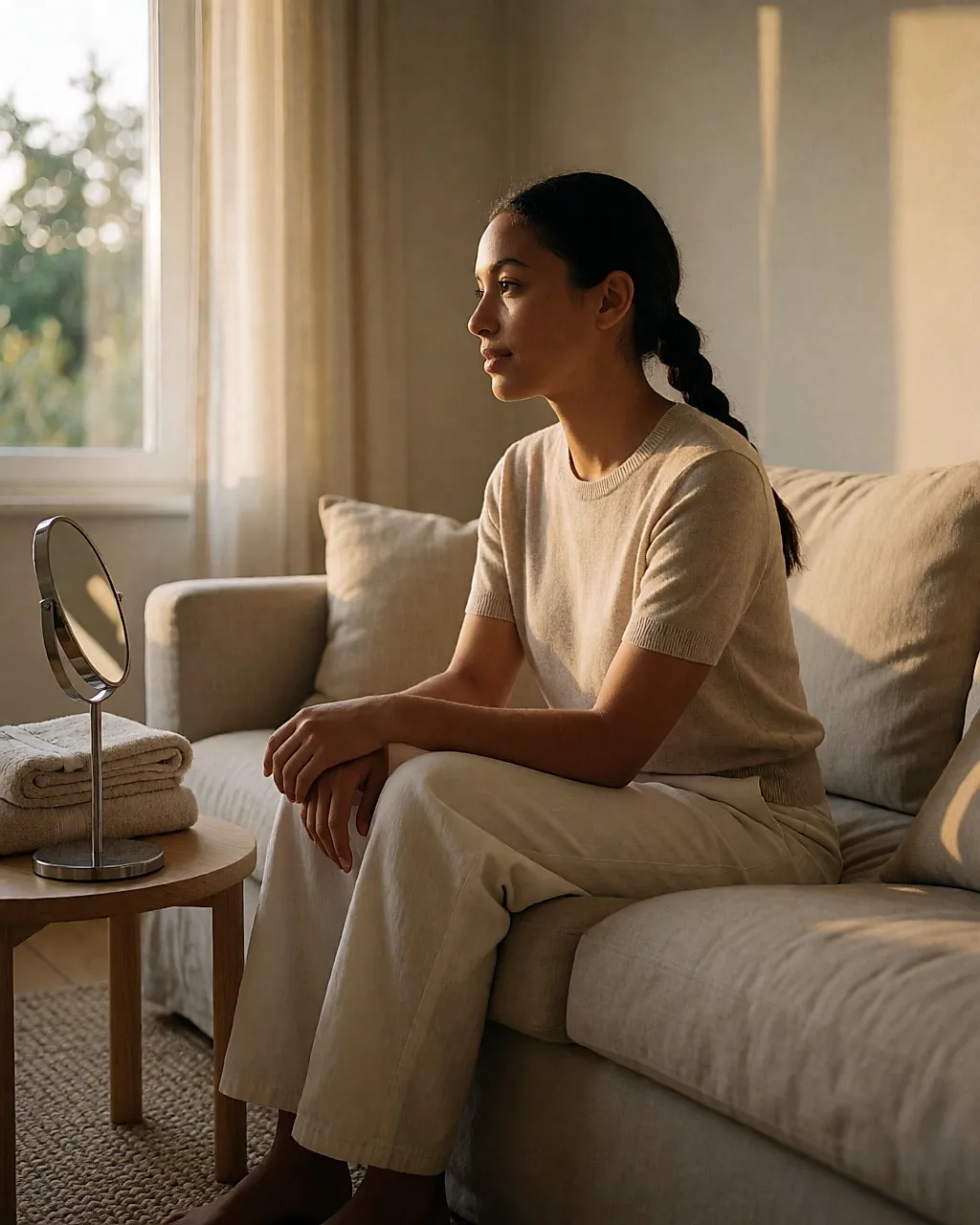
It's 7.30pm, your bag's just landed on the sofa, and the idea of heading back out to a restaurant already feels like a lot. But another night alone in front of a box set isn't tempting either. That's the sweet spot the after-work beauty party fills: your living room turns into a mini salon, you invite two or three mates round, and everyone leaves with a fresher complexion and a plait that actually holds.
How it works: your living room becomes a mini salon
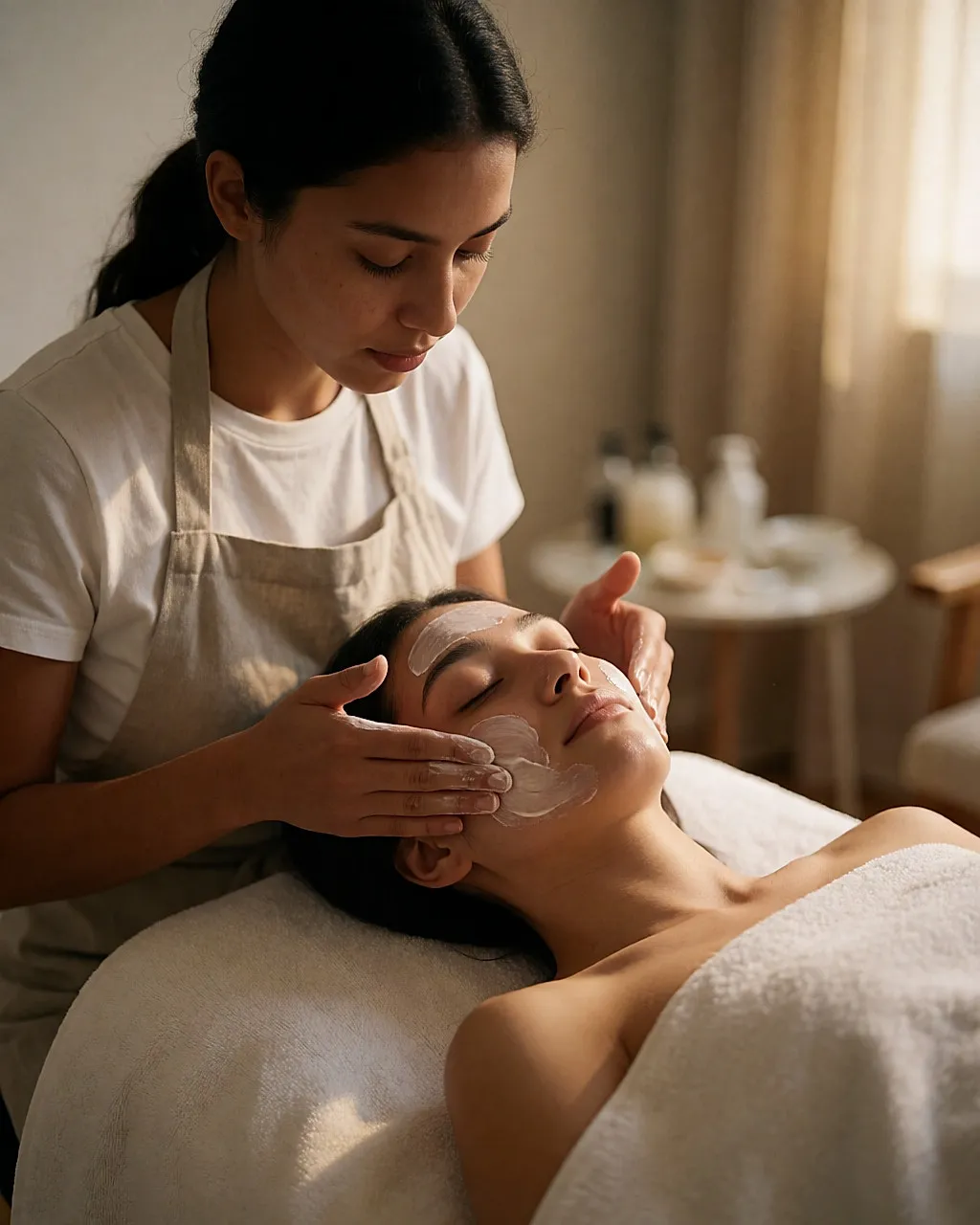
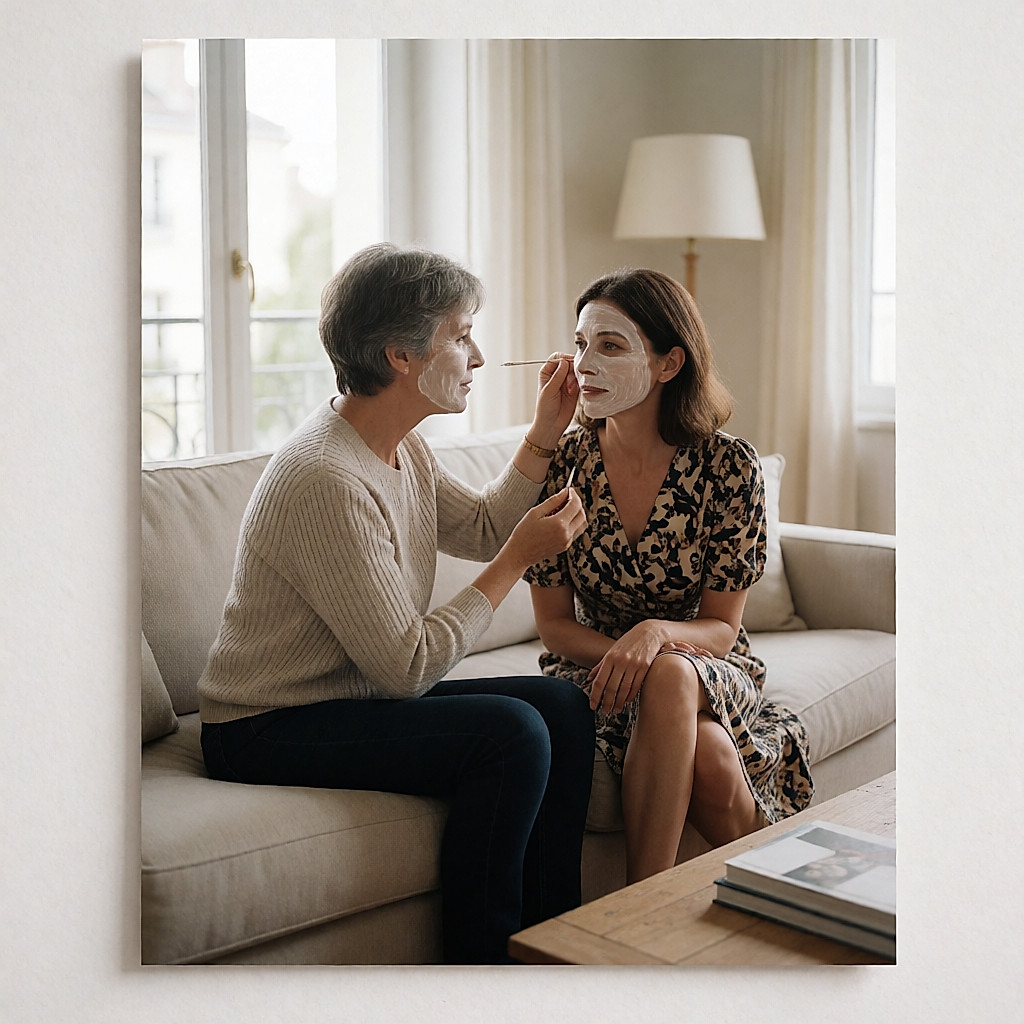
There are three set-ups, and they combine without any drama. You bring in professionals — a hairdresser, a beauty therapist, a wellbeing massage practitioner. Or you run it as a DIY session between friends, leaning on whoever can do a French plait or a flick of eyeliner. Or you mix: a pro on hair, you and the others on everything else.
A quick note on wording, because it causes real confusion: a wellbeing massage is not a medical treatment. A physiotherapist is a regulated healthcare professional. If a pain has been dragging on for weeks, a beauty party isn't what you need — you need to see a doctor.
Why does it work? Because nobody's watching the clock, nobody's judging how you look at the end of the day, and the ritual is shared rather than endured.
What to sort before everyone arrives
- Count heads. More than six? Plan 20-minute slots.
- Block out the time. 7pm–10pm on a weeknight is three treatments.
- Set up one fixed station: a chair, a table, a plug, a lamp, a mirror.
- Get the kit out: clean towels, reusable cotton pads, a sheet, a laundry basket.
- Check qualifications and professional indemnity insurance before you book.
For hair, the detail isn't a small one. In the UK there's no national licence or protected title for hairdressers or beauty therapists, so the due diligence falls on you. Ask what training they've done, and don't be shy about it.
Wellbeing: what actually makes a difference
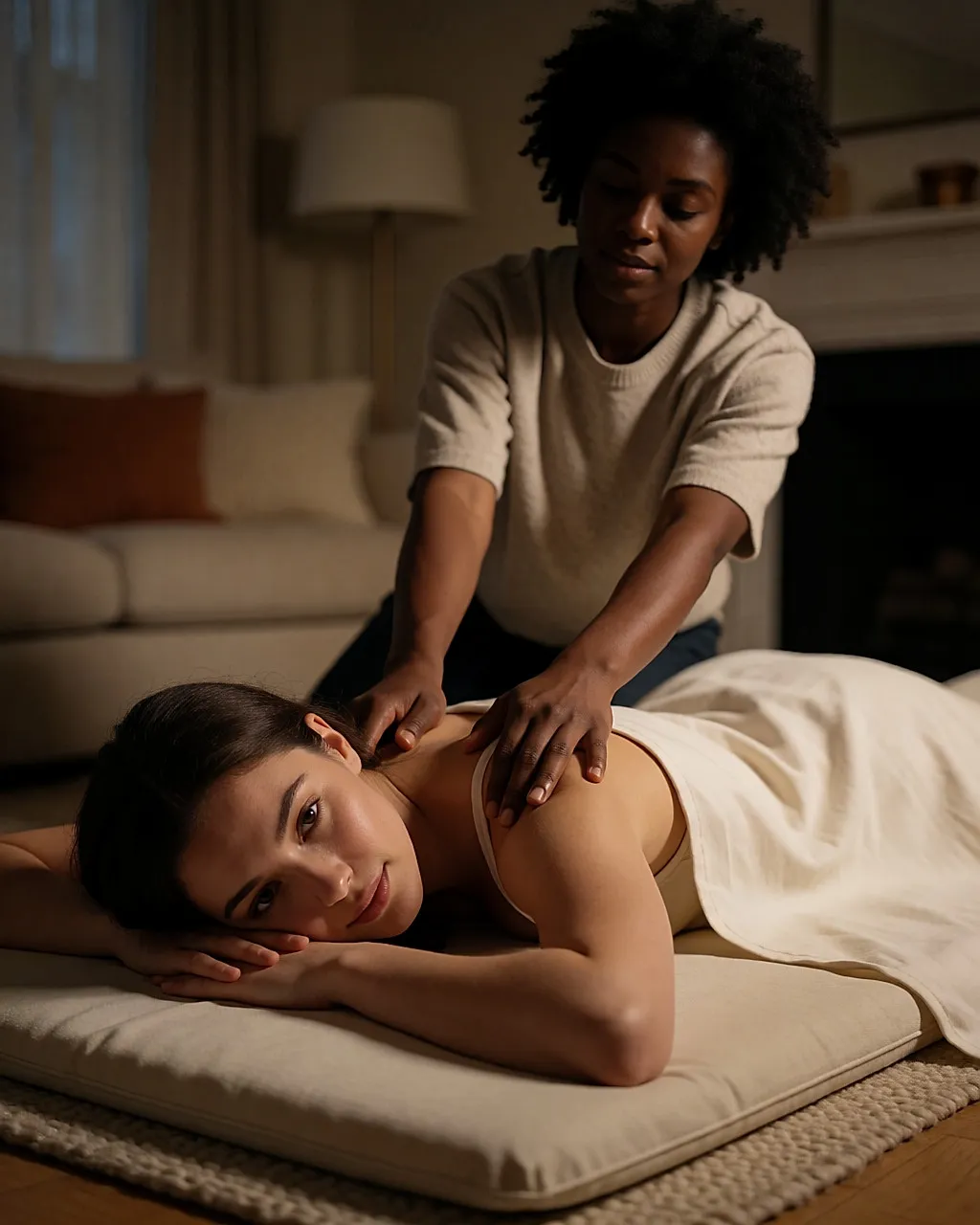
Let's not kid ourselves. One beauty evening doesn't undo three weeks of short nights. Factors that can affect tiredness include shift work, screen light late in the evening and alcohol. Many people find an hour-long massage relaxing — and that's already a lot.
Two precautions, then. Don't massage an inflamed area or varicose veins. If you're pregnant, check with your midwife or GP first. And if you've had a drink, don't drive: sofa or taxi, never the car.
Budget
In the UK, for a home visit, count roughly £40–£80 per person for a 45–60 minute hair or beauty treatment, and £50–£90 for a one-hour massage. Prices shift with the city: London and other big cities sit at the top of that range, smaller towns at the bottom. Duration matters too — a longer treatment or extra styling pushes you towards the higher end — and evenings or weekends usually cost more. For groups, many practitioners charge a minimum call-out or a group rate: with four to six people, the per-person price can ease slightly, but the total rises, so ask for the group quote before you lock in a slot. Treatments can be booked directly with a self-employed practitioner or through a booking platform. Products, meanwhile, are stocked by pharmacies, health food shops, supermarkets and online — and prices differ noticeably between them.
Products: the criteria I check
I'm giving you criteria, not a ranking — I haven't tested these over several months.
For massage, an organic plant oil in a glass bottle. Look for an organic certification you trust, such as Cosmos Organic. End of life: recyclable glass, no plastic pump.
For the face, a mask in a glass jar or a refill — refills save you a fresh container every time. Keep the ingredient list short, and skip added fragrance if your skin reacts easily.
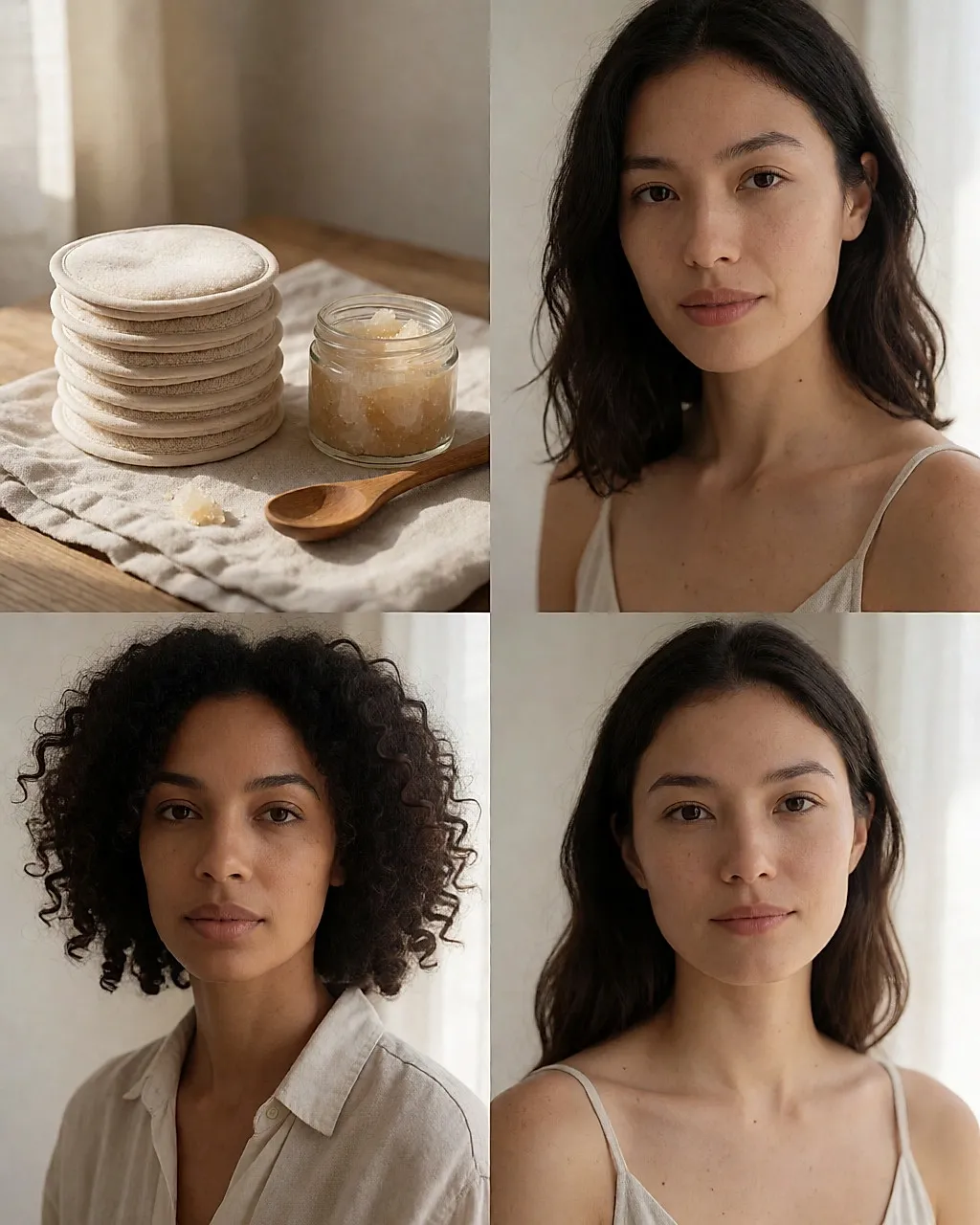
For cleansing, washable organic cotton pads. They replace a good number of disposable ones. Wash them after each use, following the manufacturer's instructions; a hot wash is often recommended.
A homemade sugar-and-oil scrub costs next to nothing. Without a preservative, a DIY mix can become contaminated if water gets into it; make it in small batches, keep it chilled and use it quickly.
Your checklist before you invite a pro into your home
- A recognised qualification for hair, verifiable training for everything else.
- Proof of professional indemnity insurance.
- Equipment disinfected between clients.
- A simple written agreement: price, duration, number of people.
- Depending on the type of booking, you may have a right to cancel; exceptions exist, in particular for services booked for a specific date or period. Check the terms.
Sources
- legislation.gov.uk — Consumer Contracts (Information, Cancellation and Additional Charges) Regulations 2013 (right to cancel).
- Citizens Advice — cancelling a service you've bought.
- NHS — Sleep and tiredness; Every Mind Matters (nhs.uk).
- NHS — Complementary and alternative medicine (nhs.uk).

Comments
Your opinion matters: rate the article, react and reply to comments.
Comments are moderated; AI-assisted comments are flagged. Text emoticons (8-), :-), <3…) are automatically shown as images.