
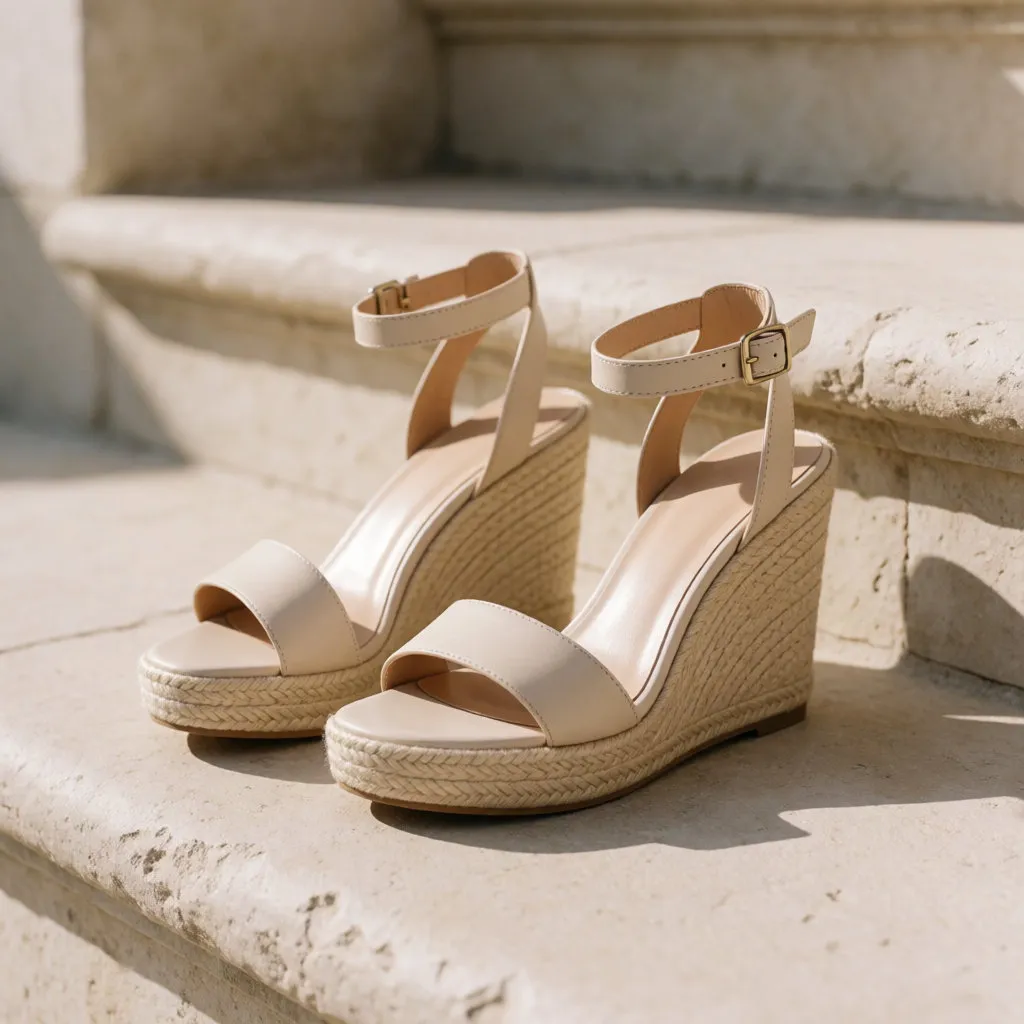
You may have banished yours to the back of the wardrobe after a night out that ended badly: three hours on your feet, burning soles and a vow never to do it again. Yet the platform shoe is making a comeback, and not just on the catwalk. This season it comes in a version you can genuinely wear from morning to night without ending the day barefoot on the Tube.
Why high soles are back
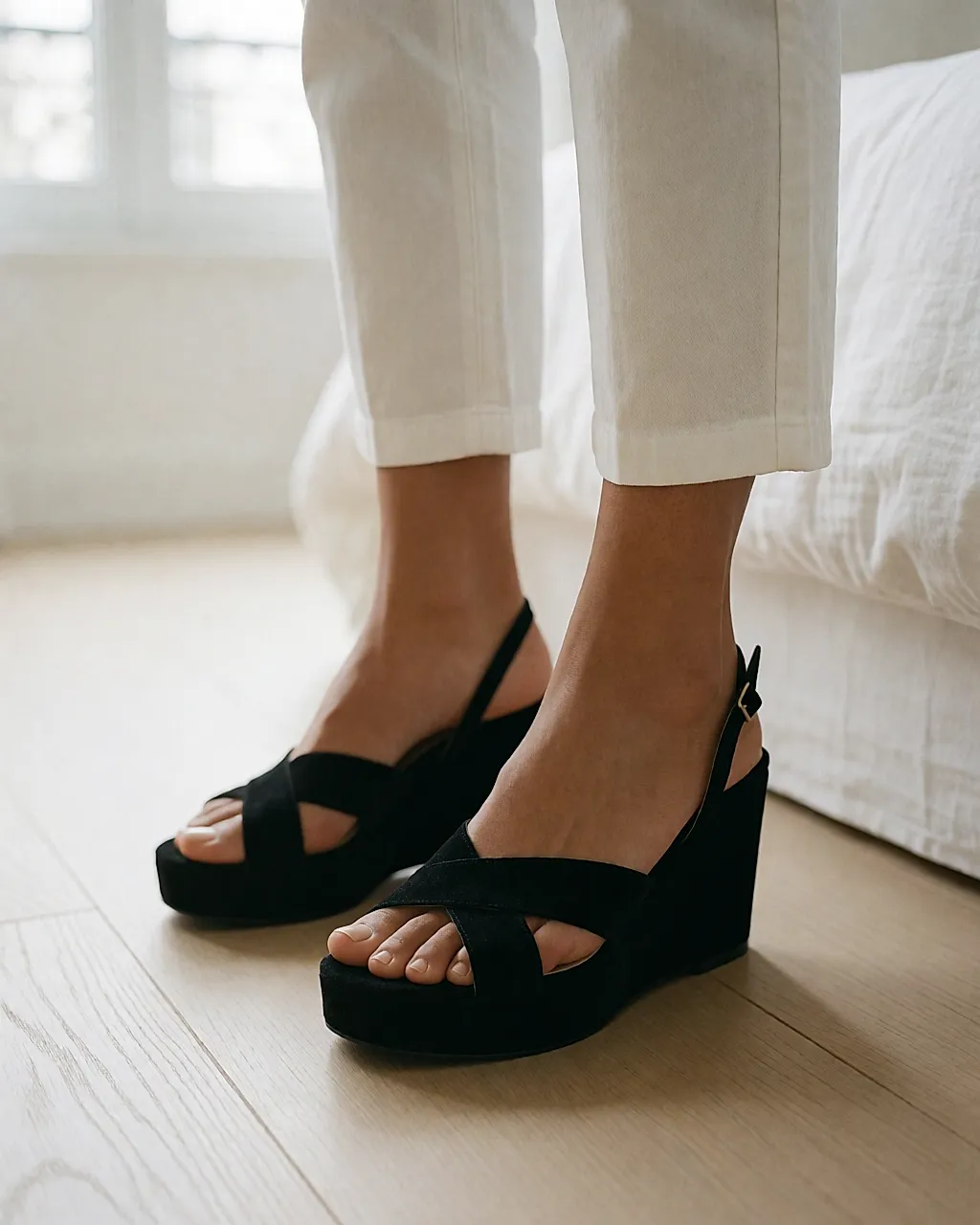
The idea can be summed up in one sentence, which is exactly why it works. A platform has a sole that rises as a single block beneath the whole foot, heel and forefoot included. The incline is spread across the sole, the arch is better supported than it is in a thin heel, and the angle feels less severe. Brands working on comfort have taken note: the platform has established itself as a credible alternative to the stiletto.
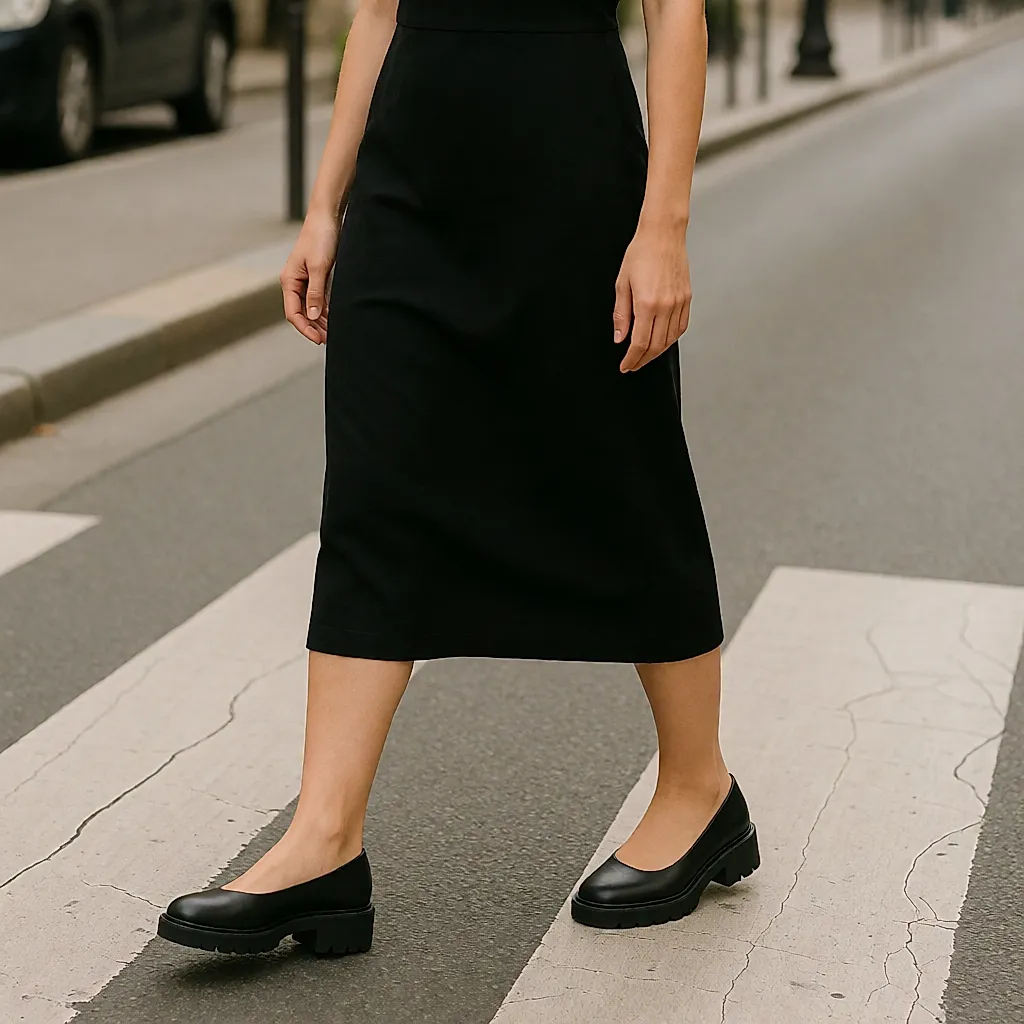
Context matters too. After years dominated by flat soles and trainers, we are asking for height again, but without giving up comfort. The calf looks longer, the silhouette stands taller and, paradoxically, you feel more stable and grounded. It is the compromise many people were looking for without quite admitting it.
What makes a good platform
Before you buy, check three things. Height first: the higher the sole, the more attention every step demands, especially if it is rigid. The arch comes next: a flexible insole, sometimes latex-lined, makes a real difference over time. Support last: an ankle strap, or straps that wrap around the foot, stops the heel from slipping and helps limit rubbing.
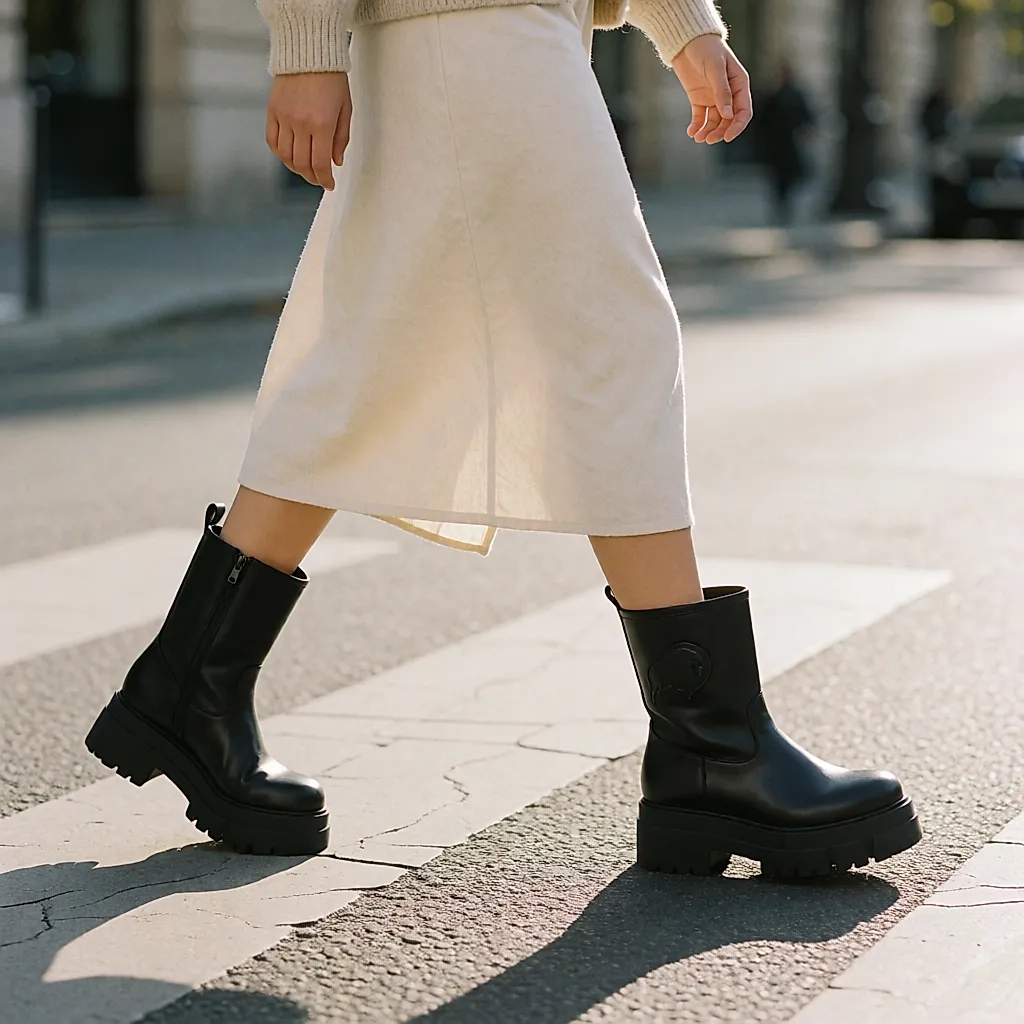
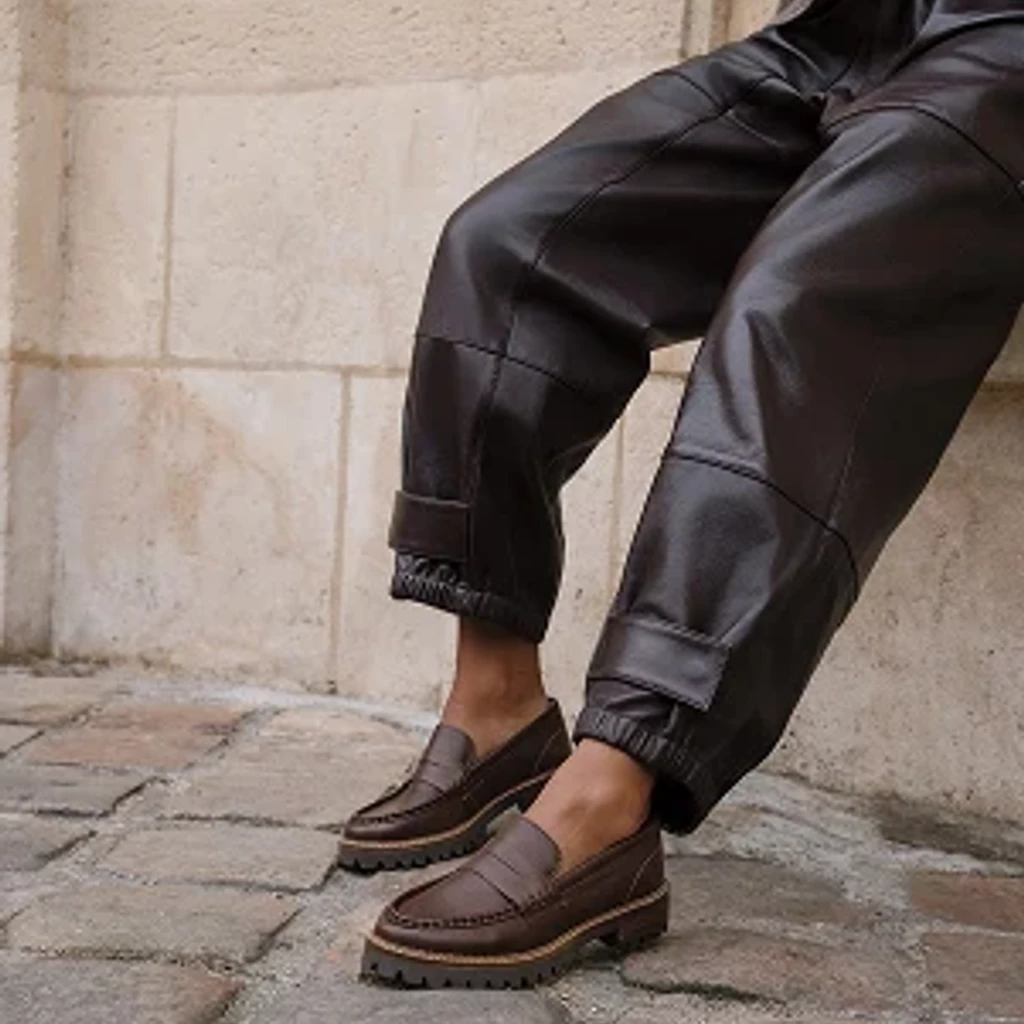
The one move that changes everything is to test flexibility in the shop. Bend the sole between your hands. If it does not budge a millimetre, your foot will not either.
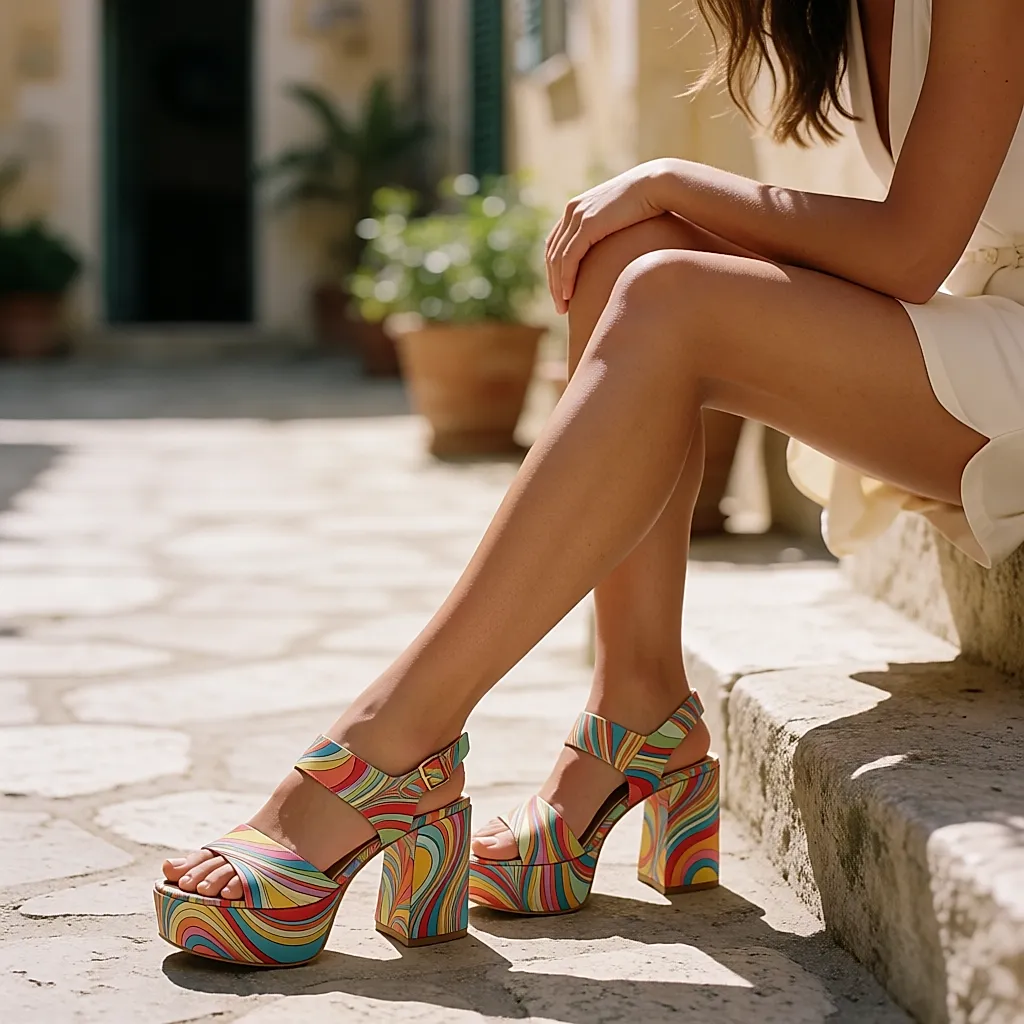
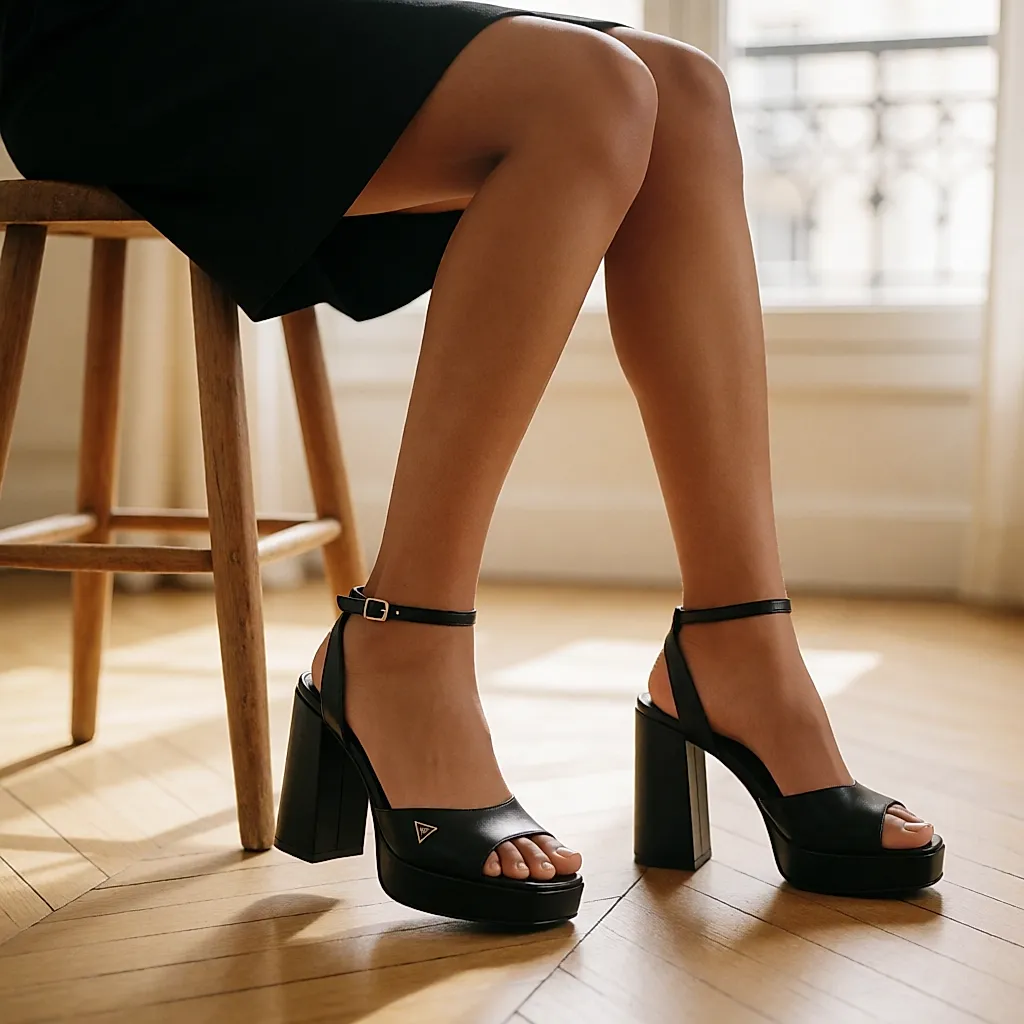
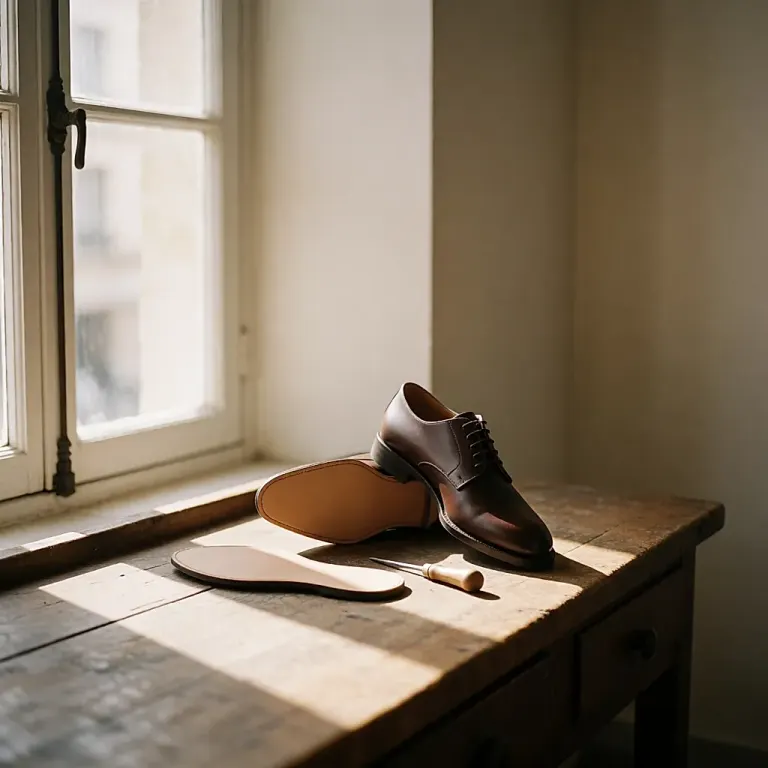
Already own a pair of platforms that hurt? Height is not always to blame. Check the insole: slipping in a thin, removable arch support is often enough to rescue a slightly stiff pair.
Materials and styles
Everything comes down to the material, and to the way it falls around the silhouette. Leather and suede age better, hold up over time and their grain gives a look something more considered. In return, their manufacture carries an environmental cost that is worth knowing about. Canvas is lighter, more summery and often easier to look after.
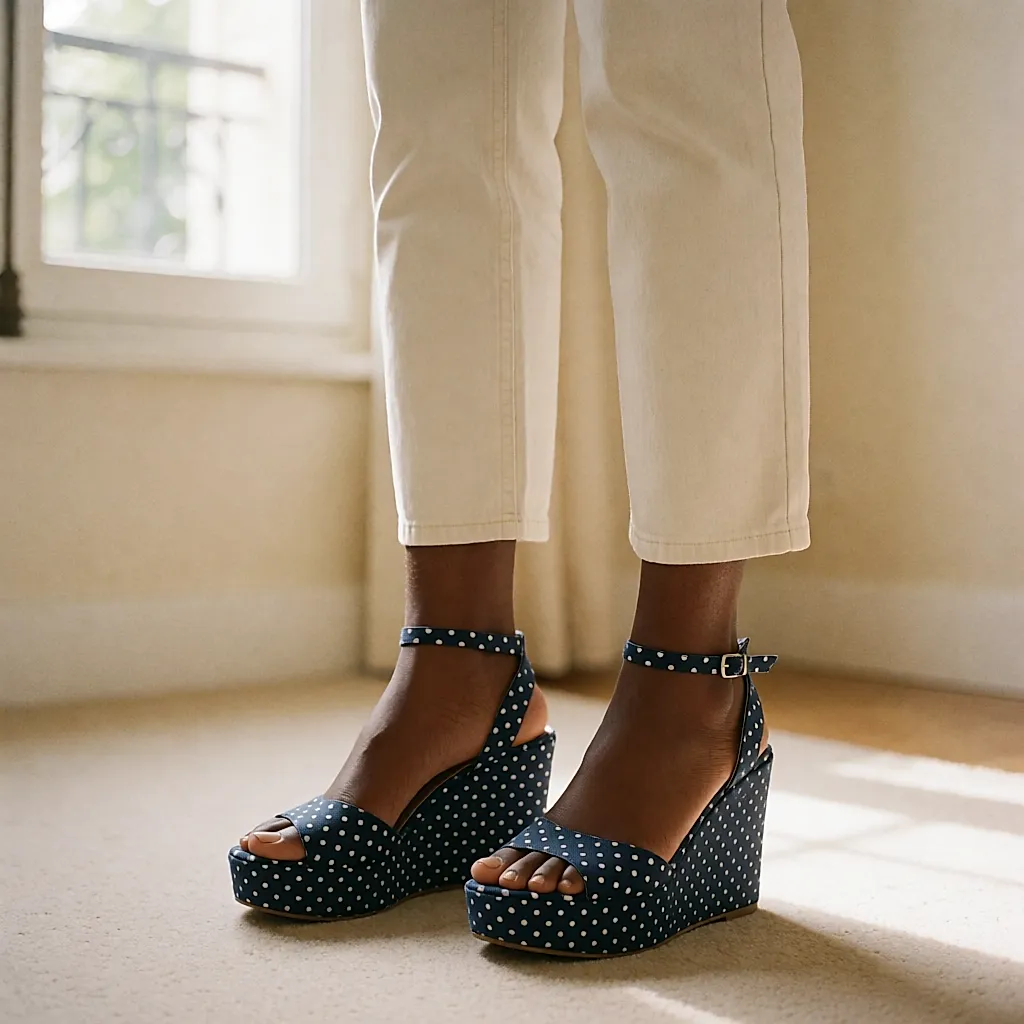
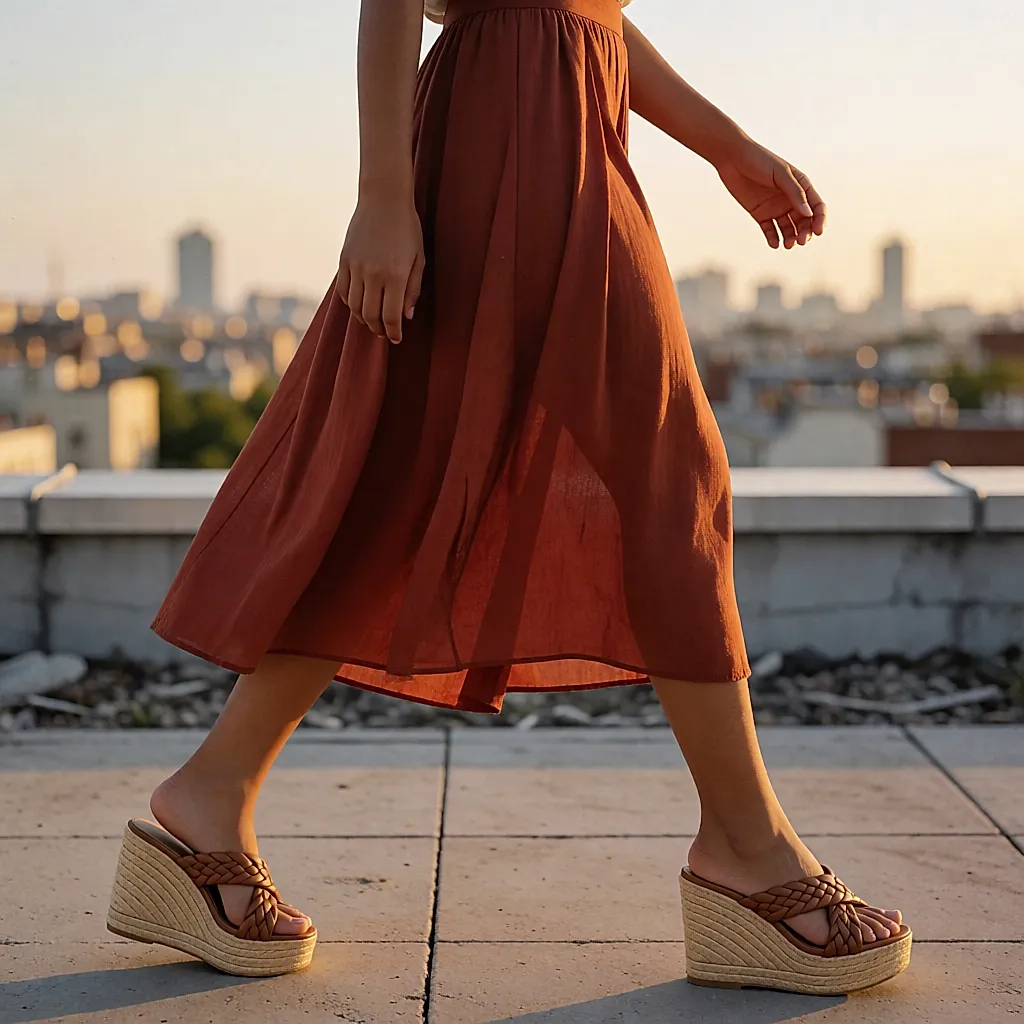
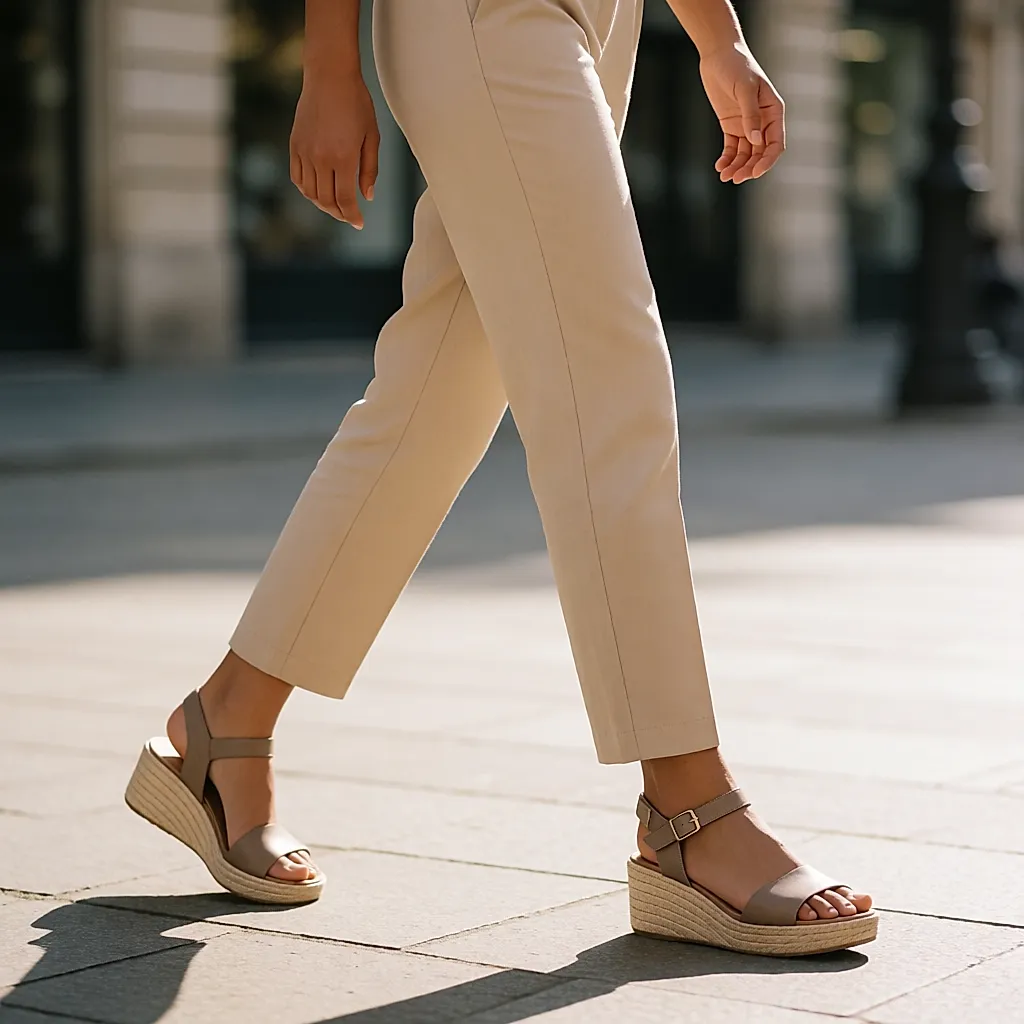
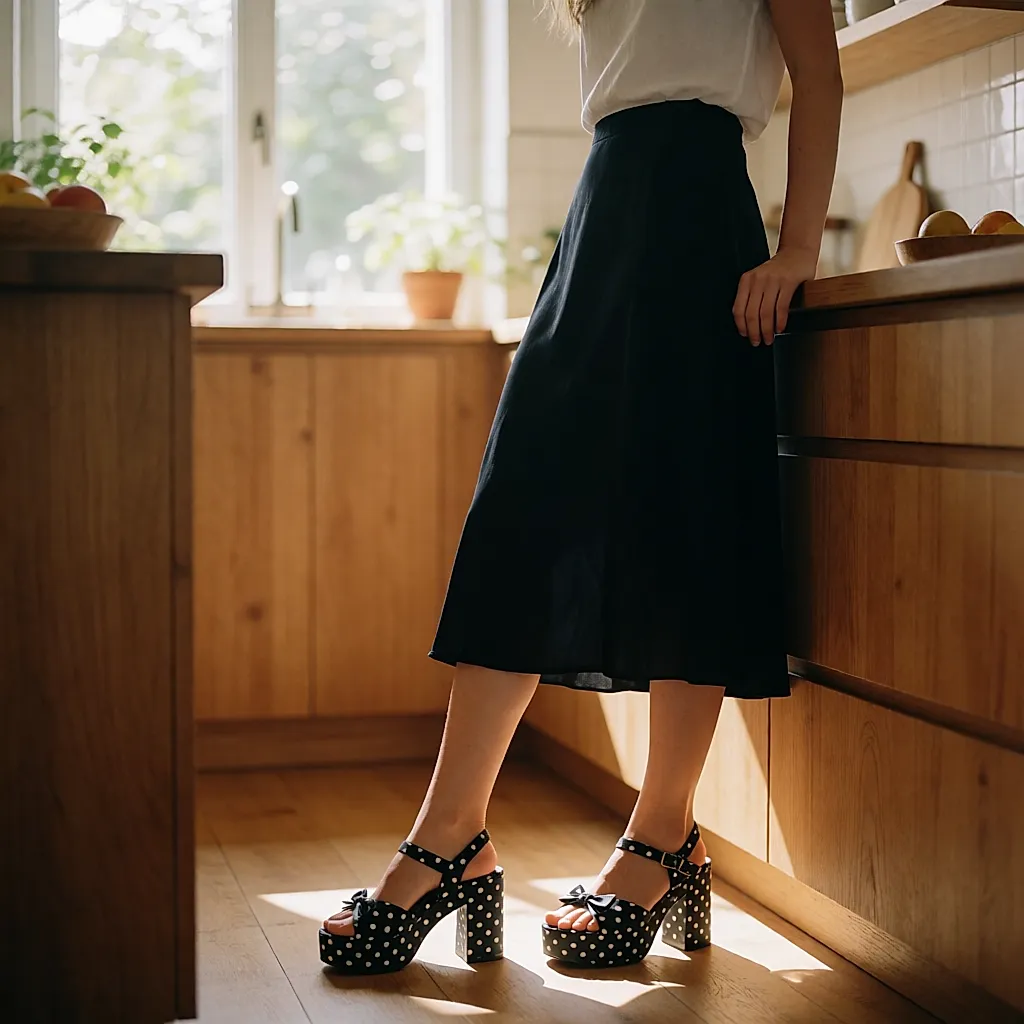
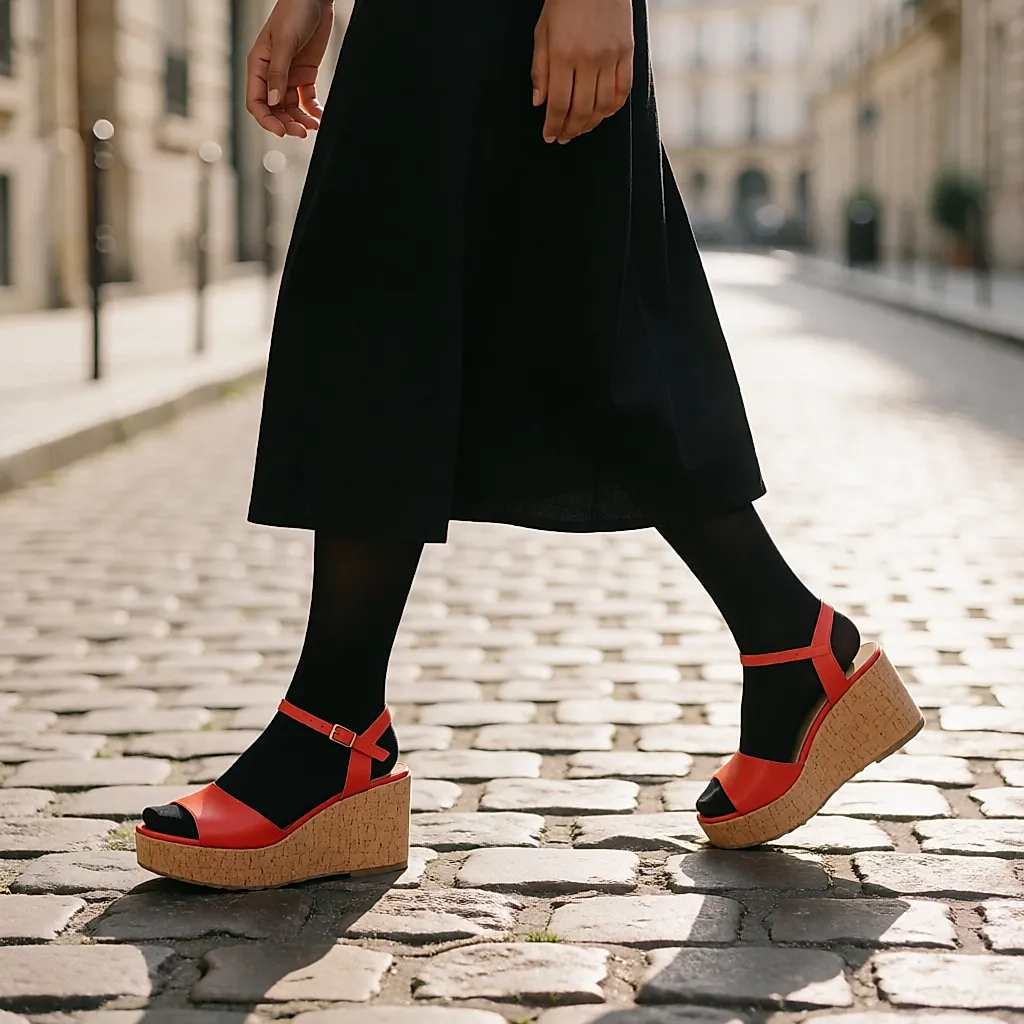
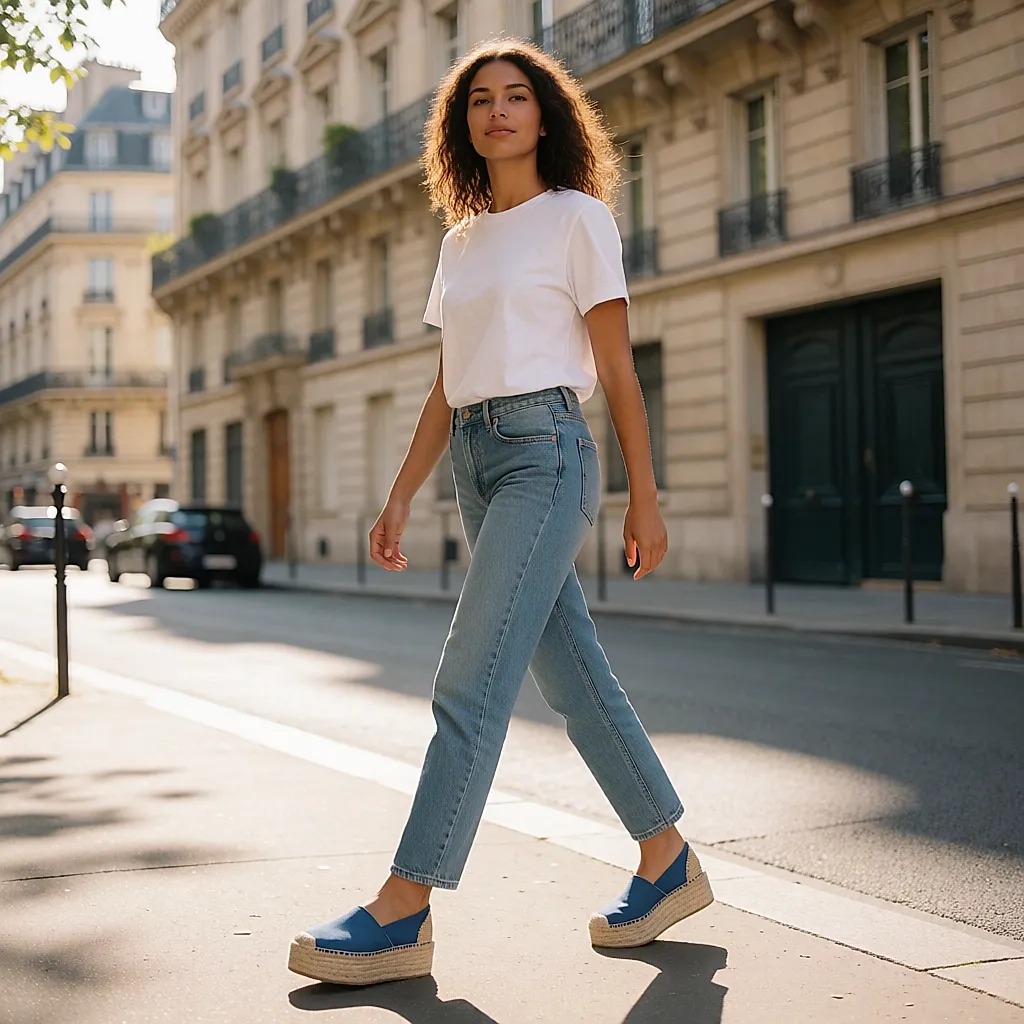
For a holiday feel, look for a woven espadrille-style sole: the texture visually lightens the line. Graphic prints or oversized bows do the talking on their own, so it is better to keep the rest of the outfit simple, almost like a capsule wardrobe, to balance them. They are a committed statement piece, but they demand restraint elsewhere.

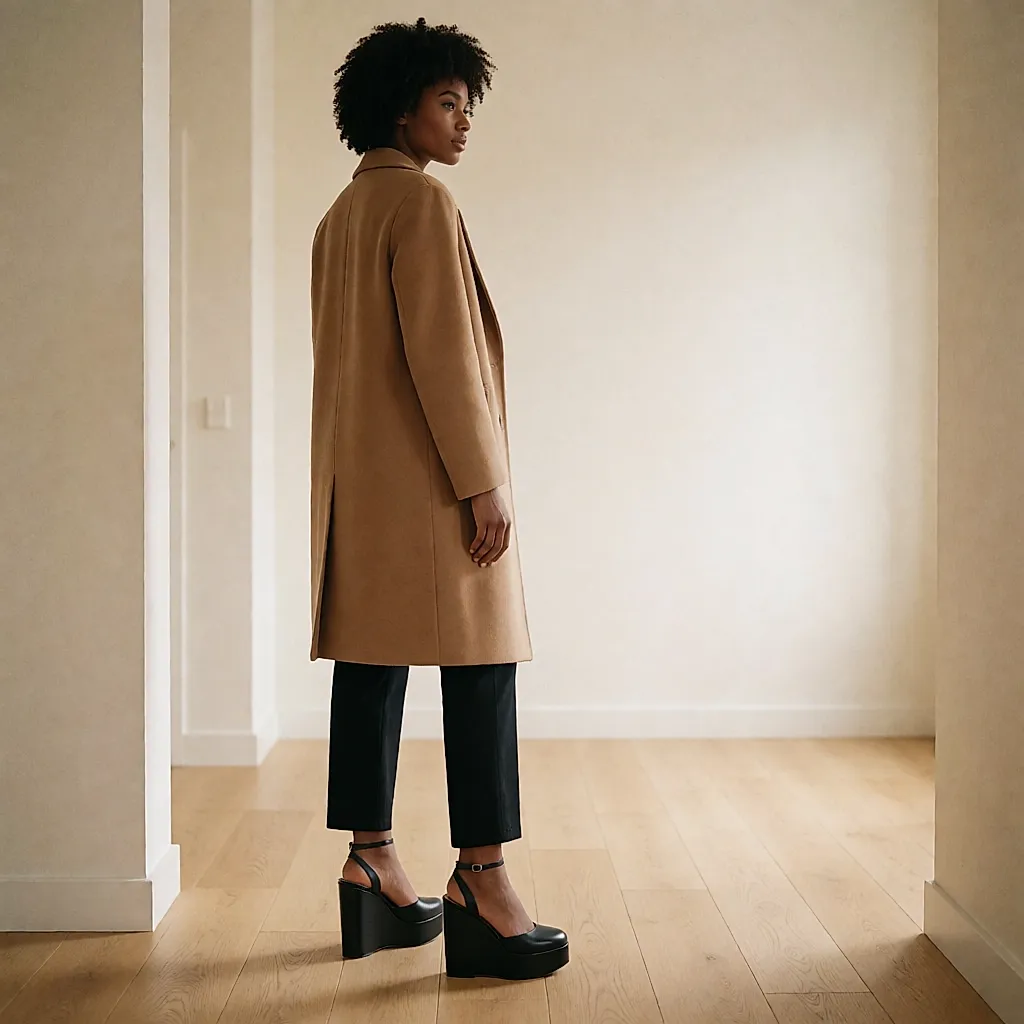
On the brand front, some labels have made this style a speciality, such as Mellow Yellow and Buffalo, which are stocked by most multibrand retailers. You can also look at designer names, but the budget climbs quickly.
How to wear them
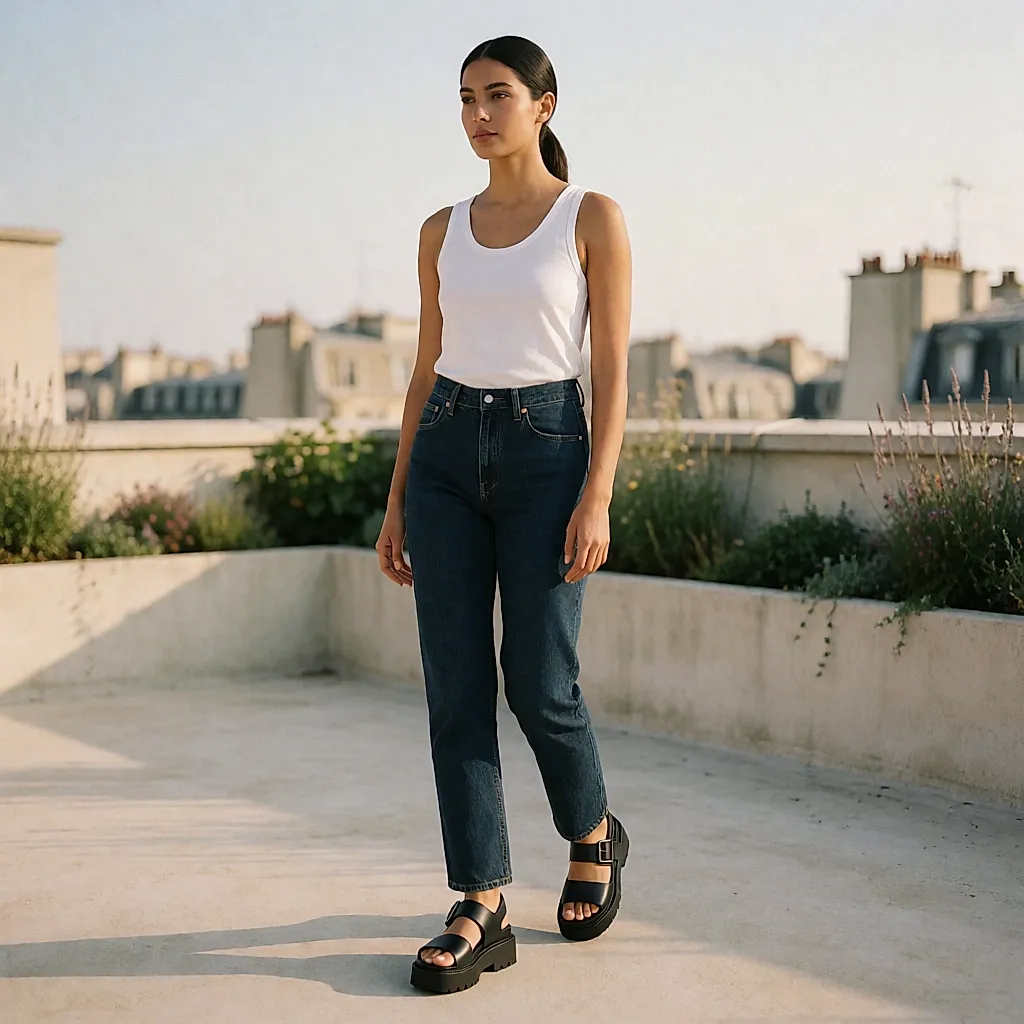
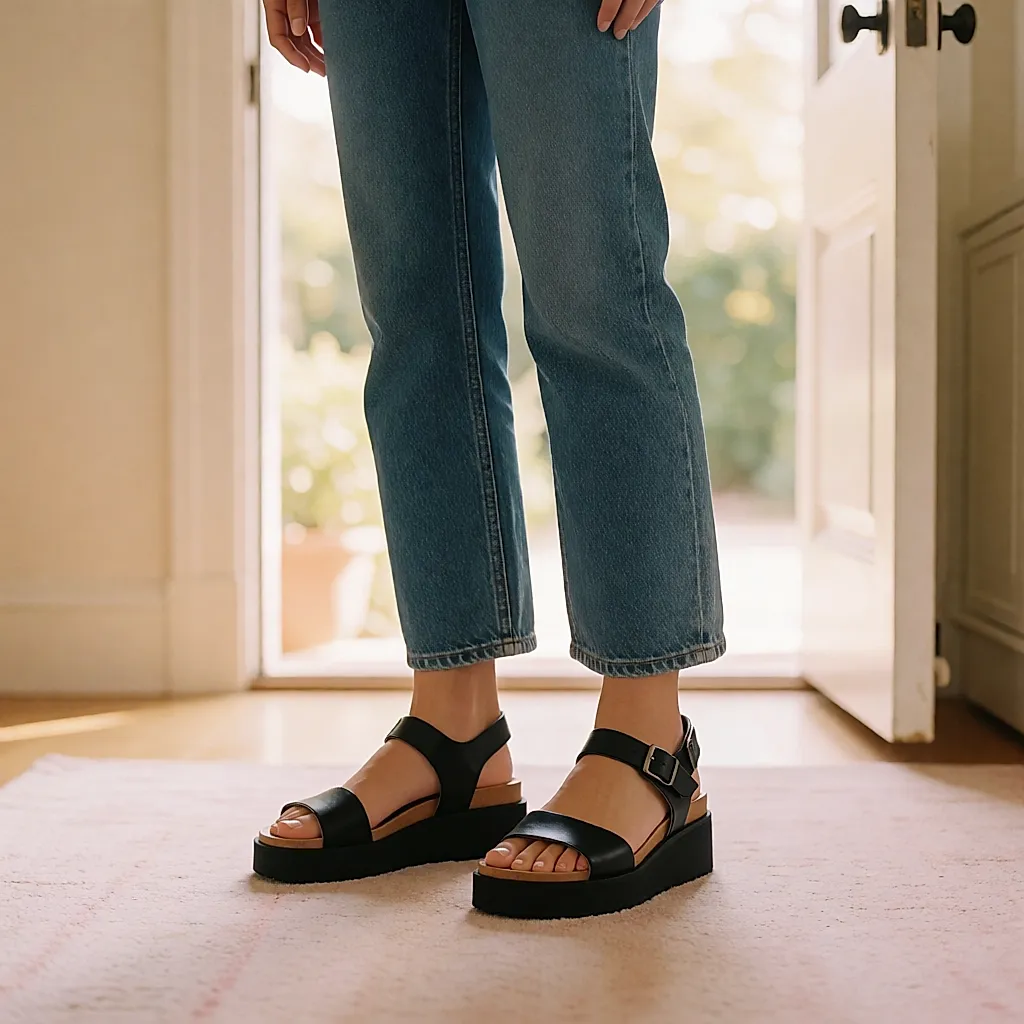
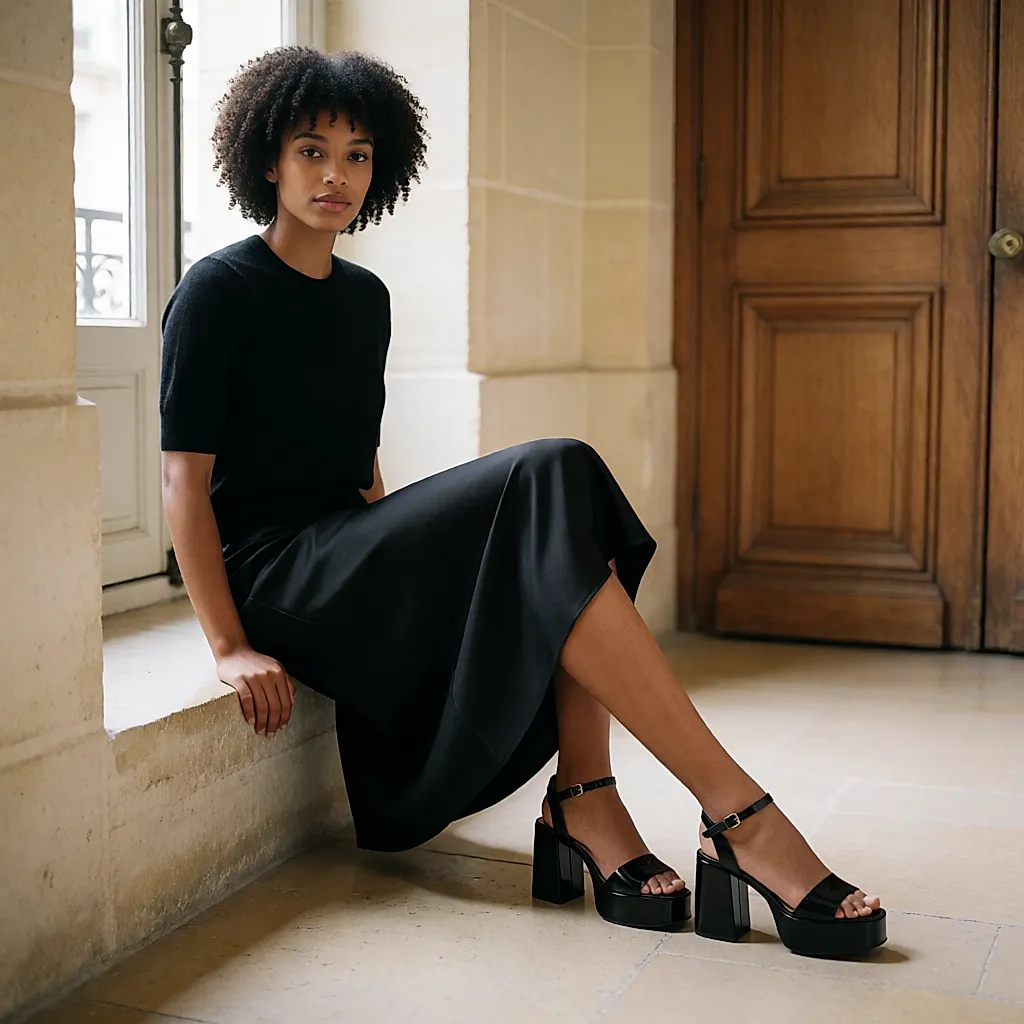
There are two main ways to make them work. The first is to play with softness: a straight-leg jean or a fluid skirt breaks up the mass of the sole. The second is to embrace contrast, pairing a coloured platform with a plain outfit. In both cases, avoid hems that stop right at the ankle strap, because they cut the leg.
One last habit: wear your new platforms at home, on the carpet, for an hour. You will know straight away whether the arch suits you.
Budget
As a rough guide, expect to pay around £35 to £70 for a canvas or synthetic pair from a high-street store, which is often enough for one season. Between £70 and £135, you are into leather or suede, with better long-term support. Above £135, you are mainly paying for the finish, the brand and sometimes European manufacturing.
What moves the price: the material, the actual sole height and where you buy them. Platform shoes are sold in shoe shops, high-street fashion stores and online at brand sites and retailers such as schuh, Office, ASOS or Zalando. End-of-season styles, meaning last year's models, are often more affordable.
Comments
Your opinion matters: rate the article, react and reply to comments.
Comments are moderated; AI-assisted comments are flagged. Text emoticons (8-), :-), <3…) are automatically shown as images.