
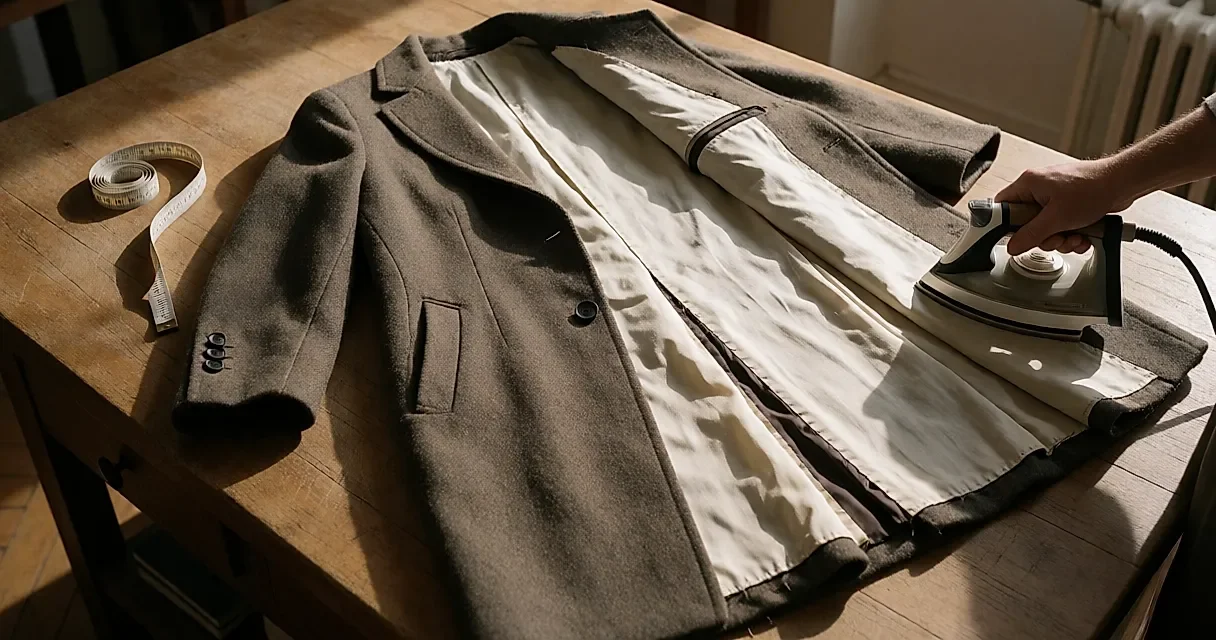
It's lying on the bed: a camel wool coat you found for £45, and it hangs off your shoulders like a promise nobody kept. The sleeve stops halfway down your hand, the lining sags at the hem, and suddenly you're caught between love at first sight and sending it back with three clicks. The real question isn't "does it fit?" — it's "what will it cost to make it fit?"
Shoulders first, everything else after
In a coat, everything starts at the shoulder line. It decides whether the piece hangs straight, whether the sleeve rotates cleanly, whether the silhouette looks solid or botched. It's also the trickiest area to rework: you're into the armhole, the lining, sometimes the shoulder pad, and the work needs a steady hand. The shoulders are the one thing you can't improvise. A shoulder that's slightly too wide can sometimes be taken in — have a tailor assess it — but one that's too narrow is far more awkward.
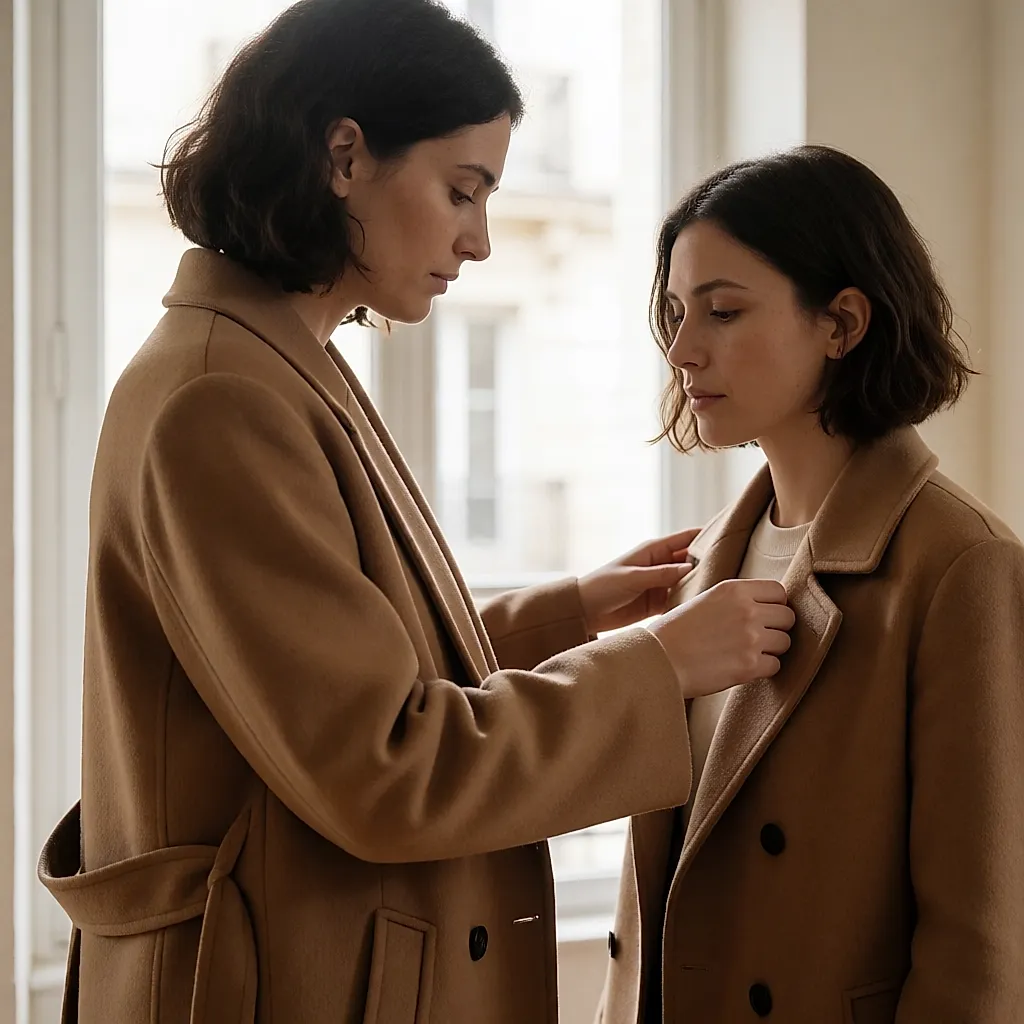
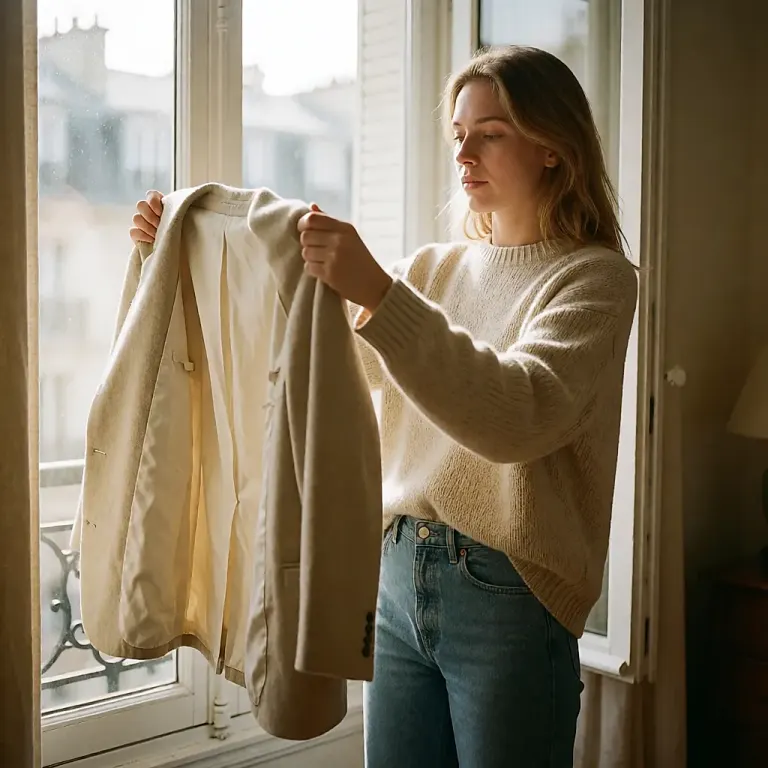
Length, on the other hand, is easier to negotiate — as long as you know which way you're going. Shortening a sleeve or a hem is routine. Lengthening is another story: the original hem needs to have kept some spare fabric. Plenty of vintage coats have already been altered once, and whatever allowance there was went with it. As for the lining, check it before anything else. A lining torn under the arm can be replaced, but the price climbs fast, and it can end up costing more than the coat itself.
What to get quoted before you reach for your card
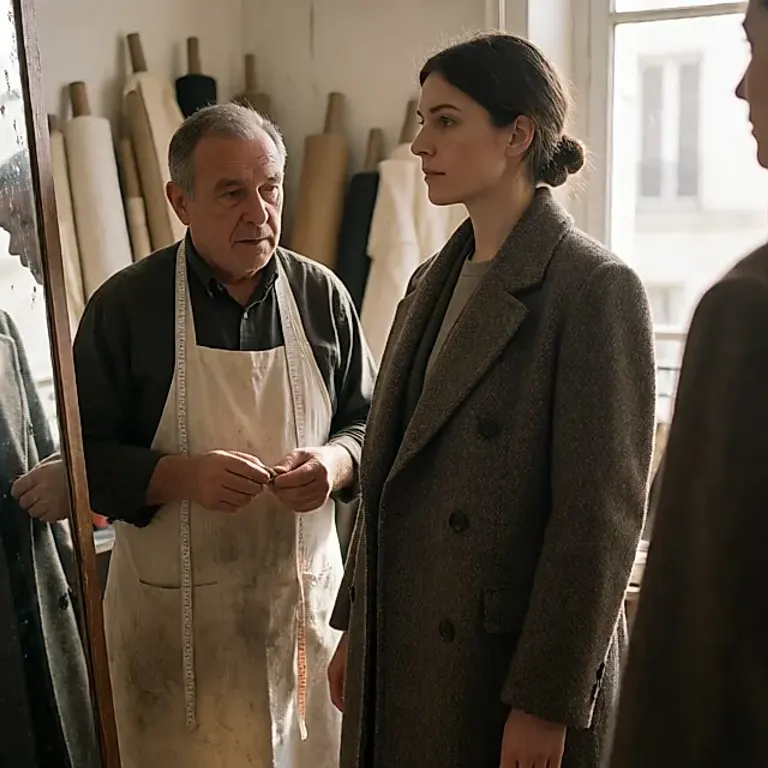
One habit changes the whole calculation: ask for a written quote before you say yes, and take the coat in rather than a photo. A tailor sees in thirty seconds what a screen can't show — the state of the seams, the weight of the wool, how much fabric is left in the hem. While you're there, get them to spell out what's included: lining or not, buttonhole remade or not, a final press after the alterations or not.
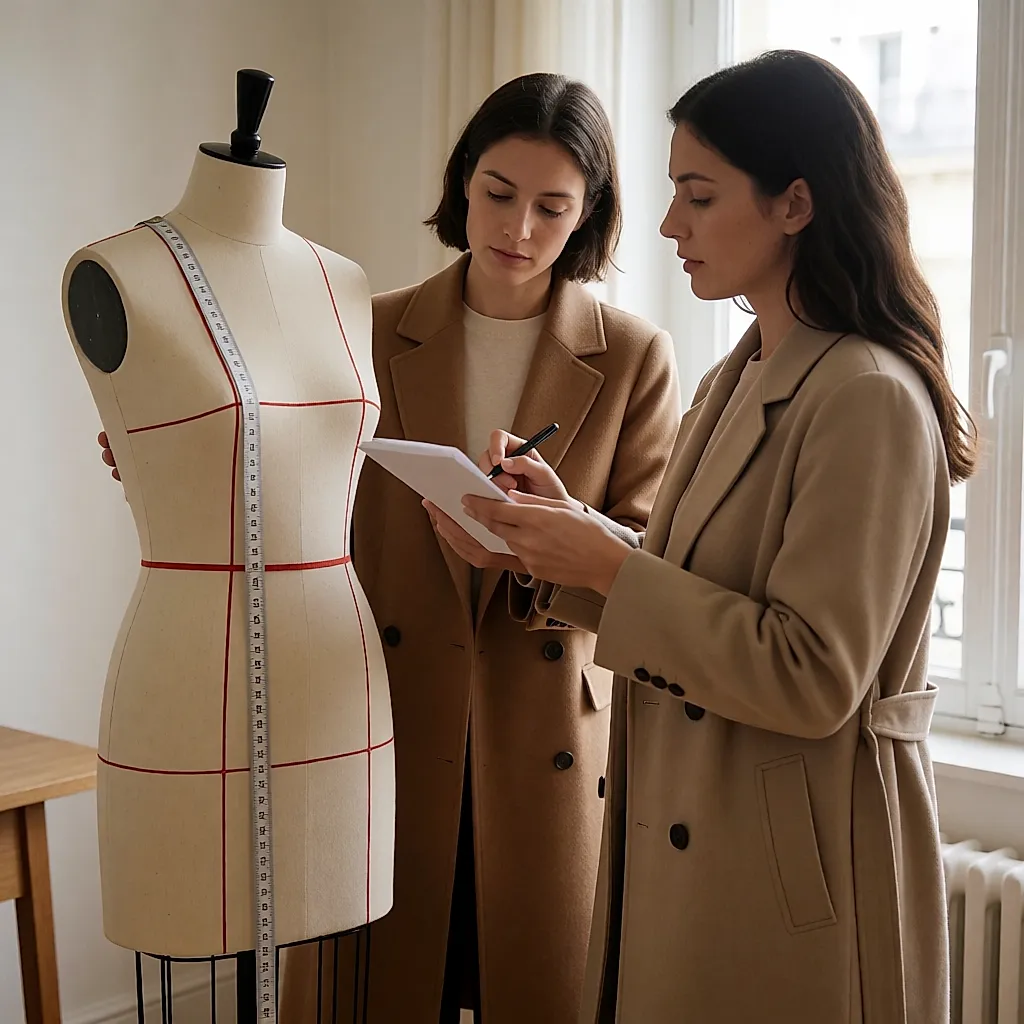
And keep a record. Note the purchase price, the quote and the date, and take two photos — before and after. You think you'll remember, then three months later you're comparing two listings with no idea what you spent. Yet that little file is exactly what answers the original question: the real price of a piece is the purchase plus the alterations, not one without the other. A £45 coat with £90 of tailoring is still a good find next to a £300 new one; the same £45 coat with £200 of rework, much less so.
Two pieces, one fair comparison: cost per wear
Comparing two vintage coats by their price tags is like comparing two books by their weight. The better move is to bring each piece back to what it will cost once it's ready to wear, cleaning included. Clean wool and a sound lining already save you money on the final bill; a piece that needs a deep clean or a new lining starts with a handicap.
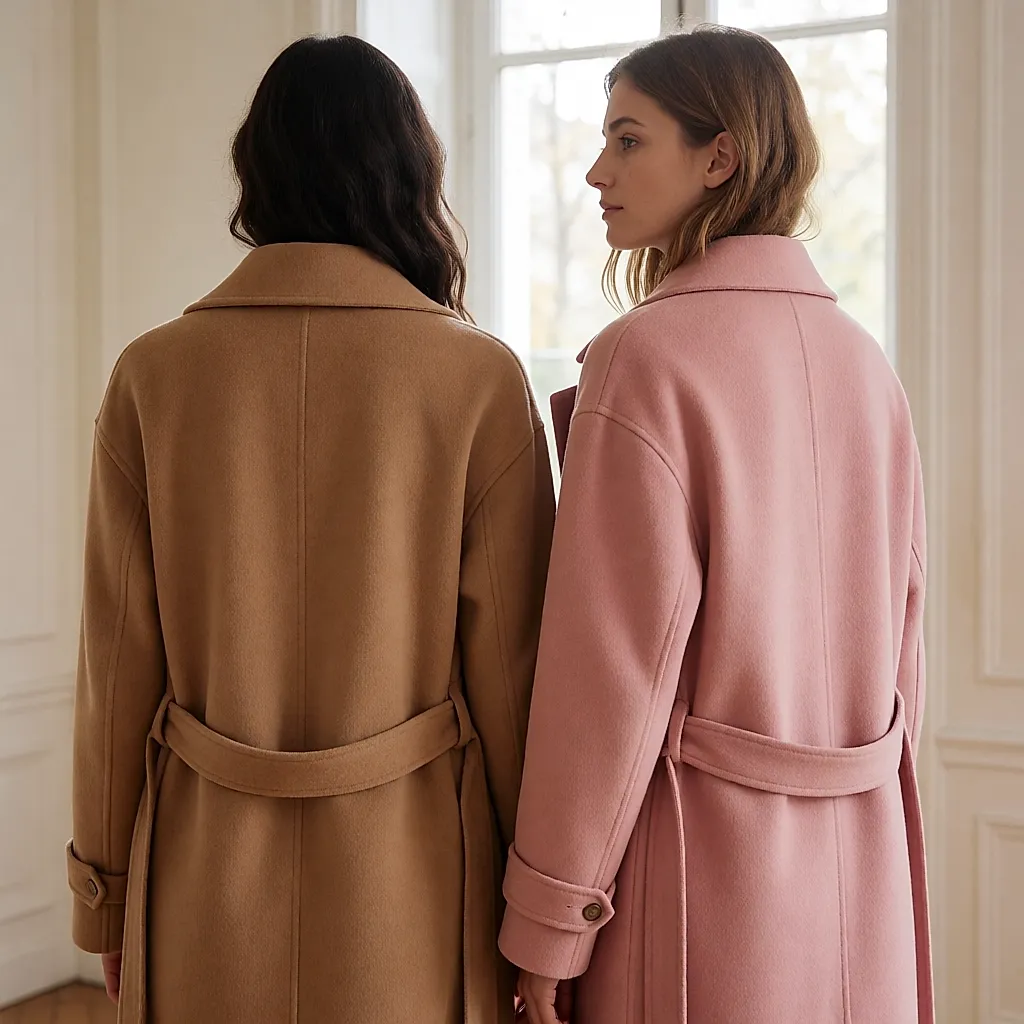
Then divide by the number of times you'll genuinely wear it. A coat worn from November to February, three times a week, pays for itself without much effort. A beautiful piece in a colour that goes with nothing else you own — that dusty pink that caught your eye — will stay on the hook, and the alterations will have been the expensive part. A piece that needs altering isn't a bargain: it's a project, with a budget and a timeline.
Budget
At a local alterations shop, expect to pay roughly £15 to £30 for a simple hem or taking up a sleeve, £25 to £50 to take in the waist, and £60 to £120 to rework the shoulders with the armhole adjusted — and £60 to £120 again to replace a lining, depending on length and fabric. In cities, at a workshop specialising in tailoring, the top of those ranges is common; outside the big cities, rates are often lower.
On the buying side, a second-hand wool coat frequently turns up between £30 and £120 depending on brand, condition and fibre — pieces in pure new wool or cashmere, even looking tired, fetch more. Before you commit, check the fibre content on the inside label: a high proportion of synthetic fibres can change the drape, the shape retention and the care.
The checklist to have ready in the fitting room: do the shoulders sit in the right place without pulling? Is there spare fabric in the hem and the sleeves? Is the lining intact under the arms and at the hem? Are the buttons secure, and is there a spare one in the pocket? And finally, does the fabric crease sharply when you scrunch a fistful of it? Four yeses and one doubt, worth a go — two doubts, put it back.
Then there's the pleasure of it, which doesn't fit on a spreadsheet. A coat reworked to your shoulder has something no new one has: it has already lived, and it was waiting for you. Just do the sums before, not after — and if the quote cools your enthusiasm, give yourself time to think it over before you decide.

Comments
Your opinion matters: rate the article, react and reply to comments.
Comments are moderated; AI-assisted comments are flagged. Text emoticons (8-), :-), <3…) are automatically shown as images.