
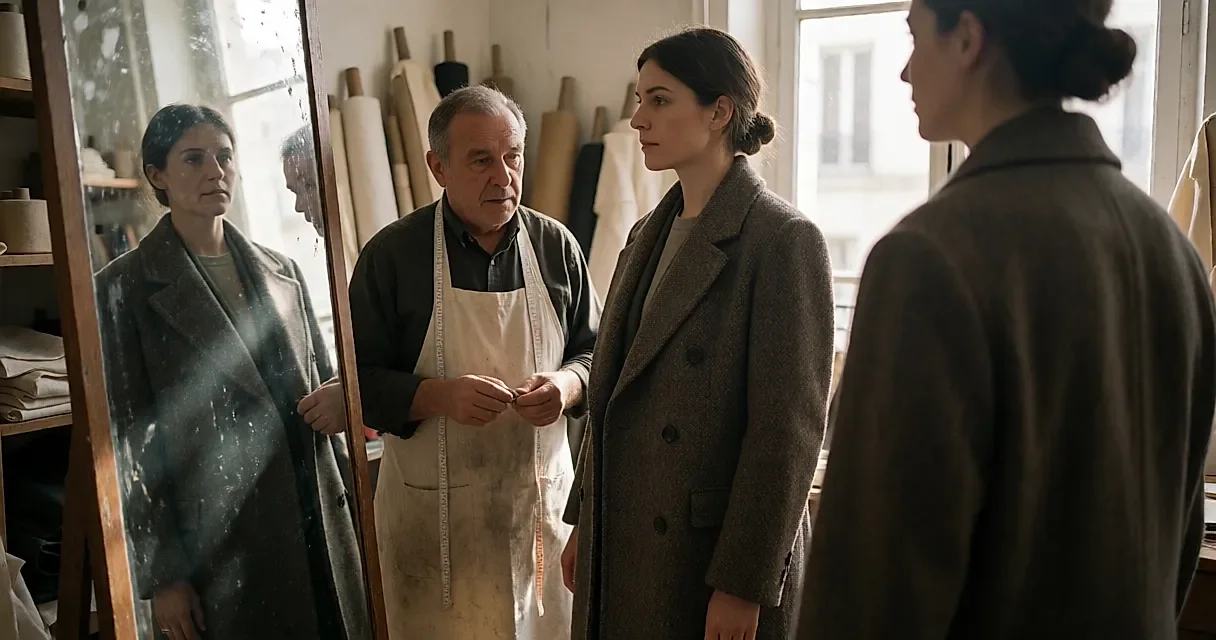
A hem can be moved. A shoulder can't be argued with. Yet most of an appointment in the fitting room goes on the bottom half of a coat — the length, the hem, sleeves that sulk — when the decision is actually made 30cm higher up. That line running from the collar and down along the arm sets the tone for the entire silhouette: if it floats, if it rides up, if it pulls, the coat is lost before it has even been worn. Which is worth knowing before you get anywhere near the till.
The shoulder is the part everyone forgets to look at
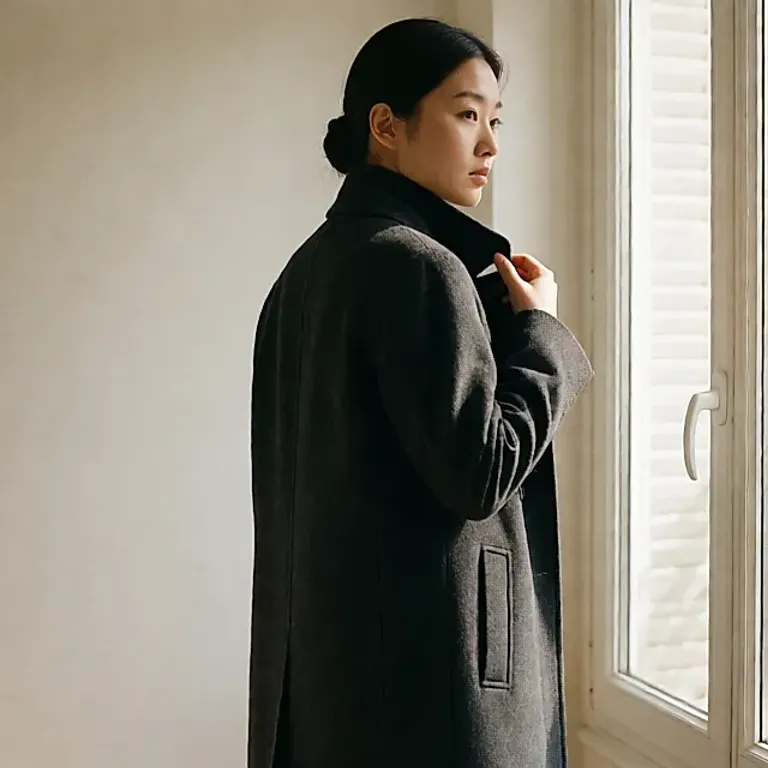
The shoulder seam should sit more or less on the edge of the bone. Too far out and the coat floats, the armhole gapes, and you look as though you've borrowed a coat from a brother with a broader frame than yours. Too far in and the collar rides up at the nape, the lapels won't meet properly, and the moment you put on anything thicker than a thin knit you feel like a stuffed sausage. There's no margin between the two: this is exactly where the difference lies between a coat you wear and a coat that wears you.
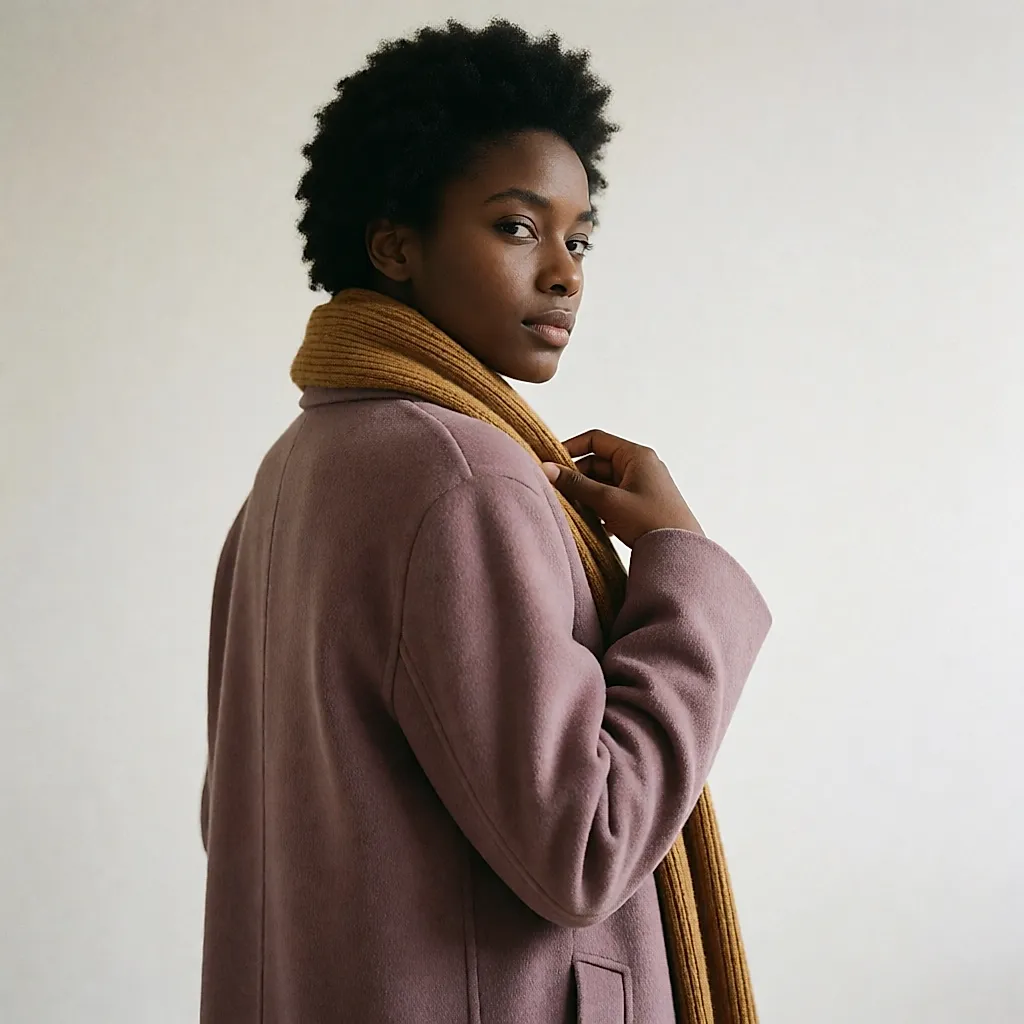
The second thing to examine just as closely: armhole height. Too low, and the whole coat lifts when you raise your arms, like a pair of wings in wool cloth. And that height isn't an alterations job, it's a pattern job: it is drawn, cut and fixed. No pair of scissors will raise it without taking half the coat apart.
And what about the collar? It follows from everything else. If it gapes, the shoulder is usually too wide; if it pinches, the shoulder is too narrow. You think you're fixing a collar, but what you're really fixing is the frame underneath — and it's the one seam you can't fudge!
What alterations can do, and what they can't
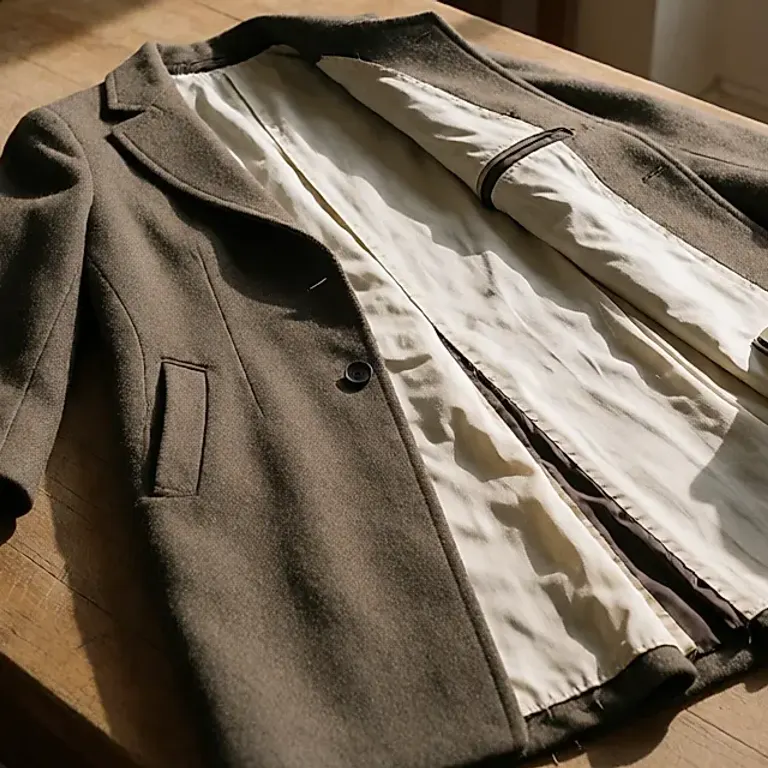
Let's be fair to alterations tailors: they are wizards of the small stuff. A hem can go up or down, within the allowance — look inside the coat: if the original hem is deep, there's fabric to work with. Sleeves can be shortened, as long as the lining, buttons and cuff vent are dealt with. A waist can be taken in at the side seams, often by two sizes, sometimes more on a straight, generous cut.
What can't be done: rescuing a shoulder that sits wrong. Reworking a shoulder means unpicking the sleeve, re-cutting the armhole and re-setting the lining — several hours of work, charged accordingly, with no guaranteed result. On a £90 coat, is it worth it? Rarely. On a £600 one, you book a proper tailor, not the local alterations shop.
A word of warning on fabric: a well-woven wool forgives, whereas a cloth heavy on synthetic fibres shifts about and shows every needle mark once it's unpicked. A glance at the label before you count on any alteration costs nothing.
The fitting-room order of operations
Walk in wearing the jumper you'll genuinely wear with it — the chunky knit, not the thin shirt that's been giving you ideas from the pile. Put the coat on, button it up, then raise your arms straight up. If the shoulders of the coat travel upwards with your arms, it's a no, and there's no point carrying on.
Then work from the top down: the collar at the nape, the shoulder seam, the ease across the back, the button stance at the chest, the sleeves, and only at the very end the length. The bottom is the easiest part to correct, which is why it should be the last thing you look at. How many coats have we bought because the hem fell nicely, while the shoulder had been bothering us since the very first try-on?
One last test, dead simple: sit down, cross your arms, drop your shoulders. It's the position nobody takes in a fitting room and yet the one that tells you everything, because a coat that's too narrow across the shoulders forces you to keep them raised just to stay inside it. You don't want to spend the whole winter with the posture of an angry bird.
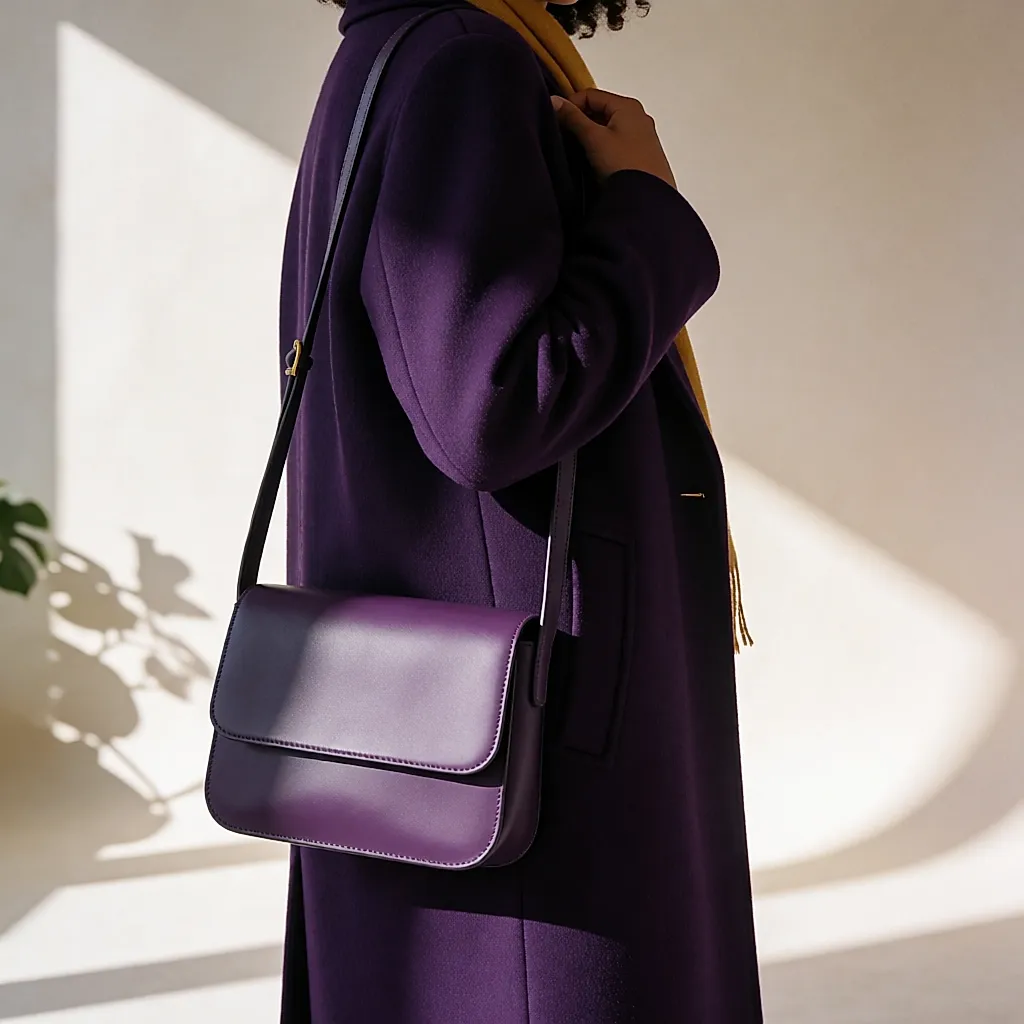
The bag test. Slip the strap of the bag you carry every day over the buttoned coat, then lift that shoulder for two seconds. A shoulder that's too narrow gives itself away immediately: the collar rises and the fabric pulls towards the neckline. If it starts in the fitting room, it will have got on your nerves well before the end of November.
Budget
On the alterations side, expect £15 to £30 for a simple hem, £20 to £40 for sleeves, £25 to £50 to take in the sides — more at a high-end workshop, or on a lined and complicated coat. A shoulder rework sits at around £50 to £90 and climbs fast: that's the price of a decent secondhand coat, for an uncertain outcome. Better to keep that money for something else.
On the buying side, a decent wool coat often sits between £120 and £350 on the high street, with the spread reflecting wool content, lining and construction. Under £100, expect a lot of blending: not a dealbreaker for a transitional piece, but don't count on keeping it ten years. Secondhand, £30 to £90 is enough for a good find with a shoulder that sits right — and that is the one criterion no alteration can put right.
Where to get work done? A local alterations shop is still the best value, especially if you take one garment at a time so you can explain exactly what's bothering you. Some retailers include basic alterations in the purchase price: ask at the till before you pay, because the answer varies from town to town and from branch to branch.
Ultimately, the perfect coat isn't the one that fits in the fitting room: it's the one you barely have to alter. The hem, the waist, the sleeves — all of that can be adjusted, taken in, negotiated. The shoulder signs the contract at the first try-on. So look up before you look down, and save your alterations budget for the things that genuinely deserve it.

Comments
Your opinion matters: rate the article, react and reply to comments.
Comments are moderated; AI-assisted comments are flagged. Text emoticons (8-), :-), <3…) are automatically shown as images.