
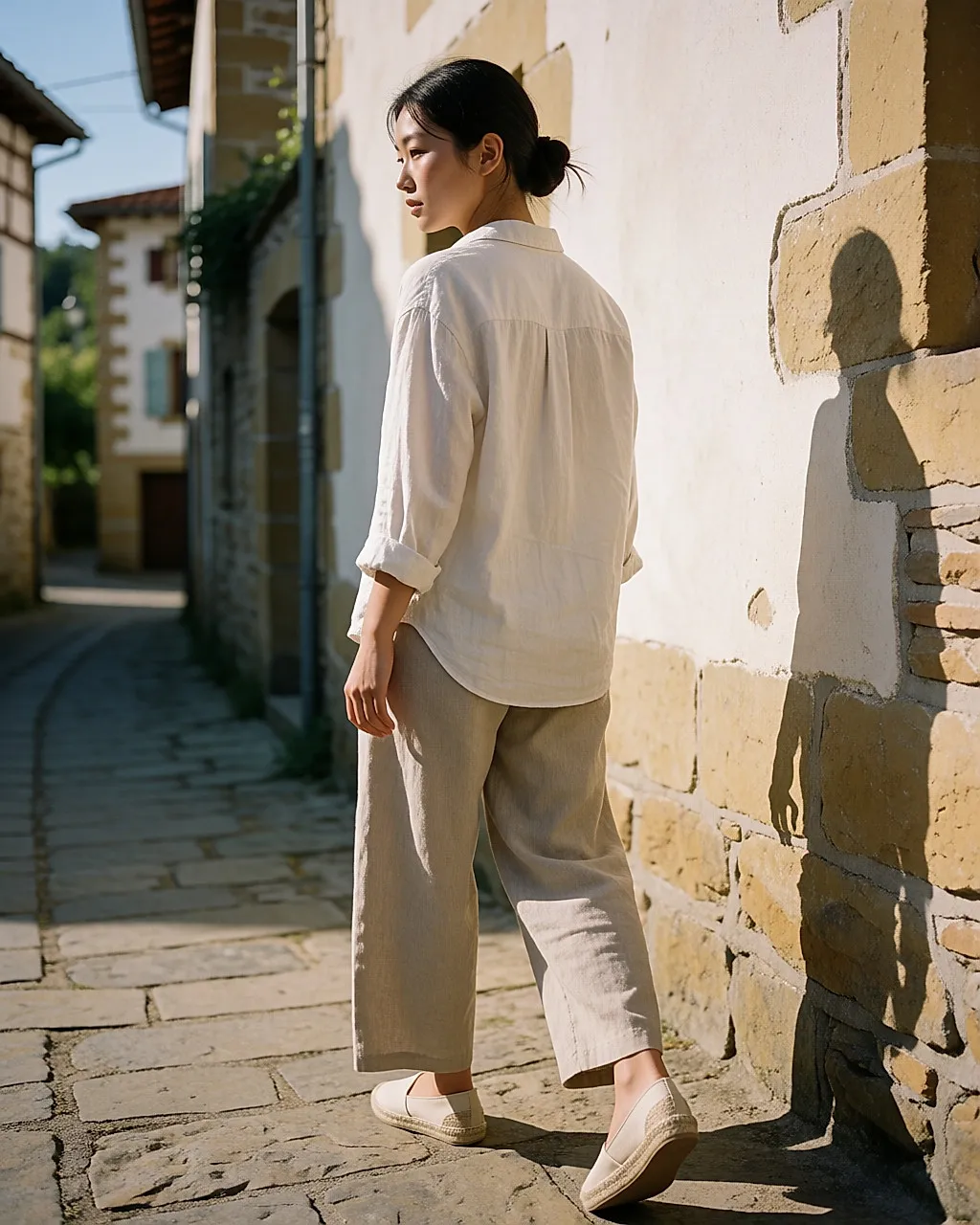
Every late summer, the same ritual: you open the wardrobe and stumble across your canvas pair. Will they still do this year? The answer is usually yes — as long as you check three things: the cut, the fabric and how you style them. One quick note, as always here: I haven't tested the styles mentioned. I'm going on manufacturers' product sheets and on what I see on the shop floor.
From holiday shoe to proper wardrobe staple
Long filed under "beach shoes with no shape", the espadrille has earned its place in our wardrobes. Its foundation hasn't changed: a braided jute sole, a cotton canvas upper, know-how handed down from the Basque Country and Catalonia. What has really changed is the construction — you'll now find wedges, platforms, derbies and boots built on rope soles. Plenty to transform the look of a summer outfit.
A useful reminder: it was Castañer that designed the wedge espadrille for Yves Saint Laurent in 1970. The house still makes its shoes in Catalonia.
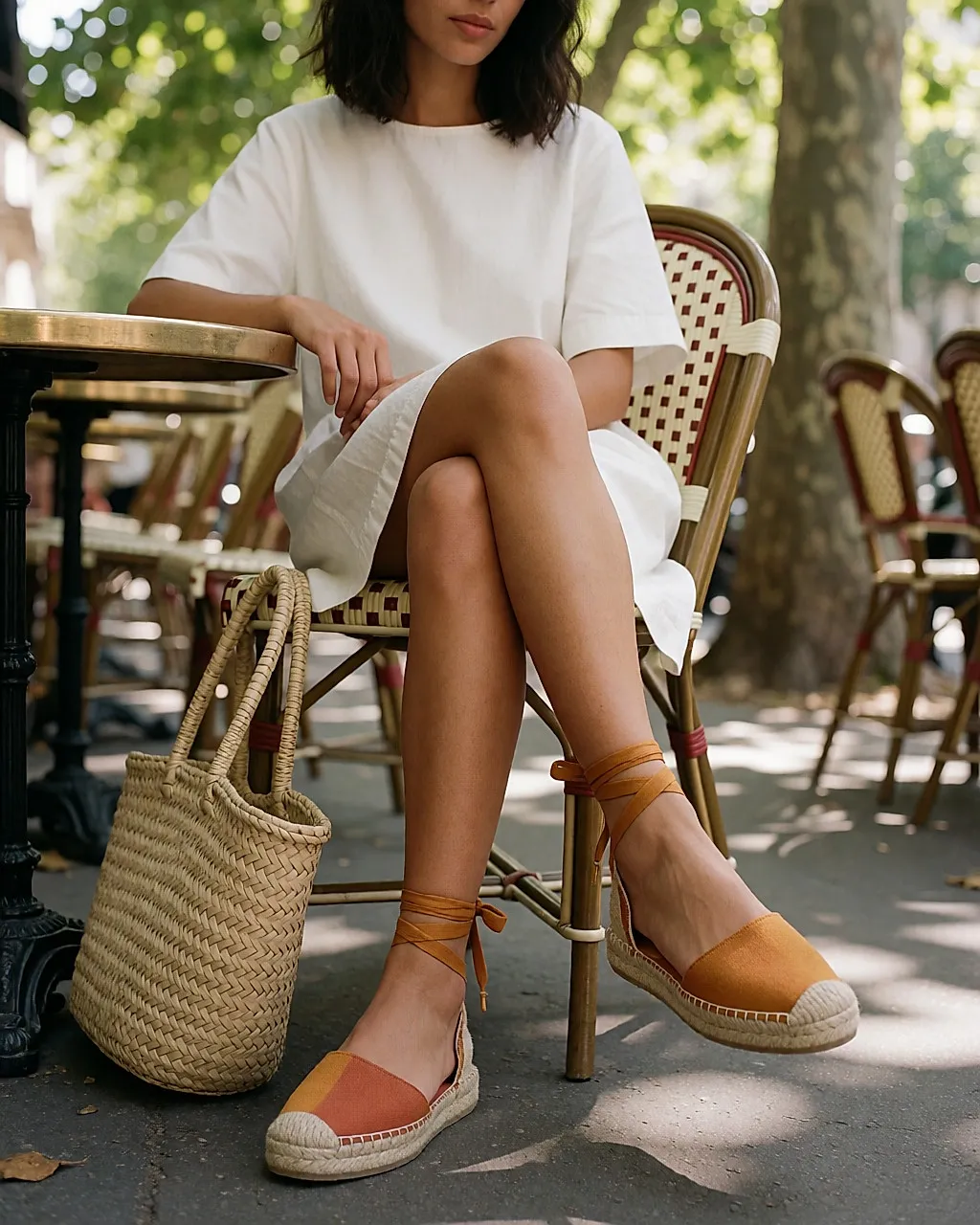
Cut, drape, fabric: the trio to check
The sole. Hand-sewn or glued. A sewn sole, with thread running through the jute, stays flexible, holds its shape better and can be repaired by a cobbler. A glued sole costs less, but can come apart after a season.
The canvas. A thick cotton holds up better than linen, which stretches: if you go for linen, take half a size down. Organic cotton canvases do exist, particularly from Basque makers — read the label rather than the marketing pitch.
The upper. Too soft, and it can gape quickly. Too rigid, and it can rub your feet. Look for a fabric that holds its shape but folds easily in the hand.
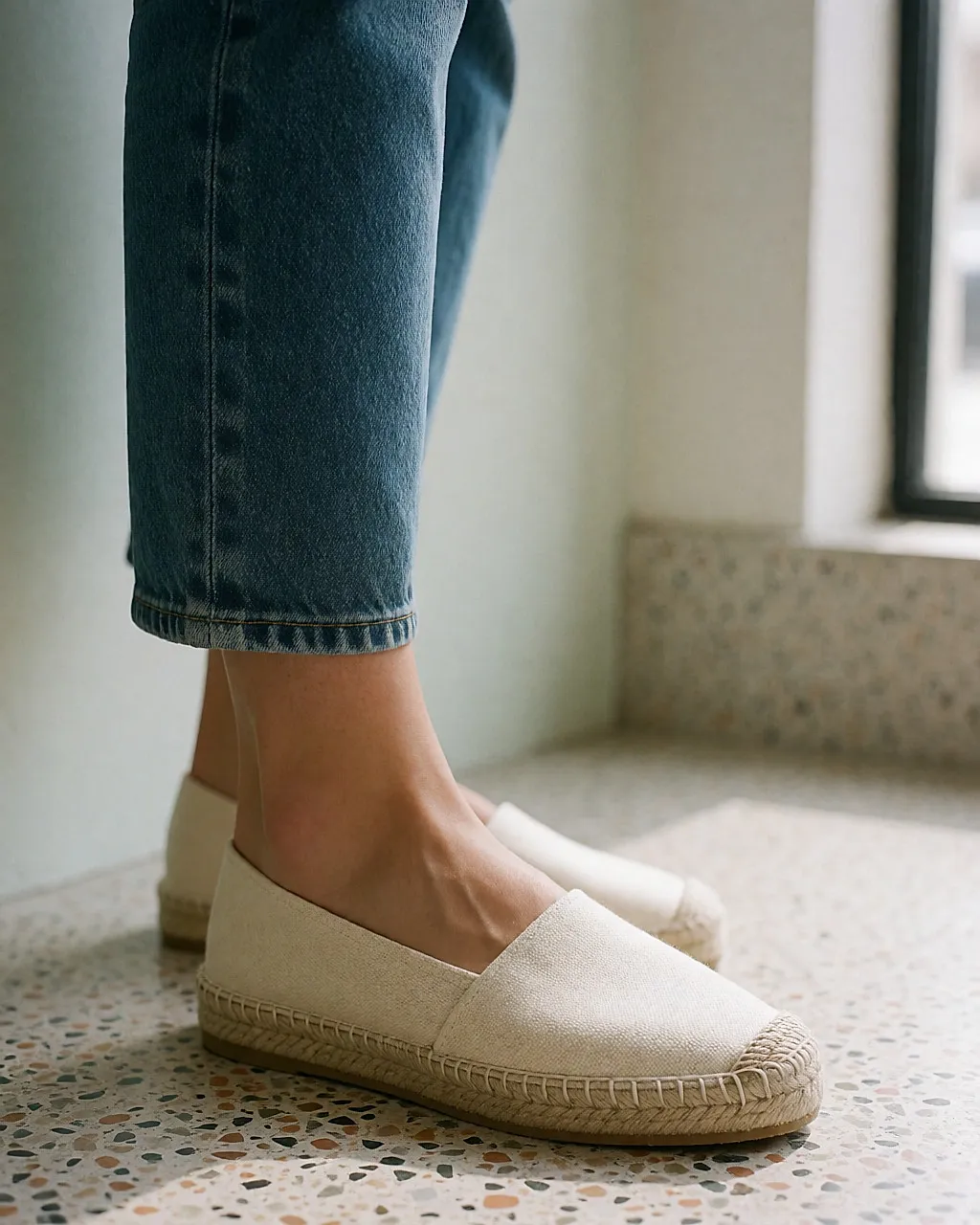
The look: layering without overloading
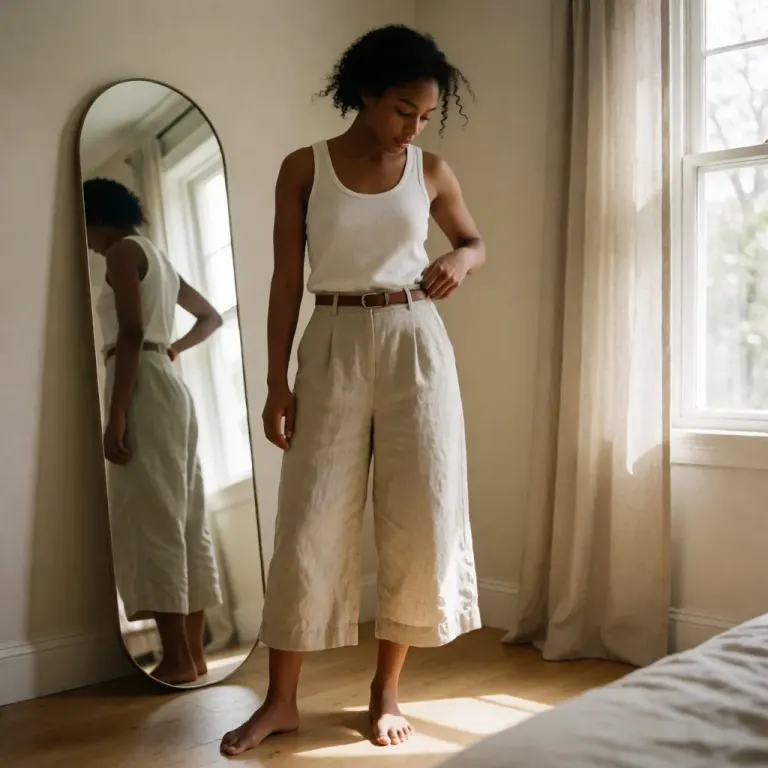
A wedge lengthens the silhouette and works with long dresses as well as fluid trousers. A flat, meanwhile, needs straight jeans or a high-waisted chino, hem sitting above the ankle.
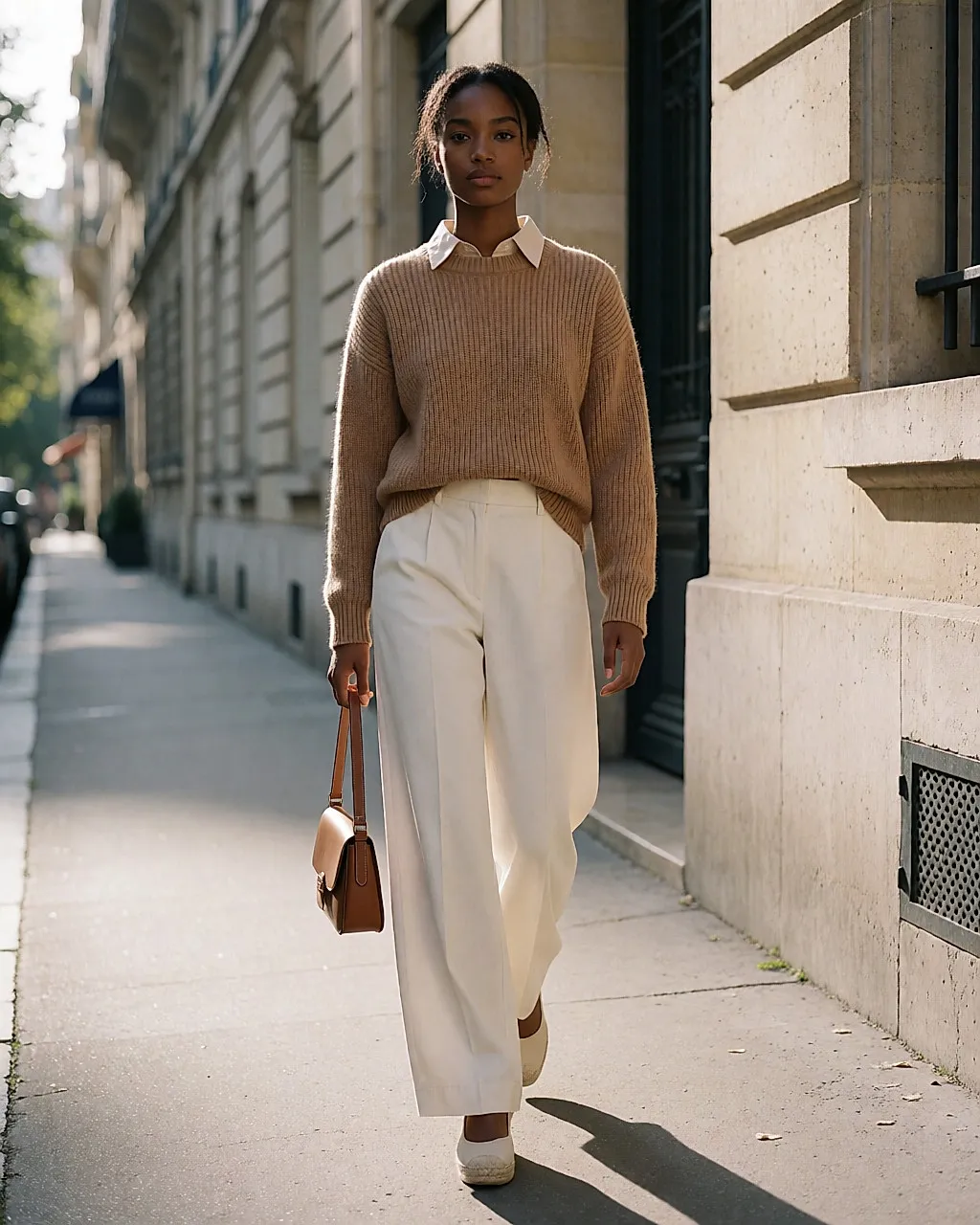
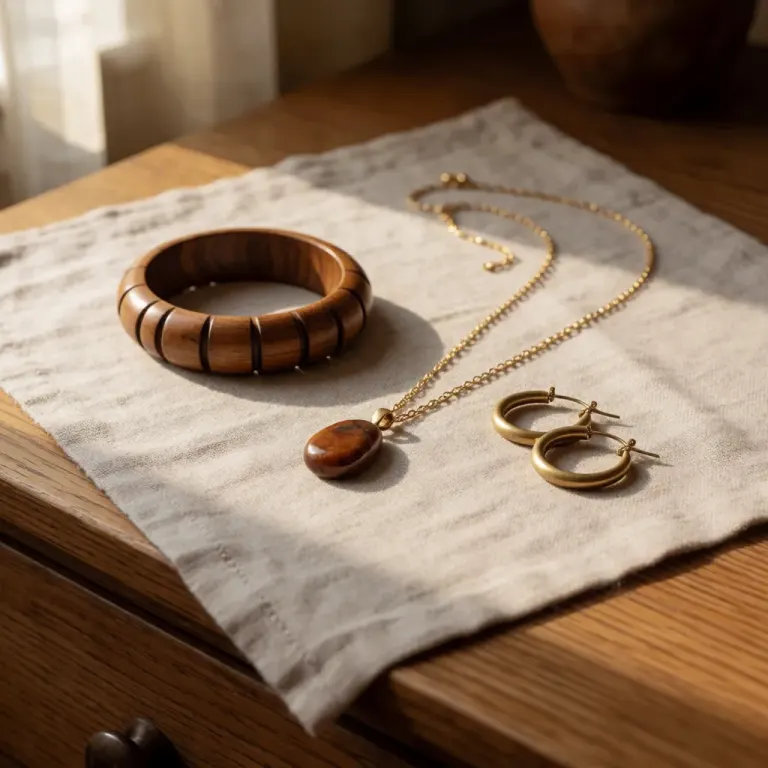
On the accessories front, keep a light touch. A printed pair? Keep everything else plain. A sand or nude pair? You can allow yourself a statement piece on top. And if September tempts you to layer fabrics — fine knit over a shirt — stick to one strong colour.
The move that changes everything in-store: the twist. Take the shoe by the heel and the toe and twist gently. A hand-sewn espadrille springs back on its own. If the sole cracks or stays bent, put it back down without a second thought.
Care and end of life
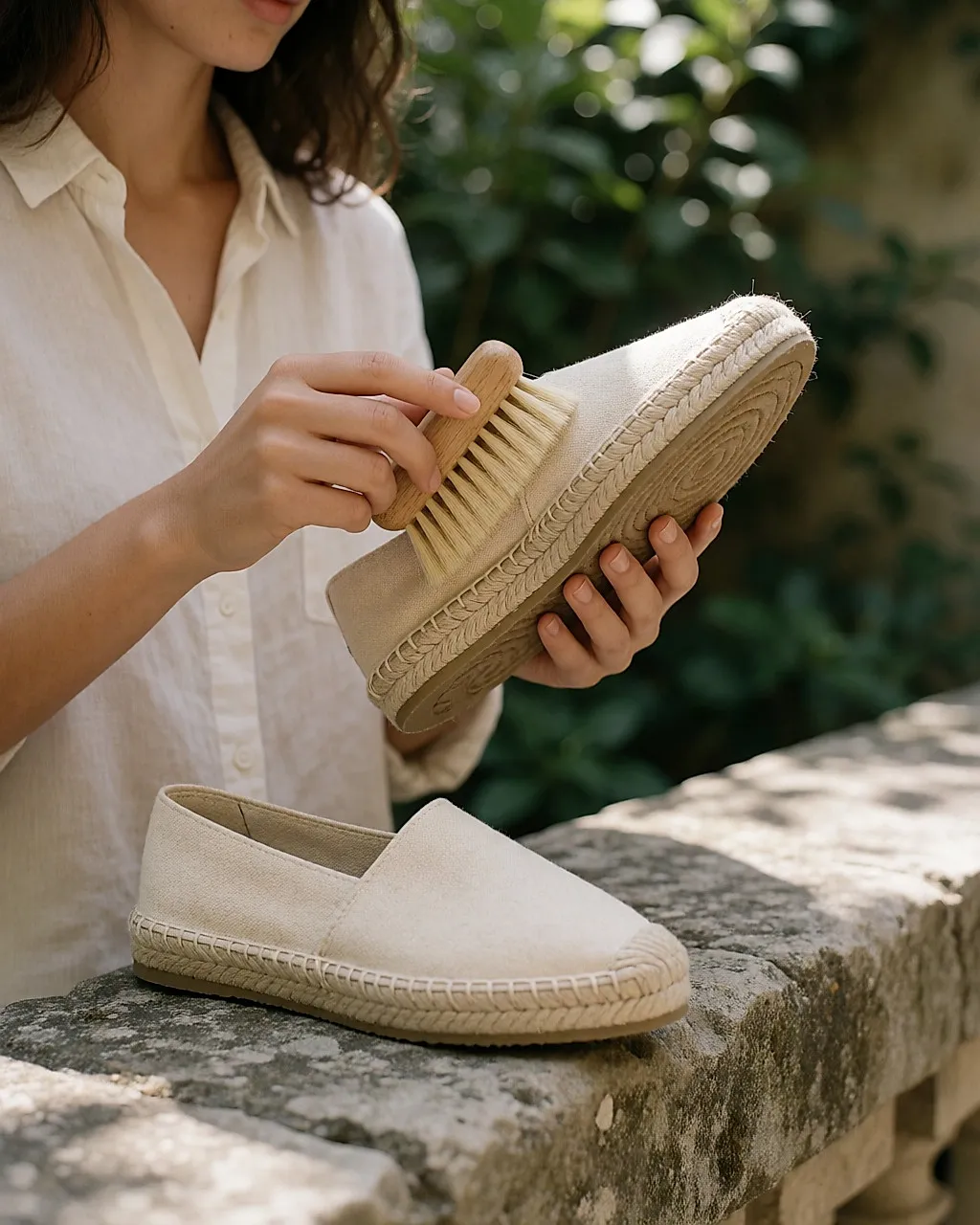
Jute doesn't like water: it absorbs it, swells and loses its shape as it dries. Dry brush, barely damp cloth, dry in the shade — never on a radiator.
The real argument for a sewn sole is repair. A cobbler can redo the stitching or replace the sole. On a hand-sewn pair, that changes how long the shoe lasts.
Budget
Typical UK price ranges:
- Flat espadrille, simple canvas, glued sole: around £15 to £40 (high street, fashion chains, online).
- Hand-sewn espadrille made in Mauléon or Spain: £60 to £120 (multi-brand shops, Basque markets, direct from the maker).
- Designer wedge or platform: £110 to £220 (multi-brand boutiques, online).
- Canvas boot or derby on a rope sole: £90 to £180.
What moves the price: the stitching, the material, where it's made, the brand — and timing. In September, end-of-line stock often goes at reduced prices.
Sources
- Castañer, the house's official site (brand history, workshops in Catalonia).
- Pare Gabia, espadrille maker in Mauléon, Pyrénées-Atlantiques.

Comments
Your opinion matters: rate the article, react and reply to comments.
Comments are moderated; AI-assisted comments are flagged. Text emoticons (8-), :-), <3…) are automatically shown as images.