
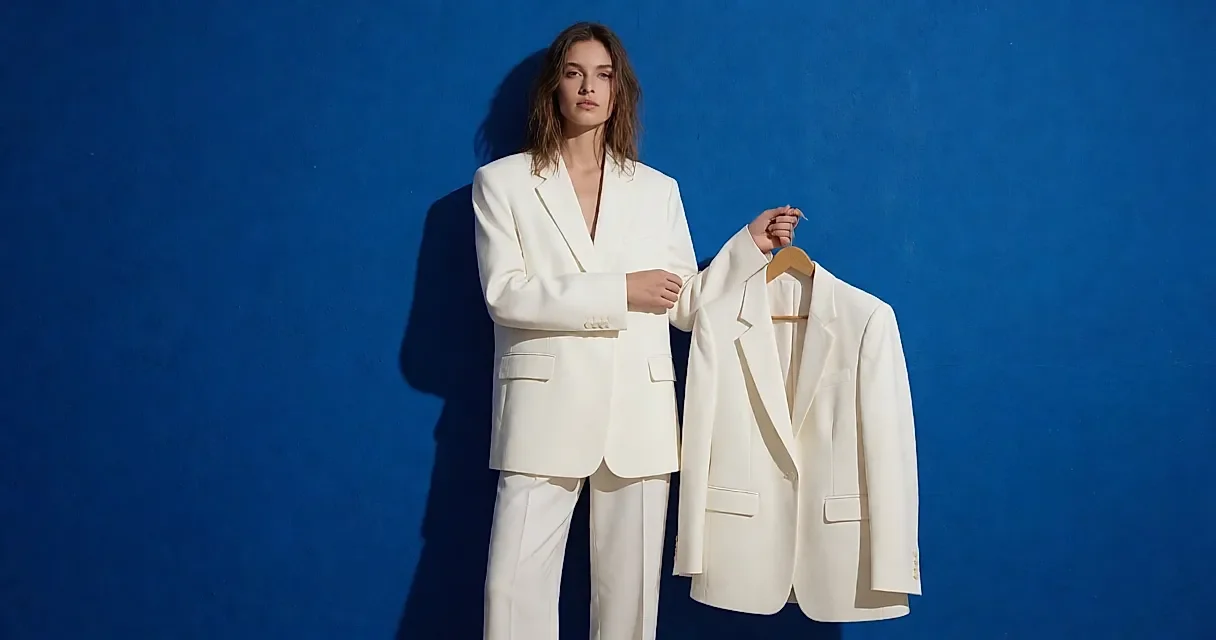
There are pieces that carry a name, and pieces that carry a cut. The former leave the conversation the day their designer goes; the latter carry on being worn when the house has a new captain, the collection has a new tempo and even the shop playlist has changed. In front of a rail, then, the useful question isn't who designed the piece but what remains once you take the label out of the equation.
What leaves with its designer
When a house changes artistic direction, it isn't the most sensible pieces that desert the wardrobe: it's the most talkative ones. The blazer with shoulders so wide they demand a matching walk. The chain-trim skirt, the house print, the bag with the oversized buckle. These pieces aren't failures; they're characters. They had a role in a runway story, with the lighting, shoes and styling that went with it. Taken out of that set, they become costumes: beautiful, but a little theatrical.
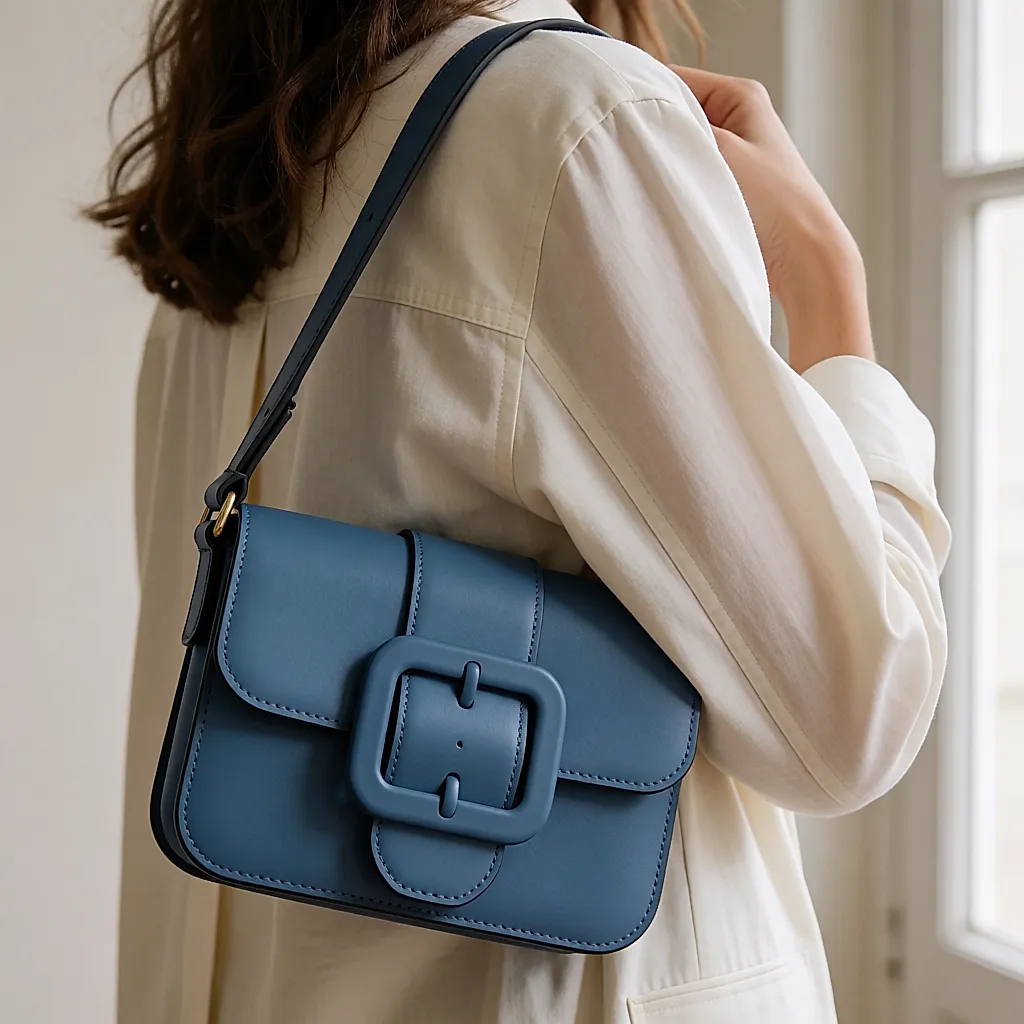
That's not a reason to avoid them; it's a reason to buy them with your eyes open. A statement piece is a pleasure, not an investment: two seasons of outings, perhaps a comeback in ten years, and that's perfectly fine. But if your wardrobe is twelve pieces that have to get you to the office on Monday, a statement piece isn't the answer — and it's better to realise that in the mirror than at the till.
The cut and the fabric are what count
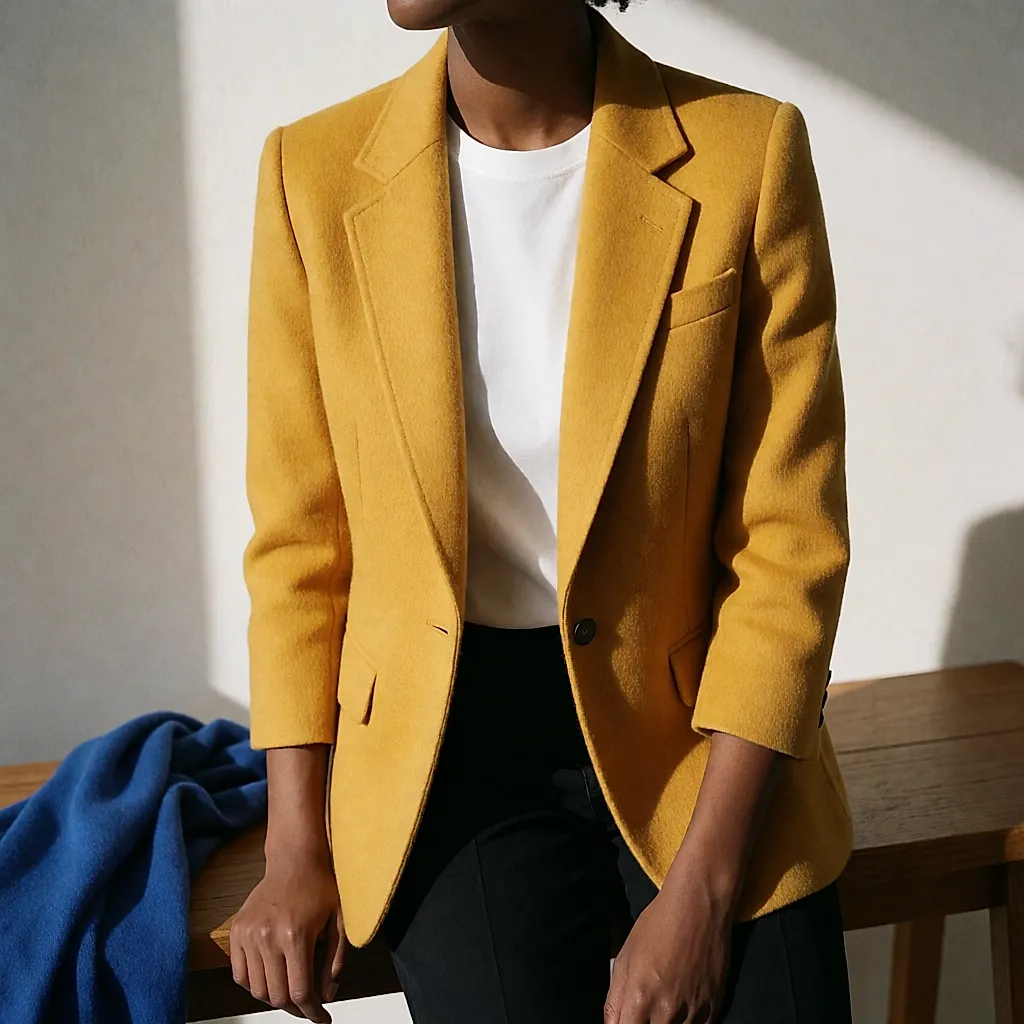
What lasts across seasons isn't a category; it's how a piece is made. A straight-leg jean whose waistband sits in the right place, a poplin shirt with a little more body, a trench, a fine merino wool knit, a wool midi skirt that moves without losing its shape. These pieces don't shout; they are simply well made, which leaves them free to live several lives and survive several creative directions.
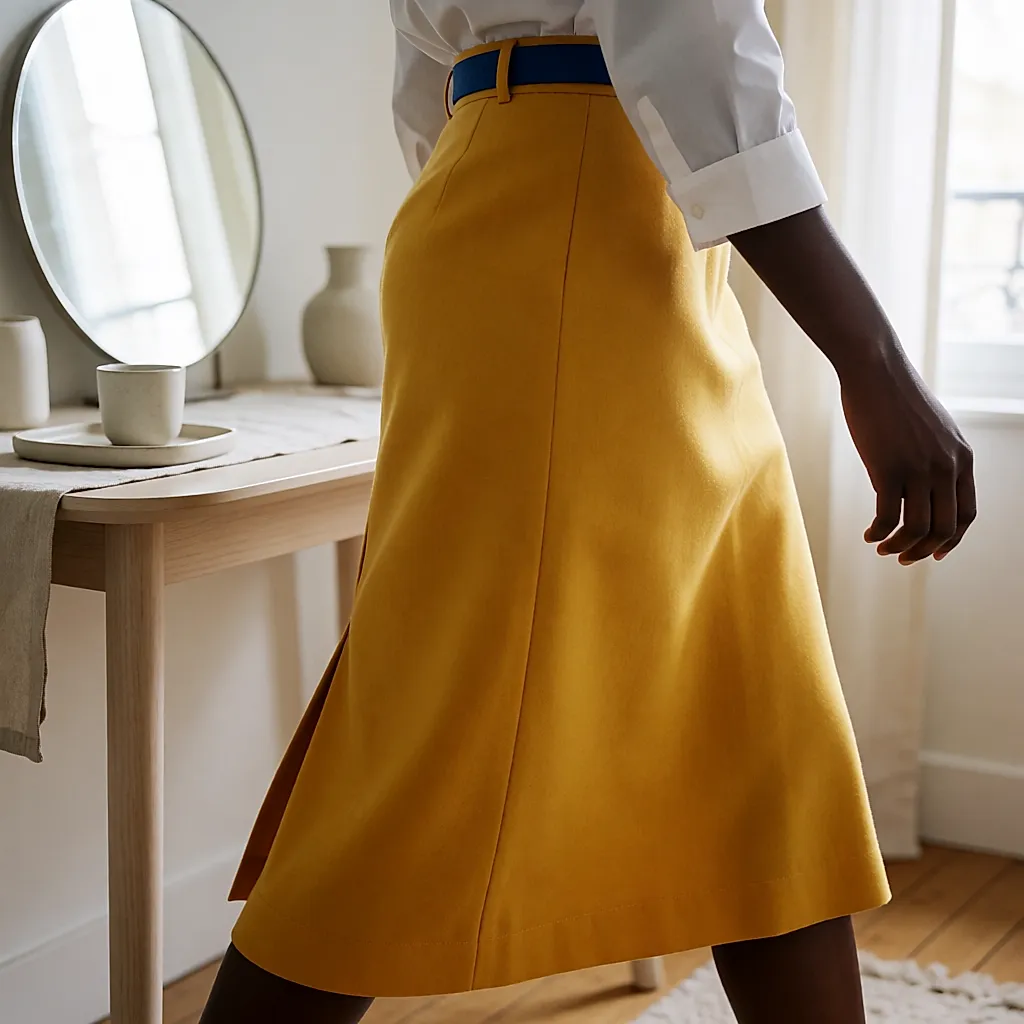
Three checks, three seconds each. Does the shoulder seam sit at the edge of your shoulder? Does the hem have a little weight? Does the lining glide rather than cling? Then glance at the fibre content: a small amount of synthetic fibre can help a knit hold its shape, but a piece that is mostly synthetic won't age like wool. Fabric decides how something looks at the thirtieth wear, not the first try-on.
Three questions before you get your card out
You're in the fitting room, the light is awful, and someone is waiting outside. First question: would you love it if the name weren't on the label? Second: does it work without the set, without the belt, without the chain, without the catalogue styling? Third: what would you wear it with on Monday? If you can't name three things you already own, the answer is no.
The third is the most ruthless and the most useful: it gets you out of the 'I'll have an occasion' scenario. Cost per wear is the reality check. £180 worn 30 times works out at about £6 per wear; £50 worn twice is £25 per wear. The maths isn't glamorous, but it prevents a few good finds from becoming wardrobe regrets.
The anonymous hanger test: cover the label, look at the piece and ask yourself whether you'd wear it to dinner where nobody knows the brand. If the answer is yes, it stands a good chance of surviving three changes of creative direction — and three house moves.
Budget
Expect to pay roughly £100–£400 for a decent trench, £90–£300 for a well-cut blazer, £50–£130 for a merino wool jumper, £60–£140 for a straight-leg jean and £45–£100 for a poplin shirt. The range shifts with fabric, finish, retailer, city and time of year. Second-hand, prices are often lower on pieces that have already been worn in: it's the most sensible good deal going, provided you check the seams and wear at the sleeves.
Two caveats. A long trench is gorgeous and not very compatible with a bike or the Tube stairs at rush hour; only you know whether your daily life will give it a chance. A structured blazer, meanwhile, will soon start to show the strain if your job keeps you moving. In those cases, an unlined jacket or a good fine knit does the same styling job with fewer constraints, often for less money.
So there's the trade-off. Keep the pieces whose cut and fabric speak for themselves; treat yourself to the name when you can enjoy it as a pleasure rather than an investment. At £150, aim for an impeccable cut in second-hand or end-of-season pieces. At £300, look for a blazer or trench that will see you through several winters. And if you do one day fall for a truly signature piece, choose it for the thrill — at least it will have done that job.
Comments
Your opinion matters: rate the article, react and reply to comments.
Comments are moderated; AI-assisted comments are flagged. Text emoticons (8-), :-), <3…) are automatically shown as images.