
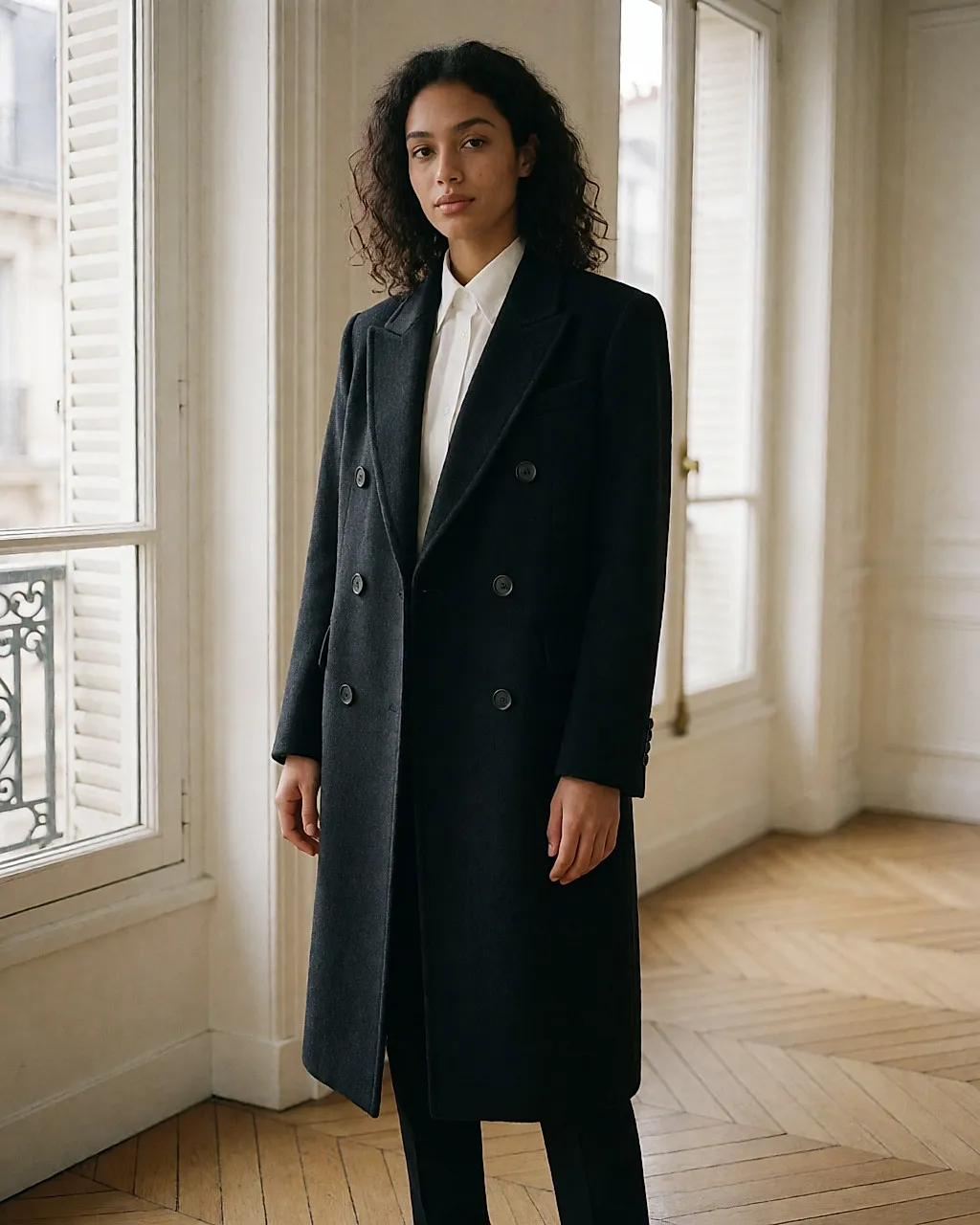
You've probably clocked that tiny engraved skull on a button without quite knowing where it came from. It's the calling card of The Kooples, the label launched in 2008 by the Elicha brothers. And the brief hasn't really shifted since: pair English tailoring with rock — the mod spirit of the Sixties, the punk energy of the Seventies — and dress both sexes from the same rail.
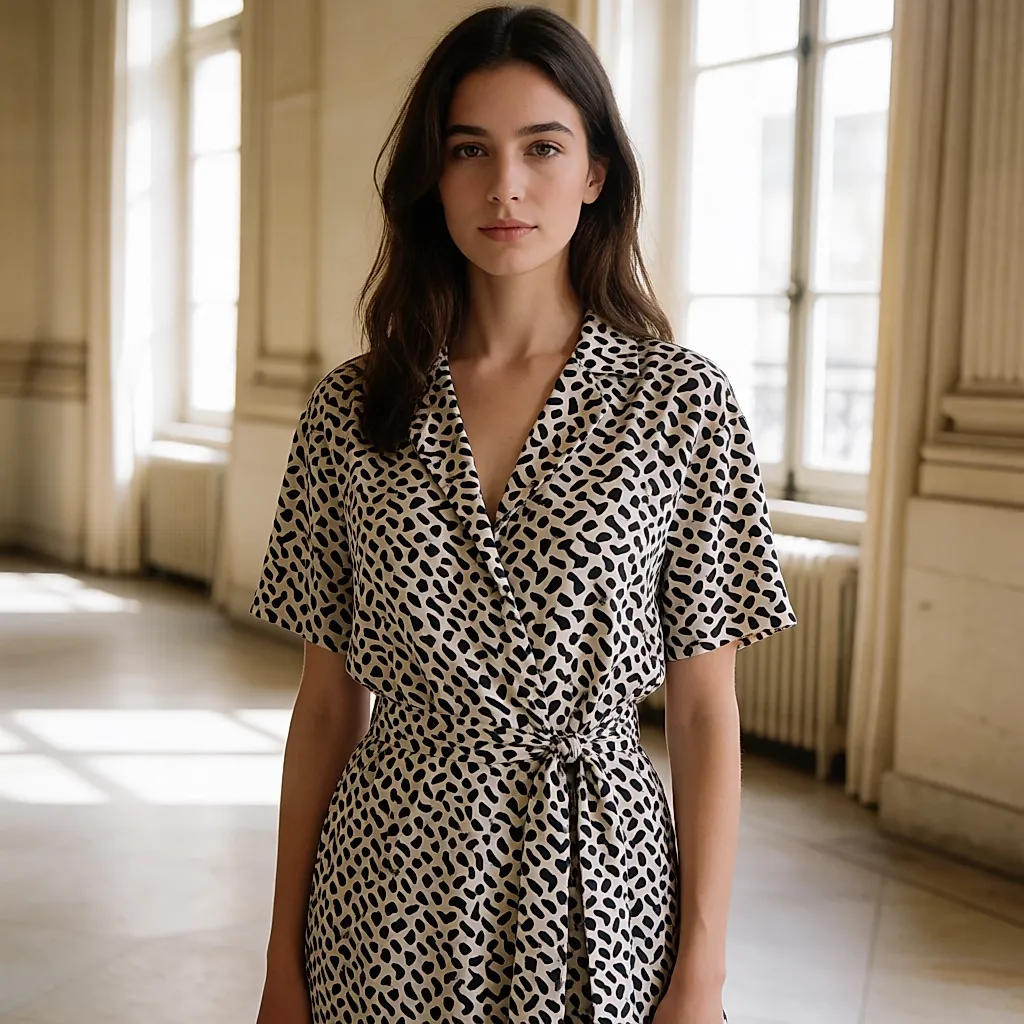
An androgynous silhouette, cut like a suit
On the shape front, that means trenches with a military drape, double-breasted jackets, fine cardigans and slim-cut trousers. The fabric does the heavy lifting: wool holds the line, tightly woven cotton brings the structure. Slip a shirt under a blazer, pick one statement piece, and your layering stands up on its own. The look stays androgynous and instantly recognisable — and honestly, this wardrobe works just as well as a full look as it does piece by piece, mixed in with what you already own.
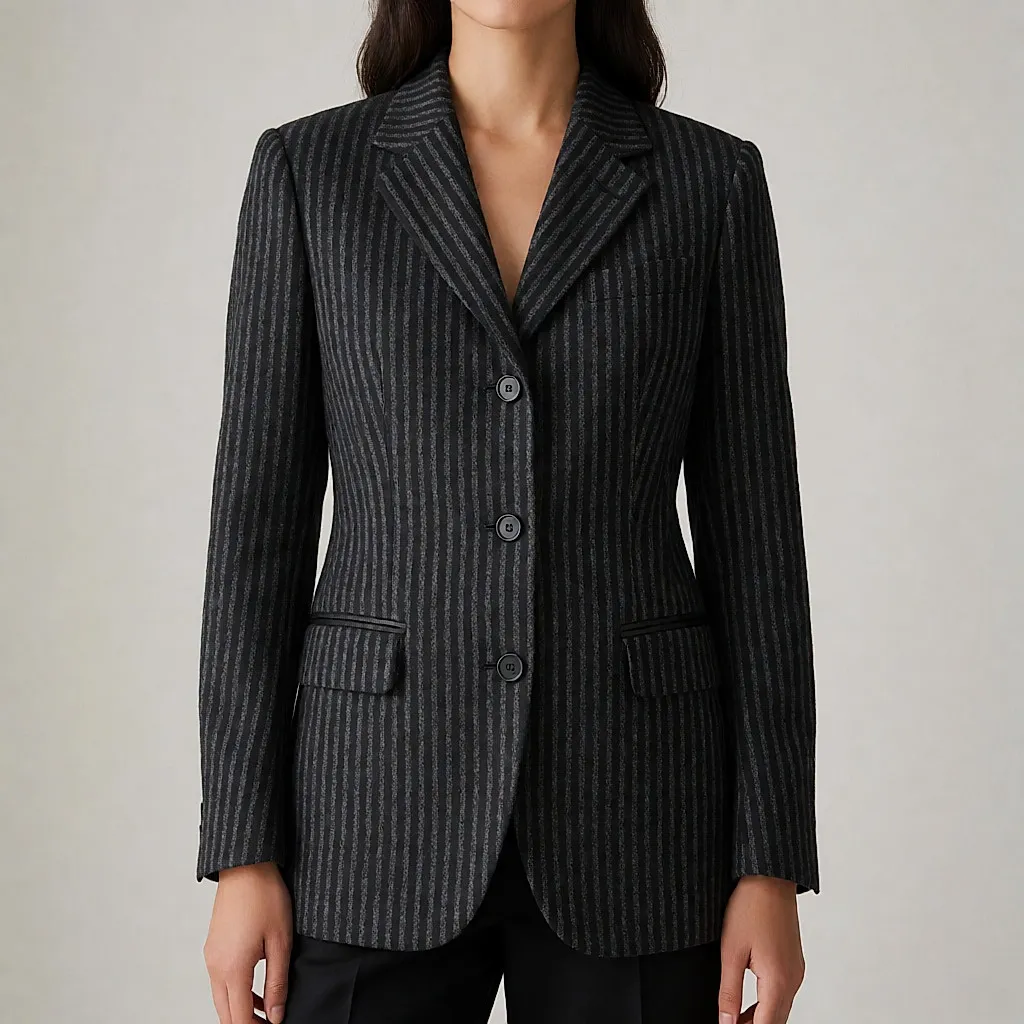
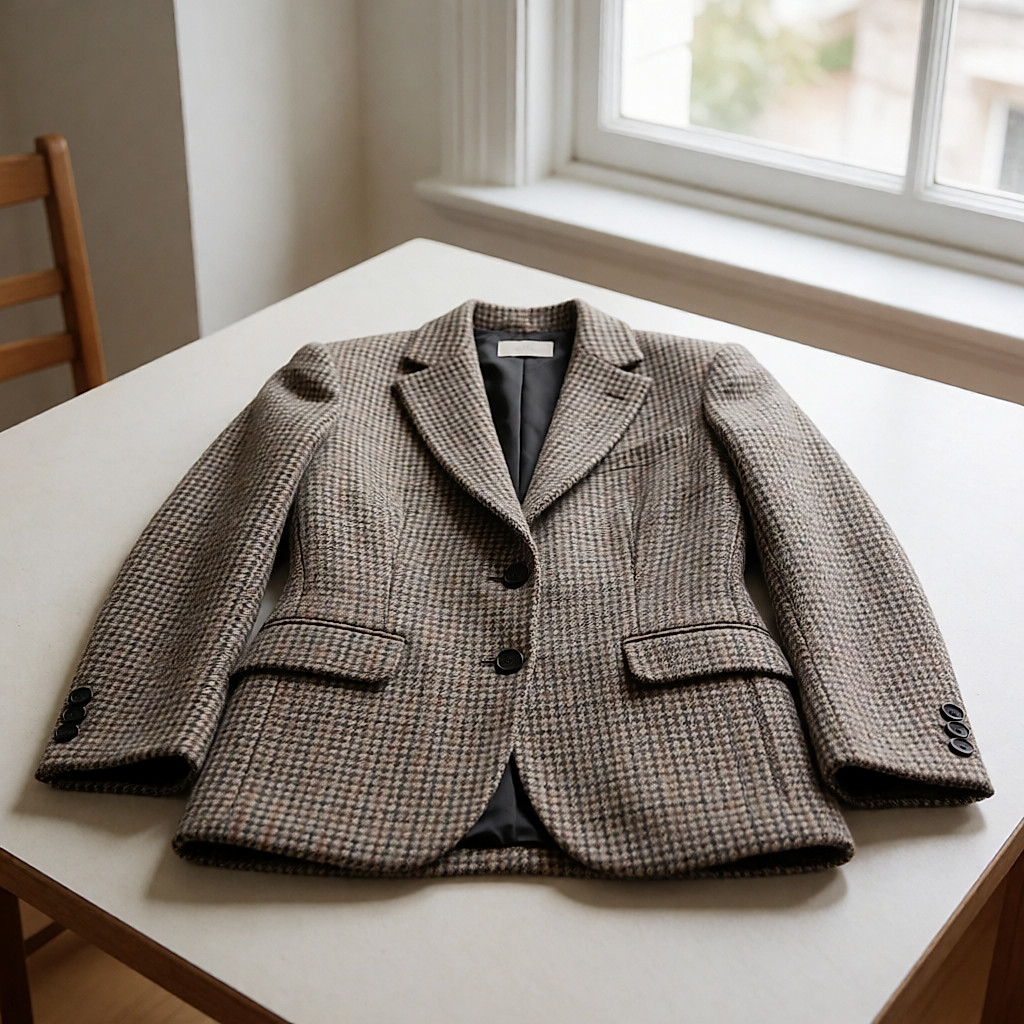
The move that changes everything: only ever stack one strong piece at a time. The print or the texture that does the talking, just one — everything else in the outfit sits quietly in the background.
Budget
Expect roughly £70–105 for a shirt, £130–215 for knitwear or a light jacket, and £350+ for anything in leather. The price climbs with the material — wool, leather — and drops sharply come the sales. You'll find it in-store, on thekooples.com, and increasingly second-hand on resale platforms, often at gentler prices than buying new.
On that note, pre-owned is the more considered compromise: you keep the cut without triggering new production. If you're buying a cotton basic new, look out for environmental certifications — they give you a useful steer on how the fibre was grown and processed. That's a concrete marker, not a vague promise of "natural" thrown out there.
Sources
- The Kooples, official site: thekooples.com
- European Commission, EU Strategy for Sustainable and Circular Textiles (2022)

Comments
Your opinion matters: rate the article, react and reply to comments.
Comments are moderated; AI-assisted comments are flagged. Text emoticons (8-), :-), <3…) are automatically shown as images.