
Have you ever spent 45 minutes comparing two shades of white on your phone? Same. And honestly, I get it.
On the wedding day, one outfit, one hairstyle and one kind of light have to hold up for eight hours of photographs. A silhouette, the way fabric falls, the setting: everything has to work together. Which is to say that the planning carries as much weight as the dress.
When Wendy and Jean-Luc asked me to talk about their work, I said yes immediately. Desiderata organisation is their business, born from a partnership that works in life and at work.
They come from business, operations and management, and have put those skills to work for one kind of event. We talked method, 2026 trends, budget, and the detail that genuinely changes a day.
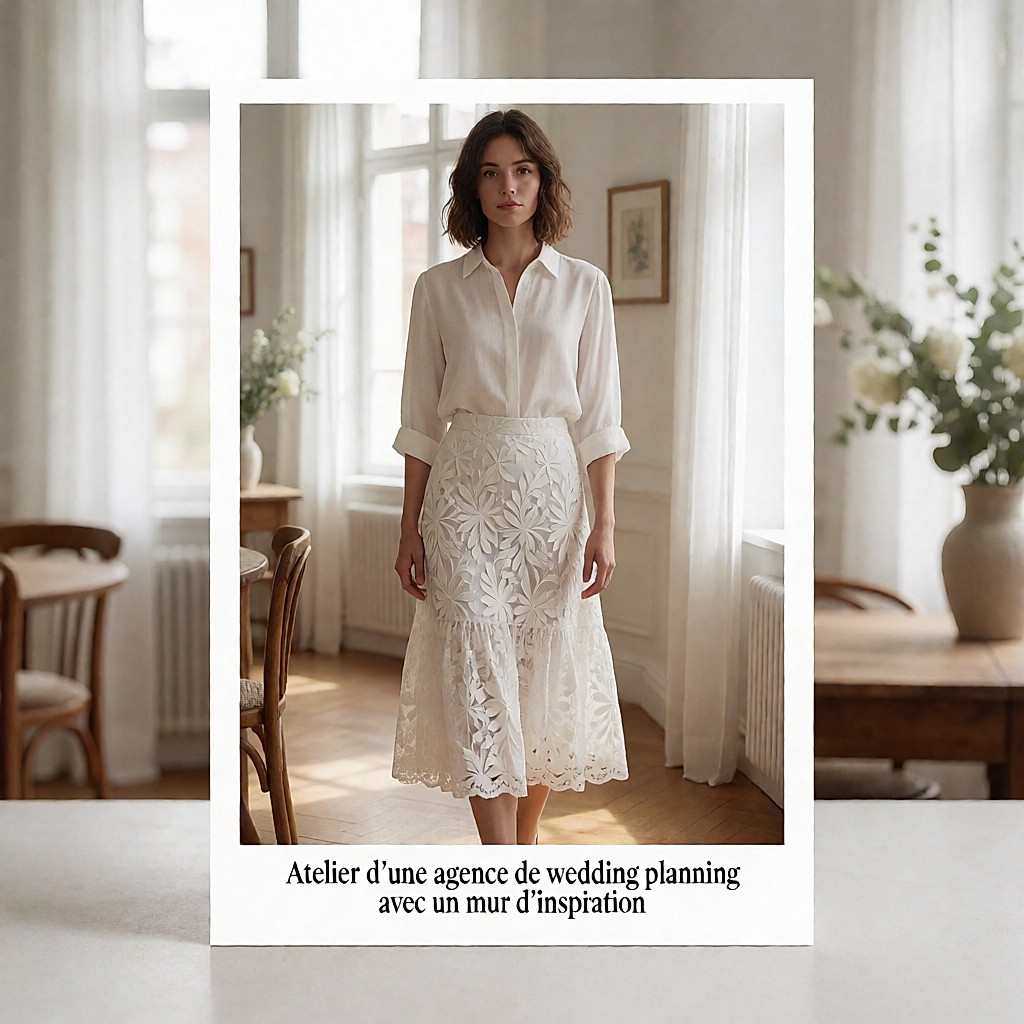
'We wanted a project of our own'
How did Desiderata come about?
Desiderata started as a couple's story. Married in life, partners at work, we complement each other pretty well. And we share the same way of working: rigour, high standards, and a real desire to move things forward.
We both came from corporate events. It's exciting, but the emotional weight is completely different. Weddings were the field we needed. And we like people, which helps when you're supporting a couple and their families for months.
So what was the turning point?
A long trip together. Six months across Europe and Asia, after years of running around. A proper pause.
When we came back, we needed meaning and a project that was ours. So we left the organisation side of our old company to launch our own business, with our own direction and values.
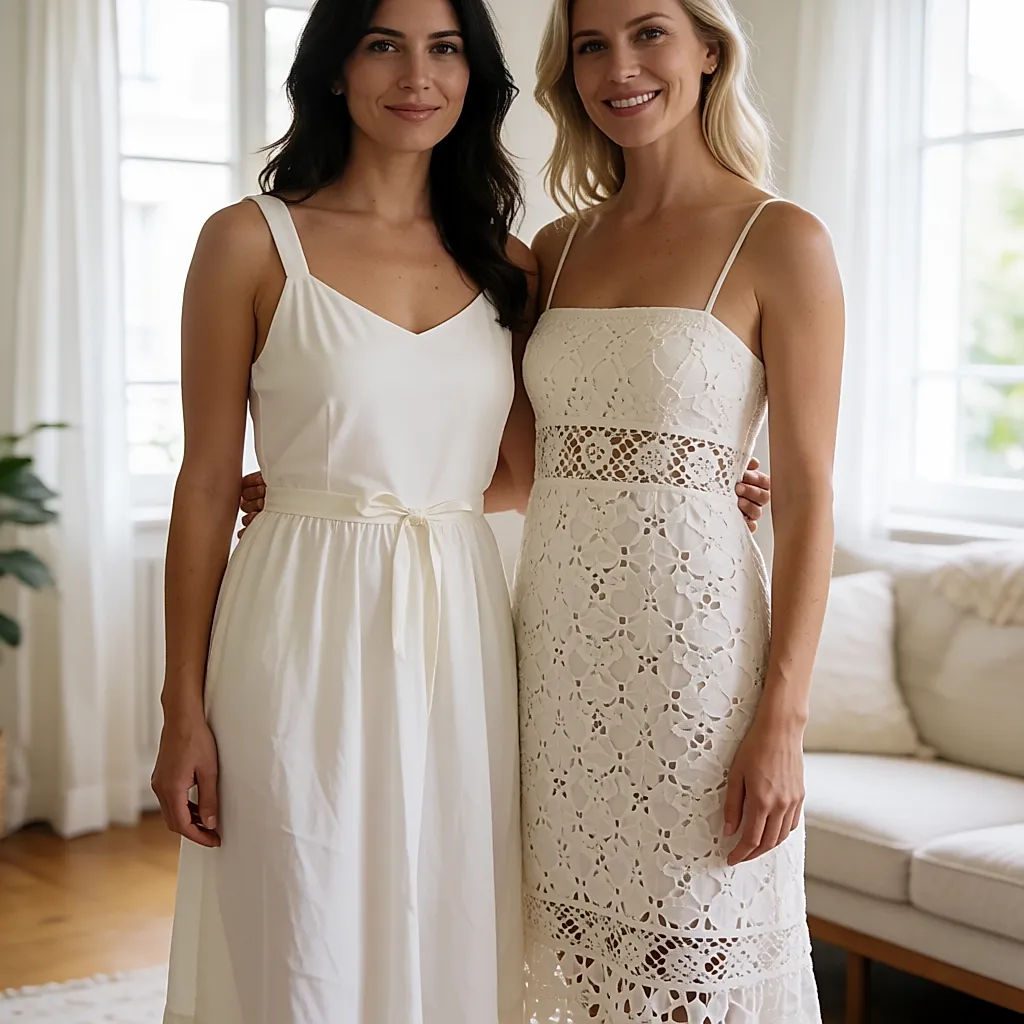
What makes them tick
What do you actually enjoy about it?
The shining eyes, the 'wait, we can do that?' moments, the chocolate cakes we're given when we arrive at our couples' homes. This job is full of powerful moments.
We love the preparation, the value we add to the project. And then there's the moment the 'I do' is said — we never tire of it. We help make those emotions clearer, calmer, without all the noise around them. A day free from that kind of interference has become rare.
The method, step by step
What does bespoke mean at Desiderata?
The word is overused; we take it literally. It all starts with a long meeting where we talk about the project, the couple, and what really matters. A wedding is an intimate event: without trust, it doesn't work.
Then we provide a clear quote, setting out exactly what we'll take on. If it works for them, we start.
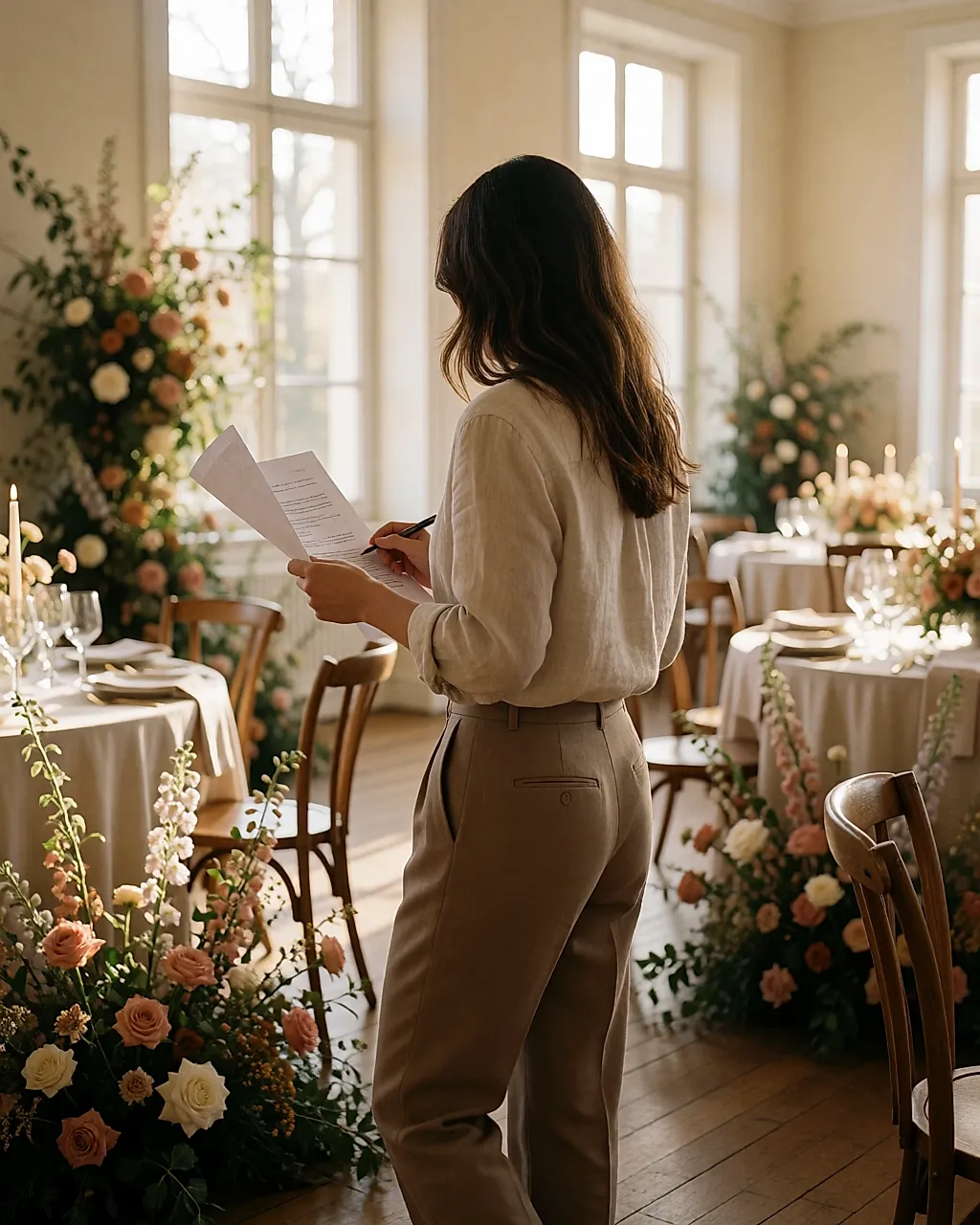
First we build a pre-project: overall budget, creative direction, theme, timeline. Once approved, that document becomes the basis for everything. Then comes supplier sourcing — we suggest, negotiate, refine and manage the couple's schedule. Mock-ups, samples and trials: the wedding takes shape little by little, through a series of meetings.
What about digital tools?
Yes, for logistics: shared trackers, video calls for couples who live far away, online moodboards. It saves dozens of back-and-forth emails.
But the tool doesn't make the decisions. The big calls — venue, budget, atmosphere — are made by the three of us, never in an app. And on the day itself, on site, there are no screens: there's a team that knows who's doing what, and when.
The test before you book a supplier — Ask them to explain, in three minutes, how they'd handle a caterer running late or a downpour during the ceremony. The answer tells you more than any portfolio. A supplier who can improvise calmly is worth more than a perfect catalogue on paper.
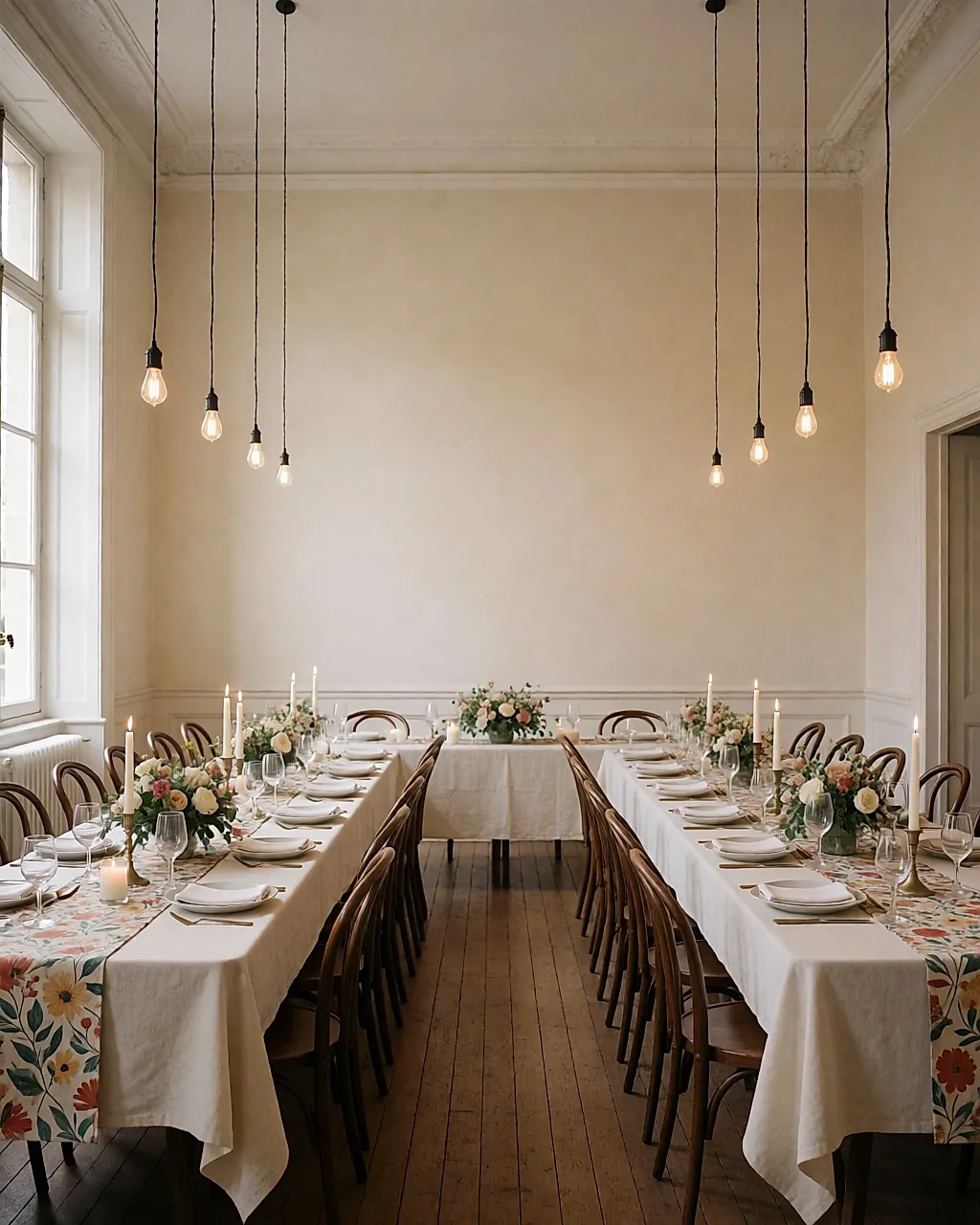
The wedding trends they see coming
What's changing for couples?
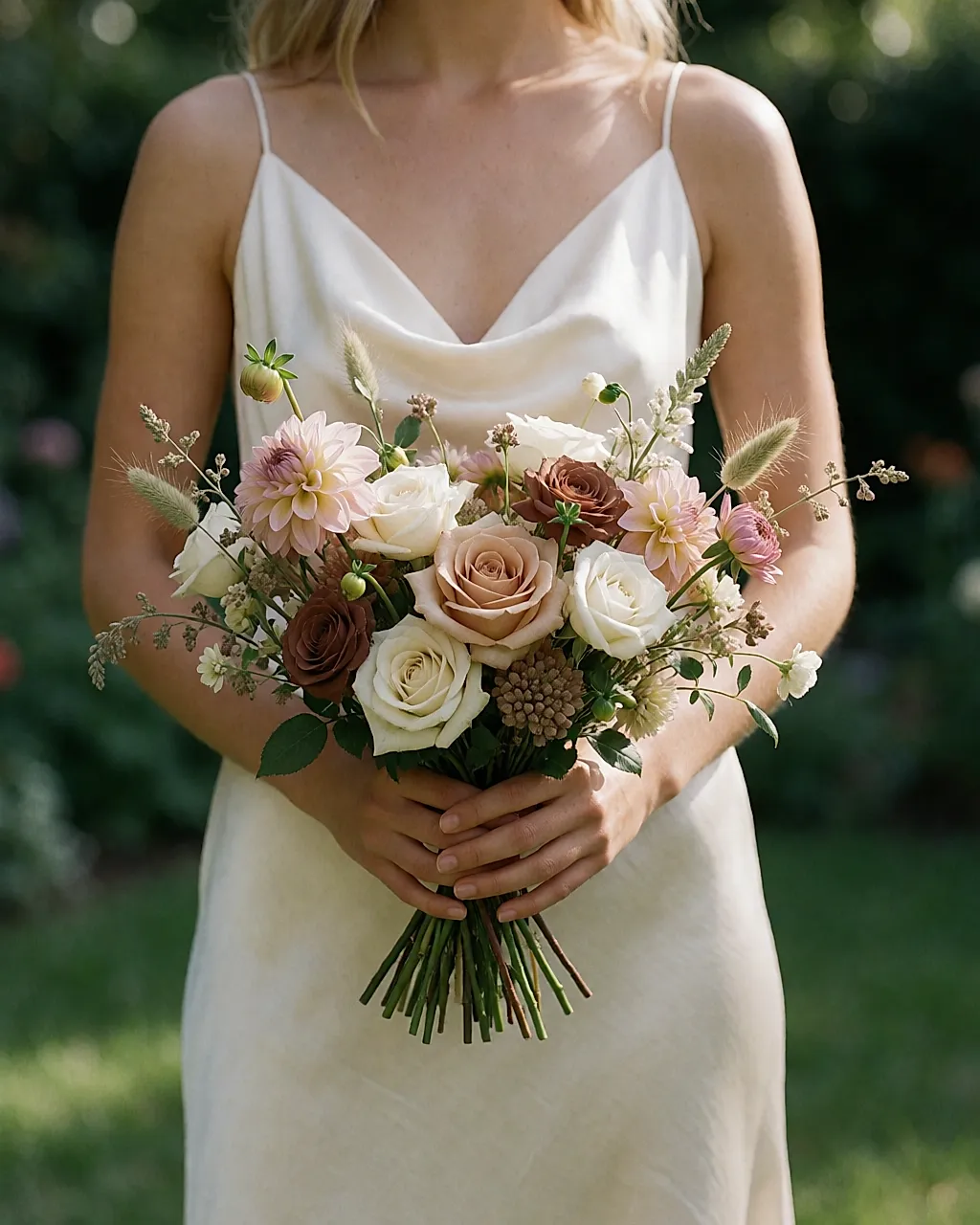
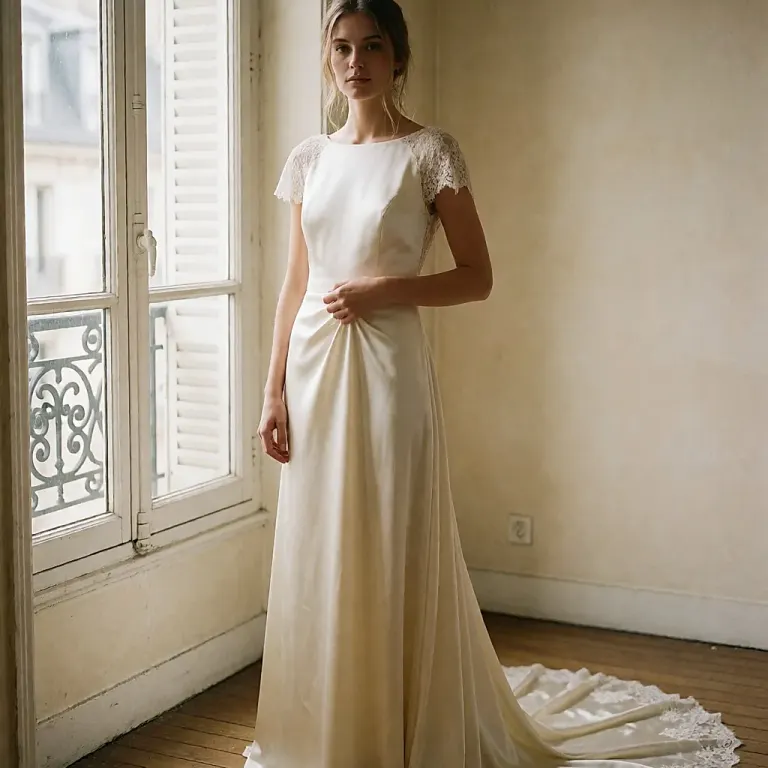
Weddings are smaller but much more considered. We're seeing fewer 200-guest events, and more two-part weekends: dinner on the Saturday, brunch on the Sunday. Couples are owning what they want. A celebrant-led ceremony written by the two of them, a first outfit that's properly dressed up — a statement piece, impeccable drape — then, for the evening, a second, freer look that lets them move. And a flexible dress code rather than a strict one.
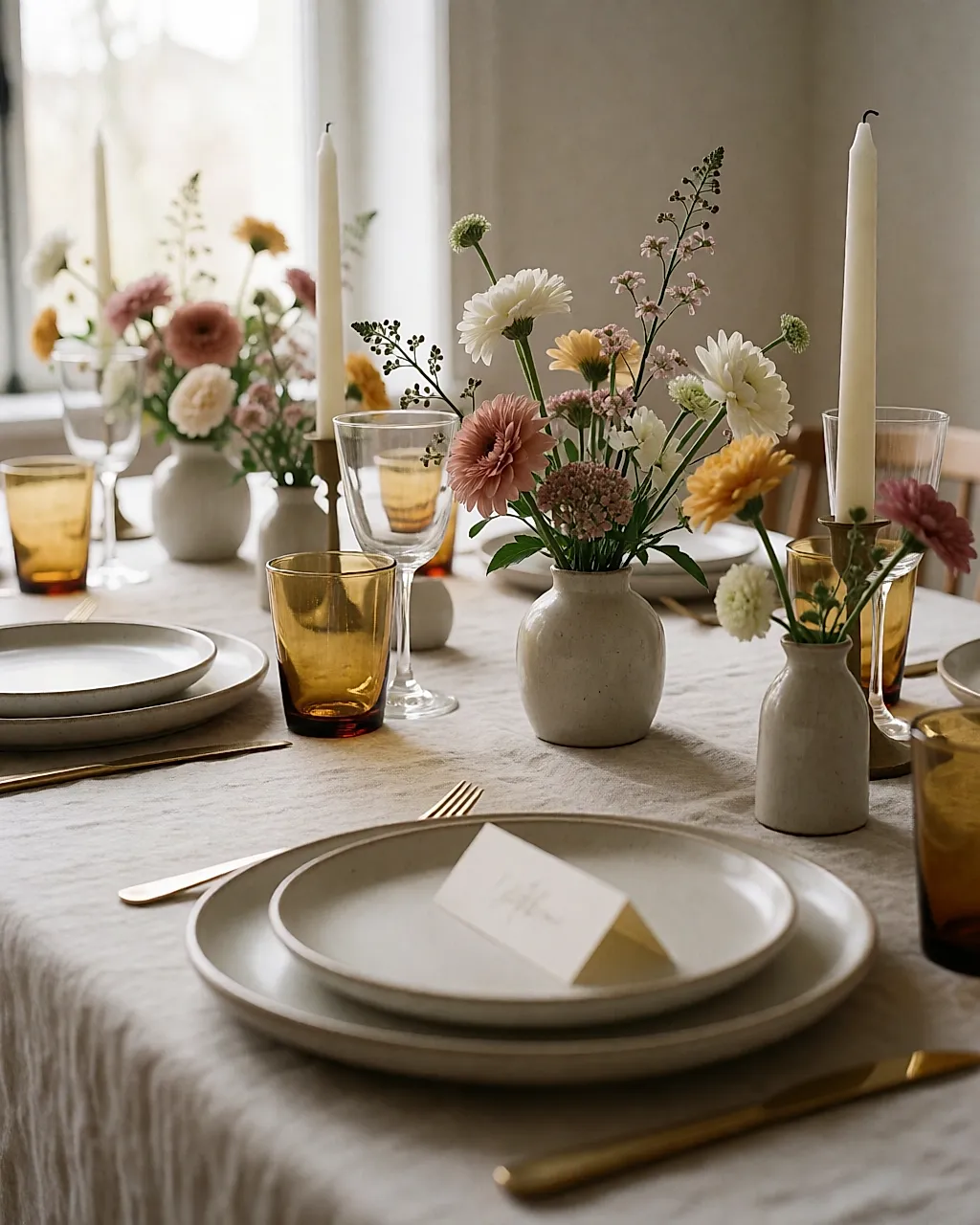
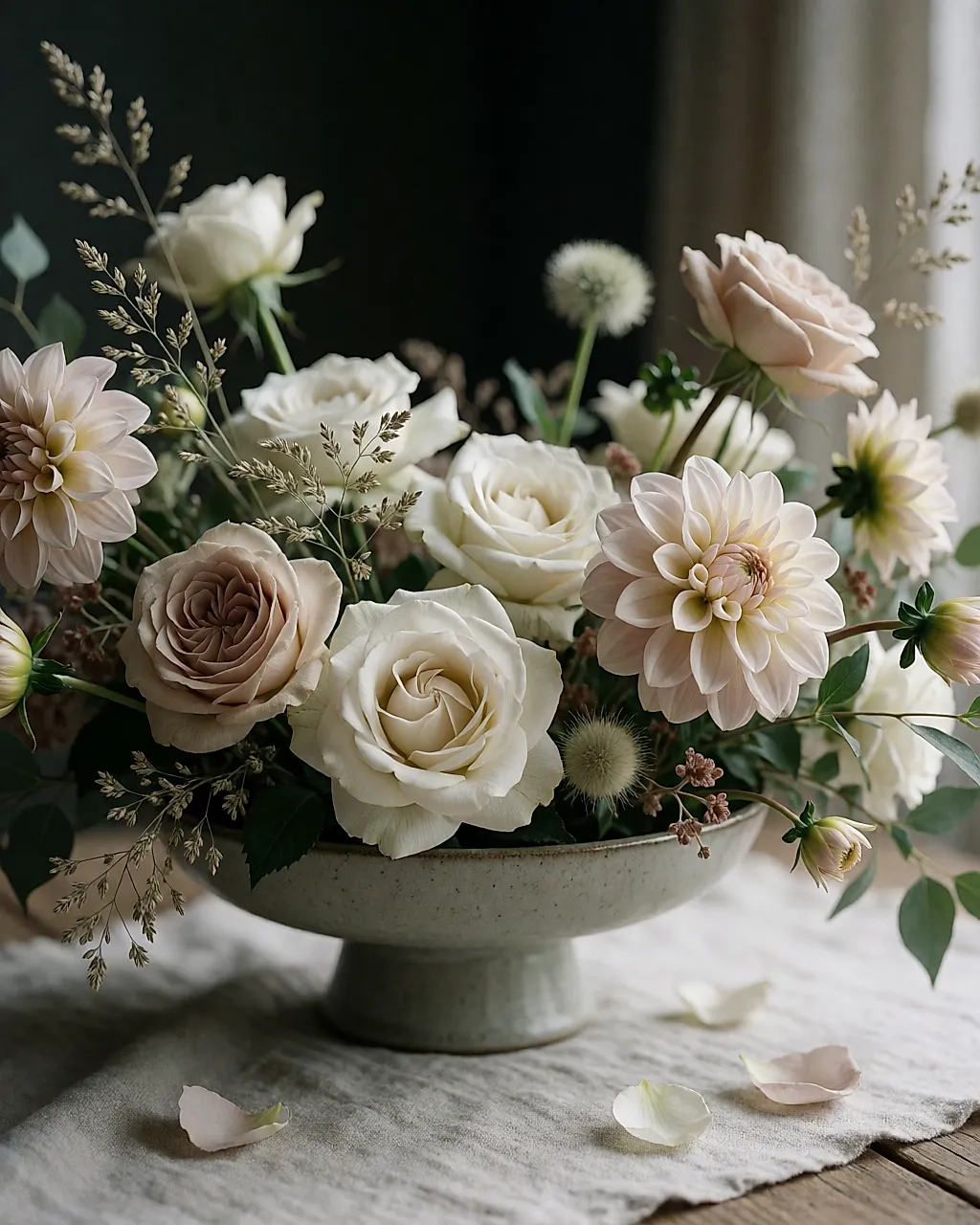
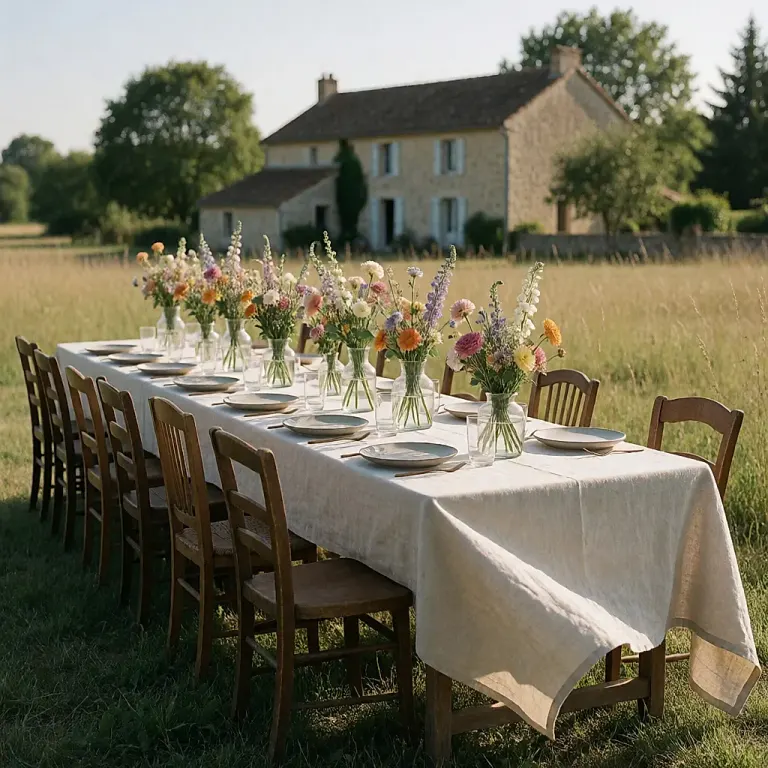
In decor, it's back to local and seasonal: seasonal flowers, regional growers, understated stationery, deliberately mismatched tableware. And real attention to the party's footprint — nearby suppliers, raw materials rather than plastic, rented furniture rather than bought. This isn't a passing trend: the question comes up at almost every meeting.
Any advice for couples just starting to plan?
Start with the overall budget, not the venue. A beautiful venue that eats up 60% of your funds forces cuts everywhere else, often on the things that show up most in photographs: the light, the table, the music. And talk about money early, just the two of you. What goes unsaid costs more than any quote.
Budget
Hiring a wedding planner is usually a separate cost, often on top of the wedding budget itself. Fees vary by package, region, guest numbers and how long you need them. As a rough guide for UK couples:
- One-off advice, à la carte: expect around £80–£200 per session — help choosing a venue, reviewing your budget, or coordinating one specific element.
- On-the-day coordination: from £800 to £2,000, more in London and other major cities.
- Full planning: from £2,500 to £6,000 depending on scope, or a percentage of the total budget, often around 10–15%, sometimes with a minimum fee.
Where to find this service? Directly through an agency or independent planner, via professional directories, or through a recommendation from a supplier you've already booked — caterer, photographer, venue. Always ask for a written quote and a detailed scope: what's included, and what isn't.
Léna's advice
If I take one thing from this conversation, it's this: put a 'peace of mind' line in your budget. Not the most visible, not the most Instagrammable, but the one that lets you be present on the day instead of chasing a supplier. The real game-changer is delegating before you're exhausted, not after.
And if you're still unsure about hiring a planner: ask for the details in writing. A team that clearly explains what it does — and what it doesn't — deserves more of your trust than a vague promise.
Sources
- Interview with Wendy and Jean-Luc, Desiderata organisation — original article kept for redirection: beaute-femme.org/blog-femme/interview-wedding-planner-desiderata-organisation
Food supplements do not replace a varied, balanced diet and a healthy lifestyle.
Comments
Your opinion matters: rate the article, react and reply to comments.
Comments are moderated; AI-assisted comments are flagged. Text emoticons (8-), :-), <3…) are automatically shown as images.