
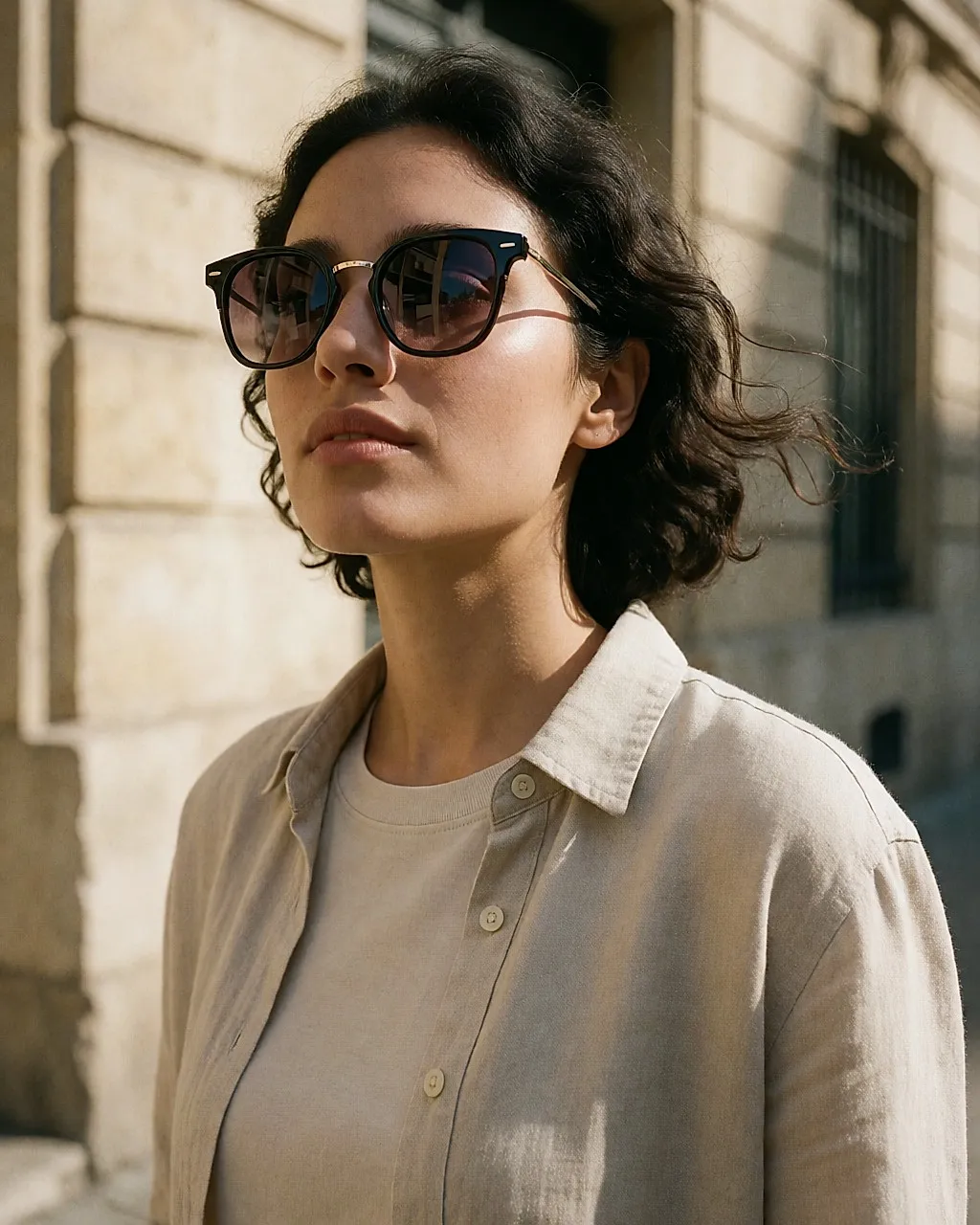
You'll have noticed it: the first ray of sunshine and the dark sunglasses are back everywhere — on the street, on social media, on the catwalk. The catch? A pair spotted on a celebrity isn't automatically right for your face. Sunglasses are a bit like a haircut: what lights up one face can drain another. So before you splurge on the style you saved from a photo, look at three things together: shape, width, and what the lenses actually filter.
Oversized: yes, but size matters
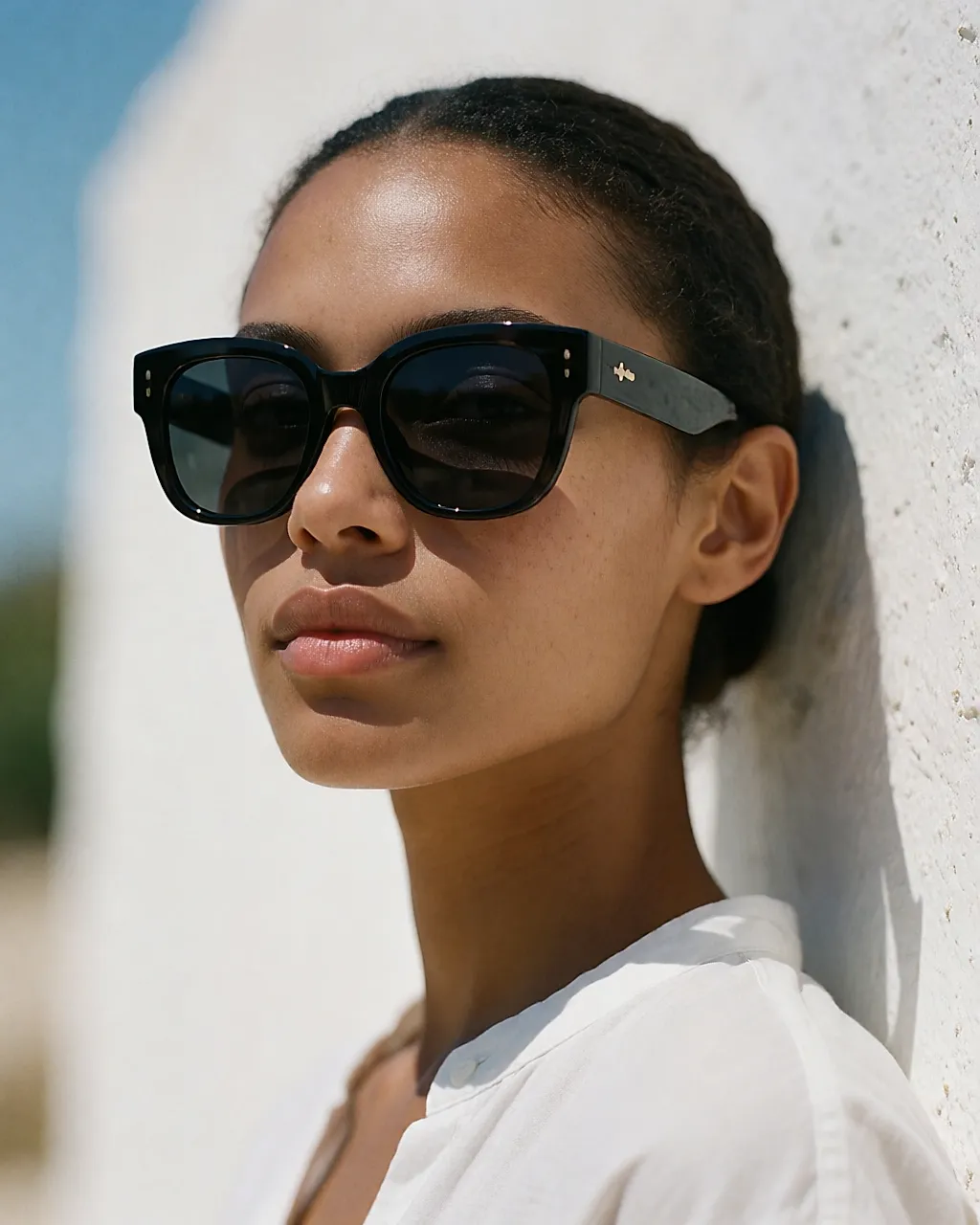
The oversized frame that swallows half your face is still everywhere this season. Its plus? It structures the eyes and covers the eye contour well. In reality, on a small or round face, it swamps everything and all you see is the sunglasses. A shame, right?
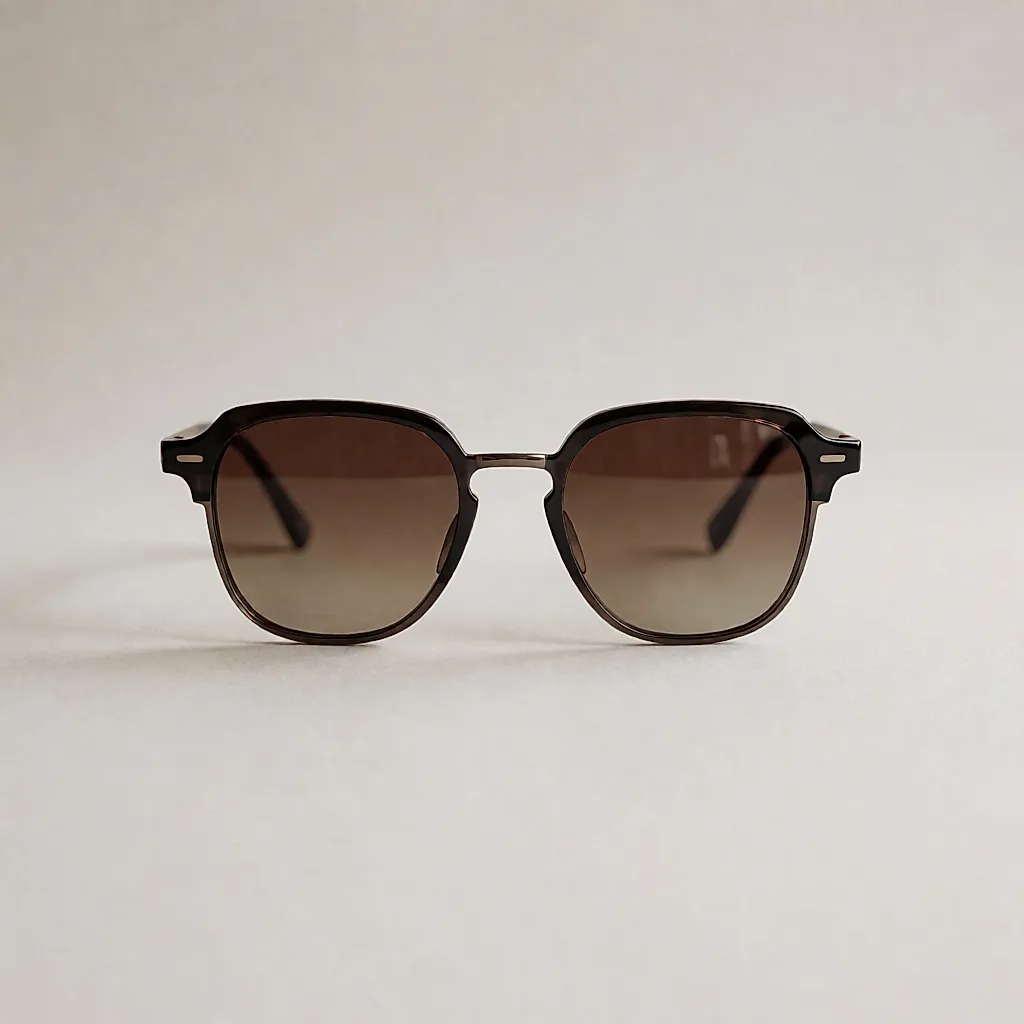
If that sounds like you, look for a wide frame that isn't oversized: the edge of the lens shouldn't extend beyond the width of your cheekbones. A simple rule when you're trying them on: the frame should stop before your cheekbones, not after.
Round face: go for contrast
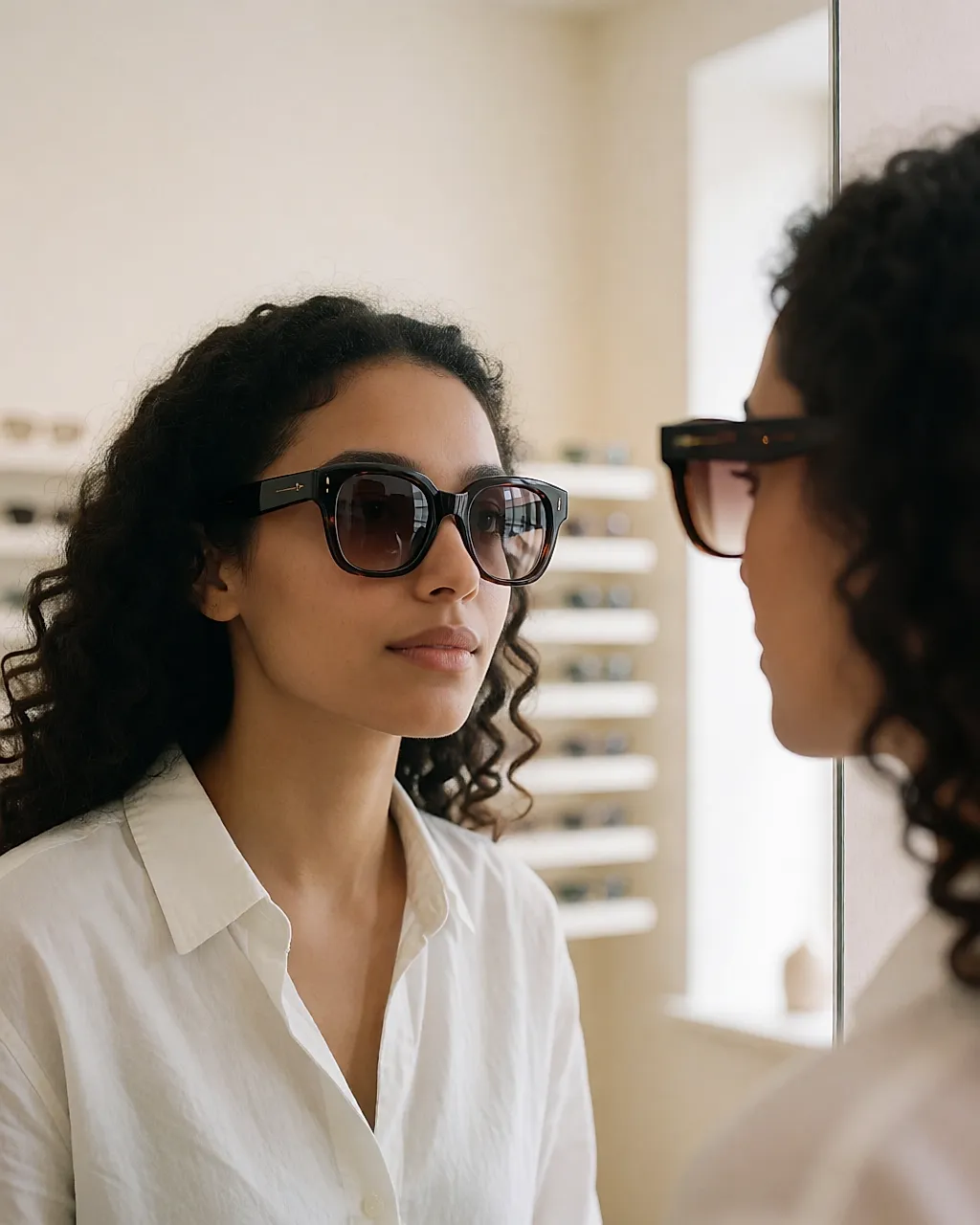
A round frame on a round face only amplifies the bubble effect. Square, rectangular or butterfly shapes restore balance, especially with a slightly raised bridge. That's the move that changes everything: you want contrast, not repetition.
Heart-shaped face: aviators work beautifully
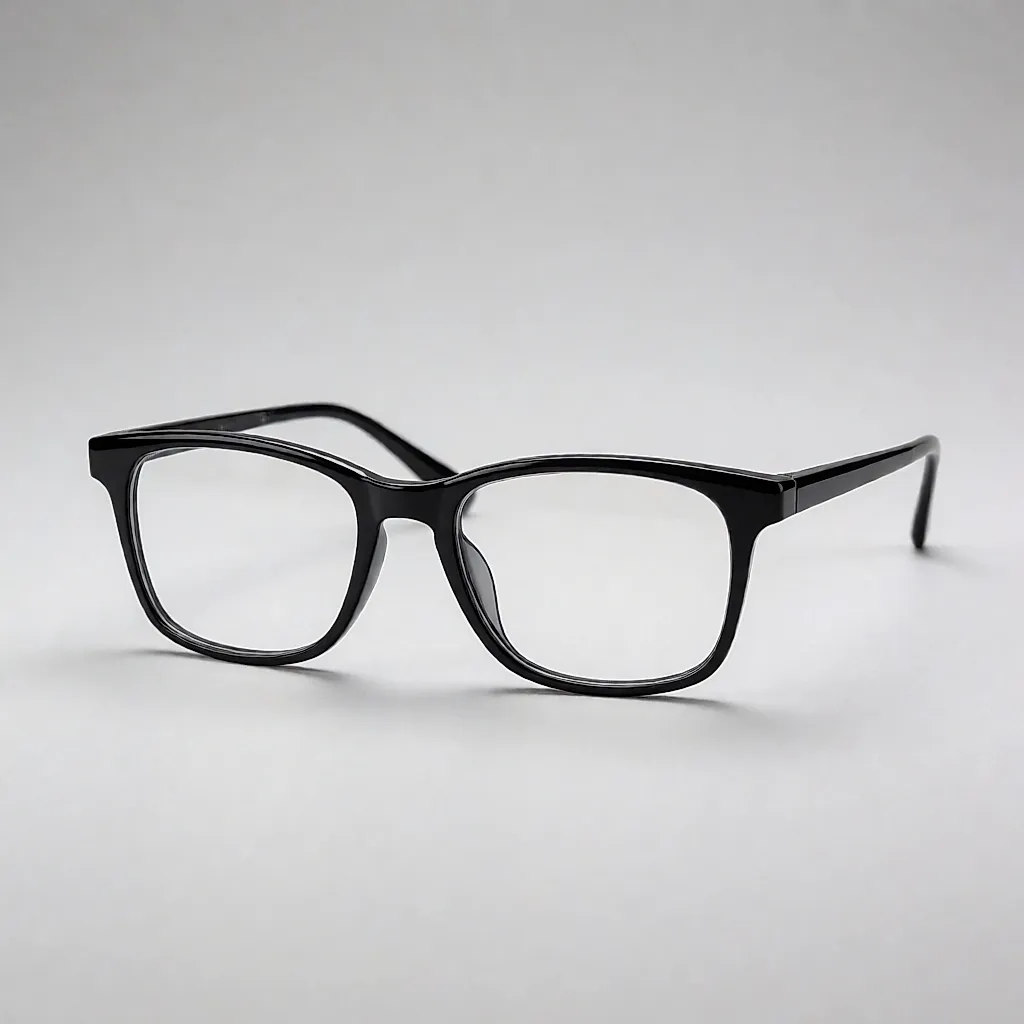
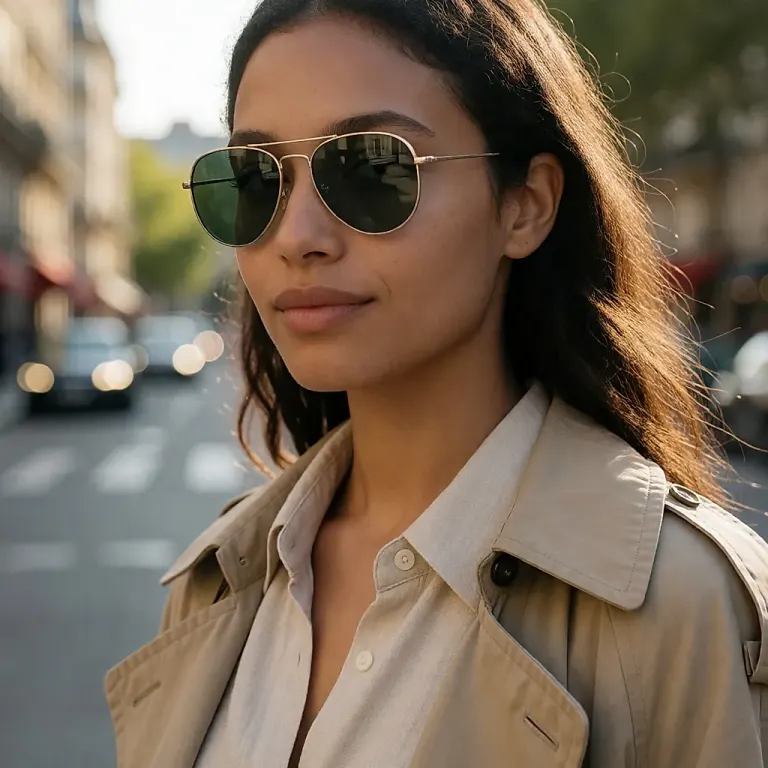
Wide forehead, neat chin? The aviator shape and its teardrop lenses naturally balance proportions. It has crossed the decades without dating, worn by generations of stars, men and women. A slim double bridge, discreet temples, and the statement piece does the work — even with jeans and a plain T-shirt.

Long face: add width without going overboard
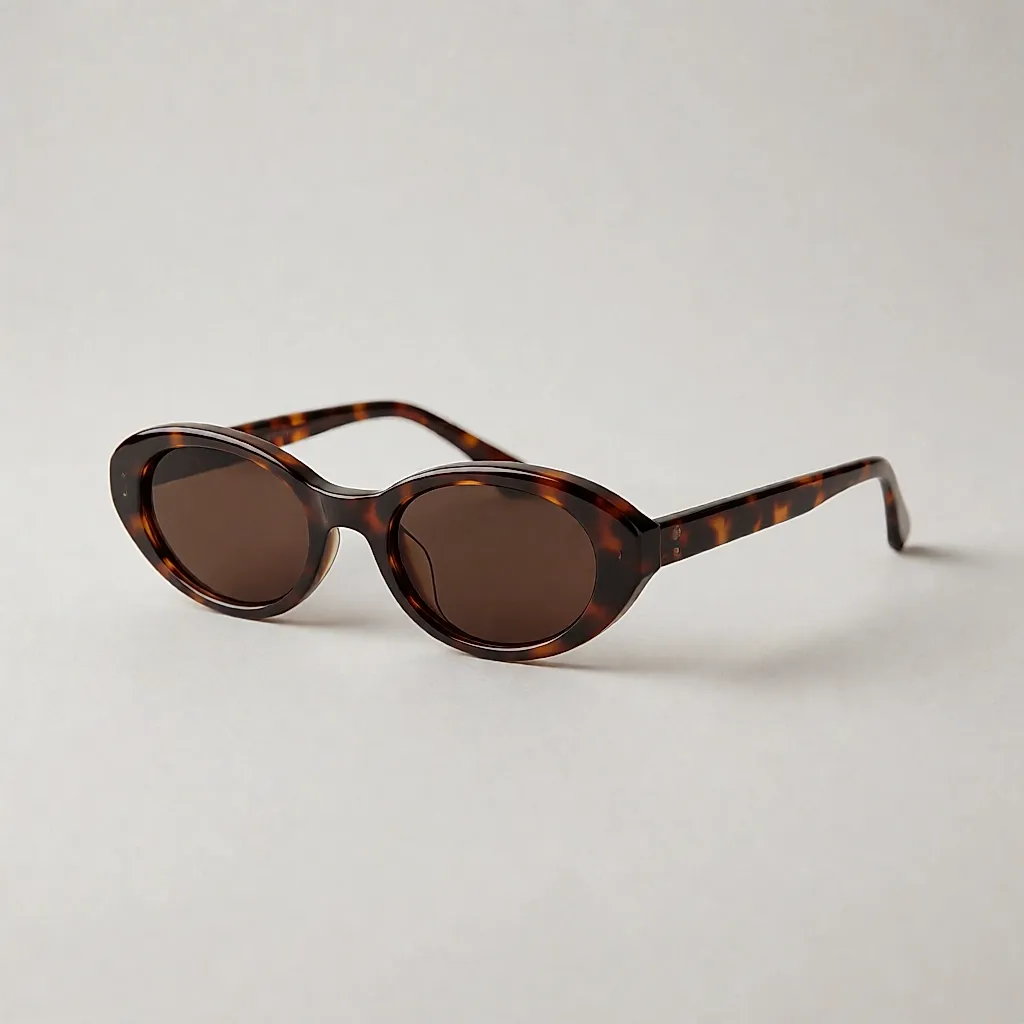
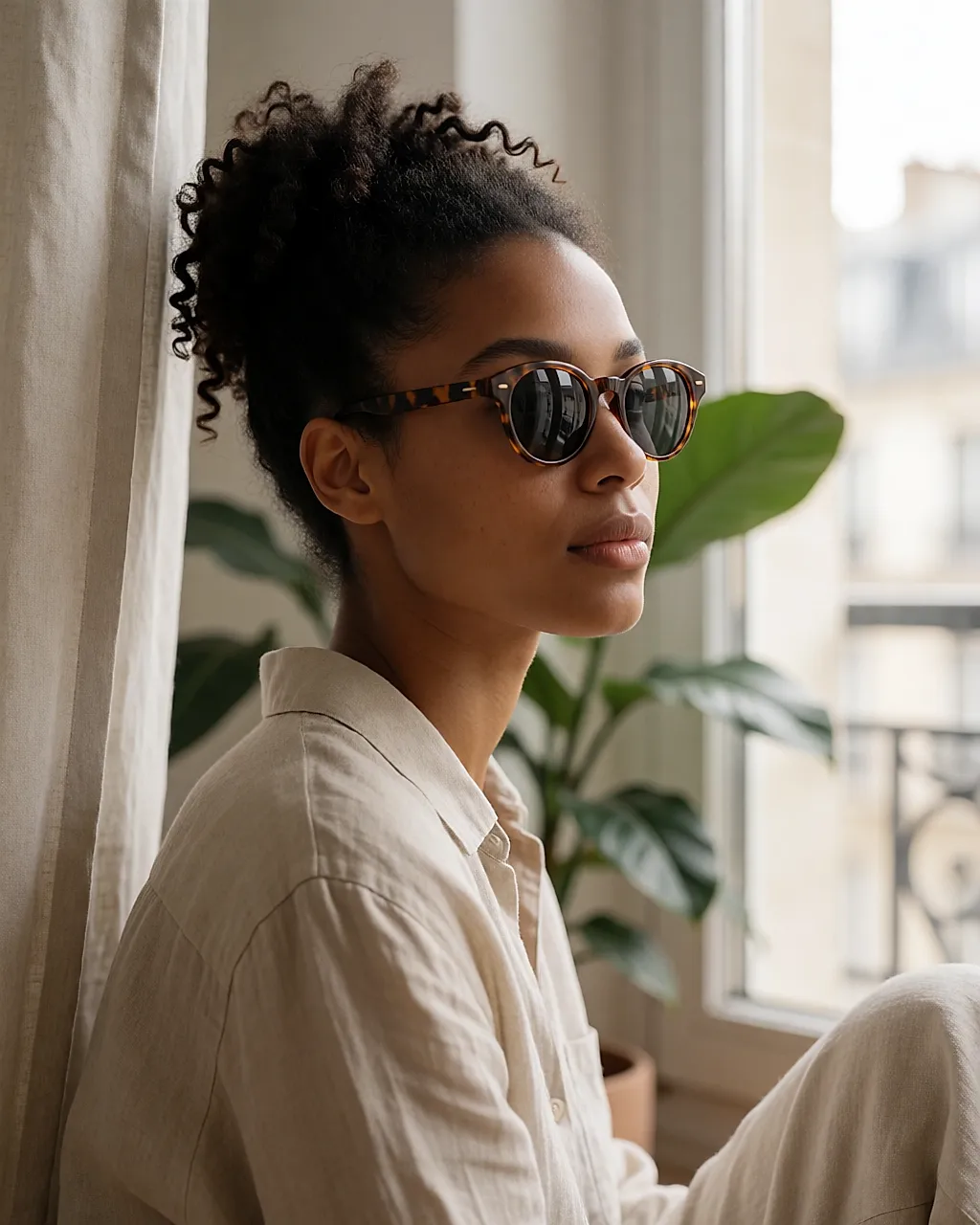
Here, you can afford width. A rounder or oval lens, a slightly taller frame, and the face looks less elongated. Be careful not to swing too far the other way: too much width just amplifies what you're trying to correct. A little contrast, not a mask.
Matte or tanned complexion: try lighter frames
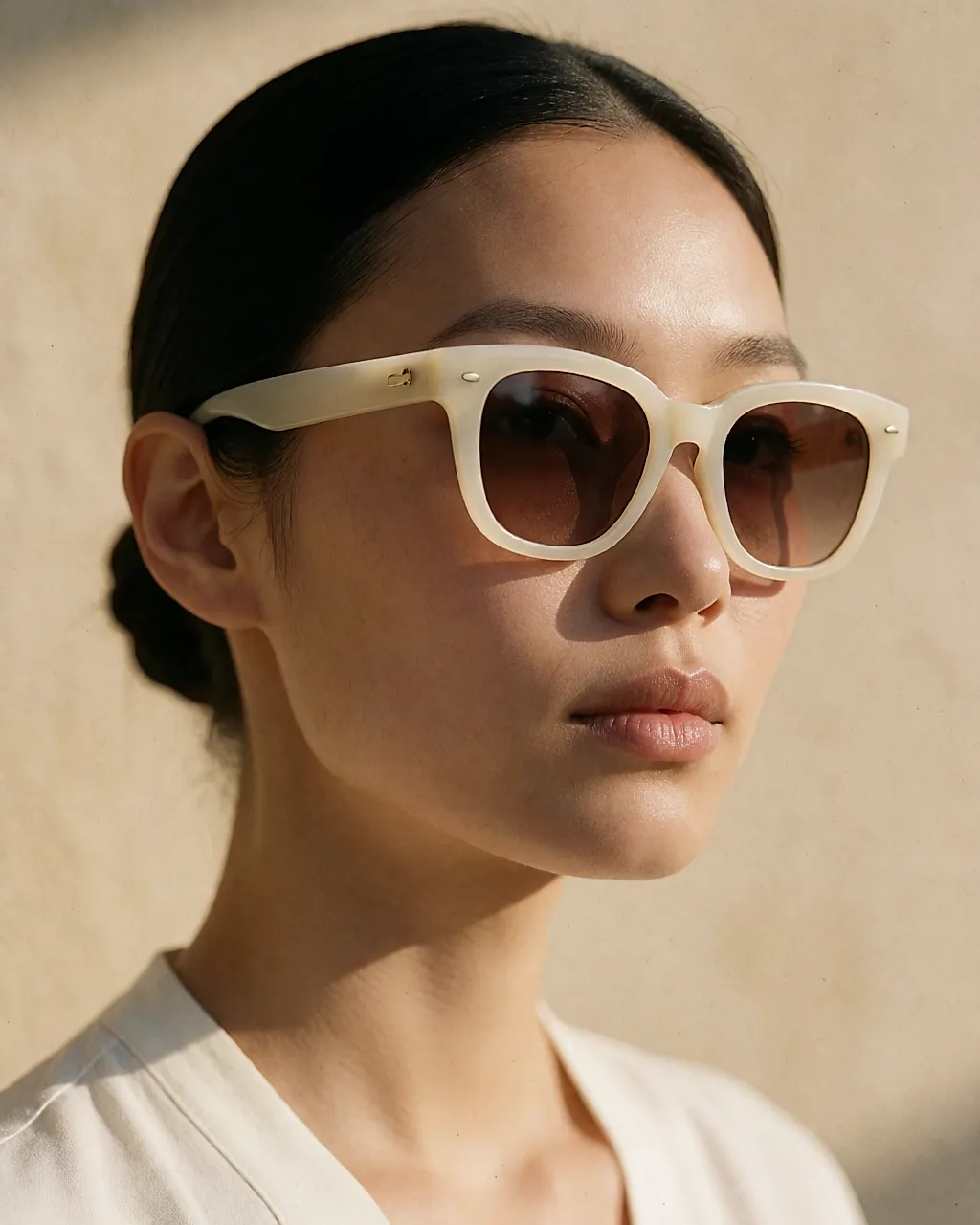
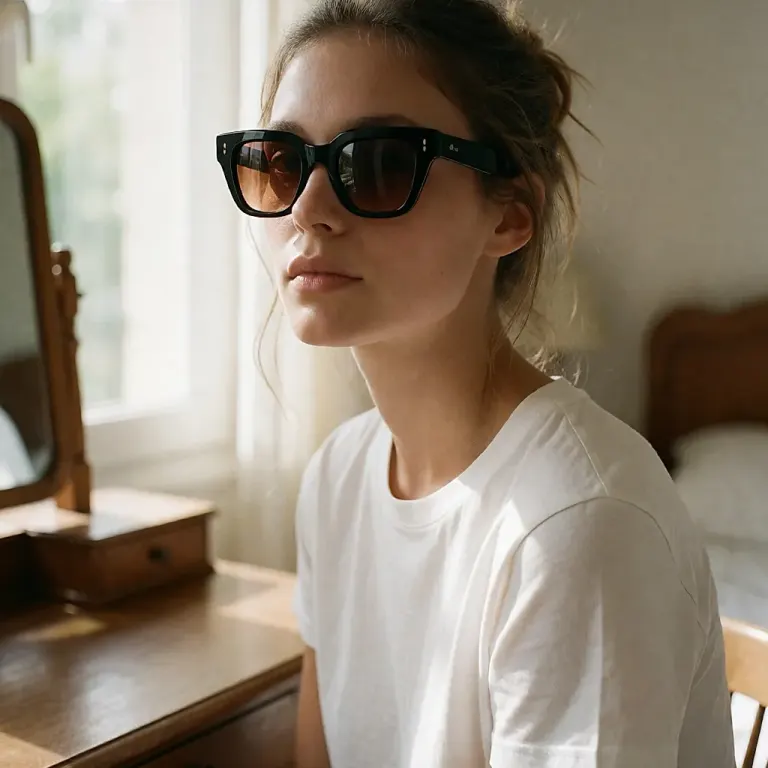
On a matte or tanned complexion, an ecru, sand or off-white frame makes skin stand out. Add lightly tinted or gradient lenses and the eyes open up immediately. Big houses and niche brands both offer them every season: you don't need a logo to get the effect. Material matters too — thick, glossy acetate gives a different look from fine metal.

At the optician's, check three things: the frame doesn't slip when you tilt your head down, the temples don't press behind your ears, and the lenses cover the eye contour well. Lenses with documented UVA and UVB filtration usually carry a UV400 marking.
UV protection: the bit we forget
A very dark frame without a solar filter doesn't offer the protection you might assume: the lens darkens, but it doesn't filter the rays because of that. This is where official benchmarks help. Look for EN ISO 12312-1, category 3 for everyday use, and the relevant UKCA or CE marking.
Budget
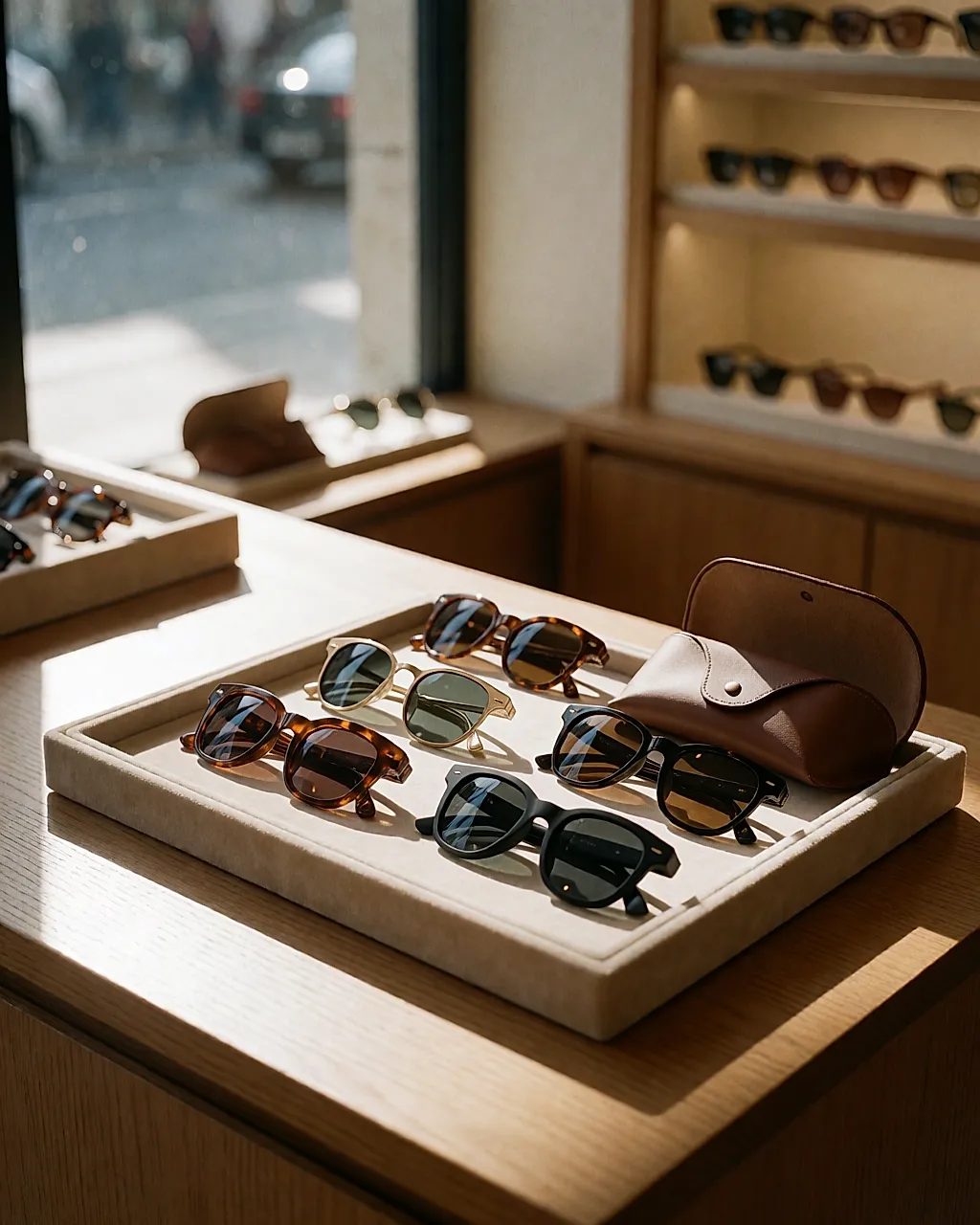
Budget-wise, the range is wide. Expect around £15–£40 for a basic pair from a supermarket or online, and more like £80–£250 at an optician or beauty retailer for a branded frame with genuinely filtering lenses. What pushes the bill up: the quality of UV filtration, the frame material (acetate, metal, titanium), the brand, and prescription lenses. You can find them almost anywhere, but to check the marking and how the frame sits on your nose, an optician is still the safest bet.
Beautiful and well chosen, they accessorise a total look in two seconds and genuinely protect. We're sold.
Sources
- ISO 12312-1, 'Eye and face protection — Sunglasses and related eyewear' (ISO).
- Regulation (EU) 2016/425 on personal protective equipment, which covers sunglasses and their CE marking (EUR-Lex); in Great Britain, PPE requirements are set out in the Personal Protective Equipment Regulations 2018 and UKCA marking rules (legislation.gov.uk).
- UK Health Security Agency (UKHSA), ultraviolet radiation guidance.
- Santé publique France, 'Rayonnement ultraviolet' dossier (French public health authority).

Comments
Your opinion matters: rate the article, react and reply to comments.
Comments are moderated; AI-assisted comments are flagged. Text emoticons (8-), :-), <3…) are automatically shown as images.