
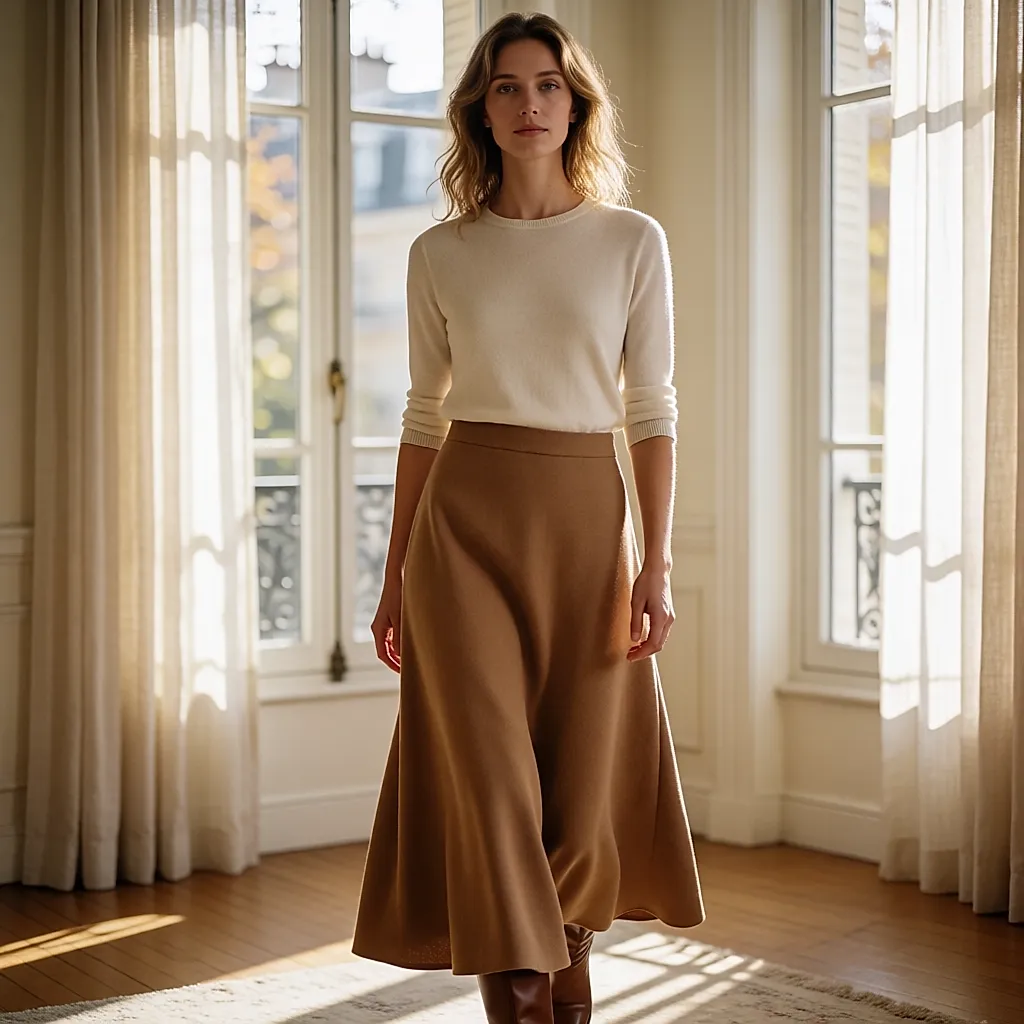
You've pulled your pencil skirt out of the wardrobe and something feels off: it suddenly looks terribly sensible. Nothing unusual there. The skirt is back, but not in its strict office incarnation. This season it's worn with more freedom: fabric with some life in it, a clean drape, a length you've actually chosen. Here's the honest picture, without the mythology.
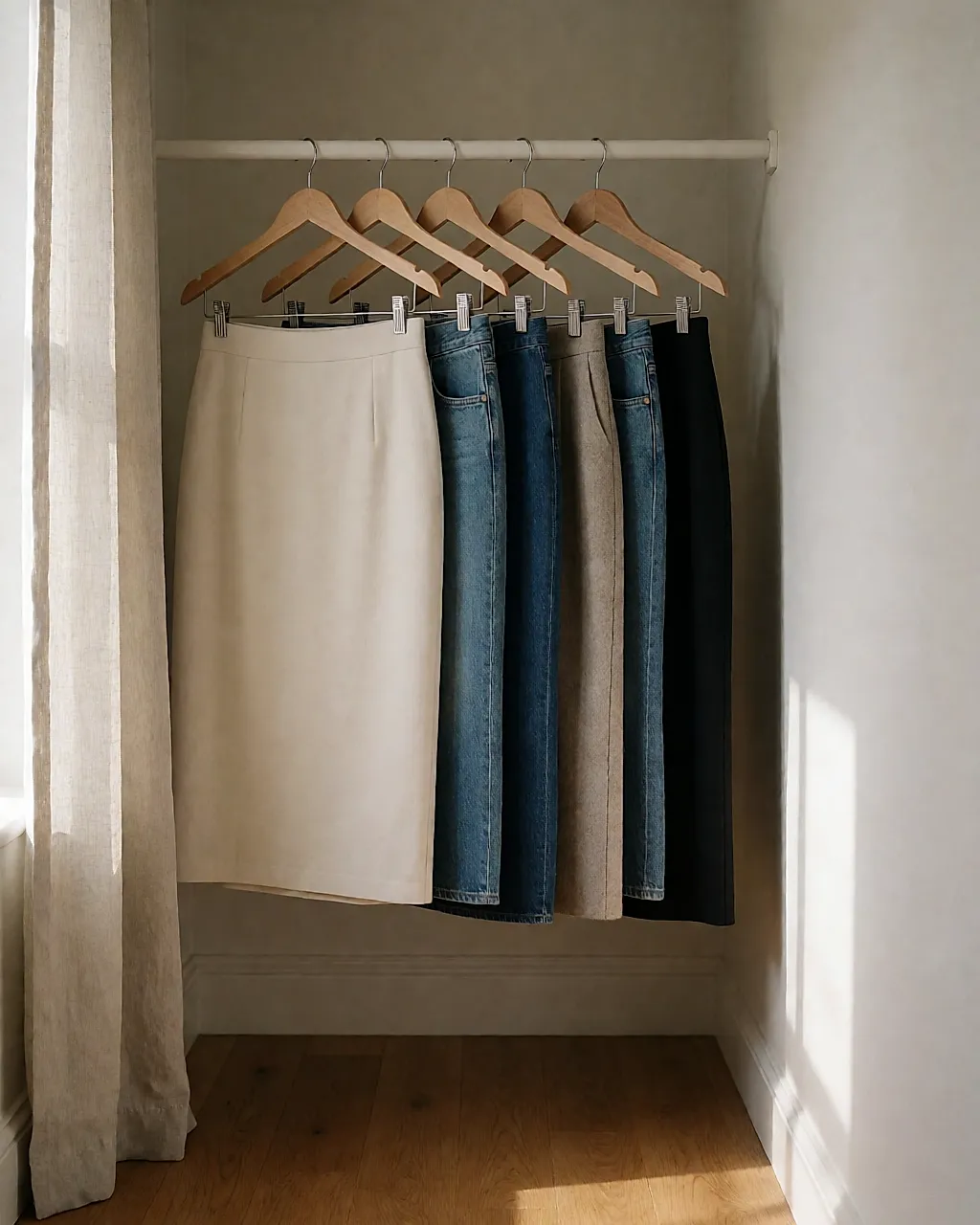
The pencil skirt, the staple that still holds its own
The pencil skirt hasn't left the wardrobe, it has just changed attitude. Its strength is the same as ever: a cut that follows the hips and draws the silhouette without squeezing. In reality the secret is in the drape, not in how tight it is. Too tight and the piece blocks your stride and pulls at the seams; well cut, it moves with you, and that immediately looks more elegant.
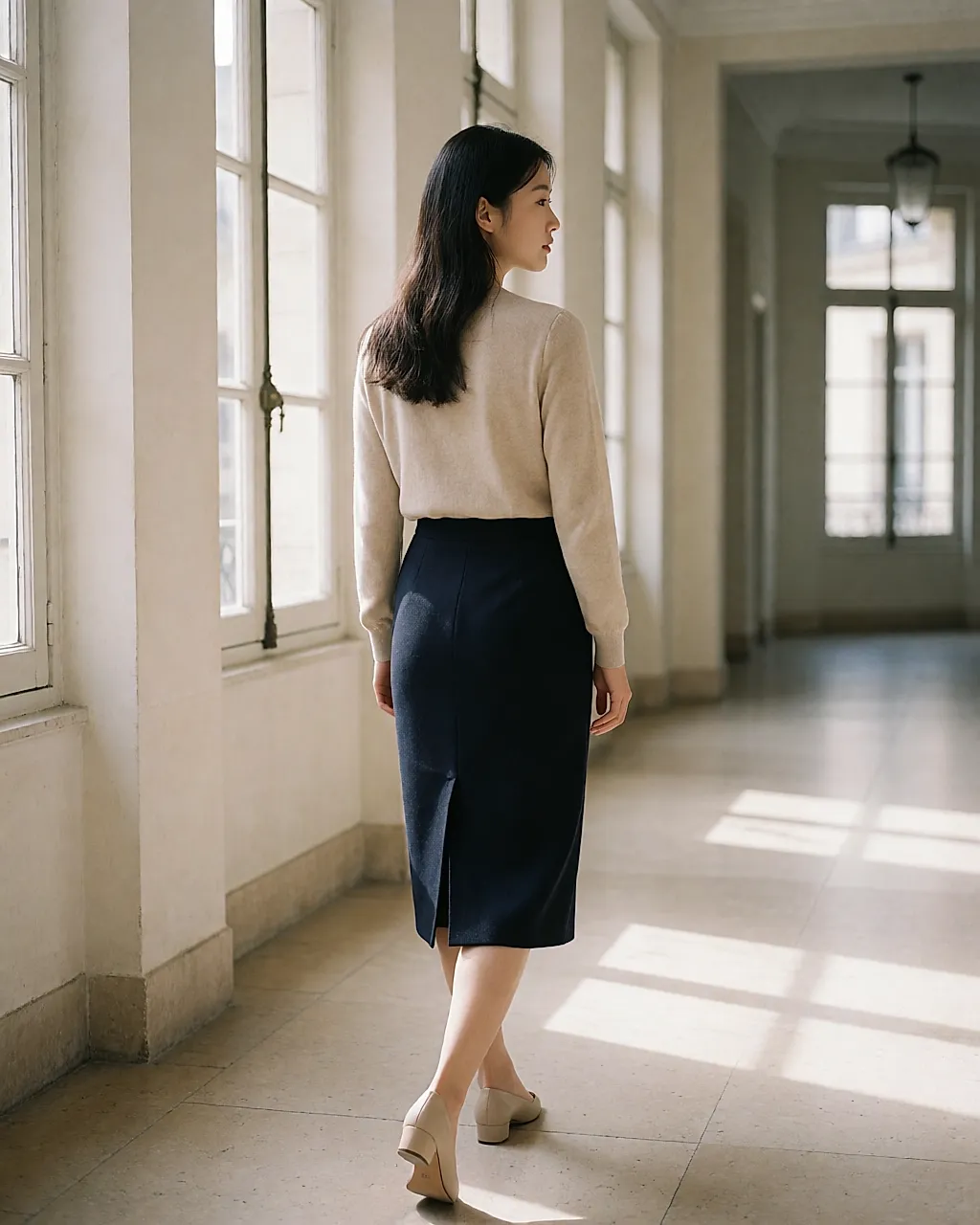
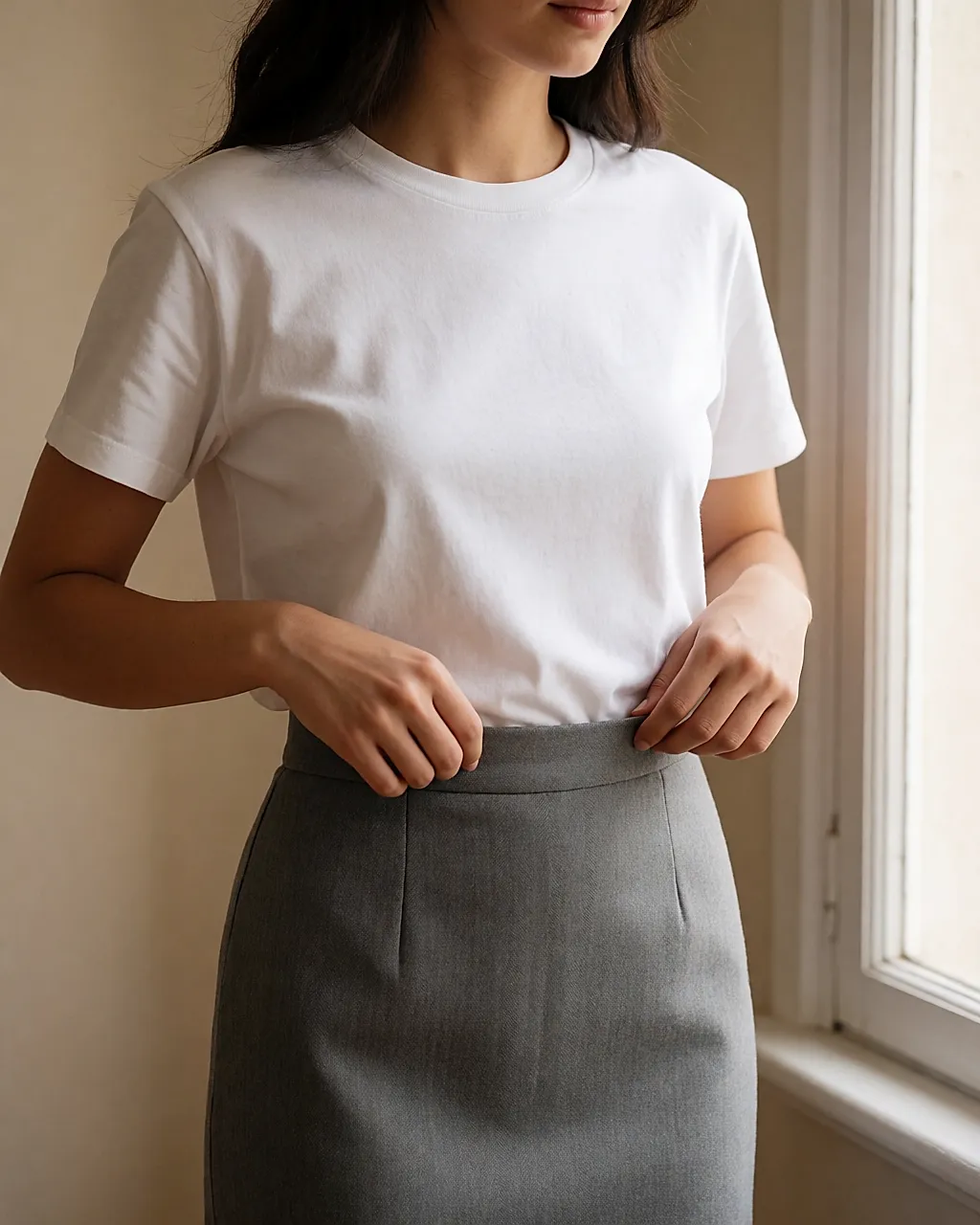
Up top, there's no need to overdo it. A fine roll-neck, a tucked-in shirt or a plain white T-shirt is enough: the skirt is already doing the work. For a clean all-in-one look, stick to a single colour from top to shoes. Otherwise, play with texture: soft knit against wool crepe, for instance.
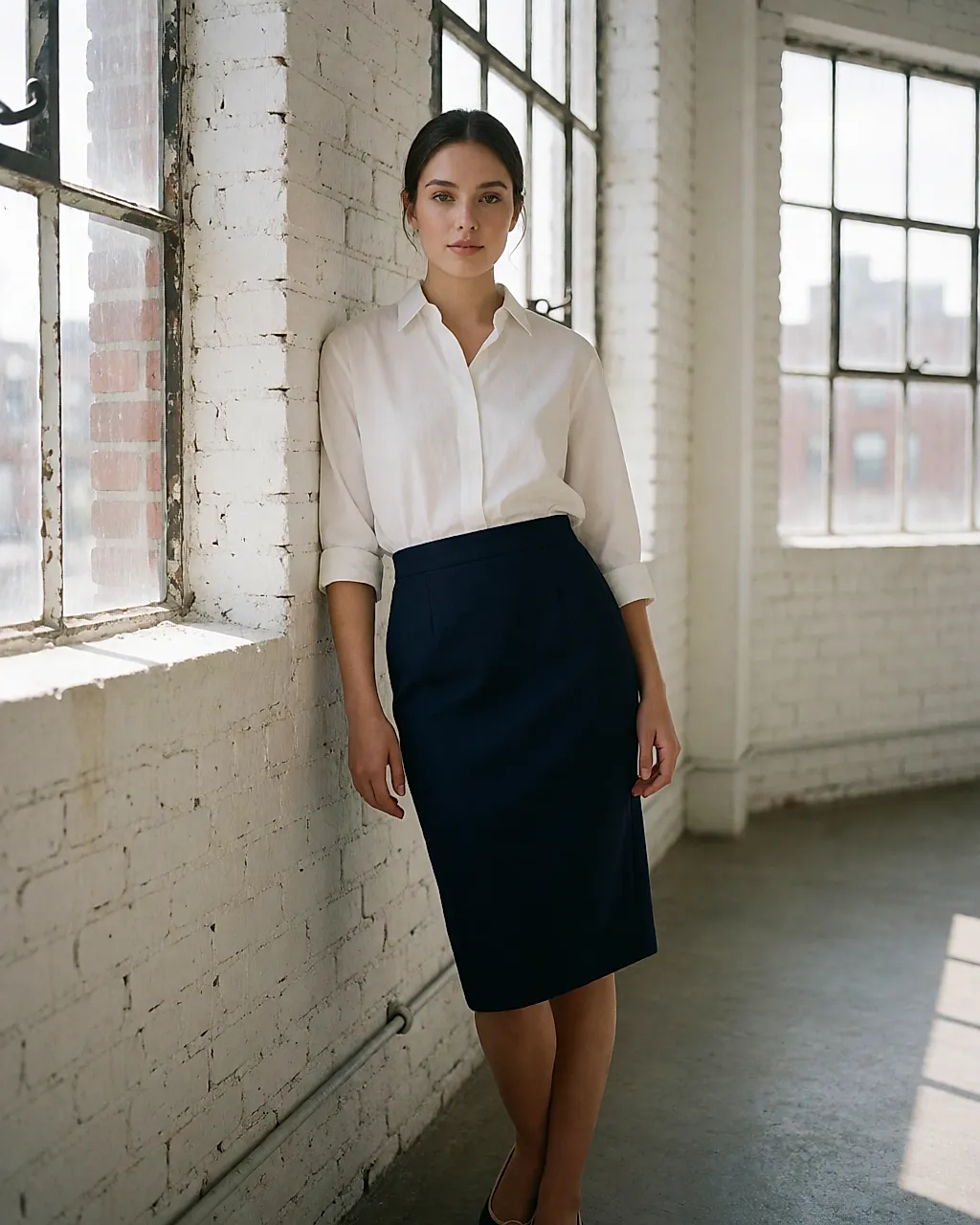
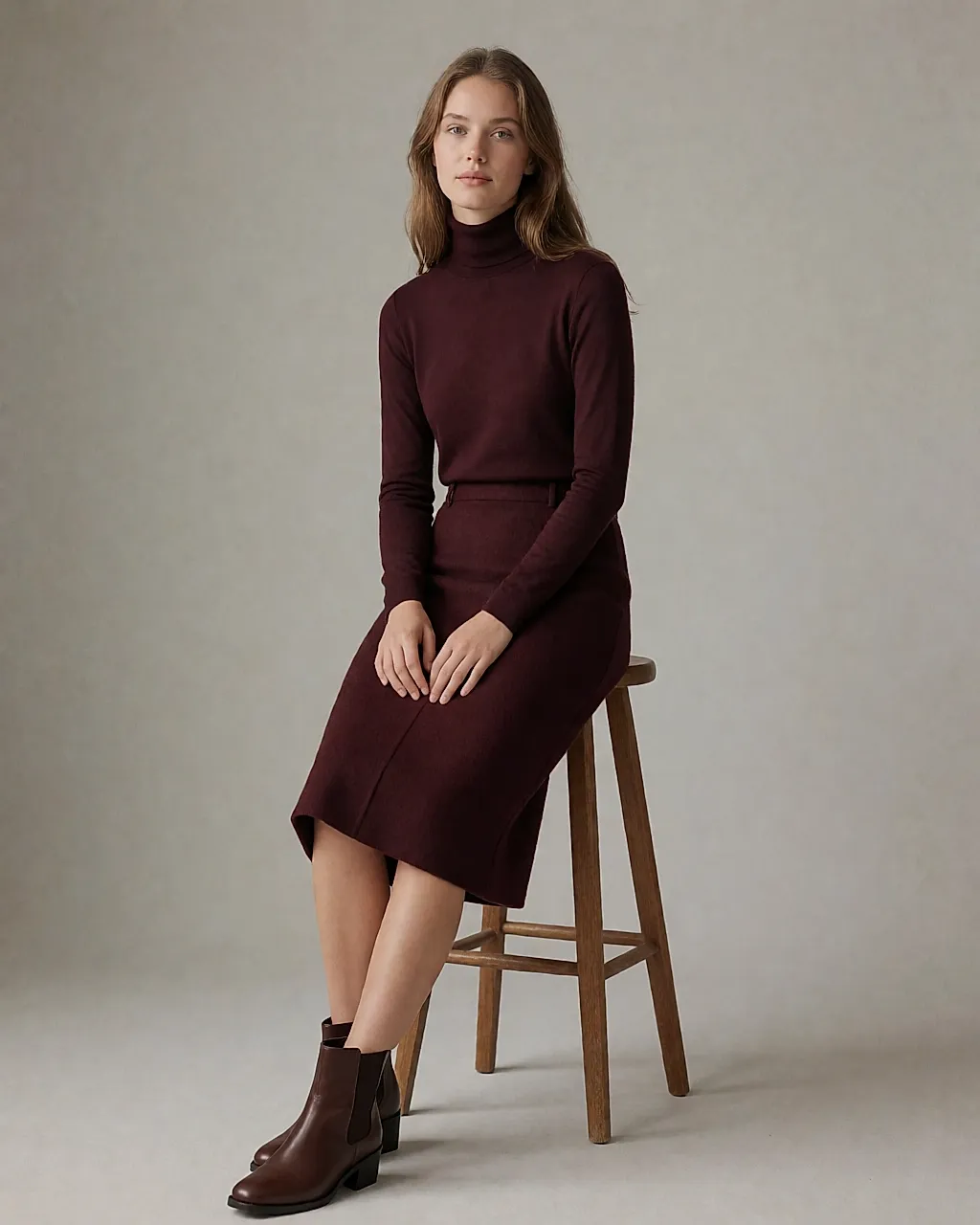
Mini, midi or maxi? Length sets the mood
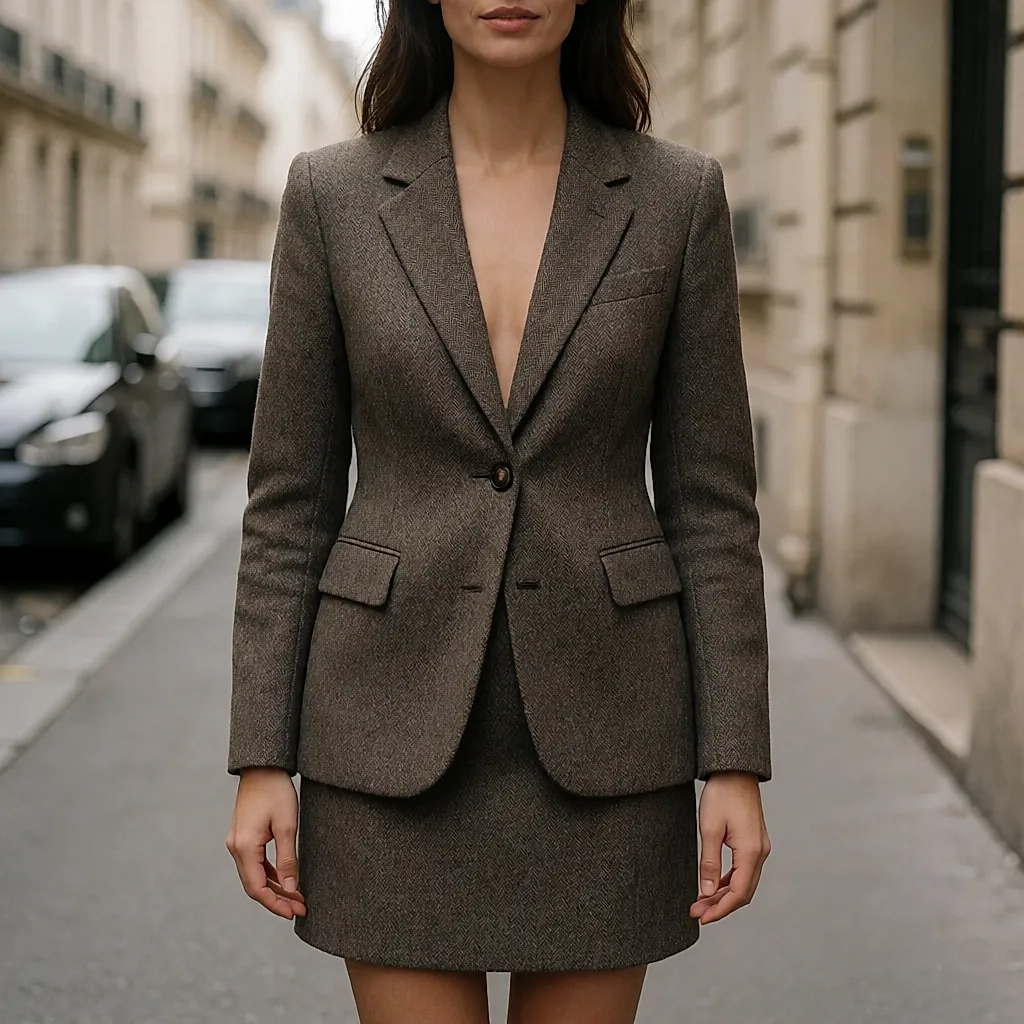
The mini is back, but in its tailoring version, high-waisted, not the festival one. It lengthens the leg when the line is straight and the fabric has some density; in a thin fabric it creases quickly and loses its shape by mid-morning.
The midi, on the knee or just below it, is still the most versatile. It's the most forgiving length, provided you avoid a cut that clings. A discreet slit changes everything: it frees your stride and breaks up the straight line.
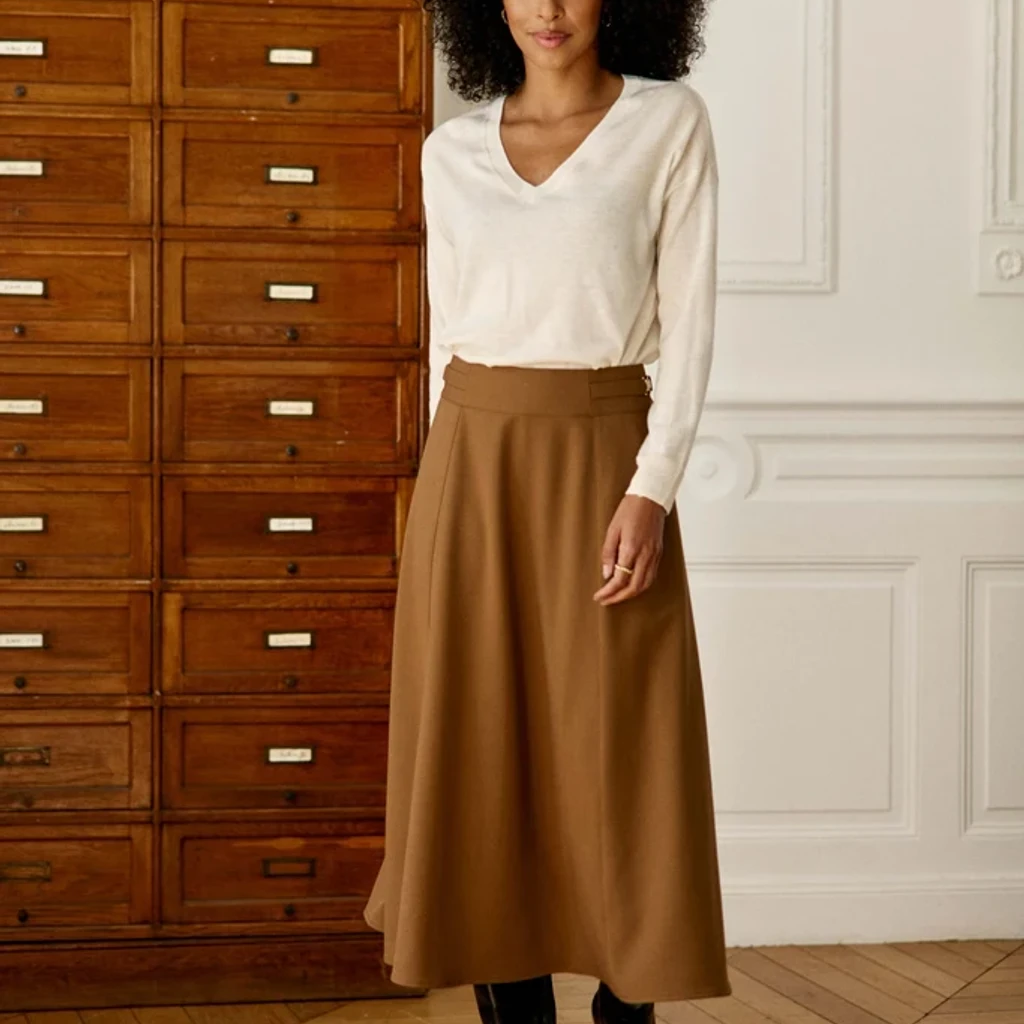
The maxi works when the fabric has weight. Lightweight, it clings and marks the legs; fluid but dense, it falls cleanly and becomes a statement piece in its own right.
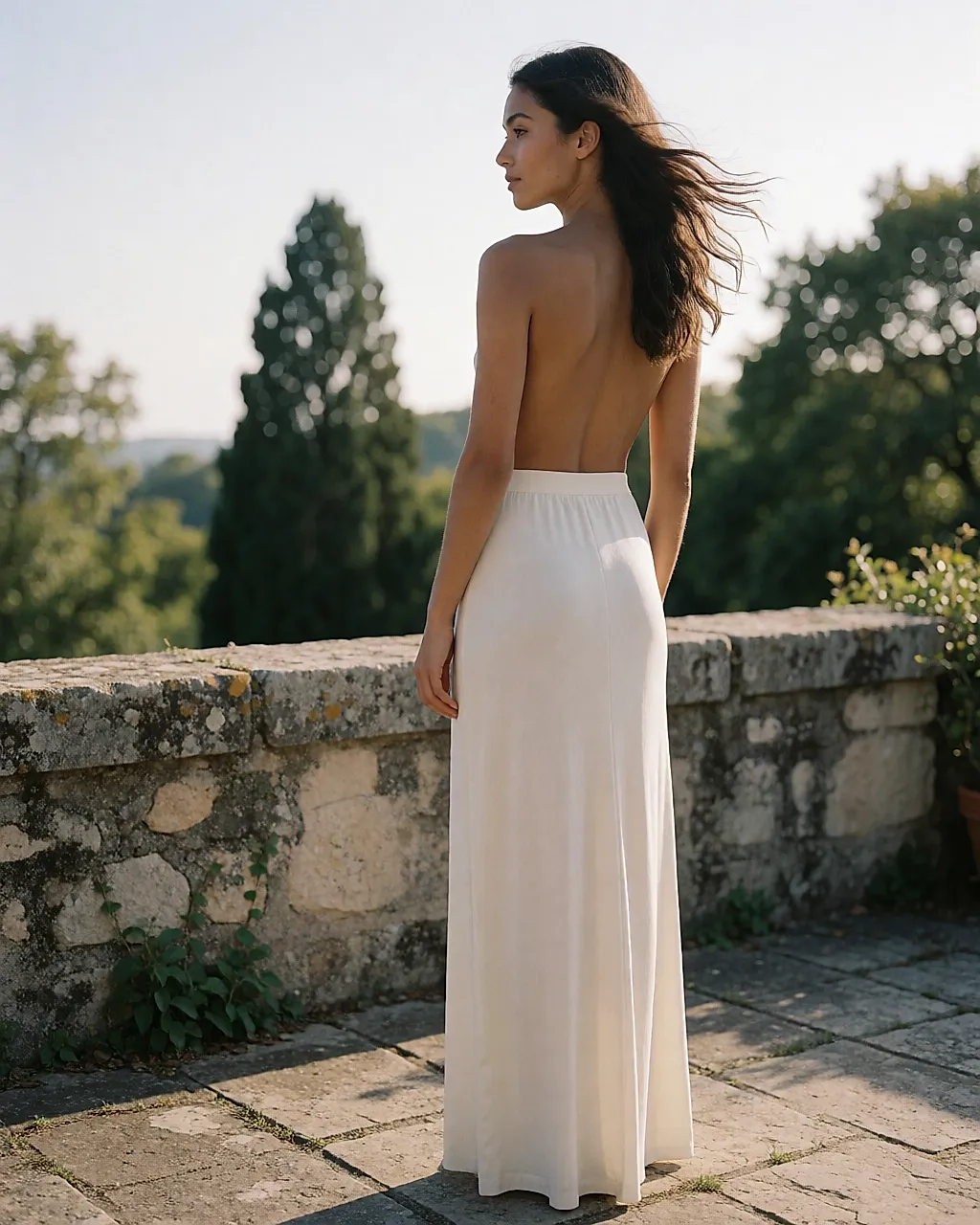
The fabric is what shapes the silhouette
This is where it all happens, and not only for looks. A skirt that holds up is first of all a skirt whose fabric doesn't lose its shape in the first wash.
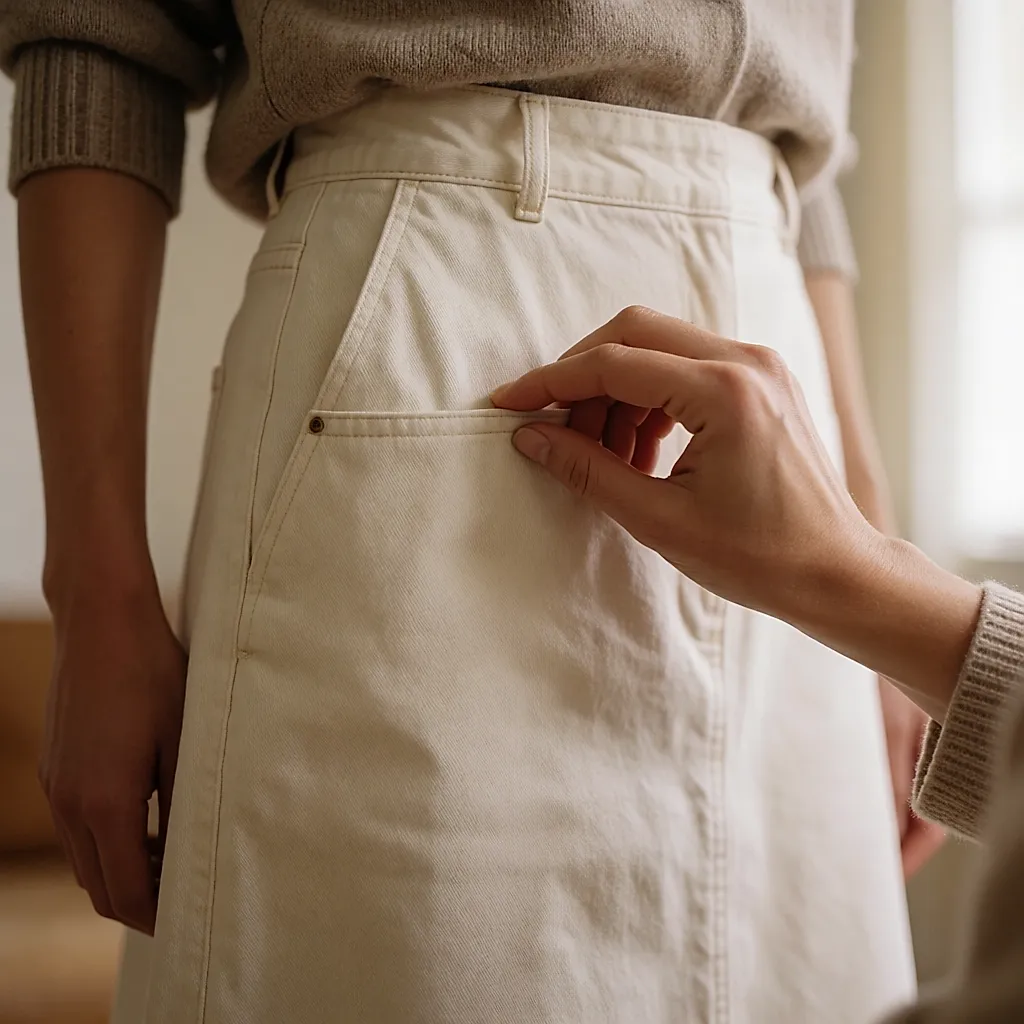
Three concrete leads for the season:
- GOTS-certified organic cotton. A useful general marker when you're after a cleaner cotton.
- Recycled wool, or wool from traceable spinners. It keeps its warmth and its drape while limiting demand for virgin fibre.
- Linen and certified viscose. European linen is often presented as water-thrifty at the growing stage, a general marker worth checking supply chain by supply chain; for viscose, look for a label such as the EU Ecolabel.
One word on end of life: the composition label usually tells you more than the sales pitch in store.
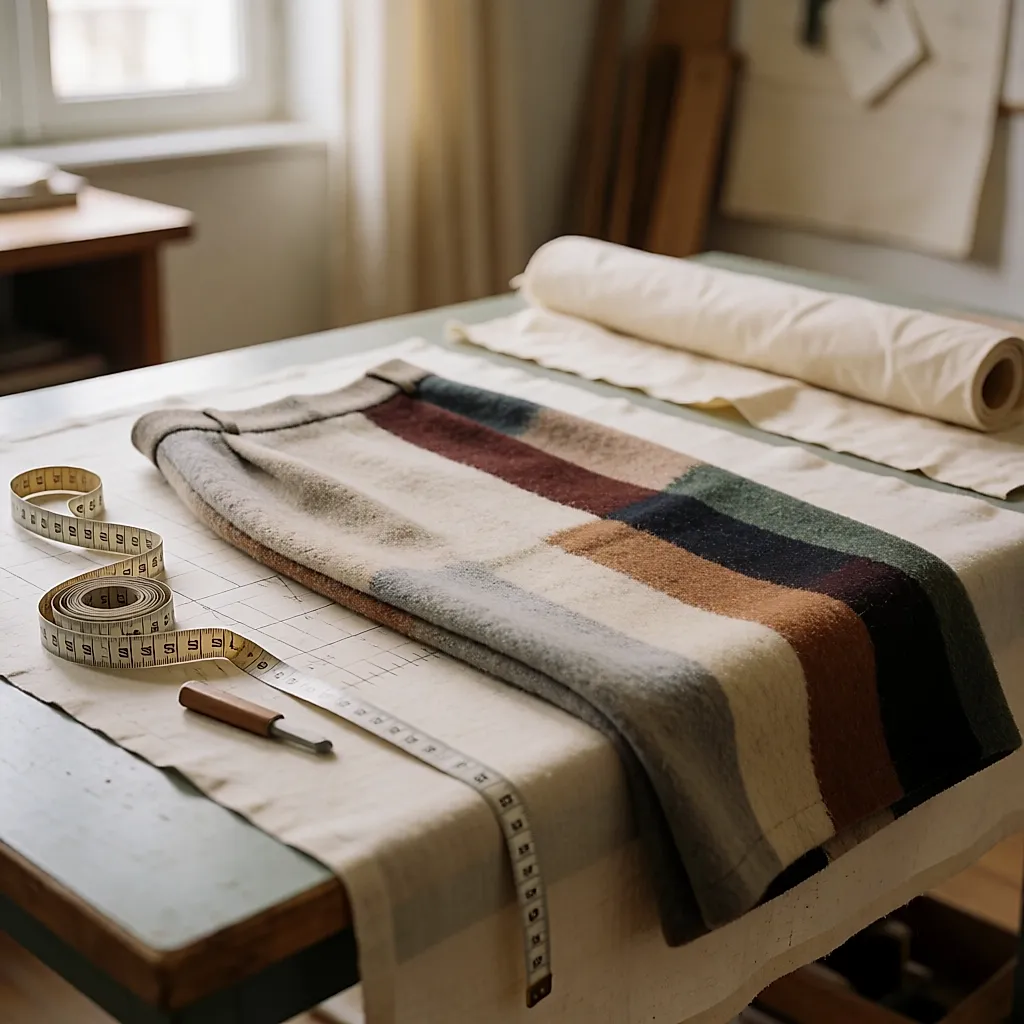
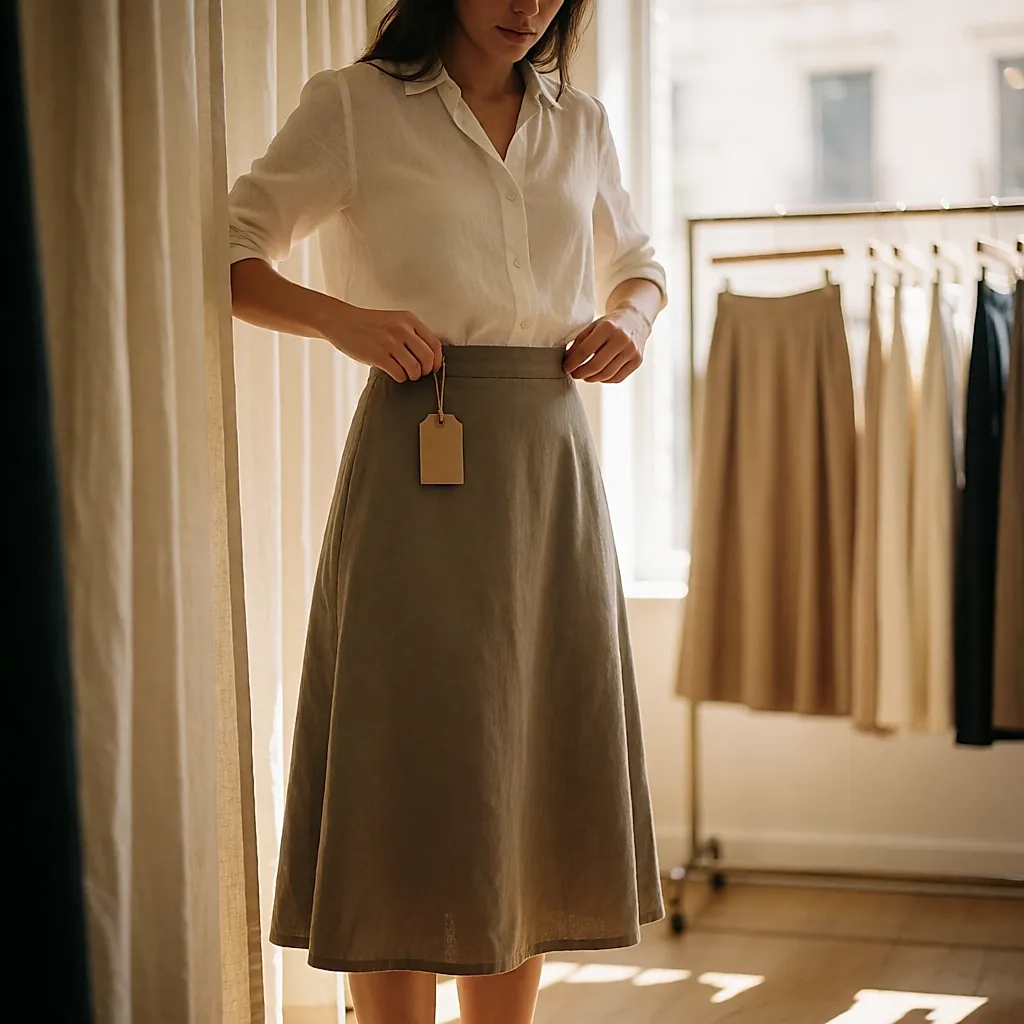
The three-step test. In the fitting room, take three steps, sit down, then lift one knee. If the skirt pulls, rides up or gapes at the waist, try another size or another cut. A skirt should be chosen in motion, never standing still in front of the mirror.
Accessorising without overloading
A pencil skirt, a pair of flat boots and a cropped leather jacket: the easiest daytime look to get right. For the evening, heeled courts and opaque tights, or heeled sandals if the weather plays along. A structured bag and a fine belt are all it takes to frame the silhouette.
Avoid stacking things up: one strong piece per outfit. Layering is fine, but two wide volumes on top of each other flatten the silhouette instead of serving it.
What to budget
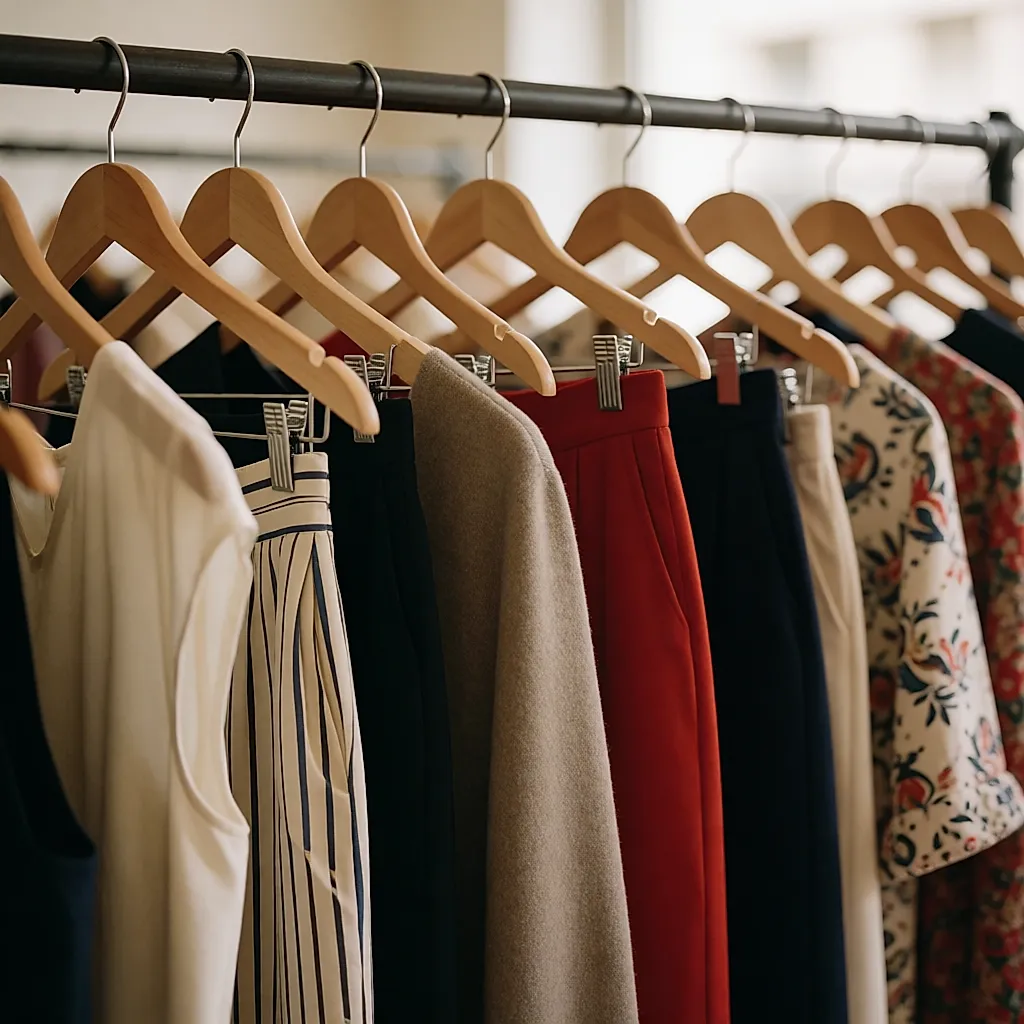
Prices move around, but these bands give a fair sense of what to expect in the UK:
- Second-hand: roughly £5 to £35. Charity shops and resale platforms such as Vinted, eBay and Depop push prices down, and that's often where you find good fabrics for very little.
- Mainstream high street: roughly £25 to £70 at supermarkets and fashion chains. Quality varies a lot from one piece to the next, so check the composition and the seams before you get to the till.
- Sustainable brands and traceable manufacturing: roughly £80 to £180. The price reflects traceability, manufacturing in the UK or Europe, and certified materials.
- Designer: from around £150, up to £500 and beyond. At this level you're paying for the cut, the fabric, and sometimes the small production run.
What moves the price: the raw material, where it was made, how complex the panels are, and where you buy it, whether that's a shop, online or second-hand. To save without sacrificing the way a skirt holds its shape, second-hand and end-of-season lines remain good options.
Comments
Your opinion matters: rate the article, react and reply to comments.
Comments are moderated; AI-assisted comments are flagged. Text emoticons (8-), :-), <3…) are automatically shown as images.