

A silk camisole and a thick cotton T-shirt are not in the same league — yet when it comes to what we put on under a jumper, most of us reach for the cotton one without thinking. But the layer nobody sees can shape the day: the T-shirt that gapes at the waist under wool, the one still drying on the back of a chair when you should be leaving. What if we looked at both a little more closely, in terms of how they wear rather than what the label says?
What is all that thickness for?
Thick cotton feels reassuring. It has weight in the hand, it promises durability and it makes you feel you're getting your money's worth. Under a slightly fitted jumper, though, it adds bulk where nobody asked for it: wider shoulders, armholes that bunch up, a bra line showing through a fine knit. Silk, by contrast, slips on. It is fine, with a fluid drape and almost nothing added to the silhouette: it sits like a second skin and lets the jumper do the insulating. In layering, the invisible layer is often what makes the outfit.

Don't ask it to do the impossible, though: fine silk won't keep you warm on its own. Under a wool jacket, in an overheated office or on a crowded train, yes. For a walk in freezing weather or a day outdoors, neither silk nor heavy cotton is the right choice — that's a job for very fine merino wool, or a piece designed for activity. It is a matter of common sense: every fabric has its season and its use, and a base layer is not a Swiss Army knife.
The real test is when you stop moving
What really separates the two is most obvious when you come to a standstill. Fine silk is often described as feeling lighter to wear; with thick cotton, everything depends on the piece, because thickness, weave, cut and layering change the feel considerably. The difference doesn't play out the same way from one style to the next.

Two caveats, all the same. The first is transparency: under an ivory or slightly rough jumper, a light-coloured silk will show; a dark silk under white will show through. The second is underarm marks: some silks mark under the arms, especially with conventional antiperspirants — better to know that before you buy than after.
Washing: care needed, not a degree
Silk isn't fragile; it's sensitive. Use a delicate cycle at 30°C, a mild wool and silk detergent, no fabric conditioner, minimal spin, dry flat in the shade and iron on the reverse with a cool setting. A good habit: don't wash it after every wear; air it on a hanger between outings and you're done. It is also the more considered option — wash less, keep it longer.
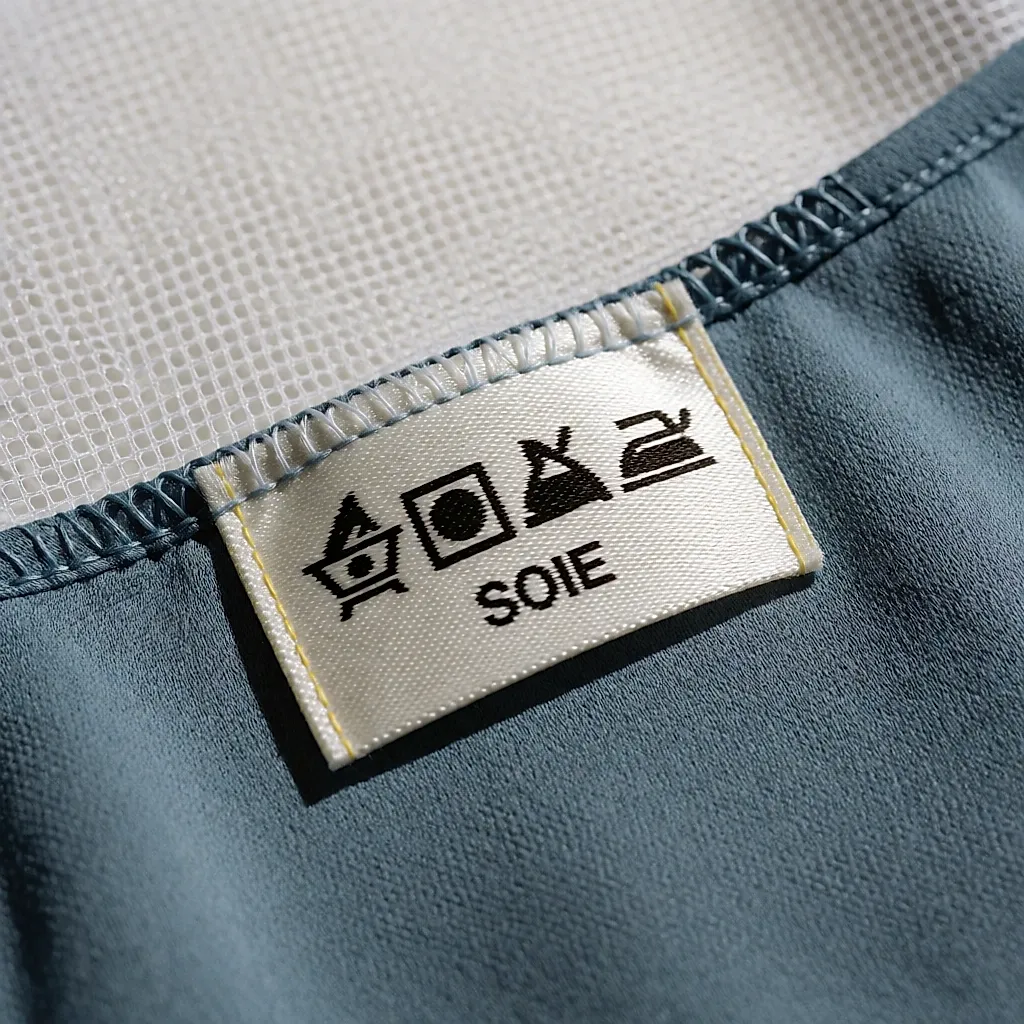
Thick cotton is more forgiving: machine wash at 40°C, no fuss. In return, it stretches at the elbows, felts slightly, bobbles after a few dozen washes and its collars roll. Silk, on the other hand, is prone to snags — a necklace clasp, a fingernail, a belt — and sometimes yellows under the arms. It does, however, stay true over time: well cared for, silk lasts for years. And if you're torn between the two, remember that a good-quality thick cotton and an honest silk often cost the same.
What it really costs
On the price front, expect roughly £15 to £40 for a decent thick cotton T-shirt (supermarkets, basics brands, end-of-season lines). A silk camisole or T-shirt: £25 to £45 from high-street lingerie brands, £60 to £90 from basics labels that have worked with silk for years. Second-hand, silk can be found for £10 to £25, provided you check the label and the condition of the armholes.
Where to look beyond technical brands? Start in the lingerie department, not the knitwear rail: that's where you'll find silk camisoles and wardrobe basics. Then look at ready-to-wear labels that specialise in silk — the best value is often in 'nightdress' or 'pyjama top' styles, worn under a jumper without a second thought. One rule: read the fibre content, and look for 100% silk, not 'satin', which can mean shiny polyester.
Three habits that make a real difference to silk: wash it inside a fine mesh laundry bag to prevent snags, dry it flat (never on a hanger — water weighs the fabric down), and iron it inside out, never directly on the fabric. For thick cotton: wash it inside out to protect the collars.
The right choice for your real life
If you want the layer that disappears under a jumper, adds no bulk and dries between commutes: silk, without hesitation, and a second one in cream for pale jumpers. If you want something robust, easy to wash and forgiving, a well-cut thick cotton will do the job — provided you accept a little bulk under knitwear. And if money is tight, second-hand is an excellent find: pre-owned silk, a rehemmed hem, and nobody need know you didn't pay full price. Happy hunting, and happy layering.



Comments
Your opinion matters: rate the article, react and reply to comments.
Comments are moderated; AI-assisted comments are flagged. Text emoticons (8-), :-), <3…) are automatically shown as images.