
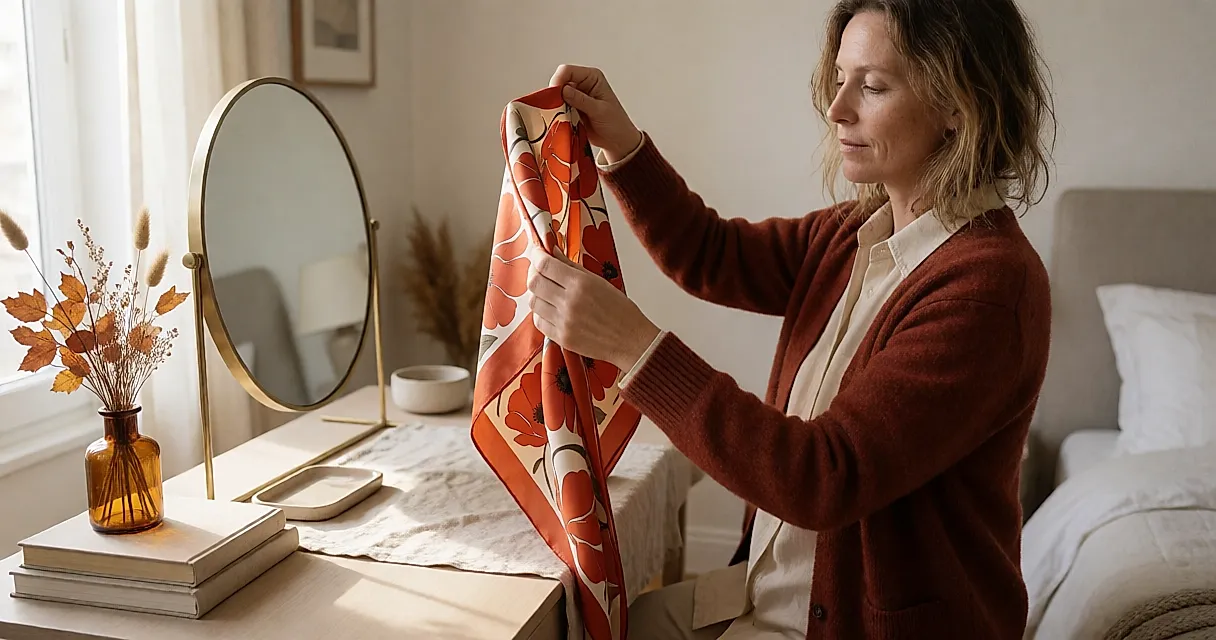
The parcel is open on the bed, the scarf is gorgeous, and the label simply says 'ethnic print' — without specifying which one. You knot it once, twice, and the question catches up with you by the coffee machine: this pattern, where does it come from? We're not putting your wardrobe on trial here, don't worry: it's simply about reading three lines before you reach for your card.
A print isn't a colour; it's a family
A floral print tells you nothing; an Unikko does. The famous Unikko poppy has a name and a history — and that changes the way you look at it. The same goes for toile de Jouy, printed in France since the 18th century, or the Kashmiri boteh that Europe renamed paisley as it reinterpreted it.
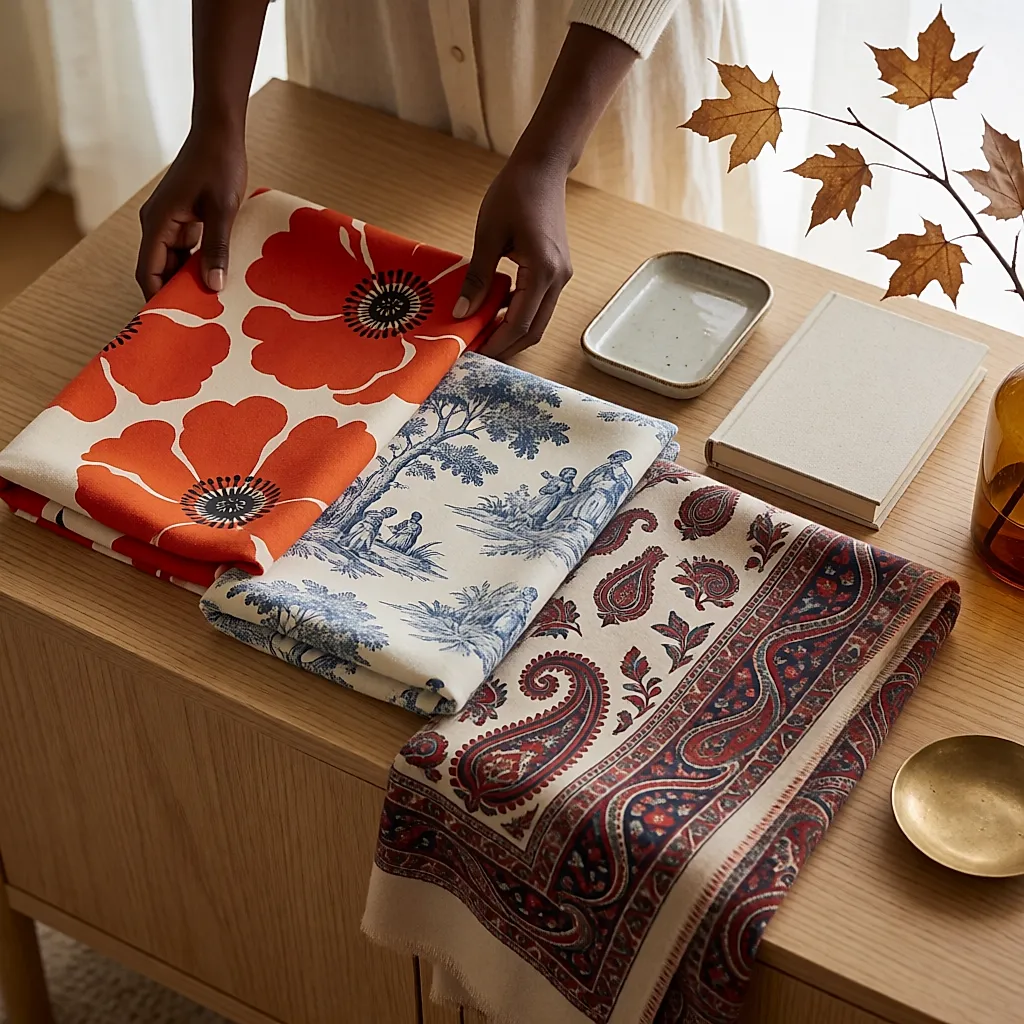
Knowing how to name the family is your first buying reflex. Wax, batik, bogolan, kente, tartan, ikat: each of these words points to a technique, a region, sometimes to particular coded uses. Some patterns have ceremonial status in the community that created them; others are simply variations on form, reworked across generations. In Scotland, a national register lists registered tartans and details of their creation. Elsewhere, you often have to ask the question yourself — and that's where everything is decided.
The three names that make the difference
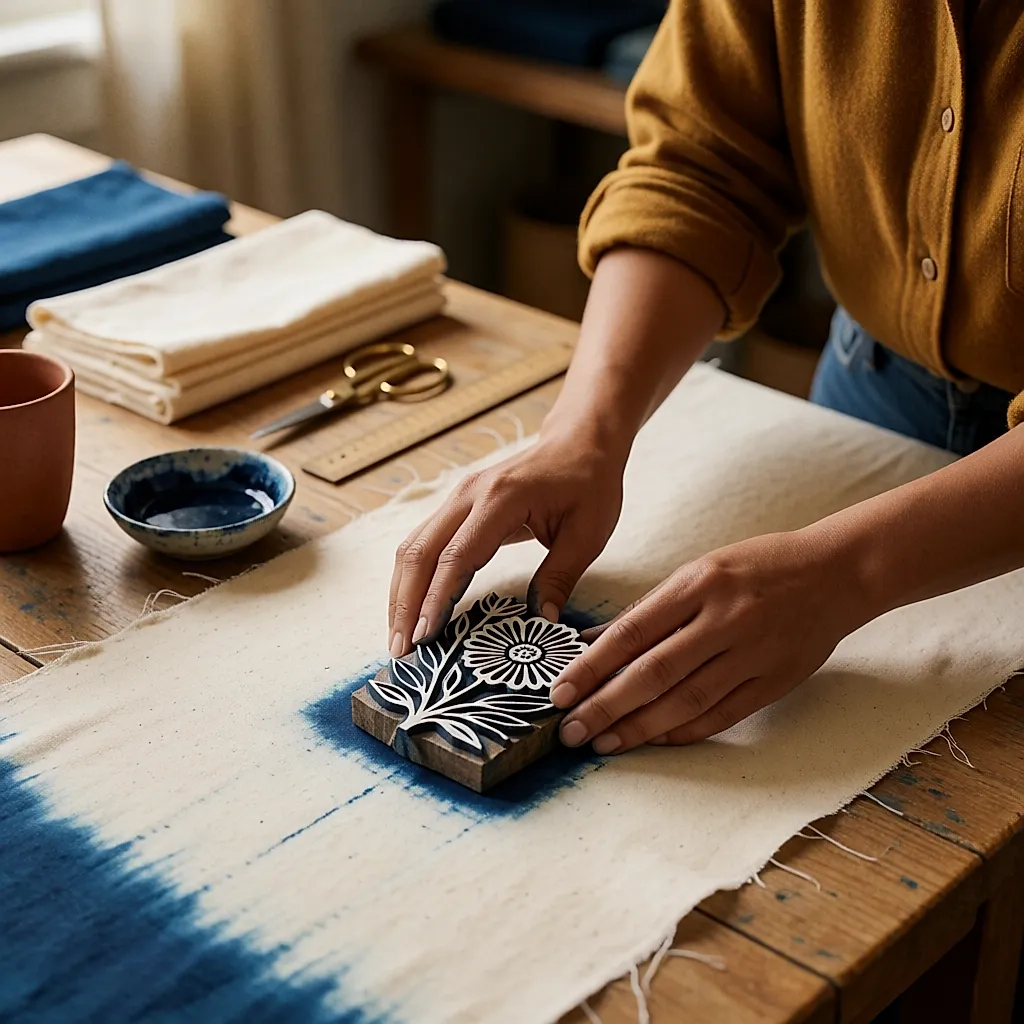
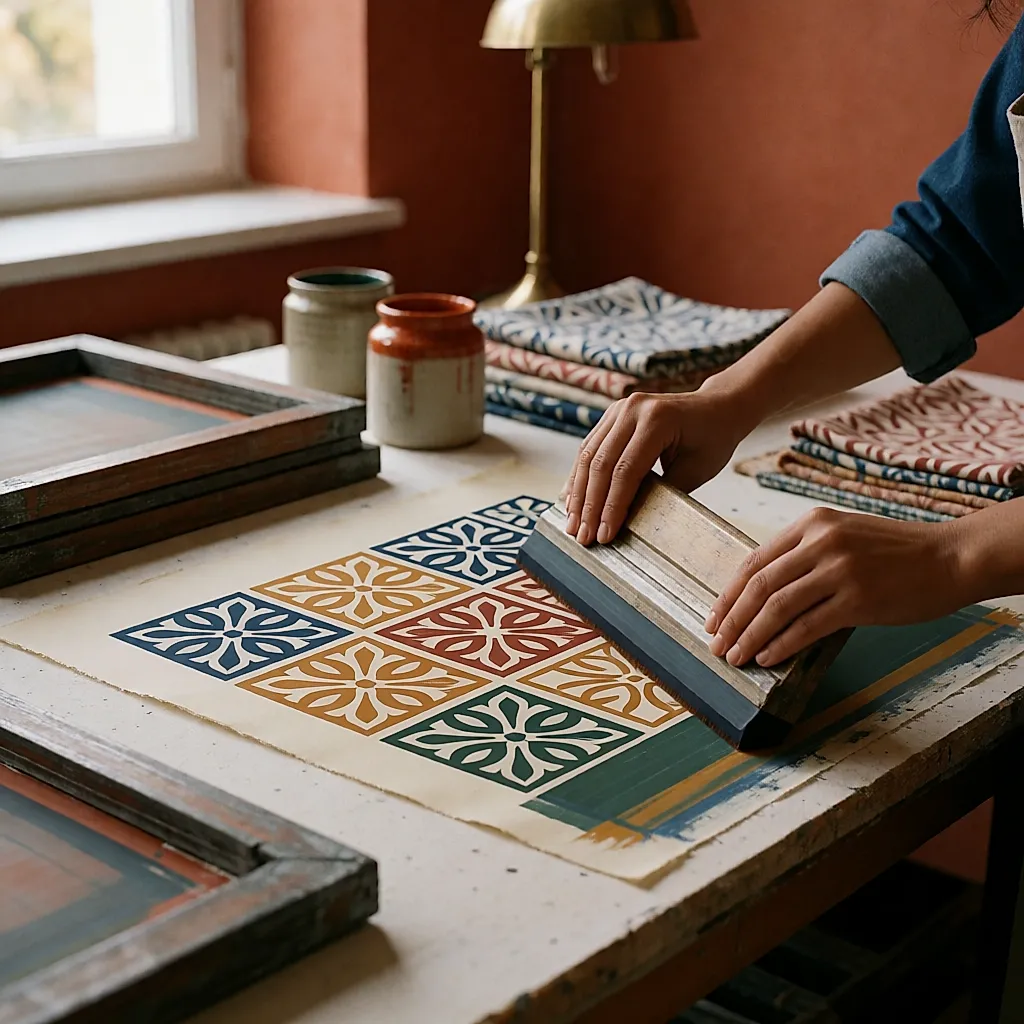
First name: the technique. Woodblock printing, screen printing, digital printing: three processes, three costs, three finishes — and nowhere near the same drape! A product page that's upfront about its process is already doing better than most; one that mentions an 'artisanal feel' and little else is really selling you a mood.
Second name: the workshop or the artist. A designer who can name the workshop they work with, the co-operative, the town, the person who drew the pattern, has nothing to hide. Conversely, 'inspired by traditional West African fabrics' names a continent, not an encounter.
Third name: the community. There's a real distance between a house that reinterprets an old repertoire, a designer who collaborates with paid and credited artisans, and a brand that copies a ceremonial cloth spotted online. Which one do you want on your shoulders? It's a question, not an indictment — but it deserves asking before you get to the till.
Your wallet gives you a clue
A print doesn't cost the same depending on the number of colours. In artisanal screen printing, each shade requires a pass, a screen and a drying stage: a five-colour pattern means roughly five times the printing work. Digital printing, by contrast, can turn out the same design in many variations for a modest set-up cost. Understanding this helps you avoid two opposite mistakes: paying £200 for a mass-produced digital print, or suspecting genuine workshop work because it falls into a middle price bracket.
Wax deserves its own little vocabulary lesson. This printed fabric is not the same thing as a polyester 'ethnic-inspired' piece sold for next to nothing. Material, process, provenance: three very different stories under one word. It's up to you which one you want to wear.
Budget
Expect to pay £15 to £40 for a digitally printed scarf, mass-produced, sold online or by a larger retailer: it's the price of a nice basic, not of craftsmanship. For a small-run printed piece, from an independent brand or a workshop, you'll usually be looking at £70 to £220, depending on size, material and number of colours.
A piece made by a co-operative or an artisan workshop sits higher, at £100 to £350: you're paying for the textile work as much as the pattern. Markets and second-hand are still a good bet — £10 to £45 for an old scarf, a length of wax print or a piece found at a flea market. Check the seams and the condition of the fabric, then ask where it comes from: often the person selling it will love to tell you.
Three questions before you get your card out: What is the name of the pattern? What is the printing technique? Who drew or made it? If two out of three answers are missing, you're not buying a print, you're buying an illustration — which may be perfectly fine, provided you know what you're paying for.
At heart, the question isn't about banning patterns, but about giving patterns back their names and crediting those who invented them. A credited print is a story that stands up and a piece you look at differently in the morning. If you're torn between two, take the one whose provenance you'll be able to recount over Sunday brunch: it's often the one with the fairest price — neither the most expensive nor the least.
Comments
Your opinion matters: rate the article, react and reply to comments.
Comments are moderated; AI-assisted comments are flagged. Text emoticons (8-), :-), <3…) are automatically shown as images.