
You're scrolling through your app, and you've already seen that printed dress on three women in the same carriage this morning. Sound familiar? That's the gap Modenligne.com wants to fill: the online shop is opening a dedicated space for emerging designers, with clothes, accessories, jewellery and shoes that don't circulate through the same channels as the big retailers.
The principle is simple. Born in the mid-2000s as a multi-brand shop, the platform organises its catalogue into several spaces, including one reserved for fashion designers. The original intention hasn't changed a bit: to give you access to pieces you won't see everywhere, and to offer emerging brands a showcase without going through the usual retail rails.
Why an emerging label changes your silhouette
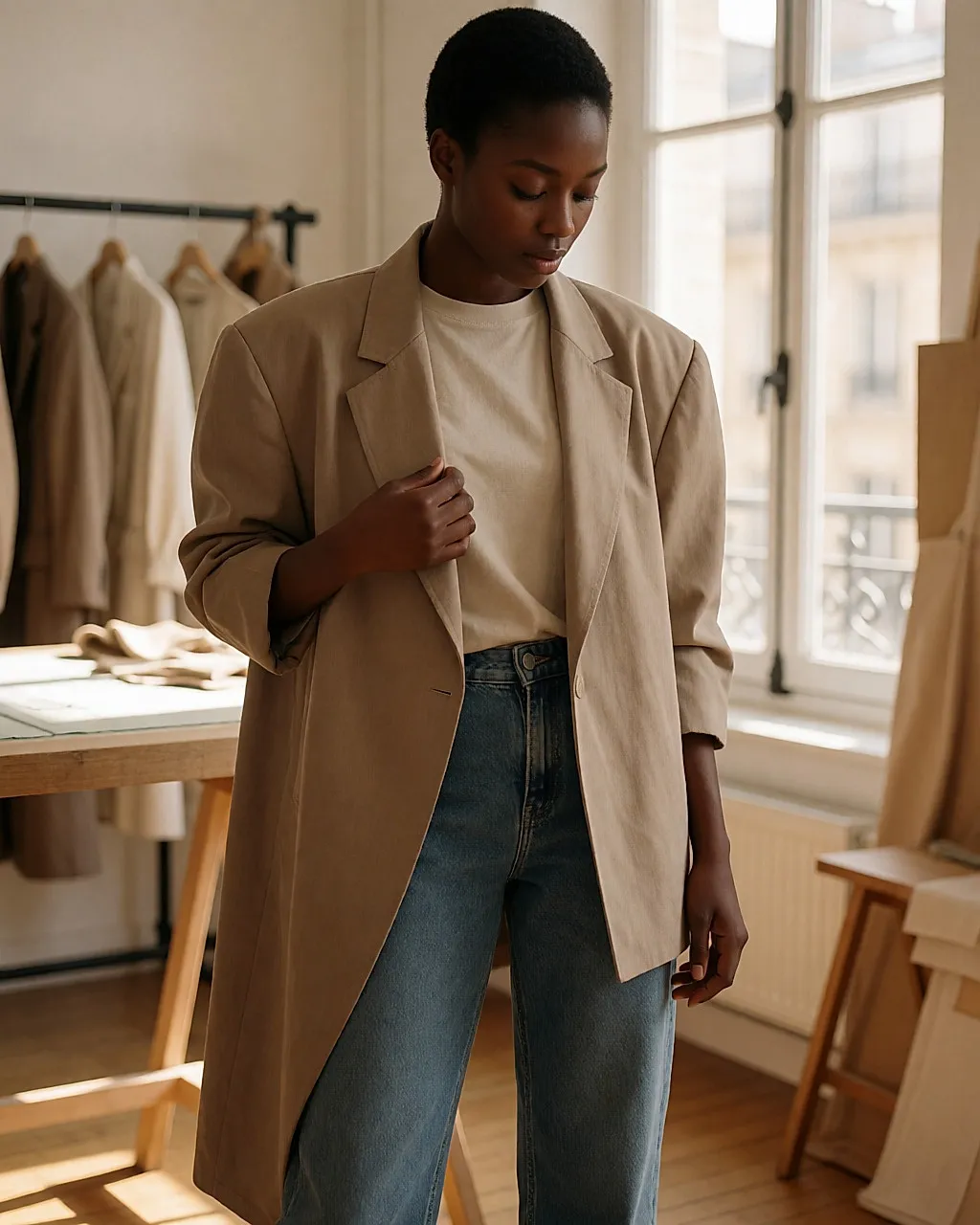
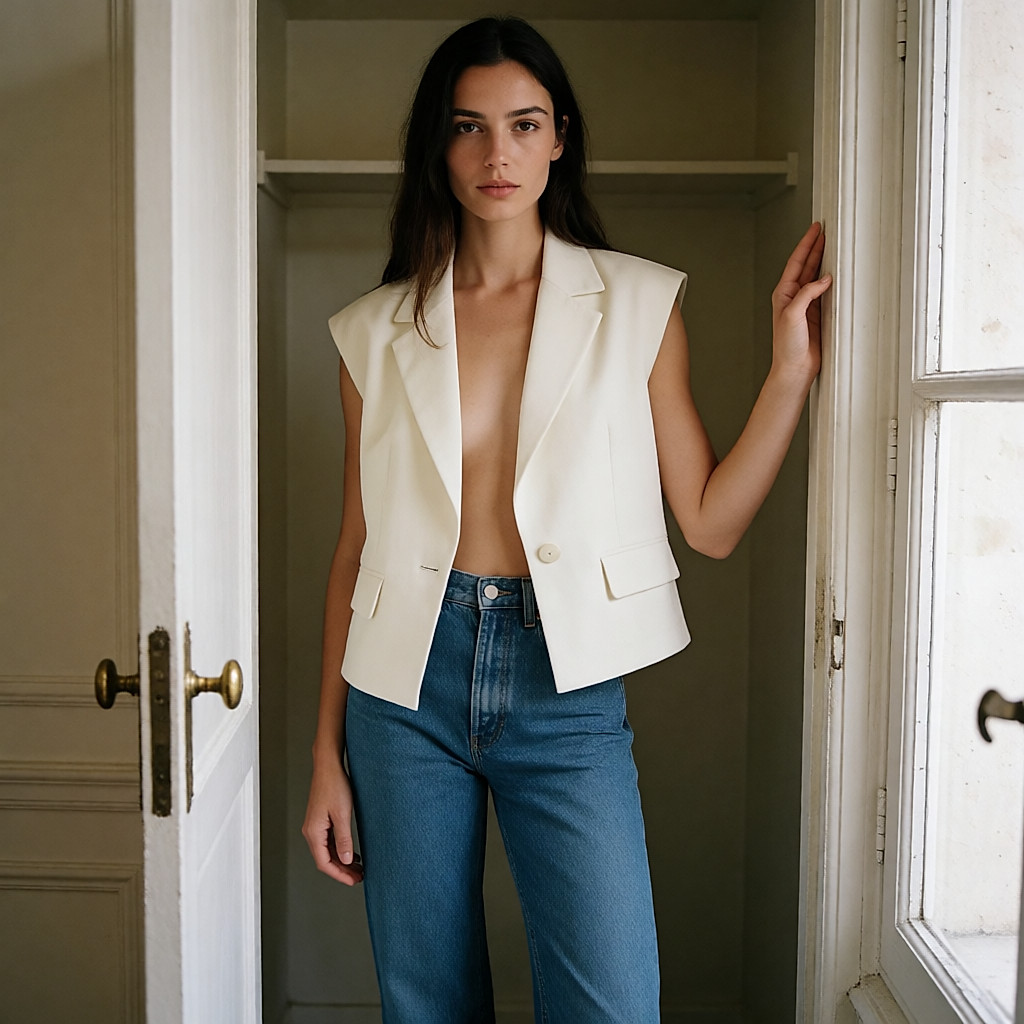
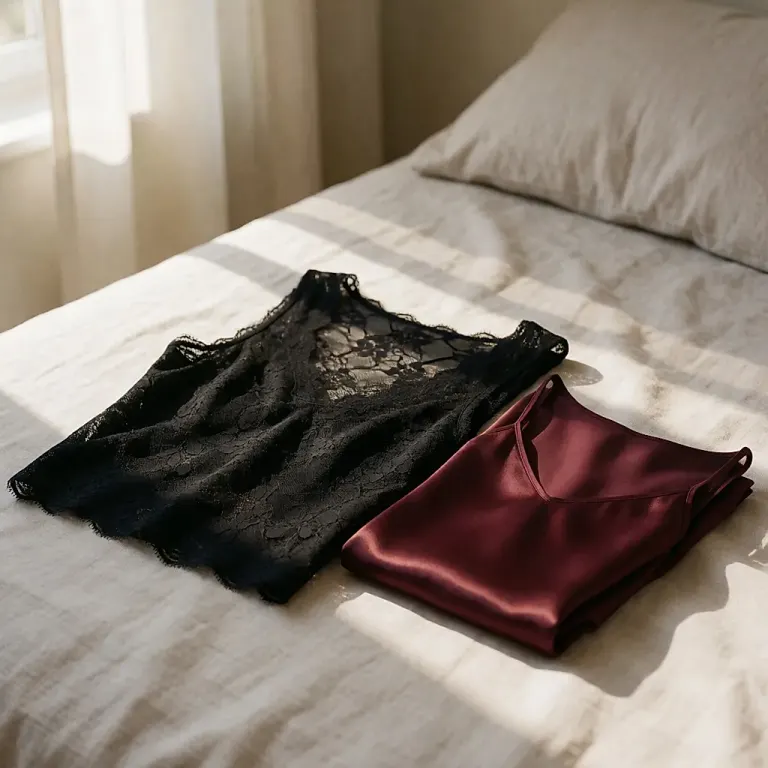
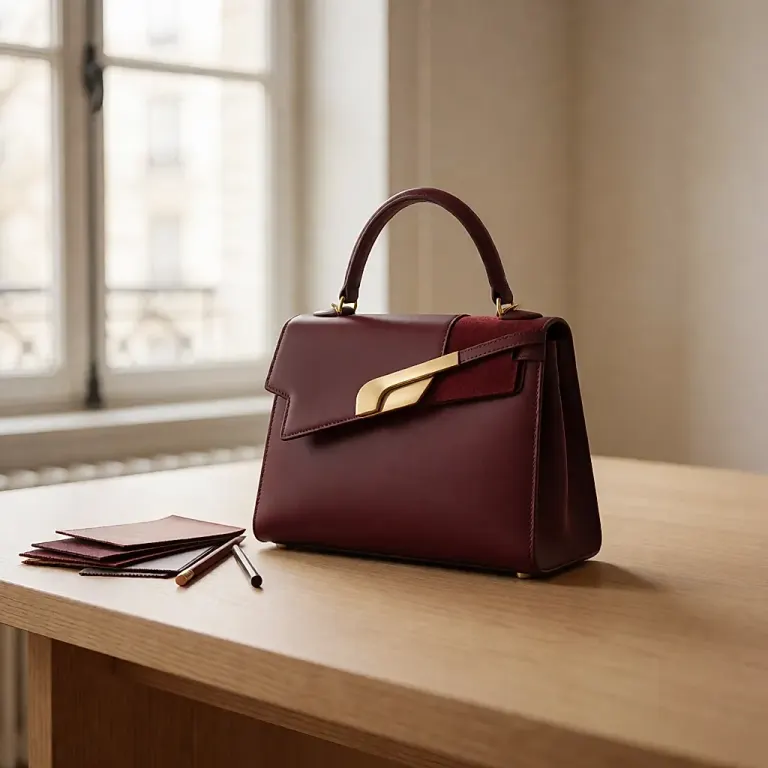
A piece by an independent designer isn't just a different name on the label. It's often a cut worked around a precise volume, a drape you don't get in mass production, a fabric chosen in small quantities. Against a wardrobe of basics — straight jeans, a plain T-shirt, a blazer — a single statement piece is enough to shift the look: a jacket with statement shoulders, an asymmetrically pleated skirt, deliberately raw jewellery. It's the kind of detail that lifts an entire outfit without you changing anything else.
In truth, the hardest part isn't tracking down the piece. It's knowing whether it will last more than one season.
Four things to check before you check out
- The composition. It should be clearly stated, with the percentage of each fibre and, where given, the country of weaving or manufacture. A vague label on a designer piece is a warning sign.
- The finishing. Turn the garment inside out: hems, armhole stitching, buttonholes. That's what determines how it wears after several washes, not the product photo.
- The feel of the fabric. How a cotton feels depends on the yarn, the weave and the finishing. GOTS certification, meanwhile, sets environmental and social criteria throughout the production chain.
- What isn't said. If the brand doesn't mention its workshop, its suppliers or what happens to the piece at the end of its life, ask. A small operation often answers quickly.

Layering, your best ally
When you buy little but well, you layer. A long tunic over fluid trousers, a fine wool cardigan over a summer dress: layering makes the same piece work across two seasons and two textures. It's the move that changes everything in a tightly edited wardrobe, and it saves you from buying a whole new look every autumn. Over time, it's also how you build a capsule wardrobe where every piece really earns its place.
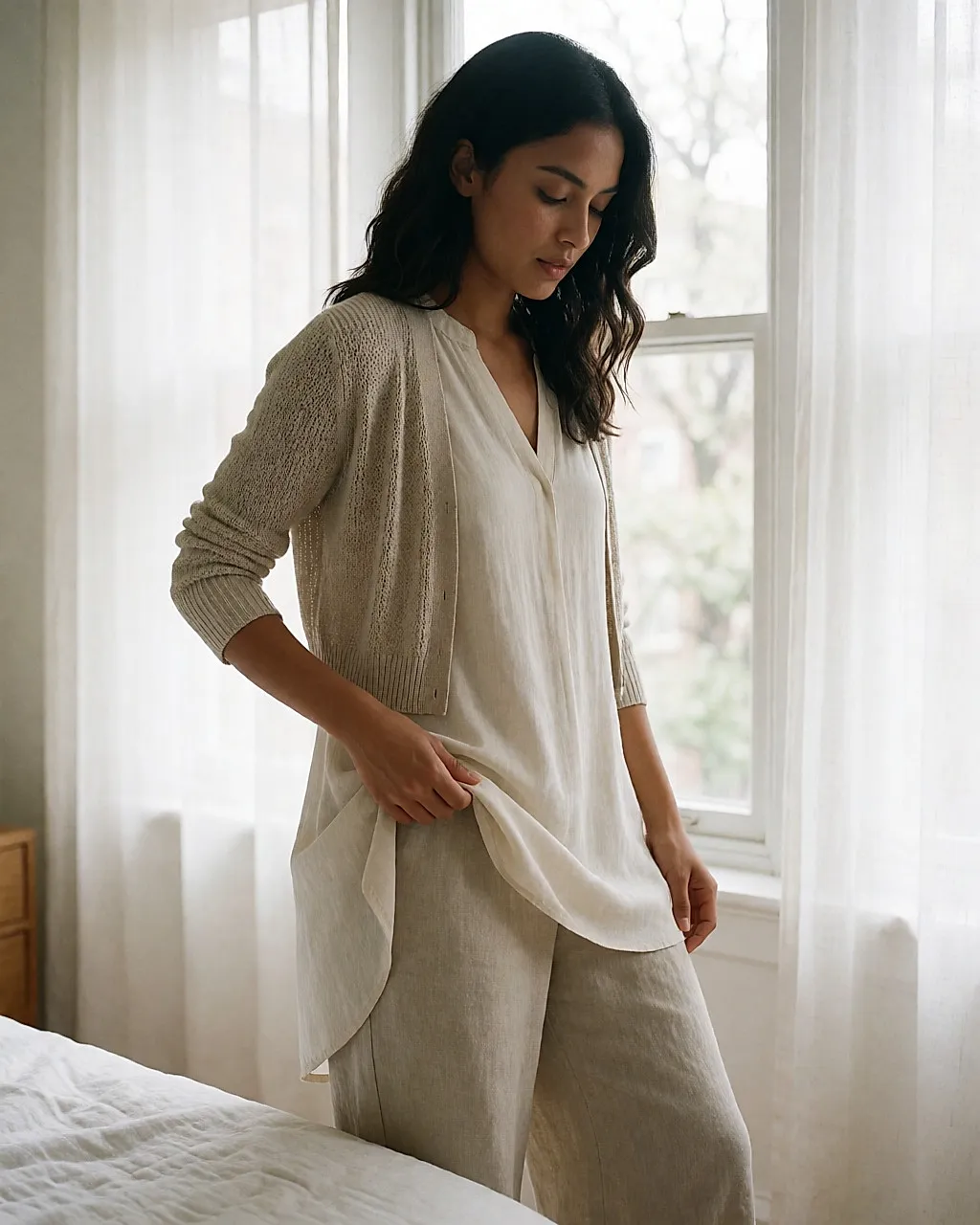
Before you check out, apply the three-outfit rule: if you can't style the piece three different ways with what you already own, leave it.
Budget
Prices from independent designers vary widely. As a rough guide, expect to pay:
- £45–£115 for a structured top (shirt, thick T-shirt);
- £85–£215 for a dress or statement piece;
- £105–£300 for knitwear or a jacket;
- £17–£70 for jewellery, £22–£80 for an accessory.
What pushes the price up: the fabric (linen, merino wool, silk), European or French manufacturing, a small production run, certification (GOTS, OEKO-TEX, EU Ecolabel) and the retailer's margin. Where to look: the brand's own online shop, concept stores and designer markets in town, independent fashion fairs, or second-hand to try a label before investing. Online, check the returns policy; return costs are often yours to cover. On a budget, second-hand is often the best compromise for a first piece: you can test the cut and drape without tying up three months of your clothing budget.
Sources
- European Commission, EU Strategy for Sustainable and Circular Textiles, 2022 — ec.europa.eu
- French Ministry for the Ecological Transition, AGEC law on combating waste and promoting the circular economy, 2020 — ecologie.gouv.fr
- GOTS, Global Organic Textile Standard, standard and list of certification bodies — gots.org
- ADEME, guides to environmental labels and textile environmental labelling — ademe.fr
Comments
Your opinion matters: rate the article, react and reply to comments.
Comments are moderated; AI-assisted comments are flagged. Text emoticons (8-), :-), <3…) are automatically shown as images.