
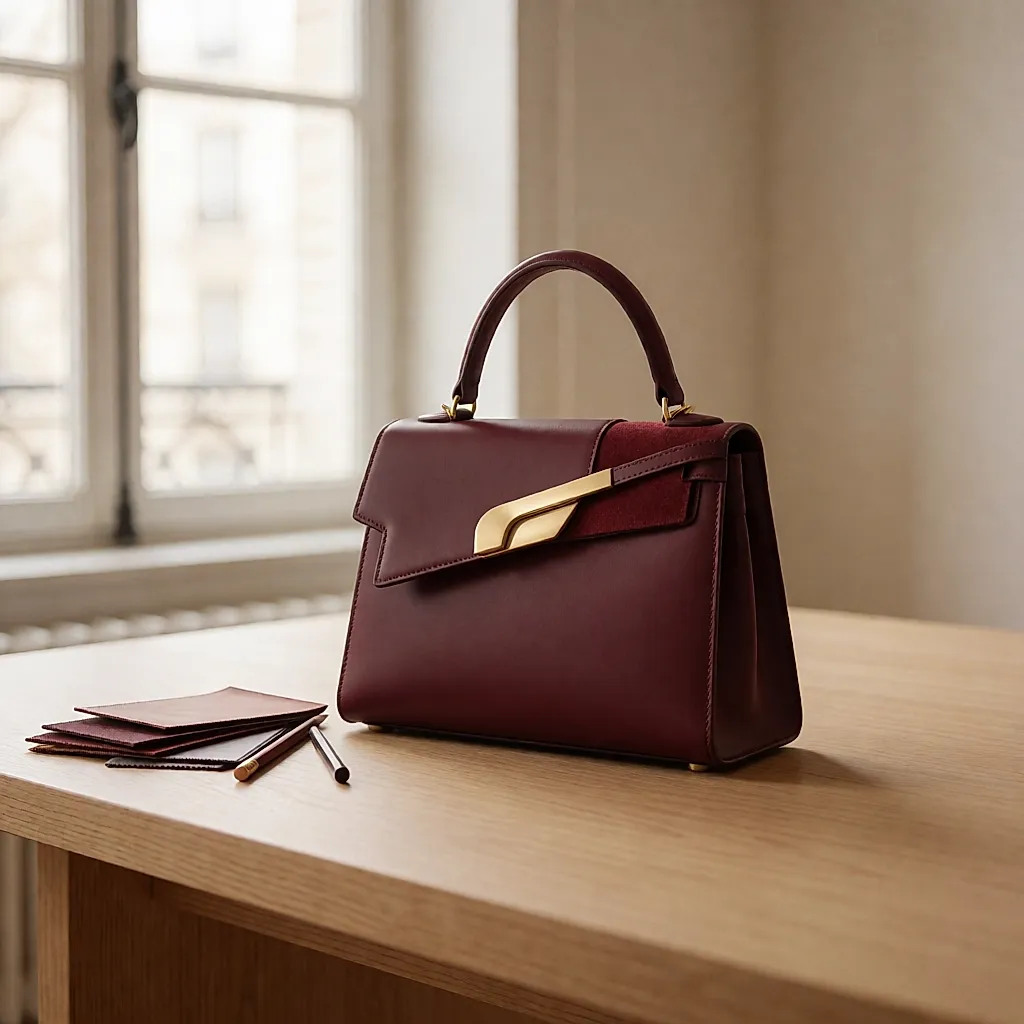
You open the box of a rather special order: a bag you know inside out, but with an asymmetric handle, a more matte leather, a fastening that seems to have switched sides. The retailer calls it 'the edition designed with so-and-so'. And you are left wondering: who actually designed what?
What really changes in a co-design
In a genuine collaboration, the guest designer does not just put their name on a label. They might rework the silhouette, move a buckle, invent a chain, choose an unexpected colour, or add a texture or print that tells their story. Some houses even let them inside: an extra pocket, a contrast lining, a redesigned clasp. In short, co-creation leaves a mark you spot before you read the signature.
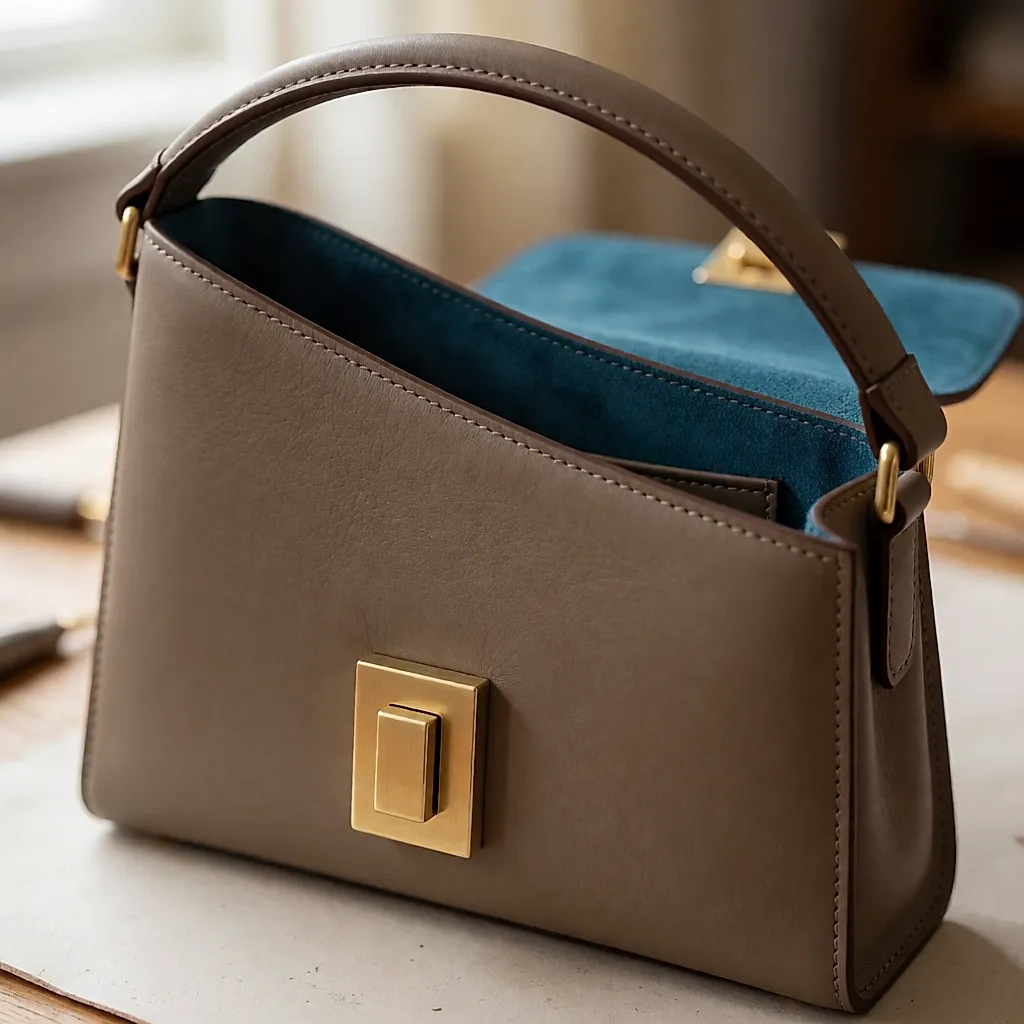
But be careful: the word 'collaboration' does not mean everything has been turned upside down. The classic shape often remains untouchable, like protected territory. The guest designer works on the surface, the details, the overall look; the house keeps the pattern, the original proportions and whatever makes the model recognisable. This dialogue is what gives the piece its value: two hands, two worlds, one bag.
What stays in the workshop (and why it matters)
Material is not designed on a tablet. Leather has to be chosen, touched, felt. It is the workshop that decides whether vegetable-tanned leather will hold its shape, whether a supple hide will have the right drape, whether the colour the designer dreamed up will still look good after six months. A lovely sketch can become a fragile bag; it is the house's craftsmanship that prevents disaster.
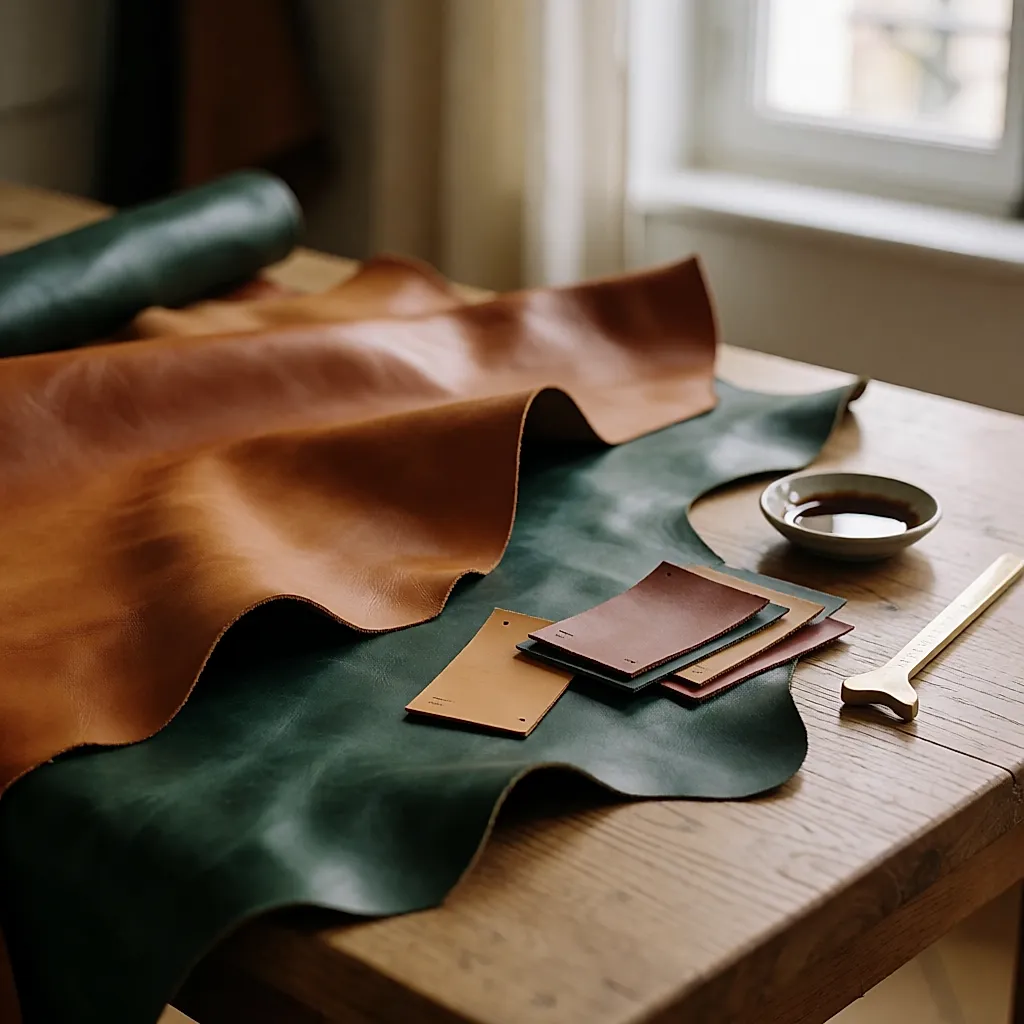
The techniques, then, cannot be delegated to a pencil stroke. Cutting, saddle stitching, edge finishing, attaching handles: every stage stays in the hands of artisans. The guest brings an idea; the workshop brings structure, durability and comfort on the shoulder. That is why a collaborative edition can cost more: the design is new, but the making does not let standards slip. While you are at it, check the lining: a proportion of synthetic fibres is no big deal, but it is worth knowing before you get your card out.
How to tell a co-designed piece from a logo stuck on
A genuine co-creation shows in the lines, not just in the PR. Look at the finishes: a redesigned clasp, a detachable handle, an off-kilter proportion, a colour that does not exist in the permanent collection. The inside can tell a story too: numbering, a discreet signature, an unexpected pouch. If the guest designer really drew it, their hand is visible even without the logo.
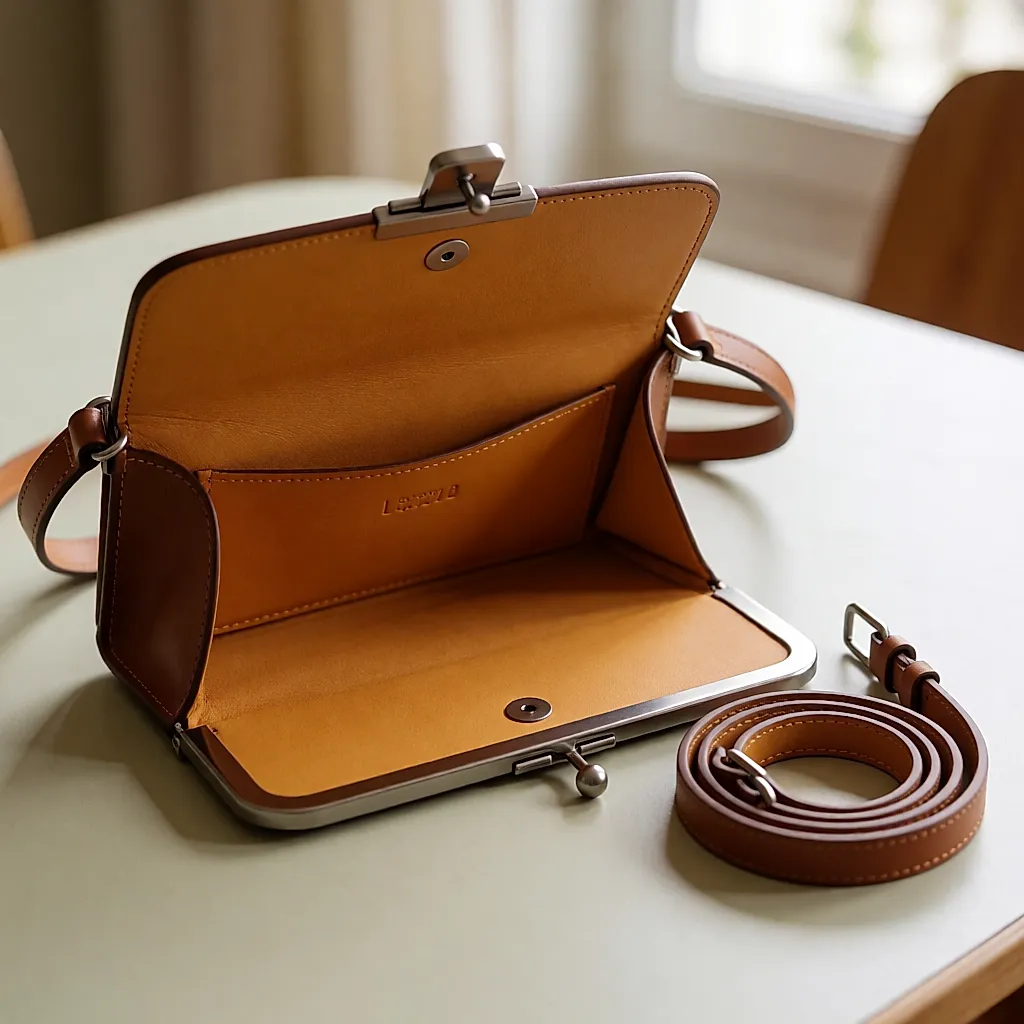
By contrast, be wary of a plain logo stuck on an unchanged classic. Same shape, same leather, same everything – except a label or an initial. Ask yourself: if you take away the logo, what is left? If nothing is left, you are mainly paying for a name. There is nothing wrong with that, but it is not the same promise. A serious collaborative edition owns the process, names the designer and explains what has changed. A marketing exercise, meanwhile, prefers to keep things vague.
Budget
On price, a collaborative edition is often more expensive than the classic model, sometimes significantly so depending on rarity and the brand. As a rough guide, expect around £250 to £600 for a small size in worked leather, £600 to £1,500 for a medium-sized bag from an established brand, and upwards of £2,000 from the big houses. These ranges vary by city, material, finish and where you buy.
Where to get one? From the brand's official store, on its website, sometimes through selected stockists. Pre-loved can be a good find if you are after a piece from a past season, provided you check authenticity and the condition of the stitching. And if it is a real love match, go for a piece you will wear every day rather than a rare edition that will sleep in its dust bag.
Before you fall for a collaborative edition, check three things: is the guest designer's name officially linked to the project? What actually changes (shape, material, detail)? Does the price reflect that work or just the signature? If the answers are vague, walk away – or wait for it to hit the pre-loved market.
A co-designed bag is a conversation between an idea and a craft. When the two speak to each other, you are not just wearing a logo: you are wearing a meeting of minds. And honestly, that shows on your shoulder.
Comments
Your opinion matters: rate the article, react and reply to comments.
Comments are moderated; AI-assisted comments are flagged. Text emoticons (8-), :-), <3…) are automatically shown as images.