
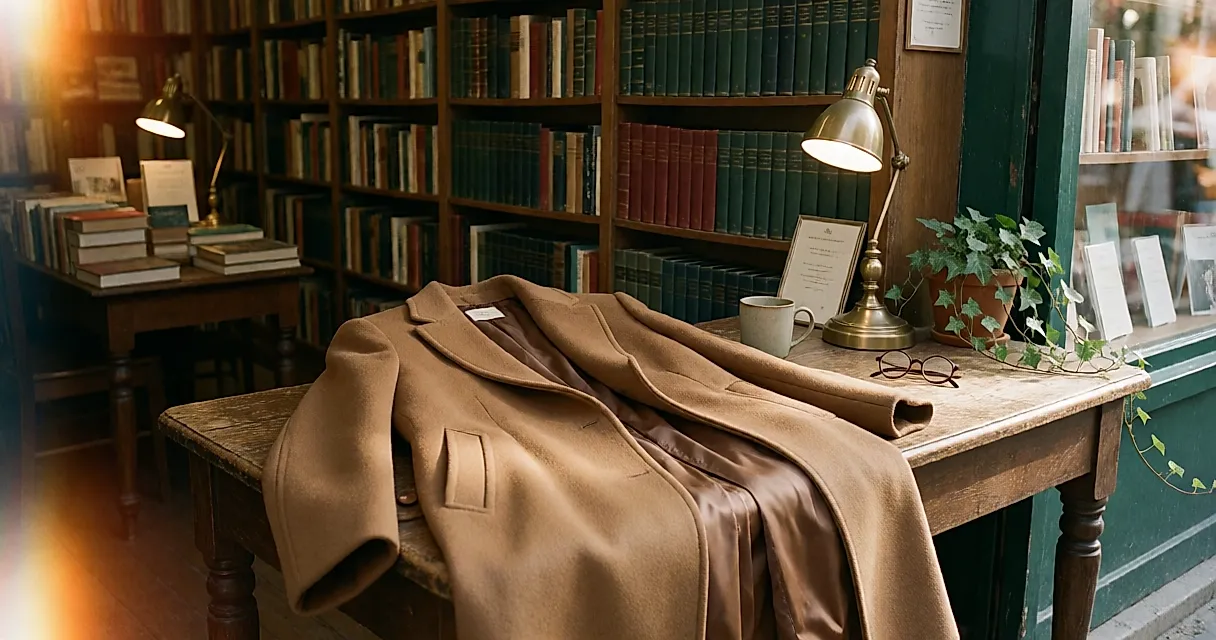
At the back of the wardrobe is a wool coat that has seen three decades, two owners and one dye job. Its shoulders still carry the shape of someone else, the hem still grazes the floor from an age when people walked more slowly, and the lining has that papery rustle that gives away a good piece. You have tried it on once, turned in front of the mirror, then put it back, promising yourself you would think about it. One question remains, and it is as much about cost as sentiment: what can an alterations workroom really rescue?
Turn it inside out before you get carried away
Before you talk about hems, talk about seam allowances. Turn the coat, jacket, skirt or trousers inside out and look along the seams: that folded strip of fabric beneath the stitching is the seam allowance. On older ready-to-wear, these allowances often leave a little spare fabric. They are what make it possible to take in the waist, adjust the fit and, sometimes, have room to breathe after a Sunday roast. No spare allowance, no alteration.
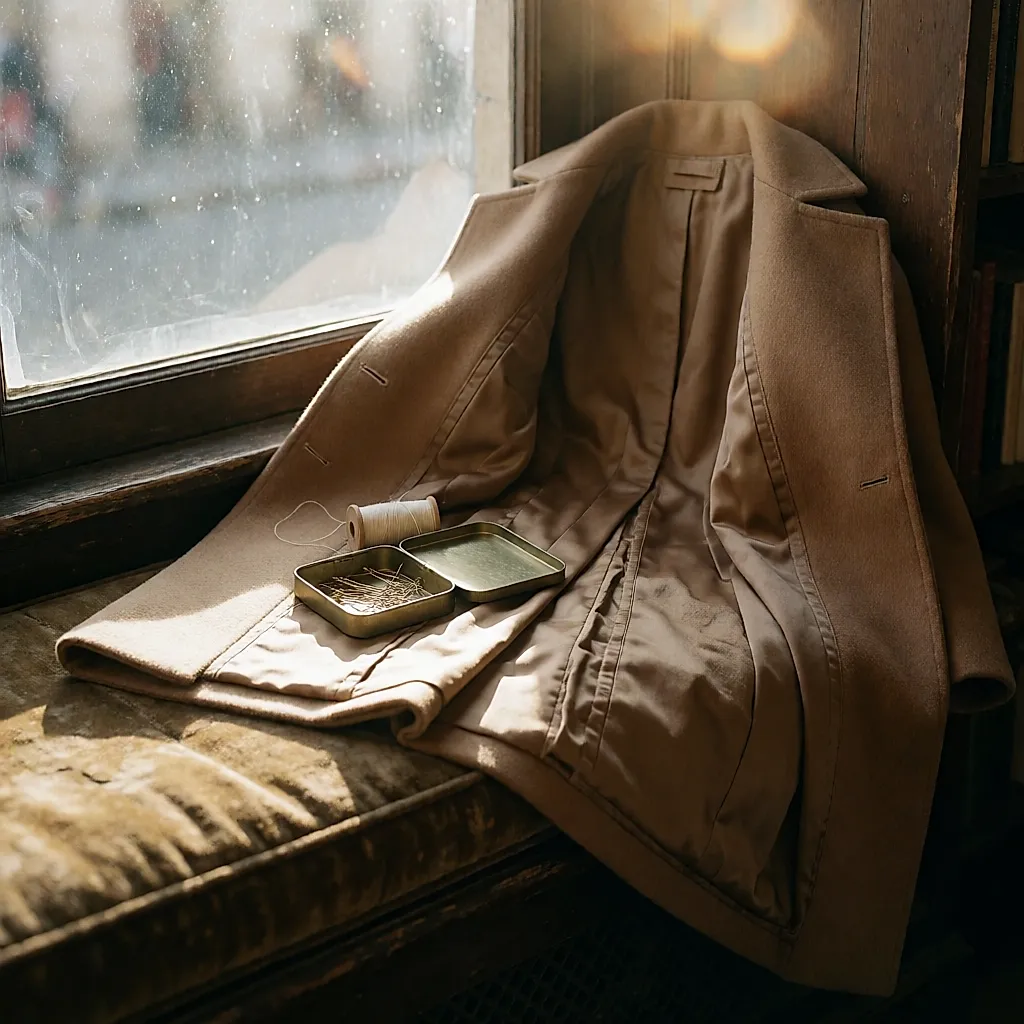
Next, look for signs of the garment's previous life. A line of ghost stitch marks at the waist, a hem that has already been taken up (the crease remains and the fabric keeps the mark), buttonholes that have clearly been moved: all signs that a third round of alterations would be a stretch. And if the fabric is thinning at the elbows, upper thighs or underarms, that is where the seams will give first. Tired fabric stays tired, however skilled the hand that sews it.
What a tailor will happily take on
The hem first: it is the most common and best-value alteration. On trousers, a straight skirt or a lined dress, shortening almost always works, provided the drape is respected. On a bias cut, the fabric stretches and the piece keeps dropping afterwards: allow an extra fitting. That is normal and not a fault of the workroom.

The waist is usually straightforward too: a tighter waistband, darts added at the back, side seams adjusted. On a fairly dense wool, you can often go down one size, sometimes two on a skirt. Sleeves shorten cleanly when the cuff is plain; with buttonholes and buttons, everything has to be moved and the bill climbs. The good news is that inherited pieces are most often wool, silk or linen, materials that are a pleasure to work with.
Then there are the small operations that make all the difference: a lining that has split, a zip that catches, three mother-of-pearl buttons to replace. Nothing insurmountable, just time at the machine or by hand.
What no tailor will promise you
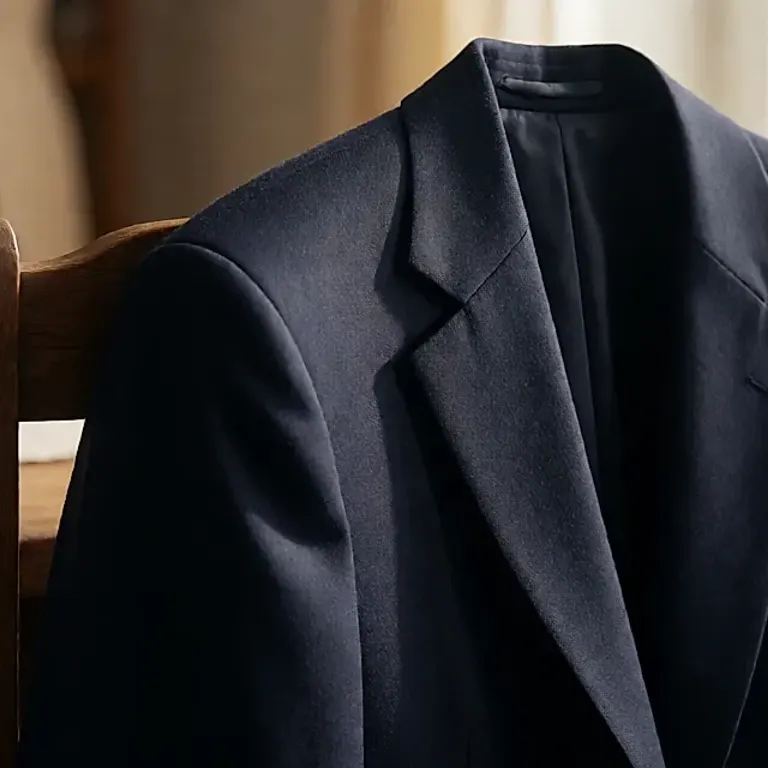
Making it bigger. That is where alterations hit a wall. You cannot lengthen fabric that has no spare allowance left, cannot gain three centimetres on a shoulder that lacks them, and cannot shrink an armhole without paying for it. On a jacket with structured shoulders, padding and panels, reducing the shoulder unsettles the whole balance of the cut: some workrooms do it, very well, but at a price that will make you think twice.
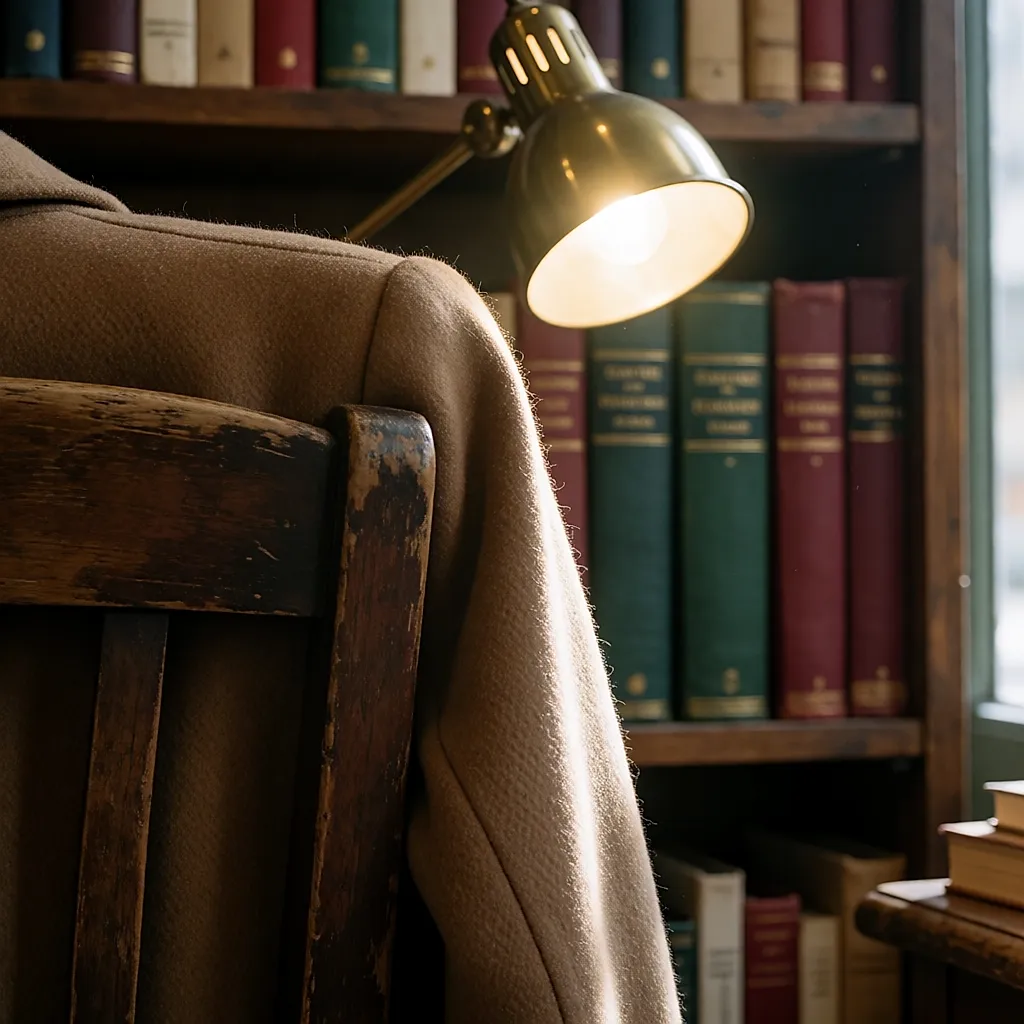
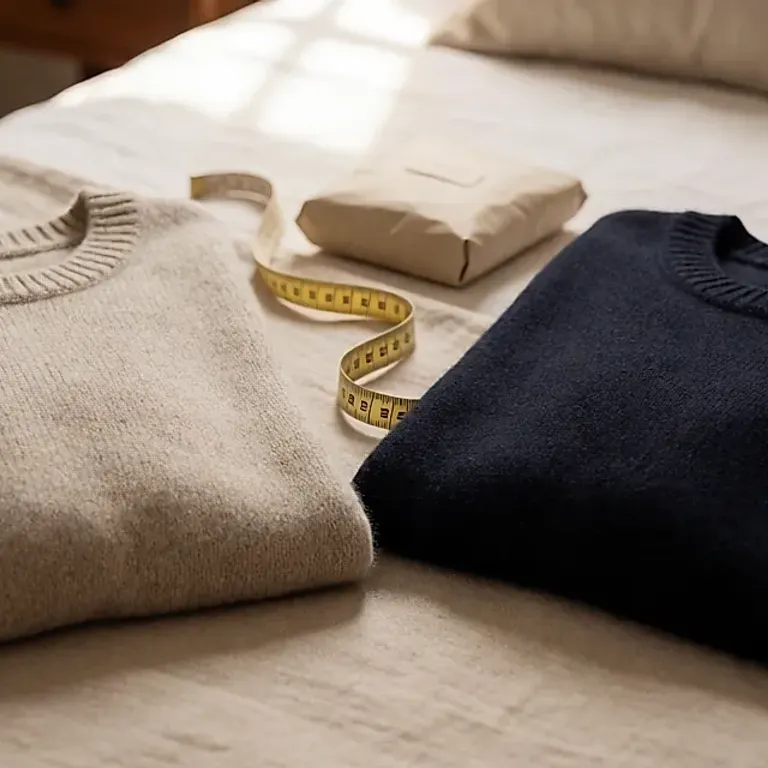
Leather and coated fabrics are unforgiving: every stitch leaves a hole, and one stitch too many remains one stitch too many. Stretched knitwear cannot be brought back invisibly. Felting, moth holes and visible wear at the elbow cannot always be repaired; at best they can be disguised. The real skill of a good alterations tailor is also saying no before taking your money.
The fitting that stops you paying twice
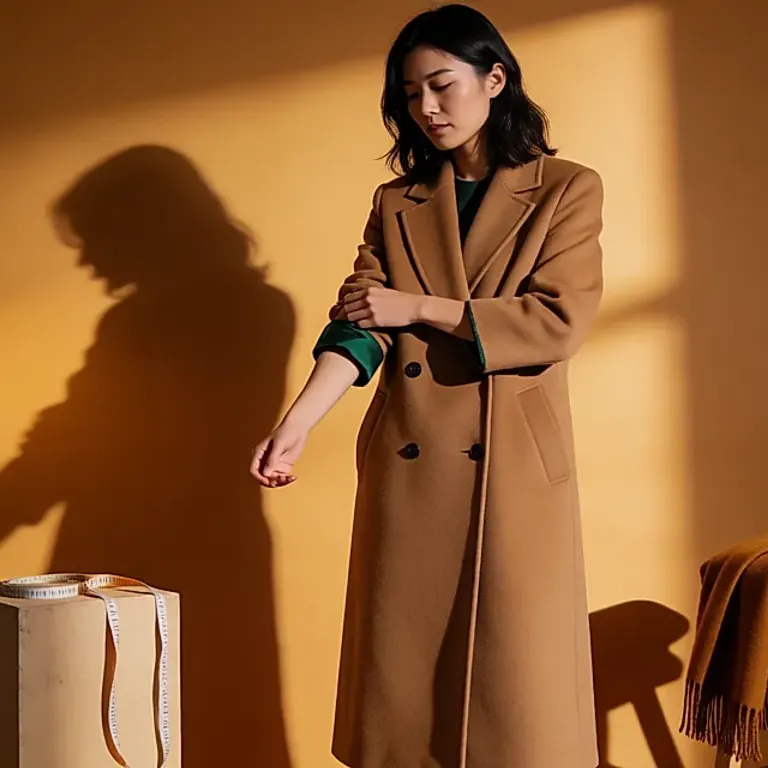
A mirror is not enough. Put the piece on with what you will really wear underneath, and with the shoes you will wear with it: a hem planned for heels will not work with flat boots. Then do the three everyday moves: sit down, raise your arms, walk a few steps. The seated fitting is the most ruthless and the most revealing. It is where you feel whether the waist pulls, the back gapes or the lining rides up.
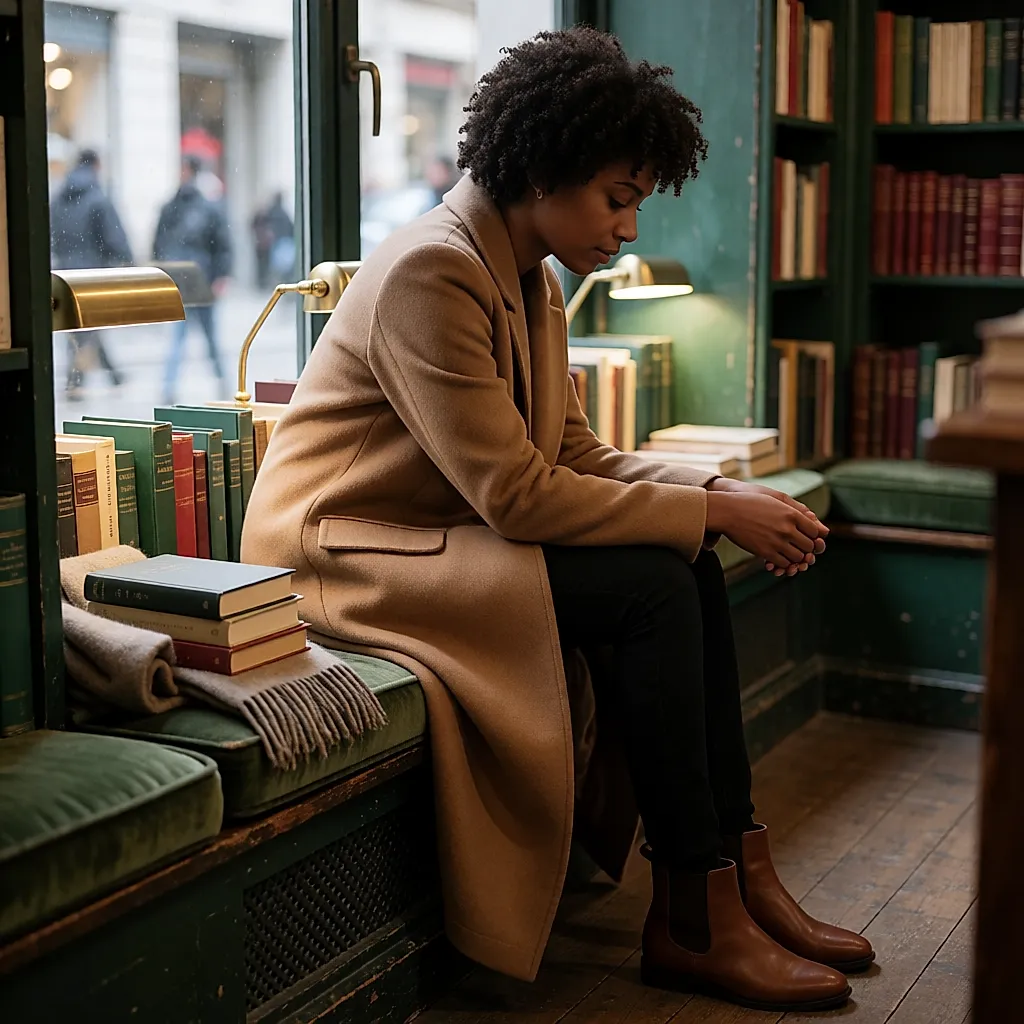
The fitting-room checklist. Sit down, raise your arms, climb an imaginary staircase. Ask yourself: does it pull at the shoulder? Does the back gape when you lean forward? Do the pockets fall in the right place? And above all: will the alteration cost less than the piece is worth to you? If the answer is hesitant, the answer is no.
What it costs
Expect roughly £12-£25 for a simple trouser hem, £20-£40 for a lined skirt hem, £25-£55 for taking in the waist with a waistband adjustment, £18-£40 for sleeves and £20-£50 for a replacement zip. A new lining or a full jacket overhaul is more likely to cost £70-£140, and more in big cities and workrooms that hand-finish.
Prices vary widely: neighbourhood, lining, number of hand finishes, urgency. Our rule of thumb: when the alteration costs more than half the piece's estimated value, it is worth sleeping on. And before you get your wallet out, ask the original brand whether it still alters its own pieces: the phone call costs nothing.
Then comes the real decision. Keep the coat as it is because the memories are part of its cut, alter it so it becomes yours again, or let it go to someone who will wear it. The first two options are defensible, and so is the third. The only real waste is the piece waiting at the back of the wardrobe while you hesitate.
Comments
Your opinion matters: rate the article, react and reply to comments.
Comments are moderated; AI-assisted comments are flagged. Text emoticons (8-), :-), <3…) are automatically shown as images.