
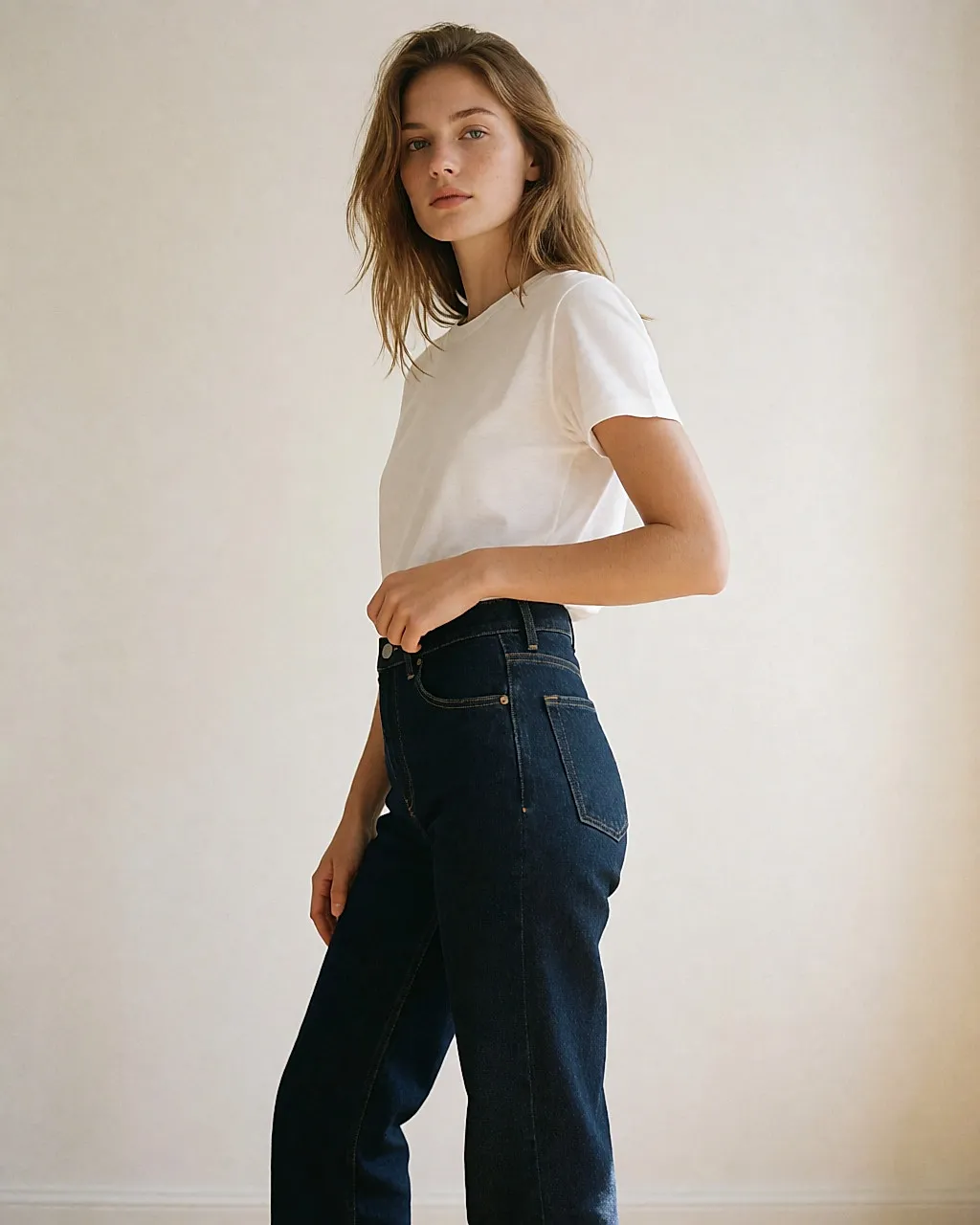
For the best part of a decade, the Latino wave had us flashing our hips — and sometimes our belly buttons too. Low-rise trousers were a proper revolution, an institution that took over the street long before it reached the catwalk. A runaway success. But it is time to change the record: low-slung has plenty going for it, yet it also opens the door to plenty of missteps. Fashion has turned the page, and the high waist is back — a chance to rethink the way you wear trousers.
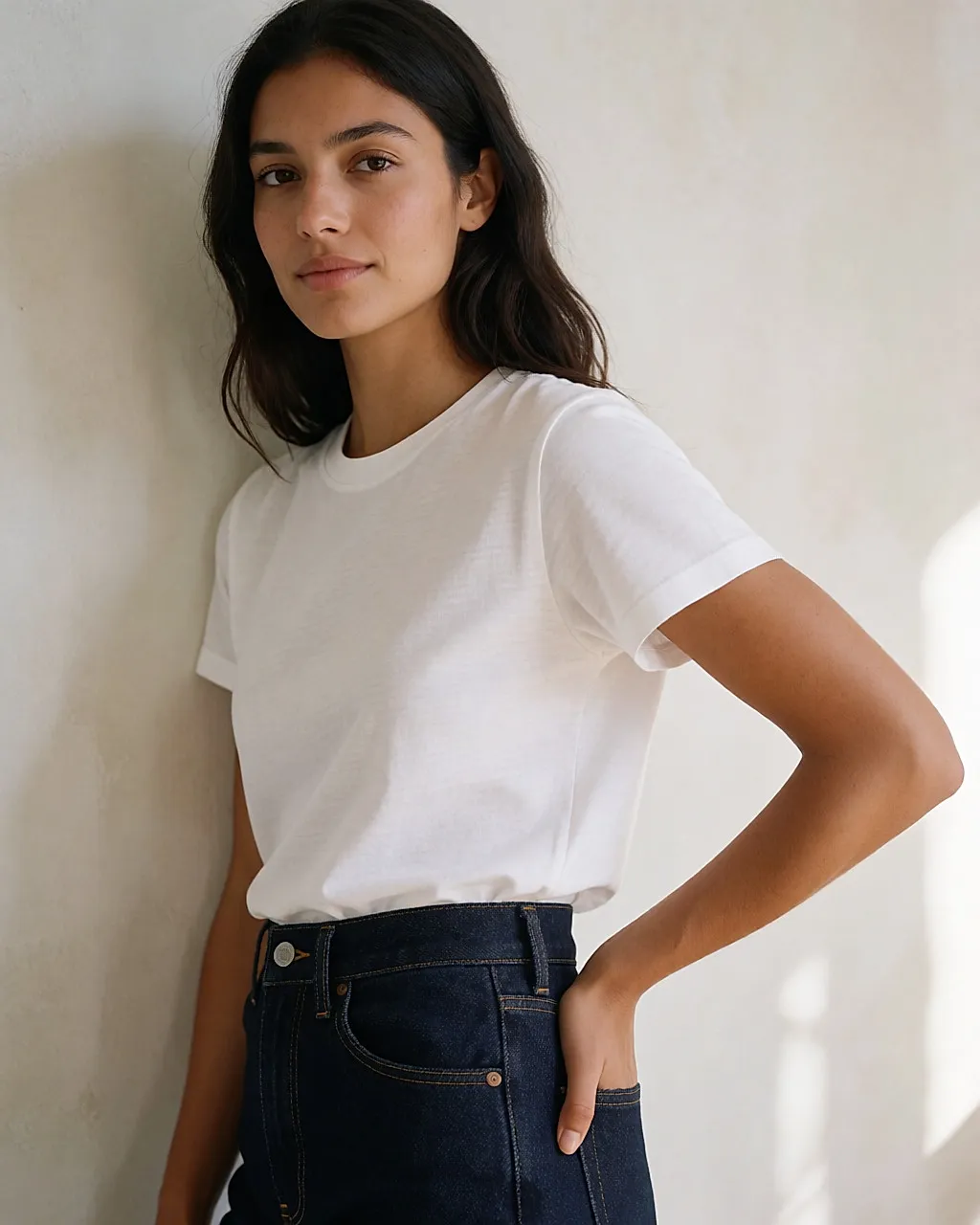
So who is this cut actually for? It is brilliant on hourglass shapes, with a defined bust and hips, and perfect for making the most of a neat waist while rebalancing hips and bottom with real elegance. More figures than you would expect can gain a little polish from a high waist. Flared cuts are the ones to reach for if you would rather forget about your thighs, and the leg-lengthening effect is genuinely striking, especially with a pair of heels.
Everything comes down to three details, and always the same three: exactly where the waistband sits, how dense the fabric is, and the length of the leg. A high waist that climbs too far up compresses the figure; a fabric that is too fluid shows up every curve of the stomach; a leg that is too long breaks the line. Once you have worked those out, the high-waisted trouser becomes one of the most versatile staples in a wardrobe.
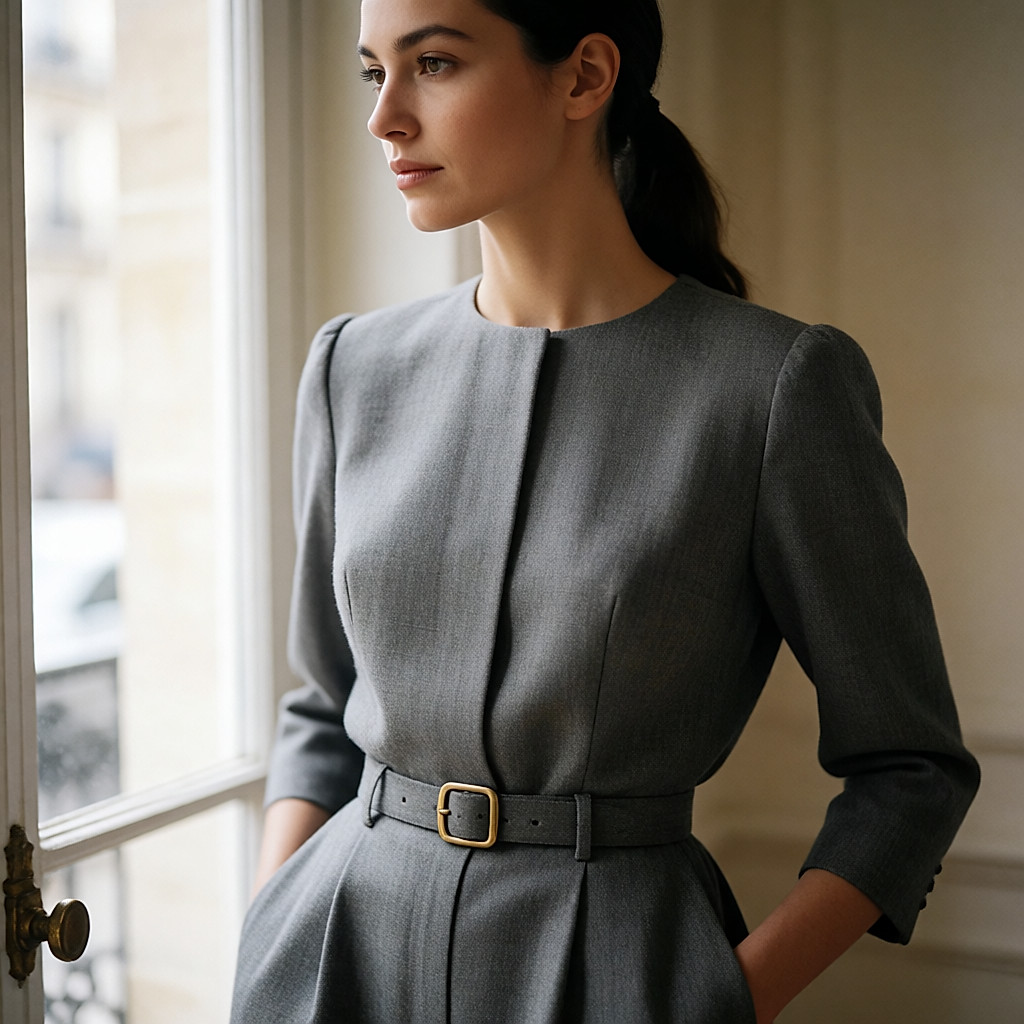
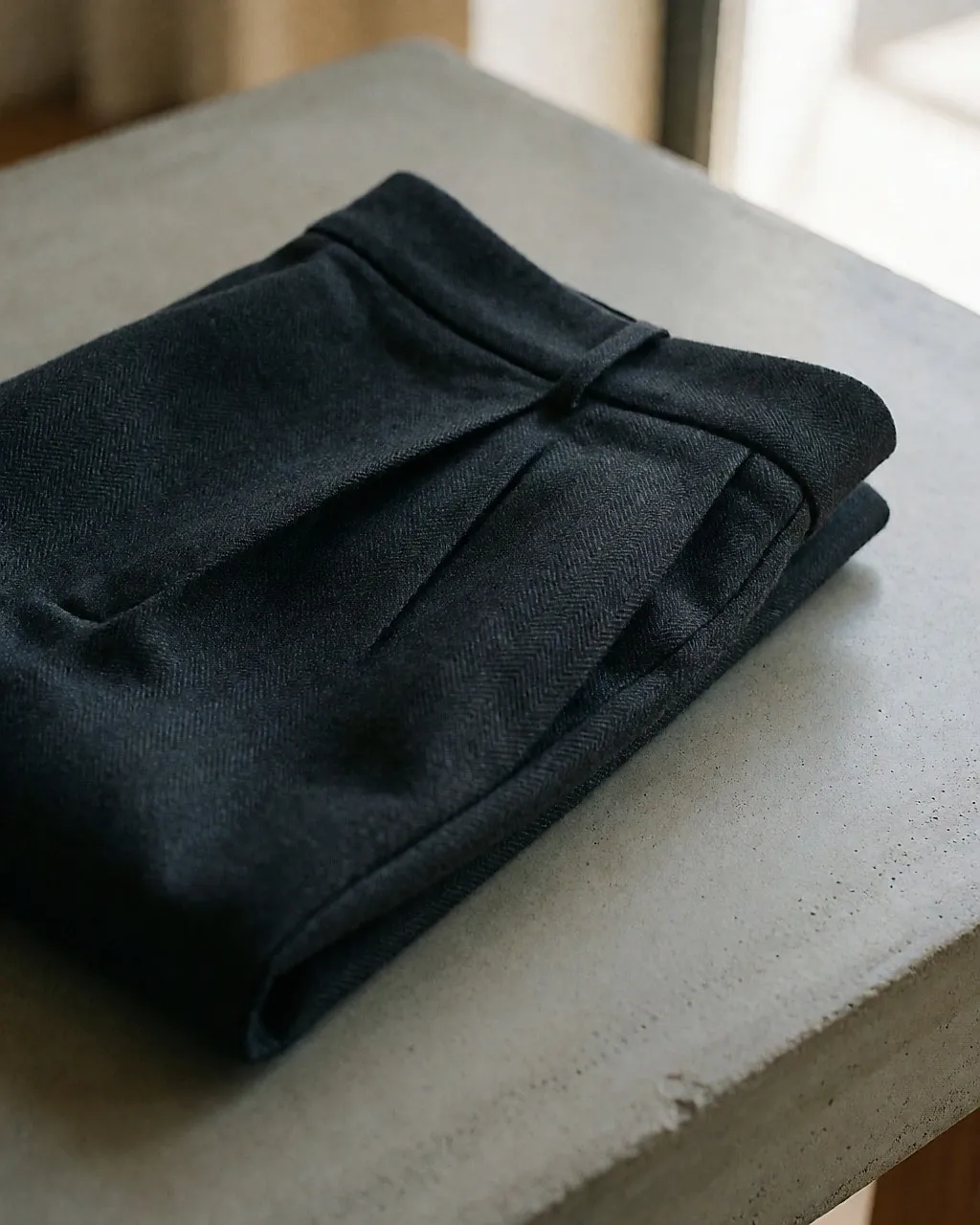
Flared styles elongate, a structured wide leg owns the volume, and a pleated tailored pair looks sharp with nothing more than a shirt — the quiet statement piece you pull out every autumn.
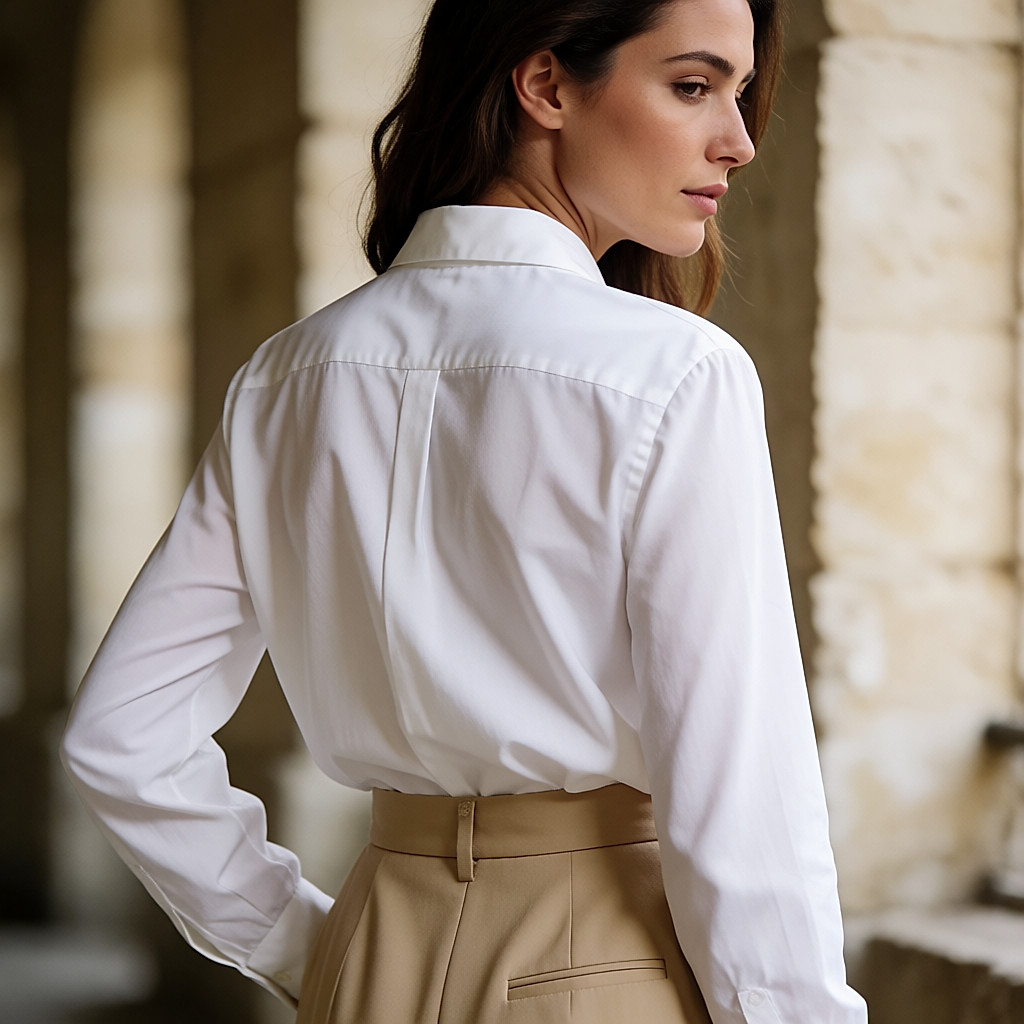
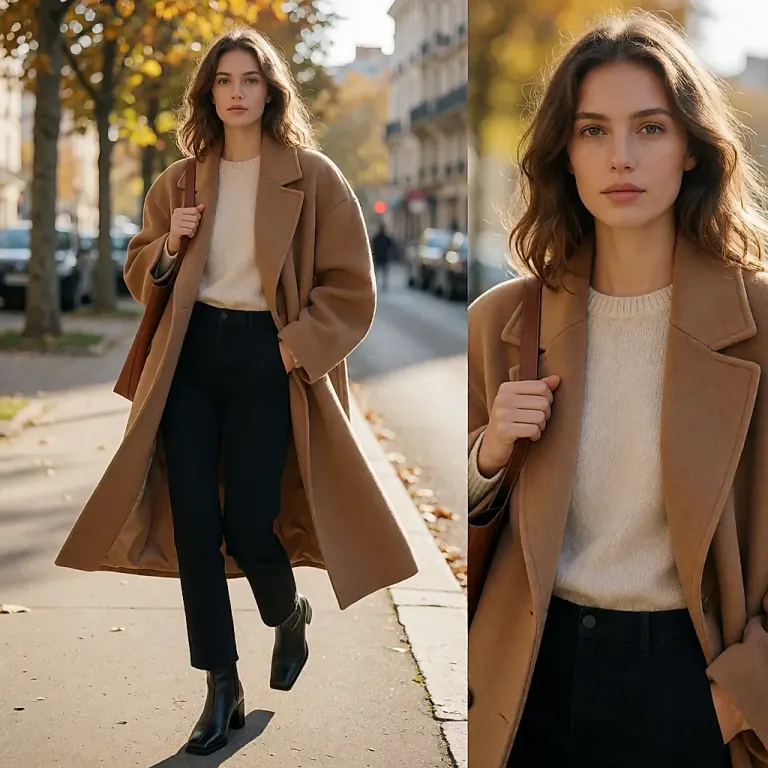
In its more street-led versions, the high waist lengthens the silhouette with a bit of originality — another way to redraw the line of your legs. The top is the easy part. Do not let it hang loose over the waistband: either go cropped or tuck your top in (simpler). Enjoy it, anything goes, and even a basic looks polished.
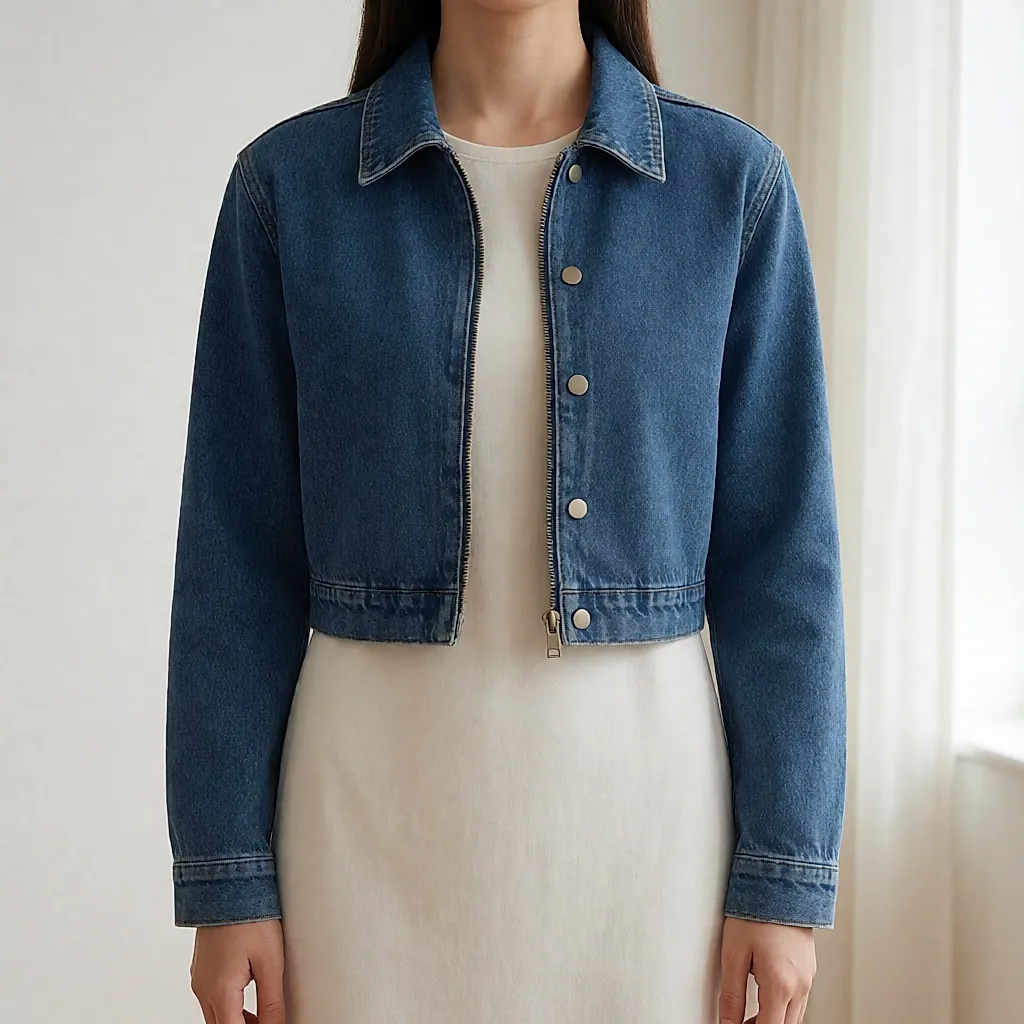
Tuck in, yes — but not just anything. A fine tee tucked flat, a shirt left open over a camisole, a crop that stops exactly at the waistband: whichever you choose, the waistline needs to stay visible.
It is also worth avoiding clutter: too much volume, too many details, too many patterns, and the whole silhouette starts to feel heavy. Choose a texture, a grain or a discreet herringbone over a busy print. If you are just starting out, begin with a dark solid colour before trying an all-light look, which is far more demanding on fabric — and on upkeep.
After years of putting up with low-rise trousers that turned up everywhere, it is time to reclaim our shapes and move into a new era. Wearing a high waist can feel daunting if you are not entirely at ease with your body, and yet this cut can be remarkably flattering when it is handled well. Softer-looking hips, a slimmer-looking waist, a tummy that reads smoother, a silhouette redrawn — not to mention the fashion kudos: yes, the high waist has its advantages. Let us move on from the fitted waist and into a whole new styling perspective.
What to budget
Expect to pay somewhere between £40 and £110 for a high-waisted trouser in cotton, wool or linen, and more like £80 to £250 for a piece in merino wool, organic cotton or vegetable-tanned leather. The price climbs with the quality of the fabric, the cut (pleated tailored styles are trickier to adjust) and the finish of the waistband. Second-hand and outlet shopping can turn up excellent basics for £20 to £50 — and remember that the plainest pair is usually the one you actually wear: before you buy, check the label and how much synthetic fibre is in there, because that is often where comfort is won or lost.
Comments
Your opinion matters: rate the article, react and reply to comments.
Comments are moderated; AI-assisted comments are flagged. Text emoticons (8-), :-), <3…) are automatically shown as images.