
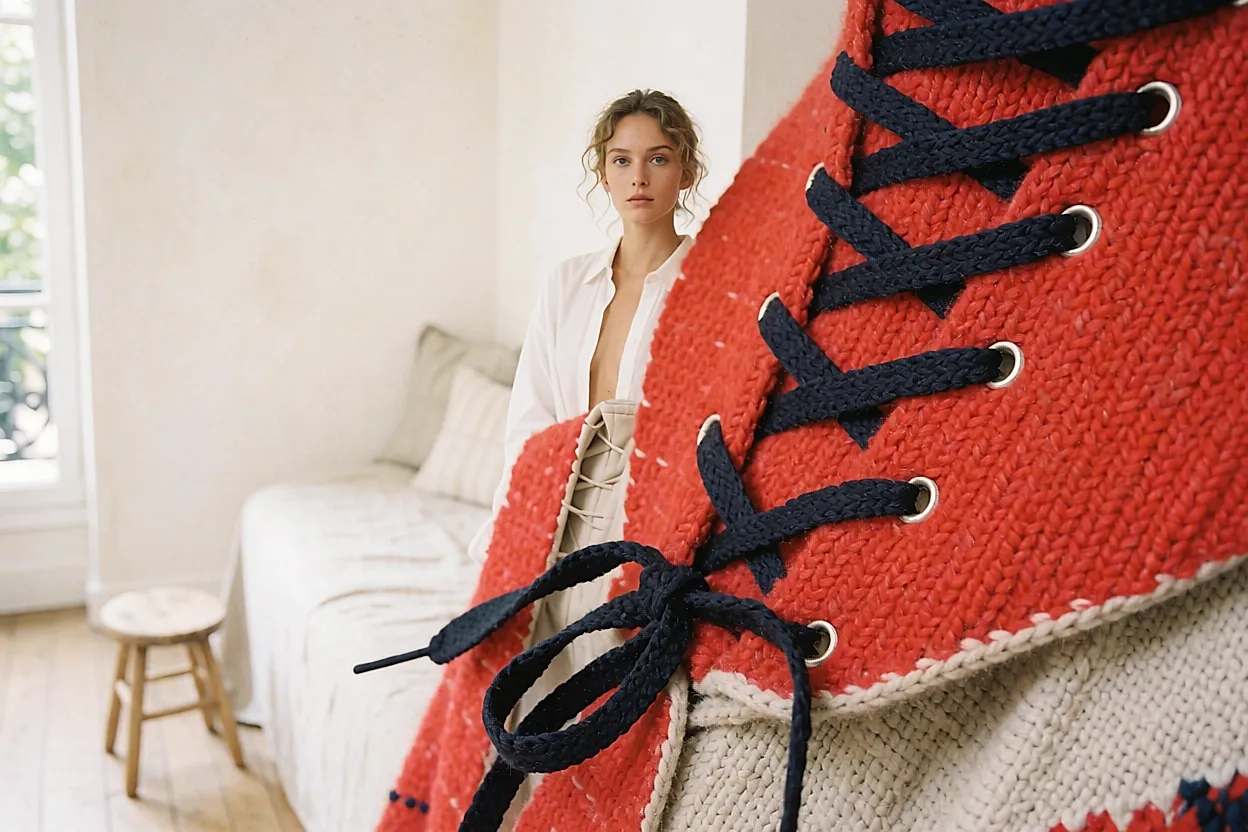
Have you ever pulled on a corset and thought it was only for a themed party or fancy dress? In reality, the piece has switched sides: it now appears in everyday wardrobes, worn over a shirt, a fine T-shirt or high-waisted jeans. The corset and waist cincher are no longer stage relics, but statement pieces to accessorise like any structured top. A quick note: I haven't tried the Sophie Katt pieces on my own figure; this is a documented read, facts and sources in hand.
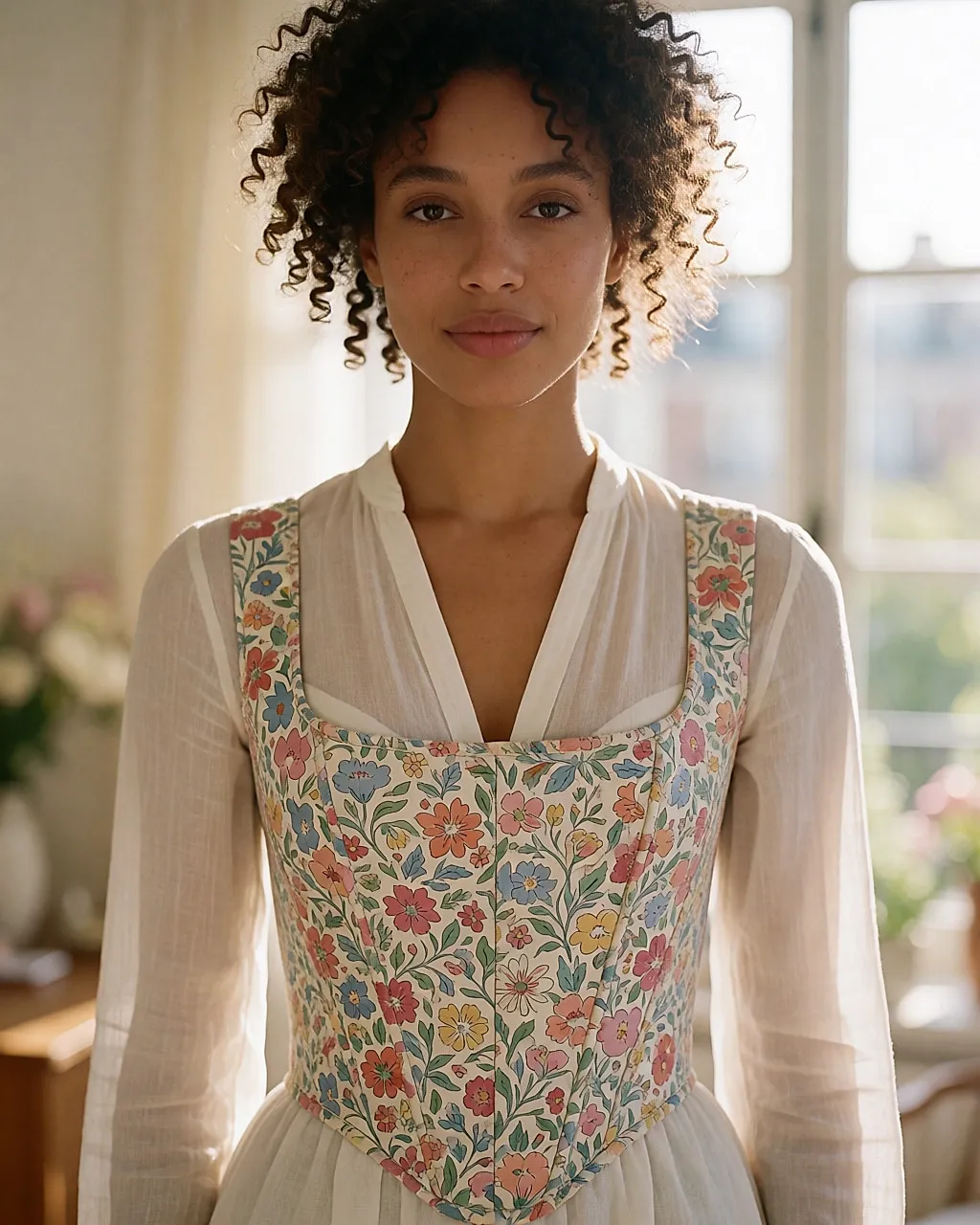
Corset or waist cincher: what's the difference?
The corset is a structured piece: boning, back lacing, a firm shape. Its job is support and posture — it holds the silhouette rather than compressing it. The waist cincher plays a different game: softer, often elasticated, it defines the waist without reshaping it, and slips just as easily under a blazer as over a slip dress. Historically, both shaped silhouettes from the Renaissance to the early 20th century, before giving way to elasticated girdles. Their return owes as much to fashion as to corsetry craftsmanship, brought back into the spotlight.
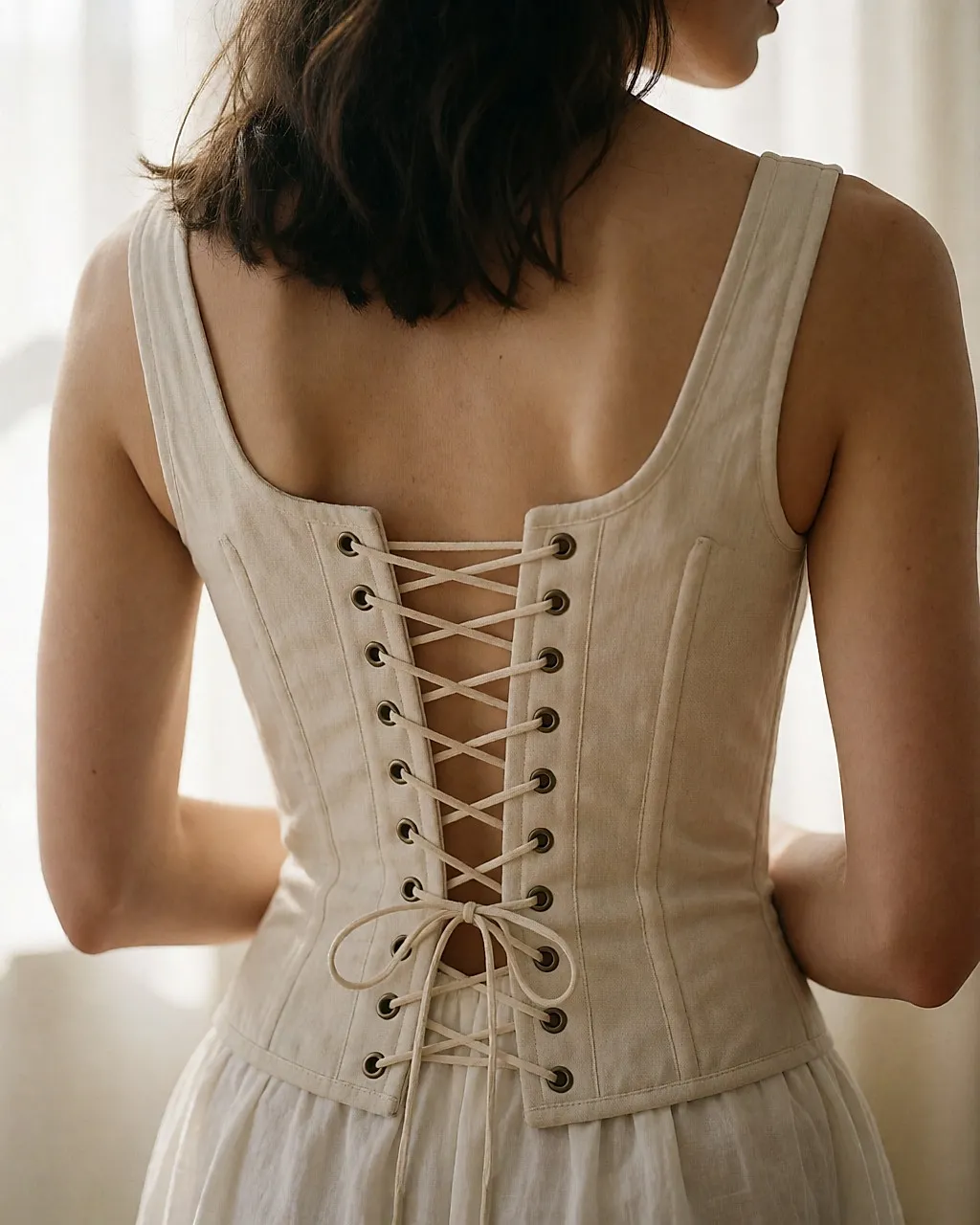
Sophie Katt: handmade corsetry
The house is presented as a specialist in corsets and waist cinchers: laced, boned, handmade pieces, with made-to-measure for special occasions. The original shop was in the Les Halles area of Paris — check the current address before travelling. Sophie Katt offers six sizes, from XS to XXL; be wary of standardised size charts and go above all by your waist and bust measurements, because a well-cut piece isn't chosen like a T-shirt.
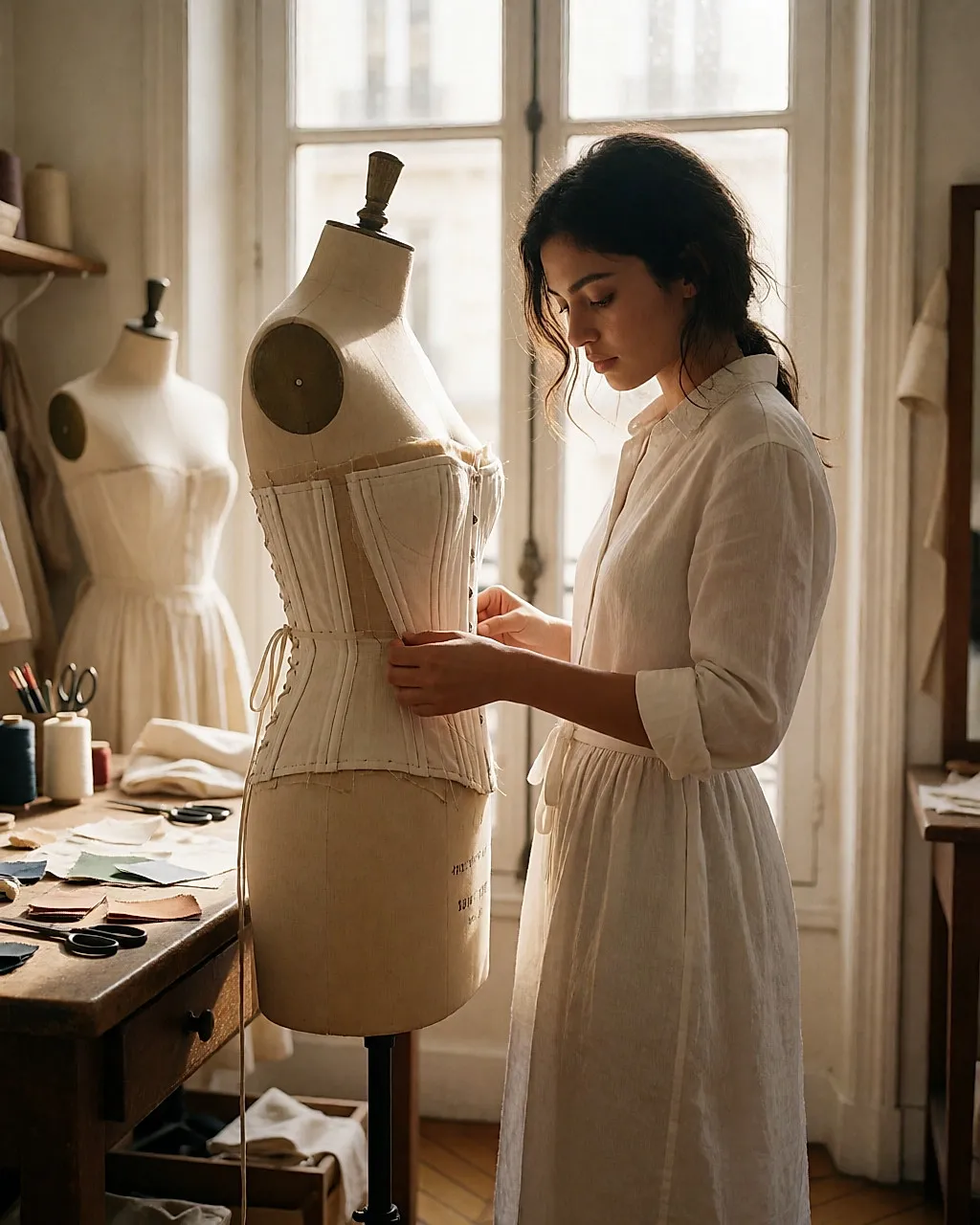
How to wear it now
The corset is no longer reserved for themed parties. Try it over a lightly open white shirt, a slip dress or a ribbed T-shirt with high-waisted jeans — the contrast between structure and softness below does all the layering work. A softer waist cincher works beautifully under a blazer, like an invisible piece that reshapes the waist without shouting. For a special occasion, made-to-measure lets you match fabric, colour and cut to your outfit: you choose the texture, the drape, the print, and the piece truly becomes yours.
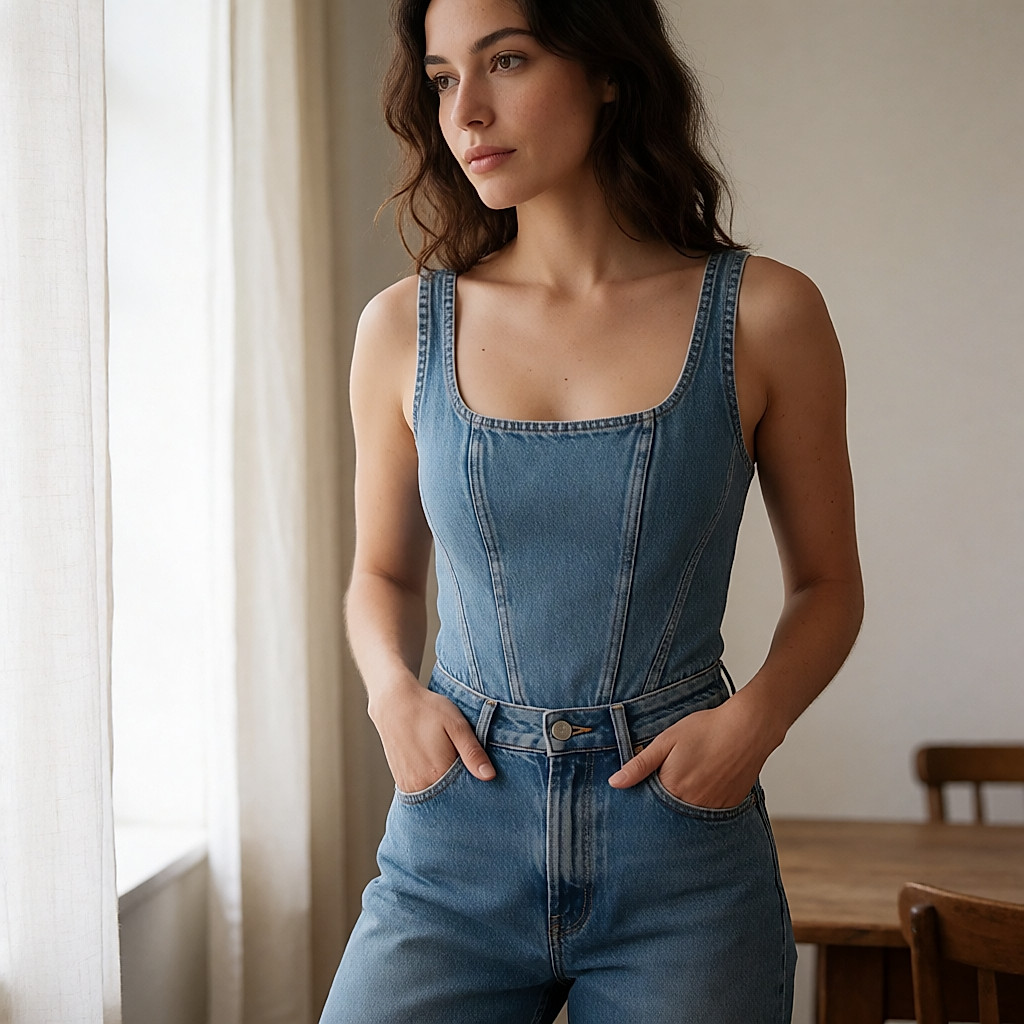
Fit: the measurements that matter
Measure your natural waist at its narrowest point, not at the navel, then your bust and hips. A well-fitted corset supports without cutting off your breathing: between two sizes, take the larger and adjust with the lacing. A corset is not a medical treatment, and it isn't a compression garment to wear all day, every day: if you have pain, digestive or breathing issues, or if you are pregnant, ask a healthcare professional.

The move that changes everything: try your corset over a fine T-shirt to test comfort before buying it or keeping it. You should be able to breathe, sit down and raise your arms without straining. If you have to pull on the laces to hold the piece, the size isn't right.
Budget
In the UK, expect around £20 to £60 for a soft waist cincher, £70 to £170 for a decent ready-to-wear corset, and from £220 — sometimes £500 to £800 — for a handmade or made-to-measure corset. Hiring one for a special occasion costs around £70 to £220. The price varies with fabric, quality of boning, hand finishing and service. Where to buy? Lingerie shops, corset makers' workshops, department stores for softer styles, and online. For occasional wear, second-hand is a smart option, especially as these pieces are worn so little.
Sources
- Palais Galliera, Fashion Museum of the City of Paris — history of fashion and corsetry: palaisgalliera.paris.fr
- Victoria and Albert Museum — corset and fashion collections: vam.ac.uk
- The Metropolitan Museum of Art, The Costume Institute — clothing and accessories: metmuseum.org

Comments
Your opinion matters: rate the article, react and reply to comments.
Comments are moderated; AI-assisted comments are flagged. Text emoticons (8-), :-), <3…) are automatically shown as images.