
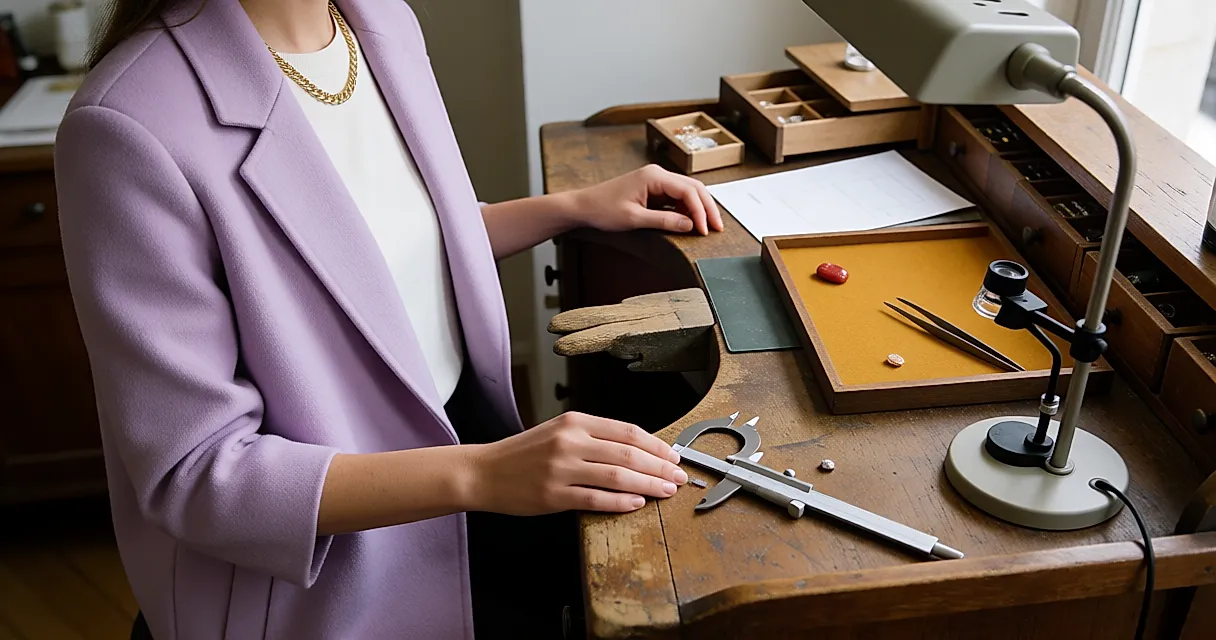
A £12 pair of earrings and a £90 pair can show exactly the same gold under a shop's spotlights. Colour alone tells you nothing about how long they will last. What separates them is a number rarely put in the window: the micron, one thousandth of a millimetre. Yet it is the micron that decides whether your necklace is still gold by spring or has turned a washed-out pink by Christmas.
It sounds technical. It isn't. Once you have got your head round it, you will never buy a gold-toned piece the same way again, and you will ask the seller two perfectly simple questions without sounding like you have walked out of a lab.
Gold-plated, vermeil, solid: three words, three different things
Gold-plated means a base metal, usually brass or copper and sometimes steel, covered with a layer of gold. That layer is measured in microns, and that is where everything is decided: some costume pieces give you a figure, others shine away without ever mentioning it. The thinner the layer, the faster the piece marks, in the spots you might not think to check.
Vermeil is not an upgraded gold plate, it is a different construction: solid sterling silver covered in gold. The thickness of the gold layer varies from piece to piece, and the word 'vermeil' is no substitute for asking for the exact figure. Put plainly, vermeil is solid silver with a golden promotion. It costs more, but it ages in a different way.
Then there is solid metal: 925 silver, or gold (9, 14 or 18 carat). No layer to wear through, because there is no layer at all. Solid silver does tarnish, yes, but it can be cleaned, repolished and brought back. A gold layer that has gone does not come back.
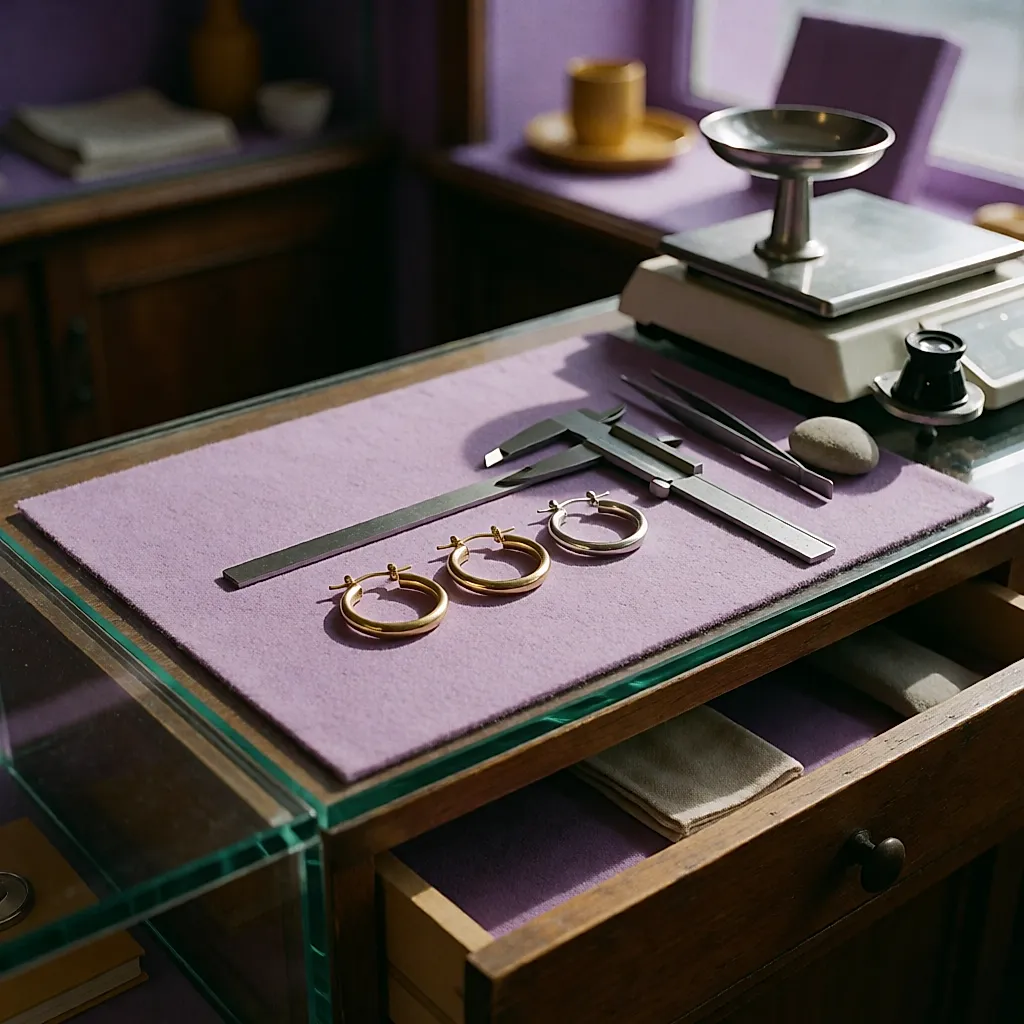
The two questions to ask before you reach for your card
First question: what is the metal underneath? Silver, brass, steel, gold? The answer is one word, and it already tells you what you are dealing with. On precious metal pieces, look for the hallmark as well, the small stamps struck into the metal that give its purity.
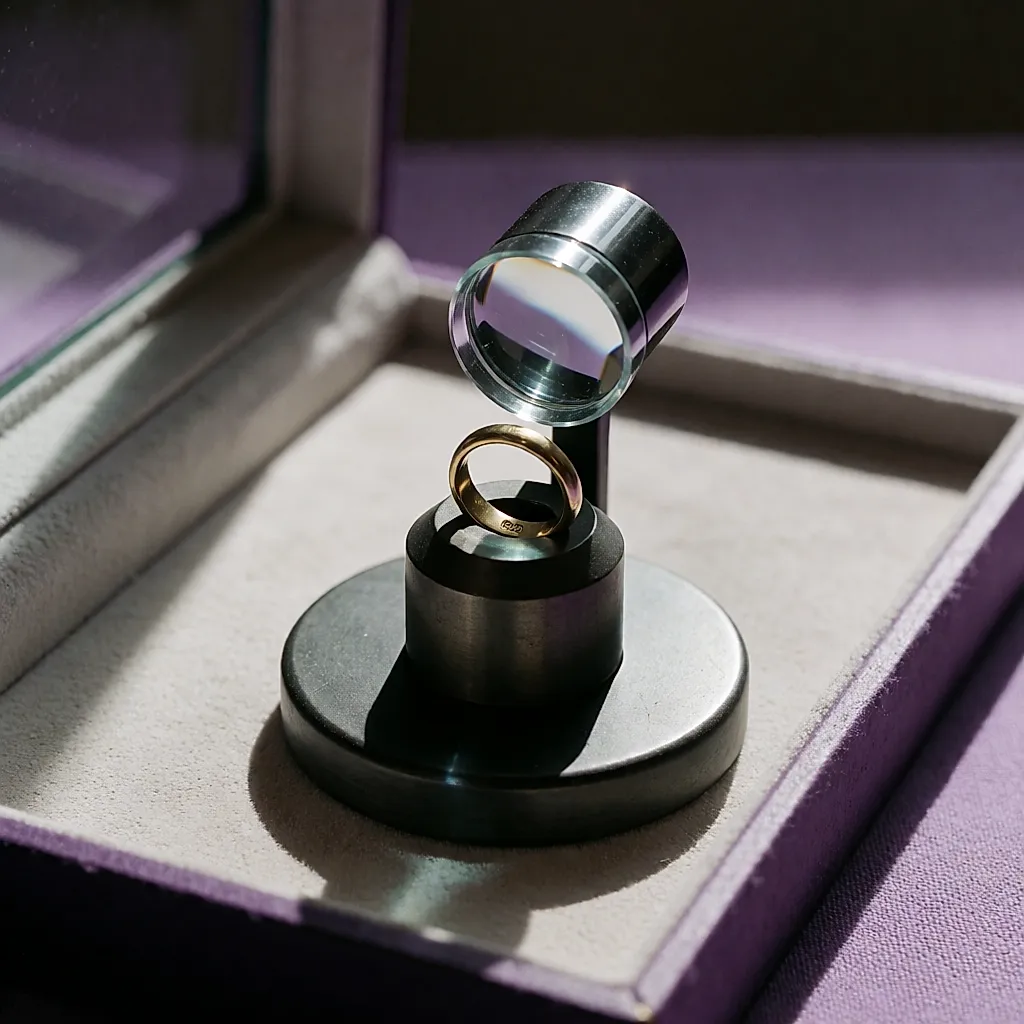
Second question, the really useful one: how thick is the gold layer, in microns? A piece sold as 'gold' is not necessarily solid gold or gold-plated, and vermeil means solid silver covered in gold: either way, ask for the actual figure, because that is what tells you the rest of the story. A seller who does not know? Not a disaster, but it is information in itself.
Lobes and clasps: where the plating gives itself away
There is one place where plating usually shows first: friction. On earrings, look at the part that goes through the lobe and the fastening mechanism, because that is where the layer often wears first. On a necklace, watch the clasp and the point where the chain rubs against skin or against the pendant.

The right instinct in a shop is to turn the piece over and look at those areas, not at the nicely polished front. On something you already wear it is even clearer: a clasp that has gone pale gives you the verdict ahead of time. And if you do fall for a plated design, save it for days when it will not meet perfume, the pool or the gym, because those three are merciless with thin layers.
Cheap and cheerful or solid silver: how to choose
A £15 pair for a wedding, for one summer, for a colour you fancy that may only last a season: yes, no guilt, as long as you treat it as a short-lived piece. Something you wear every day, such as small hoops or the necklace you never take off, deserves better: solid silver, or vermeil if the gold really matters.
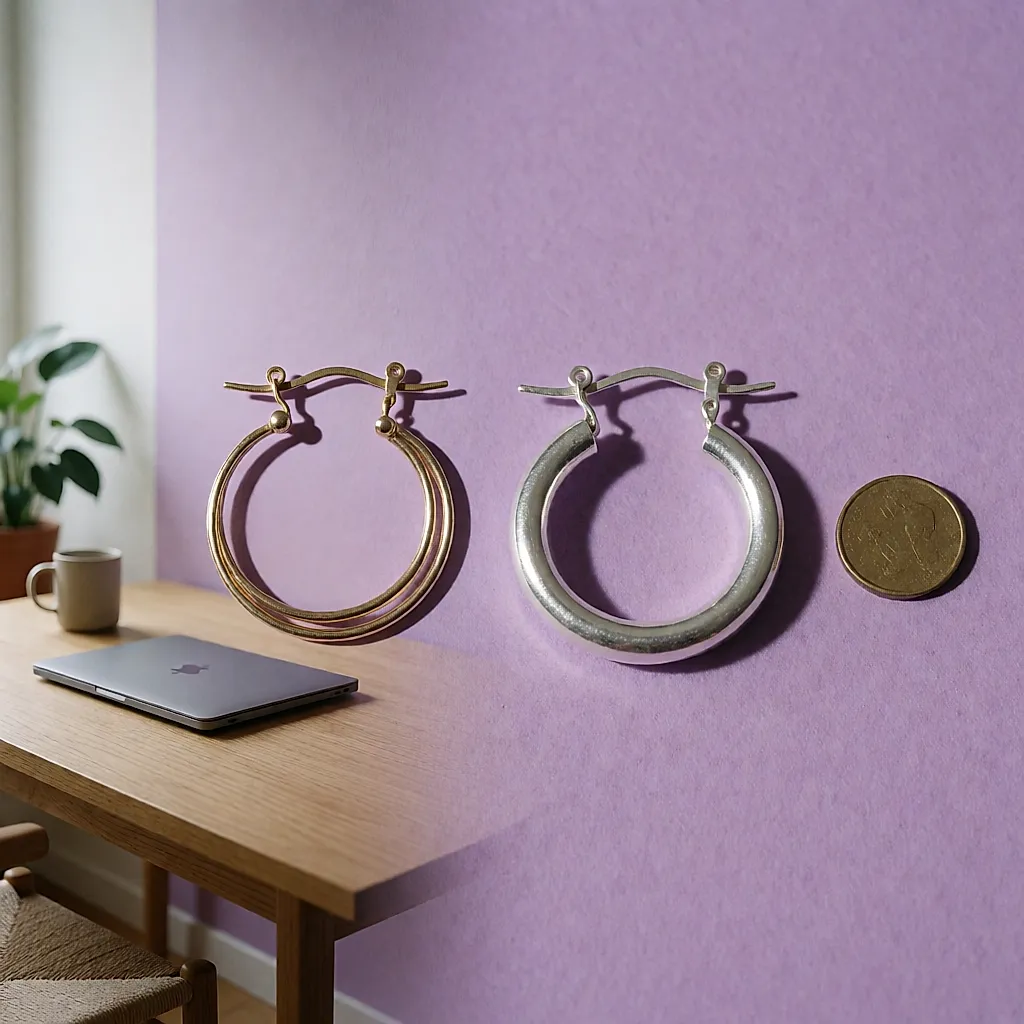
One last criterion, often forgotten: the shape of your lobe. A heavy earring on a thin lobe looks lovely for five minutes and is uncomfortable for the rest of the day. Better a lighter piece in a precious metal than a golden lump that drags.
Budget
As a rough guide, expect to pay around £15 to £40 for a decent gold-plated pair, £35 to £110 for solid silver, £70 to £215 for vermeil depending on weight and finish, and from about £175 for solid 18 carat gold. Prices climb with grams, not with colour, so check current figures with the maker or retailer. You will find all of it at jewellers, from online designer-makers and at specialist markets; on the high street, check the thickness claim twice.
The ten-second test in a shop: ask what the metal is, ask how thick the gold layer is, and take a look at the clasp. Two answers and one glance, and you will have a much better idea whether the piece is likely to last a season or much longer.
Gold-plated jewellery is not an investment, it is a compromise you make with your eyes open: the thicker the layer, the more time you are buying. So next time, let the window do its shining and ask the awkward question. Your necklace will thank you in six months.


Comments
Your opinion matters: rate the article, react and reply to comments.
Comments are moderated; AI-assisted comments are flagged. Text emoticons (8-), :-), <3…) are automatically shown as images.