

A few weeks ago, clearing out my summer wardrobe, I came across a pale pink satin camisole. Worn once, maybe twice, always tucked under a jumper. You've probably got one at the back of a drawer too — bought on a whim, never quite trusted in daylight. And yet it's one of the most underused pieces in your wardrobe: we buy camisoles for the bedroom, wear them in secret, when they work perfectly well out in the street. So why not?
One camisole, two lives
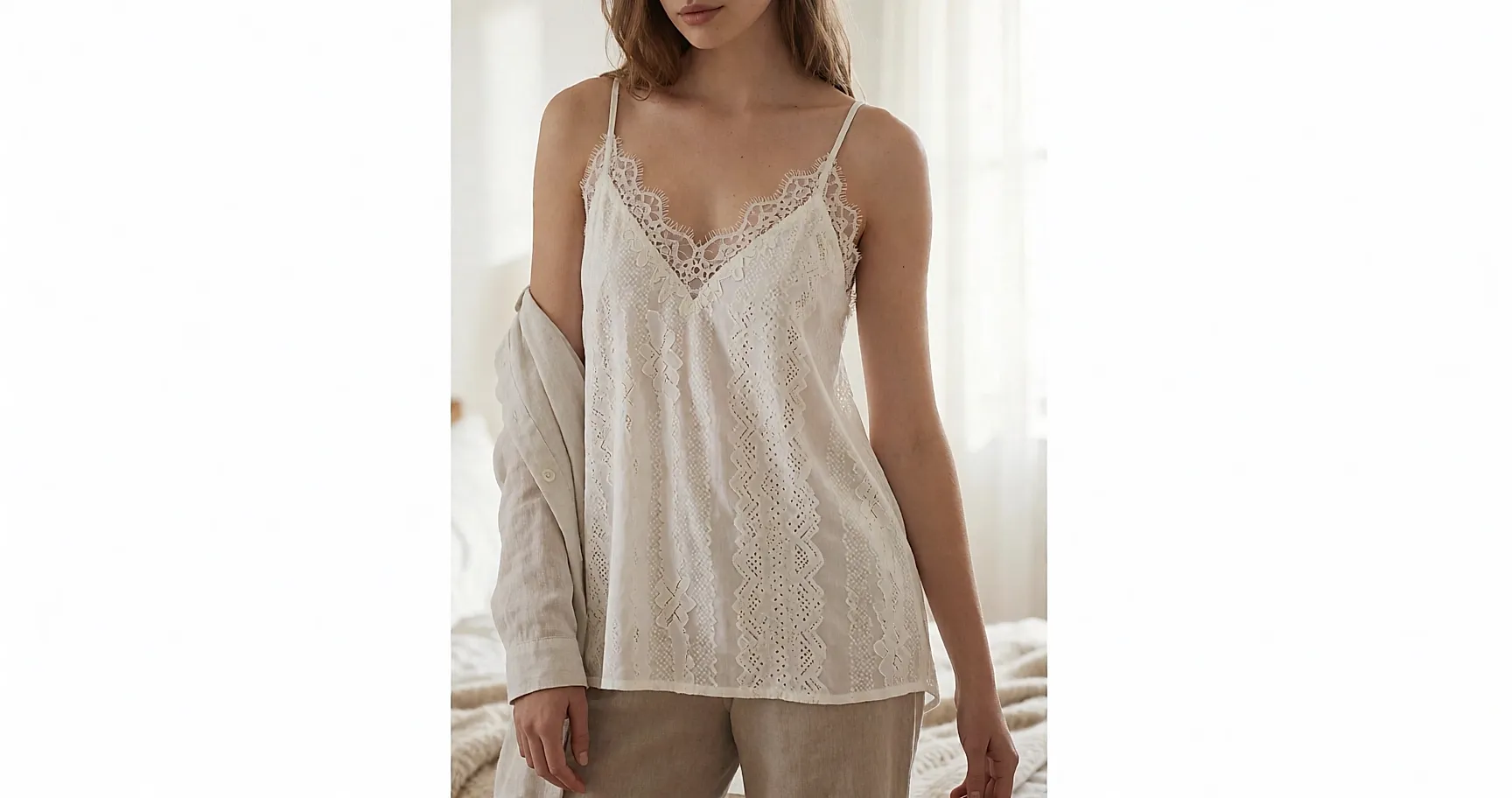
The first, you've already got sussed. It's underwear: a lace V-neck, fine straps, silk or micromodal, just peeking above an unbuttoned blouse — an easy way to add interest to a basic.
The second is much more interesting. Worn on its own, a camisole redraws your shape and changes how the whole outfit falls. Rule one: opacity. Thick satin, dense cotton, a lined style — that's what holds, what won't give anything away under bright light.

Rule two: something structured over the top. An oversize blazer, a denim jacket, an open cardigan, a linen overshirt. The contrast between fluid and structured is what makes the look work, and it's what stops the whole thing reading as pyjamas.


Working the layers
Another route: stack them up. A camisole works under a light tunic, under a cropped jumper, or over a white T-shirt if you fancy a slightly riskier layer.
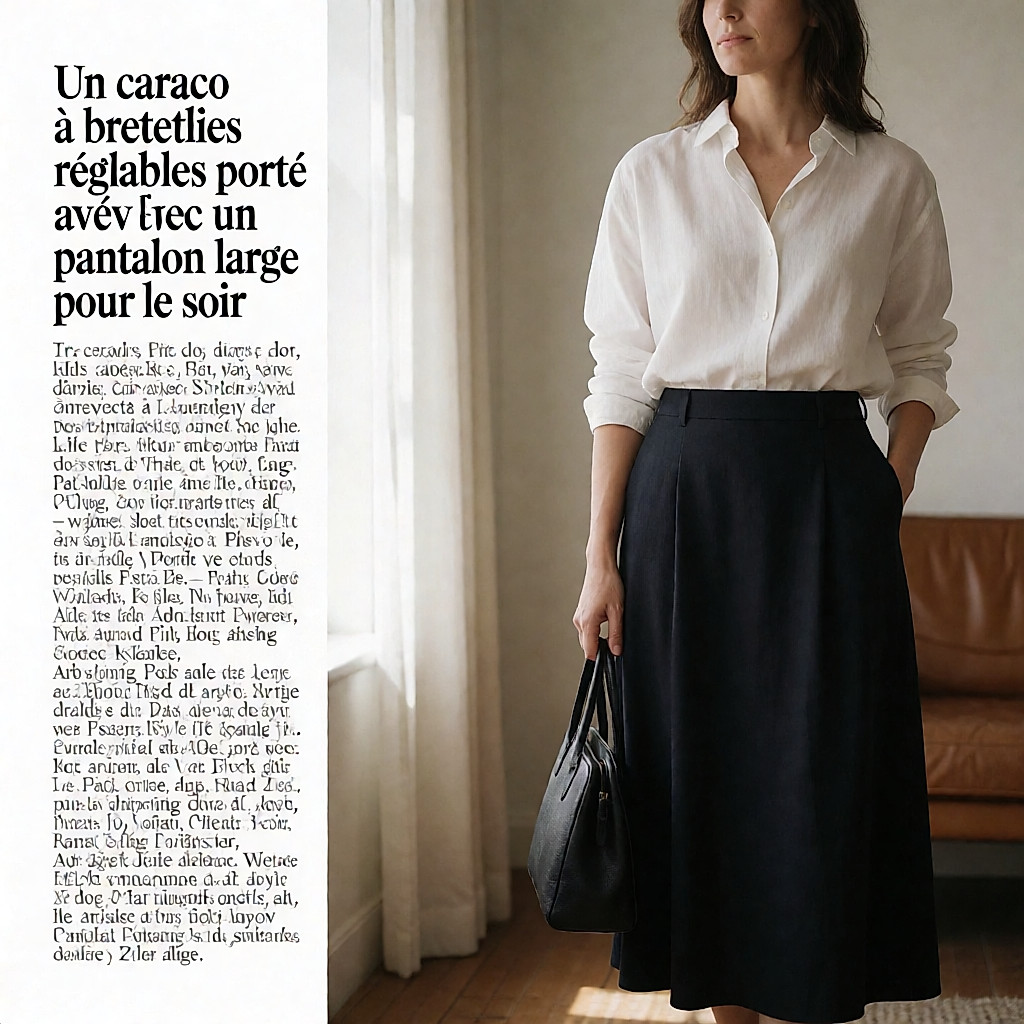
The move that genuinely makes the difference: mix two properly different textures. Satin under chunky knit, cotton under crumpled linen, lace under raw denim. Two fabrics with the same finish, and the effect falls flat on its face. See what I mean?
For evening, go for a satin camisole with adjustable straps, wide-leg trousers and heeled sandals. A fine chain is enough — the neckline is already doing the work.
Fit comes before style
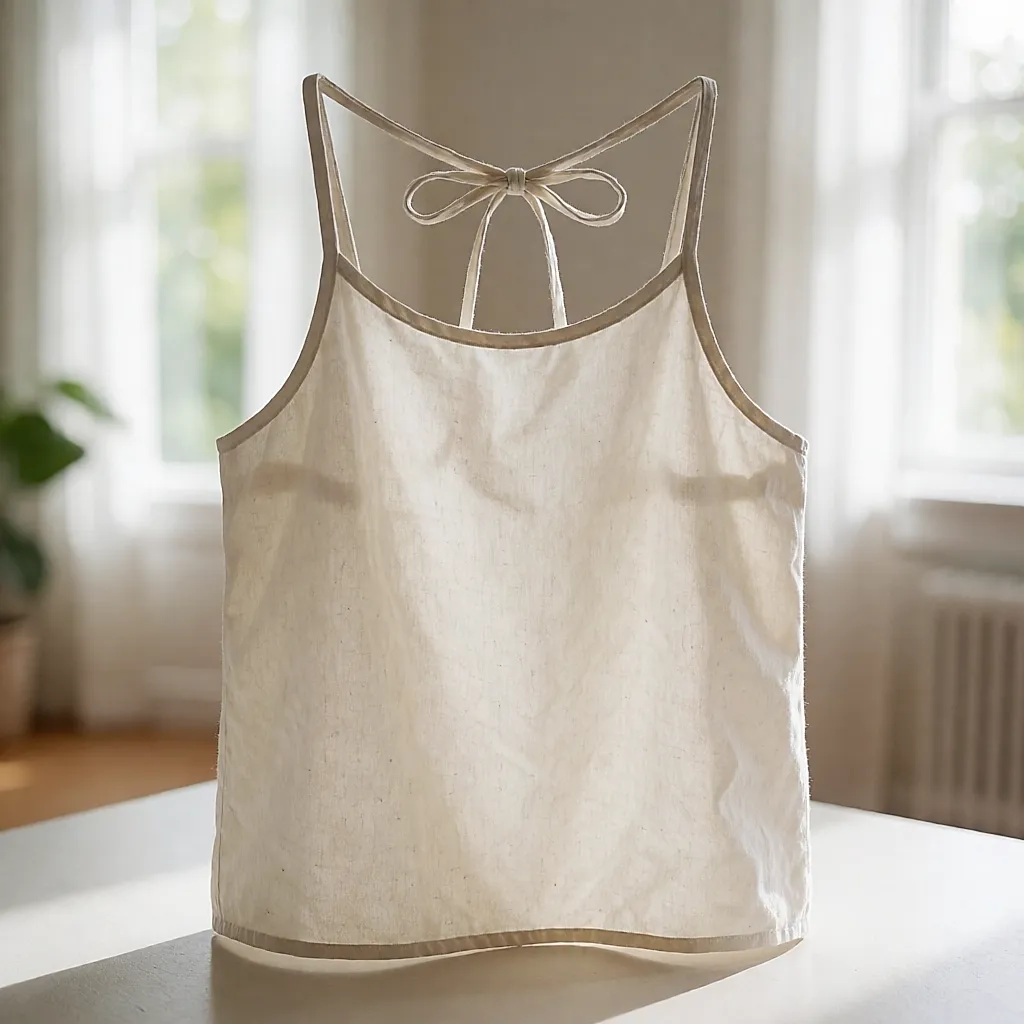
A badly cut camisole means a strap sliding off every ten minutes. Sound familiar? Go adjustable, or for a tie-back style.

With a fuller bust, a style with no darts and no lining won't hold up through the day. Versions with light built-in support, from lingerie specialists, hold far better.
What I haven't tested: very expensive silk camisoles. Tried on in the fitting room, never bought — you're paying for the fabric, the cut, but also for the image. For silk without the price tag, look to end-of-season or second-hand.
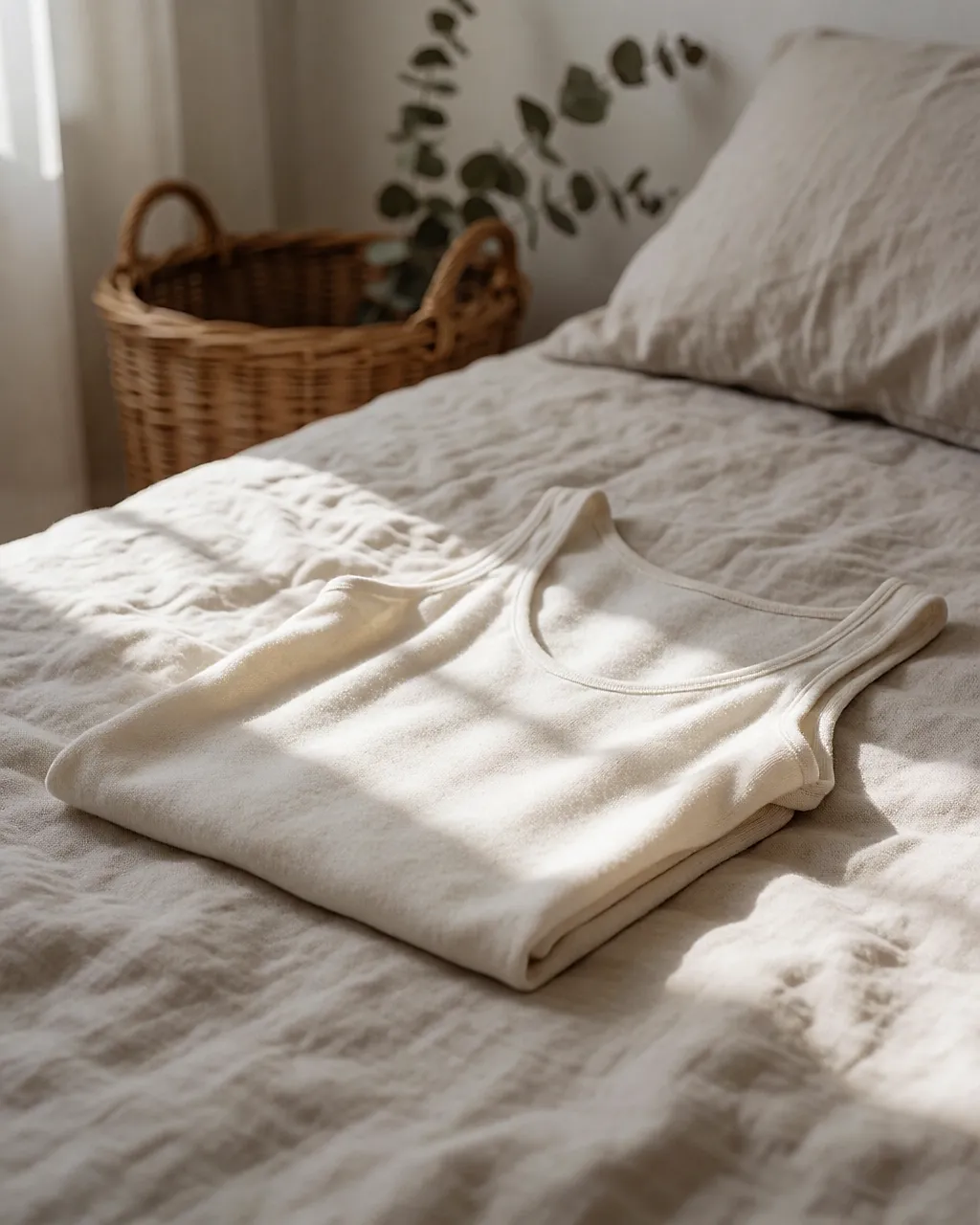
Budget
Expect to pay around £7 to £22 for polyester satin, viscose or a basic cotton, from a supermarket or a high-street fashion chain. Mid-range, roughly £22 to £60, buys organic cotton, micromodal and decent lace from lingerie retailers. For silk or the higher end, around £50 to £110, and £130 and up from designers. Prices shift with city, size and range; end-of-season sales and second-hand bring the cost down. Where to buy: supermarkets and high-street chains for price, lingerie shops for fit, department stores to try things on, online for hard-to-find sizes.
On fabric, bear in mind that cheap polyester satin tends to build up static and ages badly; GOTS-certified organic cotton or micromodal costs more upfront but holds its drape better. And to try a silk cut without paying designer prices, second-hand is still your best bet.



Comments
Your opinion matters: rate the article, react and reply to comments.
Comments are moderated; AI-assisted comments are flagged. Text emoticons (8-), :-), <3…) are automatically shown as images.