

Engagement rings: a few precious ideas!
You said yes, and then comes the tricky question: which ring will slide onto your left ring finger? Because between the round-diamond band you see everywhere and a more individual piece that truly reflects you, there is a world of difference — and plenty of hesitation! The good news is that when it comes to engagement rings, one word matters above all: freedom. The great classic remains the solitaire, of course, but the ideal one isn't the one sparkling in the shop window: it's the one you'll love looking at every morning without ever tiring of it. So, need a little inspiration for the ring you'll actually wear?
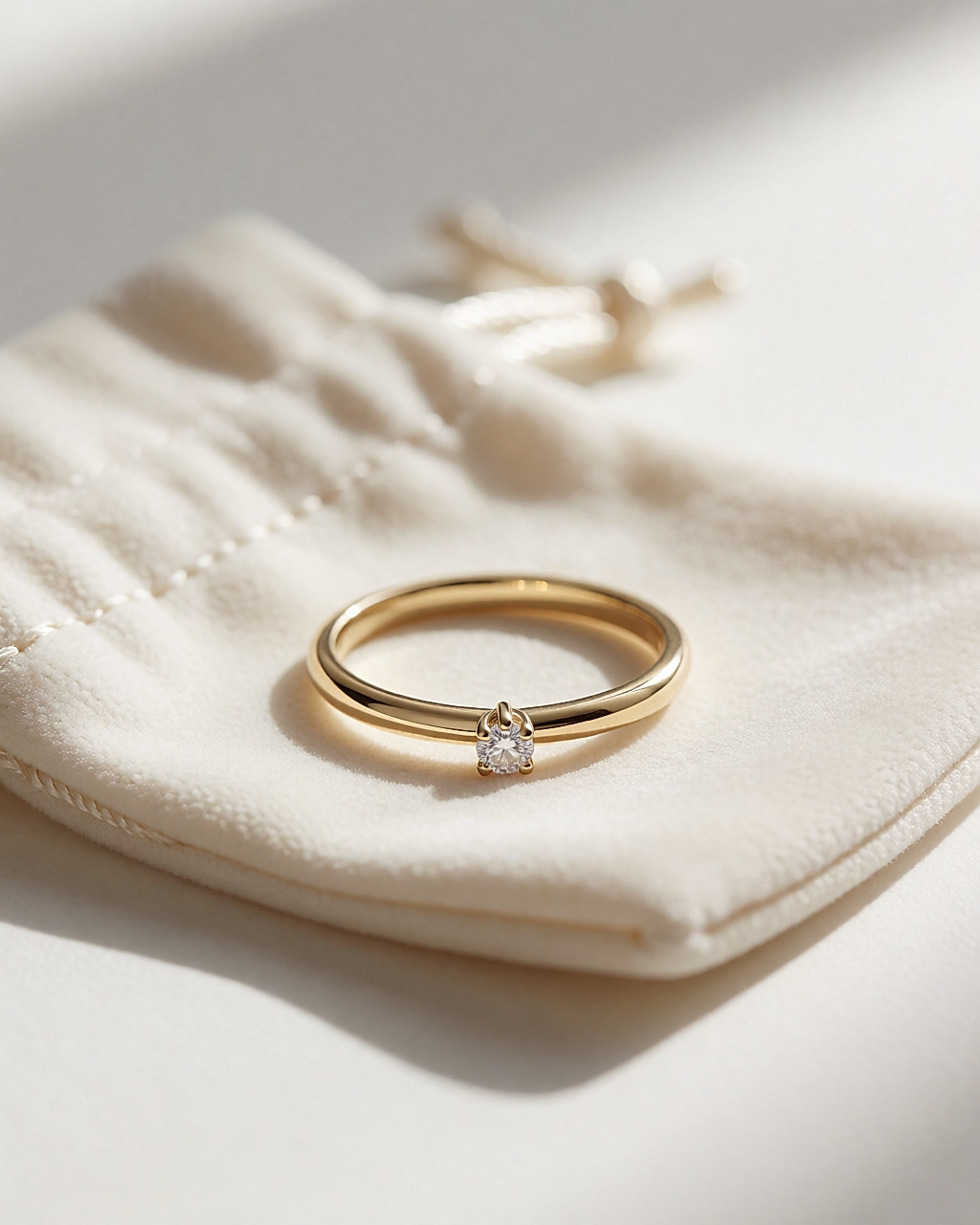
Tradition dies hard, after all! Giving a ring as a token of your feelings remains a gesture that never goes out of style, and it's easy to see why: this isn't a piece of jewellery you tuck away in a drawer, but one you wear every day. That's exactly where everything is decided — a ring that sparkles in the shop window isn't necessarily one you'll enjoy wearing day after day. So choose the diamond together, keeping one simple thing in mind: better a setting you truly love than a stone chosen just for its size. Style-wise, there's plenty to explore!

The solitaire: a safe bet — if you choose it well
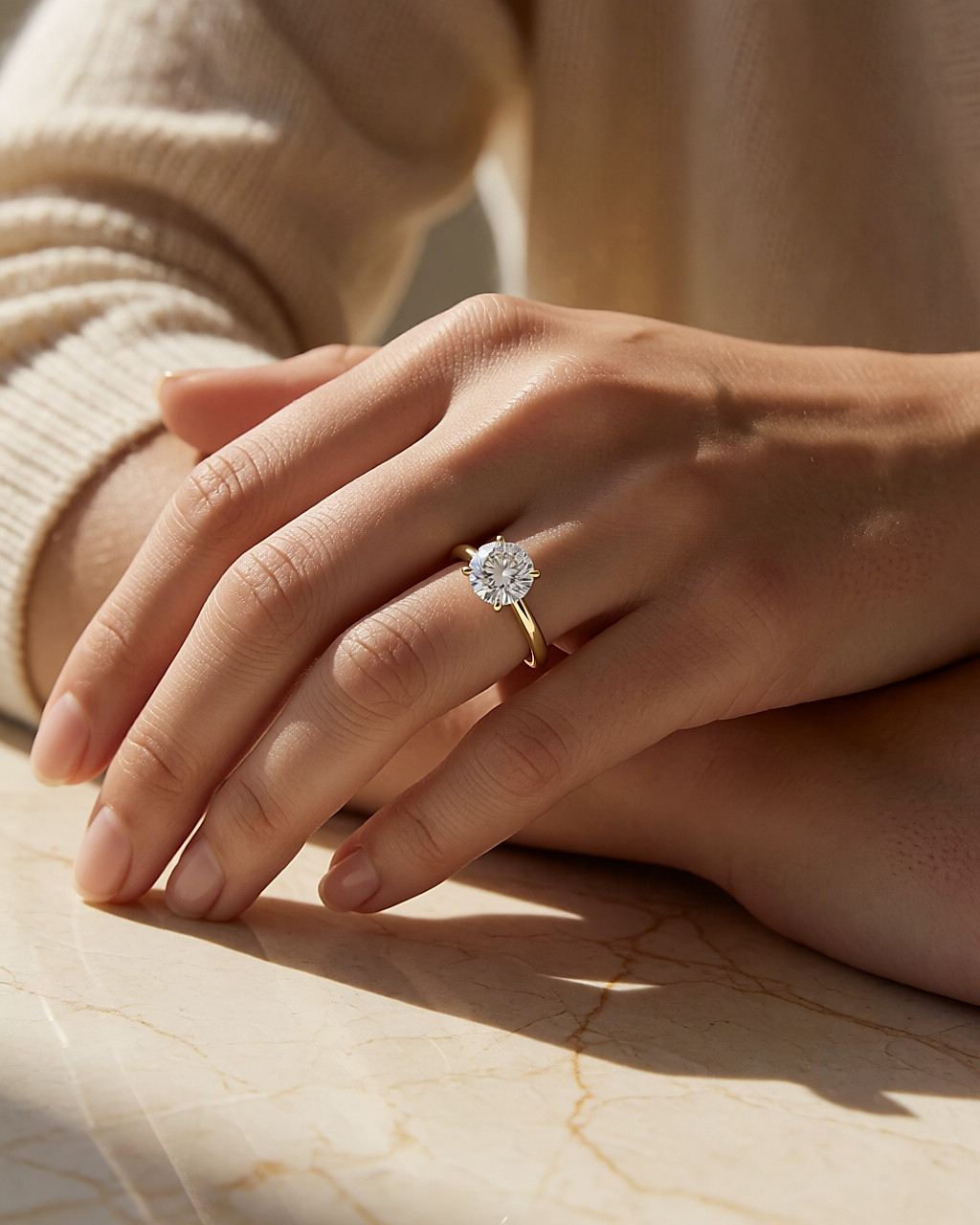
It's hard to get more classic than the solitaire, and that's exactly what people love: a round diamond on a clean setting never dates. A fine gold ring, barely touched with a diamond, remains one of the most delicate options you can give — discreet enough for every day, precious when the light catches it. The good news is that a solitaire doesn't require an absolute fortune: it all depends on the carat weight, the quality of the stone and the metal of the band.
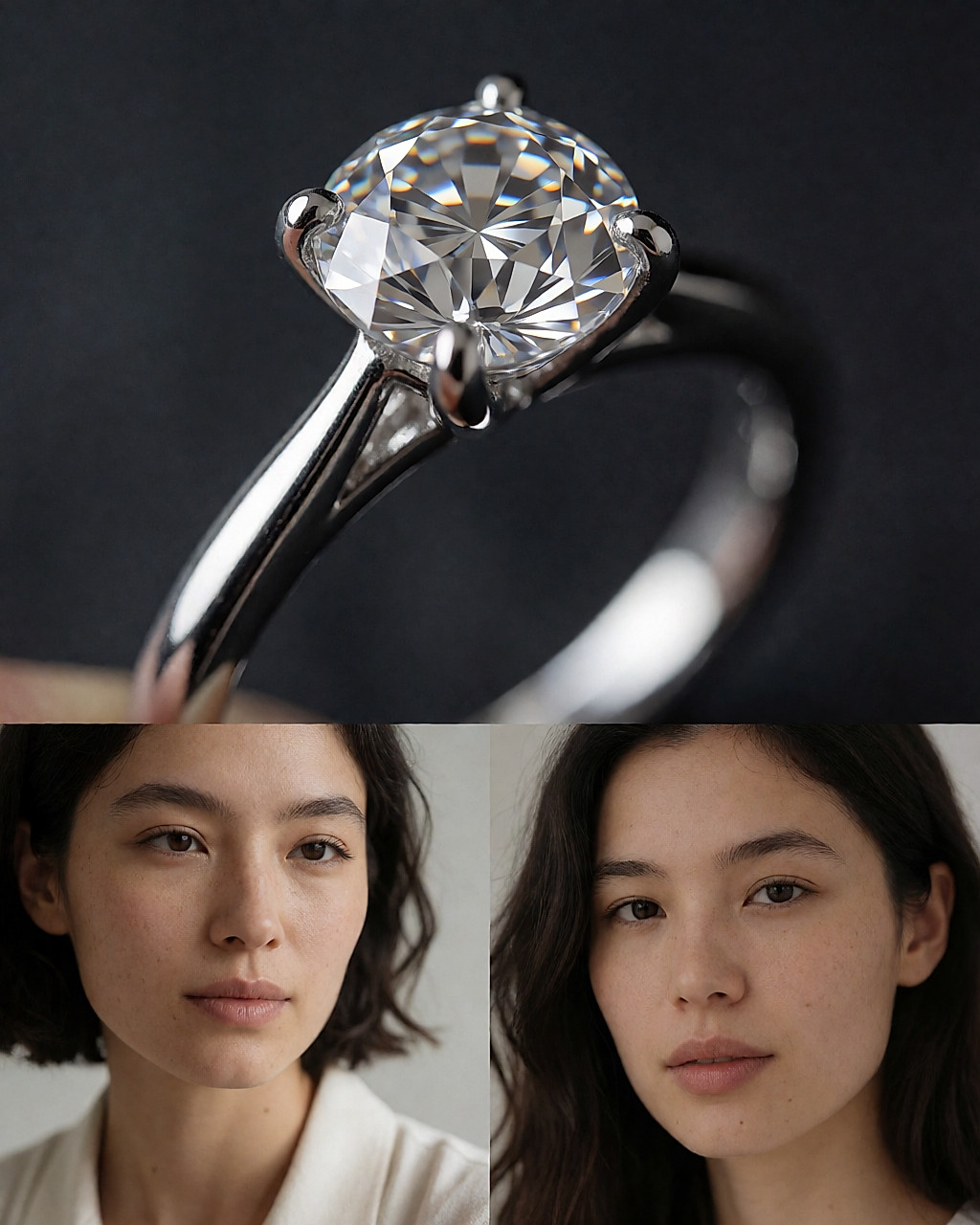
Let's be honest, though: the stone and the brand name really push the price up. A more modest diamond in a well-finished setting often looks better than a large poorly set one. And lab-grown diamonds, now often offered by jewellers, genuinely change the budget equation — the composition is the same, only the stone's journey differs. It's up to you to decide what matters most: the stone's story or how it looks on your hand. A quick tip: a bigger stone doesn't automatically suit you — how a ring works with the length of your fingers matters a great deal.
When colour comes into play
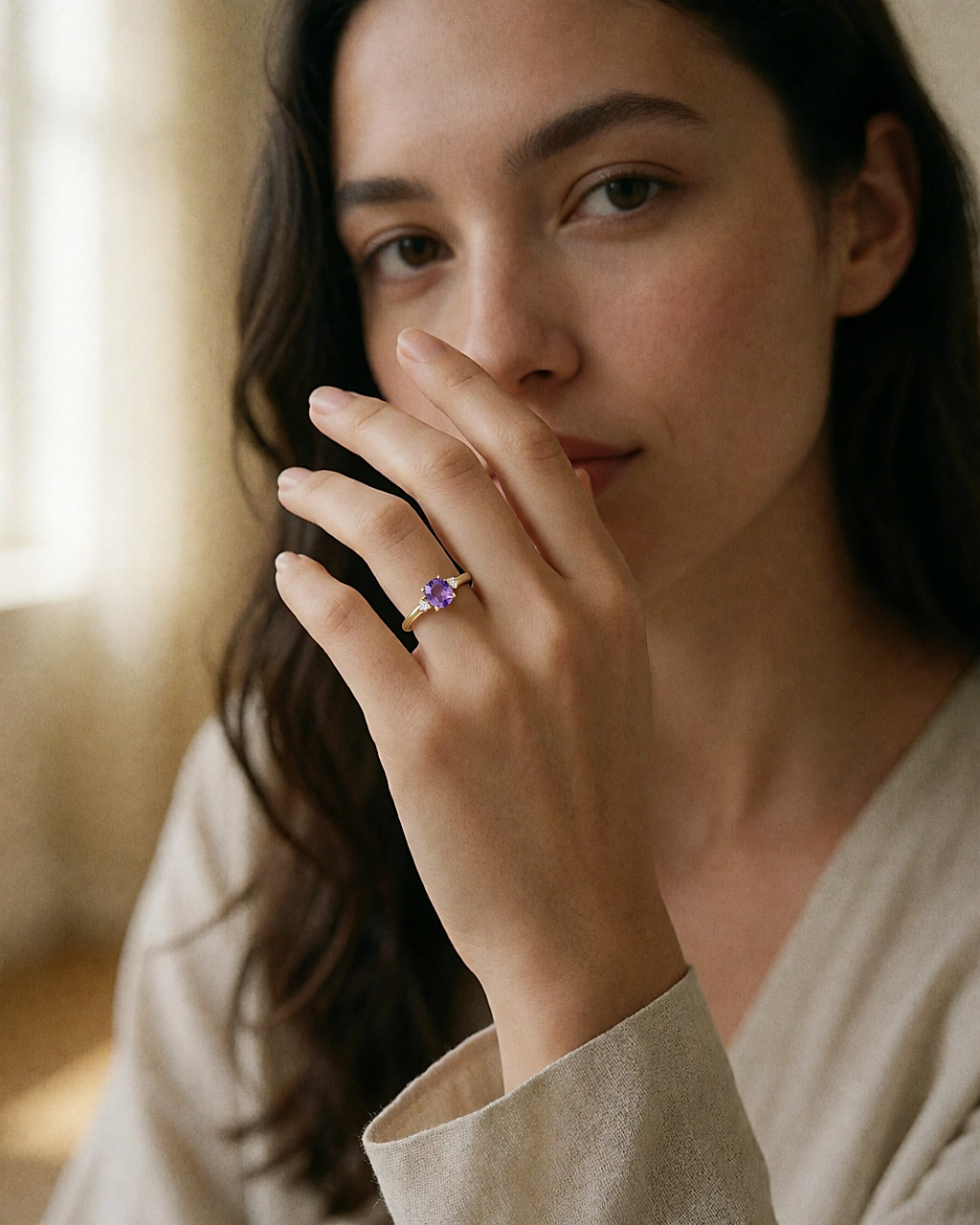
An engagement doesn't necessarily mean a diamond! Mauboussin, for example, places great emphasis on coloured stones: topaz, amethyst, quartz, citrine… which take on a zesty hue, are surrounded by small diamonds, naturally, and are set into a grey gold band. Its Rose de France, with diamonds and grey gold, is a lovely example — a piece that doesn't seem to ask anyone's permission. The advantage? A coloured stone gives your budget room to breathe while offering something far more personal than a classic solitaire. Its limitation, too: colour is a choice — you're better off seeing it on a hand, because a violet or blue doesn't always have the same effect depending on your skin tone.

Looking for something more original? Cool Diamonds dares a diamond surrounded by two aquamarines on white gold, a play of fresh tones that contrasts with the brilliance of a solitaire. Adamence, meanwhile, dares pearl and diamond on a setting with a strong character — neither entirely classic nor entirely modern. And if you like both worlds, keep in mind that a measured stone on a rose gold band can prove a perfect compromise.

When the ring's name becomes the statement
Some pieces of jewellery refuse to go unnoticed, and frankly, we understand why. At Dior, the Oui collection plays the card of an utterly desirable ring, in white gold and diamonds, whose name states the obvious — it's light, mischievous, and already carries a hint of history. The Mimioui, meanwhile, presents itself as a simple gold chain set with a diamond: no stone mounted for show, just the finest possible line. Ideal if you can't bear rings that overshadow your wedding band. A word of caution, though: these are very delicate pieces, and not everyone sees them as a 'real' engagement ring — entirely subjective, but you get the idea.
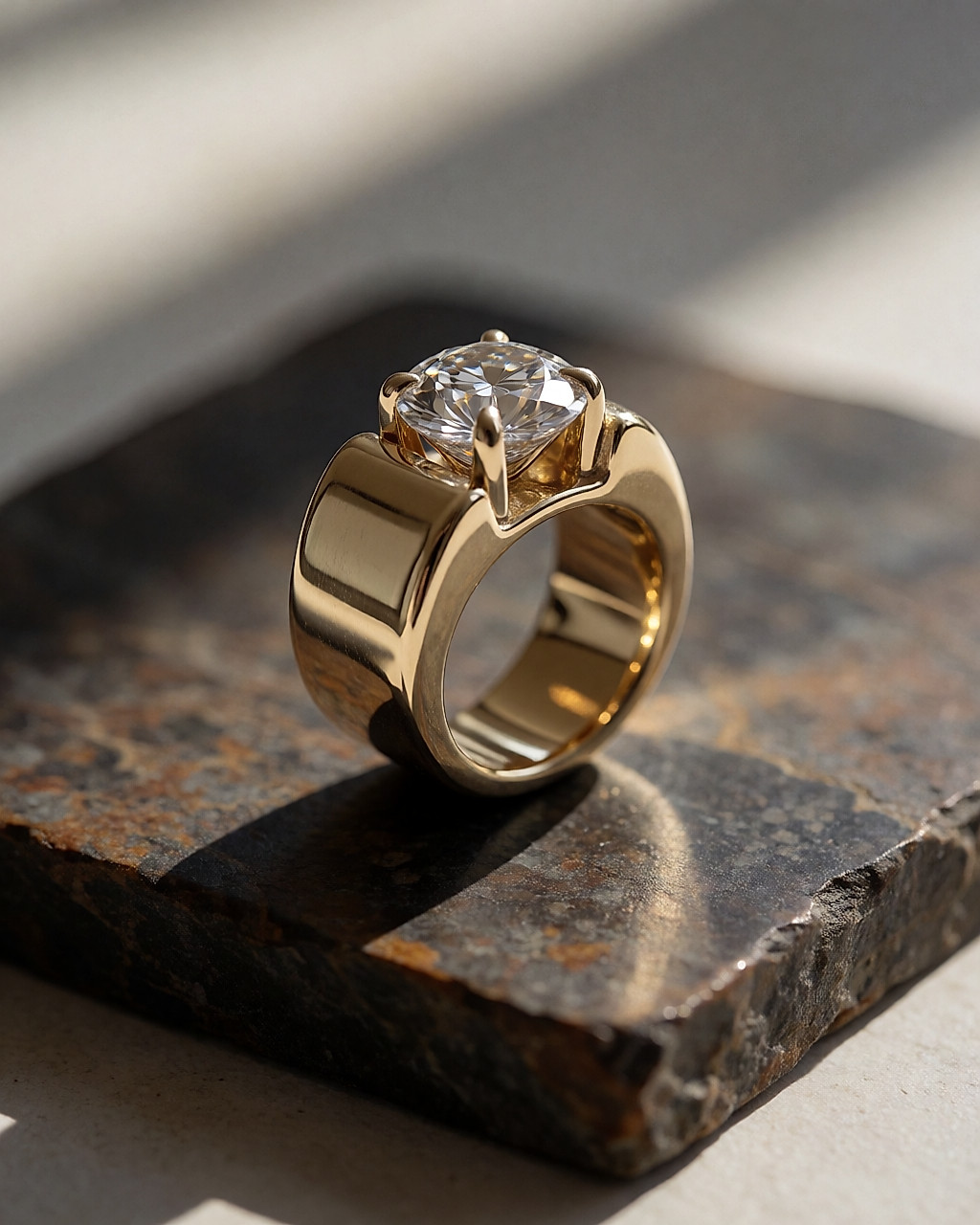

At Bulgari, there's something else again. The Astrale collection, with its curves and more generous charm, isn't strictly an engagement ring, and yet it would make a wonderful one! More classic, the Italian house also offers three diamonds on platinum, a trio that sits beautifully without making a fuss. And the same spirit can be found at Mauboussin, with a diamond-set ring topped by a pretty flower, its Chance of Love — a piece from a house that has nothing left to prove when it comes to symbols. A grey gold version exists, too, for those who tire of yellow gold — a good budget find, as white metals are often more widely available.
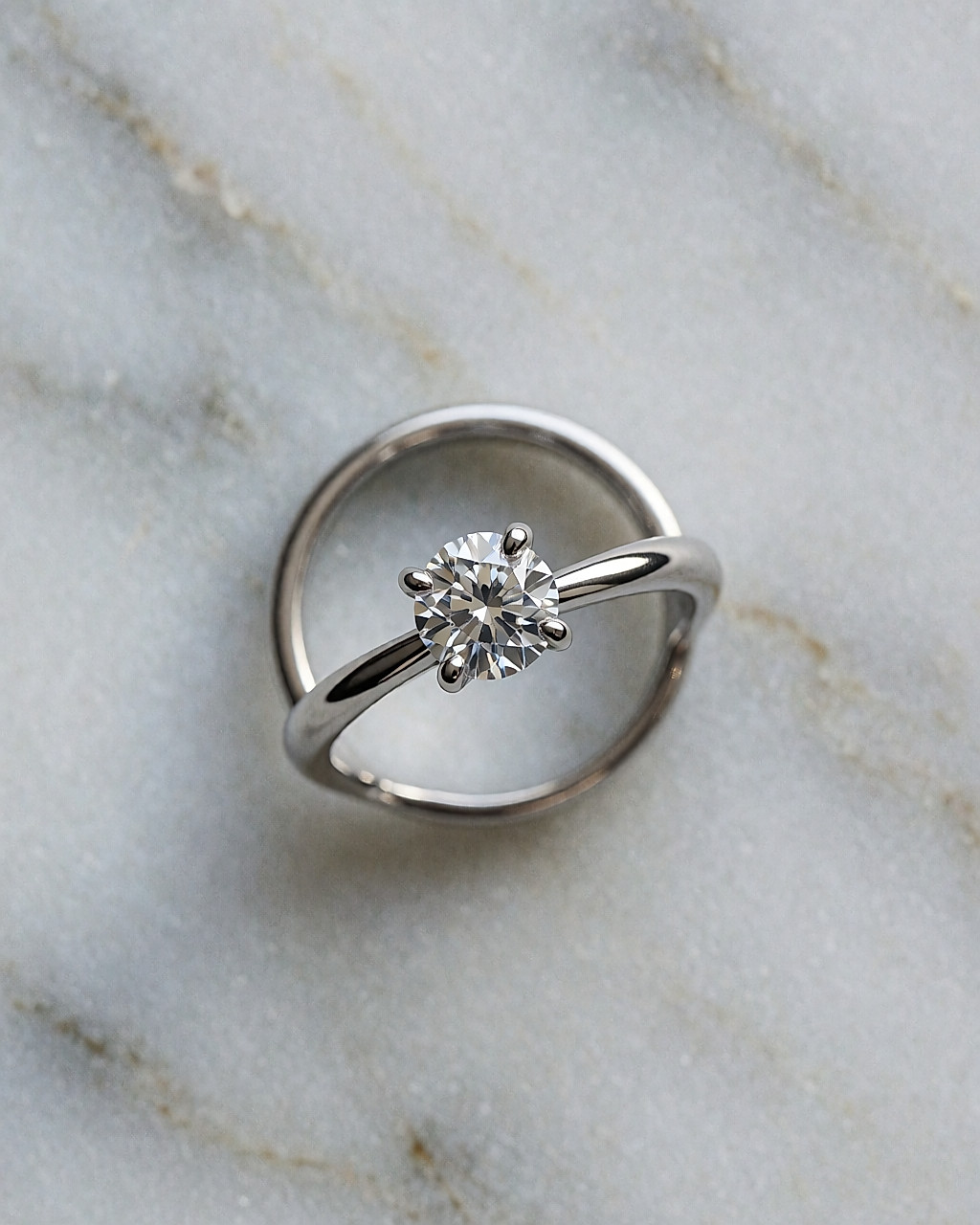
If you're still torn between all these options, there's a very simple test. Look over your hands and notice what you never wear: a band that's too thick, a stone that catches, a metal that dulls. What you instinctively skip in daily life should help you decide on your engagement ring. And for the rest, trust your first glance in the jeweller's: it's often the one that stays with you.
Budget
On the budget front, it's hard to give a single figure, since the price depends so much on the stone and the setting. Allow a few hundred pounds for a simple gold ring set with a small diamond, and more like £1,300 to £4,300 for a classic solitaire from a jeweller; beyond that, it's all about carat and quality. What drives the price up? The weight of the stone, its colour and clarity, the metal of the band (yellow gold, white gold, rose gold, platinum) and the brand name — not to mention whether you choose a natural or lab-grown diamond, whose prices differ sharply. On a tight budget, a more modest stone in a well-finished setting is better than a large poorly set one, and an independent jeweller can often offer something bespoke. Another avenue worth exploring: second-hand and pre-owned jewellery, common among specialist dealers and sometimes far more affordable for the same quality — provided you check the authenticity of the stone and the condition of the setting.
Our good habit before saying yes: try the ring at the end of the day, when fingers are a little swollen, and check that the setting doesn't snag on knitwear or hair. An engagement ring is worn every day — comfort comes first. And if you're torn between two sizes, ask a jeweller for advice: resizing is often possible after purchase.
In the end, the most 'precious' idea isn't the biggest or rarest stone: it's the one that feels like you, the one you'll wear without thinking, at the office and on a Sunday morning alike. The round diamond on gold, the zesty hue, the tiny chain or the slightly theatrical piece — there's bound to be a variation that works. And if the exact choice doesn't happen in a few days, no worries: an engagement ring has no expiry date.

Comments
Your opinion matters: rate the article, react and reply to comments.
Comments are moderated; AI-assisted comments are flagged. Text emoticons (8-), :-), <3…) are automatically shown as images.