

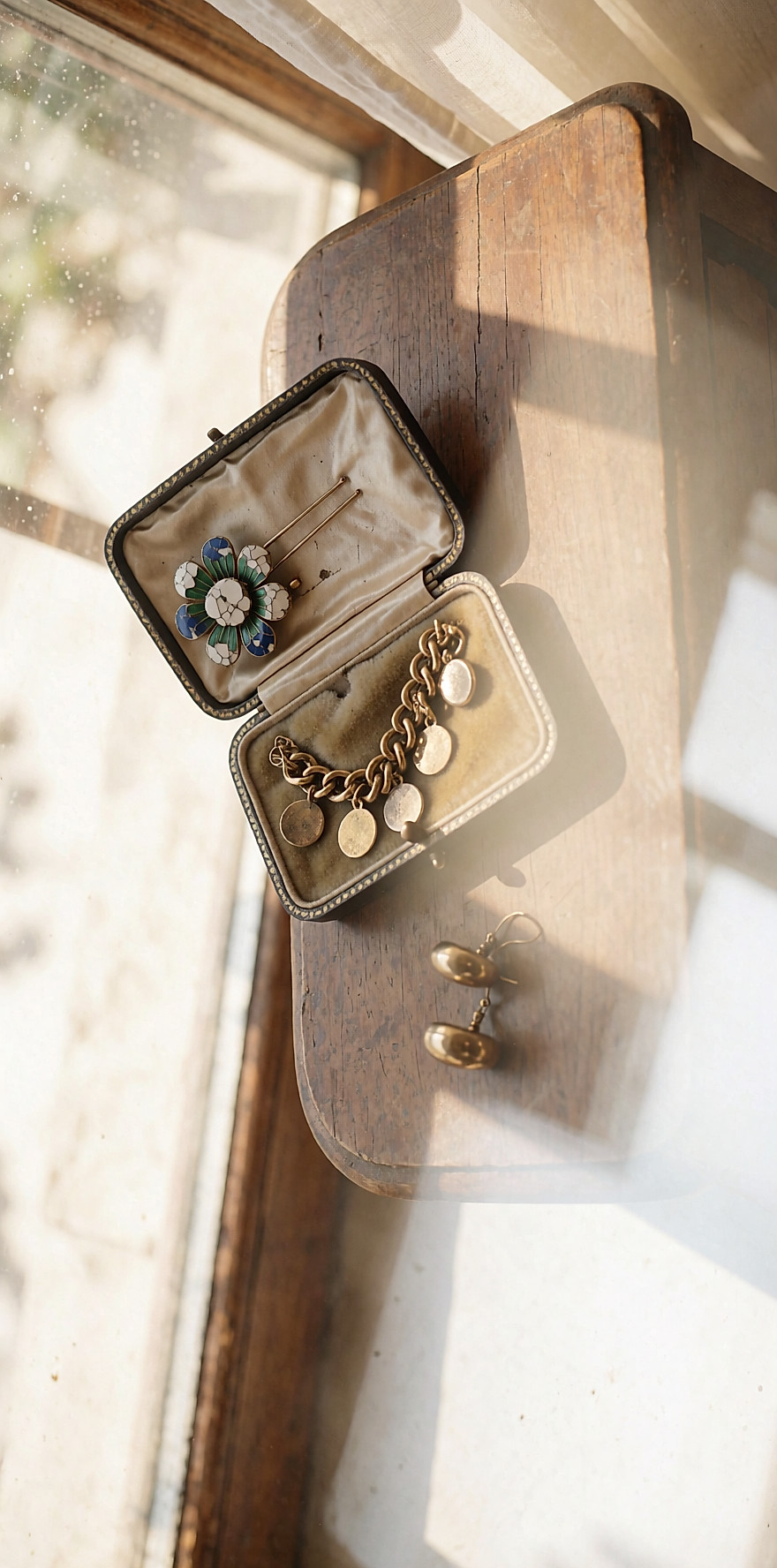
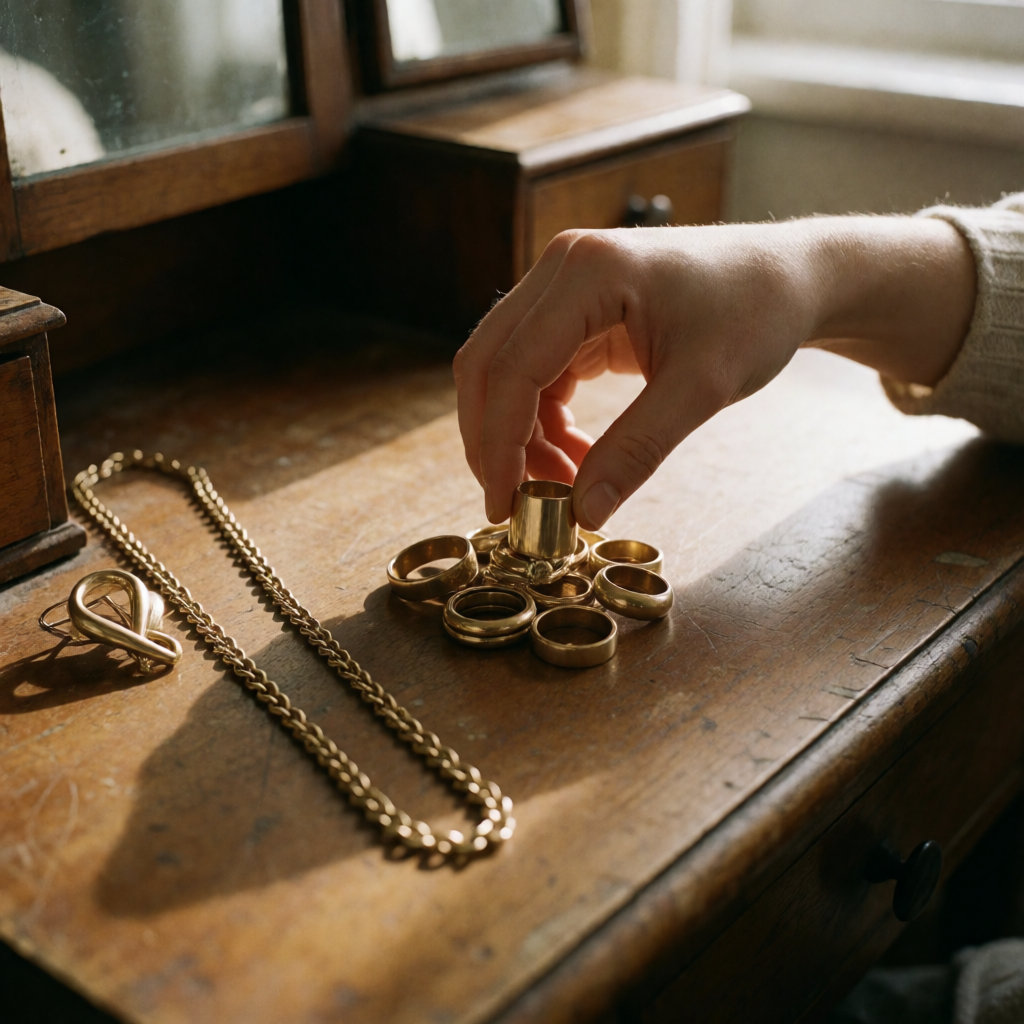
You’ve surely got a jewellery box somewhere, gathering dust. At home, or at your mum’s. Inside: a floral brooch, a charm necklace, two gold-tone metal earrings, a little tarnished. I dug mine out last week and wore them for a whole day over a simple black knit. I got more questions about those pieces than about any designer bag. Retro has an unbeatable advantage: it tells a story, and no new piece can do that in its place.
Two families not to be confused
Vintage is the one-off piece, with its patina and signs of wear — sometimes a tired clasp, often a colour that has lived. Retro-inspired pieces are the same shapes brought up to date: cameo, long necklace, engraved hoops, remade in new materials. Both work, but not in the same part of the wardrobe. Vintage adds polish to an understated outfit, where it acts as a statement piece without shouting. Retro-inspired pieces, meanwhile, can be worn every day without fear: they handle bags, keys and standing journeys on public transport.


Accessorising without looking like a Christmas tree
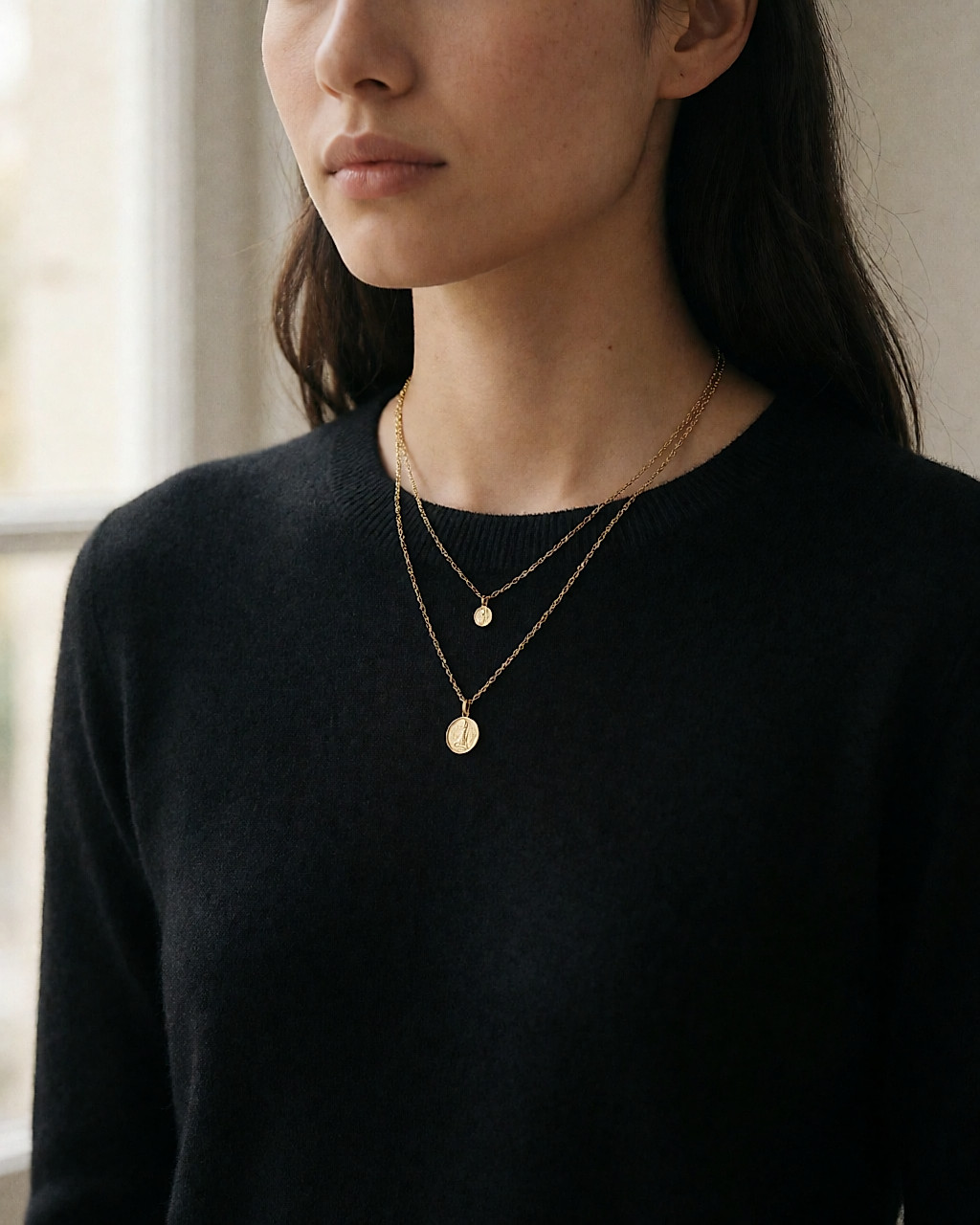
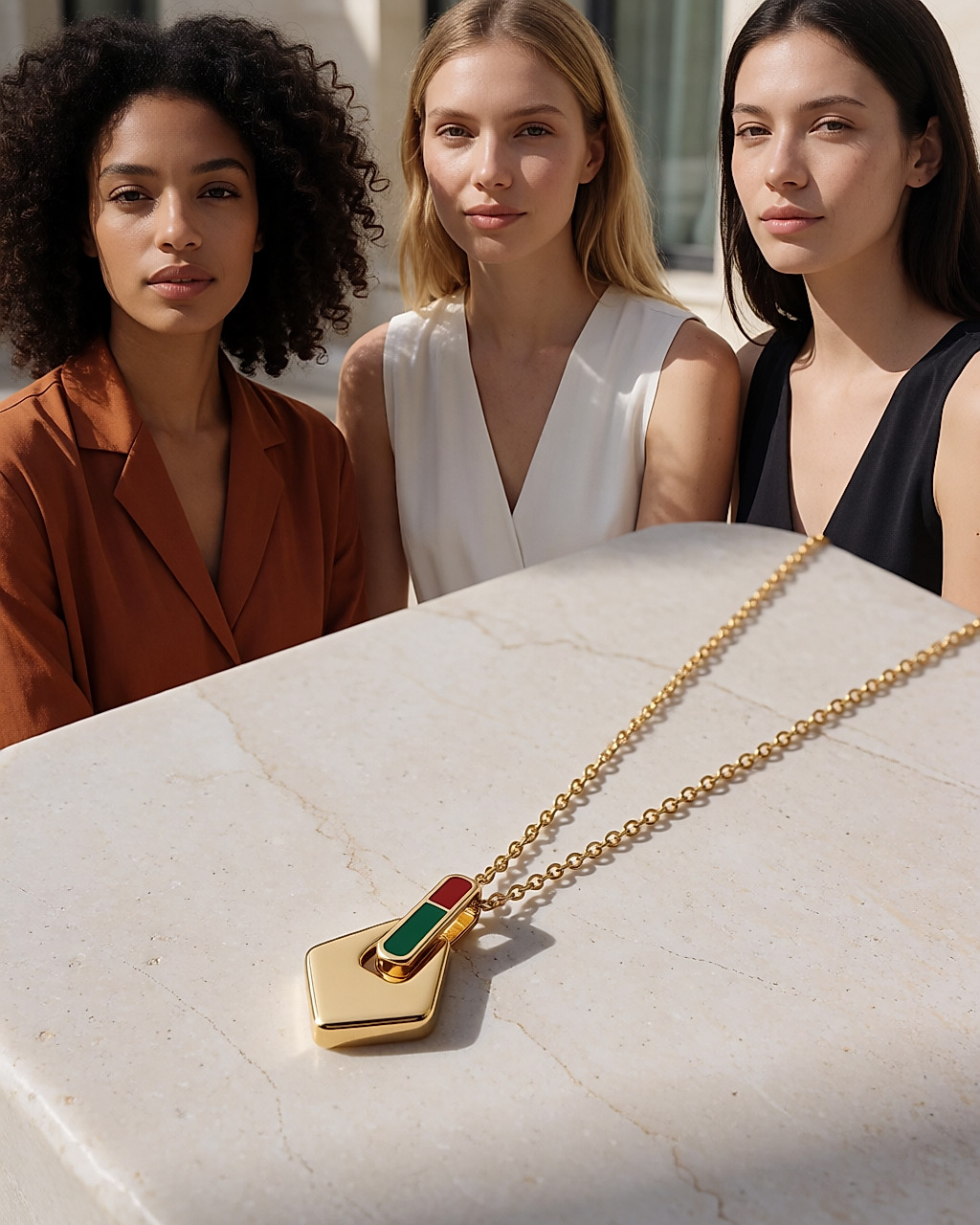
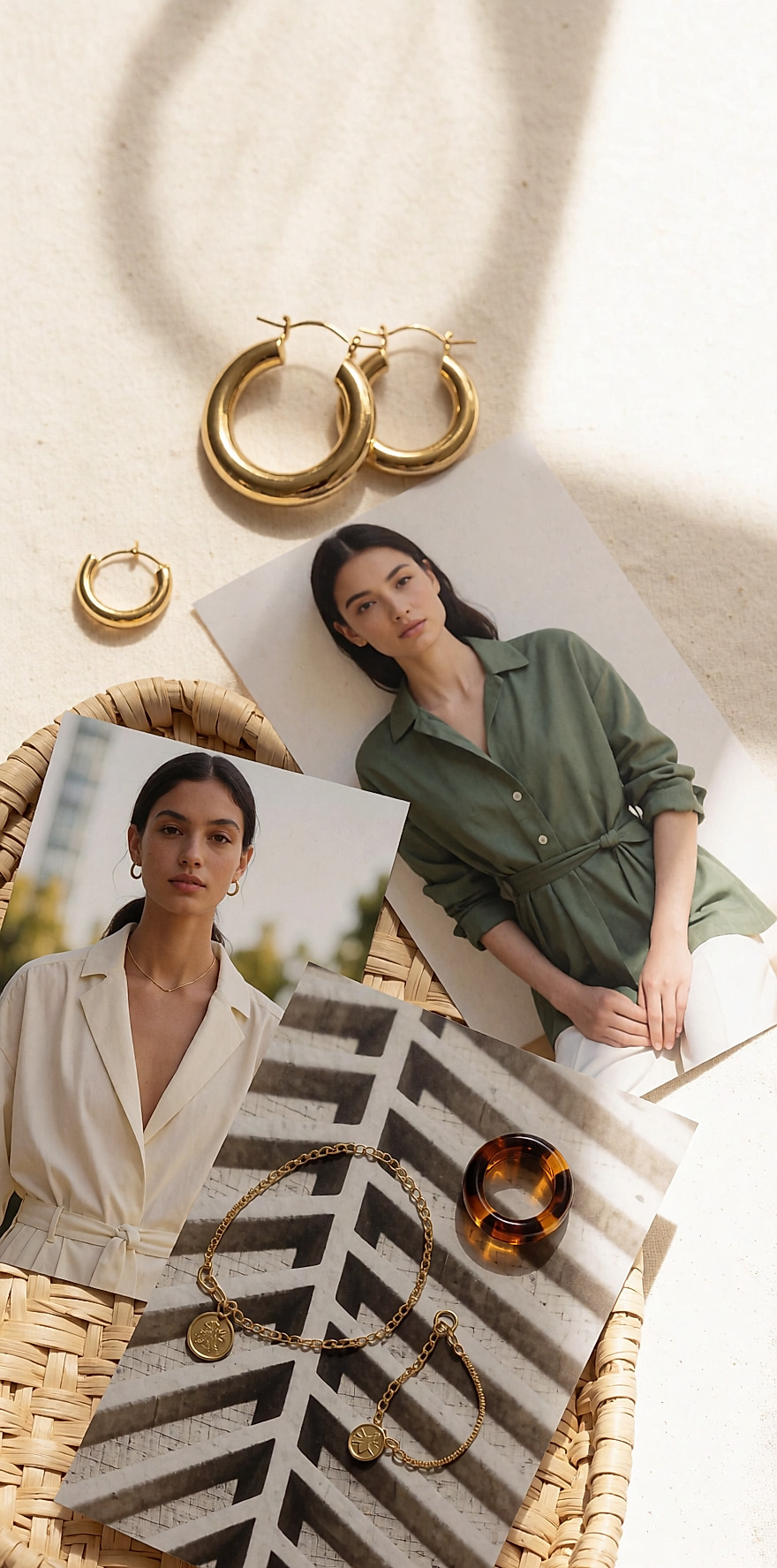
It’s all about balance. In truth, one strong piece is enough: floral earrings with a poplin shirt, a charm necklace over a round-neck jumper, a chunky ring on a bare hand. If you layer, stick to two fine chains with distinctly different lengths; four long necklaces, no — the drape becomes heavy and the silhouette loses its line. Think about the neckline too: a V-neck takes a long pendant, a high neck calls for a drop earring. Jewellery layering is like clothes layering: it’s built, not piled on.
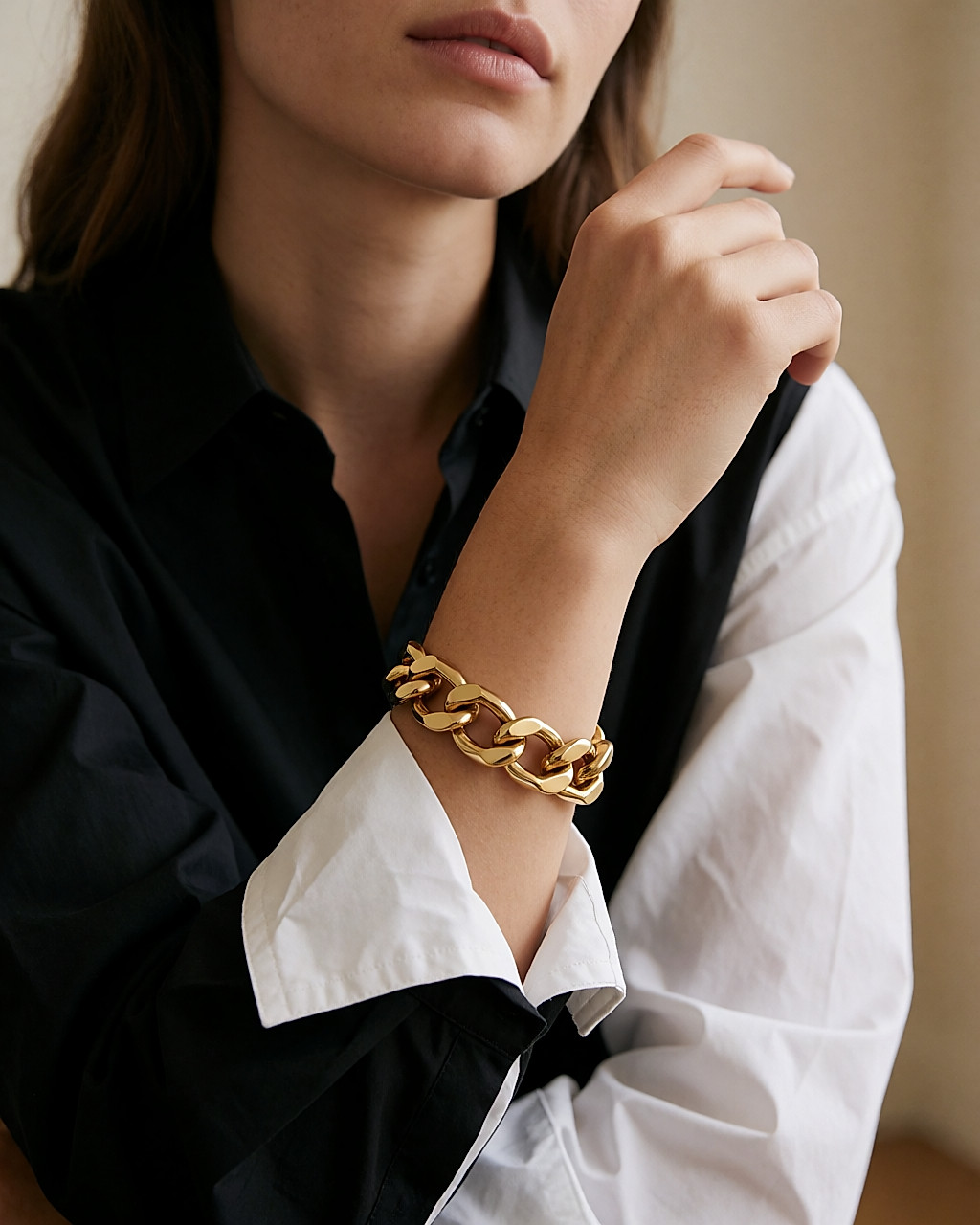
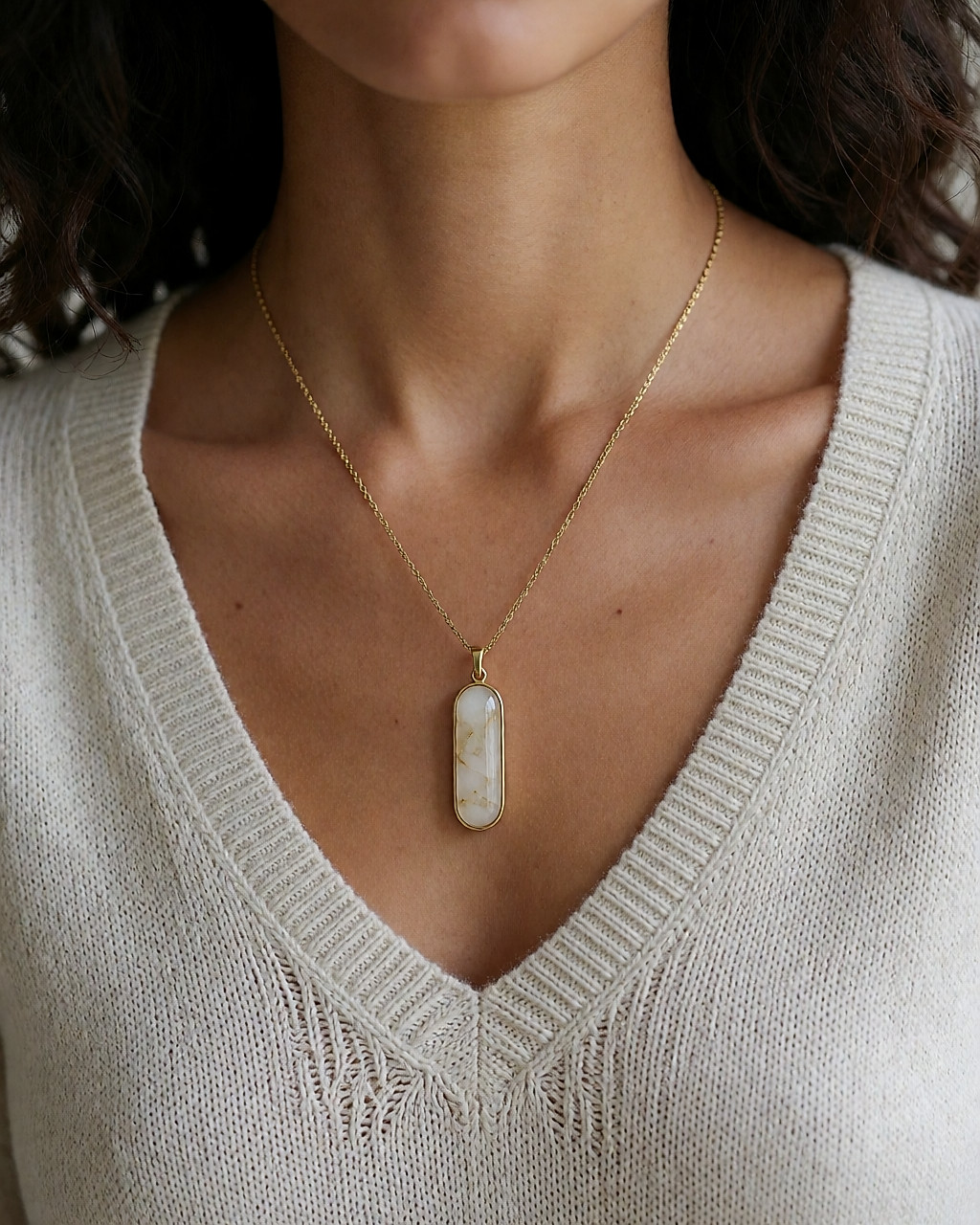
Before buying, lay the jewellery on the outfit you’ll wear it with. Two centimetres more or less of chain changes the whole drape. Also check the metal’s tone in daylight: a gold tone that’s too yellow stands out most on fair skin, and it’s better to know that before you pay.
In 2026, we look at the material before the plating
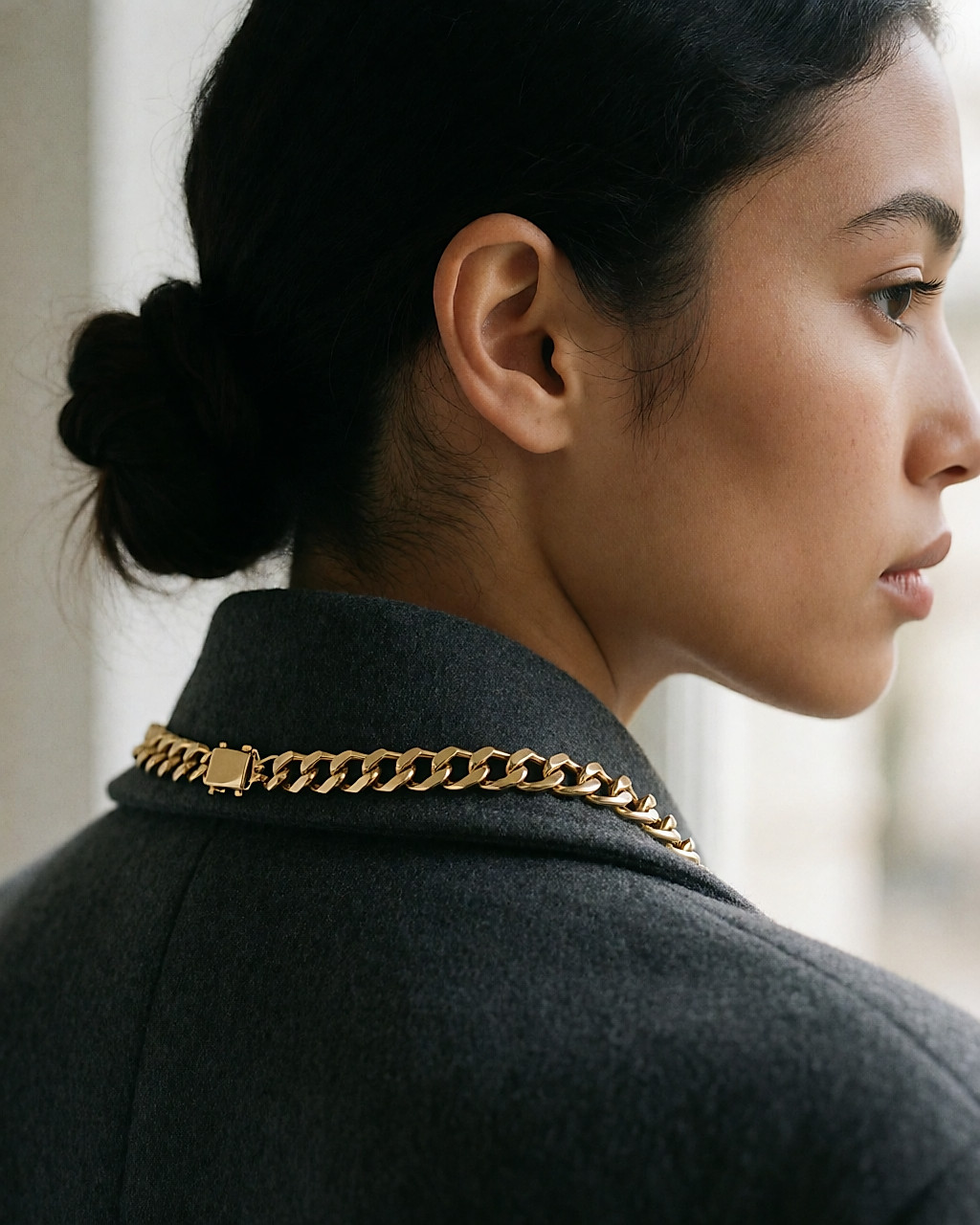
This is the real change of recent years: we buy less, but choose a material that won’t end up at the back of a drawer in six months. Solid brass and stainless steel age well, provided you wipe them after each wear. Plating always wears eventually — on a low-priced piece, that’s the compromise to accept, and better to know it before you get to the till.
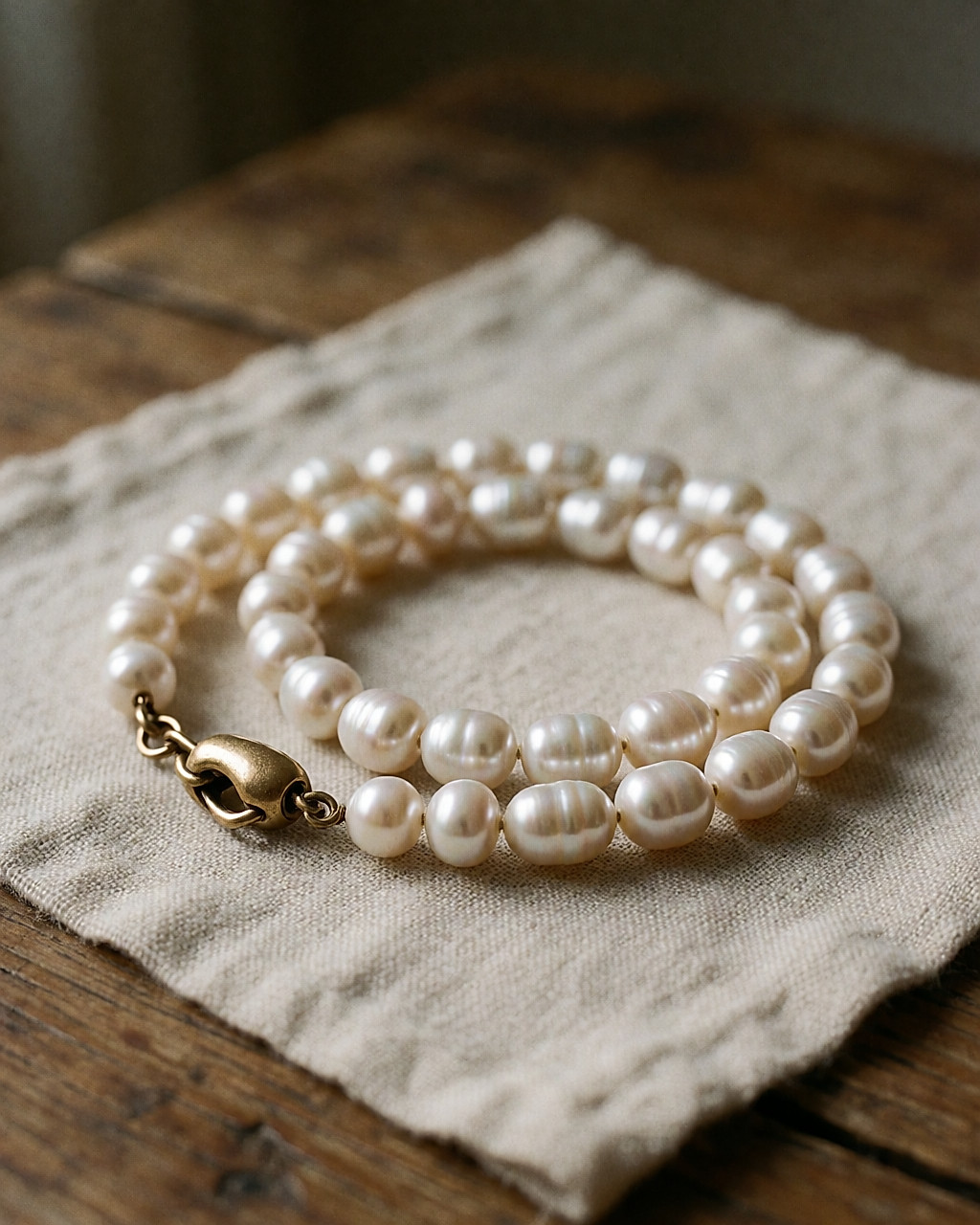
925 silver remains the most understated material of the lot: it can be polished, repaired and recycled, with no gold plating to redo every two years. It now comes in recycled versions, made from jewellery and offcuts put back into circulation — same metal, same durability, one less trip through the mines. The eco gesture only makes sense if it comes with a real lifespan: a piece you wear for ten years is worth more than three gold-tone costume pieces replaced every summer.

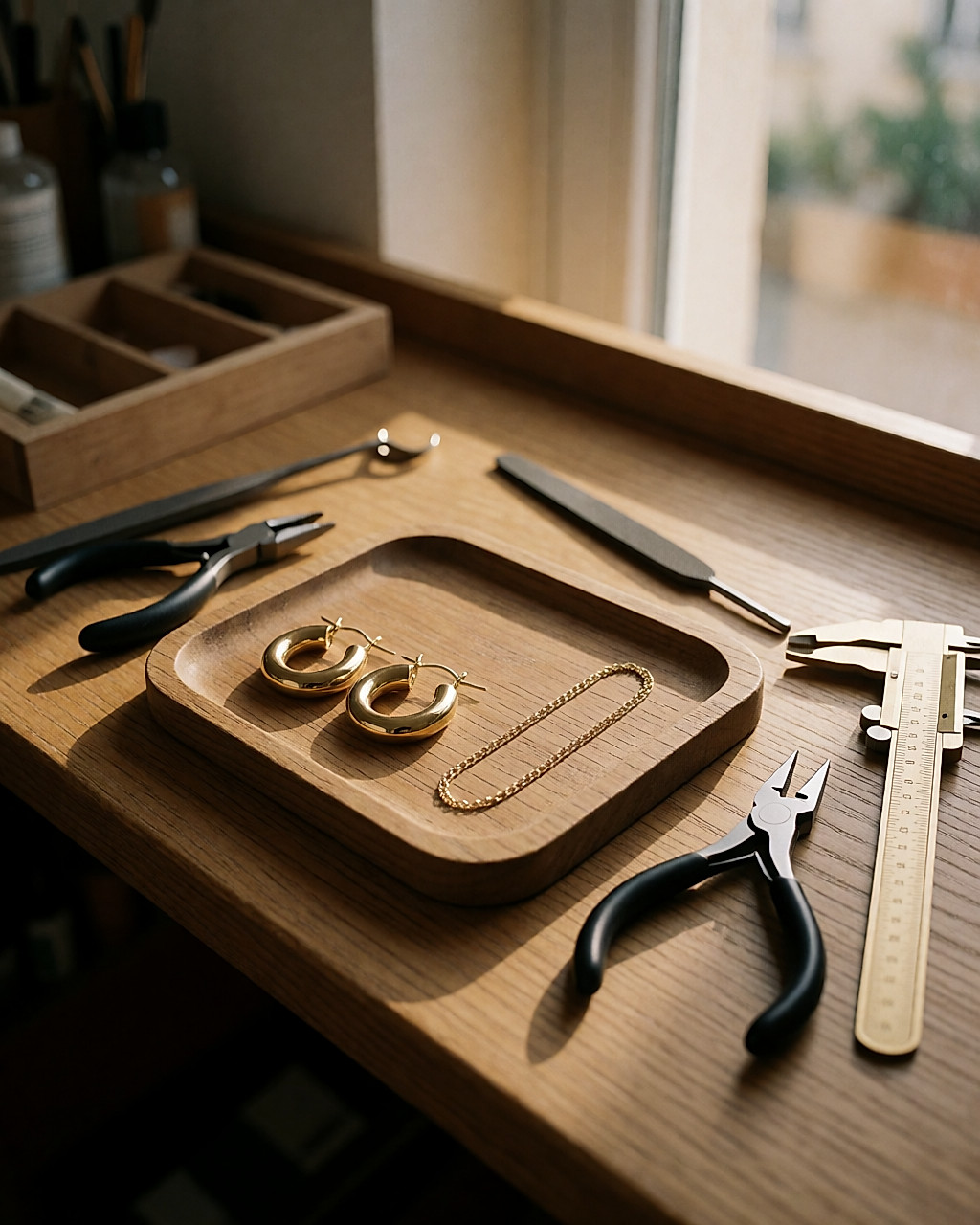
For reactive skin, UK REACH restricts nickel release: 0.5 micrograms per cm² per week for parts in prolonged contact with the skin. A broken clasp can be replaced for a few pounds by a jeweller; a glued plastic piece cannot. That’s often where the real difference lies, more than on the label. The Consumer Rights Act 2015 gives you rights if an item isn’t of satisfactory quality, fit for purpose or as described, and UK consumer protection rules expect sellers not to mislead about durability or repairability. So it’s worth asking about materials, repairs and expected lifespan without embarrassment in a shop.
Care, the step that changes everything
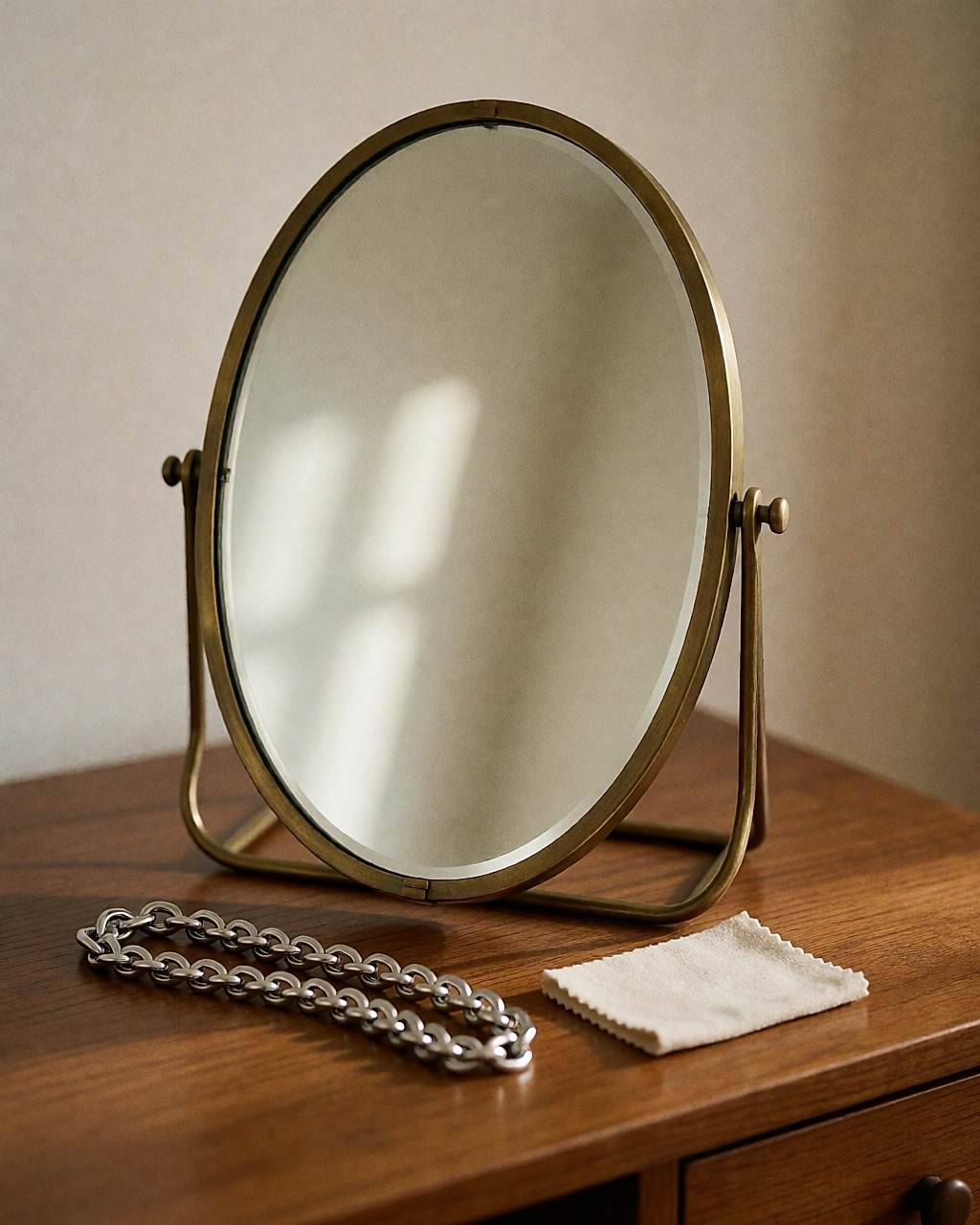
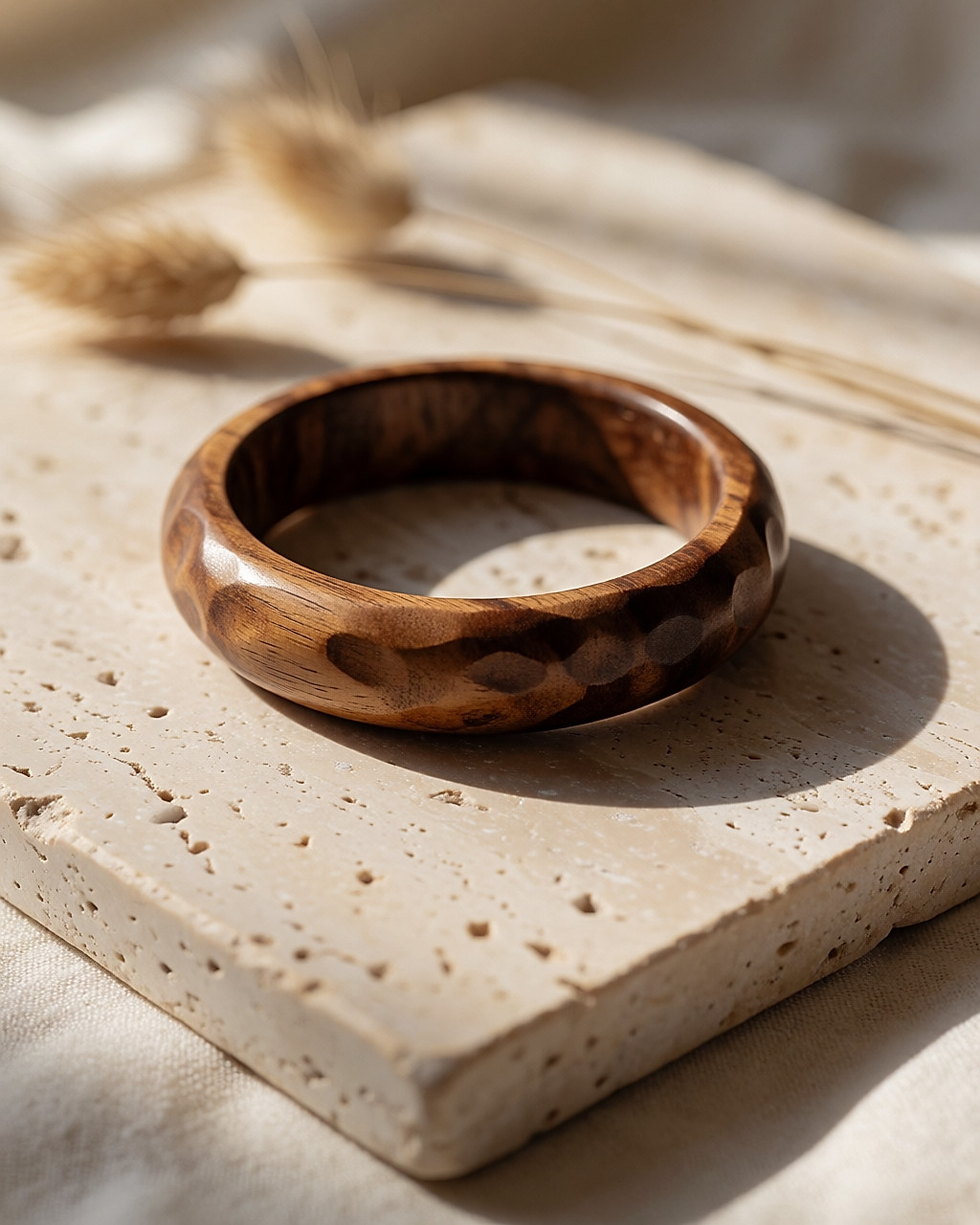
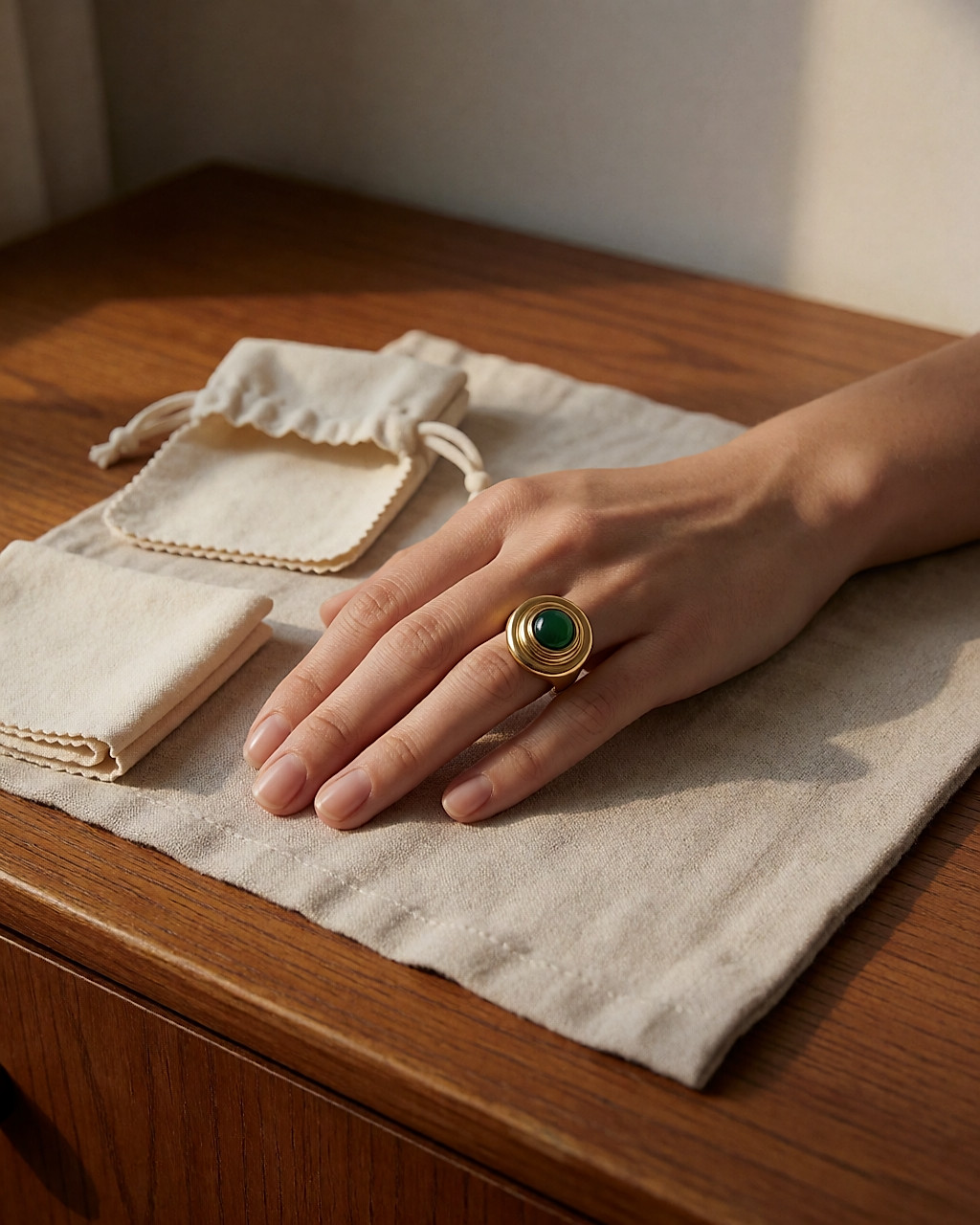
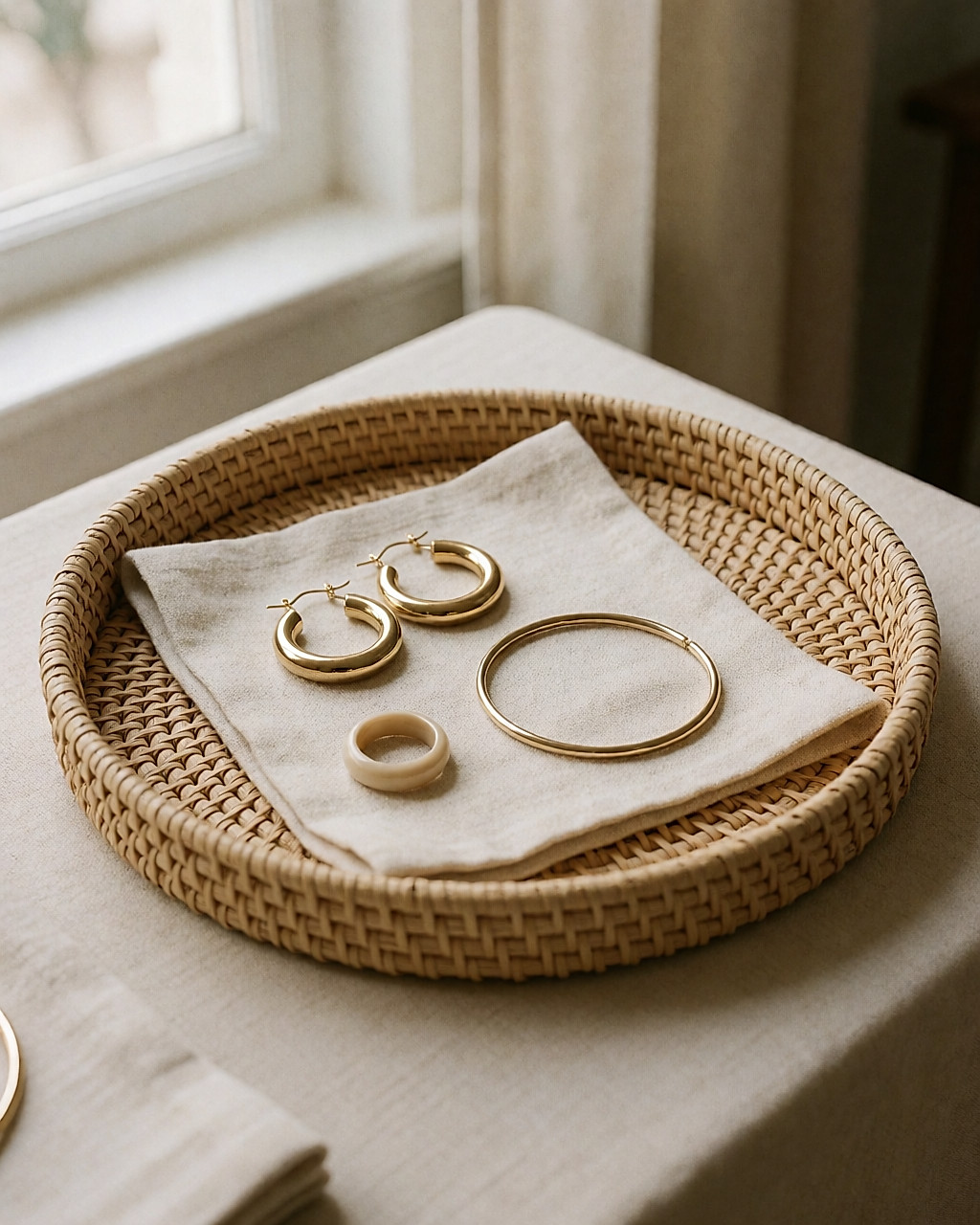
Take your jewellery off before showering, swimming, exercising and going to bed. Perfume and moisturiser are the main culprits behind tarnishing: they leave a film that traps dust and attacks the plating. Wipe each piece with a soft, dry cloth after wearing it, then store it separately in a pouch or small box — never loose at the bottom of your bag, where rubbing scratches everything. 925 silver revives with a silver polishing cloth; on a piece set with a fragile stone, have a jeweller do it. And check clasps once a season: they’re often the first thing to give way!
Budget
I’ll say this straight away: I haven’t tested these pieces over several years. The ranges below come from online and in-store checks, and should be taken as rough guides.
- Costume jewellery in brass, stainless steel or resin (earrings, long necklaces, bracelets): expect around £5 to £30 from high street shops, online or markets.
- Gold-plated or silver-plated pieces from independent makers: expect around £35 to £100.
- Solid 925 silver, small pieces: expect around £20 to £70; more intricate pieces, up to £170.
- Fashion-brand or designer jewellery: expect around £85 to £260.
What pushes the bill up: the material, hand finishing, the one-off nature of a vintage piece. What brings it down: end-of-line stock, as long as you check that the plating isn’t going to wear off after three months.
Where to look: jewellers and repair workshops for silver, repairs and adjustments, independent makers at fairs and markets, fashion retailers for low-priced costume jewellery, second-hand platforms for vintage. Always ask whether the clasps have been checked.
Sources
- Office for Product Safety and Standards (OPSS) — product safety and consumer information on costume jewellery (nickel release, lead): gov.uk/opss
- UK REACH, Annex XVII, entry 27 — restriction on nickel in articles intended to come into prolonged contact with skin: hse.gov.uk/reach
- Consumer Rights Act 2015 — rights on satisfactory quality, description and durability: legislation.gov.uk
- Consumer Protection from Unfair Trading Regulations 2008 — protection against misleading claims about products and their lifespan: legislation.gov.uk



Comments
Your opinion matters: rate the article, react and reply to comments.
Comments are moderated; AI-assisted comments are flagged. Text emoticons (8-), :-), <3…) are automatically shown as images.