

Fashion jewellery: elevate your look!
Your raw denim, your black blazer, your white T-shirt: that's your base outfit, the one you pull on in five minutes without thinking. And yet what tips it from 'neat enough' to a real look isn't another piece in the wardrobe. It's the jewellery you put on top. You've almost certainly noticed it one morning in the mirror: a bare neck keeps the line sensible; a chain falling to the sternum, and the whole look changes!
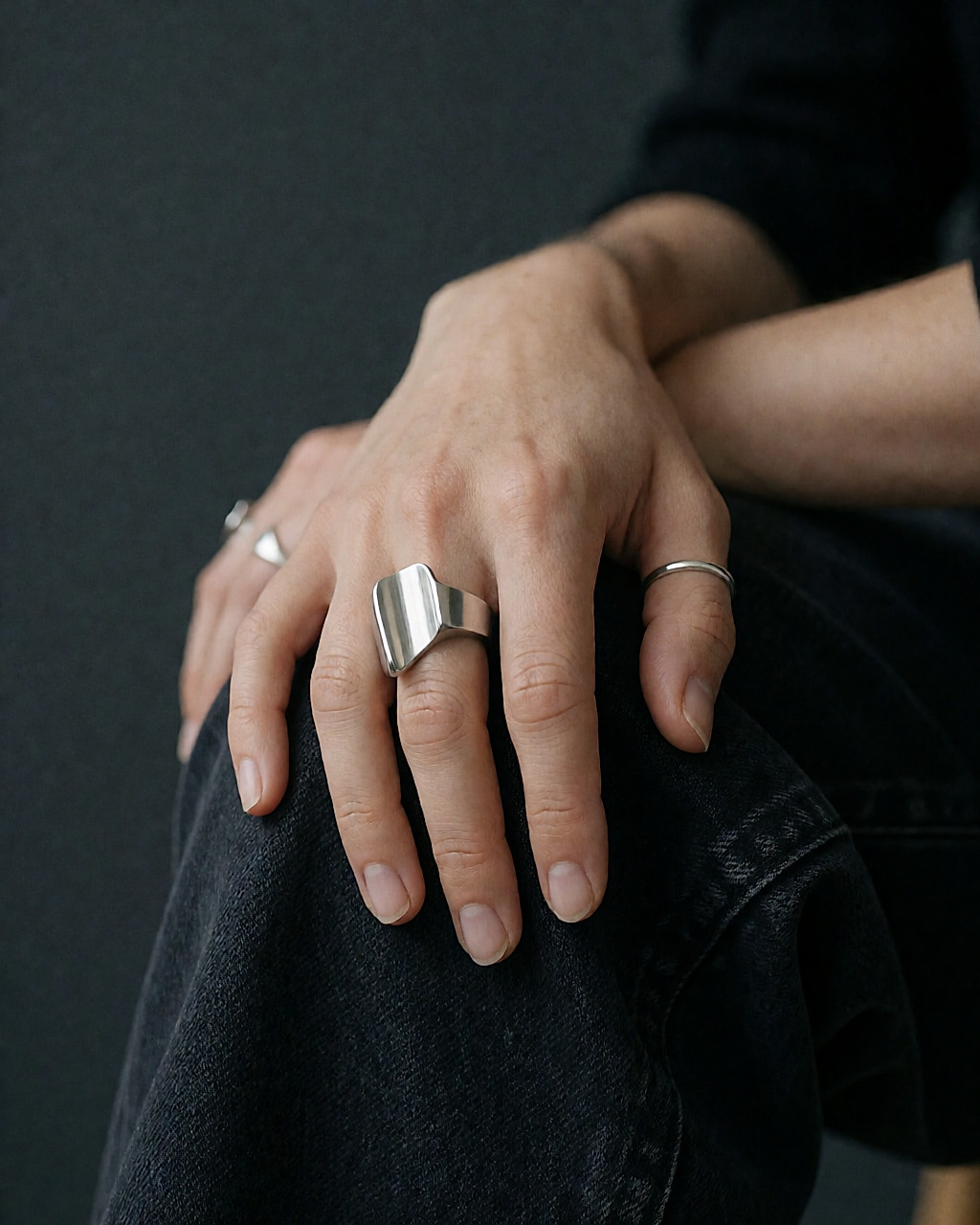
Fashion jewellery has nothing to do with the family ring you never take off. This kind you choose for a specific outfit, a print, a mood, a full look. It doesn't just accompany the silhouette; it sets the tone.

One strong piece is enough
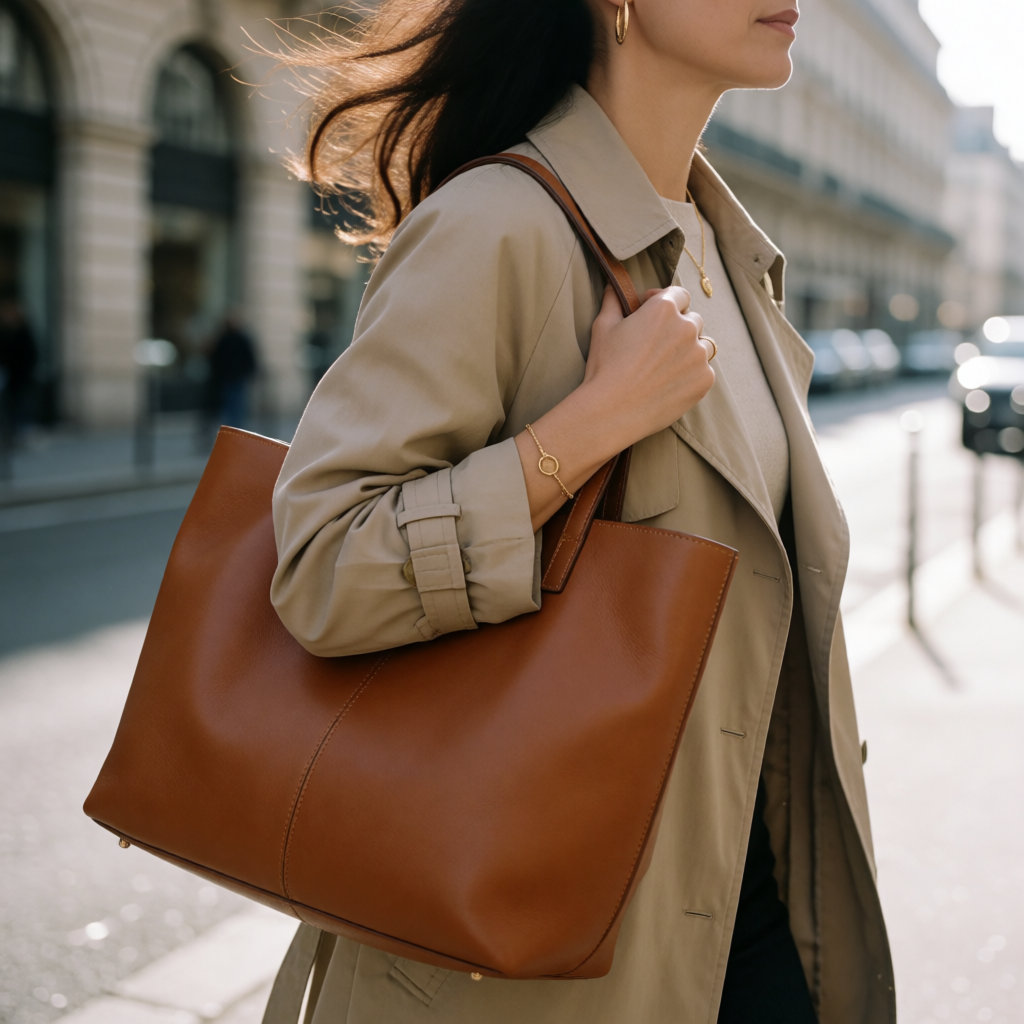
When you first get into jewellery, the first instinct is to stack. Ten fingers, two ears, one neck: so many places to fill. Wrong approach. A single statement piece — an oversized ear hoop, a long necklace with an engraved pendant, a brushed-metal cuff — and everything else discreet in volume. The silhouette breathes, and the piece finally gets seen.
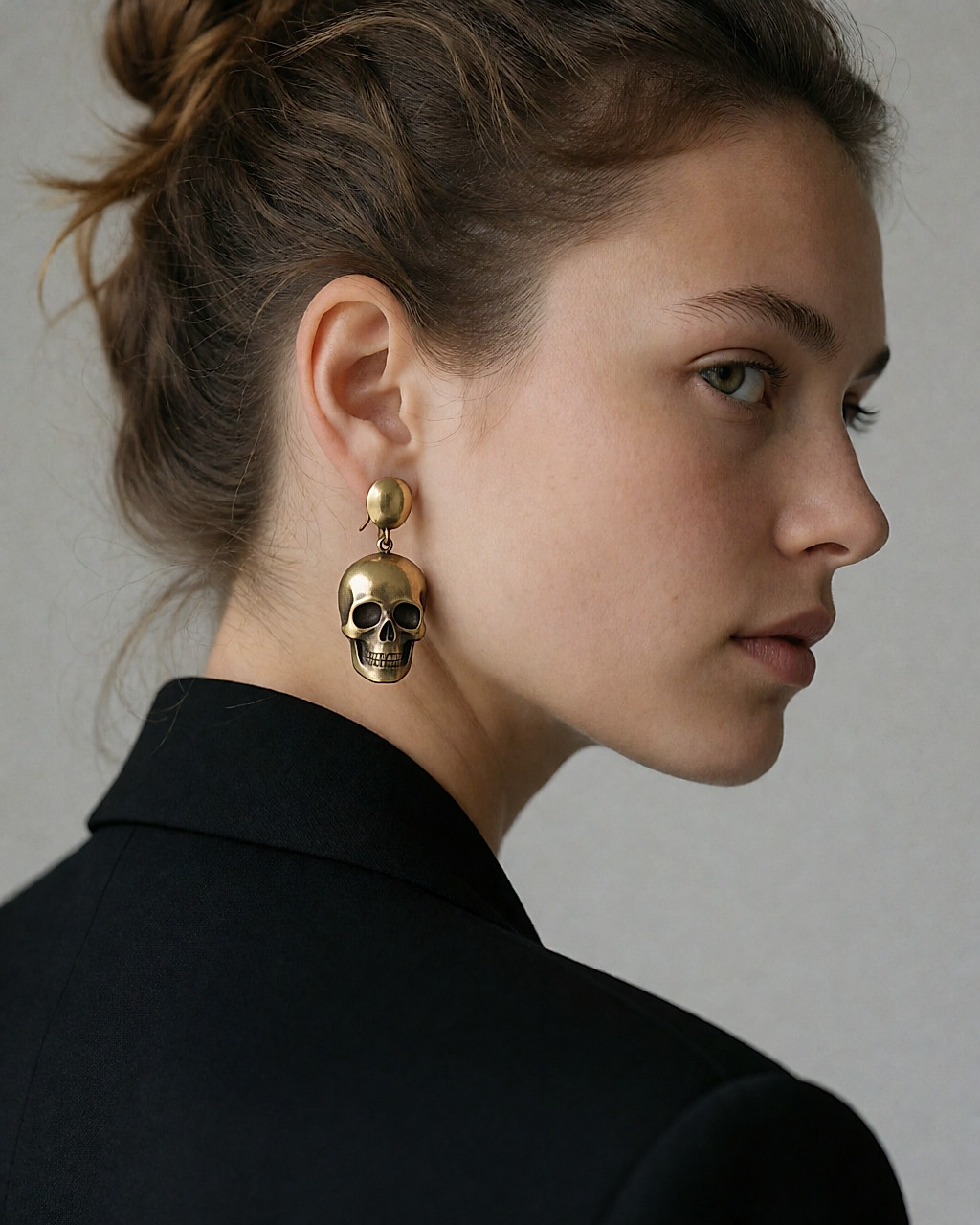
The rock look never dates. Except that today you no longer have to choose sides between feminine and hard-edged: you mix. A stylised steel skull, a chunky chain over a fluid dress. It's contrast that does the work, not the quantity of rhinestones. And it works on a very sober wardrobe too: one simple wide, smooth ring is enough to wake up a cotton shirt without adding anything else.
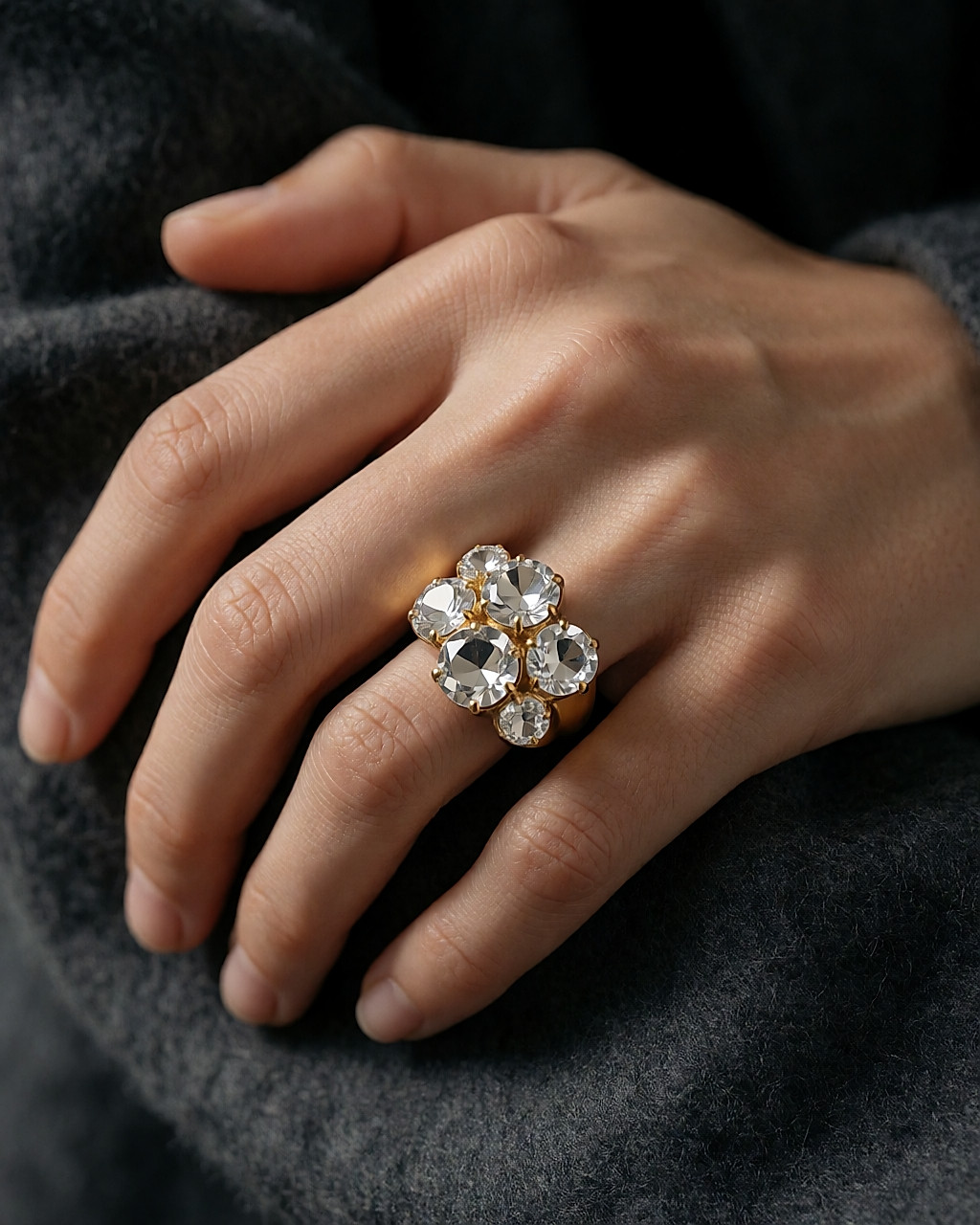
That's the whole difference between accessorising and cluttering. One focal point is an intention. Three focal points is noise.

The material decides everything
Before the shape, look at the material. It determines the drape, how it wears over time and comfort against the skin.
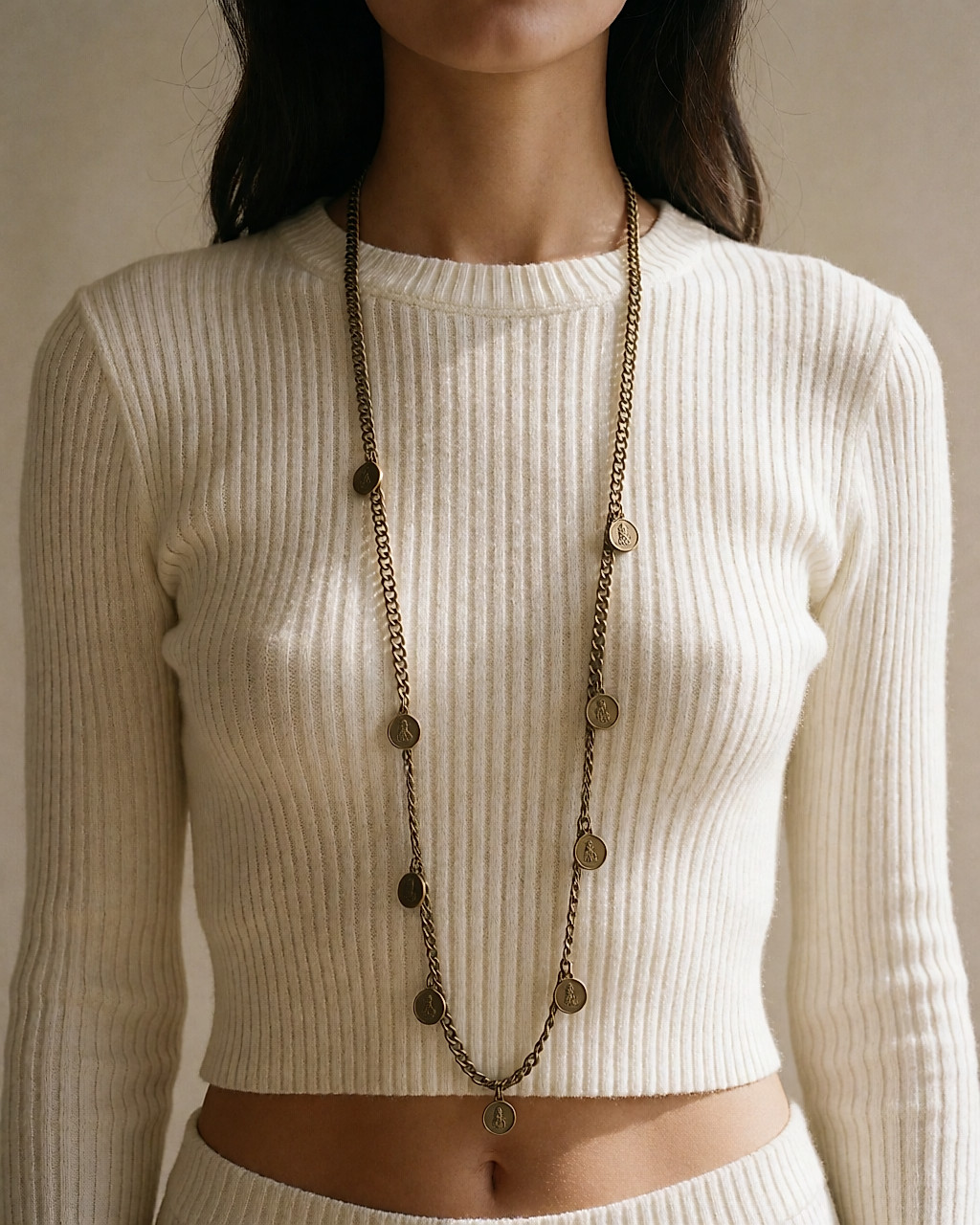
With 316L stainless steel, you can live without thinking about it: it resists water, doesn't oxidise and keeps its polish. It contains nickel, but in a bonded form that limits release — most skin types tolerate it very well. If yours reacts, look to titanium instead, or test a piece before wearing it for a full day.
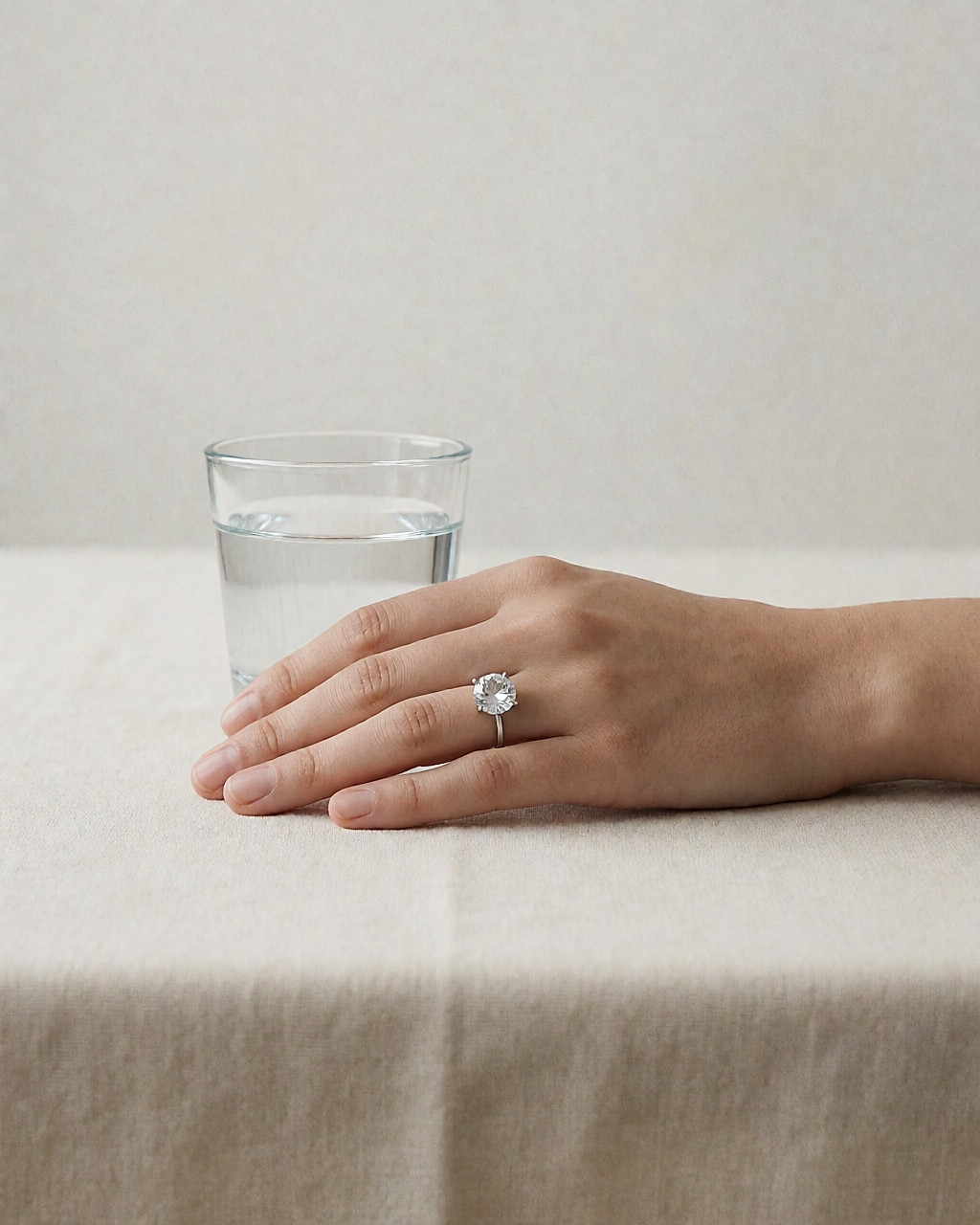
Recycled sterling silver and gold are having a moment, and deservedly so. Once melted down and purified, they lose none of their qualities: the finish is identical to newly mined metal, with often better traceability along the way. A good find for anyone who wants something solid without necessarily buying new.
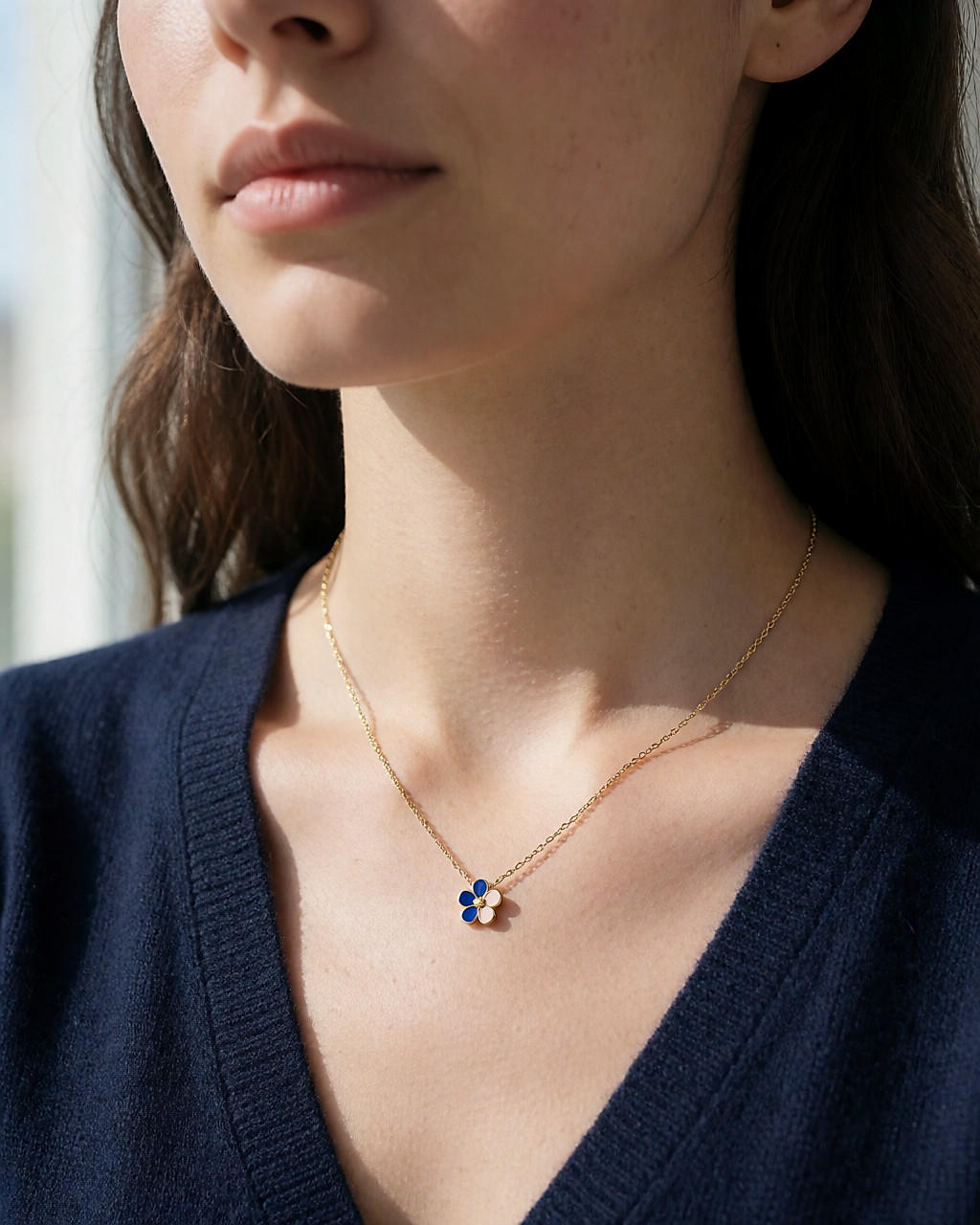
Then there's gold plating — plaqué or in French — a term regulated in France. Yet two pieces labelled the same are not worth the same. Look for the stated thickness, often given in microns, and the carat of the layer deposited. A thin plating wears away in a few months on a working finger — a thick plating lasts years before the base metal shows through. On budget, that's the first question to ask.
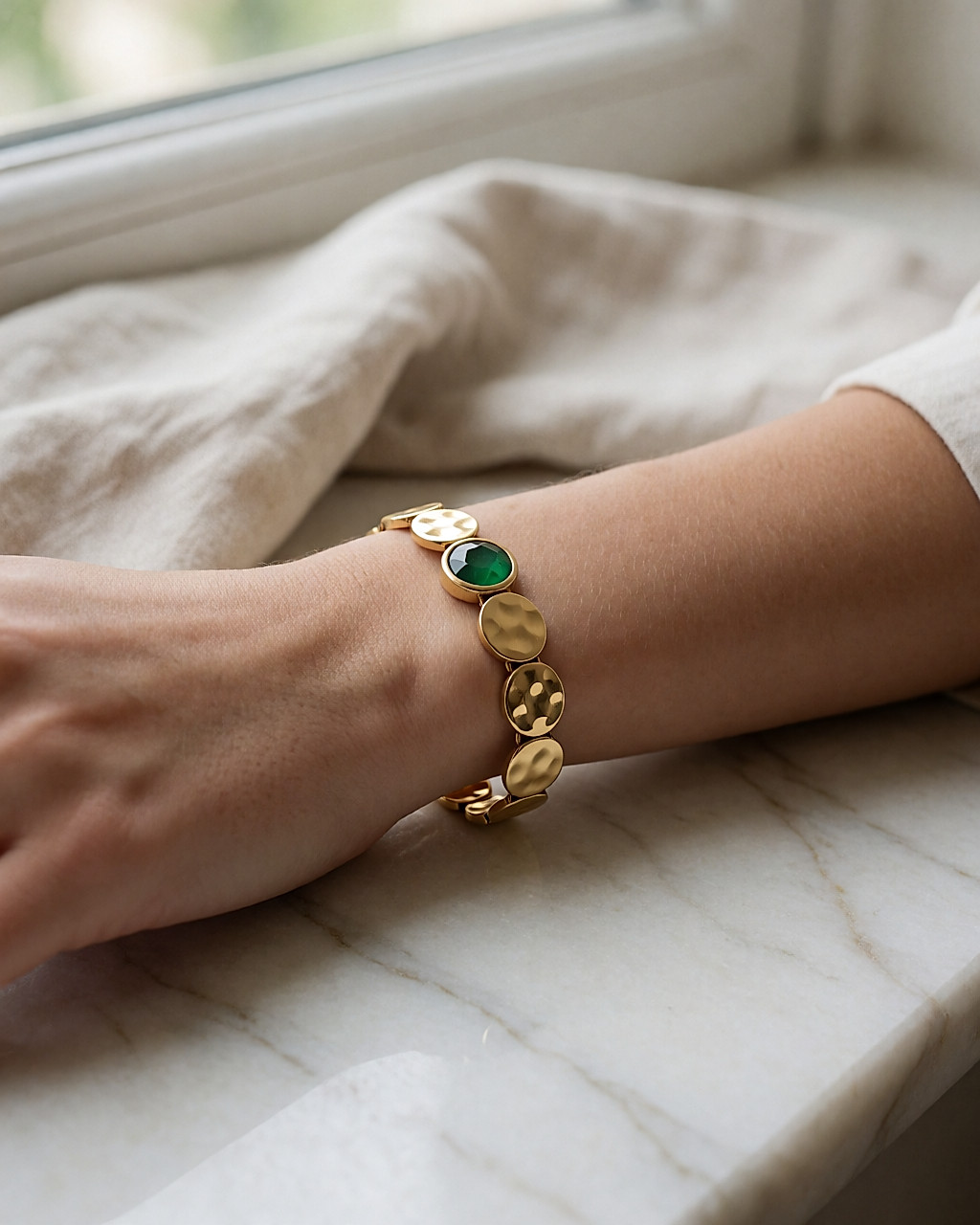
And what do you think of coloured enamel? On a blue and pink flower or a butterfly, it brings the touch of colour that a plain knit lacks. It's also often the signature of the best-finished costume jewellery pieces.
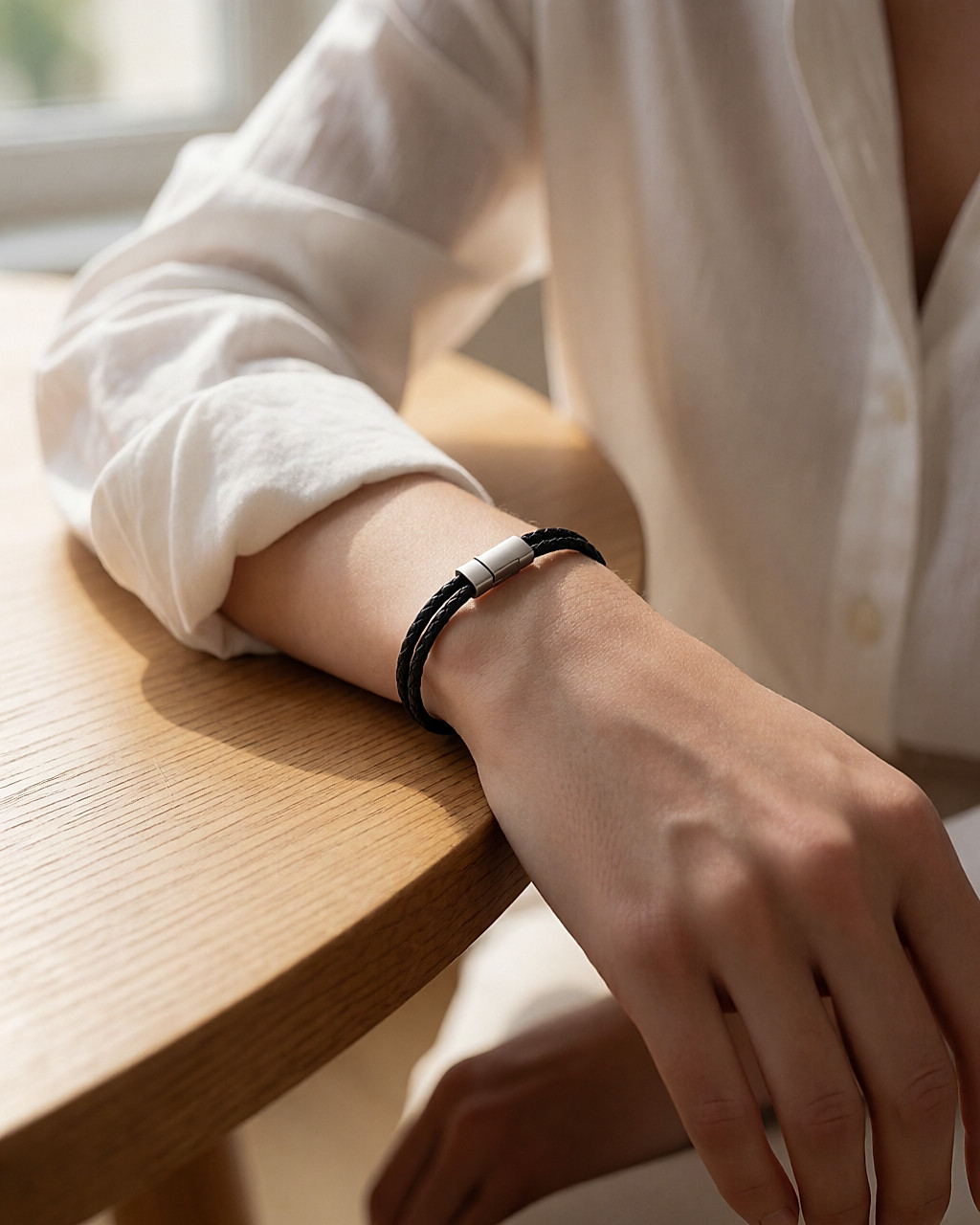
The gesture that changes everything: keep your jewellery away from perfume and skincare. Hairspray, hand sanitiser and sun cream attack thin layers. Apply them last, and store your pieces in separate pouches to avoid scratches.

Layer without overloading
In reality, layering follows two simple rules. One: two or three different lengths — never three necklaces that stop at the same point, as that crowds the neckline. Two: one strong piece only, the rest in fine links.

How many pieces, exactly? Three, no more. Beyond that, the eye no longer knows where to rest and your outfit loses clarity.
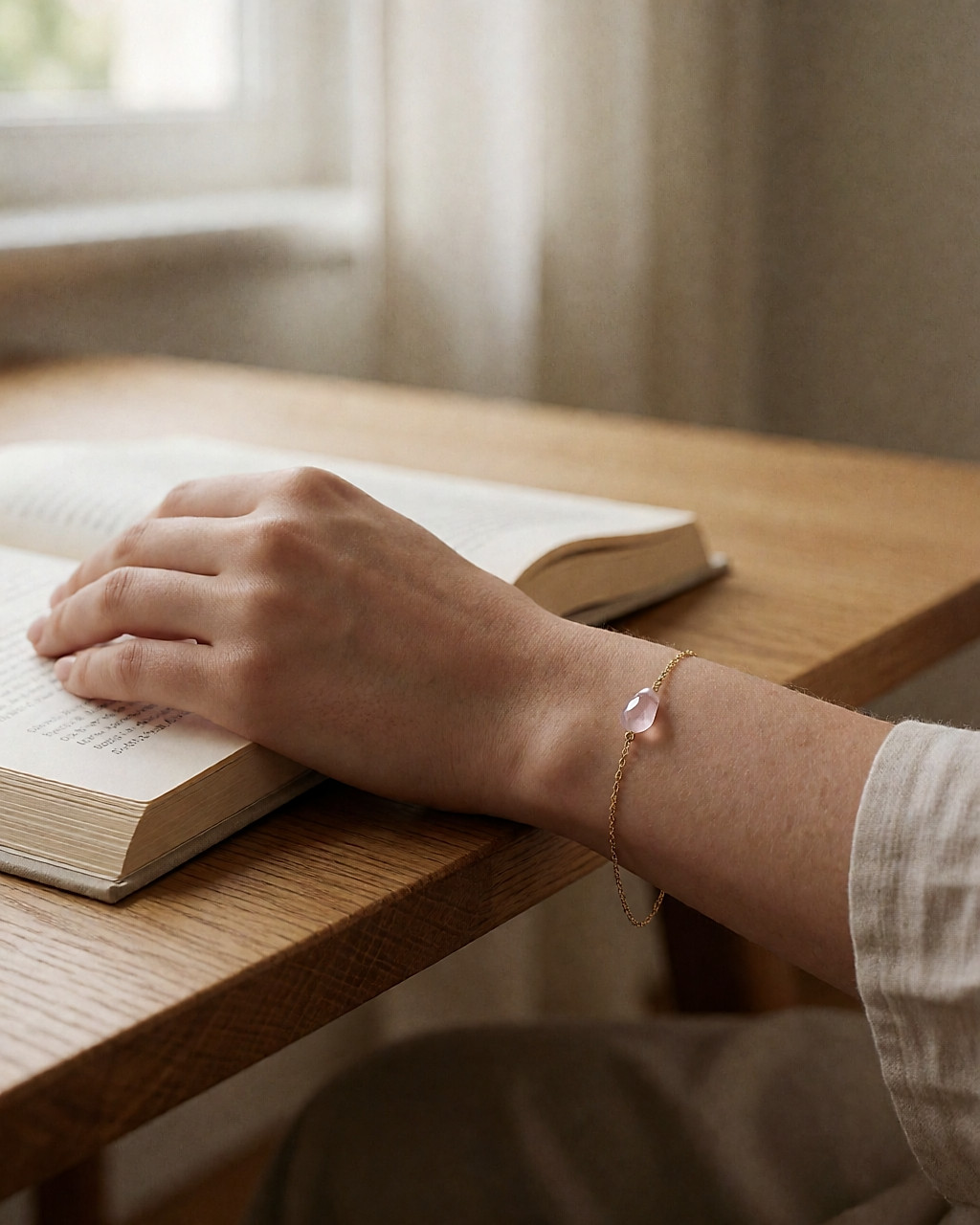
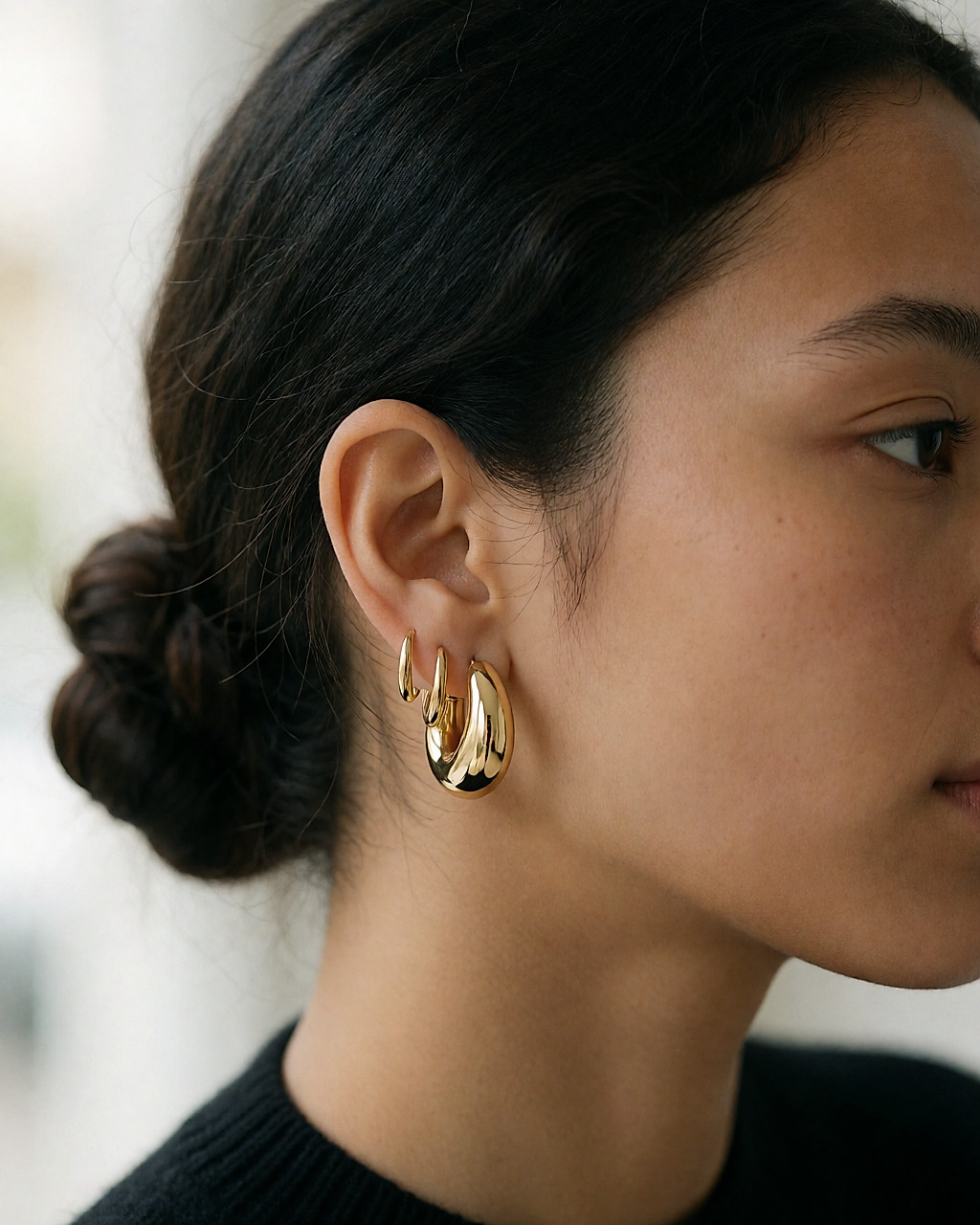
For ears, asymmetry works better than symmetry. One lobe loaded with a statement piece, the other with two smooth hoops. It elongates the neck and avoids the déjà-vu effect. One tip though: test the size of an oversized hoop on your lobe before you fall for it; the weight makes itself felt after a few hours.
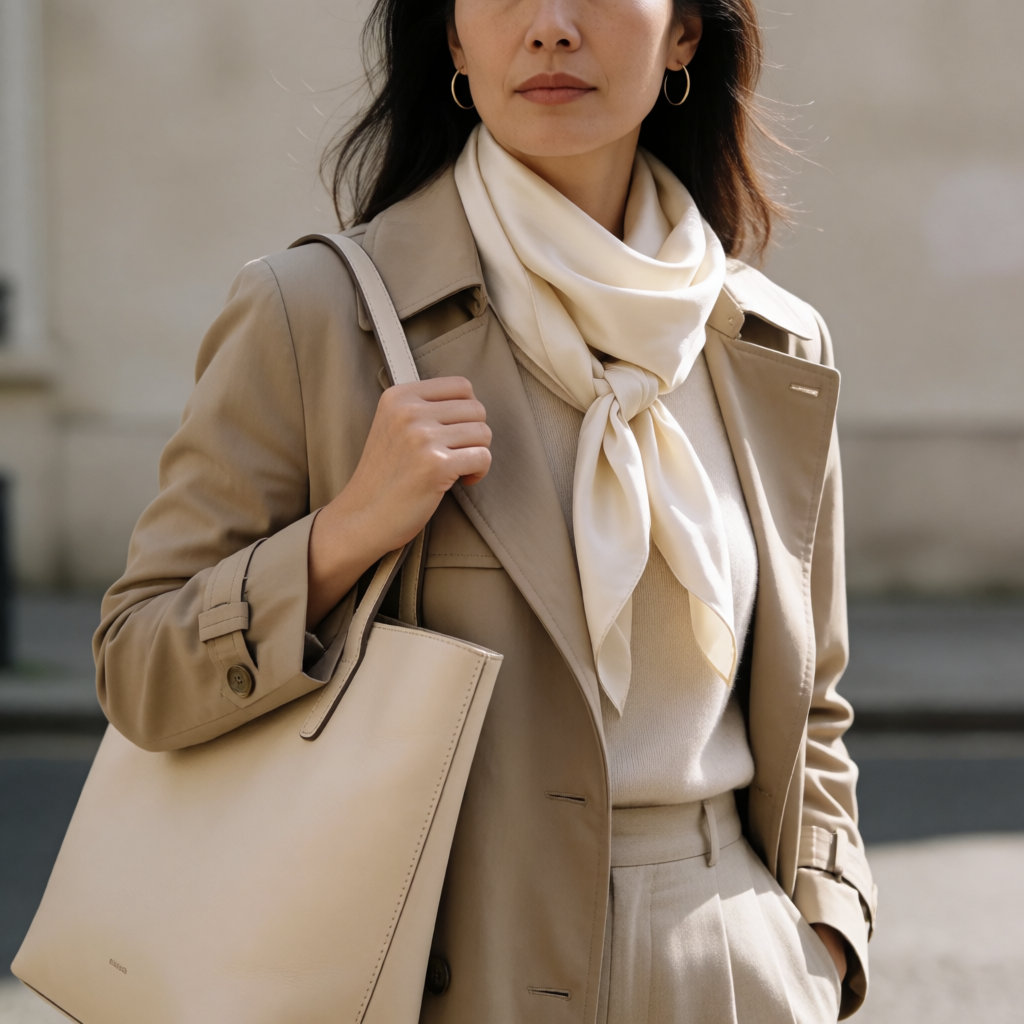
And if you're unsure about a chain's length, the sternum is often the right landing point: high enough to be seen, low enough to elongate the line without cutting it.

Craftsmanship and labels
Two references come up often. Fairmined focuses on artisanal and small-scale gold: this label oversees extraction conditions and traceability of the metal. The Responsible Jewellery Council, meanwhile, addresses companies in the industry and assesses their social and environmental practices (but not the quality of the jewellery itself).
These are reference points, not assurances. No label will tell you whether the setting will last three years. For that, there's only one thing to do: ask the seller what metal is used as the base, what plating thickness is stated, and whether the piece can be repaired. It's amazing what a simple question changes in the relationship you then have with a piece of jewellery!
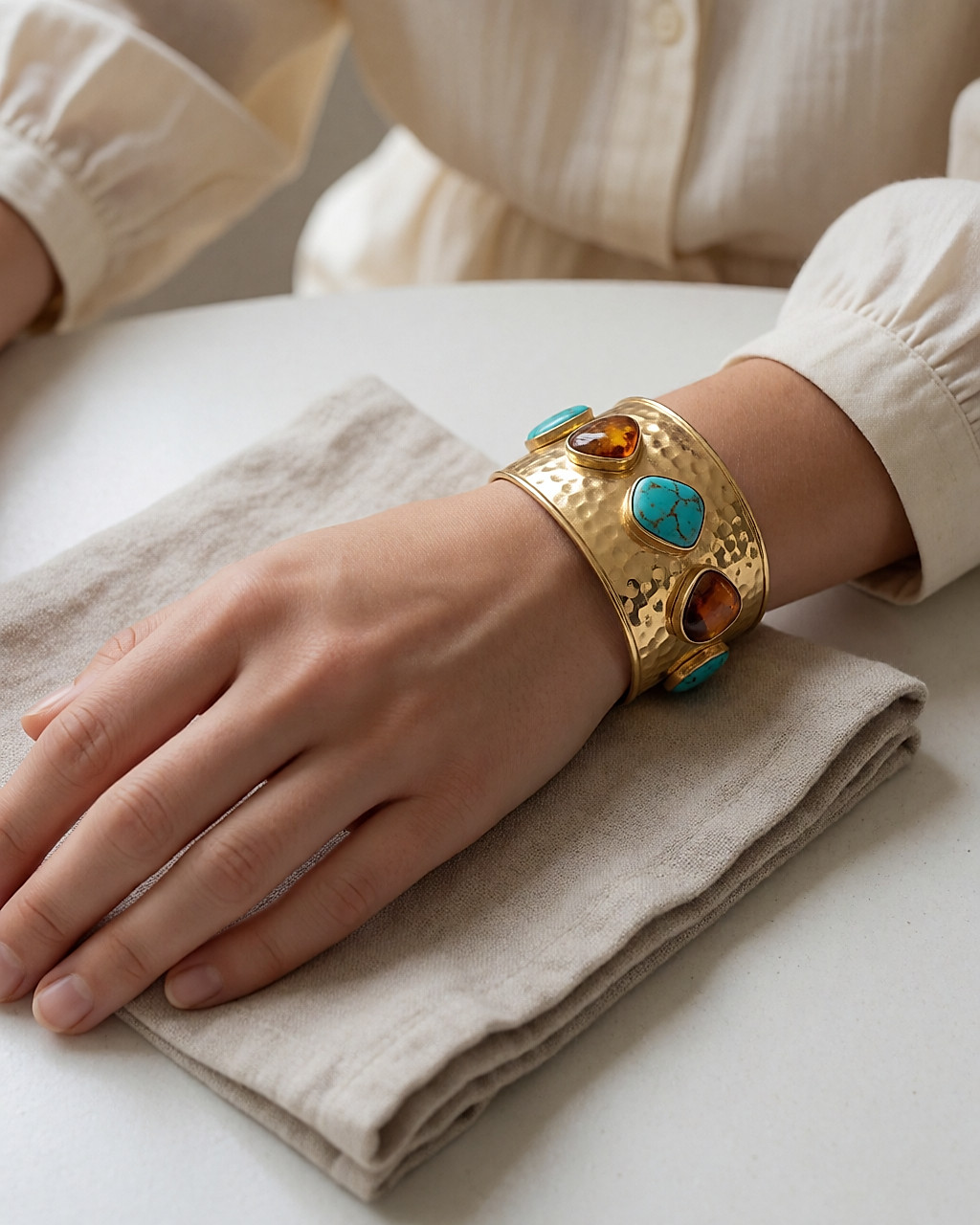
Second-hand is definitely worth a look, too. Many silver or gold pieces come back onto the market, often well below the price of new. In one jewellery box, you can bring together pieces from different eras and metals — and that gives you a far more personal collection than a whole shop window.
Budget
Prices vary enormously from one shop window to another, and they're almost always explained by the material and the weight of metal.
Expect around £15 to £60 for steel costume jewellery or thin plating, £40 to £150 for sterling silver or thick plating, and from £200 for solid 18-carat gold — the price per gram climbs quickly. From independent designers and local makers, pieces often sit between £80 and £350.
What moves the price: metal weight, stones, the amount of craftsmanship, where it was made, the brand. Where to look? Independent jewellers and workshops for bespoke work and repairs, high-street chains for entry-level, designer boutiques and fairs to step off the beaten track.
One last point that matters: re-polishing or re-setting a piece often costs less than replacing it, and it avoids throwing metal away. Asking the question before you buy means making sure a piece can stay with you for a long time.
Sources
- French Ministry for the Economy and Finance / DGCCRF — regulation of the designations 'or', 'plaqué or' and 'vermeil', economie.gouv.fr.
- UFBJOP — French Union of Jewellery, Goldsmiths, Silversmiths and Stones, ufbjop.org.
- Fairmined — certification for artisanal and small-scale gold, fairmined.org.
- Responsible Jewellery Council — certification framework for the jewellery industry, responsiblejewellery.com.


Comments
Your opinion matters: rate the article, react and reply to comments.
Comments are moderated; AI-assisted comments are flagged. Text emoticons (8-), :-), <3…) are automatically shown as images.