

Cosy fleece-lined boots: what really makes the difference
Have you ever pulled on a pair of fleece-lined boots thinking you'd struck gold, only to find on the first wet pavement that they slide like an ice rink? Or worse, that the fluffy lining is actually a synthetic that keeps you no warmer than an ordinary town sock?
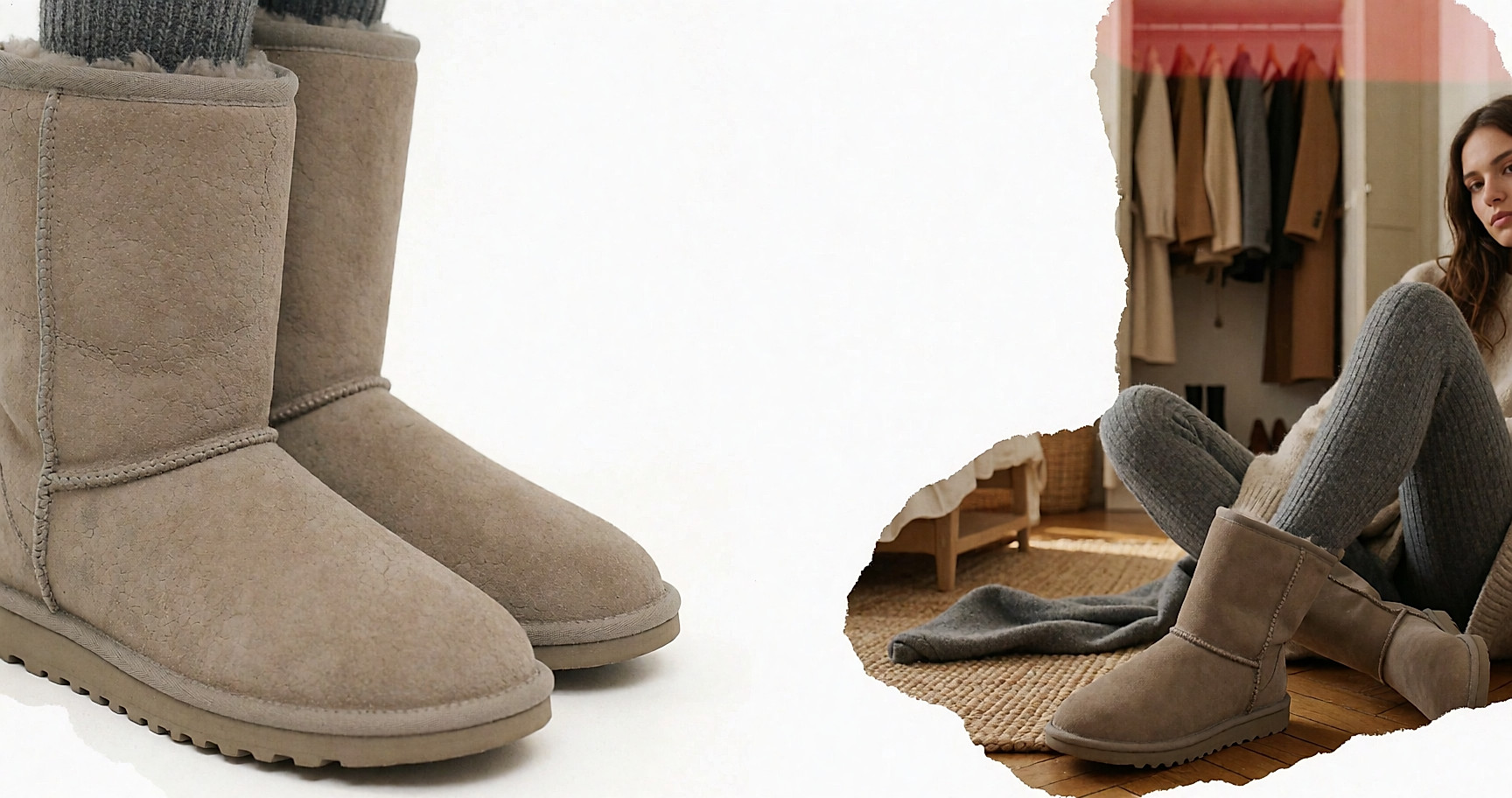
That's the fate of many 'cosy' pieces we buy a little too quickly at the start of cold weather. We fall for the softness of the cuff, approve the purchase in three minutes, and two winters later the pair is sleeping at the back of the wardrobe, lining peeling at the heel, toe greyish, sole smooth. That's exactly what happened to mine — dead lining, a slip on the first trickle of water on the kitchen tiles, morning ruined over a detail. So this time I went back to basics, looking more closely at what really goes into a winter boot.

The cut does all the work
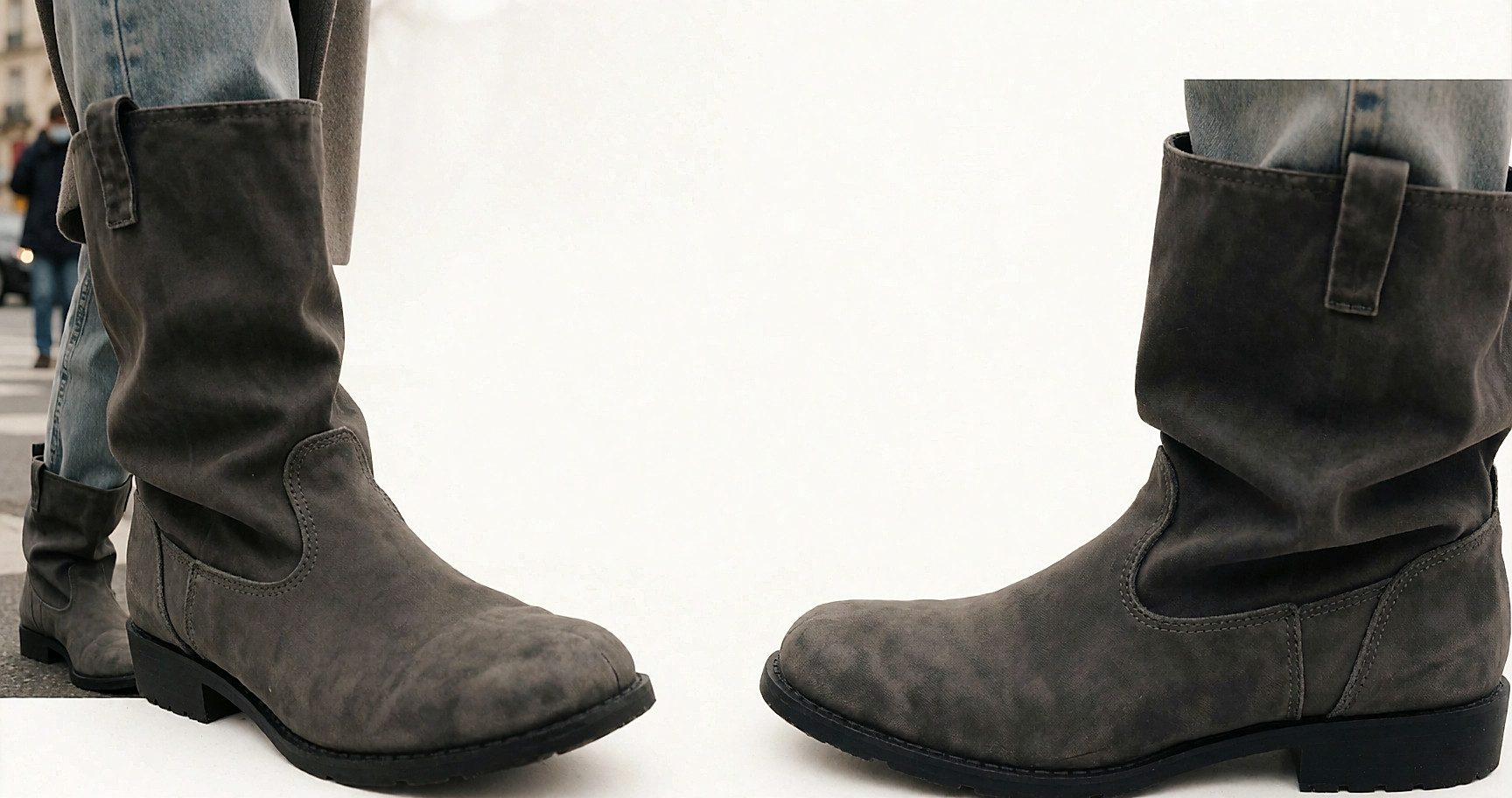
We almost always fall for the lining — we stroke it, turn it inside out, imagine our foot inside. Classic mistake. In reality, it's the shaft that decides whether the boot will hold the silhouette or collapse after an hour. Too supple, it slumps at the ankle, the line breaks, and even the loveliest sheepskin looks like a tired sock. Too stiff, it rides up the calf with every step and bags — you know that unflattering little float just above the foot, we've all faced it quickly.

A cosy boot that works stands up on its own, without squashing. Put it on the shelf: if it keeps its shape without collapsing to the side, good find. If it slumps like a failed soufflé, walk away — you'll regret it in February.

Two directions hold up, and they're not for the same use. The short mid-calf boot, with its clean drop, sits well over wide velvet trousers or raw denim tucked in — it's the pair for weekends, brunch, car journeys. The higher ankle boot, more urban, works better with a midi skirt and thick tights, but it's bulkier under fluid trousers. Chasing the pair that does both is often the best way to get neither right.

What they don't tell you under the label
The word 'fur' sewn onto a lining guarantees absolutely nothing. Behind it there may be virgin wool, genuine sheepskin, padded polyester or acrylic faux fur — and the warmth you feel doesn't necessarily follow the price tag. What really matters is the fabric weight and the material's ability to trap air. Except that in a shop, no one will give you those figures. So how do you know what's really under your foot?

There are two credible markers if you want warmth without an unpleasant ecological surprise. Recycled wool first, when it's GRS certified — this standard, run by Textile Exchange, verifies the share of recycled material throughout the production chain. Then virgin wool from monitored farms, certified RWS. They are not magic bullets, but they give you a readable checkpoint, in black and white, instead of a salesperson's promise.

Before you get to the till, three simple moves can save a winter: check for a removable insole (it can be replaced each season), a reinforced toe (it keeps its shape), and a legible composition label on the lining. If the salesperson doesn't know what it's made of, leave it — that's usually a bad sign.
Layering starts at the foot, yes really
A fleece-lined boot pulled on over a thin cotton sock is an invitation to cold — and damp after a few hours. For insulation to work, you need a merino wool or wool-blend sock, non-compressive. That way your foot keeps a layer of dry air, and the boot doesn't turn into a humid greenhouse where cold eventually seeps in. It sounds obvious, but it changes everything.
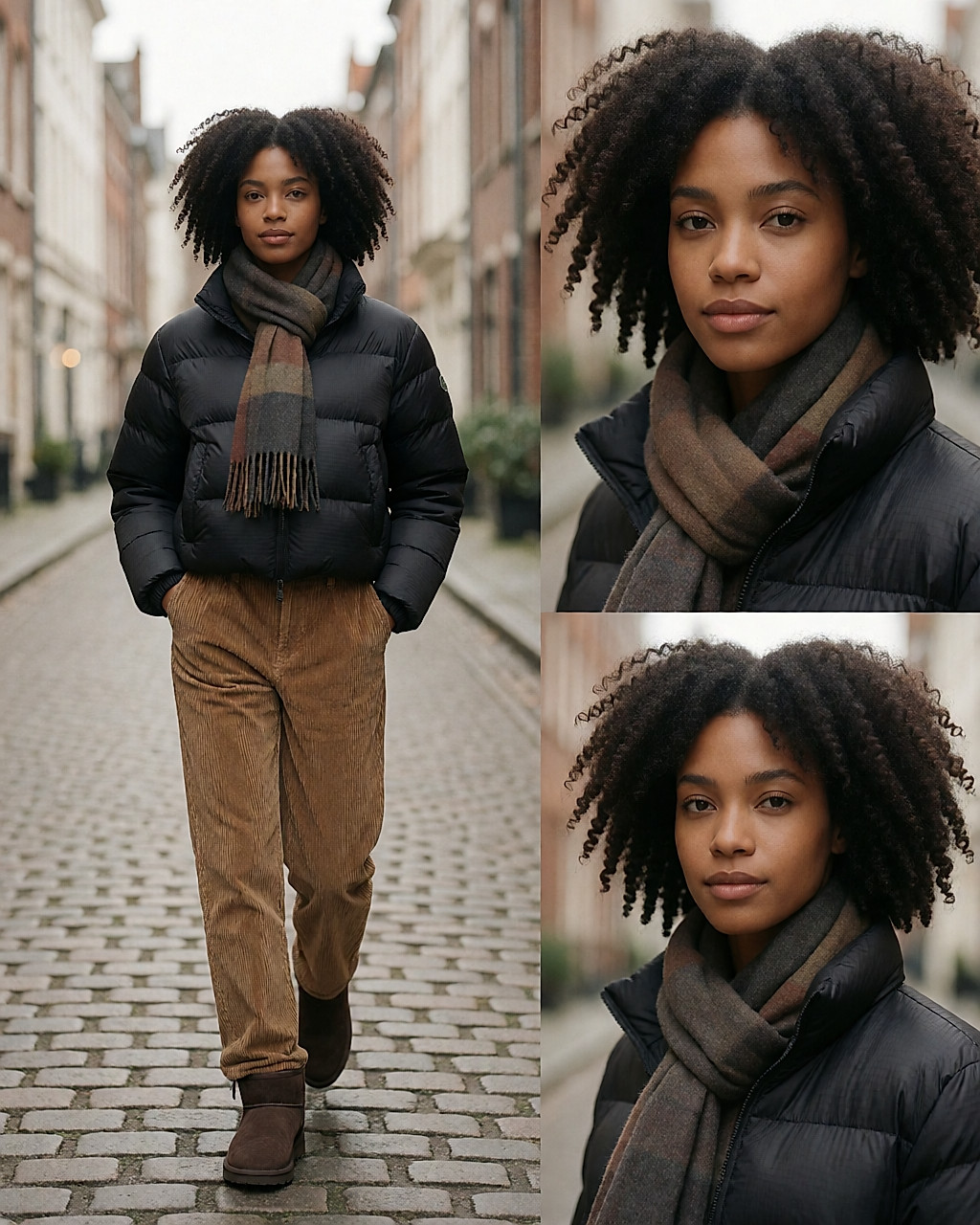
On the wardrobe side, the fleece-lined boot loves a total look in textures. A short ripstop puffer jacket, corduroy trousers, and the piece immediately gains polish — the silhouette stays readable, the foot doesn't jar. A small caution though: avoid piling on three fluffy textures. A chunky-knit jumper, a peach-skin-effect skirt, a bouclé puffer and fleece-lined boots — and the look quickly turns into dressed-up pyjamas. You can picture it.

Finally, for care, protect your cosy fleece-lined boot before going out: a spray waterproofer (without harsh solvents for natural linings) stops suede or canvas from getting stained in the first shower. And when the cuff gets a little flattened, a soft brush is enough to give it a bit of bounce again.
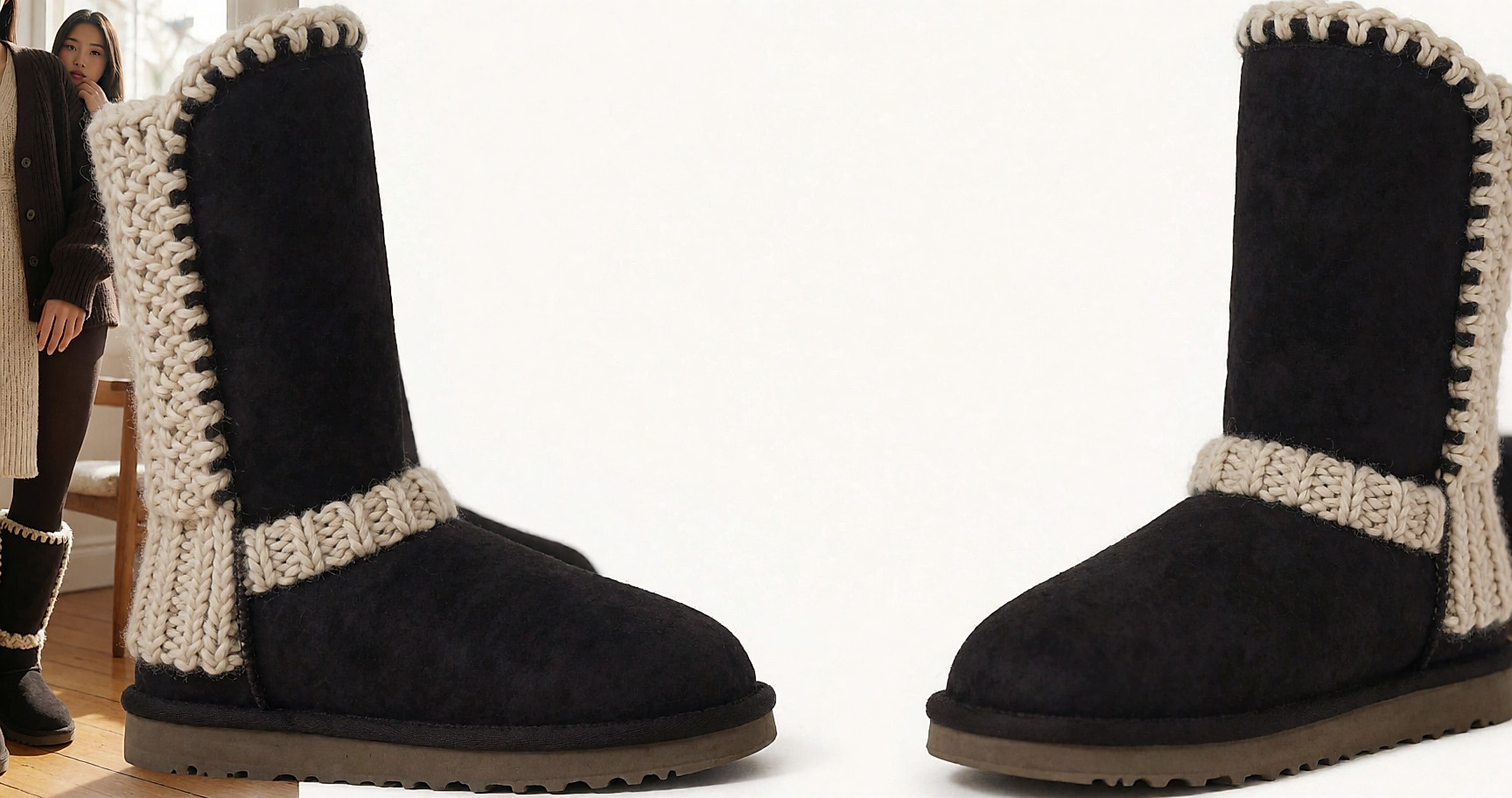
Budget: what you're really paying for
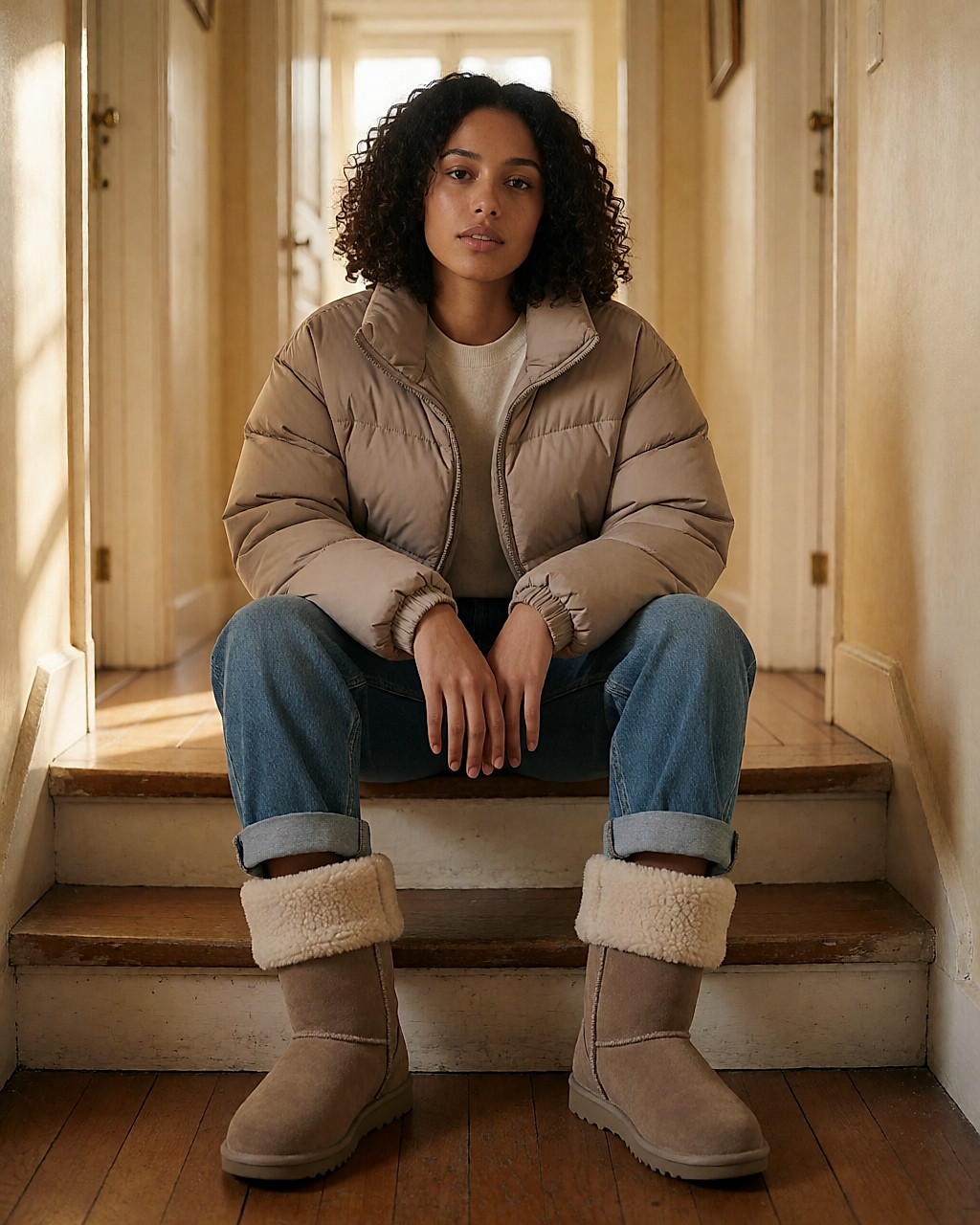
The price of a cosy pair follows three simple variables: the lining, the shaft height and the quality of the sole.
Allow around £25 to £50 for an entry-level synthetic pair, from a high-street shop or online — but don't expect it to last more than two winters; the lining usually flattens quickly. For a leather or technical-material boot with a padded lining, the range rises to around £70 to £130, at a shoe shop or on brand websites. With a genuine wool lining and a thick rubber sole, you're looking more at £150 to £260. Beyond that, you're mainly paying for European or artisanal manufacturing — that's not nothing, so it's worth knowing, but it isn't necessarily essential for everyone.
On the second-hand side, the trail remains solid and often underused: on Vinted or eBay, a lightly worn wool pair can sometimes be found for under £50. Always ask for photos of the insole and lining before committing — that's where real wear shows, not on the top of the boot, which can look impeccable under flattering light.
What we take away
A cosy boot that lasts is three things: a shaft that stands up without slumping, a lining whose composition you can name, and a sole that really grips a wet surface. The rest — the softness, the cuff, the perfect colour — is extra comfort, not the basics.
If you're hesitating between two pairs this winter, choose the one whose contents you can describe. The rest, you'll discover with wear, and that's absolutely fine.



Comments
Your opinion matters: rate the article, react and reply to comments.
Comments are moderated; AI-assisted comments are flagged. Text emoticons (8-), :-), <3…) are automatically shown as images.