

You open the hallway cupboard and there they are: last year’s ankle boots, uppers sagging, toes scuffed, heels worn down. You wonder whether they’ve got another winter in them. The answer rarely comes down to trends: it’s about how the upper falls, how supple the material still is, and how you stored them in March. Truth is, ankle boots aren’t a trend to chase. They’re a wardrobe basic, up there with straight-leg jeans and a trench.

One thing before we go any further: this is a researched piece, not a wear test. I haven’t worn the pairs mentioned here. The criteria below come from spec sheets, conversations with cobblers and my own mistakes.
A wardrobe staple, not a trend
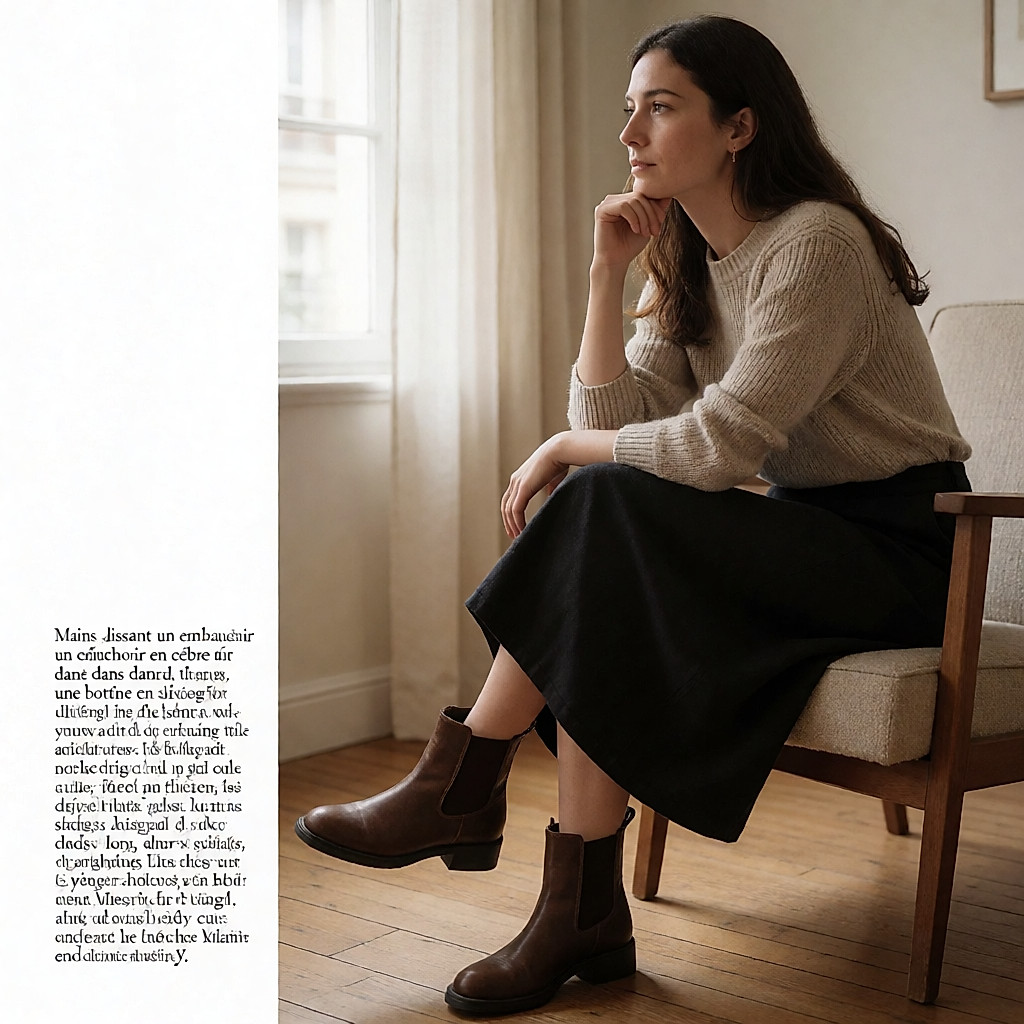
Few shoes work as well with a fluid dress as they do with wide-leg jeans, a midi skirt or tailored trousers. It’s about silhouette: a shaft that stops at the ankle cuts the leg in just the right place and lets the lower calf breathe, which lengthens the look without a vertiginous heel.
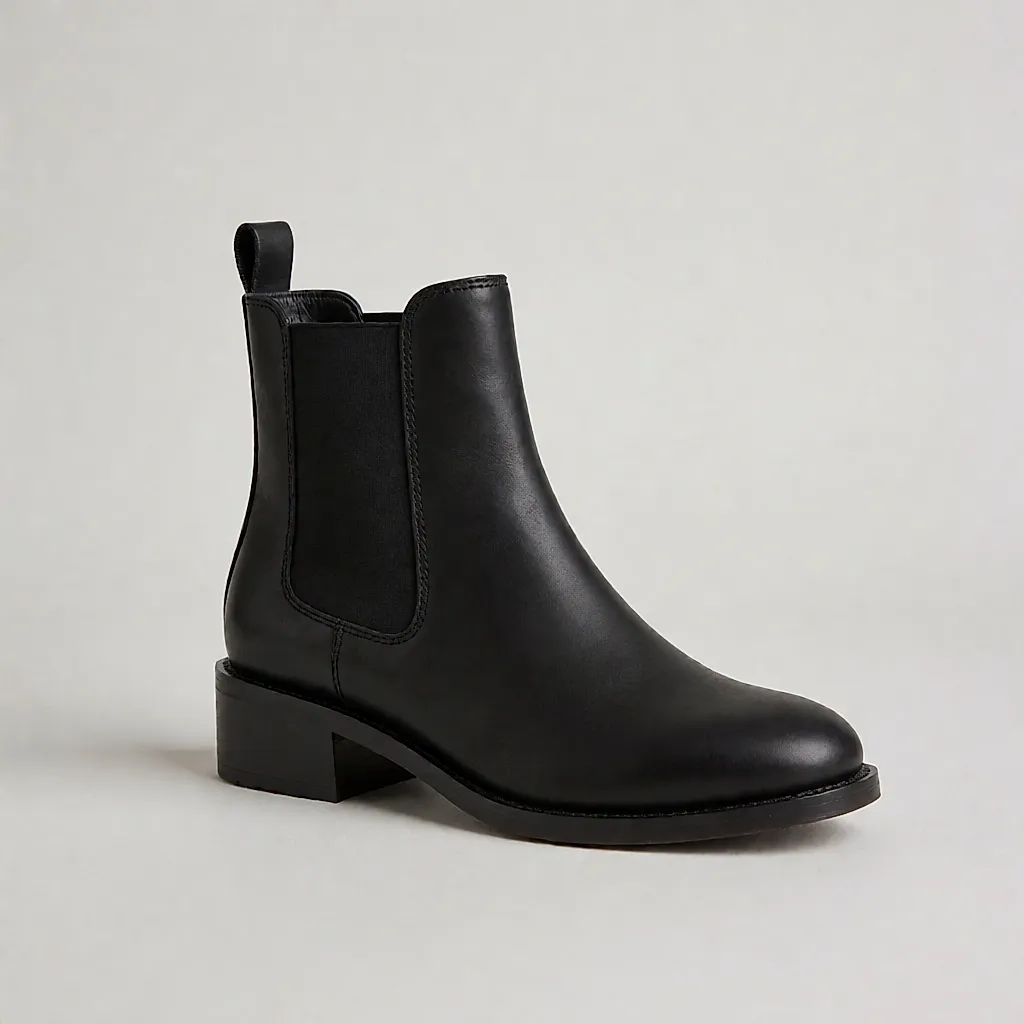

They also work with layering, the art of building up textures and weights that gives an autumn outfit structure. A ribbed sock peeking above the shaft, opaque tights under a skirt, a head-to-toe black or chocolate look: ankle boots hold it all together without shouting. That’s what makes them easy to bring back into an autumn wardrobe, even when everything else shifts.
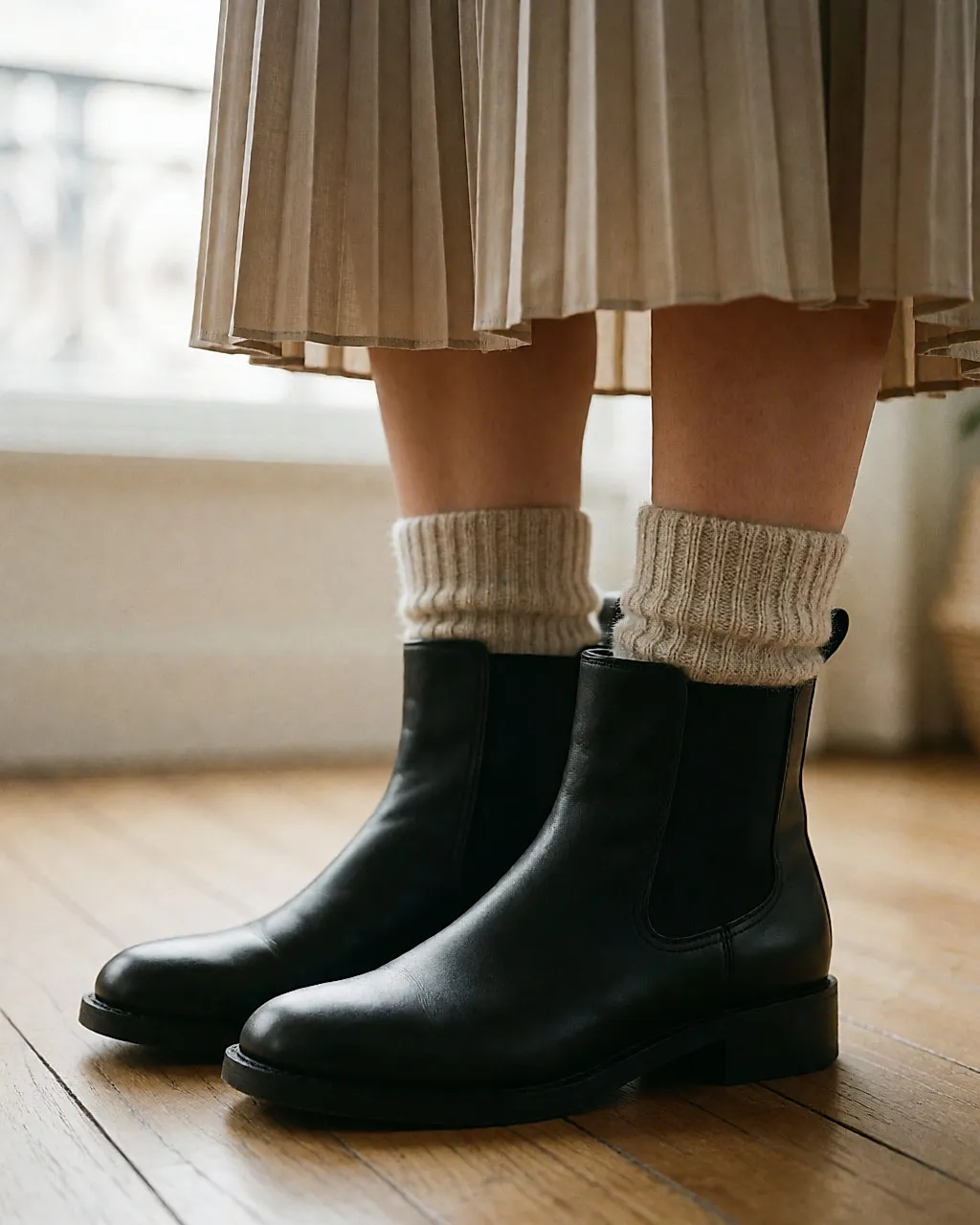

How to choose: how it falls before the brand
The price tag tells you nothing about how a shoe will actually hold up. Four things matter more.
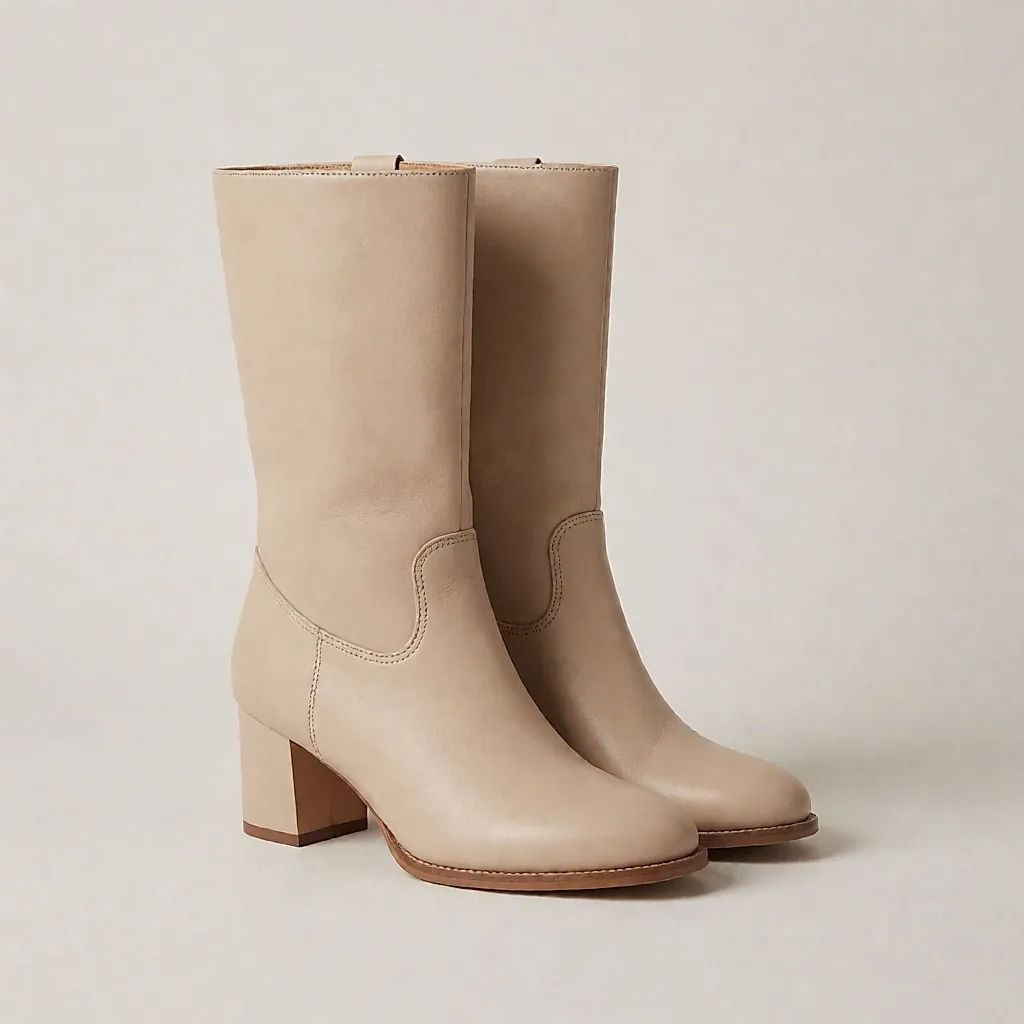
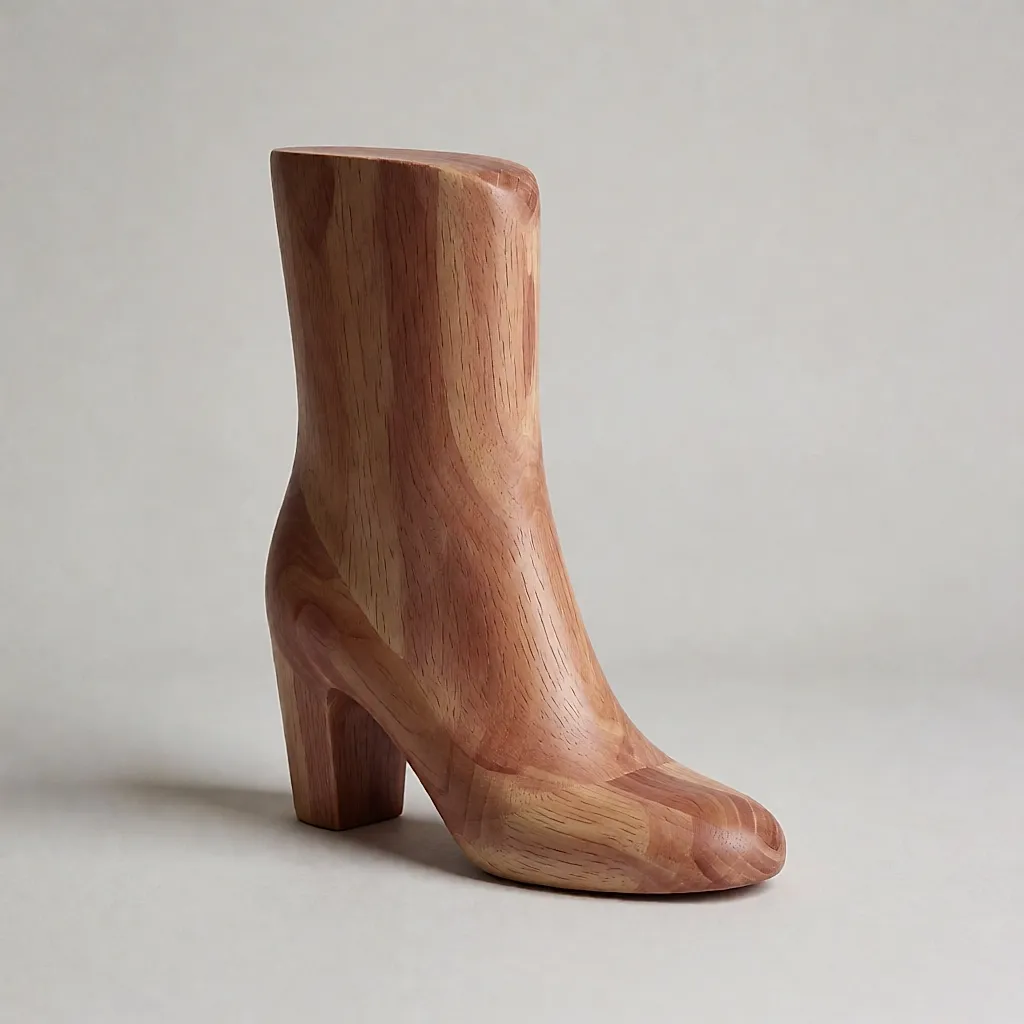
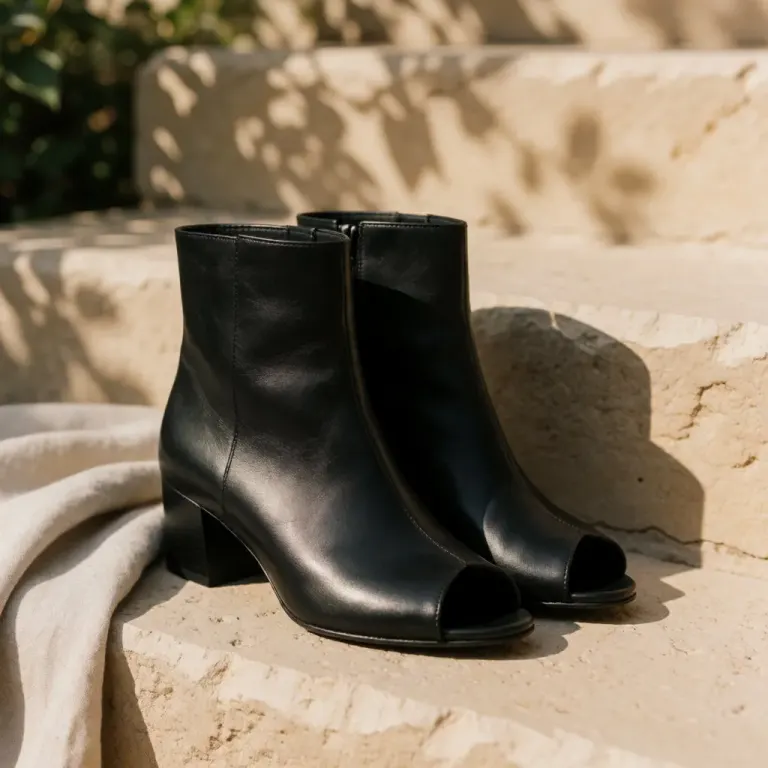
Shaft height, first. Chelsea boots stop just below the ankle and streamline the leg. Mid-calf boots make more of a statement, but they cut the leg, so they’re best with longer silhouettes or short skirts.
Toe shape, next. Round for a classic wardrobe, square or almond for a more contemporary feel. A toe that’s too pointed quickly tires the foot.
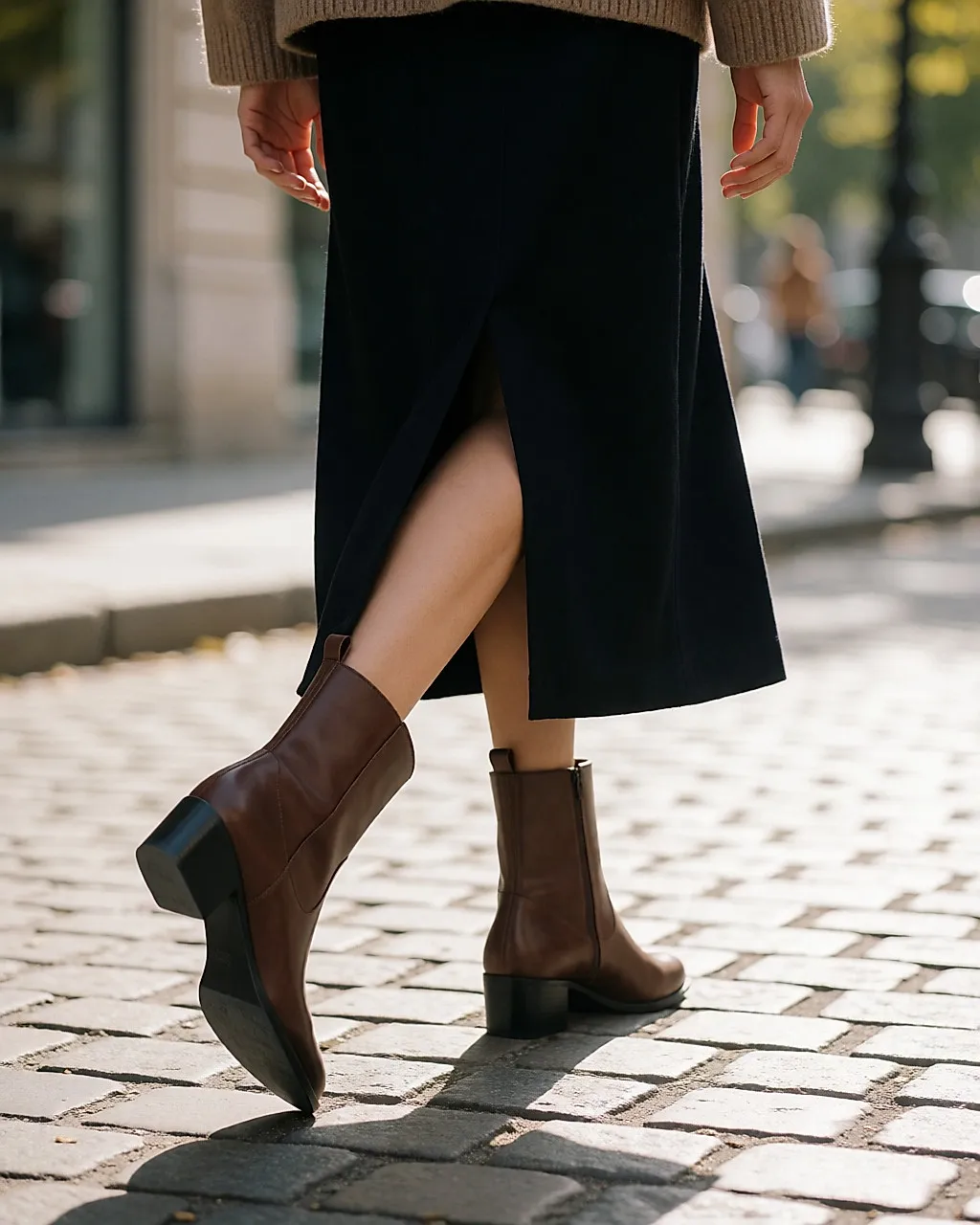
Heel. Flat for all-day walking, three to five centimetres for posture, eight and above for a statement effect. A wide block heel is more stable than a stiletto.
Sole, finally. Smooth leather slides on wet pavements; a lugged rubber sole or a protective sole fitted by a cobbler changes everything from October onwards.
The three-minute bend test
Bend the boot by hand where your foot naturally flexes. If the material shows a dry white crease, it won’t age well. Push the shaft inwards, too: a soft heel counter will lose its shape within weeks. Always try boots on late in the day, with the socks you’ll actually wear.
Materials and labels: what the tag doesn’t tell you
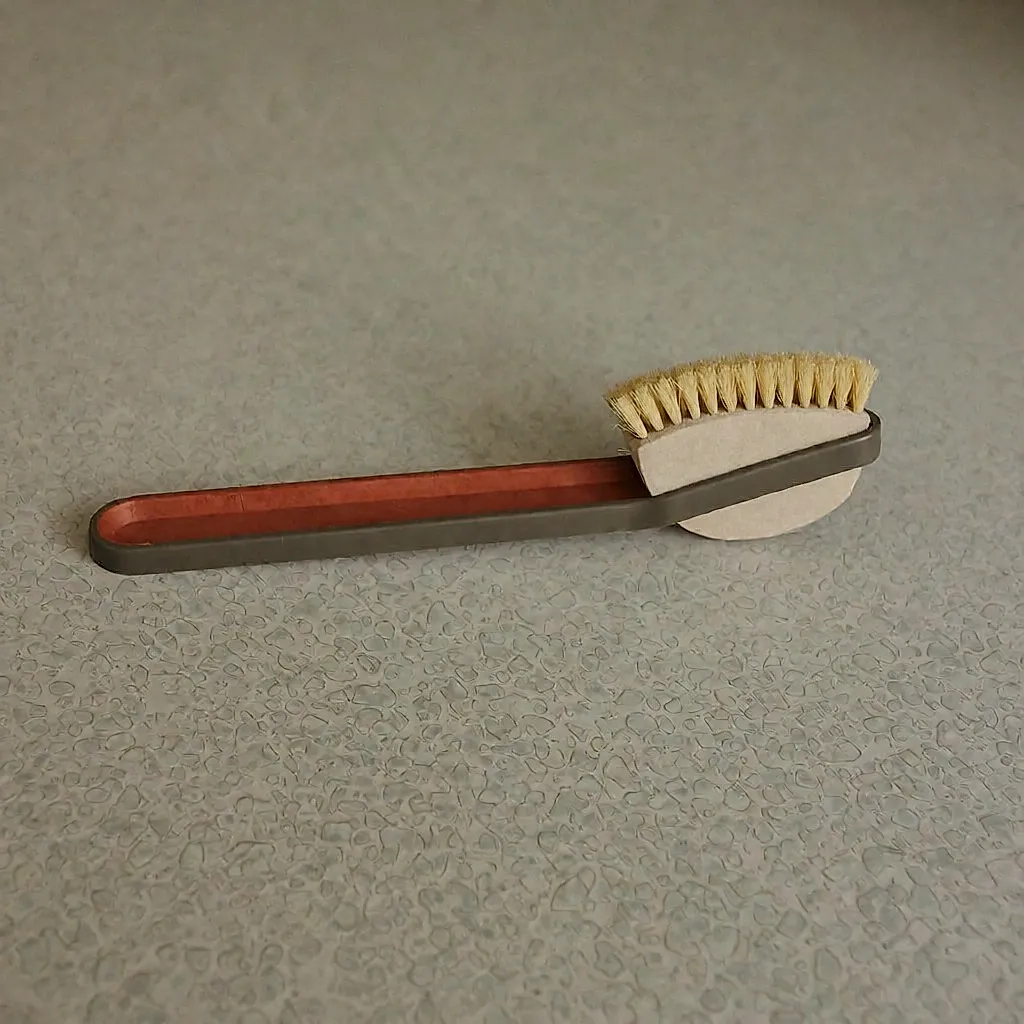
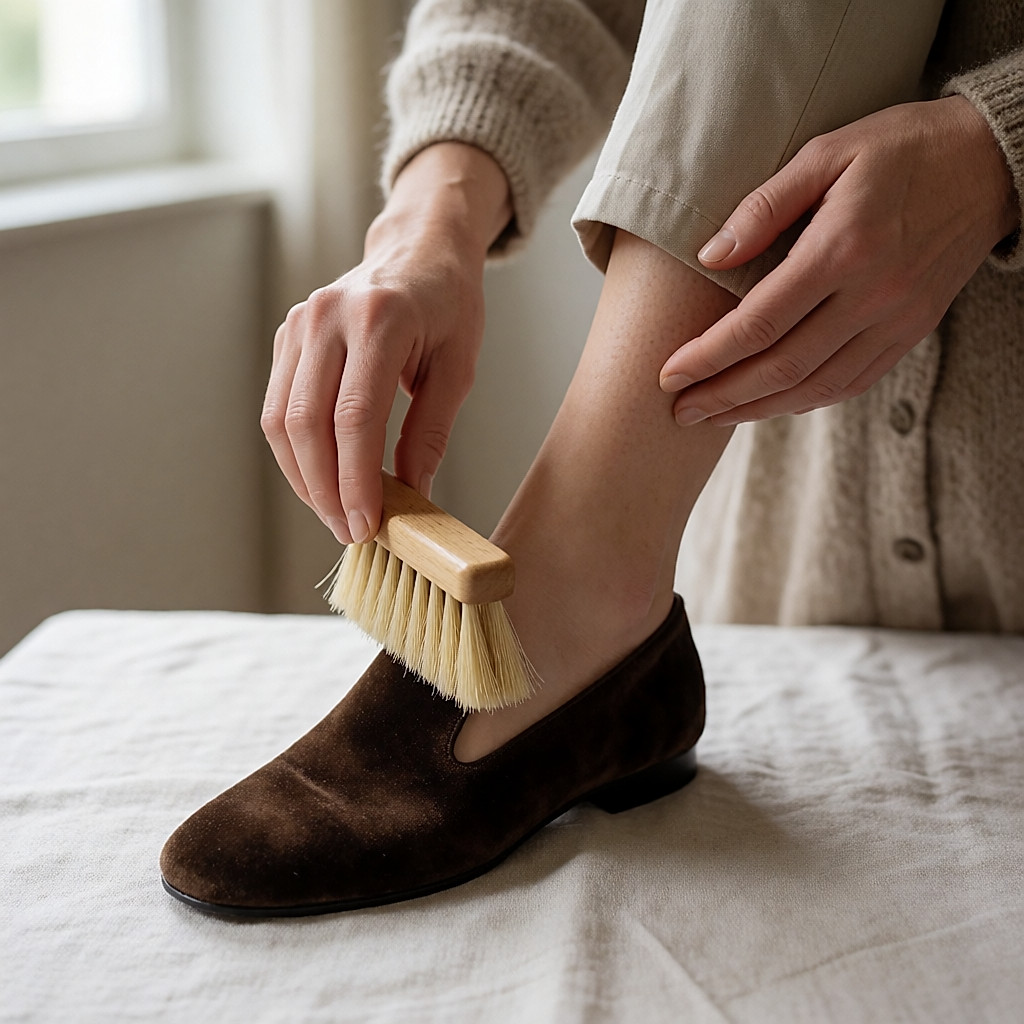
Full-grain leather, which hasn’t been sanded back, keeps its patina and can be repaired. Suede, on the other hand, drinks rain: it needs a brush and a suitable protector, not an all-purpose spray.
On labels, there are two useful markers. The Leather Working Group audits tanneries on chemical management and traceability, with gold, silver and bronze medals that indicate the level reached, not the final quality of the shoe. The EU Ecolabel also applies to footwear and covers the substances used, durability and packaging: it’s a public, independently checked label.
Beware the obvious-sounding solutions. Plant-based leathers made from pineapple, grapes or mycelium can combine plant fibres with synthetic binders, and their durability depends heavily on the quality of the finished product. Vegetable tanning, for that matter, doesn’t by itself guarantee where the hide came from. The honest compromise remains a repairable pair, with a stitched rather than glued sole.





Budget
Expect to pay roughly £45–£95 for synthetic ankle boots from a high-street chain or online: lifespan is the weak point. Between £105 and £215, you’re into leather, often stitched, from French and European brands sold in department stores or online. Above £260, you’re paying for full-grain leather, construction and sometimes European manufacturing.
What moves the price: the material, full-grain versus corrected grain, the type of construction, where it’s made and the brand. Second-hand remains the best entry point, around £20–£70 on resale platforms and in consignment or charity shops, provided you check heel wear and sole condition.
For repairs, budget around £10–£18 for a protective sole, £18–£30 for a heel, £45–£70 for a full resole. In France, the Refashion-backed repair bonus refunds part of the bill at participating cobblers, and the list of accredited professionals is online. In the UK, repair prices vary, so ask for a quote first.
The care habit that changes everything
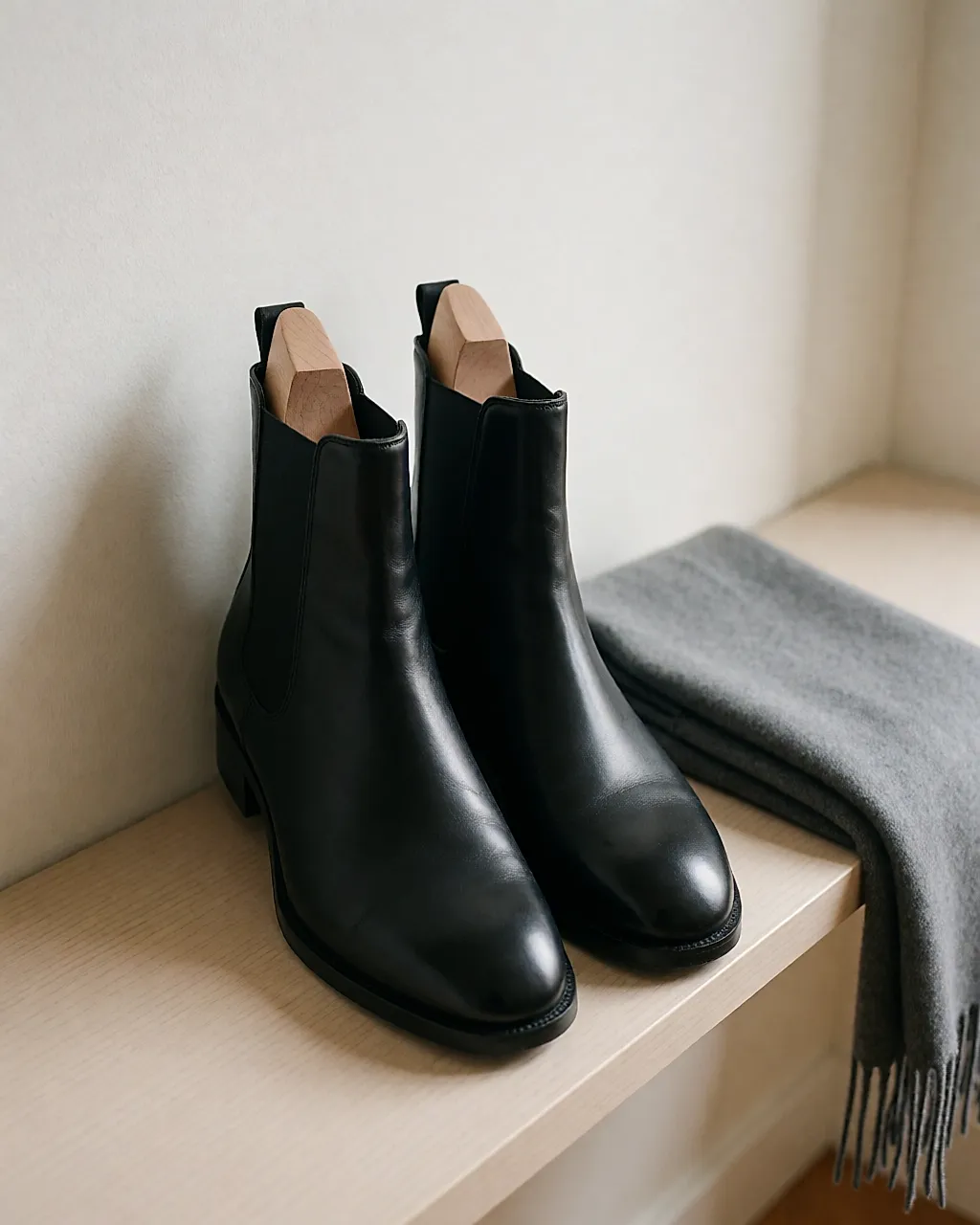
Store your ankle boots upright, with shoe trees, never next to a radiator: heat hardens leather. Brush them dry after a rainy day, feed them twice a season, and alternate two pairs rather than wearing the same pair every day. A well-looked-after pair will see you through several winters, which makes the purchase far more sensible, whatever the initial price.
And if you’re torn between two styles, go back to how they fall: that’s what decides whether you’ll actually wear them.
Sources
- ADEME — French Agency for Ecological Transition (ademe.fr): lifespan of clothes and shoes, environmental labels.
- European Commission — EU Ecolabel, footwear category (ec.europa.eu).
- Leather Working Group — tannery audit framework (leatherworkinggroup.com).
- Refashion — repair bonus and textile and footwear sector (refashion.fr).
- Conseil National du Cuir — French leather industry body (conseilnationalducuir.org).


Comments
Your opinion matters: rate the article, react and reply to comments.
Comments are moderated; AI-assisted comments are flagged. Text emoticons (8-), :-), <3…) are automatically shown as images.