
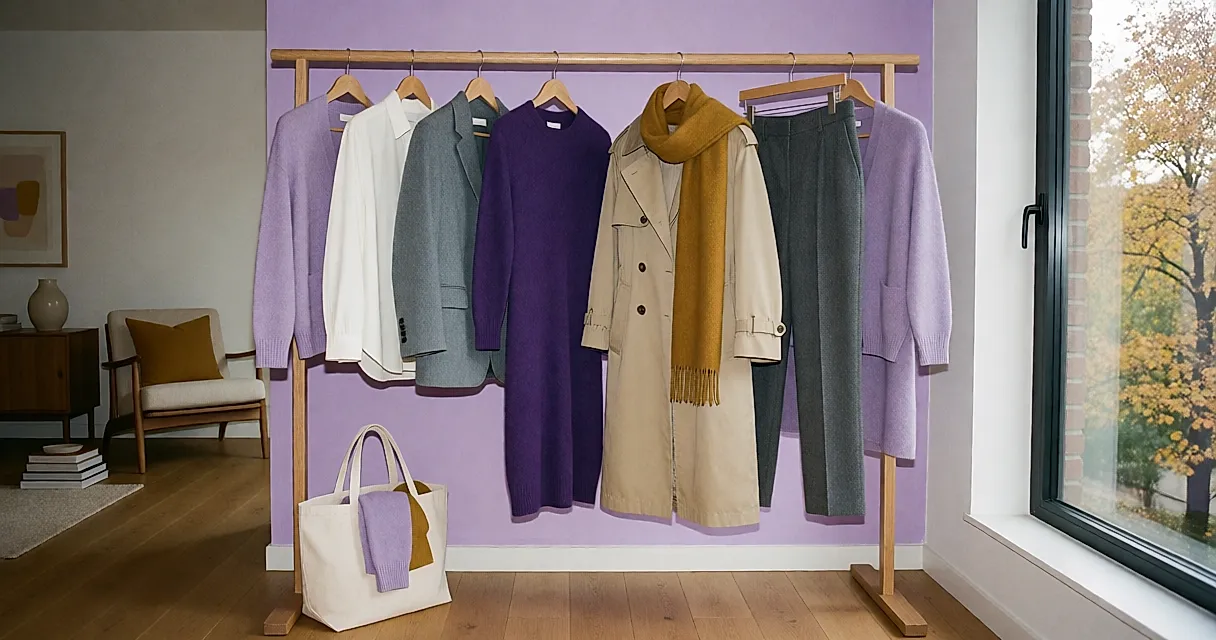
Sorting out your wardrobe at home is a bit like revising alone for an exam: you think you know it, and you get it wrong. In front of your wardrobe, it is hard to be completely honest, either about the size or about how often you would actually wear the piece in question. A clothes swap puts that right with three simple moves: bring little, try everything on, leave a lot behind.
Why sorting at home does not settle anything
You know the dress kept for when you are two kilos lighter, the blazer kept for when you find the right trousers, the black top identical to three others except that this one is different. At home, each piece is judged on its own, against a memory: the wedding where you wore it, the price you paid, the person who gave it to you. How are you meant to decide? You keep things out of loyalty, not because you want to wear them.

A wardrobe is also a closed system. A jacket is not chosen on its own: it is how it falls with those jeans, its length with that skirt, how the fabric reacts to that jumper. Without the other pieces to hand, you end up comparing memories rather than silhouettes. Which is why it helps to leave the house with a bag and walk into a room where other people have brought their wardrobes.
What to bring: less, and better chosen
The first rule matters most: one bag. In practice, five to eight pieces are usually enough to fill a rail and leave room for everyone else. A six-kilo box tipped out on the table is the quickest way to turn a swap into a guilt-clearing drop-off, and to come away with nothing, because few people want to rummage through it.

What goes down well: clean, seasonal and in your size. Washed, pressed, buttons sewn back on, stains gone. Bring what you have actually worn, not what you have never dared to. The 'almost' piece, the one that itches slightly, gapes at the shoulder, looks great in photos and never gets worn, is the best candidate: it still has a life ahead of it, elsewhere. A swap is not a skip, and the less you bring, the more the things you do bring count to other people.
What to try on: everything, in front of everyone
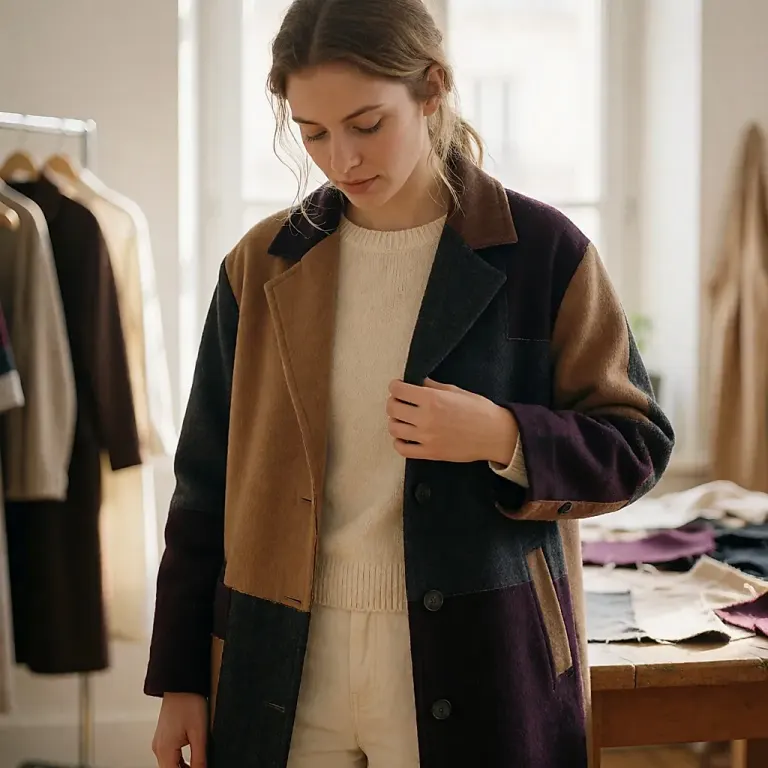
A piece that looks wrong on the hanger can be perfect on you, and the reverse is cruelly true too. So try everything on, including the coat two sizes too big and the print you would never have looked at twice in a shop. Pull the piece on over what you are already wearing, raise your arms, sit down, walk three steps, look at how it falls from the front, the side and the back. The arms-raised test alone rules out a good number of contenders.

The real luxury of a swap is other people's eyes. 'It suits you' and 'you look uncomfortable in it' do not mean the same thing, and a stranger with your body shape in their line of sight makes up their mind quickly. You are not there to reassure your friends: you are there to see the silhouette, not the promise of the hanger. It can sting, and it is often liberating.
What you leave behind, and what it tells you
The piece nobody took is the most useful information of the day. It is not a failure, it is a diagnosis: too specific, too fragile, too 'one-occasion', an awkward size, an itchy fabric. By contrast, whatever disappears quickly tells you everything about your ideal wardrobe: straight jeans, a wool jumper that hangs well, a clean cotton shirt. Easy-to-wear pieces circulate; what nobody took shows you what to stop buying.

The last point, and the hardest: do not go home with your original bag. Taking back your rejected pile 'just in case', or out of politeness, cancels out the whole point. Leave with two or three pieces you will wear within the month, no more. The rule that saves a wardrobe? Whatever comes in has to be worn before the next wash.
Budget
A clothes swap rarely costs much, which is rather the point. Expect to pay anything from nothing to around £10 for entry, depending on who is running it: some community halls run them for free, while there may be a few pounds' contribution when a local charity or community group has to cover the cost of the coffee. The real cost is getting there: a gym bag and a couple of stops on public transport.
It is also worth thinking about alterations, because a free piece that gapes at the shoulders is still a garment you will not wear. Expect to pay around £10 to £25 for a simple hem and £15 to £35 to have something taken in at a local alterations service, with higher prices in very central areas. At that price, a rescued and adjusted piece often costs less than a new basic of similar quality, and it already exists.
The three rules of a swap that works: one bag, clean and seasonal; try everything on, arms raised and three steps; nothing comes home unless it will be worn within the month.
You leave with two or three pieces you have adopted, or with nothing and a better idea of what suits you: either way, that counts as a success. And the next time you hesitate in front of a wardrobe, you will know what to do: one bag, one room, and the opinion of people who owe you nothing.


Comments
Your opinion matters: rate the article, react and reply to comments.
Comments are moderated; AI-assisted comments are flagged. Text emoticons (8-), :-), <3…) are automatically shown as images.