
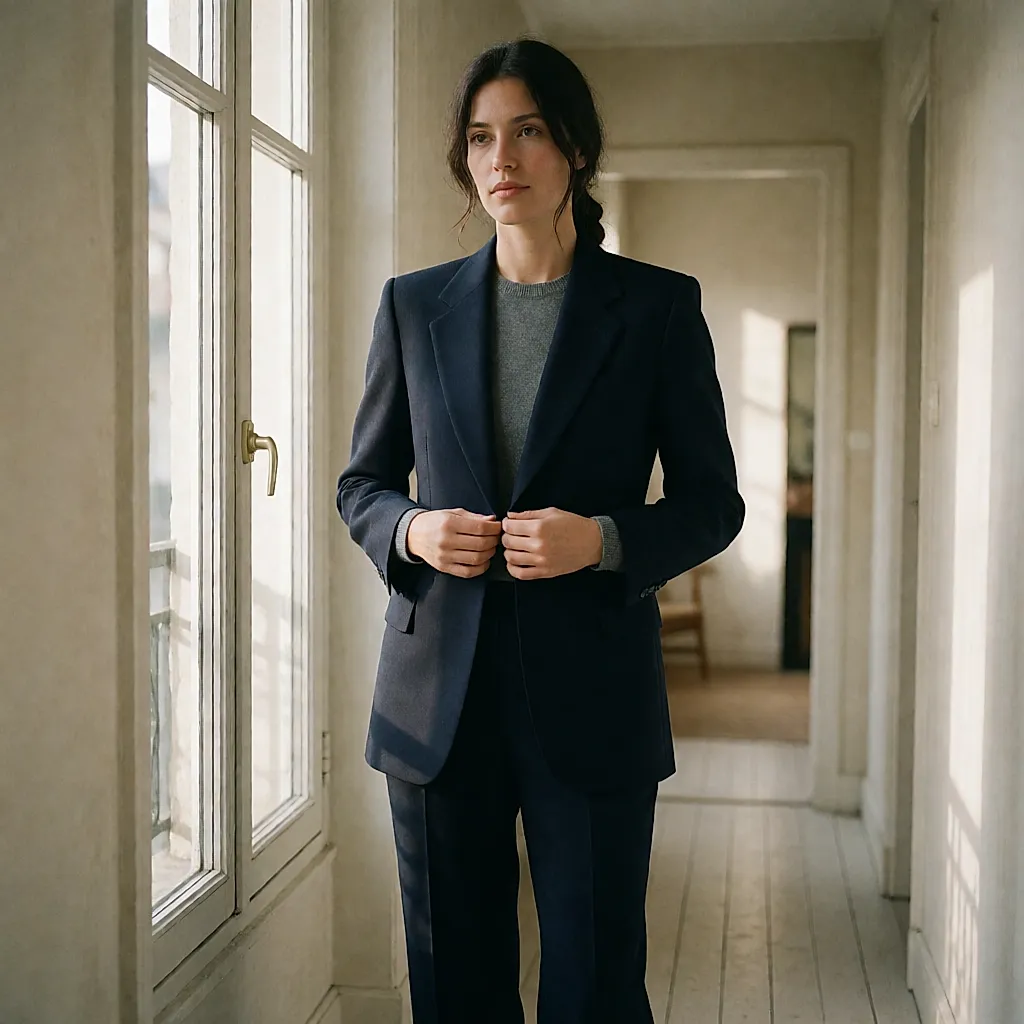
There's a precise moment in October when your wardrobe stops lying to you. You pull on the jacket you'd almost forgotten, lift your shoulders by a millimetre, and the mirror approves. No need for a third piece of jewellery, or a belt, or the bag that's meant to 'pick up the colour of your shoes'. One piece has taken charge—and, curiously, everything else breathes more easily.
One piece takes the lead
This movement started on the catwalks and has finally reached the street: the autumn wardrobe is narrowing around one high-character piece—clean shoulders, a straight line, a deep shade. A sharply cut blazer, a long wool coat, a high-waisted straight skirt, a trench with an impeccable drape. The common thread? A cut that stands up on its own, with no accessory needed to hold it together.
Why does it work better than layering? Because the eye needs a focal point. When everything talks at once—print, volume, belt, studded boots—no one can be heard. A crisp line, though, structures the silhouette and does the work for you. And a not-insignificant bonus: it saves you that ten-minute session in front of the mirror that always ends with 'oh well'.
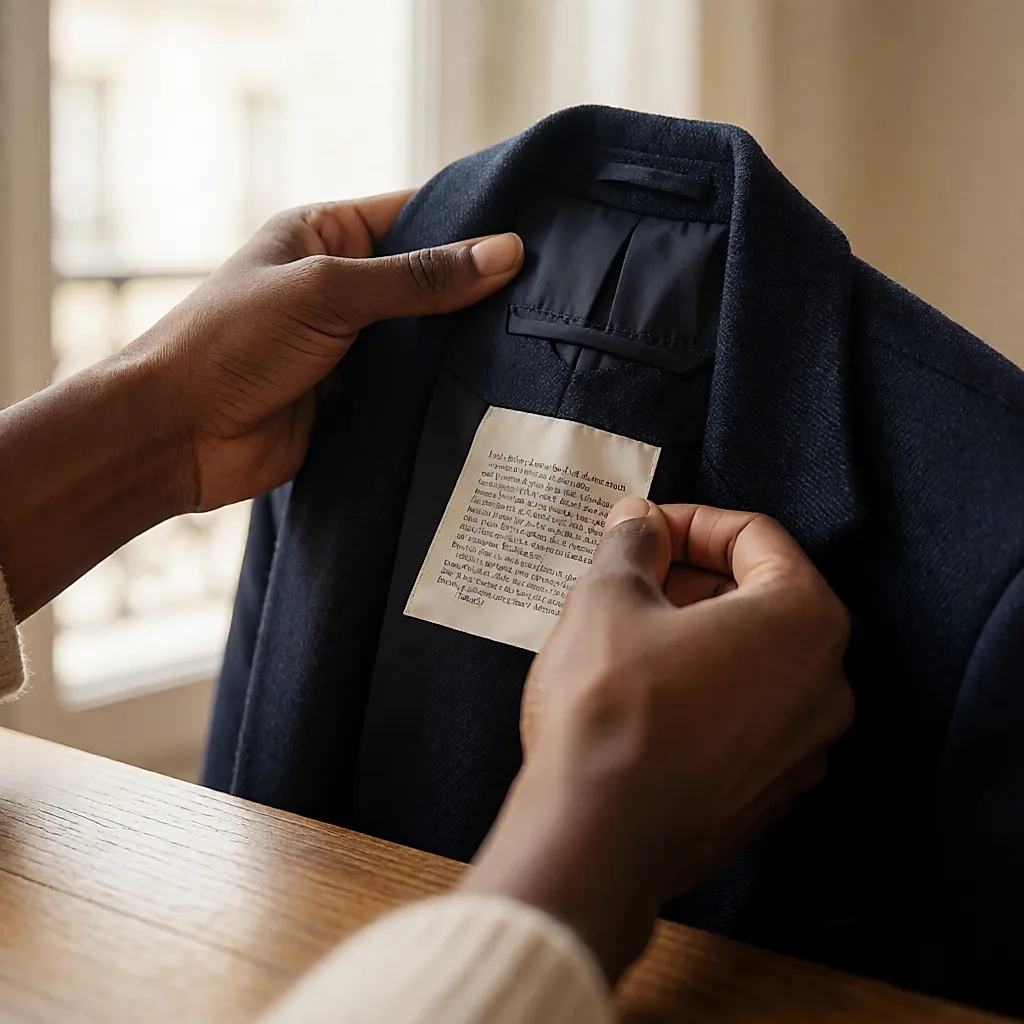
The mistake would be to think you need something spectacular. Character doesn't come from a logo or shine; it comes from the drape. A well-chosen natural material—merino or recycled wool, wool cloth, heavyweight cotton, vegetable-tanned leather—gives a cut a structure that imitation versions miss. Check the label to see the synthetic fibre content, and you'll know what you're dealing with.
Everything else keeps a low profile (and that's just fine)
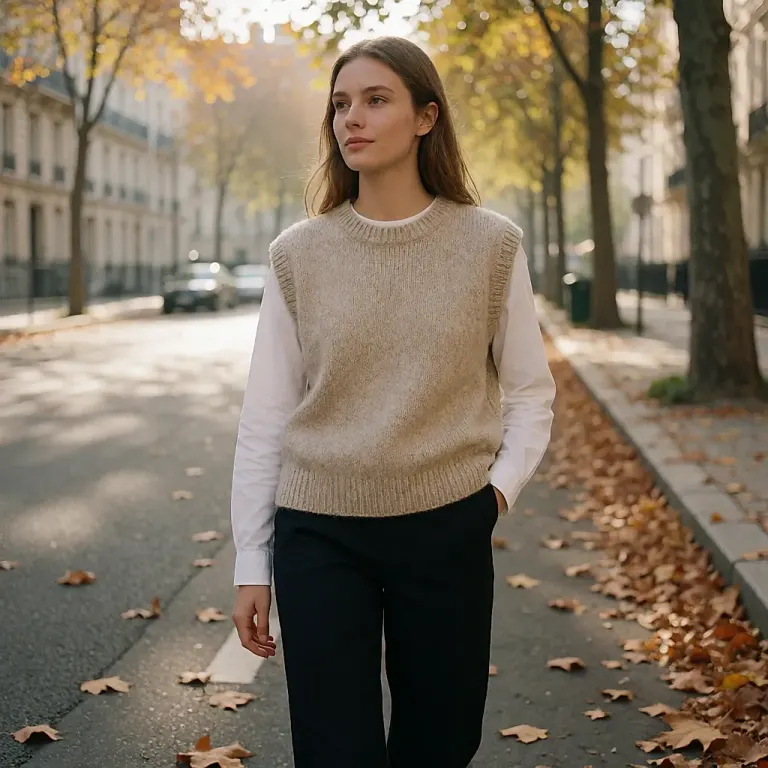
Once the strong piece is in place, the instruction is simple: turn the volume down. A fine crew-neck jumper, a cotton T-shirt, raw denim jeans, fluid wool trousers, clean-lined Derby shoes. Tonal dressing—two or three shades in the same family, grey, navy, camel, black—works wonders with no effort.
This isn't monotony; it's staging. In a good film, only one character gets to wear the hat. Your favourite basics, the ones you pull on three times a week, suddenly become more interesting: it's the strong piece that sets them off, not the other way round.
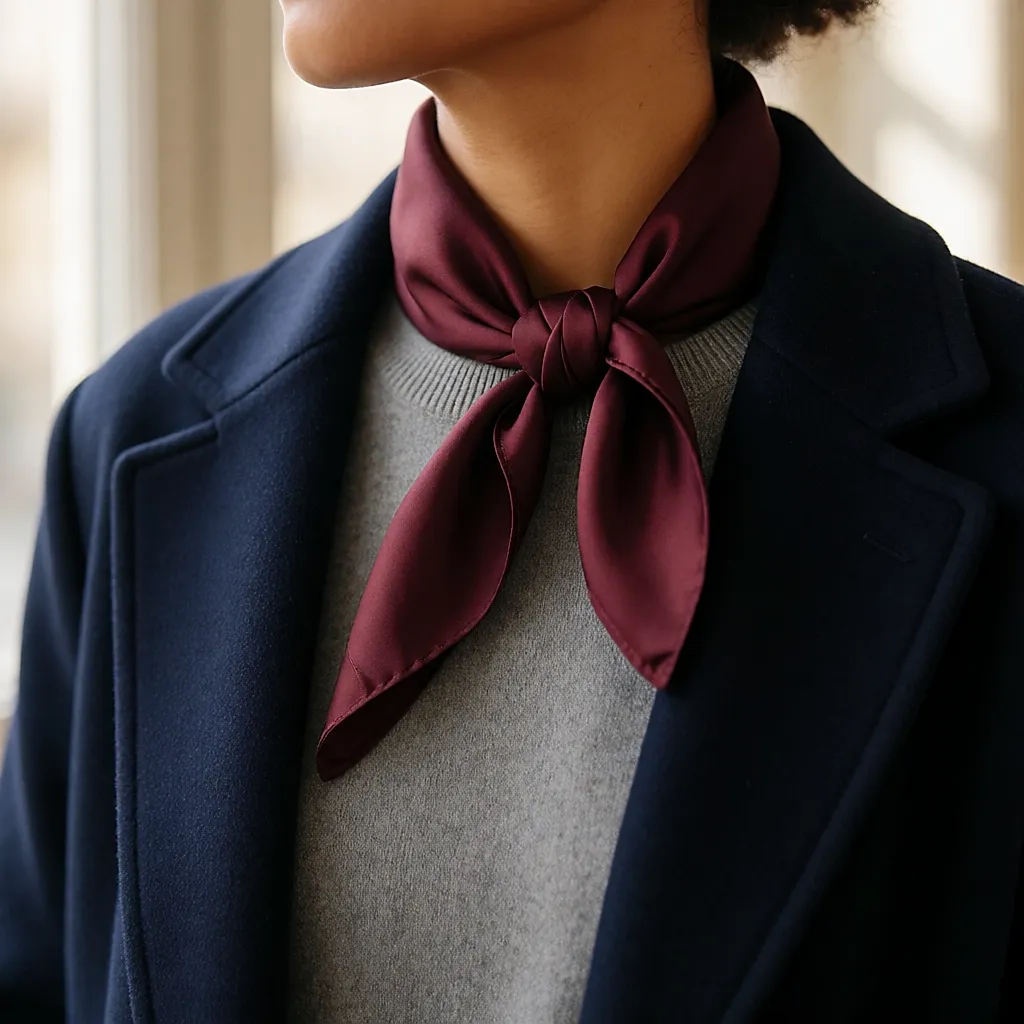
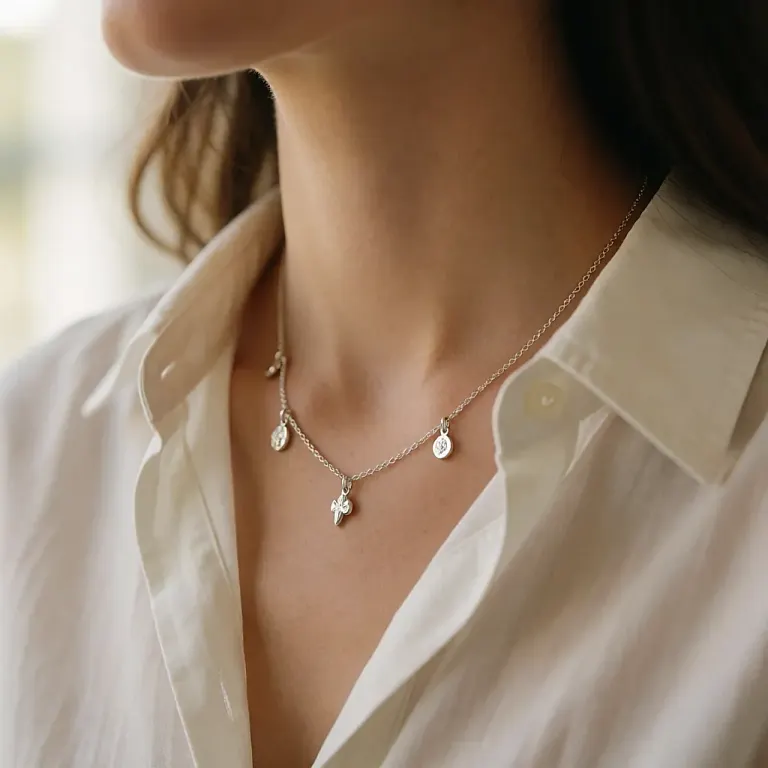
Craving an extra touch? One detail, not two. A gold piece of jewellery, a tied silk scarf, a bag with a graphic shape. Any more and you're back in the hubbub.
The outfit works for work, weekends and evenings
In the office, it's best to stay understated: the strong piece, straight trousers, a blouse. A structured blazer over a white cotton shirt, a wool straight skirt with a fine jumper and ballet flats, and you look credible without appearing to have spent the morning on it. Honest caveat: if your everyday life is very casual, a jacket with strong shoulders can seem to have landed from another planet—in that case keep the line but go lighter on the fabric.

At the weekend, you relax the rules without abandoning them. The same piece worn with raw denim and a white T-shirt changes tone completely, especially with clean trainers. This is where you find out whether the purchase was worth it: a strong piece that only lives on heels is only half a piece.
In the evening, reverse it: same line, different material. High-waisted straight skirt, silk top, the morning's jacket, and you're done. Jewellery can go up a notch; everything else stays sensible.
The three-outings test: before committing to a piece, imagine wearing it to work, on a Saturday afternoon and to dinner. If it passes only one of those tests, it's not a purchase, it's a whim. Also count what it brings to life in your wardrobe: at least three complete outfits, built from what you already own.
Budget
When it comes to budget, expect to pay in the region of £100–£250 for a well-cut wool blazer in ready-to-wear, £180–£450 for a long wool coat, and £70–£180 for a straight skirt or well-tailored trousers. Second-hand, in charity shops or on resale platforms, those guide prices are often halved: a smart find for testing a cut or colour you'd never have dared buy new—guilt-free shopping.
Location matters too: in London or Manchester, boutique prices climb quickly, but end-of-season sales balance the bill. And don't overlook the tailor—often the best money you'll spend on your entire wardrobe. Usually a few tens of pounds for a hem, taking in at the waist or shortening sleeves, and the piece finally falls as it should.
Ultimately, a confident look comes down to a decision, not accumulation. Choose one piece, let it speak, keep the rest discreet—and your Monday-morning mirror will thank you for far longer than yet another accessory bought on impulse.

Comments
Your opinion matters: rate the article, react and reply to comments.
Comments are moderated; AI-assisted comments are flagged. Text emoticons (8-), :-), <3…) are automatically shown as images.