
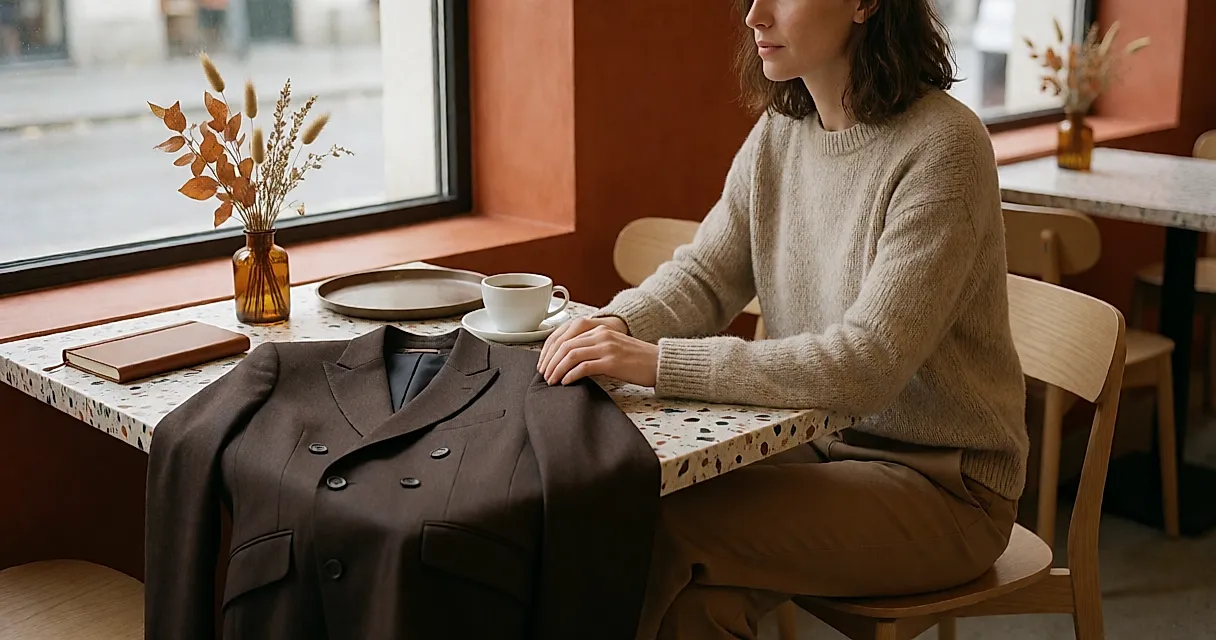
Fourteen pieces on screen — a blazer, a shirt, a pair of pleated trousers — and one question that really matters: will you still wear this in six months? The cursor keeps flicking between add to basket and close. A first collection is a bit like a first date: everything is polished, but you don't yet know what the person is like day to day.
What a debut season sets out clearly
A designer starting out often works with a tight line. That's precisely what makes it readable: with limited resources, they have to choose a clear line and carry it across every piece, and that line tells you a lot. The shoulder of the blazer, the width of the shirt, where the trousers stop at the ankle: this is the silhouette they are establishing, and it is unlikely to move much afterwards.
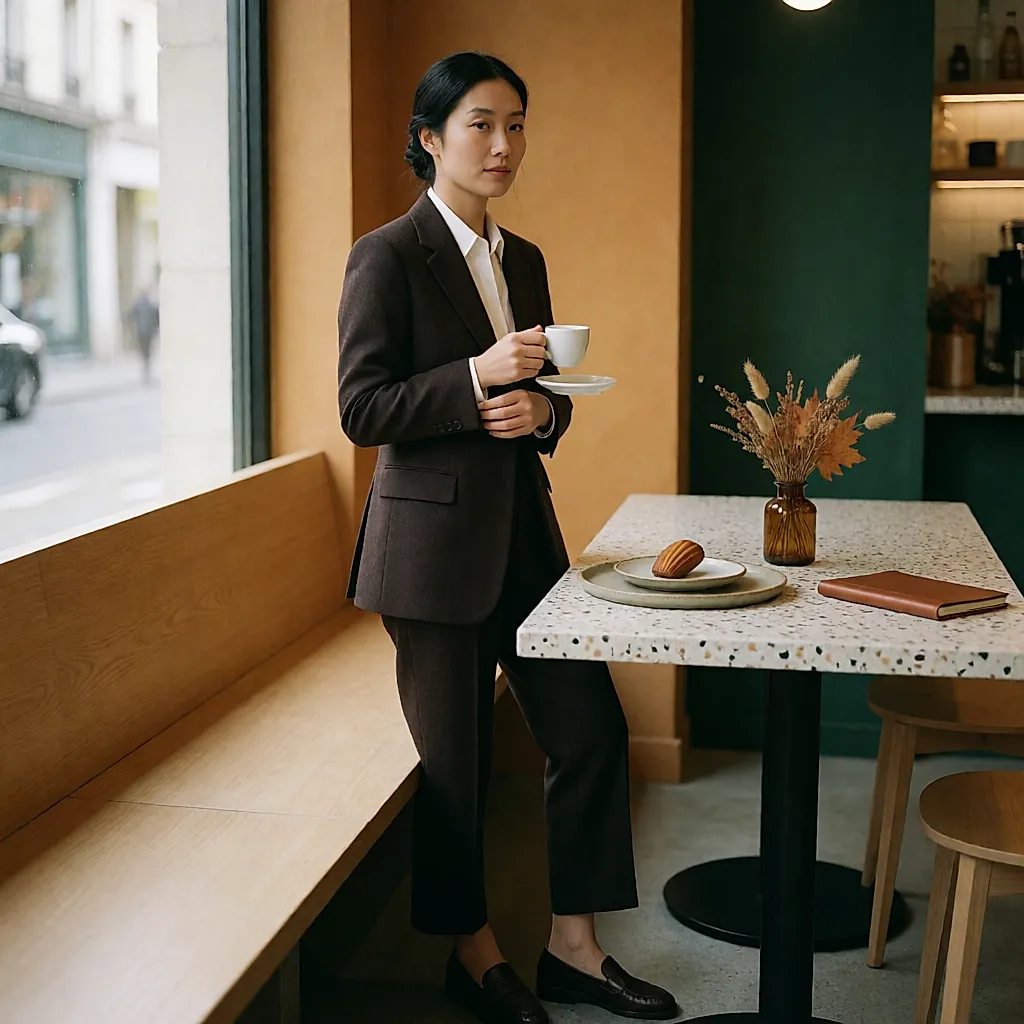
In practice, that consistency works in your favour. If the hem of a pair of trousers falls just right, there's a good chance the skirt in the same collection was designed with the same eye, and that the wardrobe will combine easily. You can even test it before you buy: two pieces that work across three different outfits are the mark of a label that works. Two pieces that only work together are a styling prop.
What's left is whether that silhouette looks like yours — and no amount of styling will settle that for you.
What a first season can't promise yet
What a debut collection can't yet tell you is how it will live. Fabric is judged by wear: wool that pills on the third outing, dye that fades in the wash, a lining that loses its shape. With an established brand, you have other people's experience to go on; with a first season, you're something of a guinea pig, and it's worth knowing that before you click.
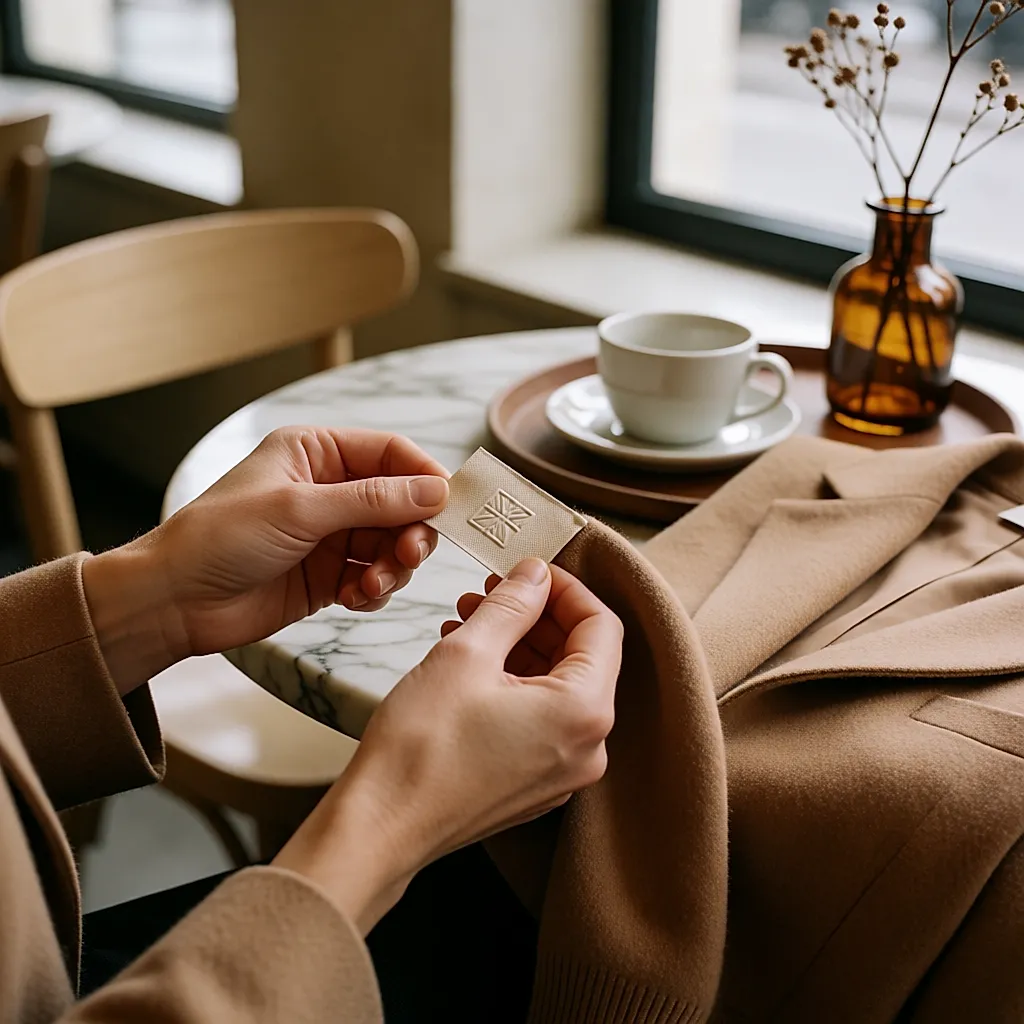
Production deserves the same caution: the size range can be narrow at the start, restocks are uncertain, and a piece you spotted online may disappear before you've made up your mind. Before you confirm, ask one simple but decisive question: what does the label say? Ask for the exact fibre content, where it was made and how to care for it. If the answer is vague, the garment is no less so.
Look at the clothes, not the catwalk
Styling is there to make you dream, not to inform you. In a lookbook, everything that isn't the piece you're after — the belt, the socks, the layering, the light — creates a mood you won't have in your hallway at 7.50am. Mentally clear the noise: isolate the garment and look at it as if it had arrived on its own, on a hanger, at home.
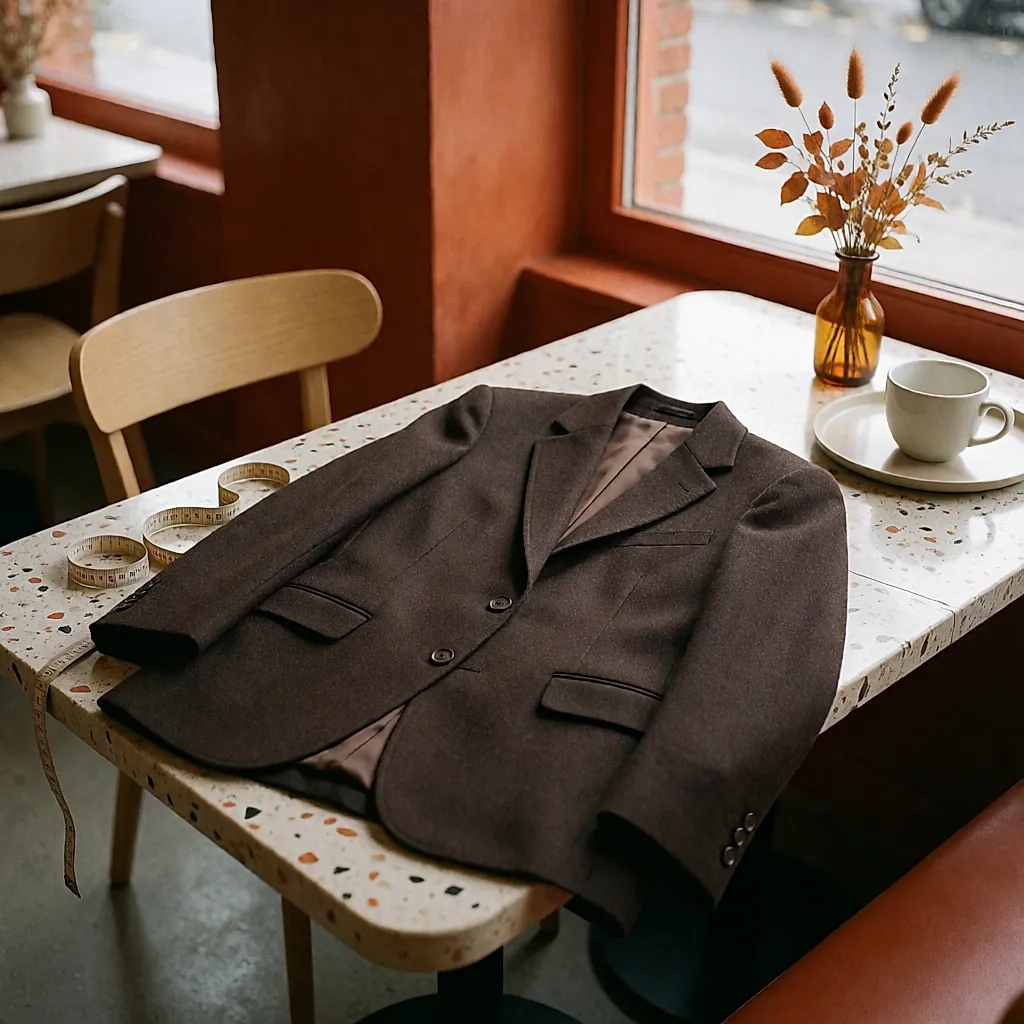
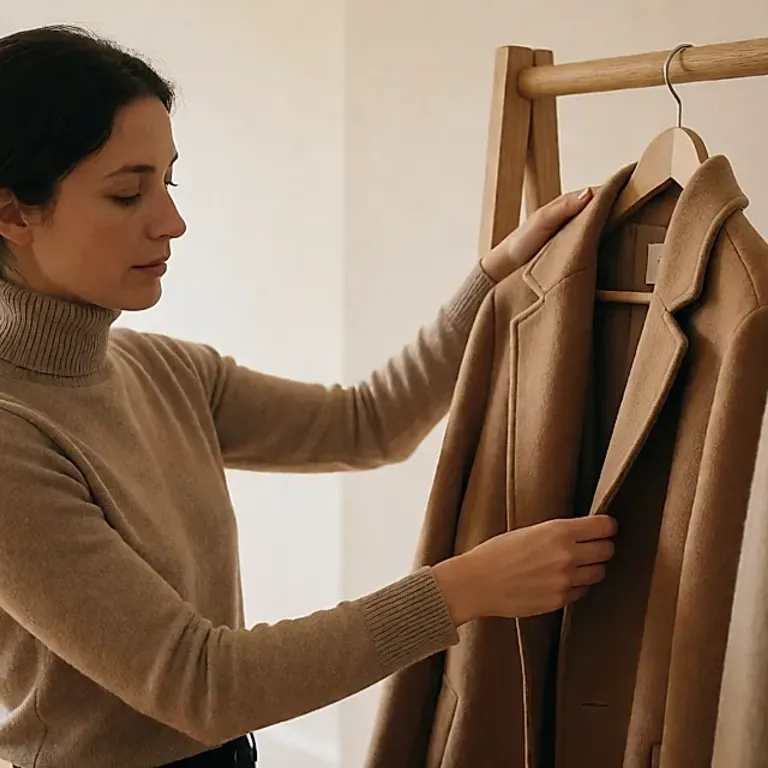
The details that matter are modest: a clean collar seam, a neat hem, buttons sewn with thread that holds up, a lining that doesn't pull at the shoulders. Online, look for back views, close-ups of texture and a detailed size guide. And get out the tape measure: ask for measurements taken flat and compare them with a piece you already wear — it's the most reliable comparison you can make.
Before you pay, three checks that take five minutes: flat measurements compared with a garment you own; the full composition and care instructions (check how much synthetic fibre is involved); and the returns policy, including timeframe and costs. If one of the three is missing, wait for the next season — it will have more to tell you.
The wardrobe test comes before the mirror
The most effective trick isn't technical at all: name three possible outfits using what you already own. Three, not one. If the third requires an extra purchase, the piece isn't a basic — it's a want. Which is perfectly fine, as long as you know that and pay for it as such.
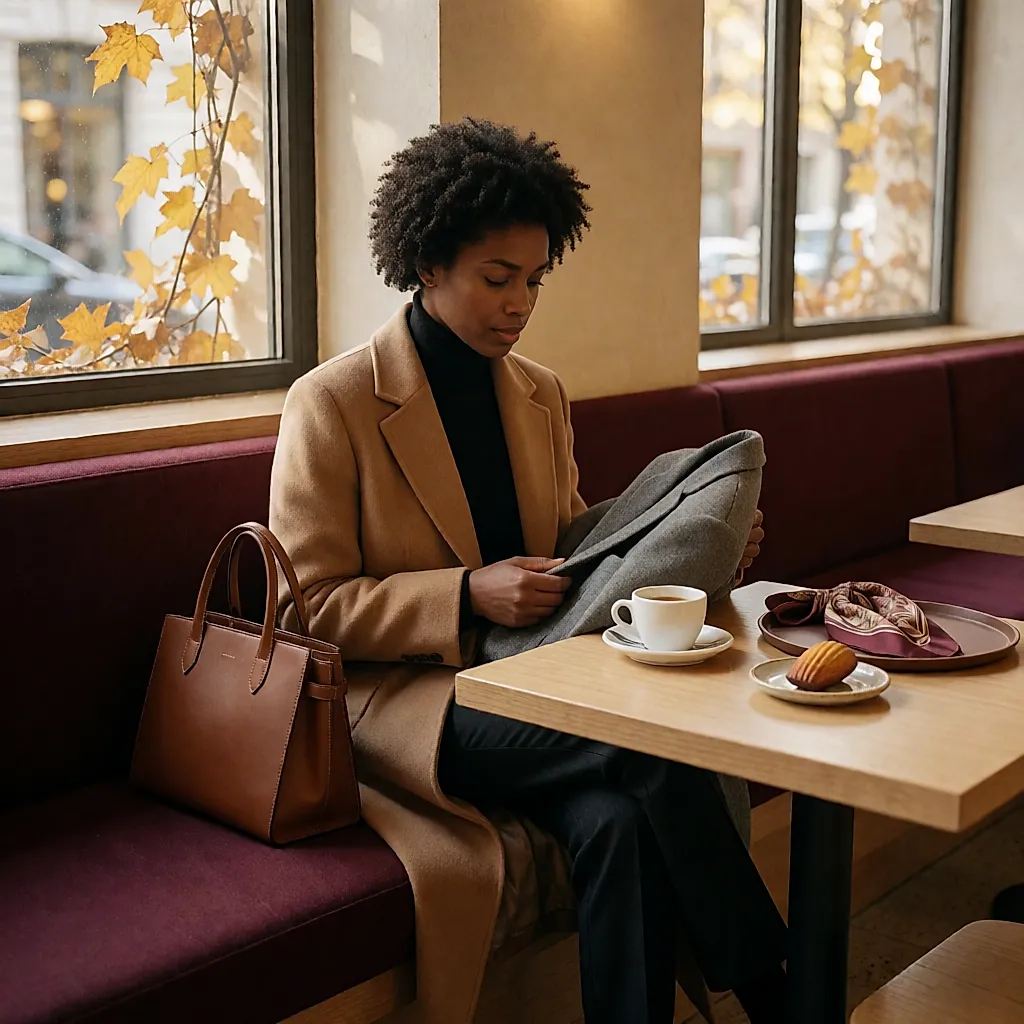
And there are times when it's sensible to wait. If you're after a piece for the office five days a week, a first collection with very pronounced volume may end up staying in the wardrobe. If your body shape falls outside the reference model's, debut seasons — often cut for a single block — are less forgiving. A wider second season is better than a return.
Budget
On price, a debut season usually sits between mid-market and the upper end of the high street: as a rough guide, expect to pay around £70–£180 for a shirt or trousers, and more like £160–£350 for a jacket or coat, depending on the fabric and where it's made. A well-cut piece in wool or linen justifies the difference; a flattering label on an ordinary fabric, less so.
What shifts the price: the city and the stockist (the brand's own online shop, a showroom, a concept store, a makers' market), the range, and the service — alterations included or not. Two sensible alternatives: watch for the end of the season, when unsold stock is cleared, or buy second-hand, where you can sometimes find a first-collection piece at half price, with the advantage of knowing how it has worn.
There's no need to rush, really. A first season is a statement of intent: buy it if the silhouette genuinely looks like you, if the fabric holds up, and if your wardrobe can take it without renegotiating everything else. Otherwise, make a note of the designer's name, keep the tab open and let the second collection answer the questions the first one asked.

Comments
Your opinion matters: rate the article, react and reply to comments.
Comments are moderated; AI-assisted comments are flagged. Text emoticons (8-), :-), <3…) are automatically shown as images.